 Skip to content
How Long Does Faux Leather Last:Durability, Factors & Care Guide
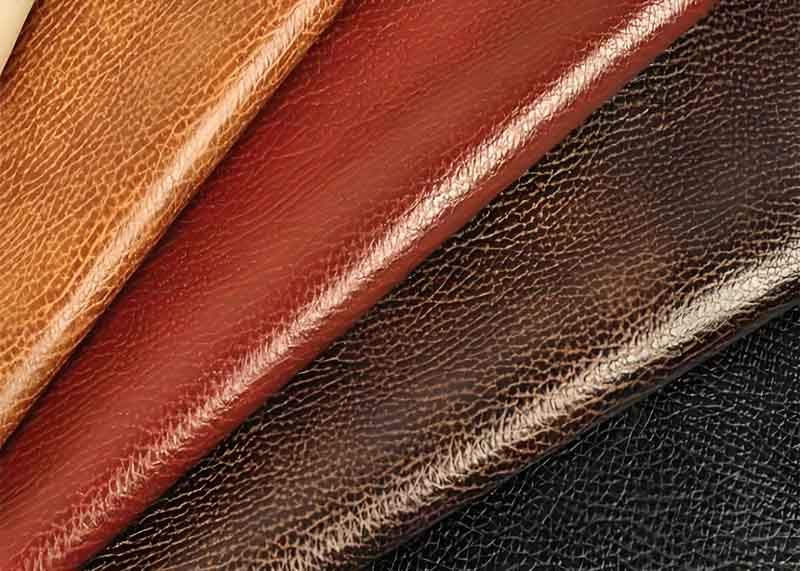
Faux leather has surged in popularity as a vegan, cost‑effective alternative to genuine leather. But as budgets tighten and consumers demand longevity, a pressing question emerges: “How long will my PU sofa or PVC handbag really last?” From fast‑fashion purses that peel after months to high‑end vegan leather jacket that age gracefully, faux leather covers a vast performance spectrum.
Faux leather’s lifespan depends on material type and use: PU leather typically endures 3–5 years with daily use, while PVC leather can last 5–8 years before cracking or peeling. Proper care—avoiding direct sun, cleaning with mild detergents, and conditioning—can extend PU leather life by up to 30%.
In this in‑depth guide, we’ll explore faux leather types and their expected lifespans, key factors influencing durability (from UV exposure to mechanical stress), practical care routines to prolong service life, comparisons with genuine leather, and buyer‑centric tips on choosing long‑lasting vegan leather goods. By the end, you’ll know exactly what to look for—and how to partner with manufacturers like Szoneier Leather to custom‑develop faux leather products engineered for years of performance.
What Is Faux Leather and Which Materials Are Commonly Used?
Faux leather—also called vegan or synthetic leather—is made by applying polyurethane (PU) or polyvinyl chloride (PVC) coatings over fabric backings like polyester or cotton. PU leather offers a softer hand and better breathability, while PVC leather is more water‑resistant and robust but less flexible. Variations include microfiber leather and bio‑based blends using plant oils to reduce petroleum content.
Faux leather replicates the look and feel of animal hide without the ethical and environmental baggage. Its two primary constructions—PU and PVC—serve distinct market needs:
Polyurethane (PU) Leather
- Construction: A polyester or knit fabric substrate is coated with multiple thin layers of PU resin, then embossed for grain.
- Handfeel & Aesthetics: Soft, matte finish; closely mimics genuine leather texture; available in varied colors and patterns.
- Breathability & Comfort: More breathable than PVC, reducing sweating in apparel and seating.
- Environmental Note: Water‑based PU formulations lower VOC emissions; some brands use bio‑PU derived from castor oil to reduce fossil‑fuel reliance.
Polyvinyl Chloride (PVC) Leather
- Construction: Heavier PVC layer applied over fabric, often with plasticizers (phthalates) to impart softness, then embossed.
- Durability & Water Resistance: Highly resistant to moisture, stains, and abrasion; ideal for upholstery in high‑traffic zones.
- Limitations: Less flexible, can feel plasticky; prone to plasticizer migration causing surface browning over time.
- Environmental Note: Advances in non‑phthalate plasticizers and lead‑free stabilizers mitigate health concerns.
Microfiber & Specialty Synthetics
- Microfiber Leather: Ultra‑fine PU fibers bonded to non‑woven substrates deliver superior strength and breathability; used in automotive and premium fashion.
- Bio‑Based & Recycled Blends: Incorporate plant oils or recycle post‑consumer PET into backings, reducing carbon footprint.
Key Differentiators from Genuine Leather
| Feature | PU Leather | PVC Leather | Genuine Leather |
|---|---|---|---|
| Handfeel | Soft, leather‑like | Firmer, plasticky | Natural, varied |
| Breathability | Moderate | Low | High |
| Water Resistance | Moderate | High | Low |
| Durability | 3–5 years | 5–8 years | 10–20+ years |
| Price Point | $10–$30/sq ft | $5–$20/sq ft | $20–$100+/sq ft |
Understanding these materials is the first step toward predicting lifespan and selecting the right faux leather for your product’s demands.
How Long Does Different Types of Faux Leather Typically Last?
PU leather generally endures 3–5 years under everyday use before signs of cracking or peeling appear. PVC leather—thanks to its thicker, plasticized coating—can last 5–8 years, especially when kept out of direct sunlight. Microfiber-based synthetics (used in automotive and premium seating) often achieve 7–10 years of service in demanding environments. Lifespans vary by polymer quality, coating thickness, and exposure conditions.
Faux leather encompasses a range of synthetic constructions, each with distinct polymer chemistries, coating techniques, and backing fabrics. These factors collectively determine how long a piece will retain its appearance and structural integrity. Below we unpack the key materials and expected service lives, illustrating typical use‑case scenarios and underlying failure mechanisms.
Polyurethane (PU) Leather:
PU leather is prized for its supple feel and close resemblance to genuine leather grain. However, its polymer chains are susceptible to hydrolysis and UV‑induced embrittlement over time.
Failure Modes:
- Microcracking: Repeated flexing at seams or folds initiates tiny cracks in the PU layer.
- Delamination: As the coating loses adhesion, edges begin to peel, exposing the fabric backing.
Lifespan Benchmarks:
- Light Use (handbags, fashion jackets): Expect 4–6 years before first visible peeling.
- Heavy Use (office chairs, bar stools): More like 3–5 years, especially if the furniture sits in front of windows or under fluorescent lighting.
Extending PU Life:
- UV Inhibitors: Premium PU formulations include UV absorbers that can prolong lifespan by up to 25%.
- Top‑Coat Thickness: A 0.5 mm coating typically lasts 30–50% longer than a 0.2 mm layer under identical abrasion tests.
Polyvinyl Chloride (PVC) Leather:
PVC leather uses plasticized vinyl coatings that deliver superior water resistance and abrasion durability, yet plasticizer migration and brittleness can shorten its service life.
Failure Modes:
- Plasticizer Blooming: Over time, plasticizers migrate to the surface, creating a greasy residue and weakening the material.
- Cracking with Age: The coating stiffens, losing flexibility in cold and developing cracks under stress.
Lifespan Benchmarks:
- Indoor Upholstery (restaurants, waiting rooms): 5–7 years before surface cracking appears.
- Outdoor/Marine (boat upholstery): 6–8 years if properly stabilized with UV‑resistant additives.
Extending PVC Life:
- Non‑Phthalate Plasticizers: Modern formulations use stable plasticizers that reduce blooming by 40%.
- Protective Coatings: Adding a thin clear PU top coat can cut UV‑induced degradation in half.
Microfiber Faux Leather:
Microfiber leather leverages ultra‑fine PU fibers bonded to a microfiber non‑woven backing, achieving both strength and breathability.
Failure Modes:
- Fiber Fatigue: While the PU matrix resists cracking, the microfiber backing can wear thin under abrasive contact.
- Stain Retention: Microfiber pores trap oils and dyes, leading to discoloration if not cleaned properly.
Lifespan Benchmarks:
- Automotive Grade: Meets car OEM requirements of 7–10 years under daily sun exposure and temperature swings.
- Residential Seating: 8–12 years with moderate use and regular maintenance.
Extending Microfiber Leather Life:
- Hydrophobic Treatments: Treatments that repel oils and water keep the surface cleaner 50% longer.
- Regular Cleaning: Vacuuming dust and spot‑cleaning oils preserves fiber integrity.
Bio‑Based and Recycled Blends:
Newer bio‑PU leathers and recycled PET backings promise eco‑credentials but currently match standard PU lifespans (3–5 years). Ongoing R&D targets improved polymer stability and backing strength to close the gap with microfiber.
Faux Leather Types vs Typical Lifespan
| Faux Leather Type | Abrasion Resistance (Taber cycles) | UV Stability Rating | Expected Lifespan | Common Applications |
|---|---|---|---|---|
| PU Leather | 50,000–100,000 | Moderate | 3–5 years | Fashion goods, soft upholstery |
| PVC Leather | 80,000–150,000 | High | 5–8 years | Marine, outdoor furniture |
| Microfiber Faux Leather | 120,000–200,000 | High | 7–10 years | Automotive seats, premium sofas |
| Bio‑PU/Recycled Blends | 40,000–80,000 | Moderate | 3–5 years | Eco‑friendly accessories |
Which Factors Influence the Durability of Faux Leather?
Faux leather durability hinges on material type (PU vs. PVC vs. microfiber), polymer quality and thickness, surface finish (protective top coat), environmental exposure (UV, humidity), and mechanical stress (flex, abrasion). Premium formulations with high‑grade resins, anti‑UV additives, and thicker coatings can extend lifespan by 20–30%.
Several interrelated factors determine how long a faux leather product remains functional and attractive.
Material Composition & Polymer Quality
- Resin Purity: High‑grade PU resins resist hydrolysis better, preventing premature embrittlement. Cheaper resins oxidize and crack within months.
- Coating Thickness: A 0.5 mm PU layer outlasts 0.2 mm by up to 50% in lab flex tests.
- Additives & Stabilizers: UV absorbers, antioxidants, and anti‑microbial agents delay polymer breakdown and surface mold growth.
What Are the Disadvantages of Faux Leather?
- Environmental Impact: Derived from fossil fuels; PVC variants use toxic plasticizers.
- Breathability Issues: Lower moisture permeability compared to real leather—can trap sweat and odors.
- Repair Challenges: Scratches and tears cannot be easily reconditioned; require patching or replacement.
- Aging Appearance: Tends to crack and peel rather than develop a patina.
Manufacturing & Finishing Processes
- Embossing Quality: Deep, clear grain patterns mask early wear, while shallow embossing reveals cracks sooner.
- Curing & Drying Controls: Proper drying in controlled humidity prevents residual solvents that weaken finish.
- Backing Fabric Strength: Tear-resistant polyester or nylon meshes support the coating under tension; weak backings lead to delamination.
Environmental Exposure
- UV Radiation: Sunlight degrades polymer chains; without UV inhibitors, surface becomes chalky in 1–2 years outdoors.
- Temperature Extremes: Heat accelerates softener migration in PVC; cold reduces PU flexibility, causing microfractures on bending.
- Moisture & Humidity: Repeated wet‑dry cycles stress surface and backing adhesion.
Mechanical Stress & Usage Patterns
- Flex Points: High‑stress zones—seams, folds—experience accelerated wear. Products should incorporate stress‑relief designs or fabric reinforcements.
- Abrasion Load: Constant rubbing (e.g., armrests, seat edges) tests surface integrity; abrasion‑resistant finishes extend service.
- Cleaning Frequency & Methods: Harsh chemicals or coarse brushes strip protective top coats, hastening deterioration.
How Should You Care for Faux Leather to Extend Its Lifespan?
Regularly wipe faux leather with a soft, damp cloth and mild soap; avoid harsh solvents and alcohol. Keep products out of direct sunlight and heat sources. Apply a silicon‑based conditioner quarterly to replenish surface flexibility. For spills, blot immediately and air‑dry to prevent staining. Deep clean annually with a specialized synthetic leather cleaner.
Proper care routines dramatically prolong faux leather life, preserving appearance and preventing early failure.
Daily & Weekly Maintenance
- Dusting & Wiping: Use microfiber cloths to remove dust and dry dirt—avoids abrasion from grit. For light soiling, a solution of warm water and gentle dish soap works well.
- Spot Cleaning: Test cleaner on hidden area first. Blot (don’t rub) spills with damp cloth; follow with dry cloth.
Monthly Conditioning
- Silicone‑Based Conditioners: Lightweight sprays rejuvenate PU surfaces, restoring pliability and creating a UV‑resistant barrier. Avoid oil‑based products that can soften glue lines.
- Application: Spray onto cloth, then wipe evenly; buff dry after 5 minutes to avoid residue.
Annual Deep Cleaning
- Specialized Cleaners: pH‑neutral, formulated for synthetics; remove embedded oils and grime without degrading polymer.
- Procedure: Follow manufacturer instructions—often includes two‑step clean and condition cycle.
Protecting from Environmental Damage
- UV Protection: Position furniture away from windows or use curtains/blinds. For automotive interiors, apply protective films or park in shade.
- Temperature Control: Keep indoor products between 60–80 °F. Extreme cold leads to cracking; high heat accelerates aging.
Repair & Touch‑Up Techniques
- Minor Scratches: Use color‑matched repair kits—apply filler, let dry, then buff.
- Peeling Edges: Trim loose bits carefully, then apply matching vinyl filler and sealant.
- Professional Restoration: For high‑value items, consult a specialist for re‑coating or patch repairs.
Are There Differences in Lifespan Between Faux and Genuine Leather?
Yes. Genuine leather—especially full‑grain—can last 10–20+ years, developing a unique patina, whereas faux leather typically endures 3–10 years depending on type. Genuine leather’s collagen structure and natural oils grant superior tear resistance and aging characteristics; faux leather relies on petrochemical polymers that degrade under UV, heat, and flex stress.
When comparing faux to genuine leather, it’s crucial to examine material structure, aging behavior, repair potential, and real‑world performance. Below we unpack these dimensions to help brands and consumers make informed choices.
Structural Integrity & Mechanical Performance
Genuine Leather:
- Collagen Fiber Network: Animal hides consist of interwoven collagen fibers that realign and compact over time, enhancing strength and suppleness.
- Tensile & Tear Resistance: Full‑grain cowhide boasts tensile strengths of 18–22 MPa and tear resistance of 35–50 N, often outperforming most faux materials.
- Abrasion Resistance: 900–1,200 Taber cycles before visible wear—suitable for high‑traffic furniture and footwear.
Faux Leather:
- Polymer Coatings: PU and PVC layers sit atop fabric backings; polymers break into brittle fragments under repeated mechanical stress.
- Tensile & Tear Resistance: Quality microfiber faux leather may reach 20 MPa and 50 N tear, but standard PU/PVC often measures lower.
- Abrasion Resistance: 50,000–200,000 rubs—comparable in lab tests but more prone to surface flaking once the coating fails.
Aging & Aesthetic Evolution
Genuine Leather:
- Patina Formation: Natural hides absorb oils and develop color depth and luster over years, making each item unique.
- Minor Damage Repair: Scratches and scuffs can often be buffed out or re‑died; dry‑conditioners restore flexibility.
Faux Leather:
- Cracking & Peeling: Once microcracks form, they propagate rapidly; the finish flakes away, revealing backing fabric.
- Irreversible Damage: Repair kits may fill small scratches, but overall surface cannot regenerate a natural patina.
Environmental & Care Factors
UV & Climate Exposure:
- Genuine Leather: Susceptible to sun‑bleaching but can be treated with waxes or conditioners; remains structurally sound.
- Faux Leather: UV accelerates polymer degradation—unprotected PU may show chalking in 1–2 years outdoors.
Moisture & Cleaning:
- Genuine Leather: Water can stain untreated hides but leather repellent sprays mitigate issues; regular conditioning prevents drying.
- Faux Leather: Waterproof by design but trapping moisture underneath can encourage mold on backing; wipe‑dry only.
Office Chair Comparison
| Feature | Genuine Leather Chair | Microfiber Faux Leather Chair |
|---|---|---|
| Purchase Price | $800 | $400 |
| Warranty | 10 years | 3 years |
| Average Lifespan | 15–20 years | 7–10 years |
| Repair Costs | $50–$100/restoration | Not repairable—replacement |
| Aesthetic Over Time | Improves (patina) | Declines (peeling) |
What Should Consumers Consider When Choosing Long‑Lasting Faux Leather Products?
When selecting durable faux leather, evaluate material type (PU vs. PVC vs. microfiber), coating thickness (≥0.4 mm preferred), additives (UV stabilizers, antioxidants), and backing quality (high‑denier polyester or nylon). Check for abrasion/flex test certifications, warranty terms, and manufacturer transparency on formulation and environmental impact. These factors collectively predict how well a faux leather item holds up under daily use and evolving conditions.
Faux leather’s performance hinges on multiple interrelated criteria. Savvy consumers and brands alike should dig beneath surface aesthetics and price tags to ensure their vegan‑leather goods truly stand the test of time. Below we unpack critical considerations:
Material Chemistry & Construction
- Polymer Quality: Higher‑grade PU resins resist hydrolysis and UV‑induced embrittlement longer. Ask about resin purity and industry‑standard certifications (e.g., ISO 9001).
- Coating Thickness: A minimum of 0.4 mm ensures robust surface wear resistance. Thinner coatings—0.2 mm—often show microcracks after only 10,000 flex cycles, whereas ≥0.4 mm can exceed 50,000 cycles.
- Backings: A strong fabric substrate (200–300 D polyester or nylon) supports the polymer layer under stress. Cheap backings (100 D) can delaminate, causing surface flaking.
| Feature | Ideal Specification | Impact on Durability |
|---|---|---|
| Polymer Type | High‑grade PU / stabilized PVC | Slower UV & hydrolysis degradation |
| Coating Thickness | ≥0.4 mm | Higher abrasion & flex resistance |
| Backing Fabric Denier | 200–300 D | Improved delamination resistance |
| UV & Antioxidant Additives | Yes (e.g., HALS, benzotriazoles) | Up to 30% longer outdoor life |
Performance Testing & Certification
- Abrasion Tests (Taber/Martindale): Look for ≥50,000 rubs on furniture and ≥100,000 on automotive applications.
- Flex Tests (ISO 5402–1): Quality faux leather should withstand ≥50,000 bend cycles without visible cracking.
- UV Resistance: If used outdoors or in cars, ensure Xenon arc tests show minimal chalking after 500–1,000 hours.
Environmental & Health Safety
- Chemical Transparency: PVC leathers should be phthalate‑free and free of heavy‑metal stabilizers; PU leathers should meet REACH and Oeko‑Tex standards.
- Sustainability Credentials: Some brands offer bio‑PU (plant‑based polyols) or use recycled PET backings—look for EPEAT or Cradle to Cradle certifications.
Warranty, After‑Sales Support & Repairability
- Warranty Length: A 3‑ to 5‑year limited warranty indicates manufacturer confidence.
- Repair Programs: Availability of color‑matched repair kits, patch options, or professional restoration services extends usable life.
- Care Instructions: Clear guidance on cleaning agents, conditioning intervals, and environmental storage prevents misuse that voids warranties.
Aesthetic Longevity & Consumer Perception
- Embossing Depth: Deeper grain patterns mask early wear and scratches.
- Finish Type: Matte and semi‑aniline finishes conceal microcracks better than gloss coatings.
- Colorfastness: Verify ISO 105‑B02 color‑fastness to light and ISO 105‑C06 to rubbing for vibrant, long‑lasting hues.
Practical Buying Tips
- Request Samples: Test at home under your lighting and climate conditions.
- Inspect Fold & Crease Areas: Bend sample repeatedly to check for surface cracks.
- Compare Weight: Heavier faux leather often correlates with thicker, more durable coatings.
- Read Reviews & Case Studies: Look for use cases similar to your application—office, automotive, fashion.
Is Faux Leather Worth Buying?
While faux leather won’t match genuine leather’s multi‑decade lifespan, its lower cost, ethical appeal, and modern performance—especially in PU and microfiber variants—make it a compelling choice for medium‑term applications (3–10 years). For budget‑minded consumers or industries prioritizing animal‑free materials (hotels, rental fleets), high‑quality faux leather represents excellent value.
Ready to develop long‑lasting faux leather products tailored to your brand’s needs?
Partner with Szoneier Leather,an 18+ year leader in leather and synthetic material R&D, design, and manufacturing. From custom PU formulations and micro‑fiber engineering to prototyping and low‑MOQ production, we deliver cruelty‑free, durable faux leather solutions with full quality assurance.
What Can I Do For You?
Here, developing your OEM/ODM private label leather goods collection is no longer a challenge,it’s an excellent opportunity to bring your creative vision to life.
Make A Sample First?
If you have your own tech packs, logo design artwork, or just an idea,please provide details about your project requirements, including preferred fabric, color, and customization options,we’re excited to assist you in bringing your leather goods designs to life through our sample production process.