
How Is Leather Made from Cows:Process, Cost, and Ethics Explained
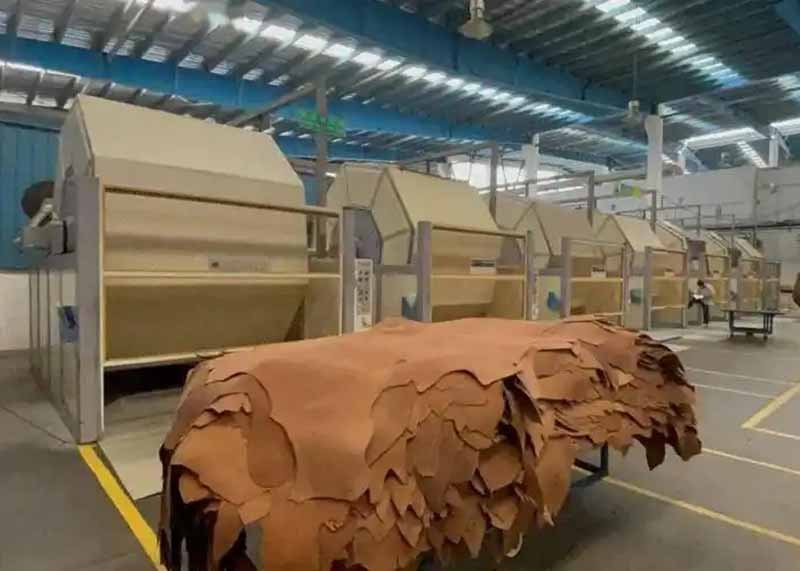
Leather is one of humanity’s oldest and most enduring materials — valued for its strength, texture, and timeless aesthetic. From medieval armor to luxury handbags, it represents a unique blend of durability and craftsmanship. But behind every polished piece of cow leather lies a complex transformation process that combines biology, chemistry, and artistry.
Cow leather is made by treating raw hides from cattle through a series of steps — cleaning, tanning, drying, and finishing — that preserve the collagen structure and turn perishable skin into a long-lasting, flexible material.
Cow leather is made from cowhides that undergo cleaning, tanning, and finishing to preserve natural fibers. The process includes soaking, liming, tanning (using vegetable or chrome methods), dyeing, and finishing. These steps stabilize proteins, prevent decay, and give leather its color, softness, and durability for products like bags, shoes, and belts.
Leather manufacturing is both a science and an art. Each stage — from hide preservation to finishing — determines the material’s quality, performance, and environmental footprint. To understand why real leather remains so prized (and costly), let’s examine its journey in depth.
What Is Cow Leather Made Of?
Cow leather is made from the hide of cattle — primarily the dermal layer beneath the skin’s surface. It consists of a dense collagen fiber network, natural fats, and water, which give leather its strength and elasticity. After removing the epidermis and subcutaneous tissue, the remaining dermis is tanned to prevent decay and enhance flexibility. Depending on how deeply the hide is split, different types of leather are produced — full-grain, top-grain, or split.
The Biological Composition of Cowhide
A cow’s hide is a living biological composite before processing. It’s composed of approximately:
- Collagen fibers (60–70%) – the structural protein responsible for tensile strength and elasticity.
- Water (15–25%) – provides flexibility before curing.
- Fats and natural oils (2–5%) – contribute to lubrication and grain feel.
- Proteins, minerals, and pigments (3–5%) – influence coloration and reaction to tanning agents.
The collagen fibers form an interwoven, three-dimensional mesh — tighter and denser near the outer surface (grain side) and looser toward the flesh side. This fiber orientation determines the final texture, breathability, and cutting yield of the leather.
What Part of the Cow Is Used for Leather?
The cowhide can be divided into distinct functional layers:
| Layer | Composition & Function | Use in Leather |
|---|---|---|
| Epidermis | Thin, outer skin surface (~1% of thickness). Contains hair follicles and pigment. | Removed entirely before tanning. |
| Grain Layer (Upper Dermis) | Dense collagen fibers aligned parallel to the surface. Provides strength, natural pores, and grain pattern. | Used in full-grain and top-grain leather. |
| Corium (Reticular Dermis) | Looser, sponge-like collagen network that adds flexibility and body. | Used in split leather and suede. |
| Flesh Layer (Subcutaneous Tissue) | Fat, connective tissue, and blood vessels. | Trimmed away and used for bonded leather or gelatin. |
The grain layer is the most valuable because it retains the natural surface markings — the unique fingerprint of each hide. These markings are what distinguish genuine leather from synthetic imitations.
Regional Quality Variations on the Cow’s Body
Not all parts of a cowhide yield equal-quality leather. Fiber density and uniformity vary by region:
| Hide Area | Characteristics | Typical Use |
|---|---|---|
| Butt / Back | Tightest fiber structure; most consistent surface. | Premium leather goods (bags, belts, wallets). |
| Shoulder / Neck | Slight wrinkles and irregular fiber tension. | Natural-textured leathers or embossed finishes. |
| Belly / Flank | Loose fibers, stretch-prone, variable thickness. | Suede, linings, or budget-grade products. |
High-end tanneries often cut and classify hides by region during trimming to ensure consistent yield and performance across production batches.
The Role of Collagen in Leather Strength
Collagen, the main structural protein in animal skin, is arranged in triple-helix fibrils that interlock into fibers. When tanned, chemical crosslinking stabilizes these fibrils — preventing them from decomposing and giving leather its distinctive combination of softness, resilience, and tear resistance.
Under microscopic examination:
- The grain side shows tightly interwoven fibers resistant to abrasion.
- The flesh side displays more open, flexible structures, ideal for split leather.
After tanning, collagen retains water-binding properties, allowing leather to stay breathable and pliable even in varying humidity.
Why Cowhide Is the Preferred Material
Cowhide remains the most widely used leather worldwide for both industrial and luxury applications because it balances strength, workability, and availability.
| Property | Cowhide | Goatskin | Sheepskin | Buffalo Hide |
|---|---|---|---|---|
| Thickness | 1.4–2.0 mm | 0.8–1.2 mm | 0.6–1.0 mm | 2.0–2.5 mm |
| Tensile Strength | 25–30 N/mm² | 18–22 N/mm² | 12–16 N/mm² | 28–35 N/mm² |
| Surface Texture | Balanced grain | Fine grain | Smooth, oily | Coarse grain |
| Global Availability | High | Moderate | Moderate | Limited |
| Common Uses | Bags, shoes, furniture | Gloves, jackets | Garments, linings | Heavy-duty belts |
Cowhide’s intermediate fiber density allows it to be molded, embossed, or polished without losing structure — an essential advantage for product manufacturers seeking both aesthetics and durability.
From Raw Material to Usable Hide
Once the cowhide is removed from the animal, it undergoes:
- Flaying and Trimming: Removal of excess flesh and connective tissue.
- Curing: Preservation with salt or refrigeration to prevent bacterial growth.
- Grading: Classification by size, thickness, and visible defects.
- Soaking and Liming (Pre-tanning): Cleaning, hydration, and fiber opening to prepare for tanning.
At this point, the material is known as a “pelt” — an organic, flexible sheet ready for transformation into stable, usable leather through the tanning process.
Chemical Transformations During Leather Making
Chemically, leather production is about stabilizing collagen against decay. During tanning, the reactive amino and carboxyl groups in collagen form crosslinks with tanning agents (chromium ions, vegetable tannins, or aldehydes). This creates a three-dimensional network that resists bacterial and enzymatic breakdown.
After tanning:
- The material becomes thermally stable (won’t gelatinize under heat).
- Water absorption drops by ~60%.
- Shrinkage temperature increases from 65°C (raw hide) to ~100°C (leather).
These molecular transformations explain why leather remains strong, flexible, and long-lasting for decades.
Texture, Thickness, and Breathability Factors
Leather’s unique sensory qualities — the way it breathes, stretches, and ages — are all rooted in its collagen structure.
- Breathability: Micropores between fibers allow moisture vapor to pass, preventing discomfort in apparel or footwear.
- Elasticity: The crimped arrangement of collagen provides mechanical stretch.
- Aging: Over time, the surface oils oxidize and migrate, forming the characteristic patina valued in full-grain leather.
- Thickness Control: Typically 1.2–1.6 mm for bags, 0.8–1.0 mm for garments, and 2.0+ mm for belts or saddlery.
Skilled technicians use splitting and shaving machines to calibrate uniform thickness, optimizing yield without compromising fiber strength.
The Link Between Hide Quality and Final Product
The final performance of any leather good — whether a luxury handbag or industrial belt — depends on the hide’s origin, breed, and handling.
Key quality determinants include:
- Breed and age: Older cattle produce thicker hides with coarser grain.
- Climate: Cold-region cattle have denser fiber structures.
- Feeding and health: Nutritional deficiencies or branding scars lower grade.
- Processing care: Clean flaying and proper curing reduce defects.
Top manufacturers source hides through traceable supply chains — often from meat industry by-products — to ensure uniformity and ethical compliance.
Is Cow Leather Real Leather?
Yes. Cow leather is genuine leather — it’s derived from animal hide, unlike PU (polyurethane) or PVC “leathers,” which are synthetic polymers. Genuine leather preserves the natural fiber network of collagen, making it breathable, flexible, and long-lasting. Synthetic substitutes may mimic texture but lack the organic strength and patina that develop with age.
How Are Cowhides Prepared Before Tanning?
Before tanning, cowhides are cleaned, stabilized, and chemically treated to remove hair, fats, and unwanted proteins. The preparation process includes curing (to prevent decay), soaking, liming, deliming, and pickling. These steps rehydrate the hides, open up the collagen fibers, and adjust the pH, creating ideal conditions for tannins or chromium salts to penetrate evenly. Proper preparation is critical for achieving uniform softness, dye absorption, and long-term leather durability.
The Purpose of Pre-Tanning
Raw cowhide is biologically unstable. Once removed from the animal, its natural enzymes and bacteria begin decomposition within hours. The goal of pre-tanning (also known as beamhouse operations) is to transform the perishable raw hide into a chemically stable, clean, and hydrated substrate ready for tanning.
These early steps account for 30–40% of total leather-making effort, and they strongly influence the final leather’s:
- Softness and elasticity,
- Uniform thickness,
- Color absorption,
- Tensile strength, and
- Surface cleanliness.
Errors at this stage—such as uneven liming or residual grease—can cause tanning failures, stiffness, or patchy finishes later.
Step 1: Curing – Preserving Fresh Hides
Immediately after flaying, hides must be preserved to prevent bacterial growth and putrefaction. Bacteria thrive on the proteins and fats in the hide, especially under warm and humid conditions.
Common Preservation Methods
| Method | Description | Storage Life | Advantages / Disadvantages |
|---|---|---|---|
| Wet-salting | Hides are rubbed and stacked with sodium chloride (~40–50% w/w). Salt draws out water and inhibits bacteria. | 30–60 days | Most common; effective but generates saline waste. |
| Dry-salting | Combination of salting and air-drying under shade. | 30–45 days | Lightweight transport; less odor. |
| Brine curing | Soaking in concentrated salt solution with bactericides. | 20–40 days | Faster; uniform preservation. |
| Chilling / Freezing | Short-term storage at 0–4°C. | 3–7 days | Used in modern tanneries; eco-friendly but requires energy. |
During curing, 15–20% of the hide’s moisture is removed, halting bacterial enzyme activity. Many tanneries now use biocide-enhanced curing (e.g., with benzalkonium chloride) to improve shelf life with lower salt concentrations, reducing environmental salinity discharge.
Step 2: Soaking – Rehydrating and Cleaning
After transportation, the dried or salted hides must be re-soaked in clean water to restore their natural moisture and pliability. This is done in large rotating drums or paddle vats for 6–12 hours.
Objectives of Soaking:
- Remove salt, dirt, blood, manure, and preservatives.
- Rehydrate the collagen fibers to ~60–70% water content.
- Remove soluble proteins and unwanted microorganisms.
Process Parameters:
- Water temperature: 25–30°C (warm enough to speed rehydration without bacterial regrowth).
- pH: 7–8 (neutral to mild alkaline).
- Additives: Wetting agents, mild enzymes, and bactericides.
In advanced tanneries, enzymatic soaking replaces harsh chemicals. Enzymes like protease and lipase gently dissolve fats and non-fibrous proteins, reducing odor and wastewater load by up to 20–30%.
Step 3: Liming – Hair Removal and Fiber Opening
The liming process is one of the most critical and transformative stages. It uses calcium hydroxide (lime) and sodium sulfide to remove hair, dissolve epidermis, and open up the hide structure.
Chemical Reactions in Liming:
- Sodium sulfide breaks down keratin proteins in hair and epidermis.
- Lime swells collagen fibers, separating them for deeper tanning agent penetration.
- Fats and interfibrillary proteins are emulsified and partially saponified.
The result: the hide’s fiber network expands by 30–50%, giving the material flexibility and porosity.
| Parameter | Typical Range |
|---|---|
| pH | 12–13 (highly alkaline) |
| Temperature | 25–28°C |
| Duration | 12–24 hours (depending on thickness) |
| Additives | Sodium sulfhydrate, calcium hydroxide, non-ionic surfactants |
Outcomes of Proper Liming:
- Hair and epidermis completely removed.
- Collagen fibers loosened.
- Flesh side smoothed.
- Improved chemical receptivity for tanning.
In eco-conscious tanneries, hair-save liming is used — hair is removed mechanically rather than dissolved chemically, cutting sulfide waste by 70–80%.
Step 4: Fleshing and Splitting
Once liming is complete, hides pass through fleshing machines, where rotating blades trim off remaining flesh, fat, and connective tissue. The resulting by-products are recycled into:
- Gelatin and collagen peptides, or
- Fertilizer and biofuel feedstock.
Next, splitting divides the hide horizontally into two or more layers:
- Grain split (top): used for full-grain or top-grain leather.
- Flesh split (bottom): used for suede or coated split leather.
This step also ensures consistent thickness before tanning.
Step 5: Deliming – pH Adjustment and Lime Removal
After liming, hides are swollen and highly alkaline (pH ~13). This must be carefully neutralized. Deliming uses mild acidic agents (ammonium sulfate, ammonium chloride, or organic acids) to bring the pH down to 8–9, closer to the ideal for enzyme treatments and tanning.
Key Functions:
- Remove residual lime that could cause uneven tanning.
- Reduce swelling and restore natural hide size.
- Prepare collagen fibers for further processing.
| Parameter | Typical Value |
|---|---|
| Duration | 1–2 hours |
| Temperature | 25–30°C |
| Target pH | 8–9 |
Modern systems often use CO₂ deliming, which reduces ammonia emissions by up to 90% and provides better pH uniformity throughout the hide.
Step 6: Bating – Enzymatic Fiber Refinement
Bating is often combined with deliming. It involves adding proteolytic enzymes to remove residual non-collagen proteins (e.g., elastin, globulins) and to smooth the grain surface.
- Traditional method: animal pancreatic enzymes (now replaced by microbial enzymes).
- Duration: 60–120 minutes.
- Result: soft, clean, and elastic hides.
Well-bated hides are crucial for high-end leather goods like wallets and gloves, where surface smoothness defines product quality.
Step 7: Pickling – Acid Preparation for Tanning
The final stage of pre-tanning is pickling, which adjusts the hide’s pH and introduces salts to protect it from swelling during tanning.
Process Chemistry:
- Add sulfuric acid (to reach pH 2.5–3.0).
- Add sodium chloride to maintain osmotic balance. This controlled acidity prepares the hide for either vegetable tannins or chromium salts to penetrate evenly during tanning.
Pickling Parameters:
| Condition | Typical Range |
|---|---|
| pH | 2.5–3.0 |
| Duration | 6–12 hours |
| Temperature | 20–25°C |
| Salt Concentration | 8–10% NaCl |
Optional: small amounts of formic acid or bactericides to further stabilize hides during storage.
At this point, the hide is called a “pelt” — soft, clean, and ready for the true tanning process that will permanently stabilize the collagen structure.
Wastewater and Environmental Considerations
Beamhouse operations are water-intensive and generate high biological oxygen demand (BOD) effluents. Modern tanneries employ closed-loop recycling and biological treatment systems:
| Innovation | Environmental Benefit |
|---|---|
| Hair-save liming | 70–80% sulfide reduction |
| Enzyme-based soaking | 20–30% BOD reduction |
| CO₂ deliming | Zero ammonia emission |
| Chrome-free pre-tanning | Lower heavy metal discharge |
| Membrane filtration & reverse osmosis | Water reuse up to 50–60% |
What Are the Main Tanning Methods Used?
Tanning converts raw cowhide into stable, non-decaying leather by binding collagen fibers with tannins or mineral salts. The main methods are vegetable tanning, using natural plant tannins for firm, eco-friendly leather; chrome tanning, using chromium salts for flexibility and speed; and synthetic or combination tanning, which blends both for balance. Each method affects softness, color, durability, and environmental impact, making tanning choice the most defining factor in leather quality.
The Science Behind Tanning
Raw hides contain collagen, a natural protein highly susceptible to bacterial and enzymatic decay. Without treatment, they quickly rot. Tanning transforms collagen into a chemically stable, insoluble, and non-putrescible material by forming crosslinks between collagen fibrils and tanning agents.
Tanning Objectives:
- Prevent decomposition of organic proteins.
- Increase thermal stability (raising shrinkage temperature from ~65°C to 100°C).
- Enhance flexibility, water resistance, and colorability.
- Maintain breathability while reducing water absorption.
Basic Chemical Principle:
Tanning agents react with carboxyl (-COOH) and amino (-NH₂) groups in collagen, forming ionic or covalent bonds that stabilize the structure. These bonds are permanent, ensuring that tanned leather retains shape and durability over decades.
Guide of the Main Tanning Methods
| Tanning Type | Tanning Agent | Processing Time | Resulting Leather | Typical Use |
|---|---|---|---|---|
| Vegetable Tanning | Plant-derived tannins | 30–60 days | Firm, natural, biodegradable | Belts, saddles, luxury goods |
| Chrome Tanning | Chromium(III) salts | 24–48 hours | Soft, flexible, water-resistant | Shoes, bags, upholstery |
| Synthetic Tanning | Formaldehyde, glutaraldehyde, or resins | 1–2 days | Pale, uniform, eco-safe | Automotive, white leather |
| Combination Tanning | Mix of chrome + vegetable | 2–5 days | Balanced properties | Garments, furniture, fashion |
Each method alters the collagen structure differently, producing distinct physical and aesthetic characteristics.
Vegetable Tanning – The Oldest and Most Natural Method
Vegetable tanning (or veg-tan) is a traditional, plant-based technique dating back thousands of years. It relies on polyphenolic tannins extracted from barks, leaves, or fruit pods.
Key Tannins Used:
- Quebracho (Schinopsis spp.) – hard, reddish tone, common in South America.
- Chestnut and oak bark – pale brown, firm texture.
- Mimosa or wattle bark – golden color, excellent flexibility.
- Tara pods (Peru) – lighter tannin for eco-tanning applications.
Process Steps:
- Pickled hides are immersed in vats of weak tannin solution.
- Over several weeks, concentration increases gradually.
- Tannins slowly diffuse and bind to collagen, forming a strong yet breathable network.
This slow penetration and high binding density give vegetable-tanned leather its hallmark — firmness, structure, and distinct earthy smell.
Advantages:
- 100% biodegradable and chromium-free.
- Develops a rich patina over time.
- Excellent for tooling, engraving, and shaping.
Disadvantages:
- Long processing time (30–60 days).
- Less resistant to heat and water.
- Limited color range (warm browns and tans).
Thermal shrinkage temperature: ~85–90°C Tensile strength: ~25 N/mm²
Vegetable tanning remains the go-to choice for artisanal, heritage, and eco-conscious brands — where natural appearance and aging matter more than production speed.
Chrome Tanning – The Industrial Standard
Chrome tanning revolutionized leather manufacturing in the late 19th century. It uses chromium(III) sulfate as the primary agent, drastically reducing production time while enhancing softness and water resistance.
Chemical Mechanism:
Chromium(III) ions (Cr³⁺) form coordinate bonds with carboxyl groups in collagen, creating a three-dimensional metal-protein network. This prevents the hide from absorbing water or decomposing.
Process Steps:
- Pickled hides (pH 2.5–3) are loaded into rotating drums.
- Chrome liquor (containing Cr₂(SO₄)₃) is added.
- pH is gradually raised to 3.8–4.2 (known as basification) using sodium bicarbonate.
- After 12–24 hours, hides are tanned — now called “wet blue” due to their bluish tint.
Advantages:
- Fast processing (24–48 hours).
- Produces soft, supple, and highly flexible leather.
- Uniform dye uptake and resistance to heat and moisture.
- Ideal for high-volume applications.
Disadvantages:
- Requires careful wastewater management due to chromium residues.
- Not biodegradable in its raw form.
- Perception of being “less natural” among eco-focused consumers.
Technical Data:
| Property | Chrome-Tanned Leather |
|---|---|
| Shrinkage Temperature | 100–110°C |
| Water Absorption | Low (5–10%) |
| Dyeability | Excellent |
| Tear Resistance | 35–40 N/mm² |
| Processing Time | 1–2 days |
Today, chrome tanning accounts for roughly 75–80% of global leather production, thanks to its speed and consistent performance.
Combination Tanning – The Best of Both Worlds
Combination tanning (often called semi-chrome or chrome-veg re-tan) merges the benefits of both methods: chrome’s flexibility and vegetable’s natural body.
Typical Process:
- Initial chrome tanning for internal stabilization.
- Secondary re-tanning with vegetable or synthetic tannins for added fullness, strength, and color depth.
This yields balanced leather: firm enough for structure, yet soft enough for comfort.
Applications:
- High-end handbags, furniture upholstery, and automotive interiors.
- Brands that demand both luxury hand-feel and industrial consistency.
Technical Properties:
- Shrinkage temperature: 100–105°C
- Uniform color penetration.
- Enhanced milling behavior (grain texture flexibility).
Market share: ~15–20% globally, growing due to sustainability demand.
Synthetic and Aldehyde Tanning – Modern and Metal-Free
To address chromium waste and allergen concerns, many manufacturers now use synthetic or aldehyde tanning, often marketed as “wet white” leather due to its pale, untinted color.
Tanning Agents:
- Formaldehyde and glutaraldehyde: create stable aldehyde-collagen bonds.
- Phenolic resins, acrylics, or polyurethanes: form polymeric coatings within fibers.
- Titanium, zirconium, or aluminum salts: provide metallic alternatives to chromium.
Advantages:
- Completely chrome-free and hypoallergenic.
- Produces soft, white base ideal for vibrant fashion colors.
- Lower environmental load when effluents are treated properly.
Disadvantages:
- Lower thermal stability (85–95°C).
- Less resistance to microbial attack if improperly stored.
- Requires higher control of pH and temperature during processing.
Applications: Used in baby shoes, automotive interiors, and aviation leather, where low metal content is required by safety regulations.
Modern Eco-Friendly Innovations in Tanning
Global efforts to reduce leather’s ecological footprint have driven several innovations:
| Technology | Principle | Environmental Benefit |
|---|---|---|
| Low-Chrome / Chrome Recovery | Reduces Cr³⁺ concentration by 60–80%, recycles 98% of chrome liquor. | Drastic reduction of heavy metal discharge. |
| Wet-White Aldehyde Tanning | Uses glutaraldehyde instead of metal salts. | Metal-free, ideal for allergy-free leathers. |
| Titanium / Zirconium Tanning | Replaces chromium with mineral complexes. | Improved biodegradability, lower toxicity. |
| Enzymatic Pre-Tanning | Biological agents replace harsh chemicals. | Reduces BOD/COD in wastewater by up to 50%. |
| Supercritical CO₂ Dyeing | Solvent-free coloration method. | Saves water and energy during finishing. |
The Leather Working Group (LWG) and ZDHC Foundation have certified many tanneries that use these techniques, proving that sustainable tanning no longer means sacrificing performance.
Why Different Tanning Methods Exist
No single tanning process fits all product types. Choice depends on:
- End-use requirement: stiffness for belts vs. softness for jackets.
- Aesthetic preference: natural patina vs. smooth finish.
- Regulatory needs: chrome-free for children’s products or eco-labels.
- Production capacity: artisanal vs. industrial scales.
| End Use | Recommended Tanning |
|---|---|
| Belts, wallets, saddlery | Vegetable tanning |
| Shoes, upholstery | Chrome tanning |
| Automotive interiors | Combination / synthetic |
| Eco-luxury brands | Vegetable or wet-white |
| Industrial gloves | Chrome or resin-tanned |
Understanding these variations helps buyers choose the right type of leather for performance, sustainability, and branding goals.
Sustainability and Waste Management
Traditional tanning was notorious for water and chemical waste, but modern technology has made enormous progress.
Eco-management systems include:
- Chrome recovery plants: recycle 90–98% of chromium salts.
- Enzyme-assisted liming and bating: reduce toxic effluents.
- Water recycling: up to 50% reuse via ultrafiltration membranes.
- Zero Liquid Discharge (ZLD) systems: adopted by large-scale tanneries in China, India, and Italy.
Impact reduction statistics:
- Water usage reduced by 40–60%.
- Solid waste (hair, flesh) recycled into biogas or gelatin.
- Carbon footprint lowered by 20–30% since 2010.
These innovations demonstrate that tanning, when properly managed, can coexist with modern environmental standards.
How Is Tanned Leather Finished into Usable Material?
Once tanning is complete, leather undergoes finishing processes to enhance flexibility, appearance, and performance. These include neutralization, dyeing, fatliquoring, drying, staking, and surface finishing like embossing or coating. Finishing gives leather its final color, softness, and texture while improving resistance to water, abrasion, and fading. It is the stage that transforms the raw, pale “wet blue” or “wet white” hide into the familiar, luxurious material used in bags, shoes, and furniture.
Understanding Leather Finishing
Tanning stabilizes leather chemically — but not aesthetically. After tanning, hides are still pale, uneven, and stiff. Finishing is therefore the artistic and mechanical refinement phase, turning tanned hide into a functional, attractive, and market-ready material.
In this phase, the leather is:
- Softened (through lubrication and mechanical stretching).
- Dyed (to achieve desired color uniformity).
- Surface-finished (for gloss, texture, and protection).
Finishing represents 20–25% of the total manufacturing process and determines 80% of the product’s tactile and visual appeal — making it one of the most critical steps in the entire value chain.
Typical Finishing Sequence
The process varies by leather type (chrome, veg-tan, or synthetic) and final use, but the general sequence is:
| Stage | Process Name | Purpose |
|---|---|---|
| 1 | Neutralization | Adjust residual acidity and prepare for dyeing |
| 2 | Retanning | Reinforce structure, fullness, and handle |
| 3 | Dyeing | Add desired color uniformly |
| 4 | Fatliquoring | Replenish natural oils for softness and flexibility |
| 5 | Drying | Remove excess moisture under controlled conditions |
| 6 | Staking / Milling | Mechanically soften and stretch the fiber network |
| 7 | Buffing & Finishing Coats | Adjust surface smoothness, gloss, and protection |
| 8 | Embossing / Printing | Create decorative or corrective grain patterns |
| 9 | Final Grading | Inspect, classify, and prepare for cutting or export |
Each step must balance chemistry and craftsmanship — too much treatment leads to plastic-like stiffness, while too little leaves the surface raw or uneven.
Neutralization – Balancing the Chemistry
After tanning, the pH of the leather is acidic (~3–4). Neutralization raises the pH to 4.5–6.0 using weak alkalis (sodium formate, sodium bicarbonate, or magnesium oxide).
Objectives:
- Remove acidic residues (especially chromium salts in wet-blue).
- Prevent uneven dye absorption (streaking).
- Prepare the hide for even retanning and dyeing.
Process Details:
- Time: 1–2 hours
- Temperature: 35–40°C
- Agitation: continuous drum rotation
- Water addition: 150–200% of shaved weight
At this stage, the leather color lightens and becomes more pliable — a sign that it’s ready for retanning.
Retanning – Reinforcing the Structure
Retanning rebuilds the body and fullness lost during liming and tanning. It uses vegetable, synthetic, or resin tanning agents added in the drum.
Common Retanning Agents:
- Vegetable extracts (mimosa, quebracho): for firmness and roundness.
- Synthetic tannins: for lighter color and softness.
- Resin tanning agents: for tight grain and smooth feel.
Key Effects:
- Improves grain tightness and cutting yield.
- Balances softness and fullness.
- Stabilizes color and enhances chemical resistance.
This phase defines whether the final leather will be firm (for belts) or supple (for handbags).
Dyeing – Adding Life and Personality
Dyeing transforms the neutral leather into vibrant, usable material. It’s both a chemical penetration and artistic coloration process.
Dyes Used:
- Anionic acid dyes for chrome-tanned leather.
- Basic dyes for vegetable-tanned leather.
- Disperse dyes for synthetic (PU-coated) surfaces.
Parameters:
- pH: 4.0–5.0
- Temperature: 45–60°C
- Duration: 1–3 hours
- Liquor ratio: 1:5–1:10
Techniques:
- Drum dyeing: Deep, uniform color penetration (most common).
- Spray dyeing: Used for surface shades or artistic effects.
- Brush / pad dyeing: Manual for small-batch or luxury production.
Color fastness is improved through post-dye fixation using formic acid or cationic agents.
Eco-innovation: Many tanneries now use metal-free dyes and low-salt dye baths, cutting water consumption by 30–40%.
Fatliquoring – Restoring Softness and Flexibility
This is one of the most critical steps that gives leather its signature suppleness and hand-feel. During tanning and dyeing, most natural oils are removed, leaving collagen fibers dry and rigid. Fatliquoring introduces emulsified oils to re-lubricate and coat these fibers.
Typical Oils Used:
- Sulfonated natural oils (neatsfoot, fish oil).
- Synthetic lubricants (polyethylene glycol esters).
- Lanolin and silicone blends for high-end leathers.
Mechanism:
The oil emulsion penetrates the fiber structure, forming a microfilm that keeps fibers separated even when dry — allowing flexibility without cracking.
Technical Parameters:
| Condition | Typical Value |
|---|---|
| Bath pH | 4.0–5.0 |
| Temperature | 45–55°C |
| Oil percentage | 8–15% of shaved weight |
| Time | 1–2 hours |
The result is soft, pliable leather that bends thousands of times without breaking.
Eco-note: Modern fatliquors are biodegradable, replacing chlorinated paraffins once common in legacy formulations.
Drying – Controlled Moisture Removal
After wet processing, leather contains ~70% water. Drying reduces this to 10–15%, stabilizing its dimensions and preparing for mechanical finishing.
Common Drying Methods:
| Method | Process | Advantages |
|---|---|---|
| Toggle drying | Leather stretched and pinned on frames, dried at 50–60°C. | Maintains shape, smooth surface. |
| Vacuum drying | Leather pressed under vacuum at 80–90°C. | Fast, compact, uniform thickness. |
| Pasting | Leather adhered to glass or steel plates during drying. | Prevents shrinkage, ideal for glossy finishes. |
| Air drying | Natural drying at ambient temperature. | Eco-friendly, best for vegetable-tanned leathers. |
Proper drying ensures dimensional stability and prevents “boardiness” — a stiff feel caused by over-drying.
Staking and Milling – Softening by Mechanics
Even after fatliquoring, leather can feel rigid. Mechanical operations like staking and milling restore softness and enhance hand-feel.
Staking:
A staking machine uses oscillating blunt blades or pins to stretch the leather in multiple directions, breaking internal stiffness.
Milling (Tumbling):
Leather is tumbled in heated rotating drums (40–60°C) for 1–3 hours. This loosens fibers, develops natural grain pebbling, and evens color tone.
Effects:
- Softer hand-feel.
- Improved drape and flexibility.
- Enhanced grain pattern and “bounce.”
High-end leathers like Nappa or aniline-finished calf owe their luxury touch largely to expert staking and milling.
Buffing and Surface Finishing
After softening, the grain surface is prepared for its final appearance. Buffing removes imperfections and adjusts gloss levels.
Buffing Types:
| Type | Abrasive Material | Purpose |
|---|---|---|
| Light buffing | Fine sandpaper (400–600 grit) | Smooth minor defects |
| Heavy buffing | Coarse paper (200–300 grit) | Prepare for embossed or coated leather |
| Split buffing | On suede or nubuck | Create velvet-like nap |
Following buffing, the surface receives finishing coats — emulsions of pigments, binders, waxes, and protective agents.
Coating, Embossing, and Polishing
This phase determines the visual and tactile identity of the final leather.
Coating:
Multiple layers of polymer emulsions (acrylic, polyurethane) are applied by spray guns or roller coaters.
- Base coat: evens out color.
- Top coat: provides gloss and protection.
- Protective coat: adds resistance to abrasion, UV, and stains.
Embossing:
Embossing machines with engraved rollers or plates press patterns into the grain under heat and pressure. Common designs include:
- Natural grain replication
- Pebble or cross-grain textures
- Exotic imitations (crocodile, ostrich)
Temperature: 80–100°C Pressure: 30–50 bar Duration: 10–30 seconds
Polishing:
Final mechanical friction polishing with wool or felt pads enhances shine and feel. Waxes and resins may be added for patina-like gloss.
Quality Control and Grading
Before cutting or export, every finished hide undergoes strict inspection and grading.
Inspection Criteria:
- Surface uniformity (no wrinkles, stains, or blemishes).
- Thickness consistency (±0.1 mm tolerance).
- Color uniformity under D65 light source.
- Softness and tear resistance.
Grades:
| Grade | Quality | Common Use |
|---|---|---|
| A | Perfect grain, uniform thickness | Luxury goods, full-grain bags |
| B | Minor defects, slight shade variation | Mid-range shoes, upholstery |
| C | Noticeable repairs or uneven color | Linings, small accessories |
Technological and Sustainable Advances in Finishing
Modern finishing is moving toward low-emission, water-saving, and solvent-free systems.
| Innovation | Technology | Benefit |
|---|---|---|
| Waterborne coatings | Acrylic or PU dispersions in water | Replace solvent-based systems, reducing VOCs by 90%. |
| Digital printing | Inkjet application of patterns | Eliminates film waste, precise repeatability. |
| Laser engraving | High-precision marking of logos or designs | No physical embossing plates needed. |
| Plasma treatment | Surface modification without chemicals | Improves coating adhesion and stain resistance. |
| Natural wax & oil finishes | Beeswax, linseed, or carnauba blends | Eco-friendly gloss and water repellency. |
Top tanneries now comply with ZDHC Level 3 or LWG Gold ratings, verifying low solvent emissions (<0.5 g/m²) and renewable energy integration
Which Types of Cow Leather Are Most Common?
The most common cow leather types include full-grain, top-grain, corrected-grain, split, and bonded leather. Full-grain is the highest quality with the natural surface intact; top-grain is slightly sanded for uniformity; corrected-grain is buffed and embossed; split leather comes from inner hide layers; and bonded leather is made from recycled fibers. Each type differs in texture, durability, and cost, serving distinct applications from luxury handbags to affordable upholstery.
The Basis of Leather Classification
All cowhide leathers originate from the same raw material — the animal’s hide — but the cutting depth, surface treatment, and finishing process define their grade and performance.
The outermost layer (grain side) has densely packed collagen fibers that give leather its strength and natural pattern. The deeper layers have looser fibers, offering softness but less durability.
Here’s how they differ structurally:
| Leather Type | Layer of Hide | Surface Grain | Durability | Typical Use |
|---|---|---|---|---|
| Full-Grain | Top (outer) | Natural, unaltered | ★★★★★ | Luxury goods |
| Top-Grain | Top (lightly sanded) | Slightly corrected | ★★★★☆ | Premium fashion |
| Corrected-Grain | Top (heavily buffed) | Embossed/artificial | ★★★☆☆ | Mid-range products |
| Split | Inner layer | No natural grain | ★★☆☆☆ | Suede, linings |
| Bonded | Reconstituted scraps | Artificial | ★☆☆☆☆ | Budget items |
Full-Grain Leather – The Gold Standard of Quality
Full-grain leather is the highest grade of cowhide. It retains the entire natural grain layer, including the tight fiber structure and original markings (pores, wrinkles, scars). It’s minimally processed — only hair removed — making it authentic, breathable, and extremely durable.
Characteristics:
- Maintains the hide’s natural texture and grain pattern.
- Develops a patina — a rich, glossy surface that improves with age.
- Highly breathable and moisture-wicking.
- Resistant to tearing and stretching due to dense collagen alignment.
Common Applications:
- Premium leather bags, wallets, belts, and luxury furniture.
- Footwear brands seeking long-term durability and natural aesthetics.
Performance Data:
| Property | Typical Range |
|---|---|
| Thickness | 1.2–1.6 mm |
| Tensile Strength | 25–35 N/mm² |
| Water Vapor Permeability | High |
| Lifespan | 15–25 years |
Drawbacks:
- Expensive due to limited yield and selection.
- Visible natural imperfections (which many buyers see as a mark of authenticity).
- Requires care — conditioning and protection from prolonged moisture.
Top-Grain Leather – Balanced Between Luxury and Practicality
Top-grain leather is made by lightly sanding the outer surface to remove small blemishes. This yields a smoother, more consistent appearance while retaining much of the grain’s strength.
Characteristics:
- Uniform surface, often finished with pigment coating for color consistency.
- Softer and more pliable than full-grain.
- Resistant to stains due to surface sealing.
Applications:
- Fashion handbags, footwear, and car upholstery.
- Suitable for large production where appearance uniformity matters.
Advantages:
- Easier to maintain — wipes clean easily.
- Less expensive than full-grain but still premium.
- Available in many finishes (matte, gloss, metallic).
Limitations:
- Slightly reduced breathability.
- May not develop a patina.
- Thinner due to sanding (1.0–1.4 mm).
Corrected-Grain Leather – Smooth, Processed, and Versatile
Corrected-grain (also known as embossed leather) refers to hides with visible imperfections that are heavily buffed, filled, and embossed with artificial grain patterns. A polyurethane or acrylic finish is applied for protection and design flexibility.
Process Steps:
- Sanding removes natural surface irregularities.
- Pigment or resin coat applied for smoothness.
- Embossing with steel plates to imprint grain texture (pebble, croc, etc.).
Characteristics:
- Smooth, consistent appearance.
- Resistant to wear, stains, and fading.
- Often thicker and more rigid due to coating layers.
Applications:
- Handbags, shoes, upholstery, and accessories.
- Often used by brands requiring color and texture consistency across collections.
Pros and Cons:
| Pros | Cons |
|---|---|
| Uniform look, wide color range | Less breathable |
| Durable and low maintenance | Artificial texture |
| Economical and scalable | Lacks natural aging character |
Split Leather – The Inner Layer of the Hide
After splitting the top layer (grain side), the remaining flesh-side layer is called split leather. It lacks the tight fiber structure and grain of the top layer but can still be finished attractively.
Characteristics:
- Soft and suede-like in texture.
- Typically coated with polyurethane or pigment to simulate grain.
- Affordable and widely available.
Applications:
- Suede jackets, linings, tool pouches, or furniture backs.
- Often laminated with PU films for durability (“PU split leather”).
Advantages:
- Cost-effective and flexible.
- Excellent color absorption when used as suede.
Limitations:
- Lower tensile strength (~10–15 N/mm²).
- Poor abrasion resistance without coating.
- Shorter lifespan (5–8 years).
Bonded Leather – The Recycled Alternative
Bonded leather is not a continuous hide but a composite material made from shredded leather fibers mixed with polyurethane or latex binders. It typically contains 10–30% real leather fibers pressed onto a fabric or paper backing.
Characteristics:
- Looks like leather due to embossed grain pattern.
- Economical and uniform in texture.
- Non-breathable, prone to cracking over time.
Applications:
- Budget furniture, belts, diaries, and promotional goods.
Advantages:
- Utilizes waste material — sustainable in concept.
- Easy to clean and print on.
Drawbacks:
- Very low durability (2–4 years).
- Cannot be restored or repaired.
- Tends to peel when coating breaks down.
Which Type Should You Choose?
The ideal choice depends on product type, budget, and brand positioning:
| Use Case | Recommended Leather Type | Reason |
|---|---|---|
| Luxury handbags, belts, wallets | Full-grain | Durability and prestige |
| Fashion bags, upholstery | Top-grain | Smoothness and uniform color |
| Affordable accessories | Corrected-grain | Cost-effective, consistent |
| Suede products or linings | Split | Soft texture, low cost |
| Promotional or budget goods | Bonded | Economical, short lifecycle |
Conclusion
Leather endures because it tells a story — of natural strength, patient craftsmanship, and sustainable innovation. For brands seeking to translate that story into premium products, working with a manufacturing partner that understands both material science and market design logic is essential.
Szoneier Leather bridges that gap — transforming high-grade cowhide into bags, wallets, belts, and accessories that reflect the perfect intersection of tradition, technology, and timeless design
Looking to develop your own custom leather collection? Share your design brief, preferred leather type, or sample reference. Szoneier’s engineering and R&D team will prepare a personalized material proposal, free sample, or quotation within days.
What Can I Do For You?
Here, developing your OEM/ODM private label leather goods collection is no longer a challenge,it’s an excellent opportunity to bring your creative vision to life.
Make A Sample First?
If you have your own tech packs, logo design artwork, or just an idea,please provide details about your project requirements, including preferred fabric, color, and customization options,we’re excited to assist you in bringing your leather goods designs to life through our sample production process.