 Skip to content
Does Faux Leather Last:How Durable Is It Compared to Genuine Leather?
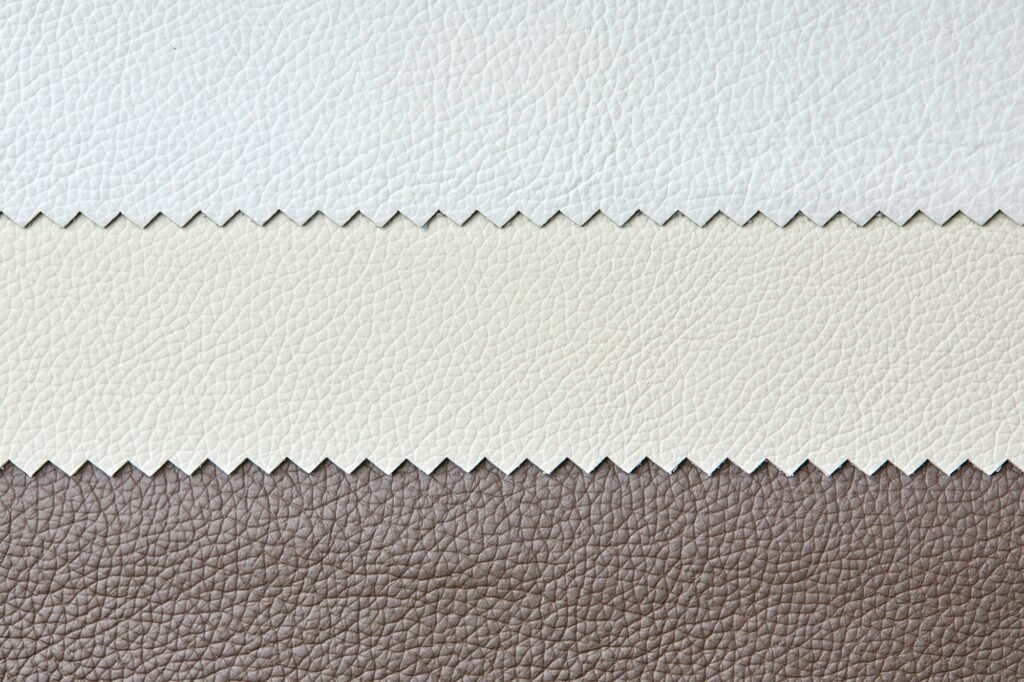
Faux leather—also known as vegan leather or PU/PVC leather—has exploded in popularity over the past decade. From trendy handbags at high-street retailers to upholstery in cafés and even car interiors, it seems to be everywhere. But when you’re investing in a piece meant to last, you need to know: does faux leather last?
Faux leather typically endures 2–5 years under normal use, with premium PU variants lasting up to a decade when well cared for. Its lifespan depends on material type (PVC vs. PU), manufacturing quality, and maintenance routines. While faux leather resists stains and is more animal-friendly than genuine leather, it can crack or peel over time—especially in high-wear areas. Proper cleaning and protection can extend its life significantly.
What Is Faux Leather Made Of?
Faux leather is a man-made composite pairing a fabric backing (polyester, cotton or blend) with a polymer coating—most commonly polyurethane (PU) or polyvinyl chloride (PVC). Layers of plastic resin are applied and embossed to mimic grain, then finished with topcoats for softness and sheen. Variations in polymer blend, fabric weight, and finish techniques create different textures and durability levels.
Evolution from PVC to PU
- 1950s PVC Leathers: Originally rigid and shiny—think old diner booths. Early PVC was durable but failed to flex, so cracks appeared quickly.
- 1980s PU Introduction: PU offered more flexibility, breathable feel, and closer grain replication. Its chemistry allowed for thinner, softer coatings.
Polymer Chemistry Explained
- PVC: A rigid plastic containing chlorine; requires plasticizers (phthalates) to become supple. Plasticizers can migrate out over time, causing stiffening and cracking.
- PU: Formed by reacting diisocyanates with polyols, PU chains are inherently flexible. Additives like UV stabilizers and flame retardants can be blended in.
Fabric Backing Impact
- Woven Polyester: High tensile strength, tear-resistant—great for automotive seats.
- Knitted Cotton/Polyester: More stretch, softer hand, common in apparel.
- Nonwoven Fleeces: Used in inexpensive bonded leathers; minimal durability.
Surface Finishing Techniques
- Hot-Cast PU: Polymer is cast on a heated drum, resulting in a glossy, fine-grained finish—used in high-end handbags.
- Spray-Coat PU: Applied via rollers or spray guns; texture depends on roller patterns.
- Transfer Printing: Grain patterns embossed onto a release film, then transferred onto the PU-coated fabric.
Quality Grading
- Single-Layer Budget Grades: One coat of PU or PVC; prone to early peeling (1–3 years).
- Multi-Layer Premium Grades: Base coat + foam mid-layer + top coat + protective finish; can last 8–10 years.
How Long Does Faux Leather Last on Average?
Under everyday use, faux leather typically lasts 2–5 years. PVC variants average 2–3 years, standard PU lives 3–5 years, while premium PU—with thicker coatings and advanced finishes—can endure 5–10 years before visible cracking or peeling appears.
Average Lifespan Studies
- A 2019 home-decor survey found that 60% of faux-leather sofas were replaced within 5 years (Furniture Today).
- Automotive upholstery tests show budget PVC seats start cracking after 30,000 simulated sit-stand cycles, whereas premium PU lasts beyond 100,000 cycles.
Faux Leather Lifespans by Type
| Material Type | Average Lifespan | Typical Applications | Main Strengths | Common Failures |
|---|---|---|---|---|
| Budget PVC | 2–3 years | Low-cost furniture, shoe uppers | Very affordable, easy clean | Cracking, stiffness |
| Standard PU | 3–5 years | Mid-range bags, office chairs | Softer feel, better grain | Peeling topcoat |
| Premium PU | 5–10 years | Luxury handbags, car seats | Realistic texture, durable | Surface fading |
| Bonded Leather | 1–2 years | Cheap accessories | Cheapest entry point | Flaking, rapid peeling |
| Genuine Leather | 10–30+ years | High-end bags, jackets | Develops patina, very durable | Requires conditioning |
Usage Pattern Impacts
- High-Wear Items: Handbag bottoms, armrests on chairs, car bolsters show wear fastest.
- Low-Wear Items: Wall panels, decorative cushions often last longer, sometimes 7–8 years when in shade.
Environmental Conditions
- Heat & Sunlight: UV rays break polymer bonds, accelerating color fade and surface cracking within months in sunny climates.
- Humidity: Excess moisture encourages mold growth under surface coatings, although PVC is more waterproof than PU.
Manufacturer vs. Real-World Expectations
- Brands may advertise 10-year warranty; actual user reports often indicate visible wear at year 4 or 5 without dedicated maintenance.
Which Factors Affect the Durability of Faux Leather?
Durability depends on polymer quality (PU vs. PVC), layer thickness, backing strength, finish techniques, and environmental exposure, plus user care—harsh cleaners can strip protective topcoat, while UV exposure speeds polymer breakdown.
Material Formulation & Manufacturing
- Polymer Chain Length: Longer chains in PU resist tear; short chains in PVC lead to brittleness.
- Additives: UV stabilizers, antioxidants, plasticizers—too much plasticizer can migrate, creating a sticky residue.
What Are the Disadvantages of Faux Leather?
- Cracking & Peeling: Surface micro-cracks widen over time, eventually peeling off.
- Lower Breathability: Traps heat and moisture—sweaty backs on faux-leather car seats.
- Chemical Sensitivity: Alcohol-based or acetone-based cleaners dissolve PU topcoats.
- Limited Repairability: Small scratches can be buffed, but deep cracks often require replacing panels.
- Environmental Drawbacks: PVC releases dioxins when incinerated; PU often isn’t recycled.
Thickness & Weight Correlation
- 0.8 mm Sheets: Common in apparel; prone to tears at seams.
- 1.2–1.4 mm Sheets: Used in upholstery; resists puncture and abrasion.
Quality Control Variance
- Mass Production: Inconsistent coating thickness leads to thin spots.
- Small-Batch Premium Producers: More uniform layers and quality checks—but higher cost.
Post-Production Treatments
- Topcoats: Silicone, fluoropolymer water repellents, or fluorocarbon finishes; some repel spills but can create slippery surfaces.
Do All Types of Faux Leather Share the Same Lifespan?
Lifespans vary widely: bonded leather (scraps + PU) often fails in 1–2 years, budget PVC lasts 2–3 years, standard PU lives 3–5 years, and bio-PU/premium PU can approach 8–10 years. Backing, coating technique, and additives create these differences.
Budget vs. Premium Faux Leather
- Bonded Leather: Sometimes labeled “genuine bonded,” but is mostly leftover scraps—fades and flakes quickly.
- Standard PU: One or two PU layers over fabric; good entry-level quality but limited UV resistance.
- Premium PU: Multiple PU layers, foam cushioning, specialized topcoats; chosen by premium handbag brands.
Emerging Bio-Based & Recycled Variants
- Apple-Based Leather (AppleSkin): 20% PU + 80% apple waste; still a PU-dominated polymer matrix—lifespan ~4–6 years.
- Cactus Leather (Desserto): 100% cactus fiber with PU binder—durability claims: 5–8 years.
- Recycled PU: Sourced from post-consumer PU goods—lifespan depends on original PU integrity.
Bonded Leather vs. True Faux
- Bonded leather shows delamination along cut edges within a year, whereas true faux leather shows micro-cracks first.
Testing Standards & Warranties
- Martindale Abrasion Test: 100,000 rub cycles deemed commercial grade; most faux leather passes 20,000–50,000 cycles.
- UV Resistance: Hours under UV lamp to 10% strength loss—premium PU can endure 500+ hours.
How Should You Maintain Faux Leather to Maximize Its Lifespan?
Clean gently with pH-neutral soap and water, avoid alcohol-based cleaners, and apply a PU conditioner every 3–6 months. Shield from direct sunlight and heat. Proper storage—flat or loosely rolled—and rotating cushions prevents uneven wear and creasing.
Step-by-Step Cleaning Routine
- Dust & Debris Removal: Soft brush or microfiber cloth to dislodge surface particles.
- Mild Soap Solution: Mix 1 drop of pH-neutral soap in 1 liter of warm water; wring cloth until damp, wipe surface.
- Rinse & Dry: Wipe with clean damp cloth, then air-dry away from direct heat.
- Conditioning: Light coat of silicone-free, PU-specific conditioner; buff gently after 15 minutes.
Storage and Handling Best Practices
- Furniture: Rotate seat cushions monthly to avoid permanent impressions.
- Handbags & Accessories: Stuff with acid-free paper to maintain shape; hang by handles rather than slouching.
- Clothing: Hang jackets on padded hangers; avoid fold lines.
DIY vs. Commercial Conditioners
| Type | Pros | Cons |
|---|---|---|
| Olive Oil Mix | Natural, inexpensive | Can darken light faux leather |
| PU-Specific Conditioner | Formulated for polymers, UV blockers | More expensive |
| Silicone Sprays | Water-repellent finish | May leave slippery residue |
| Professional Service | Deep cleaning, expert repairs | Costly (often $100+ per item) |
When to Seek Professional Help
- Deep Stains: Ink, permanent marker, oil.
- Surface Damage: Peeling over large areas requires panel replacement.
- Odor Removal: Ozone or activated charcoal treatments at leather cleaning shops.
Are There Common Signs of Wear and Tear on Faux Leather?
Watch for micro-cracks under close inspection, surface peeling, hard, brittle patches, and uneven color fading. Early detection allows spot-conditioning before damage spreads into full-scale delamination.
Stages of Damage
- Micro-Cracks: Fine lines under 1 mm—no peeling yet.
- Surface Flaking: Small bits of topcoat begin lifting at stress points.
- Full-Scale Peeling: Entire areas of coating come off, exposing backing.
- Backing Exposure: Fabric backing visible—material no longer waterproof.
Detection Techniques
- Fingernail Test: Gently press nail; if a small piece lifts, conditioning is overdue.
- Visual Inspection: Use bright, angled light to spot faint cracks.
Repair Options
- PU Repair Kits: Include filler compounds, color tints, and tiny applicator brushes.
- DIY Steps: Clean → fill cracks → apply color → seal topcoat.
- Professional Panel Replacement: For large pieces, reupholstery is more cost-effective.
Preventative Measures
- UV-Blocking Film: Applied to windows to protect furniture in sunny rooms.
- Furniture Covers: Removable, washable slipcovers extend cushion life.
- Rotate Use: Don’t let the same cushion bear weight day after day.
Is Faux Leather More Environmentally Friendly Than Real Leather?
Faux leather avoids animal-husbandry emissions and unethical tanning chemicals, but its PU/PVC production uses petrochemicals, emits VOC, and complicates recycling. Recycled PU and emerging bio-leathers offer greener profiles, yet end-of-life disposal remains a challenge.
Carbon Footprint Comparison
- Genuine Leather: ~5 kg CO₂e per m² (tanning, transport).
- PU Leather: ~8 kg CO₂e per m² (polymer production).
- PVC Leather: ~7 kg CO₂e per m² (chlorine production).
Toxicity & VOCs
- Formaldehyde & Phthalates: Early PVC batches released high phthalate levels; modern formulas are phthalate-free but still off-gas minor VOCs for weeks.
Sustainable Innovations
- Cactus Leather (Desserto): 100% plant fiber bound with non-toxic polyurethane—biodegradable in industrial compost within 2 years.
- Mushroom Leather (Mylo): Mycelium grown into mats; aims for circular lifecycle but still under scale-up.
- Recycled PU: Collects post-consumer PU; energy-intensive but cuts virgin polymer demand by ~30%.
End-of-Life Challenges
- Recycling Infrastructure: Few plants accept composite materials; most faux leather ends in landfill.
- Incineration Risks: PVC incineration releases dioxins; PU incineration emits nitrogen oxides.
Ethical Trade-Offs
- Animal Welfare vs. Chemical Pollution: No perfect solution—brands must weigh priorities and disclose life-cycle data.
Which Applications Are Best Suited for Faux Leather?
Faux leather shines in high-spill, high-stain, fast-fashion, and cruelty-free markets—think restaurant booths, car interiors, budget-friendly handbags, and vegan apparel. Luxury designers also use premium PU for vegan collections, combining style and ethics.
Furniture & Hospitality
- Café Chairs & Booths: Easy to wipe, stain-resistant, budget-friendly replacement cycles every 3–5 years.
- Office Seating: Mid-range PU offers good wear; ergonomic chairs with 50,000+ rub tests.
Automotive Interiors
- Standard Trims: Many entry-level cars use PVC or standard PU; premium models upgrade to semi-aniline leather.
- Marine Uses: Salt-spray tested PVC for boat seats; resists mildew better than PU.
Fashion & Accessories
- Fast-Fashion Brands: H&M, Zara produce faux-leather jackets at $40–$80—lifespan ~2 years.
- Luxury Vegan Lines: Stella McCartney’s bags use premium PU with 8–10 year lifespans.
- Do Luxury Brands Use Faux Leather? Luxury labels like Gucci and Chanel test bio-PU prototypes; Bernard Arnault signaled interest in plant-based leathers for future collections.
Outdoor & Performance Gear
- Bike Saddles & Covers: PU coated with UV inhibitors; designed for 5+ year outdoor exposure.
- Sports Equipment: Faux leather grips on rackets, gym benches—replace every 1–2 years due to sweat degradation.
How Does Faux Leather Compare to Genuine Leather in Longevity?
Genuine leather typically outlasts faux variants by 2–3×, aging into a supple patina. Faux leather offers lower cost, easier cleaning, and vegan branding—but buyers trade off the multi-decade lifespan and repairability of real leather.
Is It Better to Buy Real or Faux Leather?
| Factor | Faux Leather | Genuine Leather |
|---|---|---|
| Cost | $50–$300 per sq. yd. | $200–$800 per sq. yd. |
| Lifespan | 2–10 years | 10–30+ years |
| Maintenance | Occasional wipe & condition | Regular conditioning & cleaning |
| Repairability | Limited to small patches | Can be re-dyeed, re-stitched |
| Environmental Impact | Petrochemical-based | Livestock & tanning impacts |
| Vegan/Cruelty-Free | Yes | No |
Total Cost of Ownership (10 Years)
- Faux Leather Sofa: $800 purchase + $100 maintenance = $900 over 10 years.
- Genuine Leather Sofa: $2,000 purchase + $500 maintenance = $2,500 over 10 years—but still looks and feels superior year 10.
Resale Value Trends
- Genuine leather furniture often resells at 40–60% of original price after 5 years; faux leather under 20%.
Final Takeaways
- Budget & Style Focus: Faux leather is ideal if you need trendy color, animal-friendly messaging, and lower entry cost.
- Long-Term Investment: Genuine leather pays off when longevity, repairability, and patina quality matter most.
Ready to Create Your Customize Faux Leather Products?
At Szoneier Leather, we combine 18+ years of R&D and manufacturing expertise to craft premium faux-leather solutions that balance durability, aesthetics, and ethics. From multi-layer PU upholstery and vegan handbags to innovative bio-PU prototypes, we handle every step—material sourcing, prototyping, production, QC, and packaging.
| Service | Details |
|---|---|
| Material R&D | Custom PU/PVC formulations, bio-PU trials |
| Sampling & Prototyping | Low MOQ, fast turnarounds (7–10 days) |
| Manufacturing Capacity | 50,000+ m² faux leather per month |
| Quality Control | ISO9001, AQL 2.5 inspection standards |
| Packaging & Shipping | Eco-friendly options, door-to-door logistics |
Contact us now for a free consultation and sample kit. Let Szoneier Leather help you launch durable, cruelty-free leather alternatives that stand the test of time and impress your customers.
What Can I Do For You?
Here, developing your OEM/ODM private label leather goods collection is no longer a challenge,it’s an excellent opportunity to bring your creative vision to life.
Make A Sample First?
If you have your own tech packs, logo design artwork, or just an idea,please provide details about your project requirements, including preferred fabric, color, and customization options,we’re excited to assist you in bringing your leather goods designs to life through our sample production process.