

When choosing a collar for your dog, comfort is just as important as style—especially for dogs with sensitive skin. Leather dog collars are often a preferred option due to their durability and natural appeal. However, for dogs with sensitive skin, selecting the right collar involves more than just aesthetics. The key to ensuring your dog’s comfort lies in choosing a collar with the right edge finishes and linings that reduce friction and prevent skin irritation. In this guide, we will delve into how edge finishes and lining choices can enhance your dog’s comfort while preventing unnecessary skin reactions.
Leather collars, when designed with smooth edges and soft, hypoallergenic linings, are the best choice for dogs with sensitive skin. Proper material selection and fit ensure long-term comfort and help prevent irritation.
What Causes Collar Irritation in Dogs?
Collar irritation is a common problem among dogs, especially those with sensitive skin. It can occur for various reasons, from poor fit to the materials used. Irritation can cause significant discomfort for your dog, and in severe cases, it can lead to painful sores or infections. Understanding the causes of collar irritation can help you make better choices when selecting collars for your dog.
What Skin Reactions Signal Irritation from a Collar?
Several signs may indicate that your dog’s collar is causing skin irritation. These reactions can vary from mild redness to severe sores. Here are the common skin symptoms to look out for:
| Symptom | What It Indicates |
|---|---|
| Redness | Typically a sign of mild irritation or chafing caused by friction from the collar’s edges or tight fit. |
| Rashes or Hives | Skin inflammation due to allergic reactions from the collar’s material or chemicals used in manufacturing. |
| Hair Loss | Frequent rubbing or pressure from an ill-fitting collar can cause hair to wear off in spots. |
| Scabs or Sores | Deep irritation from prolonged friction, often exacerbated by a tight collar or moisture buildup. |
| Itching | Signs that the skin is reacting to an allergic response from the collar’s material, often accompanied by scratching. |
Understanding the Causes of These Skin Reactions:
- Redness and Rashes: Redness is often caused by friction or pressure from the collar’s edges. This can occur when the collar is too tight or the material is too stiff or rough. It’s especially common in dogs with short coats or thin skin.
- Hair Loss: Prolonged wear of an ill-fitting collar can lead to hair loss around the collar area. The rubbing can wear away at the hair follicles, especially when the collar is too tight or made from rough material.
- Scabs or Sores: This more severe reaction occurs when friction continues for an extended period, often due to poor edge finishing or a collar that’s too tight. Moisture from sweat or rain trapped under the collar can further irritate the skin, making sores more likely.
What You Can Do:
- Regular Checks: Inspect the collar area regularly for any signs of irritation. It’s important to do this especially after the collar has been worn for an extended period or after a walk.
- Proper Fit: Ensure that the collar is neither too tight nor too loose. A snug fit ensures it stays in place but doesn’t cause pressure or rubbing.
How Material Texture and Edges Contribute to Chafing
The material of the collar and its edges play a major role in whether or not your dog experiences discomfort. The texture of the collar material can create friction against your dog’s neck, while rough, unfinished, or hard edges can exacerbate chafing. Here’s how these factors contribute to irritation:
| Collar Material | Impact on Skin |
|---|---|
| Rough or Stiff Leather | Can cause irritation if the collar has not been softened properly. Over time, it may lead to chafing or skin damage. |
| Nylon or Synthetic Fabrics | Synthetic collars can become abrasive when wet or in hot weather, contributing to friction and causing skin irritation. |
| Neoprene | While flexible, neoprene collars can trap moisture under the collar, leading to further irritation. It also doesn’t allow for as much air circulation. |
Collar Edges and Friction:
The way the collar edges are finished can directly impact the level of friction against your dog’s skin. Rough edges or unfinished collars are a common cause of chafing, as they rub against the skin during movement. Even a small amount of friction can result in irritation, especially for dogs with sensitive skin.
| Edge Finishes | Impact on Skin |
|---|---|
| Unfinished Edges | Can cause sharp friction against the dog’s skin, leading to rashes or abrasions. |
| Rolled Edges | Rolled edges are rounded, providing a smooth contact surface that reduces friction. |
| Padded Edges | Padded edges cushion the collar, reducing the chance of rubbing and providing a more comfortable fit. |
How to Avoid Chafing:
- Choose Soft Materials: Opt for leather that has been conditioned and softened over time. Full-grain leather is a good choice because it softens with wear, minimizing friction.
- Look for Finished Edges: Collars with smooth, rolled, or padded edges are far gentler on your dog’s neck. These edges prevent the collar from digging into the skin and reduce friction.
- Adjustable Collars: Adjustable collars allow for a snug, but not tight, fit. This helps reduce friction while ensuring the collar stays in place.
Why Sensitive Skin Dogs Need Special Collar Considerations
Sensitive skin dogs require extra attention when it comes to choosing a collar. Not all dogs are affected by the same materials or fits, but dogs with sensitive skin are more prone to developing irritations or reactions. Here are the main factors to consider:
- Material Sensitivity: Some dogs have skin that reacts to synthetic materials or harsh dyes. Leather collars are often a better choice because they are natural and less likely to contain harmful chemicals. However, even leather can cause irritation if it’s not treated properly.
- Moisture Control: Dogs with sensitive skin are more susceptible to irritation from moisture. Collars made from non-breathable materials or those that trap moisture against the dog’s neck should be avoided. Leather is a breathable material that helps moisture escape, preventing irritation caused by trapped humidity.
- Edge Finishing: Dogs with sensitive skin need collars that don’t rub, chafe, or dig into their skin. Unfinished, rough edges can cause irritation, while soft, rolled or padded edges help to minimize friction. The softer the contact, the less likely it is for your dog to experience irritation.
- Fit and Adjustability: A collar that is too tight will cause pressure on sensitive skin, leading to irritation and redness. On the other hand, a collar that is too loose may rub against the skin, leading to friction sores. Adjustability is key to ensuring that the collar fits properly and comfortably.
Why Choose Leather for Dogs with Sensitive Skin?
Leather is often the top choice for dogs with sensitive skin due to its natural properties that make it both comfortable and durable. However, it’s essential to understand the specific benefits of leather over other materials to appreciate why it’s the preferred choice for many dog owners, especially those with sensitive skin dogs.
Is Leather Naturally Hypoallergenic and Breathable?
Yes, leather is naturally hypoallergenic and breathable, which is one of the primary reasons it’s recommended for sensitive skin dogs. Many synthetic materials, especially cheaper options, can contain chemicals, dyes, and artificial fragrances that may cause allergic reactions or irritation. Leather, on the other hand, is a natural material that doesn’t contain harmful synthetic compounds.
| Material | Hypoallergenic | Breathable | Moisture Regulation |
|---|---|---|---|
| Leather | Yes, naturally hypoallergenic | Yes, promotes airflow | Absorbs moisture and allows it to evaporate, keeping the skin dry |
| Nylon | Not hypoallergenic | No, traps moisture | Traps sweat, potentially irritating skin |
| Neoprene | Can irritate sensitive skin | No, less breathable | Traps moisture, may cause overheating and skin irritation |
Why Leather is Hypoallergenic:
Leather is made from natural animal hide, which does not contain the artificial chemicals found in synthetic materials. While synthetic leather or lower-quality leather may contain harmful additives, high-quality full-grain leather is minimally processed and retains fewer irritants. As a result, leather collars are far less likely to trigger allergies or skin reactions in sensitive dogs. Moreover, leather naturally allows air to circulate, reducing the likelihood of moisture buildup, which can lead to irritation.
How Leather Softens and Molds to the Neck Over Time
One of the most significant advantages of leather collars is their ability to soften and mold to your dog’s neck with regular use. This feature provides long-term comfort and a custom fit that becomes more comfortable over time. Unlike synthetic collars, leather adjusts to the dog’s body shape, which minimizes pressure points and friction.
| Collar Material | How It Adjusts to Fit | Benefits for Sensitive Skin Dogs |
|---|---|---|
| Leather | Softens and molds to the dog’s neck with wear | Conforms to the neck shape, reduces friction, and avoids chafing. |
| Nylon | Does not mold to the neck | Stays rigid, which can lead to discomfort and irritation. |
| Neoprene | Flexible, but doesn’t mold to neck | Less comfortable and can cause rubbing or irritation over time. |
Why Leather Molds to the Neck:
Leather’s natural flexibility is what makes it such a great option for dogs with sensitive skin. Unlike synthetic materials, which may remain rigid, leather becomes softer as it is worn. As your dog wears the collar, the leather will gradually adjust to the unique shape of their neck, reducing pressure points and minimizing areas where friction can cause irritation. This molding process makes leather collars a comfortable long-term option, as they become more personalized with each use.
How It Reduces Skin Irritation:
The softer leather, once it molds to the dog’s neck, creates fewer friction points, which significantly reduces the chances of the collar rubbing or digging into the skin. This is particularly beneficial for sensitive skin dogs, as it eliminates the hard edges that can cause discomfort, abrasions, and even sores.
What Makes Leather Better Than Synthetic Options for Allergies?
While synthetic collars may offer a lower price point, they often come with trade-offs when it comes to skin sensitivity. Many synthetic materials, including nylon, neoprene, and plastic, are made using harsh chemicals that can irritate a dog’s skin. Leather, being natural, avoids most of these issues, making it a better option for dogs with allergies or sensitive skin.
| Material | Common Allergic Reactions | How Leather Compares |
|---|---|---|
| Leather | Very few allergic reactions, especially full-grain leather | Natural, untreated leather is hypoallergenic and causes fewer reactions |
| Nylon | May cause rashes, redness, and itching in some dogs | Can cause irritation due to synthetic dyes and chemicals |
| Neoprene | May cause itching or redness due to the trapped heat and moisture | Not as breathable, can trap sweat and irritate sensitive skin |
Leather’s Natural Qualities:
Leather’s hypoallergenic properties stem from its minimal processing and lack of synthetic chemicals. While cheaper leather may still contain harmful dyes or finishes, high-quality leather, such as full-grain leather, typically doesn’t have these issues. Full-grain leather is the top layer of the hide and retains its natural texture, which is more breathable and less likely to cause irritation. Leather also doesn’t trap heat or moisture, which is a significant advantage over synthetic materials like neoprene or nylon, which can cause skin reactions by trapping sweat and moisture against the skin.
Synthetic Materials and Allergy Issues:
In contrast, synthetic collars often contain dyes, finishes, and chemicals that can trigger allergic reactions or worsen existing skin conditions. For example, nylon collars, while lightweight and affordable, can irritate sensitive skin by rubbing against the dog’s neck. Additionally, materials like neoprene, though durable and waterproof, can trap moisture and heat, which can exacerbate skin allergies and discomfort.
Which Edge Finishes Reduce Skin Irritation?
Thank you for your request! Here is a more detailed and customer-focused version of the section “Which Edge Finishes Reduce Skin Irritation?” with practical advice and customer-relevant insights:
Which Edge Finishes Reduce Skin Irritation?
The edge finish of a dog collar is an important factor in preventing skin irritation, especially for dogs with sensitive skin. Rough, unfinished edges can cause friction, leading to chafing, redness, and discomfort. Collars with properly finished edges, on the other hand, can significantly reduce the risk of irritation and provide a more comfortable experience for your dog. Let’s dive into the different edge finishes that are particularly beneficial for sensitive dogs.
What is a Rolled Edge and How Does It Help?
A rolled edge refers to a collar finish where the leather or material is folded over and sewn in a way that creates a smooth, rounded edge. This technique reduces the risk of sharp or rough edges that could cause irritation. The rolled edge creates a soft surface, which ensures that the collar doesn’t dig into the dog’s neck, even during active movements.
| Edge Type | Benefit |
|---|---|
| Rolled Edges | Rounded and smooth, rolled edges minimize friction by ensuring no sharp or rough areas rub against the skin. |
| Flat Edges | Can create pressure points on the dog’s neck, increasing friction and irritation. |
| Unfinished Edges | Often causes friction and irritation, particularly in dogs with sensitive skin. |
How Rolled Edges Help Prevent Irritation:
- Minimizes Friction: The rounded nature of the rolled edge ensures that the collar does not rub harshly against the dog’s neck. This helps reduce friction, which is one of the most common causes of irritation.
- Prevents Digging: The smooth, soft surface of a rolled edge prevents the collar from digging into the dog’s skin, which is especially important for dogs with thin coats or sensitive areas of skin.
- Comfortable for Long-Term Wear: Rolled edges are especially beneficial for dogs who wear collars for long periods. The softer, rounded edge minimizes the risk of sore spots or abrasions, making rolled-edge collars ideal for all-day wear.
How Does Padded Edge Finishing Protect Against Friction?
Padded edge finishing adds an extra layer of cushioning along the edge of the collar, which helps protect your dog’s neck from friction. This finish is particularly useful for dogs that are prone to irritation due to their sensitive skin. The padding can be made from materials such as fleece, leather, or soft fabric, and is sewn into the collar’s edges.
| Edge Type | Benefit |
|---|---|
| Padded Edges | Adds a layer of cushioning, which helps reduce friction and prevent irritation. |
| Standard Edges | May cause discomfort or irritation as there’s no extra cushion to reduce the impact of friction. |
Why Padded Edges Are Ideal for Sensitive Dogs:
- Extra Comfort: The padding provides a soft barrier between the collar and the dog’s neck, preventing the collar from directly rubbing against the skin. This is especially helpful for dogs that wear their collars throughout the day.
- Reduces Pressure: Padded edges disperse pressure more evenly across the neck area, preventing the collar from creating localized friction that could lead to soreness or redness.
- Minimizes Chafing: The extra cushioning helps reduce the chance of chafing, which is particularly important for dogs with thin or delicate skin. The padding absorbs some of the impact that occurs when the dog moves, making it a great option for dogs who are highly active.
Are Beveled or Burnished Edges Better for Sensitive Coats?
Beveled and burnished edges are another type of collar finish designed to reduce skin irritation. These edges are specially treated to create a smooth and rounded surface, which helps prevent sharp contact with the dog’s skin. Let’s take a closer look at how these edge treatments can benefit dogs with sensitive coats.
| Edge Type | Benefit |
|---|---|
| Beveled Edges | Angled edges that provide a smooth, gentle contact, reducing pressure points and preventing skin irritation. |
| Burnished Edges | Smooth, polished edges that reduce roughness and help prevent collar edges from cutting into the dog’s skin. |
How Beveled or Burnished Edges Benefit Sensitive Dogs:
- Smooth Surface: Beveled edges are cut at an angle, which reduces the chance of sharp, rough edges that can rub against your dog’s skin. This angled finish provides a more comfortable contact area and reduces friction.
- Prevents Skin Damage: Burnished edges are polished to create a smooth, shiny surface. This smoothness prevents the collar from catching or digging into the dog’s fur, minimizing the risk of hair loss or skin abrasions. The polished edges are particularly beneficial for sensitive dogs with finer or thinner coats.
- Durable and Gentle: Both beveled and burnished edges are not only gentle on the dog’s skin but also contribute to the collar’s overall durability. These finishes ensure the collar maintains its structure while remaining comfortable for long-term wear.
Comparing Beveled and Burnished Edges for Sensitive Dogs:
Both beveled and burnished edges are excellent choices for sensitive skin dogs. While beveling focuses on reducing sharp contact by angling the edges, burnishing ensures that the collar surface remains smooth and polished. For dogs with extremely sensitive skin or those prone to chafing, burnished edges may be slightly more effective as they offer an extra layer of smoothness.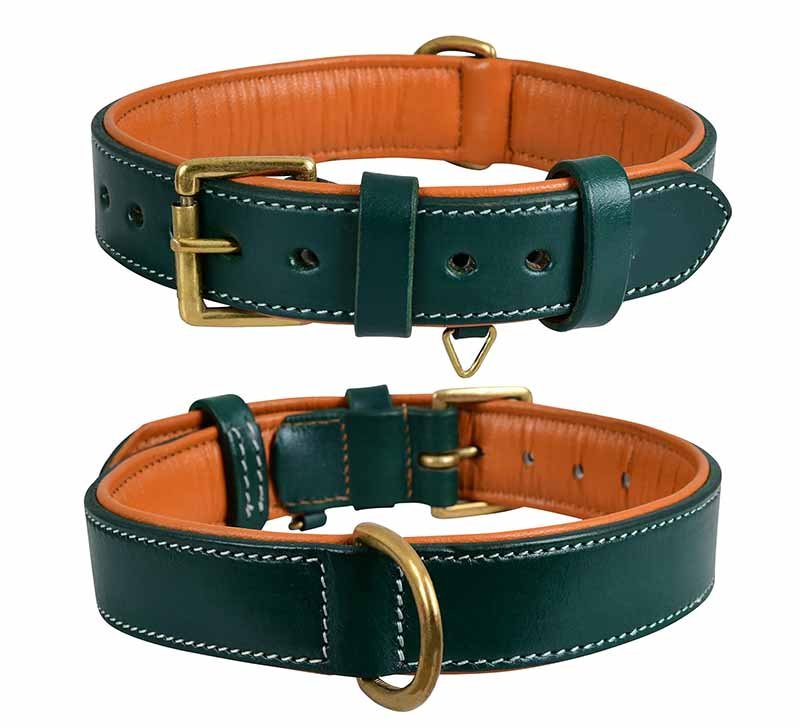
How to Choose Collar Fit and Width for Comfort?
Thank you for your request! Here is a more detailed and customer-focused version of the section “What Lining Choices Are Best for Sensitive Skin?”, providing practical, data-driven insights while addressing the real concerns of dog owners.
What Lining Choices Are Best for Sensitive Skin?
For dogs with sensitive skin, the lining of their collar plays a crucial role in preventing irritation, providing comfort, and ensuring breathability. A collar with the right lining material can make all the difference in avoiding rashes, redness, or itching. In this section, we will explore the best lining options for sensitive skin dogs and why they matter.
How Does a Soft Fabric Lining Improve Comfort?
A soft fabric lining offers significant benefits for sensitive skin dogs by creating a barrier between the leather or collar material and the dog’s neck. The fabric lining provides a cushioned surface that reduces friction and helps prevent direct contact with rough materials, which could otherwise cause irritation.
| Lining Type | Benefit |
|---|---|
| Cotton Lining | Soft, breathable, and gentle on the skin. Helps to wick away moisture and prevents the collar from becoming too hot. |
| Fleece Lining | Extra soft and warm, offering additional comfort during colder weather. Provides a gentle barrier against friction. |
| Neoprene Lining | Flexible and durable. Provides water resistance and helps in moist environments. Less breathable than cotton or fleece. |
| Padded Leather | Offers additional cushioning, making it ideal for dogs that need a more comfortable, cushioned fit. |
Why Soft Fabrics Are Ideal for Sensitive Dogs:
- Prevents Direct Contact: Soft fabric linings act as a protective layer, preventing the leather or material from coming into direct contact with the skin. This helps reduce irritation caused by rough edges or hard materials.
- Cushions the Collar: Soft fabrics like fleece and cotton provide extra cushioning, making the collar feel less stiff or uncomfortable against the dog’s neck. This is especially important for dogs that wear their collar for extended periods.
The soft lining also contributes to the overall comfort of the collar by ensuring that no hard or rough material comes into direct contact with the dog’s skin. It ensures the collar remains comfortable, reducing the chances of rubbing or chafing.
Options: Cotton, Fleece, Neoprene, Padded Leather
Each lining material has its own set of advantages. The choice of lining material should depend on your dog’s specific needs, activity levels, and the environment they spend time in.
| Lining Type | Best For | Advantages | Considerations |
|---|---|---|---|
| Cotton Lining | Dogs with mild sensitivity | Soft, breathable, hypoallergenic, moisture-wicking. | May not be as durable in wet conditions. |
| Fleece Lining | Dogs needing extra warmth | Soft, provides extra warmth, and prevents irritation by providing a soft barrier. | Not as breathable as cotton, better for cooler climates. |
| Neoprene Lining | Active dogs, dogs exposed to moisture | Durable, water-resistant, flexible, and lightweight. | Less breathable, can trap heat. |
| Padded Leather | Dogs with very sensitive skin | Offers additional comfort by providing cushioning and softness. | Can become stiff without proper care. |
Which Lining is Best for Your Dog?
- Cotton is ideal for sensitive dogs who need a breathable, hypoallergenic lining that wicks away moisture. It’s perfect for everyday wear, especially in moderate climates.
- Fleece is a great option for dogs who need extra warmth or comfort. It’s a good choice for colder climates or dogs with very delicate skin.
- Neoprene is better suited for active dogs who spend a lot of time outdoors, especially in wet conditions. However, it’s less breathable, so it might not be suitable for dogs in hot climates.
- Padded Leather offers an extra layer of comfort but requires careful maintenance to keep it soft and flexible.
Do Hypoallergenic Linings Reduce Allergic Reactions?
Yes, hypoallergenic linings significantly reduce the risk of allergic reactions. Sensitive dogs are more likely to react to synthetic materials, harsh dyes, and chemicals found in low-quality collars. Hypoallergenic materials like cotton or fleece are specially designed to minimize these risks, ensuring your dog stays comfortable and irritation-free.
| Lining Material | Hypoallergenic? | How It Helps |
|---|---|---|
| Cotton | Yes | Naturally hypoallergenic, gentle, and free of synthetic dyes. |
| Fleece | Yes | Soft and gentle on the skin, hypoallergenic and non-irritating. |
| Neoprene | Not always | Some neoprene collars may contain irritants or chemicals. |
| Padded Leather | Yes | Full-grain leather is hypoallergenic and free from harmful chemicals. |
Why Hypoallergenic Linings Are Important:
Hypoallergenic linings reduce the likelihood of skin reactions, making them the best option for dogs prone to allergies or sensitive to common collar materials. Choosing collars with hypoallergenic materials like cotton or fleece ensures that your dog won’t suffer from rashes, itching, or other allergic reactions, particularly in dogs with a history of skin sensitivity.
Can Breathable Linings Help Prevent Moisture and Heat Buildup?
Breathability is a key factor in choosing the right collar lining for sensitive skin dogs. Non-breathable materials can trap heat and moisture, leading to skin irritation, rashes, and a buildup of bacteria. A breathable lining allows air to circulate, keeping the skin cool and dry, and preventing irritation caused by trapped sweat or moisture.
| Lining Type | Breathability | How It Helps Prevent Moisture Build-up |
|---|---|---|
| Cotton Lining | High | Wicks away moisture, keeping the dog’s neck dry and comfortable. |
| Fleece Lining | Moderate | Provides warmth and comfort but can trap some moisture if worn for extended periods. |
| Neoprene Lining | Low | Traps moisture, which can lead to overheating and skin irritation. |
| Padded Leather | Moderate to High | Allows moisture to escape but requires proper care to maintain breathability. |
Why Breathability Matters:
- Cotton linings are naturally breathable, helping to regulate temperature and prevent the buildup of sweat or moisture around the dog’s neck. This is especially important for dogs that tend to sweat more or live in warm climates.
- Fleece linings offer some breathability but are not as effective at moisture-wicking as cotton. Fleece is better suited for colder climates where warmth is needed in addition to comfort.
- Neoprene is not as breathable as cotton or fleece, so it may not be the best option for sensitive dogs in hot or humid conditions. It can trap sweat and heat, which increases the risk of irritation.
- Padded leather provides a moderate level of breathability. It is comfortable but needs to be conditioned properly to ensure it doesn’t trap moisture.
Are There Alternatives to Leather for Dogs with Severe Sensitivities?
While leather is a great choice for many dogs, particularly those with sensitive skin, some dogs have severe sensitivities or allergies that make even high-quality leather an unsuitable option. In these cases, it’s important to consider alternatives that offer comfort, durability, and hypoallergenic properties without sacrificing style or function.
In this section, we’ll explore other materials that can be used for dog collars and when they might be a better choice for your sensitive dog.
What Hypoallergenic Materials Are Recommended?
When choosing a collar for a dog with severe sensitivities, it’s essential to choose hypoallergenic materials that reduce the risk of irritation or allergic reactions. Here are some common materials that can be better options than leather for dogs with extreme sensitivities:
| Material | Benefits | Considerations |
|---|---|---|
| Cotton | Soft, breathable, and gentle on the skin. Hypoallergenic and ideal for dogs with allergies or sensitive skin. | May not be as durable as leather for active or outdoor dogs. |
| Hemp | Natural, hypoallergenic, and eco-friendly. Offers strength similar to leather but is gentler on the skin. | Can be rough initially; softening over time may be necessary. |
| Silicone | Flexible, waterproof, and hypoallergenic. A great alternative for dogs with extreme sensitivities. | Less breathable than cotton or hemp, not ideal for hot climates. |
Why Choose These Hypoallergenic Materials?
- Cotton is naturally soft, breathable, and gentle on the skin, making it an ideal choice for dogs with mild to moderate sensitivities. It also helps wick away moisture, keeping the skin dry and reducing the chance of irritation.
- Hemp is a robust, eco-friendly option that is naturally hypoallergenic. It’s stronger than cotton and can withstand more wear and tear, making it a great choice for dogs that need a more durable option.
- Silicone is an increasingly popular option for collars, as it is flexible, non-porous, and easy to clean. Silicone collars are highly resistant to dirt and bacteria, which is great for dogs with severe sensitivities or those prone to infections.
Choosing the Right Hypoallergenic Material:
If your dog has severe sensitivities or allergies, these materials may be more suitable than leather or synthetic collars. However, it’s essential to consider your dog’s needs:
- Cotton is great for everyday use, especially for dogs in moderate climates or those with mild sensitivities.
- Hemp is better suited for dogs with high activity levels or those that need more durability.
- Silicone works well for dogs who need a waterproof or highly durable option, but it may not be as breathable as cotton.
When Should Owners Consider Harnesses or No‑Collar Solutions?
In some cases, collars—whether leather or alternative materials—may not be the best option for dogs with severe skin sensitivities. Harnesses and no-collar solutions can provide a more comfortable option while still allowing for identification and control.
| Solution | Best For | Why It Helps |
|---|---|---|
| Harnesses | Dogs with neck irritation or those sensitive to collar pressure. | Distributes pressure across the chest, avoiding neck irritation and reducing friction. |
| No-Collar Solutions | Extremely sensitive dogs, especially those with severe allergies or ongoing irritation. | Prevents any risk of irritation, allows for more freedom, and ensures the skin remains undisturbed. |
When to Choose a Harness:
- Neck Irritation: If your dog has developed irritation from wearing a collar around their neck, a harness is an excellent alternative. Harnesses distribute pressure more evenly across the dog’s chest, reducing the amount of friction and pressure on the neck.
- Sensitive Skin: For dogs with extremely sensitive skin, a harness can prevent any contact between the collar and the skin, allowing for total protection against irritation.
- Active Dogs: Harnesses are also a better option for highly active dogs that pull on their collars, as they offer more control and distribute the force of the pull across the dog’s body instead of concentrating it around the neck.
When to Use No-Collar Solutions:
If your dog has severe sensitivities that don’t improve with collar changes, removing the collar altogether may be the best option. Some dogs experience irritation from constant collar wear, and giving the skin a break can be crucial for healing. If identification is a concern, there are other alternatives such as:
- Microchipping: A permanent solution for identification that doesn’t require a collar.
- ID Tags on Harnesses: If you choose a harness, you can attach an ID tag to ensure your dog’s identification remains intact.
Do Collar Breaks (Rotating Collars) Reduce Irritation?
Rotating collars—where owners swap between two or more collars to prevent any one collar from irritating the dog’s skin—can be an effective strategy to reduce collar-related irritation.
| Method | Benefit |
|---|---|
| Rotating Collars | Prevents continuous pressure from one collar and gives the skin time to recover between wears. |
| Using Different Materials | Alternating between leather, cotton, or hemp collars can help prevent constant exposure to one type of material. |
How Collar Rotation Works:
- Giving the Skin a Break: By rotating between collars, your dog’s skin gets time to recover from the constant friction of wearing a collar. This is especially helpful for sensitive dogs that are prone to skin irritation.
- Reducing Wear and Tear: When you rotate collars, each one has more time to “rest,” which reduces wear and tear. This can be particularly helpful for leather collars that need time to soften or for collars with linings that need to air out.
How to Use Collar Rotation Effectively:
- Choose Different Materials: Rotate between collars made from different materials to prevent continuous exposure to one type of material. For example, use a leather collar one day and a cotton or hemp collar the next.
- Monitor for Signs of Irritation: If your dog’s skin starts to show signs of irritation, give them a break from wearing a collar altogether, or consider switching to a harness or no-collar solution.
- Regular Cleaning: Clean each collar after each use to prevent dirt buildup, sweat, or oils that could irritate the skin.
How to Care for Sensitive Skin Collars?
Maintaining your dog’s collar is essential to ensure it stays comfortable, functional, and free from irritants that could cause discomfort. For dogs with sensitive skin, regular care is crucial in preventing skin irritation, prolonging the collar’s life, and ensuring that your dog remains comfortable during daily wear. In this section, we will dive into the best practices for collar maintenance and how to keep it in top condition.
What Maintenance Prevents Buildup of Irritants?
Buildup of dirt, sweat, oils, and other debris can accumulate on a collar over time, contributing to skin irritation and discomfort for your dog. Proper maintenance is essential to keep the collar clean and free from harmful irritants that could cause rashes, sores, or other skin issues.
| Maintenance Task | Purpose |
|---|---|
| Regular Cleaning | Removes dirt, oils, and sweat that can accumulate and cause skin irritation. |
| Conditioning Leather | Prevents cracking, maintains softness, and ensures the collar remains comfortable for your dog. |
| Proper Drying | Ensures collars are properly dried to prevent mildew or bacteria growth, which could irritate the skin. |
| Inspection for Wear | Identifies signs of wear and tear, ensuring the collar doesn’t cause injury or irritation due to damage. |
How to Prevent Buildup of Irritants:
- Clean Regularly: Clean the collar after each use, especially if it has been exposed to sweat, rain, or dirt. Gently wipe the collar with a damp cloth to remove any visible debris or oils.
- Use Mild, Pet-Safe Cleaners: For deeper cleaning, use a mild leather cleaner or a pet-safe product designed for collars. Harsh chemicals or household cleaning products can strip the leather of its natural oils, which may lead to discomfort or stiffness.
- Avoid Over-washing: Over-washing or using excessive water can damage the collar, especially leather collars. Clean the collar as needed, but don’t soak it unless specifically required for deep cleaning.
- Dry Properly: If the collar gets wet, allow it to air dry naturally. Do not use heat sources such as hairdryers, as this can dry out the leather and cause it to crack. Proper drying prevents bacteria and mildew buildup, which could irritate your dog’s skin.
How Often Should Collars Be Cleaned and Checked?
The frequency of collar cleaning and checking depends on your dog’s activity level and the conditions they are exposed to. For dogs that spend a lot of time outdoors, or in wet or humid environments, more frequent cleaning and inspections are required.
| Dog Activity | Cleaning Frequency | Inspection Frequency |
|---|---|---|
| Active Dogs (Frequent Walks, Outdoor Play) | Clean collar every 1-2 weeks or after each use if very dirty. | Inspect every 2-3 weeks for signs of wear, damage, or irritation. |
| Dogs with Sensitive Skin | Clean collar at least once a week to prevent irritants from accumulating. | Inspect every 1-2 weeks for signs of discomfort or irritation. |
| Indoor Dogs or Less Active | Clean collar monthly or as needed. | Inspect once a month for wear or damage. |
When to Clean the Collar:
- After Outdoor Activities: If your dog spends time outside, their collar will likely collect dirt, sweat, and debris. Clean the collar after each outdoor outing to ensure no irritants are left behind.
- In Humid Climates: In hot, humid weather, collars are more likely to trap moisture, which can irritate the skin. Clean the collar frequently to prevent moisture buildup.
- Regular Inspections: Regardless of the environment, collars should be checked regularly for wear and tear. Leather collars, in particular, can become stiff or damaged with prolonged use. Make sure the collar is in good condition and does not have any cracks, rough edges, or signs of deterioration that could cause discomfort.
Can Conditioning Leather Improve Longevity and Comfort?
Yes, conditioning leather collars is an essential part of maintaining their softness, flexibility, and comfort. Over time, leather can dry out and become stiff, which could cause discomfort and lead to skin irritation. Conditioning helps to prevent these issues by replenishing the natural oils in the leather.
| Conditioning Task | Benefit |
|---|---|
| Softens Leather | Helps the leather maintain its flexibility, preventing it from becoming stiff or uncomfortable for the dog. |
| Prevents Cracking | Leather that’s not conditioned properly can crack, which may cause discomfort and reduce the lifespan of the collar. |
| Improves Durability | Regular conditioning ensures that the collar lasts longer and maintains its quality over time. |
How Conditioning Leather Helps:
- Maintains Comfort: Conditioning leather collars keeps the material soft and supple, preventing it from becoming rigid. This ensures that the collar remains comfortable for your dog, even during extended wear.
- Prevents Skin Irritation: Well-conditioned leather prevents the collar from rubbing against the dog’s neck in uncomfortable ways. Dry, stiff leather can cause friction and irritation, while properly conditioned leather stays smooth and gentle on the skin.
- Extends Collar Life: Regular conditioning extends the lifespan of the collar by preventing cracking and splitting, which could make the collar uncomfortable or unusable. It helps the collar stay in good condition for a longer period, saving money on replacements.
How to Condition Leather Collars:
- Use a Pet-Safe Leather Conditioner: Choose a leather conditioner that is designed for use on pet products. These conditioners are safe for your dog and will not cause irritation.
- Apply Sparingly: Apply a small amount of conditioner to a clean cloth and gently rub it into the collar. Be sure to cover the entire collar evenly, but don’t overapply. Excess conditioner can leave the collar too greasy and attract dirt.
- Let It Absorb: Allow the leather to absorb the conditioner for a few hours before using the collar. This gives the leather time to soften and become more flexible.
Get in Touch with Szoneier for Customized Leather Dog Collars
At Szoneier, we specialize in creating customized leather dog collars that are designed with comfort, style, and durability in mind. We offer a range of options, including hypoallergenic linings, smooth edge finishes, and adjustable features, to ensure that your dog enjoys both comfort and style. Our collars are perfect for sensitive skin dogs, providing a soft, breathable material that reduces irritation and keeps your dog comfortable.
Contact us today to discuss your custom leather dog collar needs, and we’ll provide a tailored solution that ensures your pet experiences comfort and quality with every wear.