
Are Leather Collars Good for Dogs: A Complete Expert Guide
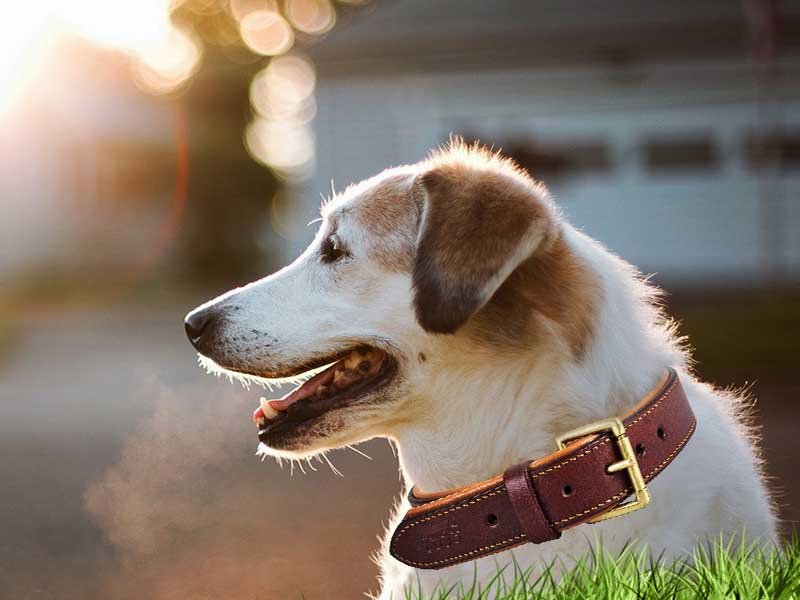
Leather dog collars have been around for centuries, worn by hunting dogs, farm dogs, family pets, and now even designer breeds with high-end fashion accessories. But as pet owners increasingly compare materials like nylon, polyester, Biothane®, and vegan leather, the question becomes more important than ever: are leather collars actually good for dogs—or are they outdated compared to modern alternatives? The answer isn’t as simple as yes or no.
Leather dog collars are good for many dogs because they are durable, breathable, and soften comfortably over time. They reduce skin irritation, last longer than nylon, and offer a natural feel. However, leather requires maintenance and is not ideal for dogs that swim often. The right choice depends on the dog’s skin sensitivity, activity level, and climate.
Many dog owners tell the same story: nylon collars leave marks, synthetic collars pick up odor, and cheap faux-leather cracks after a few weeks. Then they switch to a high-quality leather collar—and the dog immediately seems more comfortable. So, what separates a great leather collar from a problematic one? And how can buyers or brands choose the right option?
Let’s dive deep.
What Makes Leather Collars Different from Other Collar Materials?
Leather collars differ from nylon, polyester, and synthetic materials because they are natural, breathable, and soften over time. They offer higher comfort, reduced skin irritation, and long-term durability. Unlike synthetics that trap heat or cause friction, leather molds to a dog’s neck and becomes smoother with wear. However, leather needs conditioning and is less water-resistant.
Choosing a collar material goes beyond colors and style; it directly affects a dog’s comfort, skin health, odor control, durability, and long-term safety. Leather has been used for centuries because its natural fiber structure provides advantages synthetics cannot replicate. Below is a scientific and practical comparison showing exactly what makes leather unique in the dog collar industry.
Dog owners, pet brands, and wholesalers increasingly ask: Why do premium collars prefer leather while budget options use nylon or TPU?
1. Natural Material vs Synthetic Construction
Leather Is a Natural Fiber
Leather is created from animal hide that undergoes tanning to stabilize the fibers. Each strand of collagen forms a strong, interwoven structure. This gives leather several qualities:
- Breathability
- Softness with wear
- High tensile strength
- Natural elasticity
- Resistance to odor buildup
Because the fibers are organic, leather adjusts to temperature, moisture, and pressure. This adaptability makes it feel alive compared to nylon’s rigid structure.
Synthetic Materials Are Petroleum-Based
Alternatives like nylon, polyester, TPU, and Biothane® are manufactured from plastics and chemical coatings. They offer durability and water-resistance but lack the natural flexibility and micro-ventilation of leather.
| Material Type | Breathability | Comfort Over Time | Heat Retention | Odor Control |
|---|---|---|---|---|
| Full-Grain Leather | Excellent | Improves | Low | High |
| Nylon/Polyester | Poor | No Change | Medium–High | Low |
| Biothane®/TPU | None | No Change | High | Excellent |
| Fabric/Cotton | Good | Good | Low | Poor |
Leather’s organic nature gives it an advantage for areas that touch the skin directly.
2. Leather Softens and “Breaks In” for a Custom Fit
This is one of the biggest differences between leather and every synthetic material.
Break-In Process = Maximum Comfort
Leather absorbs natural oils from the dog’s skin. Over time:
- It becomes softer
- Conforms to the neck’s shape
- Reduces pressure points
- Eliminates friction rubbing
It essentially becomes a custom-fitted collar.
Synthetic materials never change shape. They often stay stiff and can cause:
- Hair loss around the neck
- Skin irritation
- Red marks
- Heat retention
For sensitive-skin breeds, this difference is huge.
3. Breathability: Leather Allows Airflow, Nylon Does Not
Breathability is crucial for dogs that wear collars for long periods, especially in warm climates.
Leather’s Micro-Pores Promote Ventilation
Leather’s natural pores allow micro air circulation, helping:
- Prevent moisture trapping
- Reduce sweat buildup
- Minimize bacterial growth
- Prevent hot spots or rashes
Nylon and TPU Trap Heat
Synthetic fibers lay flat against the skin. When dogs sweat or get wet, moisture stays between the collar and skin, making irritation more likely.
4. Durability and Tensile Strength
Leather has high tensile strength — far higher than faux leather and many budget nylon products.
Full-Grain Leather Strength Facts
- Tensile strength can exceed 25–35 kg of pull force depending on thickness
- Fibers interlock naturally (not woven like nylon strands)
- Less prone to snapping or sudden breakage
- Maintains integrity even when scratched
Synthetic Materials
- Nylon’s woven threads can unravel
- TPU coatings can crack in extreme cold
- Polyester loses strength under UV exposure
This is why leather is used in horse tack, harnesses, saddles, and heavy-duty gear.
5. Aesthetic & Premium Branding Value
Pet owners increasingly treat collars as fashion items, not just functional tools. Leather provides:
- A premium, timeless look
- Rich color tones
- A professional, high-quality feel
- Options for embossing, debossing, logo stamping
Nylon appears “cheap” to many brand customers. Leather appeals to customers willing to pay for premium pet gear.
6. Aging Behavior: Leather Gets Better, Nylon Gets Worse
One of the biggest advantages leather provides is positive aging.
Leather Ages Gracefully
- Softens
- Maintains structural integrity
- Gains patina (premium look)
- Becomes more comfortable
Synthetic Materials Age Poorly
- Nylon frays
- Polyester fades
- TPU cracks in cold
- Plastics absorb odor or become sticky over time
What Are the Advantages of Leather Collars for Dogs?
Leather collars provide superior comfort, durability, and breathability. They soften with wear, prevent skin irritation, and distribute pressure evenly around a dog’s neck. High-quality full-grain or top-grain leather collars last longer than nylon or faux leather, resist odor, and maintain structural integrity over years of daily use. Their natural fibers make them ideal for sensitive-skin dogs and everyday wear.
Pet owners and professional dog product buyers often evaluate collars across multiple criteria: durability, safety, comfort, odor control, flexibility, and long-term cost. Leather scores highly in almost every category, especially when sourced from premium tanneries and manufactured by skilled factories like Szoneier Leather.
1. Long-Term Durability & Superior Structural Strength
High-quality leather is one of the strongest natural materials used in dog gear. Unlike nylon, which relies on woven strands that can fray or snap, leather has interlocked collagen fiber networks that provide exceptional tensile strength.
Leather Durability Advantages
- Resists tearing and stretching under tension
- Retains shape better than synthetic materials once broken-in
- Can withstand 25–35 kg of pulling force, depending on thickness
- Performs consistently under everyday wear
- Becomes more flexible without losing integrity
Why This Matters for Dogs
A collar must endure:
- Pulling force during walks
- Constant friction against the fur
- Buckle pressure
- Daily outdoor exposure
Leather handles these stresses better than budget nylon or faux leather—which often crack, fray, or discolor in weeks or months.
For pet brands, long-lasting collars mean fewer returns, higher customer satisfaction, and premium positioning.
2. Exceptional Comfort: Leather “Breaks In” and Adapts to the Dog’s Neck
Leather has a unique property: it gets softer and more flexible with time.
Why Leather Feels Better
As dogs wear leather collars:
- Natural oils from the skin condition the leather
- The collar molds to the dog’s unique neck shape
- Pressure distributes evenly
- Micro-friction is reduced
This creates a custom-fit feel, something no synthetic material can replicate.
Comfort Advantages
- No harsh edges
- No stiff, flat structure pressing into the skin
- Smooth surface that reduces hair breakage
- Less risk of chafing or redness
This is especially beneficial for:
- Short-haired dogs
- Dogs with sensitive skin
- Dogs who wear collars for long periods
Synthetic collars remain stiff and may cause discomfort even after months of wear.
3. Skin-Friendly & Hypoallergenic Properties
Leather is naturally breathable and gentle on skin. Nylon and polyester trap heat and moisture, creating the perfect environment for irritation and bacterial buildup.
Leather’s Skin Health Benefits
- Breathability reduces sweat accumulation
- Minimizes friction on sensitive neck skin
- Less likely to cause hotspots
- Vegetable-tanned leather reduces chemical reaction risks
- Natural fiber surface stays smooth
Ideal for Breeds Prone to Irritation
- Pitbulls
- Greyhounds
- Dobermans
- French Bulldogs
- German Shepherds
These dogs often react poorly to nylon collars, making leather a superior option.
4. Breathability: Leather Allows Better Air Circulation
Dogs can overheat around the neck, especially in warm climates. Breathability is an often overlooked—but critical—factor in collar selection.
Why Leather Breathes Better
Leather contains micro-pores that allow:
- Airflow
- Moisture release
- Heat dispersion
Synthetics lack pores and form a “plastic film” barrier around the neck. This is why nylon collars often smell bad after a few weeks—odor-causing bacteria thrive in warm, moist conditions.
5. Superior Odor Control Compared to Nylon & Fabric
Dog collars trap sweat, oils, dirt, and bacteria. Nylon absorbs and holds odor, and once it smells, it’s almost impossible to fully clean.
Leather Resists Odor Because:
- It doesn’t trap moisture deeply
- It inhibits bacterial growth
- It sheds debris more easily
- It stays cooler in warm weather
Owners who complain about “dog collar smell” usually see leather as an instant upgrade.
6. A Premium, High-End Appearance That Enhances Brand Value
For pet brands and retailers, aesthetics matter. Leather collars command a higher perceived value, enabling premium pricing and stronger customer loyalty.
Visual Benefits
- Rich texture
- Natural grain patterns
- Deep, elegant color tones
- Professional finish
- Fashion-forward look
Leather elevates product lines, making it ideal for boutique pet shops, lifestyle brands, and designers.
Brand-Level Advantages
- More room for margin
- Stronger branding (embossing, debossing, custom logos)
- Customers trust premium materials
- Easier to position as luxury or artisanal
Szoneier Leather specializes in OEM/ODM branding with laser engraving, metal logo plates, and custom embossing.
7. Long-Term Cost Efficiency
While leather collars cost more upfront, they last longer—reducing the need for replacement.
Cost Comparison Table
| Material | Avg Lifespan | Notes |
|---|---|---|
| Full-Grain Leather | 2–5 years | Can last longer with care |
| Top-Grain Leather | 1.5–3 years | High durability |
| Nylon | 3–12 months | Frays, absorbs odor |
| Fabric | 2–6 months | Wears, stretches easily |
| Faux Leather | 1–3 months | Cracks quickly |
8. Environmentally Friendly
Leather is biodegradable and lasts far longer than synthetic alternatives, making it more eco-friendly over the product’s full life cycle.
When pet brands adopt vegetable-tanned or sustainably sourced leather, the environmental footprint is significantly reduced.
What Are the Drawbacks of Leather Collars?
Leather collars are durable and comfortable, but they are not ideal for dogs who swim often or live in wet, humid environments. Leather absorbs water, can stretch, and requires regular conditioning. It may stiffen, crack, or develop odor if not properly maintained. Puppies, heavy pullers, and very active dogs may need more waterproof or low-maintenance materials like nylon or Biothane®.
Leather collars offer excellent comfort and style, but they also have real constraints that dog owners and pet brands must consider. Understanding these drawbacks helps consumers choose the right collar for their dog’s lifestyle and helps brands design high-performance products tailored to their target market.
Leather is strong, beautiful, and natural—but it behaves differently from synthetic materials. Its organic structure requires care, has environmental limitations, and is not compatible with all usage scenarios.
1. Leather Is Not Waterproof
This is the most significant drawback and the first reason some dog owners avoid leather collars.
Why Leather Struggles With Water
Leather is porous. Its fibers expand when soaked and contract when dried. Repeated wet-dry cycles cause:
- Stretching
- Weakening of collagen fibers
- Texture roughness
- Potential cracking
- Mold growth in humid conditions
Which Dogs Are Most Affected?
- Dogs that swim daily
- Dogs living in rainy climates
- Outdoor or farm dogs exposed to mud and wet grass
- Dogs with frequent bath routines
Alternative Recommendation
For water-heavy use cases, Biothane®, TPU-coated webbing, or nylon performs much better.
2. Requires Regular Maintenance to Stay in Good Condition
Leather ages beautifully when properly cared for—but badly when ignored.
Typical Maintenance Needs
Dog owners must:
- Clean leather every 2–4 weeks
- Use leather conditioner each month
- Keep collar dry
- Store it away from sunlight & humidity
- Wipe sweat/oil buildup regularly
If Not Maintained, Leather May:
- Stiffen
- Dry out
- Crack
- Lose color
- Develop unpleasant odor
Why Maintenance Matters in Dog Products
Dogs sweat, shed, roll, scratch, and run. Leather collars collect:
- Dirt
- Oil
- Bacteria
- Moisture
This requires regular upkeep, unlike nylon which can be machine-washed and forgotten.
3. Not Ideal for Puppies or Dogs With Rapid Size Changes
Puppies grow quickly. A premium leather collar can become too tight in just weeks.
Drawbacks for Puppies
- Frequent resizing means frequent replacement
- Leather stretches slightly, making size accuracy important
- Puppies chew—leather is chewable
Better Alternatives
Until a dog reaches full adult size, nylon or budget collars make more sense.
4. Leather Can Stiffen, Harden, or Crack Over Time
Even high-quality leather can stiffen if:
- Stored improperly
- Exposed to extreme temperatures
- Left in direct sunlight
- Never conditioned
Why This Happens
Leather fibers rely on natural oils. When these oils evaporate:
- Flexibility drops
- The surface becomes rough
- Cracks form around stress points (holes, buckle areas)
Impact on Dogs
Stiff leather can:
- Cause neck discomfort
- Rub fur away
- Create hot spots
This is one area where Szoneier Leather’s edge-coated, wax-treated leather can significantly reduce risk.
5. More Expensive Than Nylon or TPU Collars
Leather is a premium material. Its price reflects:
- Natural hide sourcing
- Skilled tanning
- Handcraft manufacturing
- High-quality metal hardware
- Durability and premium brand positioning
Cost Drawback for Budget Buyers
Some dog owners simply prefer a low-cost collar they can replace often.
Why Brands Still Choose Leather
High-end dog brands target customers who value quality, comfort, longevity, and aesthetics. Leather aligns perfectly with these expectations.
6. Leather Stretches Slightly Over Time
This is both an advantage (comfort) and a drawback (fit changes).
Why Stretching Happens
Leather fibers loosen with:
- Moisture
- Tension
- Body heat
- Long-term use
Potential Problems
- Collar may loosen
- Risk of dog slipping out
- Buckle holes can widen
Best Practices
Basic fit checks once a week solve this issue.
7. Not Ideal for Strong Pullers or Working Dogs
Although leather is strong, it may not be the best option for:
- Huskies
- Malamutes
- German Shepherds
- Belgian Malinois
- K9 working dogs
Why?
These dogs need specialized training gear:
- Tactical collars
- Harnesses
- Martingale collars
Leather works well as a daily ID collar, but not always as a primary training tool for extreme pullers.
8. Limited Color Variety Compared to Synthetic Options
Brands that want ultra-bright or neon colors may find leather limiting.
Leather Color Drawbacks:
- Color range is more natural or muted
- Dye penetration varies
- Bright colors may fade faster
Synthetic materials outperform leather in extreme color customization.
Which Dogs Benefit Most from Leather Collars?
Dogs with sensitive skin, short or medium coats, or moderate activity levels benefit most from leather collars. Leather is breathable, softens with wear, reduces irritation, and molds naturally to the dog’s neck. It is ideal for everyday family dogs, urban pets, and breeds prone to skin allergies. Dogs that don’t swim frequently or require premium comfort experience the greatest advantages.
Which Types of Dogs Benefit Most from Leather Collars?
Not every dog has the same skin sensitivity, coat type, activity level, or environment. Leather collars are not universally perfect—but for the right dogs, they are the most comfortable, breathable, and durable option available.
Below is a comprehensive breakdown based on coat type、skin condition、breed characteristics、lifestyle behavior and use scenarios.
1. Dogs With Sensitive Skin or Prone to Allergies
Leather is a natural material that is breathable, hypoallergenic (especially vegetable-tanned leather), and gentle on the skin. This makes it ideal for dogs that easily develop:
- Redness
- Hives
- Itching
- Hot spots
- Hair loss around the neck
Why Leather Works Well for Sensitive-Skin Dogs
- Smooth surface reduces friction
- Natural fibers allow heat + moisture escape
- Less bacterial growth than nylon
- No abrasive woven fibers
- Softens over time, improving comfort
Breeds That Commonly Have Sensitive Skin
- Pitbulls
- Greyhounds
- Dobermans
- Boxers
- French Bulldogs
- Shar-Peis
- American Staffordshire Terriers
These breeds often struggle with nylon collars due to stiff fibers and heat retention, making leather a much better everyday option.
2. Dogs With Short or Medium-Length Coats
Coat length determines how much direct contact a collar has with the skin. Short-haired dogs feel more friction from synthetic materials.
Why Leather Is Better for Short-Coated Dogs
- Smooth grain prevents hair breakage
- Reduces rubbing on exposed skin
- Distributes pressure more evenly
- Stays comfortable during long wear
Breeds That Benefit Most
- Beagles
- Boston Terriers
- Pugs
- Bulldogs
- Boxers
- Dalmatians
- Terriers
These dogs often wear collars all day, making leather’s comfort especially valuable.
3. Everyday Family Dogs & Urban Pets
Leather is perfect for dogs that live in controlled environments and do not require intense waterproof gear.
Common Scenarios Where Leather Performs Best
- Dogs that go for daily walks
- Dogs that spend most time indoors
- Dogs that rarely swim
- Dogs living in moderate climates
- Dogs whose owners value style and comfort
Why Family Dogs Love Leather
- Comfortable for long-term wear
- Doesn’t trap odor
- Easy to pair with ID tags
- Looks elegant for outings or travel
For most family dogs, leather provides the perfect balance between durability and everyday comfort.
4. Dogs That Wear Collars for Long Periods
Synthetic collars trap moisture and heat, causing irritation when worn 10–14 hours a day. Leather’s breathability makes it ideal for “all-day wear”.
Ideal For:
- Dogs that sleep with collars
- Dogs that wear collars during work hours (office dogs)
- Dogs left alone for long hours
- Dogs with limited collar-free time
Why Leather Is Better for Long Wear
- Prevents buildup of sweat
- Reduces bacterial odors
- Avoids moisture rash in humid weather
- Doesn’t stick to fur
Leather adjusts to the dog’s body, becoming softer over time, providing unmatched comfort.
5. Calm or Moderate-Activity Dogs
Leather is durable, but not designed for extreme outdoor or water-heavy adventures.
Best Lifestyle Fit
- Calm dogs
- Apartment dogs
- Senior dogs
- Light-activity breeds
- Training dogs (basic obedience)
- Dogs with predictable daily routines
Examples of Breeds That Match This Profile
- Labradors (low-water lifestyle)
- Corgis
- Golden Retrievers (urban homes)
- Shibas
- Cavalier King Charles Spaniels
- Toy Poodles
- Maltese
When a dog doesn’t subject the collar to extreme environments, leather shines as the most comfortable, long-lasting choice.
6. Dogs Owned by Buyers Who Want Premium Aesthetics
Leather collars stand out visually. They communicate quality, craftsmanship, and intentional styling. Many dog owners treat collars as fashion items—especially in premium markets.
Best-Fit Customers
- Pet owners who value luxury
- Dog parents who buy matching leash-collar sets
- Social media pet influencers
- Boutique dog brands
- Gift buyers
Breeds Commonly Styled With Leather
- Golden Retrievers
- Poodles
- Cocker Spaniels
- Border Collies
- Australian Shepherds
- Designer breeds (Goldendoodles, Cavapoos)
These customers care about aesthetics as much as function—and leather supports both.
7. Dogs That Need Breathability in Hot or Humid Climates
Leather breathes naturally—something nylon or TPU cannot do.
Best For Dogs Living In:
- Southern U.S.
- Southeast Asia
- Mediterranean regions
- Hot urban cities
- High-humidity environments
Why Leather Helps
- Prevents neck sweat
- Reduces odor buildup
- Keeps surface cooler
- Avoids synthetic material heat rash
In warm regions, leather is often the most comfortable all-day collar material.
How to Choose and Care for a Leather Dog Collar Properly
Choose a leather dog collar made from full-grain or top-grain leather, with solid metal hardware and reinforced stitching. Ensure the collar fits using the two-finger rule. Care for it by cleaning dirt with a damp cloth, conditioning it every 2–6 weeks, keeping it dry, and storing it away from heat and humidity. Proper selection and maintenance extend comfort, durability, and safety.
The Complete Expert Guide to Selecting & Maintaining a Leather Dog Collar
Leather dog collars can last years—but only when made well and cared for properly. This guide breaks down everything a dog owner or pet product buyer needs to know, from choosing the right leather type to conditioning and long-term maintenance. This section is especially useful for premium pet brands and wholesalers selecting OEM/ODM suppliers like Szoneier Leather.
1. How to Choose a High-Quality Leather Dog Collar
Selecting the right collar affects durability, comfort, skin health, and safety. Below is a criteria-based guide that dog owners and professional buyers should use.
Step 1 — Choose the Right Leather Type (Full-Grain vs. Top-Grain vs. Split)
Leather quality has the biggest impact on longevity.
Best Leather Types for Dog Collars
| Leather Type | Quality | Strength | Comfort | Lifespan | Notes |
|---|---|---|---|---|---|
| Full-Grain Leather | ★★★★★ | Highest | Excellent | 3–5+ yrs | Best choice; most natural & durable |
| Top-Grain Leather | ★★★★☆ | High | Excellent | 2–4 yrs | Smooth, refined; great for premium collars |
| Genuine/Split Leather | ★★☆☆☆ | Medium–Low | Low | 6–12 mo | Not recommended; cracks easily |
| Bonded Leather | ★☆☆☆☆ | Very Low | Poor | 1–3 mo | Avoid; made from scraps & glue |
Why Full-Grain Leather Is Ideal
- Strongest fiber structure
- Breathes naturally
- Softens with use
- Ages beautifully with patina
Szoneier Leather specializes in full-grain and top-grain leather for premium pet collars.
Step 2 — Check Thickness & Width (Safety + Comfort)
The right thickness ensures durability; the right width ensures comfort.
Recommended Thickness
| Dog Size | Recommended Leather Thickness |
|---|---|
| Small Dogs | 2.0–2.8 mm |
| Medium Dogs | 3.0–3.5 mm |
| Large Dogs | 3.5–4.0 mm |
Choosing the Correct Width
- Narrow collars (1.0–1.8 cm) for small dogs → lightweight, comfortable
- Standard collars (2.0–2.5 cm) for medium dogs → balanced strength & comfort
- Wide collars (3.0–4.0 cm) for strong or short-neck breeds → better pressure distribution
Why Width Matters
A wider collar prevents:
- Neck strain
- Fur breakage
- Redness from pressure points
Step 3 — Inspect the Stitching & Edge Finishing
High-quality manufacturing is visible in the details.
What Good Stitching Looks Like
- Even spacing
- Reinforced ends
- No loose threads
- Heavy-duty thread (e.g., bonded nylon thread)
Why Edge Finishing Matters
Raw edges fray or absorb moisture. Premium collars have:
- Polished edges
- Edge coating or waxing
- Rounded corners
Szoneier Leather uses CNC cutting + hand-polished edges for comfort and longevity.
Step 4 — Choose Strong, Rust-Proof Hardware
Hardware affects safety more than leather.
Best Metals for Buckles & D-Rings
- Solid brass → rust-proof, strong, premium
- Stainless steel → very durable; perfect for humid climates
- Zinc alloy → affordable, lightweight
Avoid
- Thin metal buckles
- Painted or low-quality alloy (peeling paint = rust risk)
Hardware Safety Tips
- D-ring must be welded (not open-loop)
- Buckle tongue must be thick and secure
- Roller buckle preferred for thick leather
Step 5 — Ensure Proper Sizing and Fit (Two-Finger Rule)
How to Measure
- Use a soft tape measure
- Wrap around the dog’s neck at the natural collar position
- Add two fingers worth of space
If between sizes → size up.
Fit Warning Signs
- Red marks after wear
- Excessive hair loss around neck
- Collar rotates easily (too loose)
- Dog can slip head out → unsafe
Leather stretches slightly during break-in, so checking fit weekly for the first month is recommended.
How to Care for a Leather Dog Collar Properly
Proper maintenance extends a leather collar’s lifespan and ensures comfort.
Step 1 — Regular Cleaning (Every 2–4 Weeks)
How to Clean a Leather Dog Collar
- Wipe surface dirt with damp cloth
- Use mild leather soap or saddle soap
- Rinse quickly (do NOT soak)
- Dry with a towel
- Allow to air-dry away from sun
Avoid
- Harsh chemicals
- Full immersion in water
- Direct sunlight drying
Step 2 — Conditioning the Leather (Every 2–6 Weeks)
Conditioning restores natural oils and prevents cracking.
Use
- Leather conditioner
- Mink oil
- Beeswax-based leather balm
Steps
- Apply small amount using a microfiber cloth
- Massage gently into leather
- Let it absorb for 10–20 minutes
- Wipe off excess
Benefits
- Prevents stiffness
- Protects from cracking
- Makes collar softer and more comfortable
- Enhances water resistance
Step 3 — Drying After Wet Exposure
Leather and water don’t mix well.
If Leather Gets Wet
- Dry immediately with towel
- Let air-dry naturally
- Condition once dry
Never Do This
- Use a hair dryer
- Place near heater
- Leave wet for hours
Wet-dry cycles weaken leather fibers; proper drying is essential.
Step 4 — Routine Inspection (Monthly)
Check for:
- Cracks near buckle holes
- Dryness or stiffness
- Loose stitching
- Rust on hardware
- Odor buildup
Address issues early to prevent failure.
Step 5 — Proper Storage
When not in use:
- Store in cool, dry place
- Keep away from humidity
- Avoid sunlight
- Do not fold leather tightly
Using a hanger or laying flat is ideal.
3. Additional Tips for Leather Collar Longevity
Avoid Using for Water Activities
Use a waterproof TPU/Biothane collar for:
- Swimming
- Rainy-day hikes
- Beach walks
Rotate Between Two Collars
A rotation system:
- Allows leather to rest & air-dry
- Extends life significantly
Choose a Matching Leather Leash for Even Wear
Different materials wear differently; leather-on-leather provides the best friction consistency and durability.
Conclusion
Choosing the right collar is more than a shopping decision—it’s an investment in your dog’s comfort, safety, and long-term well-being. High-quality leather collars offer exceptional breathability, superior softness, and natural durability that synthetic materials cannot match. With proper care, they become even better over time.
If you are a brand owner, pet accessory company, or wholesaler looking to develop premium leather dog collars, Szoneier Leather can support you with.
From premium collars to leather straps, harnesses, leashes, and full sets, we help brands bring high-quality, market-ready pet products to life.
Contact Szoneier Leather today to start your custom leather dog collar project. Your customers—and their dogs—will feel the difference.
What Can I Do For You?
Here, developing your OEM/ODM private label leather goods collection is no longer a challenge,it’s an excellent opportunity to bring your creative vision to life.
Make A Sample First?
If you have your own tech packs, logo design artwork, or just an idea,please provide details about your project requirements, including preferred fabric, color, and customization options,we’re excited to assist you in bringing your leather goods designs to life through our sample production process.