 Skip to content
How to Make a Leather Phone Case?
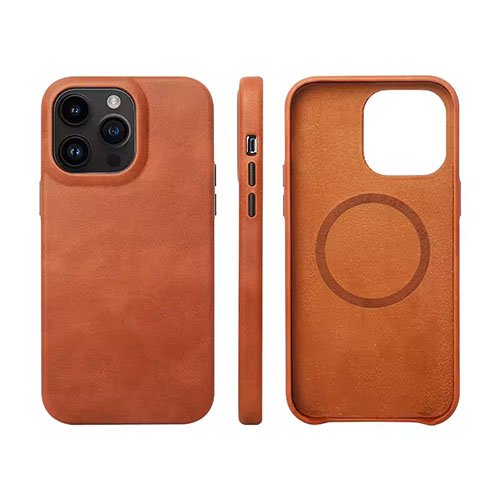
Leather phone cases are more than just protective coverings for your device—they’re a statement of style, a durable investment, and a product that gets better with age. Whether you’re designing for personal use or creating a product line for your business, knowing how to craft the perfect leather phone case is crucial. In this guide, we’ll walk you through every step of the process, from choosing the right leather to ensuring your custom designs last for years.
Leather is an excellent material for phone cases because of its durability, luxurious feel, and long lifespan. Full-grain leather provides the best protection, while top-grain offers a smooth finish. With proper care, a leather case can last for years, providing a stylish and reliable option for safeguarding your phone.
Ready to learn how to create a leather phone case that stands out? Let’s dive in!
What Are the Essential Materials and Tools Needed to Make a Leather Phone Case?
To make a leather phone case, you need high-quality leather (full-grain or top-grain), a sharp cutting tool, stitching materials (waxed nylon thread), edge tools, and optional hardware (rivets, snaps). Also, leather conditioner and dyes can help personalize the case.
Materials:
- Leather: Full-grain leather (1.0–1.4 mm thickness) offers the best durability and appearance. Top-grain leather (0.8–1.2 mm) is a more affordable option with a smoother finish. Both options age beautifully over time.
- Thread: Use waxed nylon or polyester thread for durability. Waxed thread reduces friction, making stitching easier and providing extra strength.
- Cutting Tools: A sharp rotary cutter or leather knife is essential for precision cuts. For mass production, a die-cutter is more efficient.
- Edge Tools: Leather burnishers and edge paint can smooth rough edges and give your phone case a polished look.
- Optional Hardware: You can add rivets, snaps, or magnetic closures to enhance the functionality and aesthetic of your phone case.
Tools:
- Stitching Groover: Helps guide your stitching along a straight line.
- Pricking Irons or Chisels: Used to make evenly spaced holes for hand stitching, ensuring that each stitch is consistent and sturdy.
- Leather Dye & Conditioner: Leather dye adds color and depth, while conditioner keeps the leather soft and flexible.
Which Types of Leather Are Best for Phone Cases and Why?
Full-grain leather is the top choice for durability and style. It resists wear and tear and develops a beautiful patina over time. Top-grain leather is smoother and easier to work with but may not last as long as full-grain.
Full-Grain Leather:
Full-grain leather is the highest quality and the most durable option for phone cases. It’s made from the top layer of the hide and retains all the natural grain, making it stronger and more resistant to damage. Over time, it develops a unique patina, which adds character and charm.
- Pros: Superior durability, develops a rich patina, long-lasting.
- Cons: More expensive, heavier.
- Best Use: Luxury or high-end phone cases that will last for years.
Top-Grain Leather:
Top-grain leather is slightly thinner than full-grain and has been sanded to remove imperfections. It’s still a high-quality material but isn’t as durable as full-grain.
- Pros: Smoother surface, more affordable, easier to dye and finish.
- Cons: Less durable than full-grain.
- Best Use: Affordable yet stylish phone cases for everyday use.
Genuine Leather:
Genuine leather is made from the leftover layers after the top layer has been removed. While it’s more affordable, it doesn’t offer the same durability or aesthetic appeal as full-grain or top-grain leather.
- Pros: Cheaper, lighter.
- Cons: Shorter lifespan, lacks the rich texture of higher-grade leathers.
- Best Use: Budget-friendly or promotional phone cases.
Synthetic Leather (Vegan Leather):
Synthetic leather is made from plastic-based materials like polyurethane or PVC. It’s a more affordable and ethical option, but it doesn’t develop the same texture or patina as genuine leather.
- Pros: Animal-free, lower cost, easy to clean.
- Cons: Less durable, doesn’t age well.
- Best Use: Ethical alternatives for budget-conscious buyers.
Is Leather Good for a Phone Case?
Yes, leather is excellent for phone cases due to its natural shock-absorbing qualities, flexibility, and durability. Leather provides better protection than plastic and becomes more attractive with age, making it a perfect choice for high-quality phone cases.
Protection:
Leather’s natural properties make it a great shock absorber, reducing the risk of cracks and damage from minor drops. While not as rigid as plastic, leather provides superior cushioning and softens impacts better than synthetic alternatives.
- Real-World Test: Leather phone cases absorb 30–40% more shock than fabric cases, keeping your phone safe during everyday bumps and drops.
Aesthetic Appeal:
Leather develops a beautiful patina over time, making each case unique. The aging process adds richness to the leather, resulting in a one-of-a-kind look that can’t be replicated with plastic.
- Patina Development: Full-grain leather shows natural aging, turning deeper shades as it’s exposed to sunlight and wear. It’s a feature many leather enthusiasts cherish.
Breathability:
Leather is more breathable than synthetic materials, helping to prevent the buildup of moisture inside your phone case. This feature is essential in humid climates where plastic cases often trap moisture, leading to mold or unpleasant smells.
Longevity:
With proper care, leather phone cases last 5+ years, while plastic cases often crack or degrade in just a year or two. Leather’s resilience means it’s an investment in both style and protection.
How Do You Design and Pattern a Custom Leather Phone Case?
Start by measuring your phone’s dimensions, adding allowances for stitching. Use design software or paper templates to create your pattern. Decide on custom features like card slots, closures, or pockets and test fit before cutting and stitching the leather.
Step 1: Measure Your Phone:
- Accurate Dimensions: Measure the height, width, and thickness of your phone. Add 2-3 mm for stitching margins and the type of finish you’ll use.
- Tools: Use a caliper or measuring tape to ensure accuracy.
Step 2: Create the Template:
- Paper Patterns: Draw your pattern on paper first. Use CAD software for digital precision if you prefer. Ensure there’s enough space for seams, zippers, or any additional features like pockets.
- Testing: Cut out the pattern and fold it around the phone to check fit before committing to leather.
Step 3: Design Custom Features:
- Card Slots & Pockets: Add dimensions for small pockets (for credit cards, cash) or a dedicated space for earbuds. Ensure easy access but a snug fit to keep items secure.
- Flap Closure: Measure how much extra length you need to fold over the top of the case to securely close it.
How Do You Prepare and Cut the Leather for a Precision Fit?
Before cutting, condition the leather to soften it. Use a sharp rotary cutter or leather knife to follow the pattern’s outline precisely. For high-volume production, a die-cutting machine ensures uniformity and speed with minimal waste.
Conditioning Leather:
- Apply a thin coat of leather conditioner to make the leather more pliable and easier to cut.
- Tip: Condition the leather 1 hour before cutting to allow it to absorb the balm.
Cutting Techniques:
- Use a sharp rotary cutter for straight lines and a leather knife for curved edges.
- Cutting Tip: Ensure the blade is sharp for clean cuts—blunt blades can cause jagged edges, affecting the quality of the phone case.
- Cutting Mat: Always use a self-healing cutting mat to protect both your blade and workspace.
Die-Cutting for Mass Production:
- For high volumes, use a die-cutting machine for precision. The cost for a custom die is $100–$200 per shape, but this can significantly increase efficiency during large runs.
What Stitching and Assembly Techniques Ensure Maximum Durability?
Use saddle stitching for durability, double-stitching at stress points, and waxed nylon thread for strength. Reinforce seams with rivets if necessary, and consider hand-stitching for a personal, high-quality finish that adds longevity to the case.
Stitching Techniques:
- Saddle Stitching: This hand-stitching method ensures strength. Two needles, running in opposite directions, create a symmetrical, tight pattern that resists unraveling.
- Machine Stitching: Faster but less durable than hand stitching, best for mass production runs.
Thread Selection:
- Waxed Nylon Thread is ideal for leather phone cases. It’s durable, reduces friction, and prevents unraveling.
- Stitch Spacing: 5–6 stitches per inch is standard for leather goods, providing strength and visual appeal.
Reinforced Seams:
- Use bar-tack stitching or double-stitching in areas like the edges of the phone slot or around hardware to reinforce high-stress points.
- Rivets: Add rivets to handle connections or closures for extra reinforcement.
How Do You Finish Edges and Apply Protective Coatings?
Finish edges by burnishing them with a tool or painting them with leather edge paint. Apply a protective leather conditioner to prevent cracking and water damage. Optionally, topcoat with a clear finish for additional protection.
Burnishing:
- Leather Burnisher: Rub edges with a burnisher to smooth and round them.
- Leather Conditioner: Helps retain the leather’s soft texture and prevents cracking.
Edge Paint:
- Apply leather edge paint for a neat, durable finish. Use a brush or applicator to ensure even coverage.
Protective Coatings:
- Leather Sealant protects the leather from moisture and stains.
- Clear Acrylic Topcoat adds a glossy finish and further durability. Apply thin, even layers.
How Can You Personalize and Brand Leather Phone Cases for Clients?
Personalize leather phone cases with debossing, embossing, or hot-stamping for logo placement. Laser engraving can add intricate details, and monogramming adds a personal touch, making your product unique for corporate gifts or personal purchases.
Debossing vs. Embossing:
- Debossing: Imprints the design into the leather, offering a subtle, elegant look.
- Embossing: Raises the design, making it more tactile and noticeable.
Hot-Stamping & UV Printing:
- Hot-Stamping: Use metallic foil to imprint logos, ideal for luxury items.
- UV Printing: For vibrant, multi-color designs—perfect for one-off personalized items.
Laser Engraving:
- Laser engraving offers intricate, precise detailing, perfect for custom logos or patterns.
Monogramming:
- Great for gifts or personal phone cases. Clients love seeing their initials embossed onto high-end leather products.
How Do You Test, Quality-Check, and Care for Leather Phone Cases?
Perform stress tests on seams, zippers, and hardware. Ensure stitching is aligned and secure. To care for your leather case, clean regularly with a damp cloth, apply conditioner every 3–6 months, and store it in a breathable dust bag.
Quality Control Steps:
- Stress Test: Apply pressure to straps, zippers, and stitching; ensure no weak points.
- Logo Inspection: Check for clarity, alignment, and any imperfections in branding.
- Edge Inspection: Ensure edges are smooth, without rough spots or paint issues.
Maintenance Tips:
- Regular Cleaning: Wipe with a damp cloth to remove dust and grime.
- Leather Conditioner: Apply every 3–6 months to keep the leather soft and prevent cracking.
- Proper Storage: Store in a dust bag, away from direct sunlight or heat.
Ready to Customize Your Leather Phone Case?
At Szoneier Leather, we specialize in crafting durable, stylish, and customizable leather phone cases. Whether you’re looking to create a premium product for your business or a personalized gift, we offer low MOQs, free design & sampling, and 100% quality assurance.
What Can I Do For You?
Here, developing your OEM/ODM private label leather goods collection is no longer a challenge,it’s an excellent opportunity to bring your creative vision to life.
Make A Sample First?
If you have your own tech packs, logo design artwork, or just an idea,please provide details about your project requirements, including preferred fabric, color, and customization options,we’re excited to assist you in bringing your leather goods designs to life through our sample production process.