
How to Line Leather with Fabric: Step‑by‑Step Guide
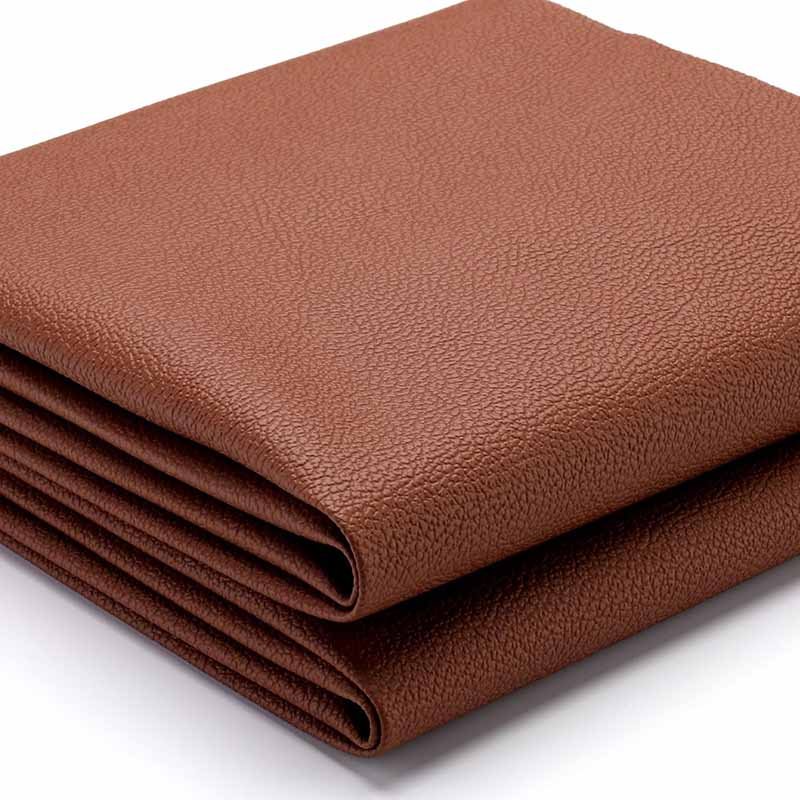
Leather and fabric are two materials that complement each other beautifully in the world of fashion and design. But when it comes to lining leather with fabric, many people might wonder if it’s really possible, or if it’s worth the effort. The answer is yes—lining leather with fabric not only improves the durability and comfort of leather products, but it can also elevate the overall look and feel, adding a luxurious touch to your handbags, wallets, and accessories.
When done correctly, fabric lining enhances the structure of leather, prevents internal wear, and provides a smoother finish. It also offers creative freedom, allowing for various fabric types, colors, and textures that complement the leather’s visual appeal. Whether you’re designing your first leather handbag or considering a premium product, lining the leather with fabric is an essential skill to master. Lining leather with fabric involves attaching a soft material to the interior of leather products for added durability and aesthetic appeal. This process not only improves the comfort of leather goods but also protects the leather from wear. By choosing the right fabric and technique, designers can create high-quality, stylish leather-lined products that stand out.
In this article, we’ll explore the best fabrics for lining leather, the tools you’ll need, and step-by-step instructions to help you line leather like a professional. Keep reading to learn how to turn your leather projects into masterpieces!
What Is Leather Lining
Leather lining refers to the process of adding a fabric or material to the interior of leather products, such as handbags, wallets, and belts. It enhances the structure, comfort, and durability of leather goods, while also providing aesthetic appeal. Lining helps protect the leather from internal wear, moisture, and dirt, and offers an opportunity for creative design through the use of various fabrics.
What does “lining leather” mean?
Lining leather means adding a secondary layer of material to the inside of leather products to improve functionality, appearance, and longevity. This lining serves several practical and aesthetic purposes. For example, it softens the interior of handbags, prevents damage to the leather from friction, and adds structure to the product. It also enhances the tactile experience, making leather goods more comfortable to handle or wear.
While leather is a durable material, it can be prone to wear and tear over time. Fabric lining is essential for protecting the leather’s interior surface, particularly for products exposed to frequent use, such as handbags, wallets, and jackets. By incorporating fabric lining, the overall quality of the leather product is significantly enhanced.
Can you line leather with fabric?
Yes, lining leather with fabric is not only possible but also highly beneficial. The fabric lining acts as a protective barrier that helps prevent the leather from getting scratched, stained, or worn down. Additionally, lining leather with fabric enhances the comfort of the product, especially for items that are used for long durations (like handbags or wallets). The fabric lining adds softness and a smoother feel to the inside of the leather product.
Fabric lining also offers an opportunity to showcase creativity. You can choose from various types of fabric, such as cotton, velvet, polyester, or even silk for luxury leather goods. This allows for a high degree of customization, where the interior of the product can match or contrast with the leather exterior, creating a complete and aesthetically pleasing design.
Why do you line leather with fabric?
Lining leather with fabric serves both functional and aesthetic purposes. Here’s why it’s commonly done:
- Protects the Leather
- Leather can be susceptible to scratches, abrasions, and moisture damage. Lining provides an additional protective layer that keeps the leather safe from wear and tear. It also prevents dirt and grime from directly coming into contact with the leather, which can cause discoloration over time.
- Improves Comfort
- The fabric lining creates a softer feel against the skin. For products like bags, wallets, and belts, this added softness is particularly beneficial when the leather is in direct contact with the body. It enhances the comfort of the product.
- Adds Structure
- Lining can help a leather product retain its shape over time. In handbags or purses, lining adds stability and prevents the leather from sagging or losing its form.
- Design and Aesthetic Appeal
- Lining allows for creative freedom when designing a leather product. You can select fabrics in a variety of colors, textures, and patterns that complement or contrast with the leather exterior. This adds to the overall luxury and appeal of the product.
- Increases Durability
- Lining helps the product last longer by reducing friction between items inside the leather product (such as keys or coins) and the leather itself. By reducing wear and friction, the leather’s longevity is increased.
How does lining leather improve the product’s functionality?
Lining leather enhances the functionality of the product in several key ways:
- Moisture Protection: Leather can absorb moisture from the items it holds, which may cause it to degrade over time. A fabric lining can act as a moisture barrier, protecting the leather from environmental factors like humidity or spilled liquids.
- Internal Organization: Many handbags and wallets benefit from fabric linings that include pockets, zippers, and compartments. These additions help organize the contents, making the bag more functional for the user.
- Easy Maintenance: A fabric lining is generally easier to clean than leather. This means that the interior of your product can be wiped down or washed without risking damage to the leather. This is particularly important for products like diaper bags or travel bags, where cleanliness is a priority.
- Prevents Stretching and Warping: Leather, though durable, can stretch or warp over time, especially with frequent use. A fabric lining provides added structure and support to maintain the shape of the product.
What types of leather products benefit from lining?
While most leather products can benefit from lining, some types rely on it more than others:
- Handbags and Purses: Lining is crucial in handbags, as it not only adds structure but also offers internal compartments for organization. A high-quality fabric lining enhances the luxury appeal and comfort of the product.
- Wallets and Cardholders: Lining prevents wear on the interior and protects the leather from items like cards, coins, or receipts. It also helps reduce friction, making wallets and cardholders more comfortable to carry.
- Leather Jackets and Coats: Lining in leather jackets and coats provides added warmth and makes the garment more comfortable to wear. It also helps maintain the leather’s shape and reduces wear on the inside of the garment.
- Shoes and Footwear: Leather shoes benefit from lining as it improves breathability, reduces moisture buildup, and enhances comfort. It also helps with odor control.
How to choose the right fabric for leather lining?
Selecting the right fabric for leather lining depends on your product type, budget, and desired durability. Here are some considerations:
- Cotton:
- Soft, breathable, and affordable, making it a popular choice for everyday leather goods like wallets, small bags, and casual handbags.
- Polyester:
- Durable, affordable, and stain-resistant, ideal for products that require frequent use like backpacks or travel bags.
- Satin or Silk:
- Luxurious and soft, ideal for high-end leather goods like luxury handbags. These fabrics add an elegant finish but are less durable than cotton or polyester.
- Microfiber:
- Soft, durable, and easy to clean. Microfiber is great for more functional leather products, especially in cases where comfort and wearability are priorities.
- Velvet:
- Rich and soft, ideal for premium or fashion-forward bags that require a plush, tactile experience. However, velvet requires extra care and can be difficult to clean.
Why Line Leather with Fabric
Lining leather with fabric serves multiple purposes, including improving durability, providing comfort, and enhancing the visual appeal of leather products. The fabric protects the leather from wear and tear, prevents moisture absorption, and adds a softer feel. Additionally, fabric lining allows for greater design versatility, making it possible to incorporate various textures, colors, and patterns that complement or contrast with the leather.
Is lining necessary for leather products?
While not all leather products require lining, many leather goods benefit greatly from it. Lining adds a layer of protection and functionality, which is especially important for leather items that experience frequent use or have direct contact with the skin.
Here’s why lining is essential for many leather products:
- Leather’s Vulnerability: Leather is a strong material, but it can be susceptible to internal wear, moisture, and dirt, especially in items like handbags, wallets, and shoes that come into frequent contact with external objects. Without lining, the interior of these products would be exposed to potential damage, reducing their lifespan.
- Comfort and Aesthetics: Leather can be stiff and rough on the inside, making it uncomfortable for items like bags, wallets, or coats. A fabric lining provides a smooth, soft surface that improves the comfort and user experience. Additionally, lining allows for the personalization of the interior with different colors, patterns, and textures that align with the brand’s identity.
- Enhanced Functionality: Lining is important for the organizational structure of leather products, particularly for items with multiple compartments, such as bags and wallets. It can also help in reinforcing the shape and structure of the leather, preventing it from sagging or losing its form over time.
What benefits does fabric lining add?
Fabric lining offers a variety of functional and aesthetic benefits to leather products, some of which include:
- Protection from Damage Lining the leather with fabric helps protect it from:
- Internal abrasion: Constant contact with other items inside the bag or wallet can damage the leather over time. Fabric lining helps reduce friction, preserving the leather’s surface.
- Moisture: Leather can absorb moisture from the environment or from the items inside it. Fabric lining serves as a barrier, preventing water or sweat from being absorbed into the leather, thus preventing warping or discoloration.
- Enhanced Comfort The rough interior of untreated leather can feel uncomfortable against the skin. Fabric lining creates a softer feel, especially in products like wallets, bags, and coats, improving the overall user experience. For example, in handbags, a soft fabric lining also makes it easier to slide in and out of items without them getting stuck.
- Aesthetic Appeal Lining allows you to customize the interior of your leather products. Whether it’s a subtle solid color or a bold pattern, the fabric lining can elevate the product’s overall design. Lining adds a luxurious touch to handbags, wallets, and leather goods, making them more attractive and unique.
- Increased Durability By adding an interior lining, you significantly increase the lifespan of the leather. The fabric lining acts as a protective shield, keeping the leather from internal friction, UV rays, and dirt accumulation, all of which could lead to premature wear.
- Better Structure Fabric linings help maintain the shape of the leather product, particularly for bags and purses. Without lining, leather can stretch out of shape, especially with heavy contents or constant use. A structured lining keeps the leather taut and prevents sagging, ensuring the product maintains its aesthetic integrity over time.
How does lining affect leather durability?
Lining plays a vital role in enhancing the durability of leather products. Here’s how:
- Prevents Internal Wear Leather, while strong on the exterior, can be susceptible to internal wear. When leather products are constantly used, friction from the items inside (such as keys, pens, or coins) can cause abrasions and wear down the leather’s surface. A fabric lining protects the leather from direct abrasion, thus preserving its integrity.
- Reduces Exposure to Moisture Leather absorbs moisture from humidity, sweat, or spilled liquids. Without lining, leather can absorb this moisture, which leads to:
- Staining and discoloration.
- Hardening or cracking over time. The fabric lining acts as a barrier, helping prevent moisture absorption and ensuring the leather stays in top condition.
- Protects Against Dirt and Dust As leather products are used regularly, they come into contact with dirt, dust, and oils from the user’s hands or from the environment. Fabric linings help absorb some of these elements, preventing them from reaching the leather surface and causing stains or damage.
- Longer Product Lifespan By acting as a protective layer, fabric lining extends the overall lifespan of leather goods, ensuring that they maintain their appearance and functionality for a longer period. For luxury items like handbags, where longevity is key, this added protection is invaluable.
How does lining affect leather texture and feel?
Lining leather also influences its texture and feel, making the product more appealing to the user. Here’s how fabric lining enhances leather products:
- Smooth Interior Feel Leather can be rough on the inside, especially in unlined bags or wallets. Lining the leather with fabric makes the interior smoother, providing a better tactile experience when handling the product.
- Softness Fabric linings, especially those made from soft materials like velvet or satin, add a luxurious feel to the product. This added softness is especially important for products that are in frequent contact with the skin, such as handbags and wallets.
- Temperature Regulation Leather tends to retain heat, making it feel hot or uncomfortable when held for long periods. A fabric lining offers breathability, preventing the leather from becoming too warm or sticky against the skin.
- Consistency in Feel Lining ensures that the interior of leather products maintains a consistent feel across the entire product. It prevents areas where the leather might be rough or uneven, improving the overall user experience.
Which Materials Are Used for Leather Lining
The materials used for leather lining significantly impact the comfort, durability, and aesthetic appeal of the product. Common materials include cotton, polyester, velvet, satin, and microfiber. The choice of fabric depends on the leather product’s intended use, budget, and design requirements. Some fabrics are breathable and soft, while others are durable and resistant to wear and moisture.
Which fabric types are ideal for lining?
When choosing the ideal fabric for lining leather, it’s important to consider the product’s functionality and desired aesthetic. Here are the most common fabric options and their benefits:
- Cotton:
- Pros: Soft, breathable, and affordable. Cotton is ideal for everyday use and is often used in products like wallets, casual bags, and clutches.
- Cons: It can stain easily and is not as durable as synthetic options. It may also absorb moisture, which can affect the leather.
- Best for: Light, budget-friendly leather products that don’t require excessive wear resistance, such as small bags or wallet linings.
- Polyester:
- Pros: Durable, stain-resistant, and wrinkle-resistant. Polyester is perfect for bags or products that will see frequent use.
- Cons: It is less breathable compared to natural fibers like cotton, and it may feel less luxurious.
- Best for: Everyday, functional leather products like backpacks, luggage, and sport bags.
- Satin:
- Pros: A luxurious fabric with a smooth, shiny surface, perfect for high-end leather goods. Satin lining adds a premium feel to handbags and luxury wallets.
- Cons: Satin is delicate and can get scratched or damaged easily.
- Best for: Luxury leather products like evening bags or fashion accessories, where appearance is prioritized.
- Velvet:
- Pros: Rich texture and plush feel, adding an extra layer of luxury to the leather product. Velvet is perfect for high-end bags or special occasion items.
- Cons: Velvet is delicate and can be difficult to maintain. It is prone to damage from moisture and abrasion.
- Best for: Premium, fashion-forward leather products that are designed to be both functional and luxurious, such as designer handbags.
- Microfiber:
- Pros: Soft, lightweight, and highly durable, microfiber mimics the look and feel of suede. It is resistant to stains and is easy to clean.
- Cons: Microfiber may not have the same luxurious appearance as satin or velvet but offers great practicality.
- Best for: Functional, affordable leather products like travel bags, laptop sleeves, or eco-friendly leather goods.
How to choose lining based on product type (bags, wallets)?
Choosing the right lining fabric depends on the type of leather product and its intended use. Here’s a breakdown:
- Handbags and Totes:
- Durability is key for larger leather bags. Polyester and microfiber are excellent choices as they provide wear resistance and longevity. For luxury bags, consider satin or velvet to add a premium feel and texture.
- Wallets:
- For wallets, cotton is a popular choice due to its softness and affordability. It is also easy to clean. For luxury wallets, a velvet or satin lining can add a sophisticated touch.
- Travel Bags and Backpacks:
- Durable and breathable fabrics like polyester or microfiber are ideal for these items, as they need to withstand frequent use and carry heavier loads. Microfiber is particularly good for providing a smooth, easy-to-clean interior without sacrificing comfort.
- Fashion Accessories:
- Accessories like keychains, clutches, or small pouches benefit from luxury linings such as satin or velvet. These fabrics give the product a high-end, chic appeal, making them more desirable for fashion-forward consumers.
Szoneier Leather offers expert guidance in choosing the right fabric to align with your product goals, ensuring a perfect match between the leather and the lining.
Are there waterproof or breathable lining options?
Yes, depending on the intended use of the leather product, there are both waterproof and breathable lining materials available:
- Waterproof Linings:
- Materials: Polyurethane-coated fabrics, vinyl, and waterproof nylon are ideal for items that need water protection, such as travel bags, diaper bags, or outdoor gear.
- Benefit: These materials help prevent water damage to both the fabric and the leather itself, keeping the contents dry and preserving the quality of the leather.
- Breathable Linings:
- Materials: Cotton, linen, and microfiber are breathable fabrics that help maintain ventilation inside the leather product. They prevent moisture buildup, reduce the risk of mildew, and keep the interior fresh.
- Best for: Products like backpacks, shoulder bags, or diaper bags, where breathability and comfort are key for the user’s experience.
Choosing the right lining fabric that suits the intended environment and usage of the product is essential to the longevity and comfort of the leather goods.
How does lining affect the overall product durability?
Lining plays a crucial role in enhancing the durability of leather products. Here’s how it helps:
- Prevents Wear and Tear: Leather, although durable, can wear out quickly if used without lining. The fabric lining helps protect the interior surface from scratches, friction, and dirt. This is particularly important for handbags and wallets, where internal contents can cause friction.
- Enhances Product Lifespan: Lining improves the product’s structural integrity, especially for products like totes and backpacks that are constantly used and often exposed to harsh conditions. The lining helps to maintain the shape and structure of the leather.
- Resists Moisture Damage: Leather is highly susceptible to moisture, which can cause cracking, discoloration, or stiffness. A fabric lining can act as a protective barrier, reducing the leather’s exposure to moisture and preventing such damage.
By selecting the right lining fabric and ensuring proper application, you can extend the life of your leather products and increase their overall resilience.
How to Prepare Leather and Fabric for Lining
Preparing leather and fabric for lining involves measuring and cutting both materials accurately, ensuring proper alignment, and choosing the right tools. The leather should be cleaned and softened, while the fabric must be prepped to prevent stretching. Proper preparation ensures a perfect fit and a durable, professional finish when attaching the lining to the leather. Follow detailed steps to achieve precise cuts and alignments for your project.
How to measure leather and fabric panels?
Accurate measurement is critical to the success of lining leather. Both the leather and fabric pieces need to fit perfectly without being too tight or too loose. Here’s how to approach measuring each material:
- Measuring the Leather:
- Use a soft measuring tape to measure the leather panels. Start with the length and width of the leather piece you want to line (e.g., for a bag or wallet).
- For curved surfaces (like the rounded edges of a bag or wallet), you may want to use a flexible ruler or pattern templates for more accuracy.
- Mark the measurements with a fabric chalk or a pencil for precision before cutting.
- Measuring the Fabric:
- Once the leather is measured, you will need to cut the fabric slightly larger than the leather panel to allow for seam allowances (about 1/4 inch to 1/2 inch extra on all sides).
- For items with internal compartments or pockets, account for additional measurements to ensure the lining fits well into all areas.
- Consider using pattern paper or templates to ensure symmetrical and accurate fabric pieces.
- Tip: Always double-check your measurements to avoid mistakes that might cause the leather or fabric to be too large or small for the final product.
What tools do you need for lining preparation?
The right tools make preparation easier and more precise. Here’s what you’ll need to effectively measure, cut, and prepare leather and fabric:
- Cutting Tools:
- Fabric scissors for cutting the lining fabric. Make sure the scissors are sharp for clean, smooth cuts.
- Utility knife or rotary cutter for cutting leather. These tools help provide precision when cutting leather pieces, especially for complex shapes.
- Measuring Tools:
- Soft measuring tape for curved surfaces and hard-to-reach areas.
- Ruler or metal edge for straight cuts on both fabric and leather. A metal edge ensures straight, precise cuts.
- Fabric chalk or a pencil for marking the fabric and leather, which can be easily wiped off after cutting.
- Pins and Clips:
- Use pins or fabric clips to hold the fabric and leather in place while measuring or cutting. This prevents any shifting or misalignment.
- Adhesive or Glue:
- Fabric glue or spray adhesive for temporary bonding before stitching. Be sure to choose adhesives that are fabric-safe and leather-friendly.
- Contact cement or leather glue for stronger, permanent bonds when attaching the fabric to the leather.
- Burnishing Tools (optional):
- Use burnishing tools to finish leather edges and smooth fabric seams, ensuring a clean and professional look.
How do you cut and align lining fabric to leather?
Accurate cutting and proper alignment are essential to ensure that the leather and fabric fit seamlessly. Here’s a step-by-step process:
- Cutting the Leather:
- Lay the leather on a flat surface and use a utility knife or rotary cutter to cut the leather to the required shape and size. Ensure the edges are smooth and that the cuts are clean. This is especially important if you’re working with delicate leather types like full-grain or corrected grain.
- For curved edges, consider using scissors or a flexible ruler to make precise adjustments.
- Cutting the Fabric:
- Lay the fabric flat on a cutting mat and use fabric scissors or a rotary cutter to cut along the measurements you’ve marked. Ensure the fabric edges are straight and uniform to ensure even attachment to the leather.
- Add a 1/4 inch to 1/2 inch seam allowance around all edges, depending on how you intend to attach the fabric (stitched or glued).
- Aligning the Fabric to the Leather:
- Once the leather and fabric pieces are cut, align the fabric carefully on the inside of the leather. If the fabric is large or bulky, pin it into place, ensuring there is no stretching or bunching.
- Check for symmetry and proper alignment, particularly in angled areas (such as corners or curved edges) to ensure a seamless fit.
- If needed, press the fabric with an iron on low heat (ensure the fabric is heat-safe) to remove any wrinkles and make it easier to work with.
- Tip: Always align the edges and corners first and work your way inwards. This minimizes the risk of misalignment or bubbling.
How to prep the leather before lining?
Proper preparation of the leather is essential to ensure a smooth, clean, and durable lining attachment. Here’s how to prepare the leather:
- Clean the Leather:
- Before adding any lining, make sure the leather is clean and free from dust or dirt. Use a soft cloth and a leather cleaner to remove any buildup.
- If the leather is rough or hard, consider using a leather conditioner to soften it before applying the lining.
- Condition the Leather:
- If you’re using full-grain leather or any leather that is prone to dryness, apply a leather conditioner to keep it supple and prevent it from cracking. This will also ensure that the fabric lining adheres more effectively to the leather.
- Pre-Softening:
- For some leathers, pre-softening is necessary to make the lining attachment easier. Use a damp cloth to slightly moisten the leather before applying fabric. This can help reduce any stiffness and improve fabric bonding.
How to prevent fabric from stretching when attaching it to leather?
Fabric stretching can cause alignment issues and may affect the overall appearance and functionality of the product. Here’s how to prevent it:
- Use a Stabilizer or Interfacing:
- Interfacing or stabilizer fabrics can be used behind the fabric to prevent it from stretching out of shape during the lining process. Non-woven interfacing is an easy-to-apply option that adds structure and prevents stretching.
- Pre-wash the Fabric:
- If you’re using cotton or other natural fabrics, pre-washing them can help remove excess shrinkage and reduce fabric stretch once attached to the leather.
- Avoid Overstretching:
- When pinning or stitching the fabric, avoid pulling it too tight. Gently lay it on the leather, ensuring it’s smooth but not stretched.
How to Line Leather with Fabric (Step‑by‑Step)
Lining leather with fabric involves preparing both materials, cutting them to size, applying adhesive or stitching, and finishing the edges for a polished look. The process includes measuring and cutting the leather and fabric, aligning them carefully, and either gluing or sewing the fabric to the leather. This method improves durability, comfort, and the overall aesthetic of leather products, creating high-quality, long-lasting items.
Step 1: Measure and Cut Leather and Fabric
Accurate measurements and clean cuts are the foundation of a well-lined leather product. Here’s how to start:
- Measure the Leather:
- Use a soft measuring tape to measure the leather piece. For curved surfaces or bags with multiple compartments, use pattern templates or a flexible ruler.
- Ensure that your measurements are precise to prevent the fabric from being too loose or tight.
- Cut the Leather:
- Using a sharp utility knife or rotary cutter, cut the leather to the required size. Leather should be cut along the grain to ensure consistency and quality.
- For smoother edges, use a straight edge ruler to guide your cuts.
- Measure the Fabric:
- Once the leather is measured, cut the fabric slightly larger than the leather to allow for seam allowances. Leave 1/4 inch to 1/2 inch extra on all sides for stitching or gluing.
- Tip: If working with a patterned fabric, align the pattern with the leather’s design for a cohesive look.
- Cut the Fabric:
- Use fabric scissors or a rotary cutter to cut the fabric. Ensure clean, straight edges to align perfectly with the leather.
Step 2: Prepare the Leather Surface
Proper preparation of the leather is key to ensuring the fabric adheres well and lasts long.
- Clean the Leather:
- Use a leather cleaner to remove dust, dirt, or oils that might interfere with the fabric adhesion.
- Condition the leather if it feels stiff. Apply a leather conditioner to soften the material before lining.
- Trim Excess Leather:
- Make sure the edges of the leather are clean and even before applying the fabric. Any rough or jagged edges could cause issues when attaching the lining.
Step 3: Apply Adhesive or Glue
Choosing the right adhesive is crucial for a secure bond between the leather and fabric.
- Adhesive Options:
- Fabric Glue: Ideal for smaller or temporary projects, fabric glue works well for easy attachment but may not be as durable for high-use products.
- Spray Adhesive: Offers a light, even coat of glue that’s great for temporary bonds before stitching.
- Contact Cement: For permanent bonding, use contact cement. Apply a thin layer to both the leather and fabric, let it dry slightly, and then press them together firmly.
- Application:
- Apply the adhesive evenly on the back of the fabric or leather. Be sure to spread the glue thinly to prevent it from seeping out the edges when the fabric is pressed onto the leather.
- Press the fabric onto the leather, ensuring no bubbles or wrinkles form. Use fabric clips or pins to hold the lining in place temporarily.
Step 4: Stitch the Fabric (or Glue)
After securing the fabric, you can choose whether to stitch or glue for added durability.
- Sewing the Fabric:
- If you choose to stitch, use a strong polyester or nylon thread to ensure durability.
- For bags, wallets, or other high-use items, sewing is the preferred method as it adds strength and longevity to the lining.
- Use a heavy-duty sewing machine and a leather needle for precise stitching.
- Sew around the edges, ensuring the fabric stays securely in place.
- Glue-only Method:
- If stitching is unnecessary, ensure the fabric is securely bonded using glue. You may need to allow the adhesive to dry completely before handling the product.
- Tip: For a cleaner finish, you can stitch along the edges even after gluing to enhance durability and appearance.
Step 5: Finish the Edges and Seams
Finishing the edges properly is essential for both aesthetic appeal and durability. Here’s how to do it:
- Trimming Excess Fabric:
- Once the fabric is attached to the leather, trim any excess fabric that extends beyond the edges of the leather. Use sharp fabric scissors to get clean cuts.
- Leave a small seam allowance to avoid the fabric fraying over time.
- Burnishing Edges:
- To make the edges look polished, burnish the edges of the leather and fabric lining. Use a burnishing tool or edge sealer to smooth out the seam and give it a clean, finished appearance.
- Adding Edge Paint:
- For an extra professional touch, you can paint the edges of the leather with a matching or contrasting edge paint. This helps seal the edges and prevents them from fraying.
- Pressing and Drying:
- Finally, if you used glue, ensure the product is pressed flat and allowed to dry completely before use. This helps set the adhesive and ensures the fabric is securely bonded to the leather.
Step 6: Quality Control
After lining the leather, it’s crucial to inspect the product for any imperfections.
- Check Alignment:
- Ensure the fabric is perfectly aligned with the leather. There should be no bubbles, wrinkles, or misalignment.
- Use a flat surface to check the fit.
- Inspect Stitching or Glue:
- Inspect the stitching or glue to ensure that the bond is secure and there are no loose threads or gaps.
- If needed, reinforce any weak areas with additional glue or stitches.
- Test Durability:
- Gently test the durability of the fabric lining by lightly pulling on it to see if it’s securely attached to the leather. Ensure that the lining doesn’t shift or come loose.
What Are Common Problems and How to Avoid Them
Common problems when lining leather with fabric include wrinkles, misalignment, and adhesive failure. These issues can be avoided by measuring accurately, using the right materials, and ensuring proper attachment methods. Regularly inspecting the work throughout the process, making adjustments, and using high-quality tools will help prevent these problems, ensuring a clean, professional finish.
Why does lining wrinkle or bubble?
One of the most common problems encountered during the leather lining process is the formation of wrinkles or bubbles in the fabric. This can happen due to several factors, including incorrect adhesive application, improper fabric tension, or misalignment. Here’s how to avoid it:
- Uneven Adhesive Application:
- If too much adhesive is used, it can cause the fabric to shift or bunch up, creating wrinkles or bubbles. Use a light, even layer of adhesive and avoid oversaturation. Opt for spray adhesive for more even coverage or contact cement for stronger bonds that dry quickly without excess.
- Tight or Loose Fabric Tension:
- When attaching fabric to leather, make sure the fabric is neither too tight nor too loose. Pulling the fabric too tightly can cause it to stretch, while a loose fit may lead to wrinkles or an uneven surface.
- Solution: Gently smooth the fabric onto the leather, and make small adjustments to ensure even tension across the surface. Use pins or clips to hold it in place temporarily while working.
- Misalignment:
- Lining can wrinkle or bubble if it’s not properly aligned with the leather. Before applying the fabric, ensure the edges are aligned perfectly, especially if the leather has a curved surface or intricate design.
- Solution: Always measure and double-check the alignment before securing the fabric with adhesive or stitches.
- Pre-Pressing Fabric:
- Sometimes, fabric can have wrinkles from storage or shipping. Before starting the lining process, consider lightly pressing the fabric with an iron (set on low heat) to remove any existing wrinkles.
- Solution: Iron the fabric carefully before cutting it to size, ensuring smoothness.
How to fix misaligned or loose lining?
Misalignment or loose fabric can ruin the appearance and structure of your leather product. Here’s how to address it:
- Reapply Adhesive:
- If the fabric becomes misaligned or loose after application, carefully remove the fabric and reapply the adhesive. Take care not to stretch the fabric during this process. If necessary, use a stronger adhesive or apply a more consistent layer for better bonding.
- Check for Alignment Before Securing:
- To avoid this issue in the first place, always check the alignment of fabric and leather before securing them. Pin the fabric in place first and adjust any discrepancies before applying glue or stitching. This will help avoid any uneven edges or gaps.
- Stitching Option:
- For stronger, more durable bonding, stitching the fabric to the leather can prevent loose lining issues. Stitching helps secure the fabric more permanently, especially when applied around the edges. If using glue, ensure you reinforce the edges with stitching.
Why does fabric shift after gluing or stitching?
Fabric shifting is a common issue that occurs when the lining doesn’t properly adhere to the leather or when the fabric isn’t held in place during the process. Here’s how to prevent it:
- Inconsistent Glue Application:
- Using too much or too little glue can cause the fabric to slip or shift after it’s applied to the leather. Always apply a thin, even layer of adhesive to avoid excess glue seeping out, which could cause the fabric to move.
- Solution: Spray adhesives or fabric glue tend to be the most reliable. Be cautious with contact cement; it requires precise timing for the best results.
- Not Using Pins or Clips:
- When attaching the fabric to the leather, pins or clips help keep the fabric in place while the adhesive dries or while you sew. Without proper securing, the fabric can move, especially if it’s a thin or slippery material.
- Solution: Always pin or clip the fabric before securing it, whether by gluing or stitching. After stitching, you can remove the clips, but they should stay in place until the adhesive sets.
- Repositioning Too Often:
- Once fabric is applied and glued, avoid repositioning it too much. The more you move the fabric, the more likely it is to shift or misalign.
- Solution: Make sure the fabric is correctly positioned before applying glue and let it set properly before handling.
How to avoid fraying fabric edges?
Fabric edges can fray or unravel when exposed to regular wear or during the lining process. Here’s how to prevent fraying:
- Use a Fray-Stop Solution:
- Apply a fray-stop solution to the raw edges of the fabric before cutting. This will seal the edges and prevent threads from coming loose over time.
- Use a Serger or Overlocker:
- A serger (or overlocker machine) is ideal for finishing fabric edges. It creates a neat, tight stitch along the fabric edges, preventing them from fraying. If you don’t have access to a serger, zigzag stitching can also help seal the edges effectively.
- Seam Binding or Edge Tape:
- For a more professional finish, use seam binding or fabric edge tape to cover the raw edges of the fabric before attaching it to the leather. This method not only prevents fraying but also adds a clean, polished look to the inside of your leather product.
How to fix adhesive stains or marks on leather?
Sometimes, adhesive stains or marks can accidentally appear on the leather when lining. Here’s how to remove them:
- Rub Alcohol:
- Isopropyl alcohol can be used to remove adhesive residue from the leather. Dampen a cloth with alcohol and gently rub the stained area. Be sure to test on a small, inconspicuous area first to ensure it doesn’t damage the leather.
- Leather Cleaner:
- If alcohol doesn’t work, use a leather cleaner specifically designed for removing stains. Leather cleaners are gentle on the material and can often remove stubborn adhesive marks without causing damage.
- Use a Leather Conditioner:
- After removing adhesive stains, apply a leather conditioner to keep the leather soft and supple. Cleaning agents can sometimes dry out the leather, so conditioning is essential to restore moisture and prevent cracking.
Conclusion
Creating high-quality, well-crafted leather products that are lined with fabric is no small feat. It requires a reliable manufacturer, expert craftsmanship, and a partner who understands your brand vision. At Szoneier Leather, we offer over 18 years of experience in the design and production of leather goods, including premium handbags, wallets, belts, and accessories.Your brand deserves a manufacturing partner that can deliver high-quality craftsmanship, reliable service, and custom solutions tailored to your specific needs. Let’s work together to create something amazing.Contact us today for a free consultation. Let’s discuss how Szoneier Leather can turn your ideas into beautifully crafted, durable leather products that will stand out in the market.
What Can I Do For You?
Here, developing your OEM/ODM private label leather goods collection is no longer a challenge,it’s an excellent opportunity to bring your creative vision to life.
Make A Sample First?
If you have your own tech packs, logo design artwork, or just an idea,please provide details about your project requirements, including preferred fabric, color, and customization options,we’re excited to assist you in bringing your leather goods designs to life through our sample production process.