
How Leather Jackets Are Made: From Hide to Fashion Icon
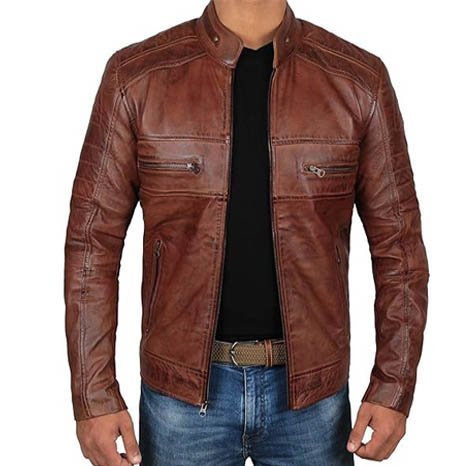
Leather jackets aren’t just clothing—they’re cultural symbols blending rugged durability with timeless style. But few people understand the craftsmanship behind each piece. From raw animal hides to a polished jacket in a boutique, the journey involves chemistry, design, engineering, and quality control.
Leather jackets are made through a multi-step process: selecting animal hides, tanning and dyeing, cutting and pattern-making, stitching with premium hardware, adding linings and finishing touches, and rigorous quality checks. Each stage—from choosing leather types like cowhide or lambskin to applying protective coatings—affects the jacket’s durability, comfort, and style. Skilled craftsmanship ensures every jacket meets both fashion and functional standards before reaching the market.
Imagine walking into a Szoneier Leather factory: giant drums tanning hides, precision machines cutting patterns, artisans stitching collars by hand. Behind every jacket is a story of tradition, technology, and style innovation. Let’s break it all down.
What Types of Leather Are Used for Jackets?
Leather jackets use cowhide for durability, lambskin for softness, sheepskin for insulation, and goatskin for strength with flexibility. Some premium brands experiment with exotic hides like buffalo or kangaroo. The choice affects weight, texture, and price: cowhide offers rugged longevity, while lambskin delivers a supple, luxury feel ideal for fashion-forward designs.
1. Cowhide Leather
Cowhide is the most widely used leather for jackets because of its exceptional durability, thickness, and abrasion resistance. Typically measuring 1.2–1.5 mm thick, cowhide jackets are heavier than other options but can withstand years of rugged use. That’s why motorcycle jackets and outdoor workwear almost always rely on cowhide—it can endure high-speed slides or tough weather without tearing. The natural grain pattern also adds a rugged aesthetic, while top-grain or full-grain versions retain more natural marks for a premium look. Cowhide takes well to oil and wax finishes, developing a rich patina over time. However, the heavier weight may feel stiff initially, requiring several weeks of wear to break in. For brands, cowhide offers excellent value at mid-range pricing—affordable enough for mass-market jackets while durable enough to justify premium positioning in workwear or biker fashion segments.
2. Lambskin Leather
Lambskin is the luxury standard in fashion jackets, prized for its unmatched softness, lightweight feel, and elegant drape. At 0.7–1.0 mm thickness, lambskin jackets feel supple right out of the box, with none of the stiffness found in cowhide or goatskin. This makes them ideal for slim-fit, urban, or high-fashion designs where comfort and style matter more than raw durability. Lambskin also absorbs dyes beautifully, allowing for deep blacks, rich browns, or bold seasonal colors. The downside is lower abrasion resistance; lambskin scuffs or tears more easily than heavier hides, so it’s less suitable for motorcycle gear or harsh outdoor use. In luxury retail, lambskin jackets often retail 20–40% higher than cowhide equivalents due to the material’s premium perception and limited availability. Designers favor lambskin for tailored fits, quilted patterns, and boutique fashion lines targeting high-end urban consumers.
3. Sheepskin Leather (Shearling)
Sheepskin, often called shearling when the wool is left intact, is famous for its thermal insulation and comfort. These jackets feature a leather exterior with a soft wool lining, providing both wind resistance and warmth. At 1.0–1.2 mm thickness, sheepskin strikes a balance between weight and flexibility, making it popular in aviator, bomber, and winter jackets. The natural lanolin in sheepskin also offers some water resistance while keeping the leather supple over time. WWII pilots wore shearling jackets at high altitudes because they retained heat even at subzero temperatures. Today, they remain a fashion staple every winter, often styled with oversized collars, belt straps, and vintage finishes. However, sheepskin requires careful storage and conditioning since the wool lining can absorb moisture or odors if not maintained properly. Pricing sits between cowhide and lambskin, offering a mid-premium option for brands targeting heritage-inspired outerwear markets.
4. Goatskin Leather
Goatskin offers a versatile middle ground between cowhide’s toughness and lambskin’s softness. With a slightly pebbled grain texture and thickness ranging 1.0–1.3 mm, goatskin jackets feel lighter and more flexible than cowhide while providing better abrasion resistance than lambskin. Military flight jackets in the mid-20th century often used goatskin because it balanced durability, weather resistance, and comfort for pilots spending hours in open cockpits. Modern goatskin jackets remain popular for field coats, casual bombers, and mid-weight urban outerwear. The natural oils in goatskin give it a subtle sheen and water repellency, reducing maintenance needs compared to sheepskin. Cost-wise, goatskin sits 10–15% below cowhide, making it attractive for mid-market brands seeking affordable yet durable alternatives. The material also breaks in faster than cowhide, offering comfort without compromising structure.
5. Exotic Leathers (Buffalo, Kangaroo, Crocodile)
For high-end or niche markets, exotic leathers like buffalo, kangaroo, or crocodile create truly distinctive jackets. Buffalo hide, with its thick grain and tensile strength, rivals cowhide for toughness but carries a bolder, more rugged texture ideal for heritage or western-style jackets. Kangaroo leather, surprisingly lightweight yet 10× stronger than cowhide by weight, appears in limited-edition biker or sports jackets needing extreme performance. Crocodile and alligator skins occupy the ultra-luxury segment, often crafted into statement pieces retailing at 5–10× the price of standard leather jackets. These materials require specialized tanning and cutting techniques to preserve natural patterns, so production lead times and MOQs are much higher. Brands targeting celebrity, luxury, or collector markets sometimes release capsule collections using exotics to differentiate themselves, though sourcing must comply with CITES wildlife trade regulations.
| Leather Type | Thickness (mm) | Durability (Years) | Typical Use Cases |
|---|---|---|---|
| Cowhide | 1.2–1.5 | 10–15 | Motorcycle, rugged wear |
| Lambskin | 0.7–1.0 | 5–8 | Fashion, urban styles |
| Sheepskin | 1.0–1.2 | 8–10 | Winter jackets, bombers |
| Goatskin | 1.0–1.3 | 8–12 | Mid-range, casual jackets |
| Buffalo/Kangaroo | 1.2–1.6 | 12–20 | Luxury, premium outerwear |
Choosing leather isn’t just aesthetic—it’s a performance decision balancing cost, comfort, and brand positioning.
How Is the Leather Processed Before It Becomes a Jacket?
Leather processing transforms raw animal hides into durable, flexible material for jackets through curing, soaking, liming, tanning, dyeing, and finishing. Curing preserves hides for transport, tanning stabilizes proteins to prevent decay, and finishing adds color, water resistance, or softness. Choices like chrome vs. vegetable tanning affect environmental impact, durability, and texture, ensuring the final leather meets the strength, comfort, and aesthetic requirements of fashion or performance jackets.
1. Curing & Soaking: Preserving Raw Hides
Raw animal hides start deteriorating within hours of removal if untreated. To prevent bacterial growth, curing with salt or brining solutions dehydrates hides, allowing safe transport to tanneries. Once delivered, hides undergo soaking in clean water for 6–12 hours, rehydrating fibers and removing dirt, blood, and salt. Automated paddle vats ensure uniform moisture penetration, restoring hides to their natural state for further processing.
2. Liming & Fleshing: Preparing the Grain
After soaking, hides are placed in lime solutions to loosen hair and epidermal layers. The alkaline environment also swells fibers, improving chemical penetration in later steps. Mechanical fleshing machines then scrape away excess fat, flesh, and connective tissue, leaving a clean collagen structure ready for tanning. This stage determines thickness consistency, with splitters producing uniform layers for different leather grades (e.g., full-grain vs. top-grain).
3. Tanning: Stabilizing Proteins for Durability
Tanning converts putrescible hides into non-decaying, flexible leather by binding collagen proteins with tanning agents. Two primary methods dominate:
Chrome Tanning (80% global production):
- Uses chromium(III) salts
- Process time: 1–3 days
- Produces soft, water-resistant, and color-fast leather
- Environmental impact: Moderate, but modern tanneries use effluent treatment plants to recycle 95% of wastewater
Vegetable Tanning:
- Uses natural tannins from bark or leaves
- Process time: 30–60 days in large pits or drums
- Produces firmer leather with a natural patina over time
- Preferred for eco-conscious or heritage brands seeking plastic-free alternatives
Some premium tanneries combine both in semi-vegetable tanning, balancing softness with eco-friendly credentials.
4. Dyeing & Fatliquoring: Adding Color and Flexibility
Once stabilized, leather undergoes dyeing using aniline, semi-aniline, or pigmented finishes depending on the desired look:
- Aniline dyes: Penetrate deeply, preserving natural grain but require high-grade hides.
- Pigmented coatings: Provide uniform color and scratch resistance, common in mid-range jackets.
Fatliquoring follows, where oils and emulsions are added under controlled heat to restore flexibility lost during tanning, preventing the leather from becoming brittle after drying.
5. Finishing: Protection and Aesthetics
Finishing treatments transform tanned leather into ready-to-cut material for jacket manufacturing:
- Mechanical Finishes: Buffing, embossing, or milling enhance texture or softness.
- Surface Coatings: Polyurethane or acrylic layers improve water resistance and colorfastness.
- Special Effects: Waxing, antique finishes, or metallic coatings provide unique fashion aesthetics for luxury brands.
Testing for thickness uniformity, tensile strength, and chemical compliance (e.g., REACH, OEKO-TEX) ensures the final leather meets international safety and quality standards.
Leather Processing Stages
| Stage | Purpose | Typical Timeframe | Key Impact on Final Jacket |
|---|---|---|---|
| Curing & Soaking | Preserve and rehydrate hides | 1–2 days | Prevents decay, cleans surface impurities |
| Liming & Fleshing | Remove hair/flesh, prep collagen | 1–2 days | Ensures thickness consistency & smooth grain |
| Tanning | Stabilize proteins, prevent decay | 1–60 days | Affects durability, softness, eco footprint |
| Dyeing & Fatliquoring | Add color and flexibility | 1–3 days | Defines jacket aesthetics & comfort |
| Finishing | Texture, coatings, protective layers | 1–2 days | Water resistance, patina, fashion effects |
What Materials & Hardware Complement a Quality Jacket?
High-quality leather jackets use durable linings, premium zippers (YKK, Riri), reinforced stitching, rust-resistant buttons, and structural padding to enhance comfort, longevity, and style. Polyester or viscose linings improve breathability, while hardware in nickel, brass, or stainless steel ensures durability in various climates. Well-engineered stitching patterns and premium fasteners prevent early wear, ensuring the jacket withstands years of daily use without compromising aesthetics or functionality.
1. Inner Linings: Comfort Meets Functionality
While leather defines the exterior, the lining determines comfort and thermal performance.
- Polyester Linings: Affordable, lightweight, moisture-wicking; common in mid-range fashion jackets.
- Viscose/Rayon Linings: Silky texture, breathability for luxury markets; often used in designer brands.
- Quilted Linings: Add warmth through polyfill or down insulation, suitable for winter collections.
- Removable Liners: Zipper-attached fleece or shearling liners allow 3-season adaptability, boosting jacket versatility for consumers.
High-end brands often specify linings with 40–50 denier thread density, ensuring tear resistance ≥ 15 N in lab tests.
2. Zippers & Fasteners: Small Parts, Big Impact
Zippers may seem minor but affect customer satisfaction and lifespan significantly.
- YKK & Riri Zippers: Industry gold standard; tested for 5,000–10,000 open/close cycles without failure.
- Metals Used: Brass, nickel, or stainless steel resist corrosion; cheaper alloys risk rusting in humid climates.
- Styles: Two-way zippers for riding comfort, hidden plackets for windproofing, and gunmetal finishes for fashion appeal.
Snaps, buckles, and rivets also undergo salt-spray corrosion tests to simulate years of exposure.
3. Buttons & Snaps: Strength Under Pressure
Leather jackets use metal buttons or spring snaps for cuffs, collars, and storm flaps.
- Brass Buttons: Classic look, long lifespan; resist deformation under 100–150 N pressure.
- Stainless Steel Snaps: Modern aesthetic; withstand 1,000+ open/close cycles without loosening.
- Powder-Coated Finishes: Prevent discoloration and offer matte or gloss style options.
Cheap plastic alternatives often crack in cold climates (< -10°C), so premium brands avoid them entirely.
4. Stitching & Thread Quality: The Jacket’s Skeleton
Stitching quality determines whether a jacket lasts 2 years or 20 years.
- Thread Materials: Bonded nylon or polyester threads withstand 30–50 lbs tensile stress per stitch line.
- Stitch Density: 6–8 stitches per inch balance strength with flexibility.
- Reinforced Seams: Double or triple-stitched stress points (shoulders, armholes, zippers) prevent seam splitting.
- Decorative Topstitching: Adds fashion accents while distributing stress loads evenly.
Industrial sewing machines like Juki or Pfaff ensure uniformity across thousands of jackets in production runs.
5. Padding & Structural Materials
Beyond leather, jackets use foam or felt padding for structure in collars, shoulders, and elbows:
- Motorcycle Jackets: CE-rated armor inserts protect against impacts.
- Fashion Jackets: Thin foam layers create shape without bulk.
- Shoulder Pads: Subtle reinforcements maintain silhouette consistency across sizes.
Brands specify padding density in kg/m³ to meet both safety and design requirements.
6. Surface Finishes & Edge Treatments
Finishing touches elevate both durability and style:
- Edge Burnishing: Seals raw leather edges against moisture intrusion.
- Wax or Oil Coatings: Add water repellency and vintage aesthetics.
- Topcoat Layers: UV-protective coatings reduce fading under sun exposure by up to 40%.
Luxury brands often use hand-applied wax finishes, while mid-tier products rely on spray-coated polyurethanes for cost efficiency.
Key Materials & Hardware in Leather Jackets
| Component | Premium Options | Performance Metrics | Typical Applications |
|---|---|---|---|
| Linings | Viscose, Quilted Poly | Tear Strength ≥ 15 N | Comfort, Insulation |
| Zippers | YKK, Riri (Brass/Nickel) | 5,000–10,000 cycle durability | Front Closure, Pockets |
| Buttons/Snaps | Brass, Stainless Steel | 1,000+ open/close cycles | Cuffs, Collars, Waist Belts |
| Threads | Bonded Nylon/Polyester | 30–50 lbs seam tensile strength | All Stitching Lines |
| Padding | CE Armor, Foam/Felt | Density ratings 50–80 kg/m³ | Shoulders, Elbows, Collars |
| Surface Finishes | Wax, Oil, UV Coatings | UV Fade Reduction ≥ 40% | Exterior Protection & Aesthetics |
How Are Leather Jacket Patterns, Cutting & Assembly Done?
Leather jacket production uses CAD software for pattern making, ensuring accurate sizing and minimal waste. Cutting is done manually for small batches or via CNC and laser cutters for precision in mass production. Panels are stitched with industrial sewing machines using reinforced seams at stress points. Final assembly includes lining installation, hardware attachment, edge finishing, and quality inspections, combining craftsmanship with modern technology to produce durable, well-fitting jackets.
1. Pattern Making: The Blueprint of Every Jacket
Before a single hide is cut, digital patterns are created in CAD software like Lectra or Gerber. These patterns account for:
- Size Grading: Each size from XS to XXL requires proportionally scaled panels.
- Fit Type: Slim-fit, oversized, or tailored silhouettes need different seam allowances.
- Design Elements: Collar shapes, pocket placements, or quilted panels integrate into the master layout.
Advanced factories like Szoneier use 3D garment simulation to visualize how a jacket will drape on the body, reducing sampling iterations by up to 30–40%. This digital approach ensures precision and consistency across thousands of units.
2. Leather Cutting: Balancing Efficiency & Quality
Once patterns are finalized, hides move to the cutting department:
- Manual Cutting: Experienced cutters use metal templates and rotary blades for small-batch or custom jackets. This allows careful grain direction alignment for aesthetic uniformity.
- CNC / Laser Cutting: For mass production, automated systems achieve ±0.5 mm cutting tolerance, maximizing hide yield and reducing wastage by up to 15–20%.
- Hide Grading: Scars, holes, or thin spots are identified with projected markers so defective areas aren’t used in visible panels.
Some brands request single-hide jackets for premium lines, ensuring grain consistency across all panels for a cohesive appearance.
3. Panel Preparation: Reinforcing Critical Zones
Before stitching begins, certain areas receive reinforcement:
- Interlinings: Added behind zipper seams or buttonholes for strength.
- Padding Layers: Used in shoulders or elbows for structure or motorcycle protection.
- Edge Skiving: Thinning leather edges reduces bulk at seam intersections, improving comfort.
These steps ensure the jacket maintains shape without feeling stiff or heavy.
4. Stitching & Assembly: Bringing Panels Together
Industrial sewing machines like Juki or Pfaff handle leather thicknesses of 1–1.5 mm with:
- Stitch Density: 6–8 stitches per inch for strength and flexibility.
- Seam Types:
- Double-Needle Seams: For shoulders, side panels, and armholes.
- Flat-Felled Seams: Common in biker jackets to prevent bulkiness.
- Reinforced Stress Points: Bar-tacking at pocket corners or zipper bases resists tearing under daily use.
Linings are assembled separately, then attached to the leather shell using hidden seam techniques for a clean interior finish.
5. Hardware Installation & Edge Finishing
Zippers, snaps, and buckles are attached using pneumatic presses for consistency. Edges undergo:
- Burnishing: Sealing raw edges with wax or resin to prevent fraying.
- Topstitching: Adds decorative appeal while strengthening panel joins.
Luxury brands sometimes apply hand-burnished finishes for artisanal aesthetics, while mid-range products rely on automated roller systems for efficiency.
6. Quality Control During Assembly
At each stage, in-line inspections check:
- Seam strength under 30–40 lbs tensile tests
- Stitch uniformity with digital measuring tools
- Panel alignment within ±2 mm tolerance
Defective panels are replaced immediately to avoid wasting completed jackets.
What Quality Checks & Standards Do Manufacturers Follow?
Manufacturers follow strict quality checks for material strength, stitching durability, colorfastness, waterproofing, and chemical compliance. Standards like ISO 9001, REACH, and OEKO-TEX ensure jackets meet international safety and performance requirements. Testing includes tensile strength, seam slippage, abrasion resistance, and AQL inspections before shipping. This guarantees every leather jacket meets global durability, safety, and aesthetic benchmarks, reducing return rates and boosting buyer confidence.
1. International Certifications for Leather Jackets
Global buyers increasingly demand certified production systems for transparency and safety. Key certifications include:
- ISO 9001 (Quality Management): Ensures standardized processes, traceability, and continuous improvement in production.
- REACH (EU Regulation): Restricts harmful substances like chromium VI or azo dyes in leather products for the European market.
- OEKO-TEX Standard 100: Certifies textiles (linings, threads) are free from toxic chemicals, ensuring skin safety.
- Leather Working Group (LWG) Gold/Silver Rating: Recognizes sustainable tanning practices with reduced water and energy use.
Factories with these certifications offer greater assurance to international buyers and simplify compliance for export markets.
2. Raw Material Testing: Leather & Components
Before production starts, all leather batches, zippers, and linings undergo lab tests for:
- Tensile Strength: Measures resistance to tearing under 30–40 lbs of force.
- Colorfastness: Evaluates dye stability against rubbing, sunlight, and perspiration using ISO 105 standards.
- Water Resistance: Hydrostatic head tests check PU or wax coatings for 500–1000 mm waterproof ratings.
- pH Levels & Chemical Safety: Ensures tanning processes stay within REACH limits for consumer safety.
For premium jackets, some brands request UV resistance tests to prevent color fading after prolonged sun exposure.
3. In-Process Quality Inspections
Quality checks aren’t limited to the final stage. During assembly, inspectors verify:
- Stitch Density: 6–8 stitches per inch for strength and flexibility.
- Seam Slippage Tests: Fabric edges shouldn’t separate under stress.
- Panel Alignment: Tolerance within ±2 mm across body and sleeve seams.
- Hardware Durability: Zippers tested for 5,000+ open/close cycles; snaps for 1,000+ fastening cycles.
This in-line inspection approach prevents defective units from progressing to the next stage, reducing material wastage.
4. Final AQL (Acceptance Quality Limit) Inspections
Before shipping, third-party or in-house inspectors use AQL sampling standards to assess bulk orders:
- AQL 1.5: High-end brands use this strict level, allowing minimal defects per batch.
- AQL 2.5–4.0: Common for mid-market brands balancing cost and quality tolerance.
Checks include visual inspections for scratches, shade variations, seam defects, hardware function, and odor tests to ensure compliance with export regulations.
5. Performance & Durability Testing
Some buyers request simulated wear tests before approving bulk production:
- Martindale Abrasion Test: Mimics 10,000+ rubbing cycles to predict surface wear.
- Flex Resistance Test: Folds leather repeatedly to test for cracks or delamination.
- Thermal Aging Tests: Exposes jackets to temperature/humidity cycles, ensuring longevity in diverse climates.
These tests help manufacturers guarantee 3–5 years of average product lifespan under normal usage conditions.
How Do Style, Design & Fashion Trends Influence Jacket Making?
Fashion trends shape leather jacket manufacturing through seasonal colors, evolving silhouettes, material finishes, and customization demands. Oversized bomber jackets, vintage washes, or eco-friendly coatings require manufacturers to adjust patterns, dyeing processes, and finishing techniques. OEM/ODM factories integrate CAD design, trend forecasting, and low-MOQ customization so brands can align with global fashion cycles while maintaining durability, comfort, and quality standards.
1. Seasonal Color Trends & Dyeing Techniques
Every year, organizations like Pantone release seasonal palettes influencing fashion collections worldwide. For example, earthy browns and olive greens dominated Fall/Winter, while pastel tones gained popularity in Spring/Summer.
Manufacturers adapt by:
- Batch Dyeing: Ensures consistent color across hundreds of hides using controlled chemical baths.
- Aniline vs. Semi-Aniline Dyes: Luxury brands prefer aniline for natural patina, while mid-range labels use semi-aniline for scratch resistance.
- UV-Resistant Coatings: Protects vibrant colors from fading under sunlight, improving longevity by 30–40%.
2. Changing Silhouettes & Pattern Adjustments
Style trends heavily influence jacket shapes and cuts:
- Oversized Fits: Popular in streetwear, requiring looser grading rules during pattern making.
- Cropped Biker Jackets: Demand precision cutting for shorter torsos without compromising seam strength.
- Layered Designs: Modern fashion includes detachable hoods, quilted panels, or hybrid fabric inserts, adding complexity to stitching workflows.
Using 3D CAD software, manufacturers can simulate silhouettes before cutting leather, reducing prototyping time by 25–35% for trend-driven collections.
3. Vintage, Distressed & Special Finishes
The rise of heritage aesthetics brought demand for vintage-style leather jackets:
- Distressing Techniques: Enzyme washing, stone tumbling, or hand-sanding create worn-in looks.
- Waxed & Oiled Finishes: Add water resistance while achieving antique textures.
- Metallic or Foil Printing: Used in fashion-forward collections for runway or boutique markets.
These finishes require post-production treatments after stitching, with careful testing to avoid weakening the leather fibers.
4. Customization & Low-MOQ Production
Brands increasingly request logo embossing, laser engraving, or limited-edition colors for boutique launches or influencer collaborations. OEM factories like Szoneier offer:
- Low-MOQ Customization: As few as 100–200 units per design for capsule collections.
- Digital Printing: Enables photo-realistic patterns on leather panels.
- Heat Transfer Patches & Embroidery: Popular in urban and youth-oriented markets.
This flexibility allows small-to-mid-sized brands to stay competitive without overstocking.
5. Sustainability & Ethical Fashion Trends
Eco-conscious consumers demand traceable, low-impact materials:
- Vegetable-Tanned Leather: Reduces chemical load vs. chrome tanning.
- Water-Based PU Coatings: Cut VOC emissions by 40–50%.
- Recycled Linings & Threads: Offer circular fashion solutions without compromising strength.
Brands using LWG-certified tanneries can market environmental compliance as a selling point in Europe and North America.
Conclusion
Leather jacket manufacturing is far more than simply cutting and stitching hides. From choosing the right leather type—cowhide for rugged durability, lambskin for luxurious softness, or sheepskin for thermal comfort—to tanning, dyeing, and finishing processes that meet international safety and sustainability standards, every step shapes the quality, style, and performance of the final product. Modern factories now integrate CAD pattern-making, automated cutting, premium hardware installation, and rigorous AQL inspections to ensure each jacket meets global fashion and durability expectations.
Ready to Launch Your Custom Leather Jacket Line?
Contact Szoneier Leather today to discuss OEM/ODM manufacturing options, request free samples, or get a custom quote for your next collection. Let’s turn your ideas into high-quality leather jackets trusted by global buyers and loved by fashion-conscious consumers.
What Can I Do For You?
Here, developing your OEM/ODM private label leather goods collection is no longer a challenge,it’s an excellent opportunity to bring your creative vision to life.
Make A Sample First?
If you have your own tech packs, logo design artwork, or just an idea,please provide details about your project requirements, including preferred fabric, color, and customization options,we’re excited to assist you in bringing your leather goods designs to life through our sample production process.