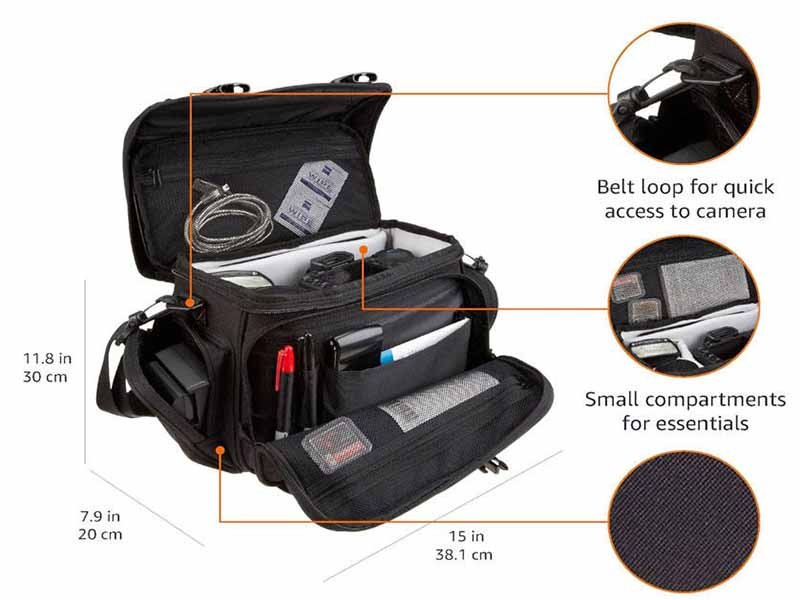
When people choose a camera bag, they often focus on the outside—leather quality, stitching, hardware, or brand appearance. But in real use, what truly determines whether a bag works well is the interior system. A bag can look premium on the outside, but if the inside is poorly structured, photographers will quickly feel frustrated. Gear becomes hard to access, lenses knock against each other, and over time, small damage adds up. This is exactly why modular interior systems have become a core feature in modern camera bags.
Modular Interior Systems for Camera Bags are adjustable internal layouts built with padded dividers, inserts, and attachment structures that allow users to freely organize and protect camera gear based on different usage scenarios, improving both safety and efficiency compared to fixed interiors.
These systems are not just about flexibility. They directly affect how users interact with the product every day. A photographer may carry different gear depending on the shoot—sometimes just a camera and lens, other times a full kit with accessories. A fixed interior cannot adapt to these changes, but a modular system can be reconfigured in minutes.
A real example: a travel photographer lands in a new city, removes half the dividers to fit a jacket and personal items, then later reassembles the layout for a shoot. That same bag becomes both a travel bag and a professional gear carrier. This level of adaptability is what turns a simple product into a long-term solution—and why more brands are investing in better interior systems, not just outer materials.
What Is Modular Interior Systems for Camera Bags?
Modular Interior Systems for Camera Bags are adjustable internal structures built with padded dividers, inserts, and attachment systems that allow users to organize camera gear based on real usage needs. Instead of fixed compartments, users can freely change the layout, making the bag suitable for different equipment combinations, shooting scenarios, and travel situations.
For brands, this is not just a design feature. It directly affects product usability, customer satisfaction, and long-term product value. A well-designed modular system reduces gear damage, improves workflow efficiency, and makes the product more adaptable, which is especially important for professional users and high-end markets.
What is a modular system?
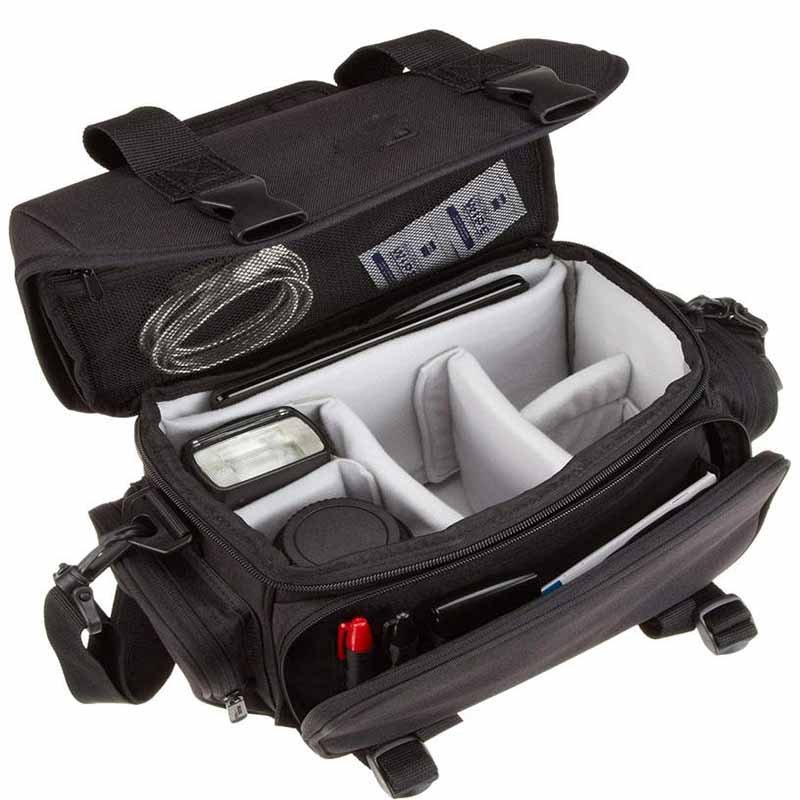
A modular system means the internal layout of the camera bag is flexible and can be changed by the user at any time. The structure is built around removable dividers that are attached using Velcro or similar fastening systems.
In real use, this allows one bag to handle multiple configurations:
- A compact setup with one camera and one lens
- A full kit with multiple lenses and accessories
- A mixed setup with camera gear and personal items
Instead of designing a bag for one fixed scenario, modular systems allow users to adapt the bag to their daily needs.
From a product development perspective, modular systems also reduce SKU complexity. Instead of producing multiple interior layouts, brands can offer one adaptable solution that fits a wider range of users.
What parts are included?
A modular interior system is made up of several components that work together to provide structure, protection, and flexibility. Each component must be designed carefully to ensure durability and usability.
| Component | Function | Key Requirement |
|---|---|---|
| Padded dividers | Separate equipment | Balanced firmness and softness |
| Velcro panels | Fix divider position | Strong adhesion and durability |
| Base padding | Protect from bottom impact | High-density foam |
| Side wall padding | Maintain bag structure | Shape stability |
| Insert modules | Independent compartments | Easy removal and reinsertion |
In higher-end designs, additional components may include:
- Foldable dividers for adjustable height
- Multi-layer padding for better shock absorption
- Internal mesh pockets for accessories
- Reinforced edge binding for durability
Each component directly affects performance. For example, weak Velcro leads to unstable compartments, while low-density foam reduces protection over time.
How is it different from fixed interiors?
The difference between modular and fixed interiors becomes clear in daily use.
Fixed interiors are designed for a specific layout. Once produced, the compartment structure cannot be changed. This works only if the user always carries the same equipment.
Modular interiors allow users to adjust the layout based on actual needs. This flexibility improves both usability and product lifespan.
| Feature | Modular Interior | Fixed Interior |
|---|---|---|
| Layout flexibility | Adjustable | Fixed |
| Gear compatibility | High | Limited |
| Long-term usability | Strong | Restricted |
| User control | Full control | No control |
| Adaptability | High | Low |
For example, a photographer upgrading from a mirrorless camera to a larger DSLR may find a fixed interior no longer suitable. A modular system can be adjusted easily without replacing the bag.
Why does modular design improve real protection?
Protection is not only about padding thickness. It is also about how well the equipment is held in place.
In non-modular bags, loose compartments allow gear to move during transport. This movement causes repeated small impacts, which are one of the main reasons for long-term damage.
Modular systems reduce this problem by creating tightly controlled compartments.
| Protection Factor | Loose Storage | Modular System |
|---|---|---|
| Internal movement | High | Low |
| Lens collision risk | High | Low |
| Pressure distribution | Uneven | Balanced |
| Long-term wear | Faster | Slower |
By minimizing movement, modular systems provide more effective protection even without increasing material thickness.
How does it improve daily workflow?
A well-designed modular interior directly improves how users interact with the bag.
Photographers often need quick access to equipment. Poor internal design leads to:
- Time lost searching for gear
- Difficulty accessing lenses
- Increased handling errors
Modular systems solve this by allowing users to organize gear based on usage frequency.
For example:
| Layout Strategy | Benefit |
|---|---|
| Frequently used items near opening | Faster access |
| Separate compartments for lenses | Reduced confusion |
| Clear structure layout | Better visibility |
This improves efficiency during shoots, especially in time-sensitive situations such as events or outdoor photography.
How does it affect product value for brands?
From a brand perspective, modular interior systems increase product competitiveness.
Customers are more likely to choose products that offer flexibility and long-term usability. A modular system allows one bag to replace multiple bags, which increases perceived value.
| Factor | Fixed Interior | Modular Interior |
|---|---|---|
| Initial appeal | Medium | High |
| Usability range | Limited | Wide |
| Customer satisfaction | Medium | High |
| Repeat purchase rate | Lower | Higher |
For brands targeting mid-range and premium markets, modular interiors are often expected rather than optional.
How does it support different user groups?
Different users have different needs, and modular systems allow one product to serve multiple segments.
| User Type | Requirement |
|---|---|
| Professional photographer | Structured, high protection |
| Hobby user | Flexible layout |
| Traveler | Mixed storage |
| Content creator | Multi-device organization |
This flexibility makes it easier for brands to scale products across different markets without redesigning the entire bag.
Why is interior design as important as exterior materials?
Many brands invest heavily in exterior materials such as leather, but users interact more frequently with the interior.
A premium exterior with a poorly designed interior creates a mismatch. Customers quickly notice this during use.
Key factors that influence user perception:
- Smoothness of divider edges
- Consistency of padding thickness
- Stability of compartments
- Ease of adjustment
In many cases, customer reviews focus more on interior usability than exterior appearance.
What should brands focus on when developing modular interiors?
When developing modular interior systems, brands should prioritize:
- Accurate sizing based on real equipment
- Balanced padding for protection and flexibility
- Strong attachment system for stability
- Clean internal finishing to prevent scratches
- Consistent production quality
Ignoring these details often leads to product complaints and higher return rates.
In practical terms, Modular Interior Systems for Camera Bags are not just an added feature. They are a core part of product performance. For brands that want to compete in professional or premium segments, investing in interior design is essential, not optional.
Why Use Modular Interior Systems for Camera Bags?
Modular Interior Systems for Camera Bags are used because they improve protection, increase organization efficiency, and allow users to adapt the bag to different gear setups, making the product more practical and valuable over time.
How does it protect camera gear?
Protection in modular systems comes from controlled separation and impact absorption. Each piece of equipment is placed in its own compartment, reducing contact between items.
This is critical because most camera damage does not come from major accidents. It comes from repeated small impacts during daily use, such as movement inside a bag or pressure from other items.
A well-designed modular system reduces internal movement significantly.
| Protection Factor | Without Modular System | With Modular System |
|---|---|---|
| Gear movement | High | Low |
| Lens collision risk | High | Low |
| Scratch risk | Medium–High | Low |
| Pressure distribution | Uneven | Balanced |
The combination of padding and structure creates a stable environment for equipment.
Why do users prefer flexible layouts?
Users prefer modular layouts because their equipment changes depending on the situation.
For example:
- A wedding photographer may carry multiple lenses
- A travel photographer may need space for personal items
- A content creator may carry camera, microphone, and accessories
A fixed layout forces compromise. A modular layout allows optimization.
This flexibility also improves workflow. Users can organize gear based on frequency of use, placing frequently used items in easily accessible positions.
Is it better for travel use?
Modular systems are particularly useful for travel because they allow mixed usage.
Travel scenarios often require:
- Camera gear protection
- Personal item storage
- Quick access at airports or outdoor locations
A modular system allows users to remove some dividers to create space, then reassemble them when needed.
This eliminates the need to carry multiple bags, which is a major advantage for travelers.
A Closer Look at How Modular Interior Systems Perform in Real Use
Modular interior systems are not just a design feature. They directly affect how the product performs over time, especially under real usage conditions such as travel, daily commuting, and professional shooting environments.
Internal stability and movement control
One of the biggest problems in non-modular bags is uncontrolled movement. When gear shifts inside a bag, even small impacts can cause damage over time.
Modular systems solve this by creating fixed positions for each item.
In practical testing:
| Condition | Loose Storage | Modular System |
|---|---|---|
| Movement inside bag | High | Low |
| Impact transfer | Direct | Reduced |
| Long-term wear | Faster | Slower |
Reducing movement is one of the most effective ways to protect equipment.
Efficiency during real shooting scenarios
Photographers often work under time pressure. A poorly organized bag slows down workflow.
Modular systems improve efficiency by:
- Providing clear layout
- Reducing search time
- Allowing quick gear changes
For example, during a shoot, switching lenses quickly can be critical. A well-organized modular layout allows users to access equipment without hesitation.
Cost vs long-term value
From a customer perspective, modular systems increase product value because they reduce the need for multiple bags.
Instead of buying separate bags for different uses, users can adapt one bag.
| Factor | Fixed Interior | Modular System |
|---|---|---|
| Initial cost | Lower | Slightly higher |
| Long-term usability | Limited | High |
| Replacement need | Higher | Lower |
This makes modular systems more attractive for mid-range and premium products.
User experience and product perception
Customers often judge quality based on internal design.
A well-designed modular system:
- Feels more professional
- Improves daily usability
- Enhances brand perception
Even small details, such as smooth divider edges or consistent padding thickness, can influence how users perceive the product.
Adaptability across different user groups
Different users have different needs:
| User Type | Requirement |
|---|---|
| Professional photographer | Structured, high protection |
| Hobby user | Flexibility, simplicity |
| Traveler | Hybrid storage |
| Content creator | Multi-device support |
Modular systems allow one product to serve all these groups, making it easier for brands to reach a wider market.
How Does Modular Interior Systems for Camera Bags Work?
Modular Interior Systems for Camera Bags work by combining padded structures, adjustable attachment systems, and flexible layout design to create a stable yet adaptable internal environment. The goal is to keep camera gear secure while allowing users to reconfigure the layout based on different equipment setups and usage scenarios.
How are dividers designed?
Divider design is the core of any modular system. A good divider must balance three things: protection, flexibility, and durability. If it is too soft, it cannot protect gear. If it is too rigid, it limits adjustment.
Most high-quality dividers use a multi-layer structure:
| Layer | Function |
|---|---|
| Outer fabric | Abrasion resistance and appearance |
| Foam core | Shock absorption |
| Inner lining | Soft contact with equipment |
The thickness of dividers typically ranges from 8 mm to 15 mm depending on the protection level required. Camera lenses and sensitive equipment usually require thicker padding compared to accessories.
Another key design factor is edge construction. Poorly finished edges can scratch equipment or wear out quickly. Professional manufacturers use folded edge binding or reinforced stitching to ensure smooth contact surfaces.
Divider shapes also vary:
- Straight dividers for standard separation
- U-shaped or L-shaped dividers for lens wrapping
- Foldable dividers for adjustable height
- Double-layer dividers for heavy equipment
A well-designed divider should hold its shape even after repeated use. In testing, high-quality dividers maintain structural integrity after more than 5,000 reposition cycles.
What materials are used?
Material selection directly affects performance, durability, and product positioning.
The most common materials used in modular interior systems include:
| Material | Use | Advantage |
|---|---|---|
| EVA foam | Core padding | High resilience, shape retention |
| PE foam | Lightweight padding | Cost-effective, flexible |
| PU foam | Soft cushioning | Better comfort, premium feel |
| Polyester fabric | Outer layer | Durable, easy to clean |
| Nylon fabric | Outer layer | Stronger, more abrasion-resistant |
| Microfiber lining | Inner layer | Scratch prevention |
For premium camera bags, especially leather products, the interior system must match the external quality. This means using higher-grade fabrics, smoother lining, and more consistent foam density.
Material density is critical. Low-density foam compresses quickly and loses protection over time. High-density foam maintains shape but increases cost.
A practical comparison:
| Foam Type | Density | Durability | Cost |
|---|---|---|---|
| Low-density foam | Low | Short lifespan | Low |
| Medium-density foam | Medium | Balanced | Medium |
| High-density foam | High | Long lifespan | Higher |
Brands targeting professional users usually choose medium to high-density materials to ensure long-term performance.
How are modules adjusted?
The adjustability of modular systems mainly comes from attachment mechanisms. The most widely used system is Velcro (hook-and-loop), which allows dividers to be fixed securely while remaining easy to reposition.
Key factors in adjustment design include:
- Velcro strength: Must hold dividers firmly under load
- Attachment coverage: Larger contact area improves stability
- Ease of repositioning: Users should adjust layout without effort
A well-designed system allows users to:
- Move dividers quickly
- Remove sections completely
- Create custom compartments for irregular shapes
In higher-end designs, additional adjustment features may include:
- Elastic support panels
- Snap-button modular inserts
- Magnetic positioning (less common, higher cost)
The goal is to create a system that feels intuitive. Users should not need instructions to understand how to adjust the interior.
Which Options in Modular Interior Systems for Camera Bags Matter?
Customization options determine how well the product fits the target market. The same modular system can be positioned as entry-level, mid-range, or premium depending on design choices.
Which divider types work best?
Different divider types serve different purposes. Choosing the right combination improves both protection and usability.
| Divider Type | Best For | Key Advantage |
|---|---|---|
| Straight divider | Basic separation | Simple, efficient |
| Wrap-around divider | Lenses | Full protection |
| Foldable divider | Adjustable height | Flexible use |
| Reinforced divider | Heavy gear | Higher durability |
| Slim divider | Accessories | Space saving |
For professional camera bags, a mix of divider types is usually required. Using only one type limits flexibility.
What sizes should be customized?
Size customization is critical for both protection and user experience. Poor sizing leads to loose fit or excessive pressure.
Factories typically develop interior sizes based on:
- Camera body dimensions
- Lens length and diameter
- Accessory volume
- Bag structure
Tolerance is usually controlled within ±3–5 mm to ensure proper fit.
Two common approaches:
| Approach | Description |
|---|---|
| Universal layout | Fits multiple devices |
| Custom layout | Designed for specific models |
Custom layouts provide better performance but require more development work.
What extra features improve use?
Additional features can significantly increase product value and usability.
| Feature | Benefit |
|---|---|
| Removable insert | Independent usage |
| Top quick-access opening | Faster gear access |
| Internal mesh pockets | Accessory storage |
| Color-coded dividers | Easier organization |
| Reinforced base panel | Better impact resistance |
| Waterproof lining | Added protection |
Each feature should be selected based on target users. Adding too many features increases cost without always improving user experience.
A Closer Look at Design Decisions That Affect Product Performance
The performance of modular interior systems depends on multiple small decisions made during design and production.
Why divider spacing matters
Divider spacing determines how tightly equipment is held. Too loose, and items move. Too tight, and users struggle to insert gear.
Optimal spacing allows:
- Secure placement
- Easy access
- Minimal friction
This balance is achieved through careful pattern development and testing.
How material matching affects durability
Using high-quality outer materials with low-quality interior materials creates imbalance. The product may look premium but fail in use.
For leather camera bags, interior materials must match:
- Exterior durability
- Brand positioning
- Price level
This is where experienced manufacturers like SzoneierLeather provide value by aligning material selection across the entire product.
How weight impacts user experience
Heavier interiors provide better protection but reduce portability.
| Design Type | Weight | Protection | Comfort |
|---|---|---|---|
| Lightweight | Low | Medium | High |
| Balanced | Medium | High | Medium |
| Heavy-duty | High | Very high | Lower |
Brands must decide based on target users. Travel-focused products usually prioritize weight, while professional gear bags prioritize protection.
Why production consistency is critical
Even small inconsistencies can affect product quality:
- Uneven padding thickness
- Misaligned dividers
- Weak Velcro adhesion
Consistent production requires:
- Standardized processes
- Skilled workers
- Quality control at each stage
Factories with long experience are better at maintaining this consistency.
How customization affects cost structure
Customization increases product value but also affects cost.
| Customization Level | Cost Impact |
|---|---|
| Basic (standard layout) | Low |
| Medium (custom sizes + logo) | Medium |
| Advanced (complex structure + features) | High |
Brands must balance between differentiation and cost control.
How to Choose Modular Interior Systems for Camera Bags Supplier?
Choosing the right supplier for Modular Interior Systems for Camera Bags is not only about manufacturing capability. It is about finding a partner who understands product structure, material matching, user behavior, and long-term production consistency. For brands, the wrong supplier often leads to unstable quality, poor fit, delayed timelines, and higher overall costs.
What factory capabilities matter?
A qualified manufacturer must have more than basic sewing ability. Modular interior systems require precision, material knowledge, and structural understanding.
Key capabilities to evaluate include:
| Capability | Why It Matters |
|---|---|
| Pattern development | Ensures accurate fit and layout |
| Material sourcing | Controls durability and feel |
| Foam processing | Determines protection level |
| Sewing precision | Affects product lifespan |
| Prototype development | Reduces design errors |
| Packaging design | Supports brand presentation |
Factories without strong development capability often rely on copying existing designs, which limits customization and innovation.
For modular systems, pattern accuracy is especially important. Even small deviations can lead to poor divider alignment or unstable structures.
How do MOQ and cost work?
MOQ (Minimum Order Quantity) and cost structure directly influence product development strategy.
A typical pricing structure looks like this:
| Order Type | MOQ Range | Cost Level |
|---|---|---|
| Standard layout | 100–300 pcs | Lower |
| Custom layout | 300–500 pcs | Medium |
| Complex modular system | 500–1000 pcs | Higher |
Lower MOQ allows brands to test products with less risk, but unit cost is usually higher. Larger orders reduce cost but require stronger sales confidence.
Cost is not only determined by quantity. It is also affected by:
- Material quality (foam density, fabric grade)
- Divider complexity
- Number of components
- Labor intensity
- Packaging requirements
A well-structured cost evaluation should consider total value, not just unit price.
What quality checks are needed?
Quality control must be integrated into every stage of production. Final inspection alone is not enough.
A reliable quality system includes:
| Stage | Inspection Focus |
|---|---|
| Material stage | Foam density, fabric consistency |
| Cutting stage | Dimension accuracy |
| Assembly stage | Stitch strength, alignment |
| Divider testing | Shape retention, Velcro adhesion |
| Final inspection | Functionality and appearance |
Common issues in modular interiors include:
- Divider deformation after use
- Weak Velcro attachment
- Uneven padding thickness
- Misaligned compartments
These issues are often caused by poor process control rather than material choice.
How to evaluate OEM vs ODM capability?
Understanding the difference between OEM and ODM helps brands choose the right development approach.
| Type | Definition | Suitable For |
|---|---|---|
| OEM | Manufacture based on brand design | Brands with clear product concept |
| ODM | Factory provides design solutions | Brands needing development support |
For modular interior systems, many brands start with ODM to refine structure, then move to OEM for scaling.
A strong manufacturer like SzoneierLeather can support both approaches, helping brands reduce development time while maintaining customization flexibility.
A Practical Framework for Selecting the Right Manufacturer
Selecting a supplier becomes easier when using a structured evaluation method rather than relying on price alone.
Step 1: Test real samples
Photos cannot show true product quality. Always request samples and evaluate:
- Divider firmness and flexibility
- Interior finishing quality
- Velcro strength
- Overall structure stability
A good sample should perform well under real usage conditions, not just look good.
Step 2: Evaluate communication and response
Clear communication reduces production risk.
A reliable supplier should:
- Respond quickly
- Understand technical requirements
- Provide clear answers
- Offer practical suggestions
Poor communication often leads to misunderstandings and costly errors.
Step 3: Analyze total cost, not just unit price
Focusing only on unit price can be misleading.
| Cost Factor | Impact |
|---|---|
| Unit price | Direct cost |
| Defect rate | Hidden cost |
| Lead time delay | Opportunity cost |
| Rework or replacement | Additional cost |
| Logistics efficiency | Shipping cost |
A slightly higher price with better quality often results in lower overall cost.
Step 4: Check production stability
Production stability ensures consistent quality across multiple orders.
Important factors include:
- Standardized processes
- Skilled workforce
- Quality control system
- Production capacity
Factories with stable systems reduce risk in long-term cooperation.
Step 5: Assess long-term partnership potential
A strong supplier should support:
- Product upgrades
- Cost optimization
- New product development
- Consistent quality improvement
Long-term cooperation reduces operational complexity and improves efficiency.
Why Work With SzoneierLeather for Modular Interior Systems for Camera Bags?
For brands developing camera bags, especially leather or premium products, the interior system must match the external quality. SzoneierLeather provides full-service manufacturing solutions with strong development capability and stable production systems.
Integrated material and product development
SzoneierLeather has its own material supply chain and R&D capability, allowing better control over:
- Foam density selection
- Fabric and lining quality
- Leather and interior matching
- Structural consistency
This ensures the interior system aligns with the overall product positioning.
Strong customization capability
Customization includes:
- Divider structure design
- Interior layout development
- Material selection
- Branding integration
- Packaging design
This allows brands to create unique products rather than standard solutions.
Low MOQ and flexible production
SzoneierLeather supports:
- Low MOQ for testing new designs
- Flexible production planning
- Stable quality across different order sizes
This is especially valuable for growing brands and custom wholesale clients.
Fast sampling and efficient development
| Process | Time |
|---|---|
| Sampling | 5–7 days |
| Sample revision | 3–5 days |
| Production | 20–30 days |
Fast development helps brands respond quickly to market demand.
Reliable quality control
SzoneierLeather implements strict quality control throughout production, ensuring:
- Consistent product performance
- Reduced defect rate
- Stable long-term supply
Final Thoughts: Build Better Camera Bags From the Inside Out
Modular Interior Systems for Camera Bags are not just a feature. They are a key factor that determines how useful, durable, and valuable a camera bag becomes over time.
For brands, investing in a well-designed interior system means:
- Better product performance
- Higher customer satisfaction
- Stronger brand positioning
- Reduced long-term costs
The exterior attracts customers, but the interior keeps them satisfied.
Start Your Custom Project with SzoneierLeather
If you are developing camera bags and want to create a product that stands out in both design and functionality, the interior system should be your priority.
Send your ideas, sketches, or product requirements to SzoneierLeather today.Get professional support, fast sampling, and reliable production for your next camera bag project.