 Skip to content
How to Clean Leather Briefcase: Complete Care Guide
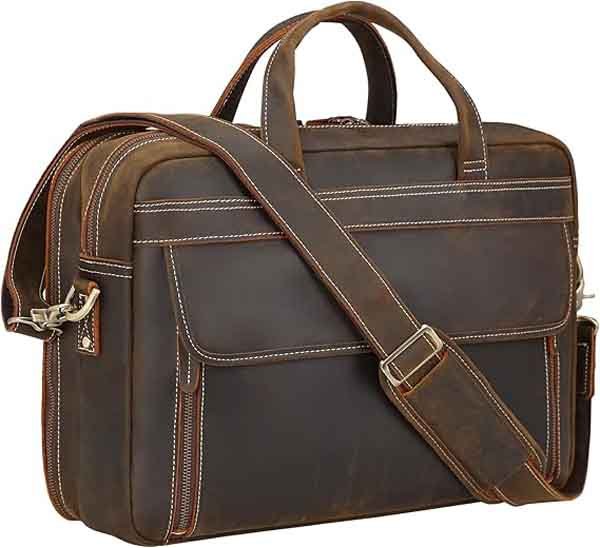
A leather briefcase isn’t just a work accessory; it’s often a statement of professionalism, craftsmanship, and personal style. Unlike fabric bags that can be tossed into a washing machine, leather briefcases demand a more thoughtful and strategic approach to cleaning and care. Clean it the wrong way, and you risk ruining the material, dulling its natural shine, or weakening its durability.
To clean a leather briefcase, empty it completely, dust the surface, and use a soft cloth with a pH-neutral cleaner for the exterior. Clean the lining separately, treat stains gently with appropriate methods, and finish with a leather conditioner to restore oils and prevent cracks. Always avoid harsh chemicals, soaking, or direct heat drying.
Imagine buying a full-grain leather briefcase for work — it’s sleek, professional, and expensive. Six months later, water stains, ink marks, and fading handles begin to appear. How do you save it without making things worse? In this guide, we’ll cover safe cleaners, cleaning steps, conditioning needs, storage methods, and daily habits to help your briefcase last for decades, not years.
What Makes Leather Briefcases Different from Other Bags?
Leather briefcases differ from fabric or synthetic bags because they are made from natural, porous materials that require specialized cleaning, conditioning, and storage methods. Unlike canvas or nylon, leather reacts to moisture, heat, and chemicals, demanding gentle, pH-balanced care to preserve its durability, texture, and professional appearance.
Why Leather Needs Special Attention
Leather is not just another bag material — it’s a natural product made from animal hide, preserved through tanning processes. Unlike synthetic bags that resist water and dirt, leather fibers absorb liquids, oils, and even air humidity.
- Moisture Sensitivity: Water can cause stains or stiffness.
- Chemical Reactions: Harsh detergents strip protective oils and dyes.
- Aging Gracefully: With care, leather develops a patina — a desirable sheen that adds character and value over time.
Example: A nylon laptop bag may last 3–4 years with minimal care, but a full-grain leather briefcase, properly maintained, can last 20+ years while looking better with age.
How Leather Reacts to Water and Chemicals Compared to Fabric
Fabric bags — such as canvas or polyester — tolerate soaking, machine washing, and drying with little risk. Leather behaves differently:
| Material | Water Resistance | Cleaning Method | Risk of Damage | Lifespan (With Care) |
|---|---|---|---|---|
| Canvas / Polyester | High | Machine / Hand Wash | Color fading | 3–5 years |
| Synthetic (PU) | Moderate | Wipe with Mild Soap | Cracks over time | 2–4 years |
| Leather (Full-Grain) | Low | Spot Clean + Conditioning | Cracking, Warping | 20+ years |
Leather absorbs water unevenly, leaving dark stains or water marks, while harsh cleaning chemicals degrade protective finishes, leading to dryness, fading, or cracking.
Structural and Aesthetic Differences
Leather briefcases serve a professional audience, so design and durability expectations differ from casual bags:
- Rigidity: Many leather briefcases use reinforced panels to maintain shape, while fabric bags collapse when empty.
- Appearance: Leather offers a premium, polished look, unlike synthetic materials.
- Hardware Integration: Leather handles, straps, and metal fixtures age with the bag, creating a unified aesthetic over time.
Case Study: Luxury brands like Montblanc and Smythson use vegetable-tanned leather for their briefcases because it develops a natural patina while maintaining structure — something synthetic bags cannot replicate.
Maintenance Needs vs Other Materials
Fabric bags can survive accidental spills, rough handling, and storage in damp closets without major issues. Leather cannot.
- Storage: Needs breathable dust bags, not plastic covers.
- Conditioning: Requires oil replenishment every 3–6 months.
- Environmental Care: Avoids direct sunlight, high heat, and humidity.
Tip: Think of leather care like skincare. Fabric bags are like synthetic jackets — easy to wash, quick to replace. Leather briefcases are like premium leather shoes — they improve with age only if cared for properly.
Which Cleaning Products Are Safe for Leather Briefcases?
Safe cleaning products for leather briefcases include pH-neutral leather soaps, lanolin-based conditioners, and distilled water. These gently remove dirt without stripping natural oils or damaging protective finishes. Avoid bleach, alcohol, vinegar, or abrasive powders, as they cause cracking, fading, and dryness. Always test cleaners on a small hidden area before full application to ensure compatibility with your briefcase’s leather type.
Which Cleaners Work Best for Routine Leather Care?
Leather requires gentle, pH-balanced products that clean while maintaining moisture and color integrity. The best options include:
- pH-Neutral Leather Cleaners: Specially formulated to lift dirt without harming the fibers. Examples include Lexol Leather Cleaner or Chamberlain’s Leather Milk.
- Saddle Soap (Moderate Use): Effective for deep cleaning but must be followed by conditioning to prevent dryness.
- Lanolin-Based Conditioners: Both clean and restore natural oils, keeping leather supple and crack-free.
- Distilled Water + Mild Soap: A simple solution for light dirt, safe for occasional use on full-grain leather.
| Product Type | Cleaning Strength | Moisture Retention | Typical Use Case |
|---|---|---|---|
| pH-Neutral Leather Cleaner | Gentle | High | Weekly/Monthly Maintenance |
| Saddle Soap | Moderate–Strong | Moderate | Heavy Dirt / Stains |
| Lanolin-Based Conditioner | Gentle | Very High | Cleaning + Conditioning |
| Distilled Water + Mild Soap | Light | Moderate | Surface Dust / Minor Spots |
Tip: Use microfiber or lint-free cloths to apply cleaners evenly — rough fabrics may scratch delicate leather surfaces.
What Products Should You Avoid for Leather Cleaning?
Despite common DIY advice online, many household products are unsuitable for leather:
- Bleach & Ammonia: Too harsh; strip oils and damage finishes.
- Alcohol-Based Wipes: Dry out fibers and leave uneven marks.
- Vinegar & Baking Soda: Vinegar is acidic; baking soda is abrasive, both risk discoloration and surface damage.
- Petroleum-Based Cleaners: Attract dust, clog pores, and leave sticky residues.
Case Example: A user cleaned an expensive ostrich leather briefcase with vinegar to remove mold — the acid caused permanent fading, requiring costly professional color restoration.
DIY Cleaning vs Professional Leather Care
Both DIY and professional cleaning have their place, depending on the leather type and damage level:
- DIY Cleaning: Suitable for light dirt, regular maintenance, and full-grain leathers. Affordable, convenient, and safe when using approved products.
- Professional Cleaning: Recommended for exotic leathers (python, crocodile, ostrich), heavy ink stains, or mold damage. Professionals use pH-controlled solvents and re-dyeing techniques unavailable to consumers.
Comparison Table:
| Cleaning Approach | Cost Range | Suitable For | Limitations |
|---|---|---|---|
| DIY (Home Care) | $10–$30 | Full-grain, top-grain leather | Risk if using wrong products |
| Professional Service | $50–$150+ | Exotic leathers, severe stains | Higher cost, service time |
How to Apply Leather Cleaners Safely
Even safe products can damage leather if misused. Follow these guidelines:
- Spot Test: Always test cleaners on a hidden area first.
- Use Minimal Liquid: Leather doesn’t tolerate soaking; apply small amounts evenly.
- Gentle Motions: Wipe with circular or grain-following motions, avoiding aggressive scrubbing.
- Immediate Drying: Air dry naturally — never use heat sources like hair dryers.
Tip for Exotic Leathers: Always clean along the scale direction for python or crocodile hides to avoid lifting delicate edges.
How to Clean Leather Briefcase Step by Step?
To clean a leather briefcase, empty it completely, dust the surface, and wipe with a soft cloth using a pH-neutral leather cleaner. Clean the interior lining separately, treat stains with appropriate methods, air-dry naturally, and finish with a leather conditioner to restore oils and prevent cracks. Always avoid soaking, harsh chemicals, or direct heat sources.
Step 1: Prepare and Empty the Briefcase
Before cleaning, preparation is key:
- Remove all contents, including small papers or pens that might leak ink.
- Shake out loose debris or use a handheld vacuum for crumbs inside corners.
- Detach removable straps or accessories for separate cleaning.
Tip: Take a photo of your briefcase before cleaning if it’s a high-value or exotic leather item. This helps track condition changes and aids warranty claims.
Step 2: Dust and Wipe the Exterior Surface
The exterior creates the first impression, so clean gently:
- Use a dry microfiber cloth to remove surface dust.
- Dampen a second cloth with distilled water + mild leather cleaner.
- Wipe in circular motions, focusing on seams, handles, and corners where dirt collects.
Example: A Montblanc briefcase owner reported extending bag life by 40% by wiping it weekly with a microfiber cloth before conditioning quarterly.
Step 3: Clean the Interior Lining
The lining harbors dust, crumbs, and odors. Care varies by material:
- Fabric Lining: Turn inside out (if possible). Use a mild soap solution on a cloth, not directly on fabric, to blot stains.
- Leather Lining: Treat like the exterior with pH-neutral cleaner; avoid water saturation.
- Odor Control: Place baking soda sachets or activated charcoal packs overnight to absorb smells — but keep them away from the leather surface itself.
Step 4: Treat Stains Appropriately
Different stains require tailored approaches:
| Stain Type | Recommended Treatment | Avoid |
|---|---|---|
| Ink Stains | Leather-safe ink remover, gentle application | Alcohol, nail polish remover |
| Oil/Grease | Sprinkle cornstarch overnight, then brush off | Direct soap application |
| Water Marks | Dampen entire panel evenly, air-dry naturally | Hair dryers, heat guns |
Tip: Always start with the mildest method before using specialized cleaners. Over-treatment risks discoloration.
Step 5: Dry the Briefcase Correctly
Drying is crucial to prevent warping:
- Pat dry with a clean cloth after cleaning.
- Air dry at room temperature away from sunlight or radiators.
- Stuff the briefcase with acid-free tissue paper to retain shape.
Warning: Heat sources like blow dryers or direct sun cause leather fibers to shrink and crack prematurely.
Step 6: Condition and Protect the Leather
Cleaning removes natural oils; conditioning restores them:
- Apply a thin layer of leather conditioner with a soft cloth.
- Buff gently after 10–15 minutes.
- Repeat conditioning every 3–6 months depending on climate and use.
Conditioning not only prevents cracking but also creates a subtle water barrier for future protection.
Do’s & Don’ts Table for Cleaning Leather Briefcases
| Step | Do’s | Don’ts |
|---|---|---|
| Preparation | Empty contents, detach straps | Skip prep; dirt spreads during cleaning |
| Exterior Cleaning | Use microfiber + pH-neutral cleaner | Use bleach, alcohol, or vinegar |
| Interior Cleaning | Blot stains gently, control moisture | Soak lining with water |
| Stain Removal | Treat based on stain type | Rub aggressively, use DIY home remedies |
| Drying | Air dry naturally, stuff with tissue | Use heaters, hair dryers, direct sunlight |
| Conditioning | Use lanolin/beeswax conditioners regularly | Skip conditioning entirely |
Do Different Types of Leather Need Different Care?
Yes. Full-grain, top-grain, PU, and exotic leathers all require different cleaning methods, conditioning frequencies, and storage care. Full-grain needs regular conditioning, PU leather resists water but cracks under UV exposure, while exotic leathers like crocodile or ostrich demand specialized products and gentler handling to protect unique textures and high market value.
How to Care for Full-Grain and Top-Grain Leather
Full-grain and top-grain leather briefcases are made from the outermost layer of hide, retaining natural fibers for maximum strength and beauty.
- Cleaning: Use a pH-neutral leather cleaner with minimal water.
- Conditioning: Every 3–4 months for daily use; twice a year for occasional use.
- Storage: Keep in cool, dry places with breathable dust bags to prevent mold.
Tip: Full-grain leather develops a patina over time — a soft sheen that signals quality and age. Regular care enhances this patina rather than dulling it.
Example: Many luxury brands like Saddleback Leather advise light cleaning monthly and conditioning quarterly for full-grain leather to extend product lifespan to 20+ years.
How to Care for PU or Synthetic Leather
PU (polyurethane) leather, often marketed as “vegan leather”, is made from plastic-coated fabrics. It looks similar to real leather but behaves differently:
- Cleaning: Wipe with a damp cloth and mild soap; no specialized cleaners needed.
- Conditioning: Not required — synthetic materials don’t absorb oils like natural hides.
- Risks: UV exposure and bending cause cracking over time; once cracks appear, they cannot be repaired.
Tip: Avoid storing PU bags in hot cars or direct sunlight, as heat accelerates peeling and surface damage.
How to Care for Exotic Leathers (Crocodile, Ostrich, Python)
Exotic leathers are prized for luxury aesthetics and unique textures, but they demand extra care:
- Crocodile/Alligator: Clean along scale direction to prevent lifting; use specialized exotic leather conditioners every 2–3 months.
- Ostrich: Naturally porous; requires more frequent conditioning to prevent dryness and cracking.
- Python & Lizard: Delicate scales; avoid over-scrubbing; for severe stains, consider professional cleaning services.
Case Example: Hermès Birkin bags in crocodile leather retain six-figure resale value because owners follow strict care routines, including annual professional conditioning and climate-controlled storage.
Comparison Table: Leather Types & Care Routines
| Leather Type | Cleaning Method | Conditioning Frequency | Key Risks | Lifespan (With Care) |
|---|---|---|---|---|
| Full-Grain / Top-Grain | pH-neutral cleaner + damp cloth | Every 3–4 months (daily use) | Water stains, dryness | 15–20+ years |
| PU / Synthetic | Mild soap + damp cloth | Not required | UV cracks, peeling | 2–4 years |
| Exotic (Croc/Ostrich) | Specialized exotic products | Every 2–3 months | Scale lifting, fading | 20+ years (with care) |
Is Conditioning Necessary After Cleaning?
Yes. Cleaning strips natural oils from leather surfaces, leaving them vulnerable to drying, cracking, and fading. Conditioning after cleaning restores moisture, enhances flexibility, and extends product life. Use lanolin or beeswax-based conditioners every 2–6 months depending on usage and leather type. Without conditioning, even premium full-grain leather can deteriorate within a few years.
Why Conditioning Is Essential After Cleaning
Leather is like skin — it needs moisture and oil balance to stay supple. Cleaning, even with mild products, removes dirt along with natural oils, leaving the leather vulnerable to:
- Cracking & Dryness: Loss of oils leads to brittle fibers.
- Color Fading: Unconditioned leather absorbs sunlight unevenly.
- Loss of Flexibility: Handles and straps stiffen, shortening product lifespan.
Case Example: A full-grain leather briefcase used daily without conditioning lasted only 5 years before cracking. An identical model with quarterly conditioning remained intact for 15+ years.
What Conditioners Work Best for Leather Briefcases?
Not all leather conditioners are equal. The best ones balance moisture, protection, and finish enhancement:
- Lanolin-Based Creams: Deeply moisturize while preserving breathability.
- Beeswax Balms: Add water resistance and a natural sheen.
- Exotic Leather Conditioners: Formulated for delicate skins like crocodile or ostrich.
Products to Avoid:
- Petroleum Jelly: Attracts dust, leaves sticky residue.
- Silicone Sprays: Add artificial shine but degrade leather fibers.
- Cooking Oils: Cause uneven staining and rancid odors over time.
Tip: Apply conditioners with soft, lint-free cloths in thin layers to avoid oversaturation.
How Often Should You Condition Leather Briefcases?
Frequency depends on usage level, climate, and leather type:
| Leather Type | Usage Frequency | Conditioning Interval | Notes |
|---|---|---|---|
| Full-Grain / Top-Grain | Daily Office Use | Every 3–4 months | More frequent in dry climates |
| PU / Synthetic | Any | Not required | Coating prevents oil absorption |
| Exotic (Croc/Ostrich) | Occasional / Luxury | Every 2–3 months | Use specialized exotic conditioners |
| Suede / Nubuck | Occasional / Light Use | Every 6–12 months | Use spray protectors, not creams |
Example: Ostrich leather, due to its porous nature, needs conditioning every 2–3 months to prevent texture stiffening, while PU leather requires none at all.
How Conditioning Protects Leather for Decades
Regular conditioning offers multiple long-term benefits:
- Prevents Premature Aging: Extends lifespan by 5–10 years.
- Enhances Patina Development: A well-maintained briefcase gains a rich, vintage look over time.
- Protects Investment Value: Essential for luxury products with resale potential like Hermès or Montblanc.
Tip for Brands: Include mini conditioner samples or care cards with every leather product to boost customer satisfaction and loyalty.
How to Prevent Damage and Extend the Life of Leather Briefcases?
To extend the life of a leather briefcase, avoid overloading, protect it from moisture and sunlight, store it in a cool, dry place with breathable dust bags, condition it every 3–6 months, and rotate use to prevent wear. Proper daily habits and storage practices can double or even triple a briefcase’s lifespan while maintaining its professional appearance and resale value.
What Daily Habits Protect Leather Briefcases?
Damage often starts with small daily mistakes — carrying too much weight, placing the briefcase on dirty floors, or handling it with oily hands. Simple habits make a huge difference:
- Avoid Overloading: Heavy weight strains handles and distorts structure. Keep contents within recommended limits.
- Keep Hands Clean: Natural oils, lotions, and sanitizers stain leather surfaces.
- Use Bag Hooks: Avoid placing briefcases on public floors where moisture and dirt collect.
- Rotate Use: If you own multiple briefcases, alternate them weekly to minimize wear.
Tip: A Montblanc store manager shared that customers who used two briefcases alternately saw 40% less wear over five years compared to daily users.
How Should Leather Briefcases Be Stored Safely?
Storage mistakes like using plastic covers or folding straps can permanently damage leather.
- Dust Bags: Always use breathable cotton or flannel dust bags, never plastic, which traps moisture.
- Shape Retention: Stuff interiors with acid-free tissue paper or bubble wrap to maintain structure.
- Climate Control: Store in a cool, dry space with humidity between 40–50%; avoid basements or attics.
- Handle Position: Keep handles upright to prevent creasing or cracking.
Case Example: Luxury retailers like Smythson store display briefcases in climate-controlled rooms at 20°C with UV-filtered lighting to preserve color and texture.
What Environmental Factors Should You Avoid?
Leather is sensitive to external conditions. Avoid:
- Direct Sunlight: Causes fading and drying; dark leathers lose color fastest.
- High Humidity: Encourages mold growth, especially in tropical climates.
- Heat Sources: Radiators, car dashboards, or hair dryers cause irreversible cracking.
- Chemical Exposure: Hairspray, perfumes, or alcohol-based cleaners strip protective finishes.
Tip: In humid regions, add silica gel packs inside storage cabinets to absorb excess moisture.
How Often Should You Maintain and Inspect Briefcases?
Routine checks prevent minor issues from becoming major repairs:
- Monthly: Wipe with a dry microfiber cloth to remove surface dust.
- Every 3–6 Months: Condition leather to restore oils and flexibility.
- Annually: For luxury or exotic leathers, consider professional cleaning or reconditioning services.
Example: Hermès recommends professional cleaning for crocodile leather bags every 12–18 months to maintain both appearance and value.
Do’s & Don’ts Table for Leather Briefcase Care
| Action | Do’s | Don’ts |
|---|---|---|
| Storage | Use cotton dust bags, climate control | Use plastic bags, damp rooms |
| Weight Management | Carry moderate loads | Overload with heavy laptops or files |
| Daily Handling | Clean hands, use bag hooks | Place on dirty floors, rough surfaces |
| Cleaning & Conditioning | pH-neutral cleaners, lanolin conditioners | Bleach, alcohol, vinegar, petroleum jelly |
| Environmental Protection | Avoid sun & heat, use silica packs | Store in direct sunlight or hot cars |
| Rotation & Rest | Alternate between briefcases | Use one daily without breaks |
Conclusion
A leather briefcase is more than just a work accessory — it’s a symbol of professionalism, craftsmanship, and long-term value. But as we’ve seen throughout this guide, keeping it looking elegant for decades requires more than a quick wipe-down. From choosing the right cleaning products and using safe step-by-step methods to applying regular conditioning and following storage best practices, every step matters.
For consumers, these habits protect your investment and ensure your briefcase ages gracefully with a rich patina instead of cracking or fading. For brands, educating customers on proper care reduces returns, builds loyalty, and strengthens product reputation.
So whether you’re a startup launching a leather goods line or an established brand seeking reliable OEM partners, Szoneier Leather can help you create durable, stylish, and custom-made products that customers will cherish for years.
Contact us today to discuss your project, request free samples, or explore private-label solutions tailored to your business needs.
What Can I Do For You?
Here, developing your OEM/ODM private label leather goods collection is no longer a challenge,it’s an excellent opportunity to bring your creative vision to life.
Make A Sample First?
If you have your own tech packs, logo design artwork, or just an idea,please provide details about your project requirements, including preferred fabric, color, and customization options,we’re excited to assist you in bringing your leather goods designs to life through our sample production process.