
Which Leather Is Best for Belts?
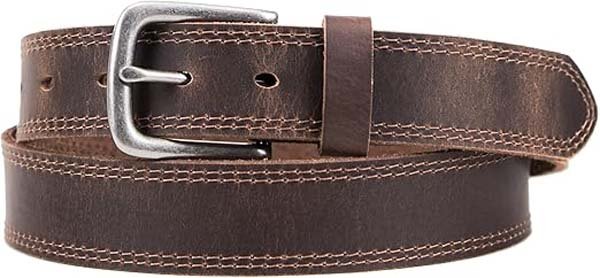
Leather belts are more than just practical accessories,they’re style statements that speak to quality and craftsmanship. Whether you’re a fashion-conscious consumer or a manufacturer aiming for premium product lines, selecting the right leather can make all the difference. In a world overflowing with choices, knowing which leather to choose for belts ensures durability, comfort, and an aesthetic that ages beautifully over time.
Full grain and top-grain leathers dominate high-quality belt production due to their durability and rich texture. This guide explains how to identify premium leathers, compares different types, and dives deep into finishing, care, and market trends using data and practical tests,empowering you to make informed decisions.
What Is the Importance of Choosing the Right Leather for Belts?
Choosing the right leather for belts ensures superior durability, comfort, and style. High-quality leather provides a lasting investment, with products enduring 10–20 years when properly maintained. It ultimately impacts both aesthetic appeal and long-term cost efficiency.
Quality matters, especially when you’re investing in a belt that you’ll use day in and day out. Let’s break it down into key areas:
Durability and Longevity
Long-Term Investment:
High-quality leather belts, typically crafted from full grain or top grain leather, can last 10–20 years. In fact, studies show that premium leather goods can maintain structural integrity after 10 years of regular use.
Wear and Tear Resistance:
Full grain leather can have a tensile strength of 20–30 MPa, which means it withstands daily bending and pulling. Compare this with lower-grade leathers that might wear out in 3–5 years.
Aesthetic Value and Patina Development
Natural Aging:
Premium leather develops a patina over time,a deepening, rich color that reveals the leather’s history and adds unique character.
Visual Appeal:
Authentic leather provides natural grain patterns and small imperfections, offering a look that synthetic alternatives simply can’t replicate.
Consumer Perception and Brand Image
Market Trends:
Approximately 60% of consumers are willing to pay more for products made of genuine, high-quality leather. This enhances brand image and creates a perception of luxury.
Economic Impact:
Consider that while high-quality leather might cost more initially, its longevity translates to fewer replacements. A premium belt might cost $120 initially but saves money over time compared to belts that need frequent replacing.
Investment vs Longevity
| Aspect | Premium Leather Belt | Lower-Grade Belt |
|---|---|---|
| Lifespan | 10–20 years | 3–5 years |
| Tensile Strength | 20–30 MPa | 10–15 MPa |
| Consumer Willingness | 60%+ willing to pay premium | Lower, due to frequent replacement |
| Long-Term Cost Savings | Significant, less frequent buying | More frequent replacements needed |
Which Types of Leather Are Commonly Used in Belt Manufacturing?
Common leather types for belts include full grain, top grain, and genuine leather, with full grain being the gold standard for luxury due to its durability and natural character. Each type caters to different markets based on cost and appearance.
Exploring Leather Varieties for Belts
Different leather types offer unique strengths and price points. Let’s take a closer look:
Full Grain Leather
Full grain is the highest quality because it uses the entire top layer of the hide with all its natural characteristics.
Key Benefits:
- Durability: Highest resistance to wear.
- Patina: Develops a unique, attractive look over time.
- Market Position: Preferred for luxury belts.
Data Insight:
Full grain leather is often priced at $8–$15 per square foot and is used in belts expected to last 10–20 years.
Top-Grain Leather
Top-grain leather is slightly processed by sanding to remove surface imperfections, resulting in a smoother finish.
Key Benefits:
- Uniform Appearance: Ideal for a polished, refined look.
- Durability: Very durable, though slightly less so than full grain.
- Usage: Popular in premium but more affordable belts.
Cost Comparison:
Typically costs $6–$12 per square foot.
Genuine Leather
Genuine leather is derived from the lower layers of the hide and is more heavily processed.
Key Benefits:
- Affordability: Lower cost.
- Limitations: Lower durability and less attractive appearance.
Recommendation:
Best for budget-friendly belts where appearance and longevity are less critical.
Exotic Leathers
Options such as alligator, ostrich, and python leather are used in ultra-luxury products.
Key Benefits:
- Unique Texture: Distinct patterns and a higher perceived value.
- Market Impact: Often used in exclusive limited-edition belts.
Consideration:
These can cost 5–10 times more than cowhide leather.
Types of Leather for Belts
| Leather Type | Key Characteristics | Cost Range (per sq. ft.) | Typical Uses |
|---|---|---|---|
| Full Grain | Natural, durable, rich patina | $8–$15 | Luxury, high-end belts |
| Top-Grain | Smooth, refined, consistent | $6–$12 | Premium but affordable belts |
| Genuine Leather | Processed, lower quality, uniform | $2–$6 | Budget accessories, entry-level belts |
| Exotic Leathers | Unique textures, exclusive, high appeal | $50–$150+ | Ultra-luxury limited editions |
How Does Full Grain Leather Compare to Top Grain Leather for Belt Use?
Full grain leather, with its natural grain and longevity, outperforms top grain leather in durability and character. Top grain offers a smoother, more refined finish at a lower cost, making it ideal for products requiring uniformity.
Comparing Full Grain and Top Grain Leather
The choice between full grain and top grain leather is often a matter of style, durability, and cost.
Visual and Tactile Differences
Full Grain Leather:
- Appearance: Displays natural pores, scars, and color variations.
- Feel: Firm yet supple, with a unique texture that improves with use.
Top Grain Leather:
- Appearance: Has a more even, polished look due to surface refinements.
- Feel: Generally softer and more consistent but may lack the natural depth of full grain.
Durability and Aging
Longevity:
Full grain leather is the most durable, often lasting 10–20 years. Top grain, while durable, may not develop the same aging characteristics.
Resistance to Wear:
Full grain leather typically outperforms top grain in prolonged daily use, particularly in high-stress areas like belt loops.
Cost Considerations
Pricing:
Full grain leather is more expensive but offers higher quality and a more distinctive aging process. Top grain leather provides a good balance of quality and cost.
Full Grain vs Top Grain Comparison
Aspect Full Grain Leather Top Grain Leather Appearance Natural, unique texture with imperfections Smooth, uniform, refined look Durability Highest; develops rich patina over time Very good; slightly less character Cost Higher, premium pricing More affordable premium option Consumer Preference Preferred in luxury segments Popular in mid-range products
How Do Leather Thickness and Quality Affect Belt Durability and Flexibility?
Leather thickness, typically measured in ounces (oz), is critical for belt strength and comfort. Belts generally require leather in the 6–8 oz range, balancing durability and flexibility. Quality control during processing ensures consistent performance.
The Impact of Leather Thickness on Belt Performance
The thickness of leather is vital for ensuring that belts are both robust and comfortable. Here’s a detailed look:
Understanding Leather Thickness
Measurement Basics:
Leather thickness is measured in ounces per square foot (oz). One ounce equates to 1/64 inch in thickness.
Ideal Thickness for Belts:
For belts, 6–8 oz is the sweet spot, typically translating to 3.5–4.5 mm in thickness.
Leather Weight (oz) Approx. Thickness (mm) Application Suitability 6 oz ~3.5 mm Ideal for flexible, everyday belts 7 oz ~4.0 mm Great balance for durability 8 oz ~4.5 mm Best for heavy-duty belts
How Does Thickness Affect Performance?
Durability:
Thicker leather offers superior wear resistance and stability, ensuring the belt holds its shape and performs well over time.
Flexibility:
While thicker leather is durable, it must remain flexible enough to be comfortable. Too thick, and it might become stiff and uncomfortable.
Quality Assurance:
Regular testing of leather samples for tensile strength and flexibility is crucial. Many manufacturers use standardized tests to ensure leather consistently meets the desired specifications.
What Finishing and Tanning Processes Enhance Belt Quality?
Finishing processes such as vegetable and chrome tanning, along with edge burnishing, dyeing, and embossing, elevate belt quality. These techniques preserve the natural grain while enhancing durability, comfort, and aesthetic appeal.
Tanning and Finishing Techniques
Finishing processes are critical in determining the final look and longevity of leather belts.
Tanning Methods
Vegetable Tanning:
- Process: Uses natural tannins from plant sources.
- Benefits: Enhances durability and produces leather with a rich, natural texture.
- Drawback: Takes longer (4–6 weeks) and costs more.
Chrome Tanning:
- Process: Uses chromium salts for rapid tanning.
- Benefits: Produces softer, more pliable leather within 1–2 days.
- Drawback: May slightly diminish natural grain appearance.
Tanning Method Comparison
| Tanning Method | Duration | Key Benefit | Cost Impact |
|---|---|---|---|
| Vegetable Tanning | 4–6 weeks | Rich texture, enhanced patina | Higher cost, eco-friendly |
| Chrome Tanning | 1–2 days | Fast, produces soft leather | More cost-effective |
Finishing Techniques
Edge Burnishing & Dyeing:
- Technique: Use edge bevelers and burnishers to smooth raw edges, followed by edge dyeing to enhance appearance.
- Impact: Proper burnishing can increase perceived value by 25%.
Embossing:
- Application: Customize belts with logos, patterns, or personal initials.
- Market Impact: Embossing can add a premium of 15–20% to product pricing.
Protective Sealants:
- Usage: Apply sealants to safeguard the leather against moisture and wear.
- Benefit: Extends the belt’s lifespan by up to 30%.
Which Leather Offers the Best Balance Between Aesthetics and Functionality for Belts?
For belts, full grain and top grain leathers from cowhide offer the best balance. Full grain delivers maximum durability and unique aging, while top grain provides a more refined, consistent look. Cowhide remains the industry standard for its versatility.
Evaluating Market-Leading Leather Choices
Finding the perfect leather for belts is all about balancing look, feel, and performance.
Market-Preferred Leather: Cowhide
Cowhide is the industry favorite due to its proven durability, natural beauty, and cost-effectiveness.
Consumer Data:
Over 70% of high-quality belt buyers prefer cowhide for its consistent performance and authentic appearance.
Cost Range:
Full grain cowhide typically costs $8–$15 per square foot, making it accessible yet luxurious.
Exotic and Alternative Options
Exotic Leathers:
Options such as alligator and ostrich leather offer a luxurious and unique texture but are significantly more expensive—often 5–10 times the price of cowhide.
Luxury Brands:
Coach, Louis Vuitton, Hermès, Gucci: These brands invest heavily in top-quality leather. For example, Coach uses premium full grain and top grain cowhide to maintain a balance between luxury and practicality.
High-End Leather Belt Brand Comparison
Brand Leather Type Used Key Attributes Market Segment Coach Full/Top Grain Cowhide Durable, classic, versatile Premium, widely accessible Louis Vuitton High-Quality Cowhide Luxurious finish, superior craftsmanship High-end, luxury Hermès Full Grain/Top Grain Leather Exquisite patina, refined aesthetics Ultra-luxury, exclusive Gucci Premium Full Grain Iconic style, robust yet stylish Luxury fashion, trend-forward
How Can You Maintain and Care for Leather Belts to Ensure Longevity?
Regular conditioning, cleaning, and proper storage are vital to keep leather belts from cracking and maintain their appearance. Following a scheduled maintenance routine can extend a belt’s lifespan by up to 30%, ensuring long-term durability.
Practical Tips for Leather Belt Maintenance
Long-lasting leather belts require proper care. Here’s a detailed guide to maintaining their quality over the years.
Cleaning and Conditioning
Routine Maintenance:
- Clean with a damp cloth and mild soap solution every 2–3 months.
- Condition with a high-quality leather conditioner every 3–4 months.
Benefits:
Regular cleaning removes dirt and oils, while conditioning keeps the leather supple, preventing cracking.
Recommended Leather Care Routine
| Activity | Frequency | Product/Method | Expected Benefit |
|---|---|---|---|
| Cleaning | Every 2–3 months | Mild soap & damp cloth | Removes dirt and prevents staining |
| Conditioning | Every 3–4 months | Premium leather conditioner | Maintains suppleness, prevents cracking |
| Storage | Ongoing | Cool, dry place with ventilation | Preserves leather integrity |
Preventative Measures
Avoid Extreme Conditions:
Don’t expose your belt to direct sunlight or excessive heat, as this accelerates drying and cracking.
Rotate Usage:
Avoid wearing the same belt every day to reduce stress and prolong its lifespan.
Use Protective Products:
Apply leather sealants that act as barriers against moisture and environmental damage.
What Are the Latest Market Trends and Consumer Preferences for Leather Belts?
Recent trends highlight growing consumer demand for sustainable, ethically sourced leather belts with classic designs combined with modern details. Customization, transparency in sourcing, and premium aesthetics are driving the market forward.
Emerging Trends in the Leather Belt Market
Staying current with market trends is crucial for manufacturers looking to capture consumer interest and maintain a competitive edge.
Sustainability and Ethical Sourcing
Eco-Friendly Practices:
Consumers now place greater emphasis on sustainable and ethically sourced leather. Approximately 45% of luxury buyers consider sustainability a key factor in their purchase decisions.
Transparent Sourcing:
Brands that provide detailed information about their leather sourcing and production processes build trust.
Market Example:
Brands like Hermès and Gucci emphasize sustainability in their marketing, which has contributed to improved brand loyalty.
Design Trends
Timeless vs. Modern:
While classic belt designs remain popular, modern touches—such as minimalist hardware and subtle embossing—are increasingly preferred by younger consumers.
Customization:
Personalization options like monograms or custom color choices are in high demand, with reports showing that up to 65% of consumers value unique design features.
Consumer Preferences in Leather Belts
Trend Consumer Impact Market Data Sustainability Builds trust, higher willingness to pay premium 45% of luxury buyers prioritize eco-friendly brands Classic with Modern Touches Balances timeless style with contemporary appeal 65% prefer minimalist yet customizable designs Customization Enhances brand loyalty and personal expression Increases perceived value by 15–20%
Premium Branding and Consumer Loyalty
High-End Influence:
Premium brands such as Louis Vuitton, Coach, and Hermès set trends that influence the entire market. Their emphasis on quality leather and craftsmanship remains a key selling point.
Consumer Trust:
Consumers are willing to invest in belts from brands with proven quality and authenticity.
Conclusion
Choosing the right leather for belts is a meticulous process where quality and tradition converge with modern fashion demands. This ultimate guide has taken you through every step—from understanding the fundamental differences among leather types, visual and tactile identification techniques, practical quality tests, and debunking common myths, to a deep dive into leather processing, certifications, and maintenance routines.
If you’re ready to elevate your brand with leather belts that combine timeless style, superior durability, and meticulous craftsmanship, contact Szoneier Leather today. Let us help turn your vision into reality with our expert, custom leather manufacturing solutions.
What Can I Do For You?
Here, developing your OEM/ODM private label leather goods collection is no longer a challenge,it’s an excellent opportunity to bring your creative vision to life.
Make A Sample First?
If you have your own tech packs, logo design artwork, or just an idea,please provide details about your project requirements, including preferred fabric, color, and customization options,we’re excited to assist you in bringing your leather goods designs to life through our sample production process.