 Skip to content
What Is a Genuine Leather Belt:A Complete Guide
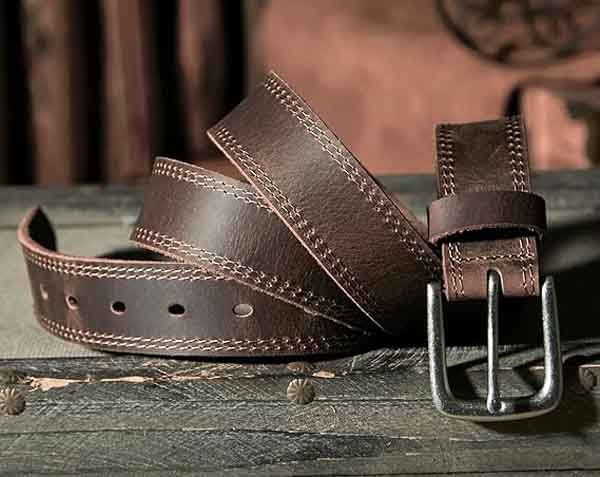
Belts aren’t just accessories—they tell a story. A “genuine leather belt” might sound premium, but it’s often misunderstood. Is it the top-tier, buttery full-grain hide or an affordable but sturdy choice? Spoiler: “genuine leather” is middle-of-the-range invisible gold—it’s real, but not the best. Let me break it down quickly:
A genuine leather belt refers to one made from real leather—the mid-layer of the hide—below full-grain and above bonded leather. It’s durable and more affordable than premium options, but may lack the natural grain and longevity of full-grain belts. Ideal for brands or customers seeking balance between authenticity, style, and cost—especially with custom options from OEM suppliers like Szoneier Leather.
What does “genuine leather” actually mean?
“Genuine leather” means the belt is made from real animal hide, typically the mid-layer below full-grain leather but above bonded leather. It’s real leather—durable, flexible, and more affordable than premium grades. However, it lacks the natural grain, luxury feel, and long lifespan of full-grain leather. It’s a cost-effective choice for brands and consumers wanting authenticity at reasonable prices, especially for OEM customization projects.
1. Leather Grading: Where “Genuine Leather” Fits
Leather hides are split into layers during processing. Each layer determines quality, durability, and price:
| Leather Grade | Source in the Hide | Durability | Appearance | Typical Lifespan |
|---|---|---|---|---|
| Full-Grain | Top outer layer (natural grain) | Very High | Natural markings, rich patina | 7–10+ years |
| Top-Grain | Sanded top layer | High | Smooth, uniform surface | 5–7 years |
| Genuine Leather | Inner split layer | Moderate | Painted or embossed for finish | 3–5 years |
| Bonded Leather | Scraps + adhesives | Low | Artificial surface | <1–2 years |
Key Point: Genuine leather isn’t fake—it’s real hide, just from the lower layer, so it’s thinner and more processed than full-grain but far superior to bonded or synthetic leather.
2. How Genuine Leather Is Made
The production process for genuine leather belts involves several steps:
- Splitting: Raw hides are split into multiple layers. The top layer becomes full-grain or top-grain; the remaining split is used for genuine leather.
- Buffing & Coating: To hide imperfections, genuine leather is buffed smooth and often coated with a pigmented finish or embossed texture to mimic the look of full-grain leather.
- Tanning: Vegetable or chrome tanning stabilizes the leather, adding durability and resistance to moisture.
- Dyeing & Finishing: The belt leather is dyed, polished, and sometimes laminated to achieve a consistent color and fashion-forward appearance.
This process creates belts that are affordable, flexible, and suitable for mass production while maintaining the authenticity of real leather.
3. Advantages of Genuine Leather Belts
- Authenticity: Real leather smell, texture, and flexibility—not synthetic plastic.
- Affordability: Costs 30–50% less than full-grain while still offering durability.
- Customization Flexibility: Easily embossed, printed, or dyed—perfect for OEM brands needing custom logos, colors, or finishes.
- Comfortable Wear: Becomes softer with time, unlike stiff synthetics.
- Mass Production Friendly: Ideal for private-label fashion brands needing large volumes without premium pricing.
4. Limitations & Misconceptions
While genuine leather is real, it comes with trade-offs:
- Lifespan: Typically lasts 3–5 years with proper care vs 7–10+ years for full-grain.
- Less Patina Development: Full-grain leather develops a rich, natural patina; genuine leather tends to stay uniform.
- More Processing: Artificial embossing and painting hide imperfections but reduce natural character.
- Not the “Best” Leather: Many consumers mistakenly assume “genuine leather” = highest grade, when in fact it’s entry-level real leather.
Real vs Fake: How to Tell the Difference
| Feature | Genuine Leather | Synthetic / Fake Leather |
|---|---|---|
| Smell | Natural, earthy, organic scent | Chemical or plastic-like odor |
| Feel | Warm, flexible, slight irregularities | Cold, overly smooth, uniform texture |
| Aging | May crack but stays wearable | Peels or flakes with time |
| Burn Test | Smells like burnt hair, chars slowly | Smells like plastic, melts quickly |
| Price Point | Moderate (mid-range belts) | Cheap but often poor durability |
Which types of leather belts are best for durability and value?
The most durable leather belts use full-grain leather, lasting 7–10+ years with proper care. Top-grain leather offers a smoother finish and 5–7 years of durability, while genuine leather belts balance cost and lifespan at 3–5 years. Bonded leather belts are cheapest but last under 2 years. For value, genuine leather gives the best cost-to-longevity ratio, especially when sourced from OEM manufacturers who optimize cost, quality, and customization.
Understanding Leather Types for Belts
Leather belts come in four main grades based on which layer of the hide is used:
| Leather Type | Hide Layer | Durability | Appearance | Average Lifespan |
|---|---|---|---|---|
| Full-Grain Leather | Outer hide, natural grain | Excellent (Highest) | Natural texture, develops patina | 7–10+ years |
| Top-Grain Leather | Sanded & finished top layer | Very Good | Smooth, uniform surface | 5–7 years |
| Genuine Leather | Lower split layer | Moderate | Embossed or coated for consistency | 3–5 years |
| Bonded Leather | Leather scraps + adhesives | Low (Least Durable) | Artificial finish, prone to peeling | <1–2 years |
Durability Comparison in Real-Life Use
| Leather Type | Daily Office Use | Casual/Weekend Wear | Outdoor/Heavy Use | Care Needed |
|---|---|---|---|---|
| Full-Grain | 7–10+ years | 8–12 years | 5–7 years | Occasional conditioning |
| Top-Grain | 5–7 years | 6–8 years | 3–5 years | Occasional conditioning |
| Genuine Leather | 3–5 years | 3–6 years | 2–4 years | Regular conditioning |
| Bonded Leather | <1–2 years | <2 years | <1 year | Minimal care, short life |
Key Insights:
- Full-grain belts resist cracking, absorb oils, and develop a rich patina over time.
- Top-grain belts are smoother but slightly thinner after sanding and finishing.
- Genuine leather belts work well for budget-conscious buyers or OEM custom lines needing affordability plus authenticity.
- Bonded leather belts should be avoided for durability—they often peel and crack quickly.
Value Analysis: Cost vs Lifespan
| Leather Type | Average Wholesale Cost | Retail Price Range | Lifespan (Years) | Cost per Year |
|---|---|---|---|---|
| Full-Grain Leather | $60–$100 | $120–$250+ | 7–10+ | $12–$25 |
| Top-Grain Leather | $40–$80 | $90–$180 | 5–7 | $13–$26 |
| Genuine Leather | $20–$50 | $50–$100 | 3–5 | $10–$16 |
| Bonded Leather | $5–$20 | $20–$40 | <1–2 | $20–$40 |
How Different Belts Age Over Time
Full-Grain Leather Belts
- Age beautifully, developing natural patina.
- Resistant to tearing, stretching, and cracking.
- Often used in luxury or premium private-label brands.
Top-Grain Leather Belts
- Offer a smooth finish, popular in business/formal belts.
- More processed but still reliable for years.
Genuine Leather Belts
- Affordable, customizable, perfect for mid-range fashion brands.
- Will show wear earlier than full-grain but remain functional for 3–5 years.
Bonded Leather Belts
- Often marketed as “leather” but quickly peel and delaminate.
- Not recommended for quality-conscious brands or buyers.
How can you identify a high-quality genuine leather belt?
Look for natural hide edges, tight consistent stitching (10–14 stitches per inch), solid hardware (brass or stainless buckles), and a leather smell—not chemicals. Do a light burn test: genuine leather smells like burnt hair and chars slowly; fake smells like plastic and melts. These checks help separate well-made genuine belts from poorly manufactured imitations.
Tactile & Sensory Tests
- Touch: Genuine leather feels supple and slightly textured. Fake is slick or plasticky.
- Smell: Leather gives a musty, organic scent. Synthetics smell like chemicals or plastic.
- Visual grain: Genuine has natural inconsistencies; real uniform looks hint at synthetic or coated blends.
Build Quality Checks
- Stitching: High-end belts use 10–14 SPI with bartacks at stress points.
- Edge finishing: Cleanly painted or edge-waxed edges resist fraying.
- Buckle hardware: Heavy, solid buckles—brass or stainless—last longer than zinc or plated metals.
Burn Test (for professionals only!)
- Genuine leather chars and smells like hair—synthetics melt and emit chemical odors.
Why This Matters for OEM Custom Brands
Clients choosing Szoneier’s custom belts can tap into a quality checklist—they get upper-tier hardware, edge-painting, branded buckles, and tested leather. Szoneier’s in-house QC ensures each batch passes these tests, giving brands confidence in consistent quality.
Why do prices for genuine leather belts vary widely?
Prices for genuine leather belts vary because of leather grade, tanning process, craftsmanship, hardware quality, brand markup, and country of origin. Wholesale belts can cost $20–$60, while designer brands charge $100–$300+ for similar materials due to branding, marketing, and retail overheads. OEM/ODM factories like Szoneier Leather reduce costs via direct sourcing, in-house production, and bulk efficiencies without compromising quality.
Key Factors Influencing Genuine Leather Belt Prices
| Factor | Impact on Price | Details |
|---|---|---|
| Leather Quality & Source | High | Full-grain > top-grain > genuine leather > bonded. Premium hides cost more. |
| Tanning Process | Moderate–High | Vegetable tanning (eco-friendly) > chrome tanning (faster, cheaper). |
| Craftsmanship & Labor | High | Hand-stitching, edge painting, embossing, finishing add labor costs. |
| Hardware Quality | Moderate–High | Brass or stainless-steel buckles cost more than zinc or alloy buckles. |
| Brand Markup | Very High | Designer brands charge 3–10× wholesale price due to marketing & prestige. |
| Country of Origin | Moderate–High | USA/EU manufacturing costs > China/Vietnam > South Asia. |
| MOQ & Bulk Efficiencies | High | Larger production runs reduce cost-per-unit significantly. |
| Customization & Packaging | Moderate | Logo embossing, custom packaging, or gift boxes add premium pricing. |
Leather Quality & Material Costs
- Genuine Leather comes from the split layers of the hide—lower than full-grain but still real leather.
- Premium hides (fewer defects, larger cuts) cost 20–40% more than standard-quality hides.
- Eco-friendly tanning methods like vegetable tanning raise costs by 15–25% but appeal to sustainability-conscious markets.
Example Material Cost Range (Per Belt):
- Basic genuine leather: $5–$8
- Premium genuine leather (vegetable tanned): $10–$15
Craftsmanship & Labor Costs
| Feature | Low-Cost Belts | Premium Belts | Impact on Price |
|---|---|---|---|
| Stitching | Machine-stitched, basic SPI 6–8 | Hand-finished, SPI 10–14, reinforced edges | +$3–$6 per belt |
| Edge Treatment | Raw cut edges | Painted, waxed, or burnished edges | +$2–$4 per belt |
| Buckle Installation | Basic metal alloy | Solid brass/stainless, polished finish | +$4–$8 per belt |
| Logo/Branding | Heat stamp or none | Embossing, foil printing, laser engraving | +$2–$5 per belt |
| Lining & Reinforcement | None or synthetic | Leather lining for shape retention | +$3–$7 per belt |
Observation:
A belt with premium edge painting, brass buckles, and hand-stitching can cost 40–60% more than a mass-market machine-stitched belt, even using the same leather grade.
Hardware Quality & Design Features
Buckle choice alone can swing costs by $5–$10 per belt:
| Buckle Material | Cost Impact | Typical Use |
|---|---|---|
| Zinc Alloy | Low | Budget belts, promotional lines |
| Stainless Steel | Medium | Mid-range fashion & casual belts |
| Solid Brass | High | Premium belts, heritage collections |
| Automatic/Ratchet Buckles | High | Modern, luxury-oriented belts |
Other features like double stitching, detachable buckles, or micro-adjustable mechanisms also add to production complexity and cost.
Brand Markup & Marketing Costs
Designer labels often charge 5–10× the production cost because:
- Retail overheads (stores, staff, packaging).
- Marketing expenses (advertising, influencers, celebrity endorsements).
- Brand exclusivity and positioning.
Example:
- OEM Factory Production Cost: $25–$40
- Luxury Brand Retail Price: $150–$300+
Brands like Gucci or Hermes focus on heritage storytelling and luxury perception, letting them price belts beyond material value.
Geographic Manufacturing Differences
| Region | Labor Cost | Typical Wholesale Price (Genuine Leather Belt) |
|---|---|---|
| USA/EU | High ($15–$25/hr) | $60–$120 per belt |
| China/Vietnam | Moderate ($3–$7/hr) | $20–$50 per belt |
| South Asia (India, etc.) | Low ($1–$3/hr) | $15–$40 per belt |
Manufacturing in Asia offers cost savings but requires strong quality control (QC) to meet export standards. OEM factories like Szoneier Leather bridge this gap with in-house QC labs, ensuring consistent quality even at scale.
Is a genuine leather belt worth buying over synthetic alternatives?
Yes—genuine leather belts deliver better durability, environmental friendliness, and a premium feel. They often last 3–5 years, resist cracking with care, and age gracefully. Synthetics are cheaper upfront but may fail within a year. OEM manufacturers can now offer high-quality genuine leather belts at competitive prices, giving customers superior value and crafting sustainability into your brand.
Comparison: Genuine vs Synthetic
| Quality Metric | Genuine Leather Belt | Synthetic Belt |
|---|---|---|
| Lifespan | 3–5 years (or more) | 6–18 months |
| Appearance | Ages with patina | Peels or cracks |
| Environmental Impact | Biodegradable, natural waste | Plastics harmful to landfills |
| Repairability | Can be conditioned or stitched | Often irreparable |
| Cost per year | ~$6–$20 | ~$10–$25+ |
Environmental & Luxury Appeal
Consumers increasingly value sustainability. Genuine leather, responsibly sourced, has a lower lifecycle impact if cared for—especially compared to single-use synthetics. Plus, real leather carries inherent prestige and tactile luxury that synthetic cannot achieve.
Conclusion
Choosing genuine leather for your belt line means choosing a smart blend of authenticity, durability, and value. Sure, full-grain delivers ultimate prestige—and bonded may cut corners—but genuine hits the sweet spot for cost-conscious brands wanting real materials. With Szoneier Leather’s 18+ years of sourcing, design, and manufacturing expertise, you can offer custom genuine leather belts that stand out in quality, branding, and value.
Ready to elevate your accessory line?
Contact Szoneier Leather today to request a custom sample, get competitive pricing based on your specs, or discuss OEM leather belt production tailored to your brand’s aesthetic and budget.
What Can I Do For You?
Here, developing your OEM/ODM private label leather goods collection is no longer a challenge,it’s an excellent opportunity to bring your creative vision to life.
Make A Sample First?
If you have your own tech packs, logo design artwork, or just an idea,please provide details about your project requirements, including preferred fabric, color, and customization options,we’re excited to assist you in bringing your leather goods designs to life through our sample production process.