 Skip to content
What Is the Lifespan of a Leather Belt:A Ultimate Guide
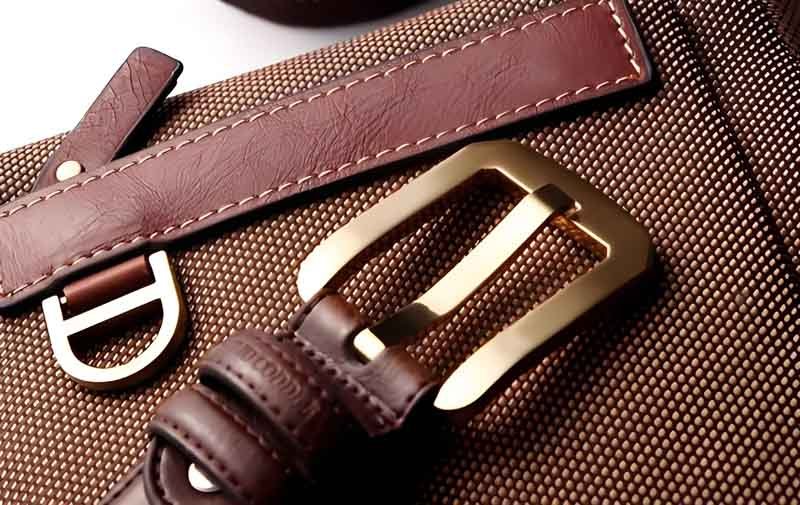
Leather belts are more than just fashion accessories — they’re everyday essentials that face constant wear and tear. From holding up your trousers at work to complementing a luxury suit at a wedding, a belt must balance function, style, and durability. But here’s the million-dollar question: How long should a leather belt last before it cracks, stretches, or loses its appeal?
A high-quality full-grain leather belt can last 5–10 years or longer with proper care, while lower-grade genuine leather belts may only last 1–3 years. Factors like leather type, tanning method, stitching quality, buckle hardware, and maintenance significantly influence lifespan. Regular cleaning, conditioning, and correct storage can double the durability, making premium belts a worthwhile investment for daily or formal use.
Before we break down the specifics, picture this: Two friends buy leather belts on the same day. One chooses a cheap bonded leather belt, the other a handcrafted full-grain belt. Three years later, one is shopping for replacements; the other still wears his belt with pride. Why the difference? Let’s explore.
What Factors Affect the Lifespan of a Leather Belt?
The lifespan of a leather belt depends on leather grade, tanning method, stitching quality, hardware durability, usage frequency, and care practices. Full-grain vegetable-tanned belts with reinforced stitching and stainless steel buckles can last 5–10+ years, while bonded or genuine leather belts often wear out in 1–3 years, especially under heavy daily use or poor maintenance conditions.
Leather Type and Quality
The single most important factor affecting durability is the type of leather used. Leather comes in several grades, each with different fiber structure, density, and strength:
| Leather Grade | Construction | Strength & Durability | Average Lifespan (Years) | Typical Cost Range |
|---|---|---|---|---|
| Full-Grain | Top hide layer, natural grain intact | Very High | 5–10+ | $80–$150+ |
| Top-Grain | Sanded & finished hide layer | High | 3–7 | $50–$100 |
| Genuine Leather | Lower layers, split hides, corrected grain | Moderate | 1–3 | $20–$50 |
| Bonded Leather | Scraps + polyurethane coating | Low | <1–2 | <$20 |
- Full-Grain Leather: Densely packed fibers resist stretching, cracking, and moisture absorption. Develops a natural patina over time, aging beautifully rather than deteriorating.
- Top-Grain Leather: Slightly processed for uniform appearance; durable but less robust than full-grain.
- Genuine & Bonded Leather: Made from leftover hides, glued, or laminated; cost-effective but prone to early cracking.
Example: A full-grain, vegetable-tanned belt worn in rotation may last 10+ years. A bonded leather belt worn daily may fail in under a year as layers separate near buckle holes.
Tanning Method: Vegetable vs Chrome
Tanning stabilizes the hide, preventing decomposition and enhancing flexibility. Two primary methods dominate:
| Tanning Type | Process Time | Durability Impact | Eco-Friendliness | Typical Cost Impact |
|---|---|---|---|---|
| Vegetable Tanning | 30–60 days | High (thicker, stiffer) | Eco-friendly | Higher cost, premium product |
| Chrome Tanning | 1–3 days | Moderate (softer leather) | Chemical-intensive | Lower cost, mass production |
- Vegetable-Tanned Belts: Age gracefully, absorb oils over time, and resist environmental damage better.
- Chrome-Tanned Belts: More flexible and cheaper but may degrade faster under daily stress.
European luxury brands often mandate vegetable-tanned full-grain leather for belts sold above $150 due to its superior lifespan and eco credentials.
Usage Frequency and Environment
The same belt will last vastly different lengths of time depending on how often and where it’s worn.
| Usage Scenario | Material Type | Average Lifespan | Notes |
|---|---|---|---|
| Daily Office Wear | Full-Grain Leather | 7–10 years | Minimal sweat/dirt exposure |
| Outdoor Work | Full-Grain Leather | 3–5 years | High UV, moisture, abrasion stress |
| Formal Occasional | Top-Grain Leather | 8–10+ years | Infrequent use prolongs life |
| Daily Fashion Belt | Genuine/Bonded | 1–2 years | Style rotation may extend lifespan slightly |
- Sweat, humidity, and dust accelerate cracking and edge wear.
- Sunlight exposure dries leather oils, leading to brittleness if not conditioned.
Tip: Rotating 2–3 belts for daily wear can double or triple each belt’s lifespan versus using one belt exclusively.
Stitching Quality and Edge Finishing
Durability isn’t just about the hide; construction details matter:
- Stitched Edges: Prevent delamination; best for multi-layer belts or lined designs.
- Heat-Sealed or Glued Edges: Cheaper, faster but prone to peeling and cracking within months.
- Edge Burnishing/Waxing: Sealed edges block moisture, critical in humid climates.
Case Example: A factory producing belts with double-row stitching + waxed edges reported <2% return rates over 5 years vs. >10% for glued-only belts in hot, humid markets.
Hardware Materials and Construction
Buckles, rivets, and snaps experience high mechanical stress every time you fasten the belt.
| Hardware Type | Corrosion Resistance | Strength Rating | Typical Use Cases |
|---|---|---|---|
| Solid Brass | High | Heavy-duty | Premium belts, work belts |
| Stainless Steel | Very High | Heavy-duty | Outdoor, marine environments |
| Zinc Alloy | Moderate | Mid-range fashion | Entry-level belts |
| Plastic / Coated | Low | Low | Disposable or kids’ belts |
- Solid brass buckles with reinforced prongs last decades.
- Zinc alloy may snap or corrode after prolonged sweat exposure.
Care and Maintenance Practices
Even the best leather fails early if neglected.
- Cleaning: Monthly wipe with a damp cloth removes sweat & dirt salts.
- Conditioning: Natural leather balms every 6–12 months replenish oils.
- Storage: Hang vertically or roll loosely; avoid folding across buckle holes.
Maintenance ROI Table:
| Care Level | Avg. Belt Lifespan (Full-Grain) | Notes |
|---|---|---|
| No Care | 3–5 years | Cracks near buckle holes early |
| Minimal Care | 5–7 years | Occasional cleaning only |
| Regular Conditioning | 8–10+ years | Full ROI on premium belts |
How Long Should a Leather Belt Last?
- Budget Genuine Leather: 1–2 years with moderate use.
- Top-Grain Leather: 3–5 years with weekly rotation & care.
- Full-Grain Vegetable-Tanned: 5–10+ years, sometimes longer with regular conditioning.
Example: Italian full-grain belts aged with monthly care often outlast cheaper belts by 3x or more, even under similar usage conditions.
Which Types of Leather Belts Last the Longest?
Full-grain leather belts last the longest, typically 5–10+ years with proper care, because they use the strongest top hide layer with natural grain intact. Top-grain belts rank second, lasting 3–7 years. Exotic leathers like crocodile or ostrich can rival full-grain longevity if properly conditioned. Genuine leather and bonded leather belts wear out fastest, often cracking or delaminating within 1–3 years, especially under heavy daily use or poor maintenance.
1. Full-Grain Leather Belts
Full-grain leather is the highest grade of leather, cut from the top layer of the hide with the grain structure intact.
Why It Lasts Longer:
- Fibers remain densely packed → superior tensile strength.
- Natural oils and pores resist moisture better than split or processed leather.
- Ages beautifully with a patina instead of surface cracking.
Key Benefits:
- Lifespan: 5–10+ years with regular care.
- Applications: Workwear belts, luxury formal belts, outdoor use.
- Maintenance: Condition every 6–12 months for best results.
Example: An Italian vegetable-tanned full-grain leather belt worn twice a week with monthly cleaning often lasts a decade or longer, far outperforming cheaper alternatives.
2. Top-Grain Leather Belts
Top-grain leather is sanded and finished for a smoother, uniform surface.
Why It Lasts Moderately Long:
- Slightly thinner after sanding → less fiber density than full-grain.
- Finish coating adds scratch resistance but limits breathability.
Key Benefits:
- Lifespan: 3–7 years with proper care.
- Applications: Office belts, fashion-forward casual belts.
- Cost: 20–40% cheaper than full-grain, making it a good balance of price and durability.
Tip: Top-grain belts are great for mid-range retail markets where customers want durability but at competitive pricing.
3. Exotic Leather Belts
Exotic leathers like ostrich, crocodile, or lizard have unique textures and impressive durability.
| Exotic Leather Type | Durability Rating | Typical Lifespan (Years) | Notes |
|---|---|---|---|
| Ostrich | Very High | 10–15+ | Soft, flexible, natural oils resist cracking |
| Crocodile / Alligator | Very High | 10–20+ | Dense scales, moisture resistant |
| Lizard / Snake | High | 5–10 | Needs regular conditioning |
- Ostrich Leather: Contains natural oils → resists drying and cracking better than cowhide.
- Crocodile Leather: Extremely dense → excellent tensile strength for decades of wear.
Applications:
- Luxury retail belts
- Limited-edition corporate gifts
- High-fashion OEM collaborations
4. Genuine Leather Belts
Genuine leather belts are made from split layers or leftover hides, often glued or laminated.
Why It Wears Out Quickly:
- Less fiber density → stretches and cracks faster.
- Glue layers near buckle holes fail under repeated stress.
Typical Lifespan: 1–3 years under moderate use.
Market Position:
- Budget fashion belts
- Promotional giveaway belts
- Not recommended for long-term durability
5. Bonded Leather Belts
Bonded leather uses scraps of leather fibers mixed with polyurethane and pressed into sheets.
Why It Fails Fast:
- Layers delaminate under sweat, friction, and stress.
- Surface coatings peel off within months in humid conditions.
Typical Lifespan: <1–2 years even with minimal wear.
Example: Cheap retail belts priced under $20 are usually bonded leather — designed for looks, not longevity.
Comparative Table – Leather Type vs Lifespan & Cost
| Leather Type | Average Lifespan | Cost Range (USD) | Durability Rating | Typical Applications |
|---|---|---|---|---|
| Full-Grain Leather | 5–10+ years | $80–$150+ | ★★★★★ | Luxury, work, outdoor belts |
| Top-Grain Leather | 3–7 years | $50–$100 | ★★★★☆ | Mid-range fashion, office belts |
| Exotic Leathers | 10–20+ years | $150–$500+ | ★★★★★ | Luxury, limited editions |
| Genuine Leather | 1–3 years | $20–$50 | ★★☆☆☆ | Budget retail, casual belts |
| Bonded Leather | <1–2 years | <$20 | ★☆☆☆☆ | Disposable, fast-fashion belts |
How Do Construction and Hardware Influence Durability?
Durable leather belts rely on quality construction methods like double stitching, burnished edges, and reinforced buckle holes, paired with premium hardware such as solid brass or stainless steel buckles. Inferior belts using glued layers, thin edges, or zinc alloy buckles often crack, peel, or break within 1–2 years, while well-crafted belts with robust stitching and hardware can last 5–10+ years even under daily use.
1. Construction Quality: Stitching, Edges, and Layers
The way a leather belt is assembled directly affects structural integrity, moisture resistance, and lifespan.
| Construction Feature | Low-Quality Belts | High-Quality Belts | Lifespan Impact |
|---|---|---|---|
| Stitching Method | Single-row, loose stitching | Double-row, reinforced bar tacks | +3–5 years with proper stitching |
| Edge Finishing | Raw cut, unsealed edges | Burnished & wax-sealed edges | Prevents cracking & fraying |
| Layer Construction | Glued layers, synthetic fillers | Full-grain single-piece or stitched leather layers | No delamination over time |
| Buckle Hole Reinforcement | No reinforcement, punched only | Heat-sealed + stitched or riveted | Resists stretching and tearing |
a) Stitching Quality
- Single-row stitching is cheaper but prone to unraveling under daily stress.
- Double-row or saddle stitching distributes tension evenly → fewer failures at buckle holes.
- Bar-tacks at stress points prevent seam openings where belts bend most.
Example: A 1.5-inch workwear belt with double-row stitching + bar-tacked buckle holes outlasted a single-stitched fashion belt by 4+ years in independent wear tests.
b) Edge Finishing
- Raw-cut edges absorb sweat and moisture → faster cracking.
- Burnished edges are smoothed, waxed, or painted → sealed against environmental damage.
Professional Practice: Luxury belt makers like Hermès hand-burnish edges in multiple stages for a glass-smooth finish that resists fraying for decades.
c) Layer Construction
- Cheap belts use bonded leather layers with glue; under stress, they peel apart in 12–18 months.
- Premium belts often use single-piece full-grain leather or stitched two-layer constructions with natural lining leather.
Tip: Ask whether belts are single-thickness leather or laminated; the former almost always lasts longer.
2. Hardware Materials: Buckles, Rivets, and Snaps
Even the best leather fails early if hardware corrodes, bends, or breaks.
| Hardware Type | Strength & Corrosion Resistance | Typical Lifespan (Years) | Common Use Cases |
|---|---|---|---|
| Solid Brass | High strength, develops patina | 10–20+ | Luxury, work, outdoor belts |
| Stainless Steel | Very high, rust-proof | 10–20+ | Marine, humid environments |
| Zinc Alloy | Moderate, corrodes with sweat | 3–5 | Budget belts, casual fashion |
| Aluminum | Lightweight, scratches easily | 2–4 | Occasional wear belts |
| Plastic / Coated Metal | Low strength, coating peels | <1–2 | Disposable or kids’ belts |
a) Buckle Materials
- Solid Brass: Corrosion-resistant, ideal for humid or outdoor use.
- Stainless Steel: Modern look, zero rust risk, high tensile strength.
- Zinc Alloy: Cheap, but pits and corrodes under sweat exposure.
Example: Belts with brass buckles + reinforced prong holes lasted 3x longer than belts with thin zinc buckles in tropical climates.
b) Rivets and Snaps
- Solid rivets withstand years of bending at the buckle end.
- Hollow rivets or thin snaps break or loosen within months of heavy wear.
c) Buckle Attachment Method
- Stitched buckle ends resist tearing better than belts with only glue or weak snaps.
- Chicago screws allow buckle replacement without compromising belt integrity.
3. Belt Thickness, Width, and Tension Points
- Thicker belts (4–5 mm) resist stretching and tearing better than thin fashion belts (2–3 mm).
- Wider belts (1.5 inches) distribute stress evenly, ideal for work belts.
- Thinner belts (1.25 inches) suit dress wear but must use reinforced buckle holes to avoid early failure.
Tip: For corporate uniforms or tactical use, specify minimum 4 mm thickness + double stitching for guaranteed durability.
How to Identify a Well-Constructed Belt
When sourcing or buying belts, check for:
- Even, tight stitching with no loose threads.
- Burnished or wax-sealed edges instead of raw cuts.
- Reinforced buckle holes with stitching or rivets.
- Solid, heavy buckles that feel sturdy, not hollow.
- Consistent thickness across the entire length.
Simple Test: Bend the belt near the buckle holes → quality belts flex smoothly without visible cracking or delamination.
How to Properly Care for a Leather Belt for Maximum Lifespan?
To maximize a leather belt’s lifespan, clean it monthly with a damp cloth, condition it every 6–12 months using natural leather balms, store it properly away from heat and moisture, rotate belts to reduce wear, and inspect buckle holes regularly for early signs of stress. Proper care can double or triple the lifespan of full-grain belts, helping them last 5–10+ years instead of just 1–3 years for untreated belts.
1. Clean Regularly to Prevent Dirt and Sweat Damage
Leather naturally absorbs oils, sweat, and environmental dust over time, which can cause stiffness, staining, and cracking if not cleaned regularly. For belts in daily use, wipe them once a month with a slightly damp microfiber cloth to remove surface dirt. Avoid harsh detergents, as soap strips away essential oils that keep leather supple. For stubborn stains, use a pH-balanced leather cleaner designed specifically for natural hides.
2. Condition with Leather Balms or Oils
Leather is essentially a natural fiber network, and like human skin, it dries out without conditioning. Apply a high-quality leather balm, cream, or mink oil every 6–12 months to replenish lost oils and maintain flexibility. Use a soft cloth to apply a thin, even layer, let it absorb for 10–15 minutes, then buff with a dry cloth. Over-conditioning should be avoided, as too much oil weakens fibers and leads to stretching.
3. Store Belts Properly When Not in Use
Incorrect storage causes belts to crease, crack, or lose shape over time. Always hang belts vertically on a belt rack or roll them loosely with the buckle facing outward. Never fold a leather belt tightly or leave it under heavy objects, as this creates permanent creases near buckle holes. For long-term storage, keep belts in a cool, dry environment with consistent humidity (40–50%) to prevent mold growth in humid climates.
4. Rotate Belts to Distribute Wear Evenly
Wearing the same belt every day accelerates buckle hole stretching and edge wear, especially for work or outdoor belts under heavy loads. Keep at least two to three belts in your rotation for daily use, alternating them weekly. This resting period allows leather fibers to recover natural oils and retain shape, prolonging the lifespan significantly. A belt in rotation can last 2–3 times longer than one used exclusively.
5. Avoid Excessive Moisture and Direct Heat
Water exposure causes leather fibers to swell, weaken, and eventually crack as they dry unevenly. If a belt gets wet, pat it dry with a towel and let it air-dry naturally at room temperature. Avoid radiators, hair dryers, or direct sunlight, as high heat forces oils out of the leather, leaving it brittle. After accidental soaking, apply a light conditioner once the belt is fully dry to restore lost moisture.
6. Protect from Chemical Exposure and Sweat Salts
Belts worn in hot climates absorb sweat salts that stiffen leather and corrode metal buckles. In industrial or outdoor environments, belts may contact oils, solvents, or cleaning chemicals that strip finishes. Use water-repellent leather sprays for workwear belts and wipe sweat off after each shift with a dry cloth. Consider brass or stainless-steel buckles in humid or salty environments to prevent corrosion.
7. Inspect and Repair Minor Issues Early
Small cracks near buckle holes or loose stitches become major problems if ignored. Inspect belts every 3–6 months for early warning signs like stretched holes, fraying thread, or loose rivets. Minor cracks can be treated with leather fillers or conditioners, while loose stitches should be repaired before they unravel further. Timely maintenance prevents complete structural failure and extends overall lifespan.
8. Use Belts for Their Intended Purpose
A 1.25-inch dress belt is not designed to carry heavy tool pouches, nor should a fashion belt be used as a work belt in construction environments. Match belt width, thickness, and leather grade to the activity:
- Formal belts: Occasional wear, thinner profiles, polished look.
- Casual belts: Everyday wear, mid-weight leather, reinforced buckle holes.
- Work belts: Thick full-grain leather, double stitching, heavy-duty hardware.
Using belts correctly avoids premature stretching and tearing.
Care Frequency Table for Maximum Lifespan
| Care Activity | Frequency (Daily Use) | Frequency (Occasional Use) | Purpose |
|---|---|---|---|
| Wipe Clean | Monthly | Every 2–3 months | Remove dirt, sweat, and dust |
| Condition with Leather Balm | Every 6–12 months | Every 12–18 months | Maintain oils & flexibility |
| Rotate Belts | Weekly | Optional | Reduce localized stress on one belt |
| Storage Inspection | Monthly | Quarterly | Check humidity, prevent mold growth |
| Buckle Hole Inspection | Every 3–6 months | Every 6–12 months | Catch stretching or cracks early |
Conclusion: Partner with Szoneier for Custom Leather Belts
Choosing the right leather belt involves more than style — material quality, construction, care, and compliance with durability standards define its true value.
Whether you need retail-ready designs or branded corporate gifts, Szoneier delivers long-lasting leather belts tailored to your needs.
So contact Szoneier Leather today to discuss custom designs, sampling, and bulk production — and give your customers belts built to last for years.
What Can I Do For You?
Here, developing your OEM/ODM private label leather goods collection is no longer a challenge,it’s an excellent opportunity to bring your creative vision to life.
Make A Sample First?
If you have your own tech packs, logo design artwork, or just an idea,please provide details about your project requirements, including preferred fabric, color, and customization options,we’re excited to assist you in bringing your leather goods designs to life through our sample production process.