 Skip to content
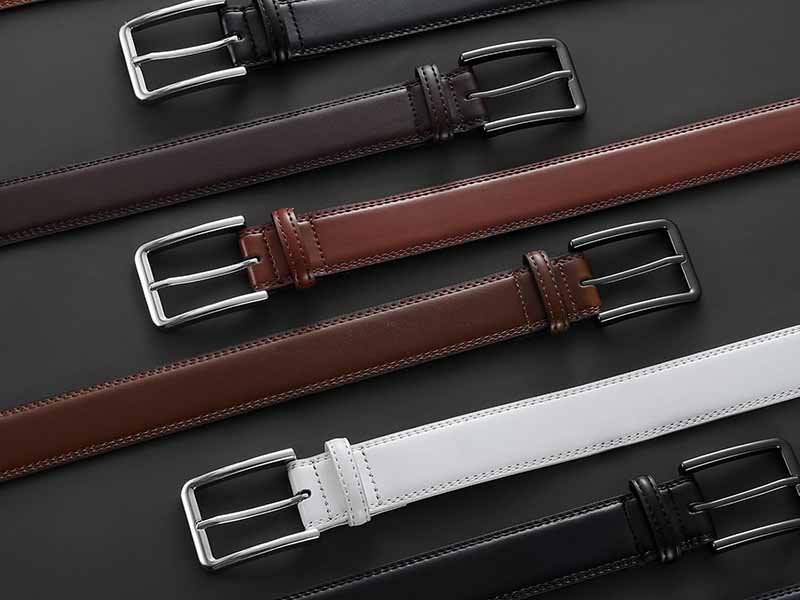
When it comes to leather belts, thickness isn’t just a matter of size; it plays a critical role in the belt’s functionality, appearance, and overall durability. Choosing the right belt thickness can be the difference between a formal, refined look and a rugged, casual style. In this article, we’ll explore the importance of belt thickness, explain the standards for both dress and casual belts, and provide expert insights on what works best for each occasion.
What Is Belt Thickness and Why Does It Matter?
Belt thickness is a crucial factor when selecting a leather belt. It refers to the depth of the leather used in the belt’s construction, typically measured in fractions of an inch (such as 1/8″, 1/4″, or 1/2″). The thickness of a belt influences its functionality, durability, comfort, and overall look. The right thickness ensures that the belt not only complements your outfit but also provides the support and comfort you need for daily wear.
In general, belt thickness impacts:
- Aesthetic Appeal: Thicker belts create a more substantial look, while thinner belts are sleek and minimalist.
- Functionality: The belt needs to serve its purpose, whether it’s for formal wear, casual use, or heavy-duty tasks.
- Durability: Thicker belts tend to be more durable, handling frequent use, wear, and stress.
What Does Belt Thickness Mean in Leather Belts?
Belt thickness plays a key role in both style and functionality. For example, dress belts tend to be thinner, offering a refined appearance, while casual belts are thicker for added durability and support. Thicker leather adds structure to a belt, making it more rigid and suitable for holding pants or carrying heavier items. On the other hand, thinner leather belts are more flexible, making them more comfortable for extended wear and formal settings.
How Does Thickness Affect Durability and Comfort?
Belt thickness significantly affects both the durability of the belt and the comfort of the wearer. Thicker belts offer greater durability, as they are less likely to bend or stretch over time. These belts are ideal for casual or heavy-duty wear. In contrast, thinner belts provide greater comfort, particularly for dress wear, since they are more flexible and sit smoothly around the waist. However, thinner belts tend to wear out faster, especially if subjected to heavy use.
What Are Standard Leather Belt Thickness Measurements?
Understanding the standard measurements for leather belt thickness is essential when choosing the right belt. Leather belts typically come in a range of thicknesses, and selecting the appropriate one depends on the intended use—whether it’s for formal wear, casual wear, or heavy-duty use. The common thicknesses range from 1/8″ to 1/2″.
Here’s a breakdown of the standard thickness ranges and what they’re best suited for:
What Is the Typical Thickness Range for Dress Belts?
For dress belts, the typical thickness falls between 1/8″ and 1/4″. This thinner range ensures that the belt fits smoothly under dress trousers or suits, offering a clean, sharp appearance. Dress belts are meant to enhance the overall aesthetic without drawing too much attention, so a thinner design is ideal for maintaining the belt’s subtlety.
Why It Works for Dress Belts:
- Sleek Design: Thin belts offer a refined and professional look that pairs perfectly with formal wear.
- Comfortable Fit: Thinner belts are more flexible and comfortable for extended wear.
- Professional Aesthetic: The thin profile aligns with slim-fit trousers and suits, ensuring the belt remains functional without overpowering the outfit.
What Is the Typical Thickness Range for Casual Belts?
Casual belts are thicker, generally ranging between 1/4″ and 1/2″. This thickness gives the belt added strength and durability, making it suitable for everyday wear and outdoor activities. Thicker leather belts are perfect for jeans, chinos, or utility belts where the emphasis is on both style and functionality.
Why It Works for Casual Belts:
- Durability: Thicker belts are more resistant to bending and cracking, making them ideal for daily use and tough conditions.
- Support: The added thickness provides more structure, which is essential for holding heavier pants or tools.
- Rugged Look: A thicker belt balances the rough aesthetic of casual or outdoor clothing, giving the belt an added sense of ruggedness.
Are There Industry Norms or Regional Differences?
While the standard thickness for dress belts and casual belts is generally consistent, some regional variations do exist based on local preferences or fashion trends.
- Europe: In some European markets, casual belts may be slightly thinner than the standard 1/4″ thickness, offering a more refined look for everyday wear.
- North America: In North America, casual belts often exceed 1/2″ in thickness, especially for workwear and outdoor activities, where durability is prioritized.
Despite these regional variations, the overall industry norms for belt thickness remain fairly consistent across the globe, with dress belts being thinner and casual belts being thicker.
Which Thickness Works Best for Dress Belts?
When it comes to selecting a dress belt, thickness is one of the most important factors that can influence the overall appearance, comfort, and functionality. Dress belts need to balance subtlety and functionality, making the right thickness crucial for achieving a sleek, professional look. A belt that is too thick may clash with formal wear, while a belt that is too thin may not provide the necessary structure. Here’s a detailed look at why 1/8″ to 1/4″ thickness is considered ideal for dress belts, and how this thickness contributes to the overall design.
What Thickness Looks Best with Formal Attire?
The ideal thickness for a dress belt is typically 1/8″ to 1/4″. This range provides the perfect balance between style, comfort, and durability without compromising the overall aesthetic of formal attire. A thinner belt is crucial for creating a streamlined look that complements tailored pants, suits, and other formal wear.
Key Reasons for Choosing This Thickness:
- Subtlety: Thinner belts (1/8″ – 1/4″) are designed to be subtle, allowing the focus to remain on the outfit rather than the belt itself. This is especially important for formal events like business meetings, weddings, or interviews.
- Sleek Appearance: A thinner belt doesn’t add bulk to the waist, making it perfect for slim-fit trousers and suits where the focus is on a clean, sharp silhouette.
- Refinement: The sleekness of a 1/8″ to 1/4″ thick belt provides a more refined and polished appearance. This is ideal for professionals who want to maintain a high level of sophistication without their belt drawing attention.
How Does Thickness Influence Belt Buckle Choice?
The belt thickness directly impacts the size and style of the buckle. For dress belts, thinner leather belts (1/8″ – 1/4″) require smaller, more minimalistic buckles to maintain the belt’s refined look. A large, heavy buckle can overpower a thin belt, disrupting the balanced and polished appearance that formal wear demands.
For Thin Dress Belts (1/8″ – 1/4″):
- Smaller Buckles: The buckle should be sleek and not overly ornate. A simple, elegant design is key to complementing the thin leather belt and maintaining a sophisticated look.
- Polished Metals: Dress belts typically use polished metals like stainless steel or brass. The finish of the buckle should align with the overall elegance of the belt—polished, matte, or satin finishes all work well for a refined look.
- Subtle Detailing: Buckles for thinner belts often avoid excessive decoration or embellishments. A clean, simple design is all that’s needed to achieve the professional look associated with formal settings.
What Belt Materials Work Best for Thin Dress Belts?
For a dress belt to be both sleek and durable, the choice of leather material is critical. The leather should not only complement the thinness of the belt but also maintain its shape and structure over time.
| Material | Thickness Range | Key Features |
|---|---|---|
| Top-Grain Leather | 1/8″ to 1/4″ | Smooth, soft texture; highly durable for everyday use. |
| Vegetable-Tanned Leather | 1/8″ to 1/4″ | Eco-friendly; develops a rich patina over time. |
| Calfskin Leather | 1/8″ to 1/4″ | Soft, supple texture; ideal for premium dress belts. |
- Top-Grain Leather is commonly used for dress belts due to its smooth texture and durability. It provides a balance of refinement and strength, ideal for belts that will see frequent use.
- Vegetable-Tanned Leather offers a natural look and a beautiful aging process, developing a unique patina over time, which makes it an excellent choice for dress belts that stand out with understated elegance.
- Calfskin Leather is the highest quality of leather and is perfect for premium dress belts. It is soft, supple, and has a luxurious feel, making it ideal for high-end formal wear.
Why These Materials Work for Thin Belts:
- Flexibility: Thin leather requires a material that is flexible yet durable. Top-grain, vegetable-tanned, and calfskin leather are flexible enough to work well with the thinner profile while still providing the necessary durability.
- Aesthetic Appeal: These materials retain their shape over time, which is essential for keeping a belt looking polished and professional. They also age beautifully, especially vegetable-tanned leather, which darkens and gains a richer hue as it’s worn.
How to Achieve the Perfect Balance Between Comfort and Style
While the right thickness for a dress belt is important, comfort is equally essential. A belt that’s too thick will not bend well around the waist, and it may become uncomfortable when sitting or moving. Conversely, a belt that’s too thin might lack the support needed for a secure fit.
Why 1/8″ to 1/4″ Thickness Is Comfortable:
- Flexibility: Thin belts are more flexible, making them easier to adjust to your waist and more comfortable to wear for long periods.
- Smooth Fit: A thinner belt sits smoothly under your clothes, making it ideal for wearing with dress shirts and suits, where a bulky belt would disrupt the overall look.
- Proportional Fit: A belt that’s too thick may create an imbalance when paired with a slim-fit suit or dress pants. Thinner belts are more proportionate and visually appealing when worn with tailored clothing.
What Belt Width Works Best for Thin Dress Belts?
Belt width is another factor that complements belt thickness. For dress belts, the width is typically narrower, ranging between 1″ to 1.25″. This allows the belt to maintain a subtle profile without overpowering the formal outfit.
| Belt Width | Range for Dress Belts | Ideal For | Key Features |
|---|---|---|---|
| Narrow Belt | 1″ to 1.25″ | Suits, Tuxedos, Dress Pants | Sleek appearance; ideal for slim-fit trousers. |
| Wide Belt | 1.5″ and above | Casual Wear, Outdoor Clothing | Provides more structure and support. |
- Narrow belts (1″ to 1.25″) are perfect for dress settings, as they maintain a streamlined appearance. A wider belt would create a visual imbalance, especially when paired with a suit or dress pants.
Why Narrow Belts Work for Dress Settings:
- Clean Profile: Narrow belts create a cleaner, sharper look, which is crucial for formal wear. They ensure that the belt doesn’t distract from the suit or trousers.
- Better Proportions: For slim-fit clothing, a narrower belt ensures that the proportions remain in harmony, contributing to an overall elegant, professional appearance.
Which Thickness Works Best for Casual Belts?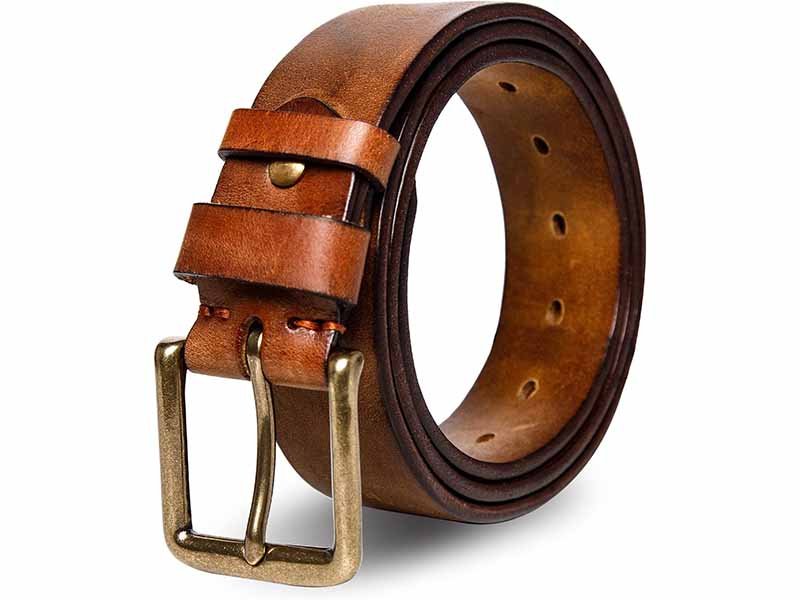
Casual belts are all about durability, comfort, and support. They need to hold up to daily wear, accommodate heavier clothing, and remain comfortable throughout various activities. The thickness of a casual belt is essential for achieving these goals, and it plays a key role in determining how the belt fits, feels, and lasts. The ideal thickness for casual belts generally falls between 1/4″ and 1/2″, but let’s dive into why these measurements work best for casual settings and how different thicknesses suit various needs.
What Thickness Suits Everyday Wear and Outdoor Styles?
Casual belts need to withstand daily use and handle the demands of everyday activities like sitting, standing, or carrying items. For this reason, a thicker belt is typically preferred. The standard thickness for casual belts ranges from 1/4″ to 1/2″, as this provides both comfort and structure.
Why Thicker Belts Work for Everyday Wear:
- Durability: Thicker belts are less likely to bend, stretch, or lose their shape over time. They are ideal for frequent use and can support the weight of jeans, chinos, or outdoor gear.
- Support: Casual belts need to hold pants up comfortably, especially when the pants are made of heavier material like denim or cargo fabric. Thicker belts provide the support needed to keep pants in place without sagging.
- Comfort for Extended Use: Thicker belts are often more rigid, but they distribute pressure more evenly across the waist. This makes them suitable for long periods of wear, such as during a day at work or on outdoor activities like hiking.
| Belt Thickness | Use Case | Benefits |
|---|---|---|
| 1/4″ – 3/8″ | Everyday casual wear (jeans, chinos) | Provides support, comfort, and visual balance |
| 1/2″ + | Outdoor wear, heavy-duty casual belts | Maximum durability, holds shape, withstands more wear |
How Does Casual Leather Thickness Affect Flexibility?
While thicker belts are more durable and provide extra structure, they tend to be less flexible compared to thinner belts. This can sometimes be a concern for people who prefer a belt that can move and bend easily with their body.
However, the thickness of a casual belt is often a trade-off between durability and flexibility. While thicker belts are stiffer, they still provide comfort in the right contexts. Here’s how:
Why Thicker Belts Are Still Comfortable for Casual Wear:
- Increased Durability: Casual belts made of thicker leather are less likely to stretch or wear out, making them ideal for heavy-duty use. They also offer more stability and help prevent sagging, which can be uncomfortable during the day.
- Rigidity for Structure: The stiffness of a thicker belt helps keep pants firmly in place. While it’s less flexible than a thin belt, this rigidity helps ensure the belt remains supportive throughout the day.
Despite the reduced flexibility, thicker belts provide superior comfort for casual settings due to their structure and longevity.
What Thickness Suits Heavy-Duty Casual Use?
For heavy-duty casual belts used in work environments or for outdoor activities, belts can go up to 1/2″ or more in thickness. These belts are built to last and to handle significant wear and tear, such as supporting tool belts or holding up heavy work pants. They need to be sturdy enough to carry tools, keys, or other accessories and should have the durability to hold up against extreme conditions.
Why Thick Belts (1/2″ +) Work for Heavy-Duty Casual Use:
- Maximum Durability: These belts are designed to last for a long time, even under extreme stress. They resist stretching and breaking, which makes them perfect for tasks where the belt is exposed to rough conditions.
- Support for Heavy Clothing: Work pants or outdoor gear can be heavier than standard casual pants, so a thicker belt is required to support the additional weight. This ensures the belt doesn’t buckle under pressure.
- Practicality: Heavy-duty belts can carry more weight, making them ideal for individuals who need to carry tools, equipment, or other heavy items on a daily basis. A thicker belt gives a more secure fit, ensuring that these items stay in place.
How Does Casual Leather Thickness Affect the Belt’s Lifespan?
A thicker belt tends to have a longer lifespan because it can withstand more wear and tear. While thinner belts are generally more flexible and comfortable, they are often more prone to showing signs of damage over time. Thicker belts, especially those made of full-grain leather, are resistant to bending, stretching, or cracking.
Longer Lifespan with Thicker Belts:
- Resistance to Damage: Thicker belts are less likely to crack or fray, maintaining their appearance and functionality for longer. This is crucial for people who wear their casual belts every day or who use them for outdoor or physical activities.
- Aging Gracefully: Full-grain leather, commonly used in thicker belts, develops a beautiful patina over time, which not only adds to the belt’s aesthetic appeal but also increases its overall value and uniqueness.
| Belt Thickness | Durability | Lifespan |
|---|---|---|
| 1/4″ – 3/8″ | High | Lasts well with regular wear, resists wear and tear |
| 1/2″ + | Very High | Handles heavy-duty use, perfect for long-term investment |
Choosing the Right Thickness for Your Casual Belt
Choosing the right thickness for a casual belt depends on several factors, including your style, the weight of your pants, and how often you plan to wear the belt. For example, if you need a belt for outdoor activities or work, you might need a thicker belt that offers more durability and support. For everyday wear, a medium thickness (1/4″ to 3/8″) will offer the perfect balance of comfort, durability, and style.
| Belt Type | Thickness Range | Best For | Key Benefits |
|---|---|---|---|
| Casual Belts | 1/4″ – 1/2″ | Jeans, Chinos, Outdoor Wear | Comfort, durability, flexibility |
| Heavy-Duty Belts | 1/2″ + | Tool Belts, Work, Outdoor Activities | Maximum durability, heavy-duty support |
For Everyday Casual Wear:
- A belt in the 1/4″ to 3/8″ thickness range provides the right amount of structure without sacrificing flexibility. It can support casual clothing like jeans or chinos, while also offering the comfort needed for all-day wear.
For Work or Outdoor Use:
- If you need a belt that can withstand extreme conditions, such as carrying tools or supporting heavy pants, go for a thickness of 1/2″ or more. These belts are designed for maximum durability and heavy-duty use.
How to Choose Leather Belt Thickness: Buyer’s Guide
When selecting the appropriate leather belt thickness, it’s essential to consider multiple factors, including your personal style, the occasion, and the practical demands of the belt. Thickness is not just a physical attribute of the leather—it plays a significant role in the comfort, durability, and visual appeal of the belt. Below, we’ll dive deeper into the key factors that should guide your choice.
For Dress Belts: Refining Your Choice of Thickness
What Thickness is Best for Business and Formal Settings?
In formal settings, thin leather belts are the go-to option. These belts, typically ranging from 1/8″ to 1/4″ in thickness, offer a refined, minimalistic appearance that aligns with professional attire. Thinner belts are generally more comfortable, providing a smooth silhouette that doesn’t add bulk to the outfit.
Key Considerations for Formal Belts:
- Comfort: Thinner belts are lighter and more comfortable for long hours of wear.
- Elegance: The lack of bulk makes thin belts ideal for creating a polished, sleek look.
- Suitability for Slim Waistlines: Thinner belts work better with slimmer waistlines, contributing to a cleaner and more flattering profile.
For example, when pairing with a tailored suit, a 1/8″ thick belt enhances the streamlined appearance of the outfit, making the belt an understated yet essential accessory.
Belt Buckle Considerations for Dress Belts
A thinner belt requires a smaller and more elegant buckle. Buckles used with dress belts are usually made from metals like stainless steel or brass, polished to a smooth, refined finish. The key is to maintain balance: the buckle should not overwhelm the belt itself, and it should complement the formal setting.
Recommended Buckle Types for Dress Belts:
- Slim Buckles: Subtle, narrow buckles work best for maintaining a neat and professional look.
- Simple Designs: Go for classic, uncomplicated designs without excessive embellishment.
For Casual Belts: Enhancing Durability and Style with Thickness
What Thickness Suits Everyday Wear and Casual Settings?
Casual belts, which are typically thicker, serve a different purpose than dress belts. The ideal thickness for casual belts ranges from 1/4″ to 1/2″, providing more durability, structure, and support. This range of thickness is perfect for jeans, chinos, and casual trousers, where both style and function are essential.
Key Considerations for Casual Belts:
- Durability: Thicker belts provide the resilience needed for regular wear and tear, especially in outdoor settings.
- Flexibility: Despite their rigidity, these belts are often more flexible, adapting to the movements of daily activities.
- Style: Thicker belts contribute to a rugged, masculine look when paired with casual outfits.
For example, a 3/8″ thick belt is well-suited for casual wear, offering enough rigidity for support while still maintaining comfort for prolonged use. This thickness is ideal for pairing with jeans and more relaxed outfits.
What About Outdoor and Heavy-Duty Casual Belts?
In outdoor or heavy-duty settings, belts can even exceed 1/2″ in thickness. These belts are designed to withstand rugged conditions and to carry heavy loads, such as when outfitting workers or outdoor enthusiasts.
Benefits of Thicker Casual Belts:
- Increased Strength: Thicker leather belts are able to bear more weight, which is useful for people who need a belt that can handle tools, keys, or other items.
- Rugged Look: Thick belts make a bold style statement and complement casual or outdoor wear.
For instance, a thick 1/2″ belt is perfect for outdoor activities like hiking, as it will not only withstand physical wear but also give a sense of confidence and durability in the design.
Material Considerations: How Leather Type Affects Belt Thickness
The type of leather used in belt production can also influence the thickness and overall appearance of the belt. Different leather types, such as full-grain, top-grain, and vegetable-tanned leather, each have their unique characteristics that affect how they behave when crafted into a belt.
Full-Grain Leather: Durability with Thickness
Full-grain leather is the strongest and most durable type of leather, often chosen for casual belts. Because full-grain leather is thicker and more rigid, it’s perfect for outdoor or heavy-duty belts. Full-grain leather also offers a unique patina over time, adding character to the belt as it ages.
Key Features of Full-Grain Leather Belts:
- Thicker Texture: Full-grain leather belts often range from 3/8″ to 1/2″ thick due to the nature of the material.
- Superior Durability: These belts are less likely to show wear or cracking, even with frequent use.
- Aging Gracefully: The leather develops a rich, unique patina over time, enhancing the belt’s appearance.
Top-Grain Leather: Balance Between Thickness and Softness
Top-grain leather is a step below full-grain in terms of durability but is still a premium material. It’s softer and more flexible, making it ideal for both dress and casual belts. Typically, top-grain leather belts are thinner than full-grain ones, usually in the 1/8″ to 1/4″ range.
Key Features of Top-Grain Leather Belts:
- Softer Feel: These belts are more comfortable and flexible than full-grain leather.
- Moderate Thickness: Ranges from 1/8″ to 1/4″ for a balance between sleekness and durability.
- Less Patina Development: While it doesn’t develop the same rich patina as full-grain leather, it retains a high-end appearance.
Top-grain leather is a great choice for dress belts, offering a blend of durability and sleekness.
Choosing the Right Leather Belt Thickness: Buyer’s Guide
Selecting the right thickness depends on various factors, such as the outfit you plan to wear, the type of leather, and how often you plan to use the belt. Here’s a practical guide to help you decide:
- Dress Belts: Stick to 1/8″ to 1/4″ thickness for a clean, professional look that pairs well with suits, dress trousers, or chinos.
- Casual Belts: For everyday use, go for belts between 1/4″ and 1/2″ for a balance of comfort and durability.
- Outdoor and Heavy-Duty Belts: If you’re looking for maximum durability for outdoor activities, belts thicker than 1/2″ are ideal.
Remember: The leather quality matters as much as the thickness. Higher-quality leather can enhance durability, even in thinner belts, while lower-quality leather might require more thickness for similar performance.
Are There Exceptions and Special Cases?
While most leather belts follow the standard thickness measurements, some specific cases may require adjustments, particularly when it comes to fashion trends, custom designs, or unique personal preferences.
What About Fashion Trends and Ultra-Thin Belts?
Fashion trends often deviate from traditional thickness standards, especially with belts intended for decorative purposes. Ultra-thin belts, often under 1/8″ in thickness, are gaining popularity in the fashion world. These belts are less about utility and more about making a fashion statement. They are typically paired with light, minimalist outfits, and can complement sleek dresses or casual-chic looks.
Key Features of Ultra-Thin Belts:
- Lightweight and Stylish: Perfect for fashion-forward outfits, not ideal for heavy use.
- Minimalistic: Often used as an accessory rather than for function.
- Limited Durability: These belts may not be as durable as thicker, sturdier alternatives.
Conclusion: Finding the Perfect Leather Belt Thickness for Your Needs
Leather belt thickness is a critical factor when selecting the perfect accessory for both formal and casual occasions. For dress belts, thinner designs provide a sharp, professional look, while thicker belts are best suited for casual and outdoor wear, offering durability and style. Whether you’re looking for a custom leather belt or a standard design, understanding the importance of belt thickness will help you make an informed choice.
At Szoneier Leather, we pride ourselves on offering high-quality, customizable leather belts that meet the specific needs of our customers. If you’re looking to create a custom leather belt tailored to your exact requirements, don’t hesitate to contact us. Our experienced team is here to help you design a belt that perfectly complements your personal style and functional needs.
Contact Szoneier Leather for Custom Belt Orders
Ready to design the perfect leather belt? Contact us at Szoneier Leather to discuss your custom order. Whether for business, casual, or fashion, our team will guide you through the process to ensure you get the best leather belt for your needs.