
How Long Should a Leather Belt Last:A Complete Guide
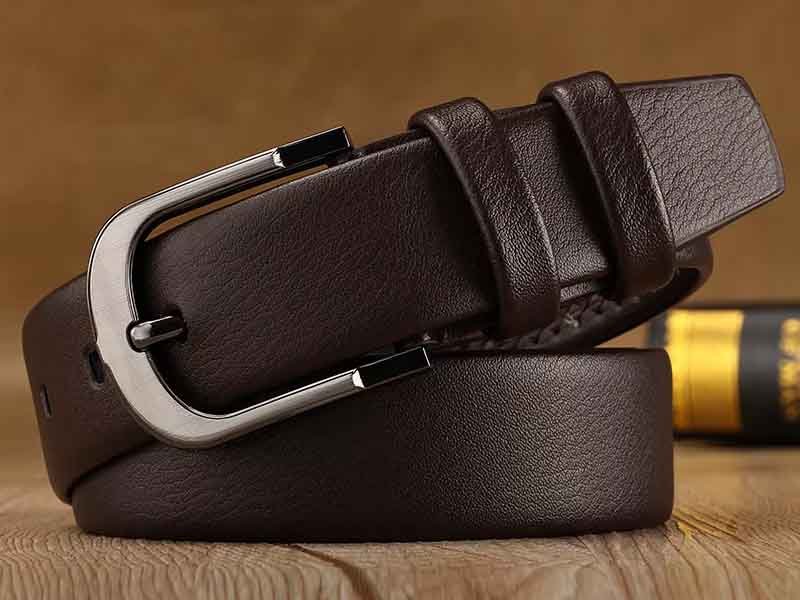
When you buy a leather belt, you probably expect it to last longer than just a few months. After all, leather has been prized for centuries for its durability and timeless appeal. But in today’s marketplace, with belts ranging from $20 fast-fashion options to $300 luxury accessories, it’s fair to ask: how long should a leather belt really last?
A genuine high-quality leather belt should last between 5 and 10 years with regular use, and even longer—up to 15 years—if it is full-grain leather and properly maintained. Cheap bonded or split-leather belts may only last 6–12 months before cracking or peeling. The difference comes down to material type, construction quality, usage frequency, and care. In short: invest in quality, and your belt will serve you for years.
Imagine this: two men buy belts on the same day. One chooses a $25 bonded leather belt; the other invests in a $120 full-grain leather belt. Within a year, the cheaper belt is peeling, cracking, and thrown away. Meanwhile, the full-grain belt develops a rich patina, still looking sharp five years later. This contrast highlights why understanding belt lifespan, leather quality, and care practices is crucial—not only for consumers but also for brands designing private-label leather goods.
What Factors Decide the Lifespan of a Leather Belt?
The lifespan of a leather belt depends on material type, construction quality, usage frequency, and care. Full-grain leather belts with solid stitching and durable buckles can last 5–10 years or more. In contrast, bonded or split leather belts may only last 6–12 months before peeling. Daily wear, moisture, and poor storage also shorten lifespan. Ultimately, buying high-quality leather and maintaining it properly ensures the best return on investment.
The durability of a leather belt is shaped by several key factors, each contributing to how long it remains both functional and stylish. Let’s explore the most critical ones:
Material Quality
- Full-Grain Leather: The strongest and most durable, taken from the outermost layer of hide. Resistant to wear, develops a beautiful patina, and can last over a decade.
- Top-Grain Leather: Slightly sanded and processed, making it smoother but less tough than full-grain. Typically lasts 5–7 years.
- Genuine Leather / Bonded Leather: Often made from leftover scraps glued together. Affordable, but prone to cracking and peeling within 1–2 years.
Choosing the right leather grade is the single most important factor for belt longevity.
Construction and Stitching
Even the best leather fails if poorly assembled. Double stitching with heavy-duty thread, reinforced holes, and solid edges all extend belt life. Belts with weak glue joints or cheap thread unravel quickly under stress.
Buckle Quality
Metal buckles come in various grades. Stainless steel and solid brass last decades without corroding, while plated alloys can chip or bend within months. A high-quality buckle complements leather durability.
Thickness and Cut
A belt cut too thin may stretch or tear, especially when worn daily with jeans. Most long-lasting belts measure 3–4 mm thick. Hand-cut leather strips, as opposed to machine-pressed layers, retain integrity longer.
Frequency of Use
A belt worn daily will naturally wear faster than one rotated with others. Many consumers underestimate this; rotating between 2–3 belts dramatically extends each belt’s lifespan.
Environmental Factors
Humidity, sunlight, and moisture shorten lifespan. Leather left in hot cars or damp closets may crack or mold faster. Proper care—including conditioning every 3–6 months—prevents premature wear.
Example Comparison
| Factor | Low-Quality Belt | High-Quality Belt |
|---|---|---|
| Leather Type | Bonded / Split (1 year) | Full-Grain (10–15 years) |
| Stitching | Single-thread, glued | Double-stitched, reinforced |
| Buckle | Plated alloy | Solid brass / stainless steel |
| Thickness | <2.5 mm | 3–4 mm |
| Daily Wear Lifespan | 6–12 months | 5–10+ years |
Which Types of Leather Belts Last the Longest?
Full-grain leather belts last the longest, often 10–15 years with care, thanks to their dense fibers and natural strength. Top-grain belts typically last 5–7 years, while genuine or bonded leather belts may only last 1–2 years before cracking. Vegetable-tanned belts outlast chrome-tanned ones, especially in durability and patina. Expensive belts generally last longer when they use premium leather and solid construction—but price alone doesn’t guarantee quality; material and craftsmanship matter most.
When people ask which leather belts last the longest, the answer depends heavily on the type of leather and how it is processed. A belt’s lifespan is not simply about brand or price—it’s about the raw material, tanning method, and construction quality.
Full-Grain Leather: The Gold Standard
- Definition: Cut from the outermost part of the hide, full-grain retains the natural grain, fibers, and imperfections that make it strong.
- Durability: Can last 10–15 years or more, often becoming better with age. It resists stretching and cracking.
- Patina: Full-grain develops a rich, unique sheen that enhances its beauty over time.
- Best For: Everyday wear, work belts, and premium formal accessories.
If longevity is your main goal, a full-grain vegetable-tanned leather belt is the clear winner.
Top-Grain Leather: Balanced Choice
- Definition: Slightly sanded or corrected for uniform appearance, smoother than full-grain but less durable.
- Durability: Usually lasts 5–7 years with regular use.
- Appearance: More polished, less rustic; popular in fashion belts.
- Best For: Semi-formal and business attire where appearance matters more than rugged durability.
Genuine and Bonded Leather: Short Lifespan
- Definition: “Genuine leather” is a marketing term covering lower grades, while bonded leather is made from scraps and glue.
- Durability: 6–18 months before cracking or peeling.
- Drawback: Cannot be restored or conditioned effectively.
- Best For: Temporary belts or low-budget buyers, but poor long-term value.
Vegetable-Tanned vs. Chrome-Tanned
- Vegetable-Tanned: Uses plant-based tannins, environmentally friendlier, ages beautifully, lasts decades. More expensive and stiff initially, but softens with wear.
- Chrome-Tanned: Chemically processed, cheaper, softer at first, but may degrade faster (3–7 years typical lifespan).
Many heritage brands highlight “vegetable-tanned full-grain” because it’s the benchmark of durability.
Do Expensive Belts Last Longer?
- Yes, Generally: A $120 full-grain, hand-stitched belt will usually outlast a $30 bonded leather belt by 10x or more.
- But Not Always: Some designer brands charge for the name, not the leather. A $300 belt made from top-grain chrome-tanned leather may not last longer than a $100 full-grain vegetable-tanned belt.
- The Rule: Price correlates with quality only when it reflects premium materials and craftsmanship. Always check leather type and construction before assuming longevity.
Application by Use Case
| Use Case | Best Leather Type | Expected Lifespan | Notes |
|---|---|---|---|
| Workwear / Jeans | Full-grain vegetable-tanned | 10–15 years | Thick, rugged belts handle stress and bending. |
| Formal Attire | Top-grain (smooth, polished finish) | 5–7 years | Matches suits, but wears faster with daily use. |
| Budget / Fast-Fashion | Bonded or split leather | 6–18 months | Affordable, but low durability. |
| Luxury / Designer | Full-grain or exotic leathers | 8–12 years | Check materials—avoid overpriced “genuine.” |
How Many Years Does a Quality Leather Belt Typically Last?
A high-quality leather belt typically lasts 5–10 years with daily use, and up to 15 years if it is full-grain and well cared for. Cheap bonded leather belts may last less than a year, while premium handmade belts often outlast mass-produced versions. The exact lifespan depends on material, craftsmanship, frequency of wear, and care practices. In short, investing in quality leather and proper maintenance ensures the best longevity.
What Is the Lifespan of a Leather Belt?
The lifespan of a leather belt varies greatly depending on its grade and usage:
- Bonded or Split Leather Belts: 6–12 months before peeling or cracking.
- Genuine Leather Belts: 1–3 years under regular wear.
- Top-Grain Belts: 5–7 years with moderate use.
- Full-Grain Belts: 10–15 years (sometimes longer), especially if vegetable-tanned and maintained.
In practical terms, a consumer who rotates multiple full-grain belts can expect them to last well over a decade, while a daily-use bonded leather belt might fail within a season.
Everyday vs Occasional Use
- Daily Wear: Belts used 5–7 days per week undergo continuous flexing, buckle stress, and exposure to sweat and friction. Expect 5–7 years for high-quality belts.
- Occasional Wear: Belts reserved for formal attire or events may last much longer, since they face less strain. Some last virtually a lifetime when worn only a few times per month.
- Rotating Belts: Using 2–3 belts in rotation reduces stress, extending each one’s life significantly.
Do Premium Handmade Belts Last Longer than Factory-Made Ones?
- Handmade Belts: Often cut from single strips of full-grain leather, with hand-burnished edges and solid brass buckles. They avoid shortcuts like glued layers or weak stitching. Handmade belts frequently last 10–20 years.
- Factory-Made Belts: Quality varies. Premium factory belts can still be durable if made from good materials, but mass-market belts often use cheaper leather and automated stitching that fail faster.
- Conclusion: Handmade doesn’t automatically mean better, but when combined with full-grain leather + skilled craftsmanship, it usually ensures superior longevity.
Warranty as a Lifespan Indicator
Reputable brands often give 1–5 year warranties on their belts, while budget brands rarely offer any. Some artisan makers even provide lifetime guarantees, signaling confidence in their materials.
Comparison Table: Lifespan by Belt Type
| Belt Type | Typical Lifespan | Notes |
|---|---|---|
| Bonded / Split Leather | 6–12 months | Low cost, quick failure, poor investment |
| Genuine Leather | 1–3 years | Entry-level quality, better than bonded |
| Top-Grain Leather | 5–7 years | Good balance of price and durability |
| Full-Grain Leather | 10–15 years+ | Best choice, ages beautifully |
| Handmade Artisan Belts | 15–20 years+ | Superior craftsmanship, heirloom quality |
Do Care and Maintenance Extend Belt Lifespan?
Yes—proper care can significantly extend a leather belt’s lifespan. Regular cleaning, conditioning every 3–6 months, and storing belts away from direct sunlight or humidity prevent cracking and warping. Rotating multiple belts instead of wearing one daily reduces stress on the leather. With consistent maintenance, a full-grain leather belt that might last 7 years can often last 12–15 years or more, making care an essential part of maximizing value.
A leather belt is much like fine shoes or a leather wallet: without care, even the best materials wear out faster than expected. With regular maintenance, however, a belt becomes a long-term companion, improving with age rather than deteriorating. Here’s how specific practices affect longevity.
1. Cleaning Practices
- Light Cleaning: Wipe with a soft dry or slightly damp cloth after use, especially if exposed to sweat or dust.
- Avoid Harsh Products: Soap, detergents, or alcohol-based cleaners strip natural oils and cause drying.
- Specialized Leather Cleaners: For deeper cleaning, use pH-balanced leather cleaners sparingly.
2. Conditioning and Moisturizing
Leather dries over time, leading to cracks. Conditioning replenishes natural oils.
- Frequency: Every 3–6 months for belts worn daily; annually for occasional belts.
- Products: Use natural conditioners (beeswax, mink oil, or lanolin-based creams).
- Application: Apply a thin coat, let it absorb, and buff with a cloth.
A well-conditioned belt stays supple and resists surface cracking.
3. Storage Methods
- Avoid Sunlight & Heat: Direct sun or heaters cause fading and drying.
- Prevent Humidity Damage: Damp closets encourage mold growth.
- Storage Style: Hang belts vertically on a belt rack or roll them loosely in a drawer. Avoid folding, which creates permanent creases.
4. Rotation and Usage Habits
- Daily Rotation: Use 2–3 belts in rotation instead of one belt every day. This allows each belt to rest and recover its shape.
- Occasional Belts: Keep a separate set for formal wear to reduce wear on work belts.
- Proper Fastening: Always use the correct belt hole. Forcing tight holes stretches and damages leather.
5. Example of Impact
- Without Care: A full-grain leather belt may last 5–7 years, cracking from dryness and daily stress.
- With Care: The same belt, cleaned monthly and conditioned biannually, may last 12–15 years—doubling its usable life.
Leather Belt Care Frequency Guide
| Care Task | Daily Use Belt | Occasional Belt | Formal-Only Belt |
|---|---|---|---|
| Wipe Clean | Weekly | Monthly | As Needed |
| Condition / Moisturize | Every 3–6 months | Every 6–12 months | Once a year |
| Storage Check | Monthly (humidity) | Bi-monthly | Bi-annual |
| Rotation Practice | Rotate 2–3 belts | Rotate seasonally | Rotate as occasion |
Are Leather Belts Worth the Price Compared to Alternatives?
Leather belts are generally worth the price compared to PU or fabric belts because they last years longer, age beautifully, and provide better value per wear. A good leather belt usually costs $50–150 depending on leather type and craftsmanship. Luxury belts can retain resale value if made from full-grain or exotic leathers, but paying for a logo alone doesn’t guarantee durability. Ultimately, leather belts are a smart long-term investment when material and construction quality justify the cost.
1. Comparing Leather vs. PU or Fabric Belts
- PU (Polyurethane) Belts: Affordable, lightweight, and fashionable, but they peel and crack in less than a year. Often marketed as “vegan leather.”
- Fabric Belts: Useful for casual wear or outdoor activities. They last 1–3 years, but lack the formality or structure of leather.
- Leather Belts: Stronger fibers, better stitching compatibility, and natural flexibility allow belts to last 5–15 years. They also develop a patina, improving with age instead of degrading.
Over 10 years, a leather belt costs less per wear than replacing synthetic belts annually.
2. How Much Should a Good Leather Belt Cost?
- Entry-Level ($30–50): Usually top-grain or corrected grain leather. Decent but limited lifespan (3–5 years).
- Mid-Range ($60–120): Full-grain, vegetable-tanned leather with solid buckles. Best balance of cost and durability (7–12 years).
- Premium ($150–300): Handmade, often with exotic leathers or heritage craftsmanship. Lifespan 10–20 years.
- Designer/Luxury ($300+): May include full-grain or exotic skins (alligator, ostrich). Some are excellent, but others are overpriced if using mid-tier leather.
A good belt for everyday use usually costs $60–150, delivering the best combination of quality and longevity.
Do Luxury Belts Hold Resale Value Better?
- Yes, if based on leather quality and craftsmanship. A Hermes or Gucci belt made from full-grain or exotic leathers may retain 50–70% of its retail value on the resale market.
- No, if the price is driven only by branding. A $400 belt made from top-grain or “genuine” leather often performs no better than a $100 artisan belt, and resells poorly.
- Smart Buyers: Look for heritage leather brands that combine reputation with true material quality.
Price vs Value Comparison Table
| Belt Type | Cost Range | Lifespan | Cost-Per-Year | Resale Value |
|---|---|---|---|---|
| PU / Synthetic | $20–40 | 6–12 months | $20–40 | None |
| Fabric / Casual | $25–50 | 1–3 years | $10–25 | None |
| Top-Grain Leather | $30–70 | 3–5 years | $10–20 | Low |
| Full-Grain Leather | $60–150 | 7–12 years | $7–15 | Medium |
| Luxury/Designer | $200–500+ | 10–20 years | $10–25 | Medium–High |
How Do OEM/ODM Leather Belt Manufacturers Support Quality?
OEM/ODM leather belt manufacturers ensure quality through material sourcing, strict testing, and customization for brand clients. Good brands rely on full-grain leather, solid buckles, and precise stitching. A “good leather belt brand” is one that combines premium materials with consistent manufacturing standards. Partnering with experienced OEM/ODM factories like Szoneier helps private labels compete with heritage names by offering custom designs, low MOQs, and international compliance while maintaining durability and style.
The Role of OEM/ODM in the Leather Belt Market
Most leather belts sold under well-known brand names are not manufactured in-house. Instead, they come from OEM (Original Equipment Manufacturer) or ODM (Original Design Manufacturer) factories. These factories manage everything from material sourcing to quality control, allowing brands to focus on marketing and retail. For clients, choosing the right OEM/ODM partner determines whether their belts perform like premium heritage pieces or short-lived fast-fashion items.
What Makes a Good Leather Belt Brand?
A “good brand” is not just about reputation—it’s about what happens behind the scenes:
- Material Integrity: Full-grain or top-grain leathers, vegetable tanning, and eco-friendly options.
- Hardware Quality: Solid brass or stainless steel buckles instead of cheap plated alloys.
- Construction Precision: Double-stitching, hand-burnished edges, reinforced holes.
- Testing & Compliance: Resistance to bending, pull tests for buckles, and REACH/ROHS chemical compliance for global markets.
How OEM/ODM Manufacturers Guarantee Durability
- Raw Material Sourcing: Direct partnerships with tanneries to secure consistent hides.
- Quality Testing: Tensile strength, buckle pull resistance, abrasion resistance, and flex tests.
- Standardization: ISO-certified production lines ensure consistency across thousands of belts.
- Customization Options: OEM/ODM partners let brands choose belt thickness, buckle types, leather finishes, and packaging.
- Sustainability Focus: Many manufacturers now provide recycled leathers, plant-based tanning, and reduced-chemical processes.
The OEM/ODM Advantage for Brands
- Low MOQs: Factories like Szoneier offer minimums as low as 200–300 pieces, ideal for testing markets.
- Fast Sampling: 7–10 day prototype development allows brands to launch quickly.
- Private Label Options: Belts can be embossed, stamped, or laser-engraved with custom logos.
- Market Versatility: From rugged work belts to luxury formal belts, OEM/ODM flexibility ensures that brands can address multiple customer segments.
Heritage Brands vs OEM-Supported Labels
| Factor | Heritage Brand (Hermes, Allen Edmonds) | OEM/ODM-Supported Private Label |
|---|---|---|
| Material Quality | Full-grain, exotic leathers | Full-grain, top-grain, or custom mixes |
| Hardware | Hand-cast buckles, solid brass | Brass, stainless steel, or custom specs |
| Price Range | $300–$800+ | $60–$200 |
| Durability | 10–20 years | 7–15 years (with proper design) |
| Scalability | Limited by artisanal production | Flexible, scalable to global demand |
Conclusion
A leather belt isn’t just a fashion accessory—it’s a daily-use investment. Depending on the type of leather, craftsmanship, and how you care for it, a belt can either fail within a year or last well over a decade. Full-grain vegetable-tanned belts remain the gold standard, capable of serving for 10–15 years, while bonded or cheap split leather rarely survives beyond a season.
For consumers, the lesson is clear: invest in quality and care, and you save money in the long run. For retailers and private-label brands, offering durable belts builds loyalty, reduces returns, and elevates market positioning.
At Szoneier Leather, with over 18 years of experience, we specialize in OEM/ODM leather belts—from rugged everyday wear to luxury full-grain and exotic designs. With low MOQs, free samples, rapid prototyping, and strict QC, we help brands worldwide bring durable, stylish belts to market quickly and confidently.
Ready to design or source high-quality leather belts? Contact Szoneier today for a free consultation and quote.
FAQ: Leather Belt Durability & Quality
1: What is the average lifespan of a leather belt? A quality leather belt lasts 5–10 years with regular use, and up to 15 years if full-grain and properly maintained.
2: Do expensive belts always last longer? Not always. Belts are only worth the price if they use premium full-grain leather and solid hardware. Some luxury belts charge for branding, not durability.
3: How much should a good leather belt cost? Most high-quality belts cost $60–150. Handmade artisan belts may go up to $200–300, while luxury designer belts can exceed $500.
4: What’s the difference between full-grain, top-grain, and genuine leather belts?
- Full-grain: strongest, most durable, ages well.
- Top-grain: smooth, durable, but slightly less tough.
- Genuine/bonded: cheapest, weakest, usually lasts <2 years.
5: How can I tell if a leather belt is high quality? Check for:
- Solid, heavy feel (3–4 mm thick).
- Natural leather smell, not chemical.
- Stitched, not glued edges.
- Solid brass or stainless-steel buckles.
6: How should I care for a leather belt? Wipe regularly, condition every 3–6 months, store away from sunlight, and rotate multiple belts to avoid overuse.
7: Are luxury belts worth the price? Yes, if they use full-grain or exotic leather. However, if branding drives the cost, a mid-range artisan belt may offer better durability for the price.
8: Do handmade belts last longer than factory-made ones? Often yes—handmade belts use single strips of leather, reinforced stitching, and premium buckles, often lasting 15–20 years.
9: Can a leather belt be repaired if it cracks? Minor scratches can be conditioned and buffed, but once leather cracks deeply, it cannot be fully repaired—prevention through care is key.
10: Can I order custom OEM/ODM leather belts with my brand logo? Yes. Szoneier offers OEM/ODM services, letting you customize leather type, buckle design, stitching, embossing, and packaging for private-label branding.
What Can I Do For You?
Here, developing your OEM/ODM private label leather goods collection is no longer a challenge,it’s an excellent opportunity to bring your creative vision to life.
Make A Sample First?
If you have your own tech packs, logo design artwork, or just an idea,please provide details about your project requirements, including preferred fabric, color, and customization options,we’re excited to assist you in bringing your leather goods designs to life through our sample production process.