
What ls a Hobo Purse: Complete Style & Design Guide
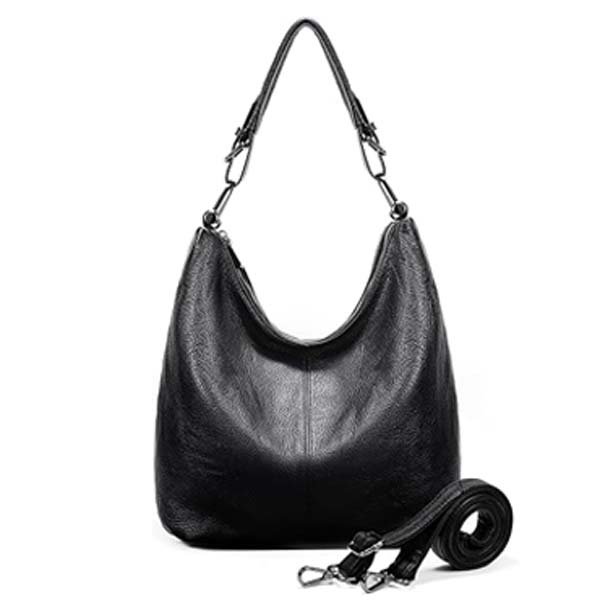
Trends in handbags come and go, but very few silhouettes have the staying power and universal appeal of the hobo purse. Loved for its soft curves, relaxed structure, comfortable shoulder drop, and effortless styling, the hobo bag has moved from 1970s counterculture to luxury runways, celebrity outfits, and modern minimalist wardrobes. Fashion historians often describe it as the perfect blend of “practicality and bohemian ease,” while designers admire how the slouchy form adapts to different materials and lifestyles—making it a timeless favorite for everyday carry.
A hobo purse is a soft, slouchy shoulder bag shaped like a crescent or half-moon. It usually features a single long strap, an unstructured body, and a relaxed silhouette that molds to the wearer. The name comes from the bindles tied to sticks carried by American hobos in the early 1900s. Today, hobo bags are popular for their comfort, versatility, and effortless style.
While styles like crossbody bags or totes are defined by functionality, the hobo purse is defined by attitude—laid-back, approachable, and chic without trying too hard. Some fashion lovers recall purchasing their first hobo purse because of how it “fell perfectly into place” the moment they tried it on. Others praise how it instantly softens an outfit, making even business attire feel more human and warm.
If you’ve ever wondered what makes a hobo purse unique, why the design became iconic, how it’s made, or whether it’s still trending today, this guide breaks it all down—piece by piece.
What Is a Hobo Purse Exactly?
A hobo purse is a soft, crescent-shaped shoulder bag designed with a single long strap, a slouchy body, and a curved top opening. It molds to the wearer’s body and collapses gently when set down. The name “hobo bag” comes from early 20th-century bindle sacks carried by American travelers, which naturally hung in a similar curved shape. Today, it remains popular for its comfort, flexibility, and casual-chic appeal.
A hobo purse is more than a simple shoulder bag—it is a deliberate piece of soft-structure handbag engineering, built around flexibility, movement, and ergonomic carry. The defining characteristics come from a crescent silhouette, an arched top line, and a supple body that drapes naturally. Designers intentionally avoid rigid pattern construction because the slouch is the hallmark of the hobo bag.
From a manufacturing standpoint, hobo bags rely on large, curved patterns and minimal interfacing, allowing the surface to fall naturally when empty. This construction technique gives the bag its signature “melting” effect—something no structured handbag can replicate. The sides curve inward, the base relaxes outward, and the bag conforms to the wearer’s hip or torso.
Fashion historians classify the hobo purse as a soft-body shoulder bag, falling within the same category as buckets and unstructured totes, but with a more pronounced crescent arc. Their popularity grew in the 1970s alongside bohemian style, resurfaced in the minimalist 1990s, and surged again during the 2000s. Today, the silhouette remains relevant across luxury leather goods, fast fashion, and handmade artisan markets.
The hobo purse also offers versatility unmatched by many other silhouettes. Because it’s designed to expand, collapse, and adapt based on contents, it easily shifts between work, travel, and casual use. Modern consumers value hobo purses for their comfort, understated elegance, and flexible capacity, making them an evergreen choice in bag design.
What Defines a Hobo Purse Shape and What Makes a Purse a Hobo Bag?
A purse qualifies as a “hobo bag” only when it meets several structural characteristics:
1. Crescent or Half-Moon Silhouette
The bag’s top edge curves downward while the bottom edge curves upward, forming the classic crescent profile. This curvature is the primary identifier—if the top edge is straight and rigid, it’s not a hobo silhouette.
2. Soft-Body Construction
Hobo bags rely on soft leather (Nappa, pebbled, lambskin) or pliable textiles to create the natural slouch. The lack of reinforcement is intentional; designers avoid stiffeners, cardboard backing, or heavy interfacing.
3. Single Shoulder Strap
Most hobos feature one medium-to-long strap (8–14 inches drop). The strap’s length determines how the bag drapes, influencing the slouch depth and comfort.
4. Collapsible Structure
When emptied, the bag collapses inward. When filled, it expands and molds to the wearer. This adaptability is a defining engineering trait—no structured bag does this.
5. Curved Pattern Panels
Pattern makers cut the body panels using curved arcs instead of straight lines. This allows the bag to fall gracefully and consistently, even as it softens with use.
If a purse maintains a boxy or upright silhouette, or cannot collapse, it cannot be classified as a true hobo bag.
Why Are They Called Hobo Bags?
The term “hobo bag” originates from early 1900s American travelers, often called “hobos,” who carried belongings in simple cloth bindles tied to sticks. These makeshift bags naturally formed:
- a rounded curve as the fabric sagged
- a central hanging point
- a soft, slouching shape driven by gravity
When fashion designers in later decades recreated this slouchy aesthetic in leather and textiles, the resemblance was unmistakable. The name stuck—not as a negative label, but as a symbolic nod to:
- mobility
- minimalism
- freedom
- practical, approachable design
In modern fashion, the term “hobo bag” refers exclusively to the silhouette, not the cultural stereotype. Luxury brands and couture houses now use the name freely, often associating it with bohemian elegance and understated luxury.
How Does a Hobo Purse Differ From Other Shoulder Bags?
A hobo purse differs from standard shoulder bags in the following critical dimensions:
1. Structure
- Hobo bag: Soft, collapsible, fluid, flexible
- Shoulder bag: Semi-structured or rigid, maintains form
2. Body Behavior
- Hobo bag: Conforms to the wearer’s body
- Shoulder bag: Sits externally and maintains its own geometry
3. Use Case
- Hobo bag: Everyday wear, travel, casual settings
- Shoulder bag: Work, formal, or fashion-forward styling
4. Comfort Level
Because hobos shift weight across the body and soften against the hip, they are often perceived as more comfortable during long wear.
5. Aesthetic Identity
Hobos communicate relaxed confidence, softness, and boho appeal, whereas shoulder bags may convey structure, precision, or formality.
What Is the Difference Between a Hobo Bag and a Tote Bag?
The tote bag and hobo bag serve different purposes and are engineered differently:
Design Structure
- Tote: Vertical, rectangular, two straps, rigid or semi-rigid body
- Hobo: Curved, slouchy, single strap, soft construction
Capacity Behavior
- Tote: Maintains full capacity regardless of contents
- Hobo: Expands when filled, collapses and slouches when empty
Material Requirements
- Tote: Often uses stiffer leather, canvas, or reinforced panels
- Hobo: Requires soft leather or textiles for drape
Style Signal
- Tote: Professional, straightforward, utilitarian
- Hobo: Relaxed, chic, casual elegance
Comfort
Hobos are generally more comfortable for long wear due to their ergonomics, while totes can feel rigid and boxy.
Which Materials Are Best for Hobo Purses?
The best materials for hobo purses are soft, flexible leathers—such as full-grain, top-grain, and pebbled leather—because they create the signature slouchy silhouette. Vegan leather, suede, canvas, and woven fabrics are also popular depending on the desired weight, texture, price, and durability. The ideal material should be soft enough to drape naturally, yet strong enough to handle daily wear.
Below is a complete guide of the most common materials for hobo bags and when each is the best choice.
1. Full-Grain Leather — The Highest Quality for Luxury Hobo Bags
Full-grain leather is the strongest and longest-lasting leather because it retains the full natural grain layer. For hobo bags, full-grain leather offers:
Key advantages
- Softens beautifully with use
- Develops natural patina over time
- Extremely durable and tear-resistant
- Naturally flexible, ideal for slouchy silhouettes
Why it works for hobo bags
Although it begins slightly stiffer than Nappa or lambskin, full-grain leather softens slowly, giving the hobo a structured slouch—a look preferred by luxury brands. This material is ideal for buyers who want long-term durability and premium tactile feel.
User profile
Perfect for luxury brands, high-end buyers, and long-term users who value natural aging.
2. Top-Grain Leather — The Most Balanced Option for Premium Bags
Top-grain leather is slightly corrected on the surface, making it smoother, lighter, and more consistent for mass production.
Advantages
- Softer and more flexible than full-grain
- Lighter in weight
- More scratch-resistant (when finished)
- Ideal for clean, modern aesthetics
Why it’s popular for hobos
Top-grain leather provides the right combination of soft slouch and shape retention, making it perfect for both classic soft hobo bags and more structured contemporary variations.
User profile
Great for brands targeting mid-to-high-end markets that need consistent quality.
3. Pebbled Leather — Best for Soft Texture and Scratch Resistance
Pebbled leather is top-grain or corrected-grain leather embossed with a textured surface.
Advantages
- Naturally soft and flexible
- Highly scratch-resistant
- More forgiving to daily wear
- Adds visual depth and tactile appeal
Why it works for hobos
The natural softness of pebbled leather makes the slouch deeper and more organic. It also hides minor wear, making it a favorite for everyday hobo bags.
User profile
Perfect for daily-use bags, lifestyle brands, and customers prioritizing practicality.
4. Nappa Leather — Softest, Smoothest, and Most “Luxurious to Touch”
Nappa leather (usually sheep or calf) is known for its buttery softness.
Advantages
- Very soft and supple
- Lightweight compared to cowhide
- Drapes heavily for deep slouch
- Premium luxury feel
Challenges
- More delicate
- Requires careful maintenance
Why users love it
Nappa creates the most dramatic slouch—ideal for ultra-soft hobos with a premium feel.
5. Suede — Ideal for Bohemian and Vintage-Style Hobo Bags
Suede has a matte, velvety surface and flexible structure.
Advantages
- Beautiful drape
- Soft, boho-inspired style
- Lightweight
Challenges
- Stains easily
- Sensitive to moisture
- Requires protective spray
Why designers use it
Perfect for bohemian, casual, earthy, or vintage-inspired hobo silhouettes.
6. Vegan Leather (PU Leather) — A Popular Affordable, Lightweight Option
Advantages
- Lower cost
- Smooth and consistent appearance
- Available in many colors and finishes
- Animal-friendly
Challenges
- Shorter lifespan than real leather
- Can crack or peel over time
- Heat-sensitive
Why buyers choose it
Ideal for fashion brands needing trend-forward, budget-friendly hobo bags with good aesthetics.
7. Canvas — Lightweight and Perfect for Casual or Summer Hobo Bags
Advantages
- Very lightweight
- Breathable
- Durable when reinforced
- Easy to dye and print
Challenges
- Lacks natural drape compared to soft leather
- Can look too casual for luxury markets
Why it’s used
Great for lifestyle, beach, travel, and seasonal hobo bags.
8. Woven Fabrics — Fashion-forward, Trendy, and Versatile
Advantages
- Offers texture and artistic appeal
- Lightweight and comfortable
- Works well for casual fashion brands
Challenges
- Requires stronger lining for structure
- Less durable than leather
Use cases
Ideal for summer collections, limited editions, and fashion-forward consumers.
Comparison Table: Best Materials for Hobo Bags
| Material | Softness | Durability | Weight | Price Level | Ideal For |
|---|---|---|---|---|---|
| Full-Grain Leather | Medium | ⭐⭐⭐⭐⭐ | Medium | High | Luxury hobos |
| Top-Grain Leather | Medium-High | ⭐⭐⭐⭐ | Medium | Mid–High | Premium everyday hobos |
| Pebbled Leather | High | ⭐⭐⭐⭐ | Medium | Mid | Daily-use hobos |
| Nappa Leather | Very High | ⭐⭐⭐ | Light | High | Ultra-soft luxury hobos |
| Suede | High | ⭐⭐ | Light | Mid | Boho/vintage hobos |
| Vegan Leather | Medium | ⭐⭐ | Light | Low | Budget-friendly hobos |
| Canvas | Low-Medium | ⭐⭐⭐ | Very Light | Low–Mid | Casual/travel hobos |
| Woven Fabric | Medium | ⭐⭐ | Light | Mid | Summer or artistic designs |
How Is a Hobo Purse Designed and Constructed?
A hobo purse is constructed using soft leather or flexible textiles, curved pattern panels, and minimal reinforcement to create its signature slouch. Designers engineer the crescent shape by cutting arched top lines, shaping the side gussets, choosing appropriate linings, and building a single shoulder strap that determines how the bag drapes. The balance between softness, structure, and weight defines the final silhouette.
1. Pattern Engineering: Why Hobo Bags Require Curved Panels
The hobo purse starts with curved pattern pieces—this is the core of the silhouette. Unlike tote bags (rectangular panels) or satchels (structured panels), a hobo purse uses:
- Curved arc-shaped top opening
- Rounded bottom panel (or oval base)
- Soft side gussets that collapse inward
- Large front/back panels with sweeping curves
This curvature allows the bag to “fall” and drape. The more pronounced the curves, the deeper the slouch. Pattern makers often fine-tune millimeter-level changes in arc depth to control how the bag hangs on the shoulder.
A hobo bag is essentially an architectural shape built to collapse elegantly.
2. Material Selection Determines Slouch, Weight, and Durability
Designers choose materials not just for aesthetics but for behavior under load.
Soft materials (Nappa, lambskin, pebbled leather)
- Create deep, natural slouch
- Mold beautifully against the body
- Require reinforcement only at stress points
Medium-structure materials (top-grain leather, suede, thick canvas)
- Maintain partial structure
- Perfect for classy, semi-structured hobos
- Balance elegance and practicality
Firm materials with light interfacing
- Used when brands want minimal slouch
- Adds shape without losing softness
- Common in luxury “architectural hobo bags”
The entire silhouette is controlled by material softness + pattern curvature.
3. Lining and Interfacing: How Designers Control the Bag’s Behavior
A hobo purse’s interior determines how much it slouches:
Unlined or suede-backed leather
- Very soft drape
- Lightweight
- Popular for high-end boho-style hobos
Fabric lining + light interfacing
- Adds slight structure
- Keeps interior clean and organized
- Common for everyday lifestyle hobos
Reinforced lining with interfacing in stress zones
- Prevents stretching
- Supports pockets and zippers
- Ensures longevity for heavy daily use
Designers avoid full stiff liners because they would destroy the slouchy silhouette.
4. Strap Design: The Engine of Comfort and Slouch
The strap is the most critical part of a hobo purse because it:
- Controls the weight distribution
- Determines how the bag drapes
- Affects long-wear comfort
- Sets the silhouette’s hang length
Key elements of strap engineering:
- Width: Wide = comfort; narrow = elegance
- Length: Long drop = more slouch; short drop = uplifted look
- Attachment: Rings, swivels, or fixed tabs influence how the bag moves
- Reinforcement: Prevents stretching or deforming over time
A poorly engineered strap can cause shoulder fatigue, excessive stretching, or uneven slouch.
5. Gussets, Bottom Panels & Side Construction
These hidden structural elements define how the hobo bag expands.
Bottom Panels
- Oval or round bases create fuller capacity
- Flat rectangular bases create more structure
- No base (one-piece) designs create maximum slouch
Gussets
- Soft gussets fold inward when the bag hangs
- Structured gussets hold shape for a more modern, sculpted look
- Accordion gussets increase interior organization
The interplay between bottom base + gussets controls capacity and silhouette.
6. Hardware: Small Components with Big Impact
Hardware influences both weight and aesthetic.
Lightweight hardware
- Encourages slouch
- Suitable for casual or summer hobos
Heavy hardware (metal rings, chain straps, thick zippers)
- Adds luxury presence
- Adds weight, reducing slouch
- Helps define more structured silhouettes
Zippers vs magnetic closures:
- Zippers: Secure but slightly stiffen the opening
- Magnetic snaps: Soft, easy access, preserves slouch
Brands must balance functionality with the desired visual softness.
7. Interior Layout: Organization vs Weight Control
Hobo bags typically avoid overly complex interior structures to maintain softness.
Simple interior (1 pocket)
- Maximizes drape
- Lightweight
- Popular in boho and minimalist designs
Medium interior (2–3 pockets)
- Ideal for everyday users
- Balances organization and slouch
Fully structured interior
- Adds weight
- Used for luxury hobos with premium lining (e.g., microfiber suede)
Interior features must be balanced to avoid eliminating the signature collapse.
What Is the Classic Soft, Slouchy Hobo Silhouette?
The classic soft hobo silhouette is defined by a natural “draping curve” created when the bag hangs from the shoulder. This is achieved through:
- Unstructured leather panels
- Minimal internal reinforcement
- A deep, curved top opening
- Gravity-driven collapse
The softer the leather, the deeper the slouch. Nappa, lambskin, and pebbled leathers are favored for dramatic drape, while suede creates a velvety, relaxed fall. The silhouette is intentionally fluid so that it changes shape depending on contents and body movement.
How Do Straps, Hardware, and Closures Influence Function
The strap determines comfort + ergonomics + silhouette behavior. A long strap (10–14 inches) allows the bag to fall lower, producing a deep slouch. A shorter strap keeps the bag closer to the underarm, giving a more structured appearance.
Hardware also changes the bag’s center of gravity:
- D-rings allow flexibility and better drape
- Swivel hooks prevent twisting
- Chain straps add luxurious weight but reduce softness
- Metal zippers stiffen the top line
Closures define usability: a magnetic snap preserves softness while a zipper adds security but tightens the curve of the opening.
What Interior Layouts and Pockets Work Best?
Because the hobo silhouette is soft, interior design must be carefully balanced:
- Lightweight cotton lining keeps the bag soft
- Zippered pockets add security without adding bulk
- Slip pockets maintain easy access
- Center dividers are rare because they disrupt collapse
The best layout depends on the bag’s purpose:
- Daily-use hobos: 1–2 pockets
- Travel hobos: multiple secure pockets
- Luxury hobos: soft suede lining with minimal structure
Why Is the Hobo Style Often Seen as More Comfortable?
Hobo bags are comfortable because they conform to the wearer’s body. The flexible construction distributes weight evenly and prevents the pressure points associated with rigid bags. The single strap reduces shoulder strain, and the natural slouch allows the bag to move with the user rather than against them. This makes hobos ideal for long wear, commuting, and travel.
What Styles of Hobo Purses Are Most Popular?
The most popular hobo purse styles include classic soft leather hobos, semi-structured hobos for work, minimalist mini hobo bags inspired by Y2K trends, oversized boho-style hobos, and luxury designer hobos with premium materials and sculpted shapes. Each style differs in slouch level, silhouette, strap design, interior layout, and intended use—making hobo bags adaptable for casual wear, professional settings, travel, and high-fashion wardrobes.
1. Classic Soft Leather Hobo Bags
This is the purest form of the hobo silhouette. Classic hobos are defined by:
- deep, natural slouch
- soft leather (Nappa, lambskin, pebbled leather)
- a roomy, unstructured body
- medium-length shoulder strap
- gently curved zipper or magnet top
These bags have no rigid shape—they change according to contents, making them ideal for everyday life. They appeal to consumers who value comfort, mobility, and laid-back styling while still wanting a polished look.
2. Structured Hobo Bags
Structured hobos maintain the crescent silhouette but introduce:
- reinforced bottom panels
- firmer leather (top-grain, semi-aniline)
- light interfacing in the body
- precise stitching lines
- smaller, neater drape
They look elegant and sophisticated, making them suitable for office wear, business travel, and smart-casual outfits. These have become increasingly popular among women who want comfort but dislike the “too casual” look of soft hobos.
3. Mini Hobo Bags
Mini hobo bags surged in popularity due to the return of:
- Y2K fashion
- 2000s celebrity style (Paris Hilton, early pop icons)
- minimalist “phone + keys + lipstick” culture
They usually feature shorter straps, a flattened crescent shape, and compact interiors. Mini hobos are best for:
- night outs
- weekend city outfits
- younger buyers wanting fashionable silhouettes
Search volume for “mini hobo bag” and “small hobo purse” has grown significantly in the last three years.
4. Oversized Boho-Style Hobo Bags
Oversized hobos embody the original bohemian spirit of the silhouette. They feature:
- generous capacity
- deep slouch
- soft leathers, suedes, or fabrics
- long straps
- sometimes fringe or braided detailing
These bags are ideal for:
- travelers
- busy moms
- students
- professionals who carry many items
- shoppers who want a casual statement accessory
This style also appeals to buyers who prefer a strong fashion presence without being overly formal.
5. Designer Luxury Hobo Bags
Luxury hobos from brands like Gucci, Bottega Veneta, and Loewe typically use:
- full-grain calfskin or lambskin
- shaped gussets and reinforced curves
- handcrafted stitches
- premium hardware
- sculpted top arcs
Luxury hobos balance structure and softness, creating a refined yet effortless aesthetic. These versions often feature signature details such as:
- woven leather (e.g., Bottega’s Intrecciato)
- embossed logos
- iconic silhouettes
They appeal to premium buyers and collectors.
6. Convertible Crossbody Hobo Bags
These hobos include adjustable or removable straps, allowing the bag to convert between:
- shoulder carry
- crossbody carry
- short-handle handbag
This versatility appeals to modern consumers who want a bag that performs different roles during work, errands, and travel.
7. Fabric or Summer Hobo Bags
These are typically made with:
- canvas
- woven fabric
- straw or raffia
- nylon or soft microfiber
They are seasonal favorites for:
- summer vacations
- beachwear
- casual suburban and weekend outfits
These styles provide the softness of hobos but in a breathable, lightweight format.
How Do You Choose the Right Hobo Purse?
Choosing the right hobo purse requires more than picking a color or a trendy shape. Because hobos vary widely in size, structure, material softness, and strap design, each model behaves differently in daily use. A good hobo purse should match your lifestyle, your wardrobe, your carrying habits, and your comfort needs. Below is a detailed breakdown of how to evaluate each factor like a designer or industry expert.
1. Determine the Right Size Based on Daily Carry
The size of the hobo purse determines its practicality.
- Mini Hobo (8–11 inches) Carries essentials only. Perfect for minimalist users or going-out bags.
- Medium Hobo (12–16 inches) Ideal for daily wear—wallet, phone, cosmetics, small tech.
- Oversized Hobo (17+ inches) Best for commuters, moms, travelers, or anyone carrying notebooks, water bottles, or tablets.
A hobo bag that’s too small results in clutter. One that’s too large leads to shoulder fatigue.
2. Evaluate Strap Length, Width & Comfort Design
The strap is the most important factor in comfort.
Strap length (shoulder drop):
- Short drop (7–9 inches): More structured look, closer to armpit.
- Medium drop (10–12 inches): Most comfortable, most versatile.
- Long drop (13+ inches): More slouch and a relaxed feel.
Strap width:
- Wide straps: Distribute weight; ideal for heavy daily carry.
- Narrow straps: Chic, elegant, best for light or mini hobos.
Strap attachment method:
- D-rings add mobility
- Swivels prevent twisting
- Fixed straps feel more structured
If you plan to wear the bag for hours each day, prioritize comfort over aesthetics.
3. Choose the Material Based on Slouch, Appearance & Longevity
Material determines how the bag looks on day one and after 200 days of use.
Leather (best durability + best slouch):
- Nappa & lambskin: Deep slouch, luxurious touch
- Pebbled leather: Soft but durable, hides wear marks
- Top-grain leather: Balanced structure + elegance
- Full-grain leather: Most durable, structured slouch
Non-leather options:
- Canvas: Lightweight for casual outfits
- Suede: Great for boho styling
- Vegan leather: Affordable, consistent grain, fashion-forward
If you want the classic hobo look, choose soft leather. If you want lightweight comfort, choose canvas or vegan leather.
4. Decide How Much Structure You Prefer
Hobo bags exist on a spectrum—from completely unstructured to semi-structured.
| Style | Best For | Characteristics |
|---|---|---|
| Soft Hobo | Casual, relaxed use | Deep slouch, conforms to body |
| Semi-Structured Hobo | Work, refined styling | Holds a cleaner shape |
| Structured Hobo | Professional settings | Reinforced base, defined curves |
Choose structure based on the outfits you typically wear and how polished you want to appear.
5. Check the Interior Layout and Organization
A good interior layout reduces clutter and helps the bag retain shape.
Minimalist interiors
- 1 main compartment
- Keeps slouch soft and natural
- Best for lightweight use
Functional interiors
- 2–4 pockets
- Zipper pocket for valuables
- Slip pockets for phone or small gadgets
- More suitable for business or daily heavy use
Travel or work interiors
- Divider compartments
- Key leash
- Secure zipper closure
Choose more pockets only if you regularly carry multiple items—otherwise, too many compartments can reduce the signature hobo softness.
6. Match the Style With Your Wardrobe & Personality
The hobo purse should feel like an extension of your personal fashion identity.
If you wear classic or modern basics:
Choose structured top-grain or smooth leather hobos in neutral colors.
If you love bohemian or vintage outfits:
Choose suede, oversized, or fringe-detail hobos.
If your wardrobe is minimalist:
Choose a sleek mini hobo with clean lines.
If you wear relaxed or oversized silhouettes:
A larger soft hobo naturally complements your look.
Matching the bag with your wardrobe ensures higher usage and more styling options.
Are Hobo Purses Still in Style Today?
Yes, hobo purses are still in style. Fashion cycles continually revive the hobo silhouette due to its comfort, versatility, and nostalgic charm. Modern versions include mini hobos, structured hobos, and high-end leather designs from luxury brands, making the style adaptable to contemporary wardrobes.
Despite evolving handbag trends, the hobo purse maintains relevance because it serves both form and function. It adapts effortlessly to changing attitudes in fashion—prioritizing comfort, ease, and natural movement over rigid structure. Consumers today value bags that transition seamlessly from work to leisure, and the hobo shape fulfills this need with its versatile, body-friendly design.
Its resurgence in fashion cycles demonstrates its timeless appeal. Early-2000s aesthetics have returned, boosting the popularity of mini hobo bags. At the same time, luxury designers embrace structured hobos for modern professionals. The silhouette is incredibly forgiving, suiting different body types and outfit styles. Its soft drape complements both oversized outerwear and fitted clothing, allowing it to remain stylistically relevant.
Culturally, the hobo purse evokes a sense of nostalgia, freedom, and understated charm. Its effortless look appeals to consumers seeking authenticity and simplicity in fashion. These qualities ensure that the hobo silhouette does not fade—it simply evolves with each generation.
Why Does the Hobo Silhouette Stay Timeless?
The hobo purse blends comfort, fluidity, and aesthetic softness in a way few silhouettes can. Its draped curve feels natural, not forced. It matches daily outfits with ease, making it both practical and stylish. This versatility keeps it in fashion regardless of trend cycles.
Which Celebrities and Brands Keep Reviving the Hobo Trend?
Fashion icons regularly wear hobo bags—celebs like Sarah Jessica Parker, Jennifer Aniston, and modern influencers often feature them in daily looks. Luxury houses such as Gucci, Coach, Bottega Veneta, and Ralph Lauren reinvent hobos each season, maintaining their visibility. These repeated appearances ensure that hobos remain relevant in mainstream fashion.
Are Hobo Purses Gaining Momentum in Modern Fashion?
Yes—minimalist wardrobes and comfort-driven fashion have renewed interest in the hobo silhouette. Designers experiment with structured variations, exotic leathers, and crossbody-style hobos to appeal to modern consumers. The resurgence of Y2K style has also fueled the popularity of mini hobos among younger buyers.
Is the Hobo Purse Still Relevant for Luxury Brands?
Absolutely. Luxury designers embrace hobos because the silhouette highlights craftsmanship—soft leather, hand-stitched seams, and sculpted curves showcase high-quality construction. Premium hobos offer a balance of refinement and comfort, appealing to upscale clients who want understated elegance.
Conclusion
Choosing the right hobo purse ultimately comes down to thoughtful design, premium materials, and skilled craftsmanship. Whether you’re creating a soft, slouchy everyday hobo or a structured luxury silhouette, every detail—from pattern engineering to strap ergonomics—plays a major role in the final product’s comfort, appearance, and durability. This is where partnering with an experienced manufacturer makes all the difference.
Whether you want to launch a new hobo purse collection, upgrade an existing line, or experiment with innovative silhouettes, Szoneier Leather can turn your design ideas into beautifully crafted, market-ready products.
Ready to develop your custom hobo purse? Contact Szoneier Leather today and start your project with our expert team.
What Can I Do For You?
Here, developing your OEM/ODM private label leather goods collection is no longer a challenge,it’s an excellent opportunity to bring your creative vision to life.
Make A Sample First?
If you have your own tech packs, logo design artwork, or just an idea,please provide details about your project requirements, including preferred fabric, color, and customization options,we’re excited to assist you in bringing your leather goods designs to life through our sample production process.