 Skip to content
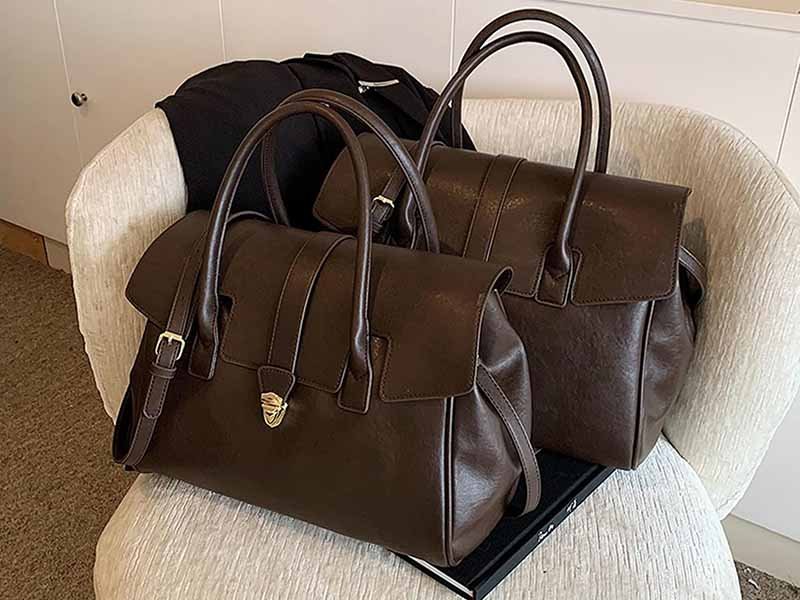
When it comes to choosing premium leather bags, vegetable tanned leather stands out due to its unique combination of strength, sustainability, and natural aging process. Made using tannins from plant sources like oak, chestnut, and hemlock, this leather is not only eco-friendly but also offers a highly durable material that improves over time. Unlike chrome-tanned leather, which uses synthetic chemicals, vegetable tanned leather ages naturally, developing a rich patina that enhances its beauty and individuality with use. This process makes each bag unique and tells the story of its owner. Vegetable tanned leather bags offer long-term value, personalization, and eco-friendliness. They develop a unique patina over time, improving with each use, which is what makes them stand out in the leather goods market.
In this article, we will delve into the benefits of vegetable tanned leather, why it’s increasingly valued by both brands and consumers, and provide practical tips on how to care for it so it lasts for years.
What Are Vegetable Tanned Leather Bags?
Vegetable tanned leather bags are crafted from leather that is treated using natural tannins extracted from plants, resulting in a material that is more eco-friendly, durable, and capable of developing a unique, personalized look over time.
- Vegetable tanning uses tannins from plants like oak, chestnut, and hemlock.
- The process is slower and more eco-friendly compared to chrome tanning.
- The leather develops a rich patina as it ages, making each item unique.
What is vegetable tanning?
Vegetable tanning is an ancient process of turning raw hides into leather using tannins derived from plant-based sources. The process involves soaking the leather in tannin-rich solutions for an extended period, sometimes taking weeks. This results in leather that retains the natural texture and characteristics of the hide. Unlike chrome tanning, which uses chromium salts and produces leather in a matter of days, vegetable tanning is slower but yields leather that is more robust and capable of developing a unique patina over time.
| Process | Vegetable Tanning | Chrome Tanning |
|---|---|---|
| Tanning Agent | Natural tannins from plants (oak, chestnut, etc.) | Chromium salts (chemical process) |
| Timeframe | Takes weeks for the tanning process to complete | Fast process, usually done in a few days |
| Eco-Friendliness | Biodegradable and sustainable | Uses chemicals, less eco-friendly |
| Aging | Develops a rich, personalized patina over time | Does not develop a patina, uniform finish |
| Durability | Stronger and more flexible over time | May lose flexibility and durability over time |
The longer process and natural tanning agents result in a leather that is more environmentally responsible, making it an ideal choice for eco-conscious consumers.
What makes it different from chrome tanning?
The main difference between vegetable tanning and chrome tanning is the tanning agents used. Vegetable tanning uses plant-based tannins, while chrome tanning uses chromium salts. This results in vegetable tanned leather having a more organic look and feel, with natural imperfections and grain patterns, while chrome tanned leather tends to be smoother and more uniform in texture.
| Feature | Vegetable Tanned Leather | Chrome Tanned Leather |
|---|---|---|
| Environmental Impact | Uses plant-based tannins, biodegradable and eco-friendly | Uses harmful chromium salts, less eco-friendly |
| Aesthetic | Develops a natural, rich patina over time | Uniform color, no aging or patina |
| Durability | Stronger over time, more flexible | May lose shape, cracks over time |
| Tanning Process | Slow, natural process | Fast chemical process |
Vegetable tanned leather, although slower and more costly to produce, is more resilient and unique. Over time, it becomes more supple and gains depth in color, making it more desirable for luxury leather goods.
What natural qualities does it impart?
Vegetable tanned leather is unique due to its natural qualities. One of the most prominent characteristics of vegetable tanned leather is its ability to age beautifully. As it is exposed to light, air, and moisture, it gradually develops a patina—a personalized coloring and texture that makes each piece of leather truly one-of-a-kind. This aging process adds depth to the leather, transforming it from a fresh, natural color to a deep, rich shade that reflects the history of its use.
Other Natural Qualities:
- Natural texture: Vegetable tanned leather retains the hide’s natural grain, which means the leather shows slight imperfections, making each item unique.
- Breathability: The leather allows air to pass through, which helps it maintain a natural look and feel.
- Durability: The leather becomes stronger and more flexible with age, making it ideal for items that will be used regularly.
These natural qualities ensure that vegetable tanned leather bags are more personalized and have a longer lifespan compared to bags made from other types of leather.
Why Are Vegetable Tanned Leather Bags Valued?
Vegetable tanned leather bags are highly valued for their longevity, sustainability, and unique aesthetic appeal. Here’s why consumers and brands appreciate them: Vegetable tanned leather bags are valued because they are sustainable, durable, and develop a unique patina over time. These bags are more than just a purchase—they are an investment that improves with age, offering exceptional value to both brands and consumers.
Why do brands choose them?
Brands choose vegetable tanned leather because it aligns with their commitment to quality and sustainability. The eco-friendly nature of vegetable tanning is a significant selling point, as it reduces the environmental impact of leather production. Additionally, vegetable tanned leather allows brands to offer products that age beautifully and develop unique patinas. This gives each product an individual character, which is highly appealing for luxury brands looking to sell products with lasting appeal.
Moreover, vegetable tanned leather holds up better than many alternatives, which means brands can offer products that last longer and are more resilient to daily wear. This long-lasting durability makes it an attractive option for brands focused on sustainability, as consumers increasingly expect products that remain functional and beautiful over time.
Why do consumers prefer them?
Consumers prefer vegetable tanned leather because of its natural look, personalized aging process, and eco-friendliness. As people become more conscious of their environmental impact, the demand for products made with sustainable materials has surged. Vegetable tanned leather appeals to this demand, as it is made using natural plant-based tannins rather than toxic chemicals.
In addition to sustainability, vegetable tanned leather also offers authenticity. Unlike mass-produced synthetic materials, each vegetable tanned leather bag has its own unique pattern and texture, making it highly desirable for those looking for distinctive, high-quality products. Consumers are also willing to pay a premium for leather that improves with use, as it becomes more personalized over time.
What durability benefits exist?
The durability of vegetable tanned leather is one of its standout features. Unlike chrome-tanned leather, which can stiffen or crack with age, vegetable tanned leather gains strength over time. This means that a well-made vegetable tanned leather bag will not only last for years but will become more flexible and resilient the more it’s used. Over time, vegetable tanned leather becomes softer and more comfortable, which makes it ideal for products that need to stand up to daily wear and tear.
Moreover, the development of the patina helps conceal minor wear and imperfections, giving the leather a timeless, vintage look that adds to its charm. This makes vegetable tanned leather bags exceptionally durable and a long-lasting investment.
Which Features Should You Look For in Quality Bags?
When purchasing a vegetable tanned leather bag, it’s crucial to evaluate several factors to ensure you’re getting a high-quality product. This includes looking at the leather grade, construction quality, and finish. Each of these elements contributes to the bag’s overall durability, aesthetic appeal, and long-term value. The key features to consider in a quality vegetable tanned leather bag include leather grade, stitching quality, and finish. Full-grain leather, reinforced stitching, and a natural finish ensure the bag’s durability, aesthetic appeal, and ability to develop a rich patina over time.
Which leather grades matter?
When evaluating vegetable tanned leather, the grade of the leather plays a crucial role in the quality and longevity of the bag. The two most common leather grades for vegetable tanning are full-grain and top-grain. Full-grain leather is widely regarded as the highest quality because it preserves the natural texture and characteristics of the hide.
| Leather Grade | Description | Benefits | Drawbacks |
|---|---|---|---|
| Full-Grain | The outermost layer of the hide, which retains all its natural markings. | Highly durable, develops a beautiful patina, maintains natural texture. | More expensive, can show imperfections. |
| Top-Grain | The second layer of the hide, which is sanded and buffed to remove imperfections. | Smoother, more affordable, consistent appearance. | Less durable, no patina development. |
Full-grain leather retains all the natural markings of the hide, including imperfections, which contribute to the uniqueness of each product. It is more durable and develops a beautiful patina over time, making it a perfect choice for high-end leather bags that will age with use.
Top-grain leather, while still high-quality, has been sanded and polished to remove imperfections, resulting in a smoother finish. It is more affordable but does not develop the same deep patina as full-grain leather, which may reduce its long-term appeal.
Which construction details matter?
The construction of a vegetable tanned leather bag is equally important as the quality of the leather itself. Stitching and hardware are key indicators of how well a bag will hold up over time.
- Stitching quality: High-quality stitching is essential for ensuring the bag’s durability. Look for even, tight stitches that are reinforced in areas where stress is most likely, such as handles, corners, and zippers. Double stitching in high-stress areas is often a sign of exceptional craftsmanship.
- Hardware: The zippers, buckles, and clips used in the bag should be made from strong materials, such as brass, stainless steel, or high-quality alloys. These materials will prevent wear and tear and ensure that the bag holds up to daily use.
Key Areas to Inspect for Construction:
- Handles and Straps: Should be thick and strong, with reinforced stitching.
- Seams: Must be consistent and without gaps.
- Zippers and Closures: Ensure they are smooth and sturdy, especially for bags that will see frequent use.
Which finishes are best?
When selecting a vegetable tanned leather bag, the finish of the leather is an important factor to consider. A natural finish that shows the leather’s texture and grain is usually the best option for vegetable tanned leather bags. This finish allows the leather to breathe, age naturally, and develop its unique patina.
- Matte finish: A matte or semi-matte finish helps showcase the leather’s natural characteristics. It’s less shiny, which is ideal for people who prefer a more natural, organic look.
- Glossy finish: Some bags may be treated to have a glossier appearance, but this often masks the natural texture of the leather and can hinder the development of the patina. It may also affect the bag’s breathability.
Why a Natural Finish Is Preferred:
A natural finish highlights the unique characteristics of the leather and allows it to evolve with time. The more the leather interacts with the environment and the owner, the more it will develop a rich, personalized patina, making the bag a unique representation of its owner.
How to Inspect Vegetable Tanned Leather Before Buying?
Before purchasing a vegetable tanned leather bag, it’s important to carefully inspect both the quality of the leather and the craftsmanship. Here’s a detailed breakdown of how you can effectively inspect vegetable tanned leather before making a purchase: When inspecting vegetable tanned leather bags, pay close attention to the leather’s texture, flexibility, and finish. Authentic vegetable tanning should leave visible natural markings and a matte finish, while high-quality stitching and hardware ensure the bag’s durability.
How to spot watermarks vs defects?
Watermarks are common in vegetable tanned leather, especially when it’s exposed to moisture. These marks are typically lighter than the surrounding leather and are part of the aging process. The key difference between watermarks and defects lies in how the mark integrates with the leather:
- Watermarks: Often blend into the leather’s natural texture and are typically subtle. As the leather ages, they can become less noticeable or even enhance the patina.
- Defects: Irregular marks, such as deep scratches, scuffs, or uneven grain, may indicate poor-quality leather or craftsmanship. These marks are often more permanent and do not improve with aging.
How to Inspect:
- Gently rub your hand over the leather to feel for smoothness and check for any raised marks or abrasions that indicate defects.
- Use natural light to inspect the leather’s color and texture, as it will reveal inconsistencies more clearly than artificial lighting.
How to check suppleness and grain?
Checking the flexibility and grain of the leather is crucial to ensuring its quality. High-quality vegetable tanned leather should be supple but firm, with a natural texture. Here’s how to assess it:
- Suppleness: Gently press or bend a small section of the leather. It should yield slightly but still retain its shape. If the leather feels too stiff, it may have been poorly processed.
- Grain: Full-grain vegetable tanned leather retains its natural texture and markings, showcasing slight irregularities. A uniform, artificial grain pattern could indicate a lower-grade product.
What to Look For:
- Leather with too much stiffness could indicate it hasn’t been tanned properly.
- A smooth surface without natural grain patterns may signal lower quality.
How to validate authentic vegetable tanning?
To ensure the leather is truly vegetable tanned, there are a few simple tests and questions to ask the manufacturer or seller:
- Ask about the tanning process: Genuine vegetable tanned leather will be tanned using natural plant tannins. If a seller can’t provide this information, it may not be authentic.
- Look for natural markings: Authentic vegetable tanned leather should have subtle, natural imperfections, such as slight color variations and visible grain. Excessive uniformity in texture could be a sign of chemical treatments.
- Scent: Vegetable tanned leather has a distinct, natural scent. While it’s not a foolproof method, it’s another indicator of authenticity. If the leather smells overly synthetic or chemical, it’s likely not vegetable tanned.
Are There Common Misconceptions About Vegetable Tanned Leather?
Despite its many advantages, vegetable tanned leather is often misunderstood. Let’s debunk some of the most common myths that may deter potential buyers from investing in this high-quality material. There are several misconceptions about vegetable tanned leather, including that it is always too expensive, difficult to maintain, or prone to flaws. However, when properly cared for, vegetable tanned leather is durable, sustainable, and highly customizable.
Are stains always flaws?
Stains on vegetable tanned leather are not always defects. In fact, some stains can be part of the leather’s natural aging process and may even contribute to its unique patina. The key is understanding whether the stain is a natural imperfection or a sign of poor quality.
- Natural stains: These can include water marks, oil marks, or small blemishes that may occur naturally as the leather is used. Over time, these marks will blend into the patina and contribute to the leather’s character.
- Flaws: Deep, permanent stains or discolorations caused by improper care (like exposure to harsh chemicals or water) should be considered flaws. These stains usually don’t improve with time and may affect the leather’s appearance and durability.
How to Handle Stains:
- For minor stains, mild soap and a soft cloth can often remove the mark.
- To treat oil stains, apply a small amount of baking soda and gently rub the area to absorb the excess oil. Always allow the leather to dry naturally.
Do all vegetable tanned bags age the same?
No, not all vegetable tanned bags age the same. The patina that develops on vegetable tanned leather is highly dependent on the bag’s exposure to light, air, and moisture. As the leather interacts with its environment, it will darken, develop unique textures, and gain a personalized look.
The way a bag ages is influenced by several factors:
- Usage: A bag that’s used daily will develop a different patina than one that’s kept in storage.
- Environmental conditions: Exposure to sunlight, humidity, and even the type of clothing it comes into contact with will impact how the leather ages.
Factors that Influence Aging:
- Light exposure: Leather exposed to sunlight will develop a darker patina over time.
- Touch and wear: Frequent handling and usage will create subtle scratches and marks that give the leather a more personalized feel.
- Storage conditions: Keeping the leather in a cool, dry place will help preserve its color and texture.
While no two vegetable tanned leather bags will age in exactly the same way, the beauty of the process is that each bag tells its own story through its patina.
Is higher price always better?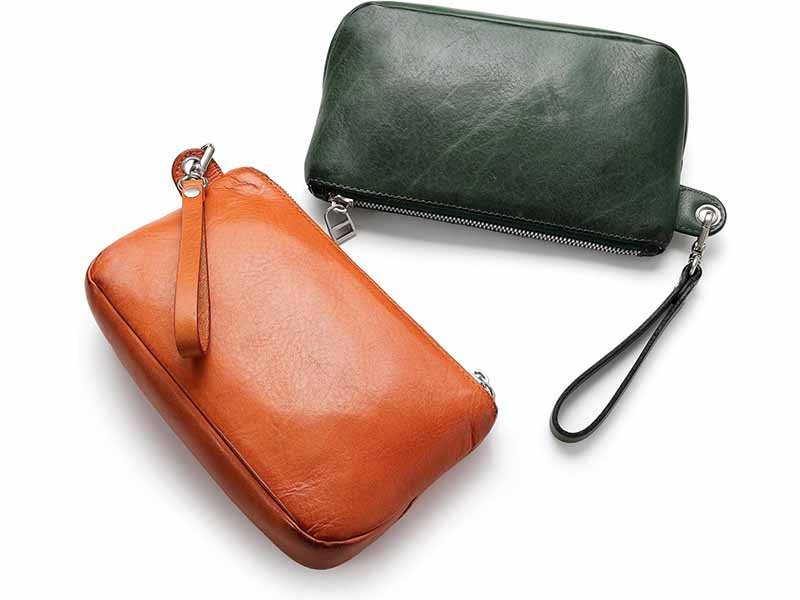
While it’s true that high-quality vegetable tanned leather bags are generally more expensive than their chrome-tanned counterparts, a higher price does not always guarantee a better product. Several factors influence the price of a vegetable tanned leather bag, and a high price tag isn’t always an indication of superior quality.
Here are some factors to consider:
- Leather grade: Full-grain leather bags will generally be more expensive due to the quality of the leather.
- Craftsmanship: Handcrafted leather bags, where each stitch is carefully placed and the construction is solid, will naturally cost more.
- Brand: Some high-end brands may charge a premium simply due to their reputation, even if the quality is similar to smaller, lesser-known brands.
It’s important to evaluate the value offered by the bag—look beyond the price tag and ensure that you’re paying for high-quality materials, craftsmanship, and long-term durability.
| Factors | Quality Indicators | Impact on Price |
|---|---|---|
| Leather Grade | Full-grain leather vs. lower-quality leather | Higher-quality leather raises the price |
| Craftsmanship | Handcrafted stitching, reinforced areas | Labor-intensive work increases cost |
| Brand Name | Reputation and exclusivity of the brand | Premium branding often adds a premium price |
How to Care for Vegetable Tanned Leather Bags
Proper care of vegetable tanned leather is essential to preserve its longevity, aesthetic appeal, and durability. With proper maintenance, your vegetable tanned leather bag will age gracefully and continue to look better over time.
To maintain the beauty of your vegetable tanned leather bag, regular conditioning, cleaning, and protection from water are key. These simple care steps can ensure the leather remains supple and develops a rich patina.
What care steps are recommended?
To ensure your vegetable tanned leather bag remains in excellent condition, it’s crucial to follow a regular care routine. Here are the key steps:
- Conditioning: Leather needs moisture to prevent it from drying out and cracking. Use a leather conditioner specifically designed for vegetable tanned leather to maintain its suppleness. Conditioning every 3-6 months is usually sufficient, depending on usage.
- Cleaning: Clean your leather bag with a soft cloth and mild soap. Avoid soaking the leather in water, as it can cause stains or weaken the fibers.
- Protection: Apply a water-repellent leather spray to protect your bag from moisture. Vegetable tanned leather is more susceptible to water damage, so using a protective spray helps prevent stains and watermarks.
How often should you condition?
Conditioning your vegetable tanned leather bag is essential for keeping it supple and hydrated. The frequency of conditioning depends on how often you use the bag and the environmental conditions it’s exposed to.
- Heavy use: For bags used daily or exposed to harsh conditions (sunlight, humidity), conditioning every 3-4 months is recommended.
- Occasional use: If the bag is used infrequently or stored in a cool, dry place, conditioning every 6 months should suffice.
Conditioning prevents the leather from becoming brittle or dry, ensuring it remains flexible and resilient. It also helps preserve the natural oils that give the leather its rich texture.
How to prevent watermarks & stains?
Watermarks can occur when vegetable tanned leather comes into contact with moisture. While this is a natural part of the aging process, preventive measures can help reduce the chances of watermarks and stains:
- Waterproofing spray: Use a water-repellent leather spray to protect the leather from rain and spills. This helps create a barrier against moisture.
- Immediate cleaning: If the bag gets wet, blot the moisture away gently with a soft cloth and allow the leather to air dry at room temperature.
- Avoid direct heat: Never use a hair dryer or direct heat to dry wet leather, as this can cause the leather to warp or crack.
To prevent oil stains, avoid placing your vegetable tanned leather bag in direct contact with oily substances. If an oil stain occurs, apply cornstarch or baking soda to absorb the excess oil before gently brushing it off.
Do Vegetable Tanned Leather Bags Improve With Time?
One of the main reasons consumers choose vegetable tanned leather is because of how it improves over time. This aging process is one of the key attractions of vegetable tanned leather bags, making them more personal and unique as they develop their patina. Yes, vegetable tanned leather bags improve with time. The leather naturally develops a rich patina, becoming more supple and characterful as it ages, making it a long-term investment for those who appreciate the process.
Do they develop patina?
The patina is a defining feature of vegetable tanned leather. Over time, the leather changes color, darkens, and develops a unique, personalized finish that is exclusive to each bag. This transformation happens as the leather reacts to sunlight, air, moisture, and even the oils from your hands. The result is a unique coloration that tells the story of the bag’s use.
Factors that Influence Patina Development:
- Sunlight exposure: Bags exposed to sunlight will develop a darker, richer color.
- Usage: Frequent handling and wear will speed up the patina process, making the bag more personalized.
Do they become more characterful?
Yes, vegetable tanned leather bags become more characterful with age. As the leather develops its patina, small imperfections, creases, and scratches add to the leather’s charm, making each bag one-of-a-kind. The natural aging process gives the leather a more complex texture and depth.
How Aging Adds Character:
- Increased flexibility: Over time, vegetable tanned leather becomes softer and more flexible as it adapts to its environment and usage.
- Distinct look: No two vegetable tanned leather bags look alike, as the patina develops in response to how the leather is used and exposed.
Are they long-lasting?
Vegetable tanned leather bags are incredibly long-lasting. With proper care, these bags can last for decades, with their quality improving over time. The leather’s natural strength and flexibility make it more durable than other types of leather, ensuring that your bag will stay functional and beautiful for years to come.
Why They Last:
- High-quality leather: Full-grain vegetable tanned leather is the most durable and long-lasting grade of leather.
- Aging process: The leather strengthens over time, making it more resilient to wear and tear.
Why Choose Szoneier for Custom Vegetable Tanned Leather Bag?
Szoneier has been a trusted manufacturer for over 18 years, specializing in crafting high-quality, custom vegetable tanned leather bags. We pride ourselves on our ability to combine traditional craftsmanship with modern design to create leather goods that stand the test of time. Here’s why Szoneier is the ideal partner for your custom leather bag needs:
Szoneier is a leading manufacturer with 18+ years of experience in crafting premium vegetable tanned leather bags. Our custom solutions combine traditional craftsmanship, high-quality materials, and sustainable practices to deliver products that age beautifully and last for years.
What makes Szoneier the right choice for custom leather bags?
At Szoneier, we focus on providing custom leather solutions that meet the specific needs of our clients. Our expertise in vegetable tanning allows us to create bespoke leather products that reflect the highest standards of quality, durability, and aesthetic appeal.
- Premium Materials: We only use full-grain vegetable tanned leather for our bags, ensuring superior durability and a natural, beautiful finish.
- Eco-Friendly Practices: Our production methods prioritize sustainability, using plant-based tannins to produce leather that is biodegradable and environmentally responsible.
- Personalized Designs: Whether you need a small batch or large production runs, we work closely with you to design leather bags that meet your exact specifications.
How We Ensure Quality:
- Thorough Inspection: Every piece of leather is rigorously inspected for imperfections before it is used in production.
- Craftsmanship: Our bags are handcrafted by skilled artisans who take pride in their work, ensuring that each stitch and detail is perfect.
- Customer Satisfaction: We offer flexible customization options and excellent customer service to ensure you are completely satisfied with your product.
What benefits can you expect from Szoneier’s custom leather bags?
When you choose Szoneier for your custom vegetable tanned leather bags, you’re not just getting a product—you’re investing in a long-term relationship built on quality, craftsmanship, and trust. Here’s what sets us apart:
- Longevity: Our bags are built to last, made from leather that improves with age, offering a unique patina that becomes more beautiful over time.
- Sustainability: We use only plant-based tanning methods, which makes our leather bags eco-friendly and biodegradable.
- Tailored Design: Whether you’re a small business or a large brand, we provide custom leather bags that reflect your brand’s identity and meet your functional needs.
Why is it worth investing in custom vegetable tanned leather bags?
Investing in a custom vegetable tanned leather bag is not just about the product—it’s about investing in a timeless accessory that will evolve with you. These bags develop a unique character and continue to improve with age, offering both aesthetic value and practical benefits that last for years. Whether for personal use or as part of a brand’s product line, vegetable tanned leather bags are a premium investment that pays off in longevity and quality.
How to Order Custom Vegetable Tanned Leather Bags from Szoneier
Ordering your custom vegetable tanned leather bags from Szoneier is a simple process. We’ve made it easy to collaborate with our team, ensuring that your bags are crafted to meet your exact specifications. Here’s how it works:
Ordering custom vegetable tanned leather bags from Szoneier is straightforward. We collaborate with you from design to delivery, ensuring you receive high-quality, customized bags that meet your needs and exceed expectations.
Step 1 – Reach out for a consultation
To begin the process, simply contact us through our website or via email. We offer a free consultation to discuss your needs, design preferences, and any specific requirements for your custom bags.
Step 2 – Design and Prototyping
Once we’ve understood your needs, our design team will work with you to create a prototype of your custom leather bag. This ensures the design aligns with your vision, and we’ll make any necessary adjustments before starting the production process.
Step 3 – Production and Quality Control
Once the design is finalized, our skilled artisans will begin creating your custom leather bags. We focus on attention to detail, quality craftsmanship, and durability throughout the entire production process. Every bag undergoes rigorous quality control checks to ensure it meets our high standards.
Step 4 – Delivery
After the bags are finished and inspected, we will arrange for fast delivery to your location. Whether you need a small batch or a larger order, we handle logistics efficiently to ensure timely delivery.
Do Vegetable Tanned Leather Bags Improve With Time?
Vegetable tanned leather bags are known for improving with time. The natural aging process allows the leather to develop a beautiful patina, becoming more supple and characterful as the bag is used. This section explores how and why vegetable tanned leather bags become even more valuable over time. Vegetable tanned leather bags improve with time by developing a rich patina and becoming more supple. This unique aging process makes each bag more personal and long-lasting, adding value as it evolves.
Do they develop patina?
Yes, vegetable tanned leather bags develop a patina over time. This process occurs naturally as the leather reacts to exposure to light, air, and moisture. The patina that forms makes the leather darker and more rich in color, adding to its character. The aging process is unique to each bag, depending on how it’s used, and the result is a truly personalized product.
Do they become more characterful?
Absolutely. The wear and tear that occurs over time adds to the character of vegetable tanned leather bags. Small scratches, marks, and changes in color contribute to the bag’s uniqueness. As the leather softens and becomes more flexible, it takes on a more lived-in look that many consumers find appealing.
Are they long-lasting?
Yes, vegetable tanned leather bags are incredibly long-lasting. The natural tanning process strengthens the leather fibers, making them more durable and resistant to wear and tear. With proper care, vegetable tanned leather bags can last for decades, developing a rich patina that makes them even more valuable over time. Unlike synthetic or chrome-tanned bags, which may lose their shape and durability, vegetable tanned leather bags improve with use and age.
Conclusion: Why Invest in Custom Vegetable Tanned Leather Bags from Szoneier?
Szoneier offers more than just premium vegetable tanned leather bags. We provide customized solutions tailored to your specific needs, whether you’re looking for luxury bags for your brand or need a personalized leather accessory. With our expertise in traditional leather crafting and our commitment to sustainability, we ensure that every bag we produce meets the highest standards of quality, durability, and design.
Contact us today to start designing your custom vegetable tanned leather bags and experience the lasting value and beauty that only high-quality leather can offer.