 Skip to content
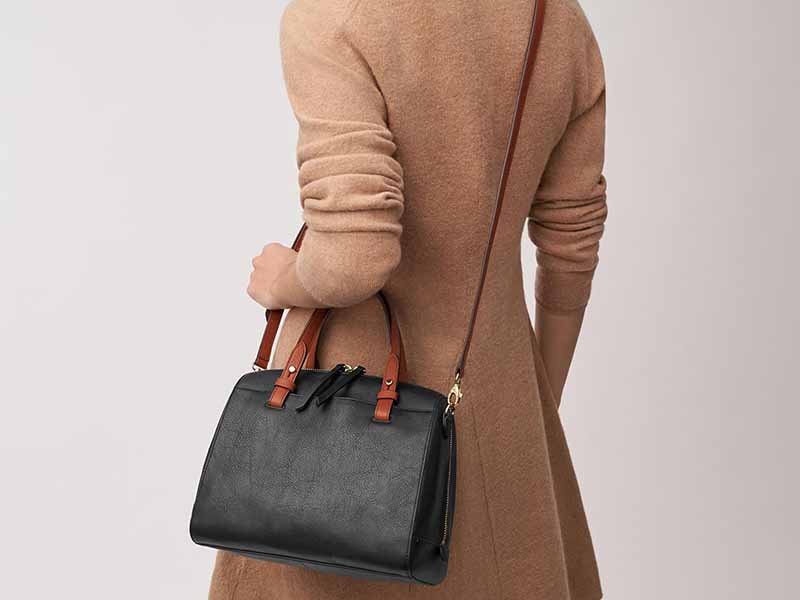
A leather handbag can be made from expensive leather and still feel “off.” The top handle looks thick and stiff. The side gusset bulges. The corners feel like bricks. The bag won’t sit flat, and the silhouette looks heavier than the design sketch. When customers say, “It looks nice, but it feels bulky,” they’re often reacting to layer buildup, not leather grade.
Skiving is the quiet fix that turns a bulky prototype into a refined product. It reduces thickness only where layers overlap—seams, folds, corners, and turned edges—so the bag assembles cleanly and feels lighter in the hand. The fear many brands have is understandable: “If we thin the leather, will corners tear or collapse?” The truth is more practical than dramatic.
Skiving in leather handbags is controlled thinning of leather at overlap zones to reduce bulk and improve shape. Done correctly, skiving does not weaken corners; it can actually improve corner performance by allowing layers to sit flat, stitch consistently, and distribute stress. The key is targeting the right zones, keeping safe residual thickness, and using reinforcement where load is highest.
Now let’s get specific—what skiving really means, where it should happen, and what thickness targets keep corners strong. If you’ve ever had a sample that looked perfect on paper but felt “too thick” in real life, this section will sound familiar.
What Is Skiving in Leather Handbag Making?
Skiving is thinning leather in selected areas—seam allowances, folded edges, gussets, and corners—so multiple layers don’t stack into a bulky ridge. Instead of shaving everything thin, professionals skive only where overlap happens and keep full thickness where structure is needed. A correct skive leaves enough residual thickness to hold stitching and resist tearing, especially around corners and strap anchors.
What does skiving mean for leather?
Skiving means removing thickness in a controlled way. In handbags, leather is rarely a single layer. A simple corner may contain:
- Outer panel leather
- Gusset leather
- Lining + backing
- Folded edge allowance
- Stitch seam allowance
- Reinforcement tape or patch (often)
Without skiving, those layers stack and create:
- hard ridges that press into the hand
- visible “lumps” at seams
- distorted corners
- uneven stitching tension (which can cause premature failure)
Skiving is not about making leather “thin.” It’s about making the stack smarter.
A good skive has three traits:
- Predictable: same thickness across the skived zone
- Gradual: smooth transition from full thickness to thin area
- Safe: leaves enough thickness for stitching and stress
Customers feel the difference in one second: a skived seam feels flat and refined, not bulky and stiff.
How is skiving done in handbag construction?
Skiving in handbag production is usually planned around construction steps, not just leather thickness.
In a factory workflow, skiving typically happens before assembly, after cutting:
Cutting with seam/fold allowance
- Patterns include extra width for turning, folding, and stitching.
- If allowance is wrong, skiving can’t “fix” the shape later.
Marking skive zones
- Operators mark exactly where thickness must reduce (e.g., 8–15 mm from edge).
Skiving execution (hand or machine)
- Skilled operators control depth and keep edges clean.
- Consistency matters more than speed for premium handbags.
Stack test (dry fit)
- Panels are stacked without glue to confirm the bulk target is met.
- This prevents expensive rework after stitching.
Assembly + stitch check
- Stitch tension must remain stable across skived areas.
- If the skive is too thin, stitches can cut through.
Why is skiving important for leather bags?
Skiving affects the two things customers judge instantly:
1. How the bag looks when worn
- bulky seams make a bag look heavier
- corners look rounded and “puffy”
- gussets flare instead of sitting clean
2. How the bag feels in daily use
- stiff seam ridges rub against the body
- handles feel thick and awkward
- corners feel hard when the bag rests on the hip
From a durability angle, skiving also improves:
- stitch consistency (less skipped stitches due to thickness spikes)
- edge stability (folds sit flat, less “spring back”)
- stress distribution (layers lie evenly instead of creating pressure points)
Most “premium feel” is not decoration. It’s engineering decisions that reduce bulk without sacrificing strength.
Skiving Targets
These ranges are commonly used for women’s handbags, depending on leather type, backing, and construction.
| Area | Base Leather (mm) | Residual After Skive (mm) | Notes |
|---|---|---|---|
| Seam allowance | 1.4–2.2 | 0.8–1.2 | Keeps stitch hold strong |
| Turned edge fold | 1.4–2.0 | 0.6–0.9 | Prevents bulky folded edge |
| Corner fold zone | 1.6–2.2 | 0.9–1.3 | Avoid over-thinning |
| Gusset overlap | 1.4–2.0 | 0.8–1.1 | Reduces side bulge |
| Strap anchor zone | 1.8–2.6 | Often NOT skived | Reinforce instead |
How Does Skiving Reduce Bulk at Key Areas?
Skiving reduces bulk in leather handbags by selectively thinning leather in areas where layers overlap. The most critical zones for skiving include seams, folds, gussets, and corners. By removing excess leather in these areas, skiving allows the bag to maintain its shape while improving flexibility and comfort without compromising strength.
How does skiving affect seams and edges?
Seams and edges are where leather handbags typically show the most bulk if not handled correctly. Skiving ensures that seams align smoothly and edges fold neatly.
How skiving works at seams:
- Skiving seam allowances reduces bulk at stitching points, ensuring stitches sit flush against the leather without forming uneven bumps or gaps.
- It creates a smooth transition from the seam to the body of the bag, which enhances both the appearance and durability of the finished product.
- Without skiving, bulky seams could lead to fraying or ripping over time due to the extra pressure exerted on these areas.
Impact of not skiving seams:
- Seams can become visible, uneven, and difficult to stitch.
- Bulkier seams create a less refined look and feel for the bag, especially in high-end products where precision is essential.
Key spec to aim for:
- Seam skiving depth: 0.8–1.0 mm (standard for most handbags).
Which handbag parts benefit most from skiving?
Skiving is essential at specific points of handbag construction, especially where multiple layers of leather overlap. These high-bulk areas benefit the most from this technique.
Key areas that benefit from skiving:
| Area | Benefit | Spec Impact |
|---|---|---|
| Seams | Reduces bulging at stitching points | Skive depth: 0.8–1.0 mm |
| Edges (turned) | Prevents excess thickness at fold lines | Fold allowance: 4–6 mm |
| Corners | Strengthens the corner without weakening it | Skive depth: 0.9–1.2 mm |
| Gusset overlaps | Makes gusset fold smoother and less bulky | Skive depth: 0.7–1.0 mm |
- Seams: A well-skived seam sits flush against the surface, which prevents visible bumps.
- Edges: Skiving makes folded edges lay flat and reduces the chance of creasing or wrinkling at turns.
- Corners: Thinning at corners allows them to bend sharply without creating excess bulk.
Skiving these areas is necessary to achieve the sleek, smooth finish that defines luxury handbags. Without skiving, these regions may appear bulky and cause uneven stitching or discomfort in daily use.
How much material is usually removed?
The amount of material removed in skiving depends on the leather thickness and the area of the handbag being worked on. Here’s a breakdown of typical skiving depths based on different areas:
| Area | Typical Leather Thickness (mm) | Skived Depth (mm) | Material Removed (%) |
|---|---|---|---|
| Seams | 1.4–2.0 | 0.8–1.0 | 25–35% |
| Turned edges | 1.6–2.2 | 0.7–1.0 | 20–30% |
| Corners | 1.8–2.4 | 0.9–1.2 | 30–40% |
| Gusset folds | 1.4–2.0 | 0.7–1.0 | 15–25% |
- Skiving depth is not just about thinning the leather; it’s about achieving balance. Too much skiving leads to weak points at the seams and corners, while too little skiving makes the bag feel bulky and stiff.
Do Skived Corners Become Weak?
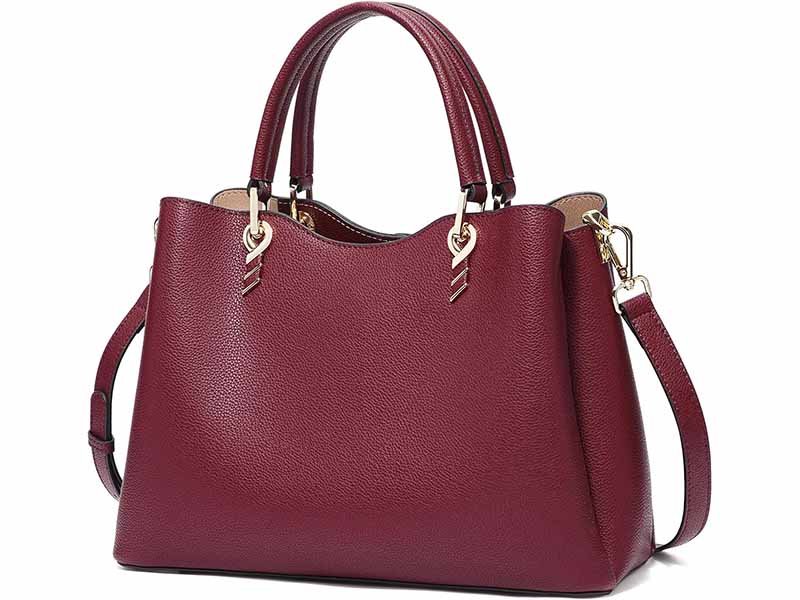
When done correctly, skiving actually improves the strength of corners. Skiving helps remove unnecessary bulk without affecting the integrity of the leather. By maintaining sufficient residual thickness and reinforcing key areas, corners remain strong and defined, allowing for sharper turns without the risk of tearing or collapsing.
Why are corners critical in handbag strength?
Corners are often the weakest point in leather handbags because they’re subjected to the most stress during daily use—especially in bags that are frequently handled.
Why corners need special attention:
- Corners experience constant bending and pressure when the bag is in use, which can cause weak spots.
- If leather at the corners is too thick, it makes the bag bulky and uneven.
- If leather at the corners is too thin, the corners may tear or collapse over time.
Skiving at corners ensures the leather is both lightweight and strong, maintaining the handbag’s shape and durability.
Does skiving weaken leather corners?
Not if done correctly.
While it might seem intuitive that removing leather weakens a corner, in practice, controlled skiving actually reinforces strength. Here’s how:
- Skiving ensures even thickness: By tapering the leather evenly at the corner, it ensures that stress is distributed more evenly, preventing specific points from becoming too thin and fragile.
- Reinforcement zones: Skived corners can still have areas of reinforcement where pressure points are highest. These areas keep the corner from collapsing under strain.
Skived corners won’t tear if you keep the correct thickness near stitching lines and use proper reinforcement techniques, like backing layers or reinforcement stitching.
How is corner strength maintained after skiving?
Maintaining corner strength after skiving requires strategic design and additional reinforcement steps.
- Corner reinforcement: A simple way to ensure corner strength is to add a reinforcement patch or layer behind the skived area. This patch can be made from stiffer leather or a different material, ensuring the corner maintains shape under stress.
- Stitching placement: The stitching near the corners should always be slightly away from the edge, allowing a stronger bond without weakening the corner. Too close to the edge increases the risk of tearing or popping the seam.
- Bonding agents: In some cases, a bonding agent like contact cement can be used in the corner before stitching to improve adhesion without compromising the leather’s flexibility.
Ideal thickness near corners: Skive depth should be between 0.9–1.2 mm (depending on leather type), leaving the corner with enough thickness to maintain rigidity and durability without adding unwanted bulk.
| Reinforcement Type | Purpose | Ideal Use | Spec Tips |
|---|---|---|---|
| Leather patch | Adds strength and prevents tearing | High-stress bags (e.g., shoulder bags) | Use thicker leather for patch |
| Backer layer | Prevents collapse and adds shape | Lightweight bags (e.g., clutches) | Skive patch and bag panel to match thickness |
| Reinforced stitching | Adds structure to seams | Bags with sharp corners | Stitch placement must be at least 1.5 mm from the edge |
| Contact cement | Secures corners before stitching | For flexible leather | Lightly apply; don’t saturate the leather |
Which Skiving Techniques Are Best for Leather Handbags?
The best skiving technique for leather handbags depends on leather type, thickness, bag structure, and production scale. Manual skiving offers maximum control for corners and complex shapes, while machine skiving ensures consistency for seams and long edges. High-quality handbags usually combine both methods to reduce bulk precisely without weakening structural zones.
Which tools are used for skiving leather handbags?
Skiving tools are chosen based on precision needs and production volume, not preference.
Common skiving tools in handbag production:
Manual skiving knife
- Used for corners, curves, and short sections
- Allows fine control of depth and taper
- Best for premium or complex designs
Bell-knife skiving machine
- Used for long, straight seams and edges
- Provides stable, repeatable thickness
- Efficient for medium to large production runs
Band-knife skiver
- Used for thicker leather or wide skive zones
- Less precise for delicate handbag corners
- More common in belts and straps than bags
Most high-quality handbags use machine skiving for seams and hand skiving for corners and stress points. Relying on only one method usually leads to compromise—either inconsistent bulk or weakened detail areas.
How do manual and machine skiving differ in results?
The difference is not just speed—it’s control vs consistency.
| Aspect | Manual Skiving | Machine Skiving |
|---|---|---|
| Depth control | Very high (operator skill) | High (machine setting) |
| Consistency | Medium | Very high |
| Corner handling | Excellent | Limited |
| Long seam efficiency | Low | Excellent |
| Risk | Operator variation | Setup error |
Why this matters to brands:
- Corners need tapered thinning, not flat thinning
- Seams need uniform thickness to avoid stitch issues
A machine produces flat, even skives. A human hand produces graduated skives, which is exactly what corners need to stay strong while losing bulk.
Which thickness and skive angles work best?
Thickness alone is not enough. Skive angle determines whether stress flows smoothly or concentrates at a weak line.
Recommended skive geometry for handbags:
| Area | Skive Angle | Residual Thickness (mm) | Purpose |
|---|---|---|---|
| Seam allowance | 10–15° | 0.8–1.2 | Flat stitching |
| Turned edge | 15–20° | 0.6–0.9 | Clean fold |
| Corner zone | 8–12° | 0.9–1.3 | Strength retention |
| Gusset overlap | 12–18° | 0.7–1.1 | Reduce bulge |
Steep skives create thin edges quickly but increase tear risk. Shallow, longer skives reduce bulk while keeping fiber continuity—critical for corner strength.
How Should You Specify Skiving for OEM Production?
To specify skiving correctly for OEM handbag production, brands must define skive zones, target residual thickness, skive width, tolerance limits, and inspection methods. Clear skiving specs prevent over-thinning, reduce rework, and ensure corners remain strong. Vague instructions like “skive lightly” often lead to inconsistent results and quality disputes.
What skive specs should be included in a tech pack?
A strong tech pack removes guesswork.
Essential skiving details to include:
- Skive location (highlighted on pattern)
- Skive width (mm from edge)
- Target residual thickness (mm)
- Allowed tolerance (± mm)
- Leather type and temper
- Areas where skiving is not allowed
“Skive seam allowance 12 mm wide to residual thickness 1.0 ±0.2 mm. No skiving within 8 mm of strap anchor.”
This single sentence prevents:
- corner collapse
- stitch failure
- operator over-skiving
Which tolerances matter most in handbag skiving?
In skiving, small numbers matter.
| Spec Item | Recommended Tolerance | Why |
|---|---|---|
| Residual thickness | ±0.2 mm | Prevents weak points |
| Skive width | ±1.0 mm | Ensures clean overlap |
| Edge transition | Smooth, no step | Avoids stress lines |
| Corner minimum thickness | ≥0.9 mm | Tear resistance |
Most failures happen when skiving tolerance is not stated. Operators aim “thin enough,” which varies by person and shift.
How should skiving quality be inspected in production?
Skiving must be checked before stitching, not after complaints.
Simple but effective QC sequence:
- Thickness gauge check
- Measure random pieces every batch
- Dry stack test
- Stack layers without glue; bulk should be flat
- Bend test at corner
- No cracking or fiber separation
- Stitch pull test
- Stitch must hold without cutting through
QC rejection signs:
- sudden thickness “step”
- fuzzy or torn fibers
- visible thinning line after folding
- stitch holes elongating
Ready to Develop Leather Handbags with Correct Skiving?
At SzoneierLeather, we work with brands and custom buyers who want handbags that look clean, feel right, and last.
With over 18 years of experience, we support:
- Skiving zone planning
- Thickness and tolerance control
- Corner reinforcement strategy
- Sampling, testing, and OEM production
If you are developing a leather handbag and want to reduce bulk without sacrificing corner strength, share your design or tech pack with us.
Contact SzoneierLeather today to request samples or pricing.