
PU Leather Bag Prices: Cost Factors & Buying Guide
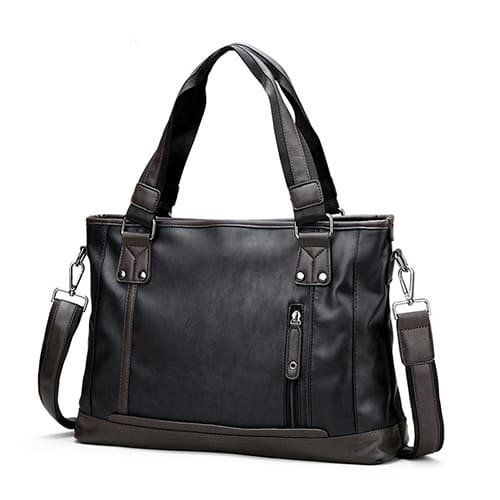
Finding the right PU leather bag today can feel surprisingly complicated. Walk into any store—or scroll through Amazon, TikTok, or Instagram—and you’ll see PU leather bags priced from $10 to $150, sometimes even higher for “designer-inspired” models. Why is there such a huge range for a material that is supposed to be affordable? And more importantly, how do you know whether you’re paying the right price?
PU leather bag prices generally range from $15 to $80, depending on the material grade, craftsmanship, hardware quality, and brand positioning. PU leather is not expensive compared with genuine leather, but premium PU options—such as microfiber vegan leather—can cost more due to higher durability and improved texture. The best value bags offer balanced quality, clean stitching, and sturdy construction without unnecessary markups.
As the market evolves, PU leather has become more than a “low-cost alternative.” It is now a mainstream fashion material, widely used by global brands because it is lighter, more color-friendly, and increasingly more durable. Yet not all PU leather is made equally. Some bags look luxurious and last for years; others crack within months.
Now let’s begin with the question most people ask first.
What Is the Average Price of PU Leather Bags Today?
PU leather bags typically retail between US $20 and US $60, depending on the material grade, craftsmanship, design complexity, and brand positioning. Budget styles cost under US $20, while high-quality microfiber or “vegan leather” bags can reach US $80–US $120. Prices vary by region, with the U.S. and Europe showing higher averages and Southeast Asia offering lower pricing due to closer proximity to supply chains.
1. Global Retail Price Ranges
The PU leather bag market can be divided into clear, predictable retail tiers.
Budget / Entry-Level PU Bags: US $9.99 – US $24.99
Common on:
- Shein, Temu, Wish
- Walmart, Target
- Fast fashion chains
Characteristics:
- Thin PU (0.5–0.7 mm)
- Simplified structures
- Low-cost plastic hardware or thin metal trims
- Basic or single-layer lining
Typical durability: 3–9 months
Target consumer: People who want trends, low cost, and short-term use.
Mid-Range Everyday PU Bags: US $25 – US $60
Found in:
- Amazon stores
- DTC independent brands
- TikTok / Instagram boutique brands
- Mid-range retail chains
Characteristics:
- 0.8–1.2 mm PU
- Better lining (twill or polyester)
- Moderately strong zippers & metal trims
- Interior pockets and reinforced stitching
Durability: 1–2 years
This is the largest global market tier, ideal for daily use bags.
Premium “Vegan Leather” / Microfiber PU Bags: US $60 – US $120+
Found in:
- Designer-inspired brands
- Nordic minimalist brands
- Vegan / sustainable brands
- Department stores (Nordstrom, Bloomingdale’s)
Characteristics:
- Microfiber PU or eco-friendly water-based PU
- Custom-molded hardware
- Superior edge-painting and stitching
- Highly structured silhouettes
- Premium packaging
Durability: 2–4+ years
These are often marketed as “vegan leather luxury bags,” bridging the gap between PU and real leather.
2. Global Regional Price Comparison
PU bag pricing varies significantly by local demand, retail markups, and economic factors.
| Region | Standard PU Bag Price | Premium PU Bag Price | Why? |
|---|---|---|---|
| USA / Canada | US $25–$50 | US $60–$120 | Higher retailer margins, brand-heavy market |
| Western Europe | €25–€60 | €80–€150 | Strong vegan/sustainable trend |
| Southeast Asia | US $12–$35 | US $40–$70 | Proximity to China’s supply chain |
| Middle East | US $20–$40 | US $60–$110 | Preference for structured, embellished bags |
| Latin America | US $18–$45 | US $50–$90 | Fewer local brands; strong import dependence |
Because PU material cost is globally stable, the biggest differences come from retail markups, not production cost.
3. A Clearer Look at Material Grade Impact
Many consumers assume “PU leather is PU leather,” but in reality, the differences between PU types are dramatic.
Standard PU (most common)
- Low cost
- Easy to color and emboss
- 0.5–0.9 mm
- Best for entry- and mid-level bags Price impact: Low
Microfiber PU (premium vegan leather)
- Microfiber fleece backing
- Excellent tensile strength
- Closest feel to genuine leather
- Highly durable, anti-scratch Price impact: High
This is why many high-end vegan brands sell PU bags above $90.
Eco Water-Based PU
- No solvent smell
- Lower emissions
- Preferred in Europe
- Costs +20–40% more than standard PU Price impact: Medium–High
Glossy / Patent PU
- Good for fashion pieces
- Processing cost varies Price impact: Medium
4. Complete Cost Chain: Factory → Wholesale → Retail
To understand PU bag pricing, you must understand the pricing chain.
Below is a realistic cost breakdown of a medium-sized PU tote bag based on current China/Vietnam factory economics.
| Cost Component | Cost (USD) | Notes |
|---|---|---|
| PU Material | $1.20–$2.80 | Thicker & microfiber PU cost more |
| Lining & Accessories | $0.80–$2.00 | Lining, zippers, decorative hardware |
| Labor | $1.80–$3.50 | Depends on country and complexity |
| Factory Overhead | $0.50–$1.20 | Utilities, QC, depreciation |
| Factory EXW Price | $4.50–$9.00 | Factory selling price |
| Importer/Wholesaler Price | $12–$20 | After shipping, duties, margin |
| Standard Retail Price | $29–$65 | Online or offline retail |
| Premium Brand Retail | $70–$120+ | Branding, marketing, packaging |
As you can see, a PU bag sold at $50 often costs only $7–$10 at factory level. The markup reflects:
- branding
- marketing
- logistics
- retail profits
- packaging experience
5. Why the “Average Price” Falls at $20–$60 — The Behavioral Psychology Behind It
Consumers expect PU bags to be:
- Affordable
- Stylish
- Lightweight
- Lower-priced than genuine leather
This sets a natural psychological anchor: PU = entry-to-mid price bracket.
Further reasons:
Fast fashion set the expectation
For 10+ years, H&M, Zara, Mango, Forever21 sold PU bags at: $25–$49 → This becomes an industry standard.
E-commerce optimized for mid-level pricing
Amazon best-sellers typically cluster around $28–$39.
Vegan brands reframe high-end PU
Premium vegan labels sell PU bags at $80–$120, proving PU can be desirable and upscale.
Stable supply chain
PU leather production is consistent worldwide, preventing dramatic cost swings.
All this creates a stable “global sweet spot”: Most PU leather bags will naturally fall into the $20–$60 retail zone.
What Factors Influence the Price of PU Leather Bags?
PU leather bag pricing is driven by material grade, craftsmanship, hardware quality, interior structure, labor conditions, brand positioning, and the complexity of the design. Higher-grade PU materials (like microfiber or water-based PU), reinforced stitching, custom hardware, structured silhouettes, and premium lining rapidly increase production costs. Meanwhile, brand reputation, packaging, and marketing can significantly elevate retail prices beyond the material value itself.
To help consumers, retailers, and brand buyers make smarter decisions, here is the most detailed and comprehensive explanation of all the factors that influence the cost of PU leather bags today.
1. Material Grade
Material determines 40–60% of a PU bag’s base cost. Not all PU leather is equal in thickness, density, elasticity, smell, embossing quality, or long-term durability.
Types of PU That Affect Cost Most Significantly
Basic PU (Cheapest)
- Thickness: 0.5–0.7 mm
- Low-density backing
- Limited abrasion resistance Typical Bag Price: $10–$25 retail
Mid-Grade PU
- Thickness: 0.8–1.0 mm
- Tighter fiber structure
- Acceptable durability for daily use Typical Bag Price: $25–$50 retail
Microfiber PU (Premium Vegan Leather)
- Closest feel to genuine leather
- Highly resistant to cracking & peeling
- Water-resistant and durable Typical Bag Price: $60–$120 retail
Water-Based PU (Eco PU)
- Odor-free
- EU brands prefer this for sustainability
- Costs 20–40% more than basic PU Typical Bag Price: $50–$90 retail
Patent, Embossed, Metallic PU
- Requires special finishing
- Often used in high-fashion styles Typical Bag Price: $35–$80 retail
Why Material Grade Affects Price
Higher-grade PU requires:
- better resins
- thicker coatings
- stronger base fabric
- cleaner surface finishing
2. Bag Structure & Engineering Complexity
Two bags may use the same PU leather, but their structure determines vastly different prices.
Factors That Increase Structure-Related Cost
Number of Panels
A simple tote uses ~8–12 panels. A structured satchel or backpack may use 25–45 panels.
More panels = more cutting, stitching, reinforcing.
Reinforcement Layers
Strong bags require:
- EVA boards
- PP boards
- Extra interlining
- Edge tape
- Glue lamination
These add materials + labor time.
Shape Difficulty
Some shapes require advanced skill:
- Half-moon bags
- Box bags
- Cylindrical bags
- Accordion bags
A beginner sewer cannot execute these well.
3D Construction
Bags with structured silhouettes must be assembled with:
- precise hot pressing
- inner trimming
- accurate alignment This significantly increases cost.
Seam Density
Higher-end bags use:
- 3–4 mm stitch spacing
- double reinforcement on stress points This requires skilled workers → higher labor cost.
3. Hardware Quality
Hardware determines both durability and perceived luxury.
Hardware Types That Influence Price
Low-end Hardware
- Thin metal plating
- Hollow buckles
- Basic zippers Low cost but prone to rusting or breaking.
Mid-grade Hardware
- SBS or equivalent zippers
- Strong plating
- Sturdy D-rings and hooks Common in $30–$60 PU bags.
High-end Custom Hardware
Used in designer bags:
- Engraved logos
- Custom-molded buckles
- Premium alloy materials
These can cost 3–5 times more than basic hardware.
4. Interior Lining, Pockets & Organization
Consumers often overlook the inside of the bag—but factories do not. The interior is one of the biggest cost contributors.
Interior Features That Increase Cost
- Thick twill lining (1.5–2.0x cost vs thin polyester)
- Zipper pocket panels
- Phone pockets
- Hidden compartments
- Reinforced lining seams
- Card slots, pen loops, laptop foam padding
A well-organized bag requires more layers, more labor, and more sewing precision.
5. Labor Cost & Country of Production
Even with identical designs and materials, cost changes dramatically depending on labor conditions.
Typical Labor Costs by Region (per bag)
| Country | Labor Cost Range | Notes |
|---|---|---|
| China | $1.80–$3.50 | High skill, efficient production |
| Vietnam | $2.50–$4.00 | Good quality, rising wages |
| Cambodia | $1.20–$2.80 | Cheaper but less skilled |
| Bangladesh | $0.90–$2.00 | Low cost, inconsistent quality |
| Indonesia | $1.50–$3.00 | Mid-level pricing |
More complex bags require senior workers, increasing labor share of the cost.
6. Brand Positioning & Market Strategy
Brand perception dramatically shifts retail pricing.
Brand Tiers & Pricing Behavior
Budget Brands
Rely on:
- low margins
- high volume
- low-cost materials Result: bags priced at $10–$25.
Mid-Market Fashion Brands
Invest in:
- better PU
- stronger hardware
- improved design Result: $30–$60 pricing.
Premium & Designer “Vegan Leather” Brands
Invest heavily in:
- storytelling
- photography
- influencer marketing
- premium packaging Result: $70–$150 pricing for PU bags.
7. Packaging, Accessories & Shipping Costs
These factors also affect final retail price:
Packaging Add-Ons
- Premium dust bags
- Custom boxes
- Wrapping paper
- Branded stickers
- Inserts & care cards
Packaging can add $1–$4 per piece.
Shipping Costs
The bigger the bag, the higher the freight.
Air freight spikes retail prices due to:
- dimensional weight
- fuel charges
- customs duties
During global shipping inflation, some brands even raised prices by 10–30%.
8. Retail Markup: The Final Price Multiplier
Even when factory cost is low, retail markup can be very high.
Typical Retail Markups
- Fast fashion: 3–5× factory cost
- Department stores: 5–10×
- Luxury brands: 10–15× (even for PU)
Meaning: A bag costing $8 to produce might retail for $40 or $85 depending on the brand strategy.
Is PU Leather Cheaper Than Genuine Leather?
The price difference between PU leather and genuine leather is one of the biggest reasons PU has become a dominant material in global fashion. However, many shoppers don’t understand how large the price gap truly is—or why the gap exists in the first place.
To understand the economics behind PU vs genuine leather, we must examine their material origin, production cost, processing complexity, durability profiles, and retail markup behavior.
1. Material Origin: The First Major Source of Price Difference
PU Leather
- Industrially manufactured
- Large rolls (consistent size)
- Low waste
- Can be mass-produced quickly
- Easy to standardize texture and thickness
Genuine Leather
- Natural animal hide (cow, buffalo, goat, lamb, etc.)
- Limited surface area
- Contains imperfections (brands, scars, uneven grain)
- Requires skilled cutting to avoid waste
- Supply depends on livestock industry and tanning capacity
Impact on Price
Genuine leather is inherently more expensive because:
- Each hide is unique
- The usable surface area is limited
- Natural defects reduce yield
- Sourcing & storage require special conditions
PU leather can be produced continuously at scale, making it far cheaper to manufacture.
2. Production & Processing Complexity
PU Leather Production Steps
- Base fabric weaving
- Polyurethane coating
- Embossing / patterning
- Surface finishing
Total production time: hours Highly automated & predictable.
Genuine Leather Processing Steps
Genuine leather requires:
- Rawhide cleaning
- Soaking & unhairing
- Liming
- Fleshing
- Deliming
- Pickling
- Tanning
- Wringing
- Splitting
- Shaving
- Re-tanning
- Dyeing
- Fatliquoring
- Drying
- Staking
- Buffing
- Finishing
This is a highly labor-intensive supply chain requiring:
- water
- chemicals
- skilled labor
- strict environmental controls
Impact on Price
Tanning alone can account for 30–40% of the price of genuine leather.
3. Actual Cost Comparisons: PU vs Genuine Leather
Below is an accurate industry comparison of commonly used materials:
| Material Type | Factory Material Cost per m² | Retail Product Price Impact |
|---|---|---|
| Standard PU | $2 – $5 | Most budget/mid-range bags |
| Mid-grade PU | $4 – $8 | $25–$45 retail bags |
| Microfiber PU | $9 – $18 | $60–$120 retail bags |
| Split Leather | $12 – $20 | Entry-level genuine leather bags |
| Top-Grain Leather | $25 – $45 | $120–$300 retail bags |
| Full-Grain Leather | $40 – $80+ | $300–$1000+ luxury retail bags |
This table alone shows why PU leather is far cheaper:
- Premium PU may cost $10/m²
- Full-grain leather can exceed $80/m²
That’s a difference of up to 8× before any labor or hardware costs.
4. Durability Differences and Their Impact on Price
PU Leather Durability
- 1–3 years for standard PU
- 3–5 years for microfiber PU
- May peel or crack with age (depending on resin quality)
- Great for style-driven bags
Genuine Leather Durability
- 10+ years for quality top-grain
- Ages beautifully (patina develops)
- Can be repaired and conditioned
- Extremely strong & long-lasting
Why durability affects pricing
Real leather bags last longer → they carry a higher perceived and real value → brands price them accordingly.
PU leather is designed for:
- affordability
- aesthetic variety
- trend-driven seasons
This leads to lower overall pricing.
How Do You Identify High-Quality PU Leather Bags?
High-quality PU leather bags feature smooth texture, consistent grain, clean stitching, reinforced handles, durable hardware, and well-structured interiors. Premium PU feels soft yet firm and does not wrinkle or crack easily. Look for even edge painting, quality zippers, and lining that doesn’t tear. These details reveal better craftsmanship and longer-lasting construction.
Material Recognition: Understanding the Surface, Texture, and Handfeel
The first marker of a high-quality PU leather bag is the quality of the material itself. Even within PU leather, there are significant differences in thickness, grain clarity, elasticity, and coating stability. A premium PU material should feel soft yet firm, with a natural flexibility that resembles genuine leather when gently pressed. When you touch the surface, it should recover its shape smoothly rather than leaving deep wrinkles. If the PU feels plasticky, overly shiny, extremely stiff, or too thin, it likely belongs to a lower grade.
High-quality PU has a consistent grain pattern—whether it’s smooth, pebbled, saffiano, or embossed. The embossing should be sharp and evenly distributed, not blurry or irregular. Consistency is one of the strongest indicators of quality because well-made PU leather undergoes more refined coating processes. Additionally, high-quality PU leather is odor-controlled. If a bag has a strong chemical smell, it suggests poor resin ingredients or rushed manufacturing.
Thickness also matters. Good PU leather typically ranges between 0.8–1.2 mm, giving it enough durability for daily use. Thinner PU (0.5–0.6 mm) is cheaper but prone to peeling and cracking. Finally, examine the backing fabric. Premium PU uses microfiber or dense woven fabrics, offering better tear resistance and a longer lifespan.
Craftsmanship: Stitching, Edge Painting, and Structural Alignment
After evaluating the material, the next step is checking the overall craftsmanship of the bag. Quality craftsmanship is the difference between a bag that lasts a few months and one that holds up for years. Start with stitching: the distance between stitches should be uniform (usually 3–4 mm), with smooth, tight tension. There should be no loose threads, skipped stitches, zigzag seams, or visible needle holes. Straight, even stitching is a sign of skilled makers and better quality control.
Edge painting—also known as edge coating—is another indicator. High-quality bags use smooth, even layers of edge paint along the strap edges, flap borders, and seams. The coating should appear glossy or matte depending on the design, but it should never be lumpy, cracked, or peeling. Quality brands apply multiple coats and allow drying between layers for enhanced durability. Poor edge painting is often the first part to show wear on inexpensive PU bags.
The internal structure also reveals craftsmanship. Check if the bag stands upright without collapsing. Structured bags require reinforcement boards, EVA foams, and precise construction. Misaligned panels, crooked seams, asymmetrical shapes, and uneven base support indicate lower workmanship. A well-built PU bag will feel balanced, symmetrical, and sturdy from every angle.
Hardware, Lining & Functional Details That Separate Premium Bags from Cheap Ones
Even if the PU leather itself is excellent, the quality of hardware and lining can elevate—or drastically lower—the overall experience. Premium PU leather bags use solid metal zippers, often from reputable brands such as SBS or YKK, with a smooth glide and no resistance. The zipper pullers should feel weighty, not hollow, and should not rattle excessively. Buckles, clasps, rings, and feet should have thick plating to prevent discoloration or rusting. Cheap hardware often fails before the PU does.
The lining is equally important. High-quality PU bags use durable linings like polyester twill, microfiber fabric, or blended woven materials. Linings should feel substantial, not thin or papery. Poor-quality lining tears easily, especially at stress points like internal pockets or zipper edges. Check the stitching inside the bag—reinforced corner stitches and double-sewn pocket lines indicate advanced construction.
Functional features also reveal quality. Look for reinforced handles, padded straps, precise pocket placement, strong magnetic closures, and secure internal dividers. A well-made PU bag offers not only durability but also thoughtful usability. The internal structure should feel organized, supportive, and intentional—not sloppy or cheap.
Durability Indicators: Flexibility, Resistance, and Long-Term Performance
The final step in identifying a high-quality PU leather bag is evaluating indicators of long-term durability. PU leather may not age exactly like real leather, but premium PU is designed to maintain its shape, color, and texture for years. To test durability, gently flex the surface of the PU—high-quality PU should bend smoothly without forming white stress marks or cracks. Bags made with microfiber PU or eco-friendly water-based PU often offer superior elasticity and abrasion resistance.
Another key sign of durability is surface coating. Premium PU leather incorporates anti-scratch, anti-peel, or heat-resistant coatings. Run a soft fingernail across the surface: if it scratches instantly, the coating quality is low. High-quality PU should resist marks from gentle use. Additionally, colorfastness matters—rub the surface with a soft cloth; if pigment transfers, it’s a sign of poor finishing.
Reinforced stress points indicate longevity:
- Handle attachment zones
- Strap connection rings
- Bottom corners
- Zipper ends
Which Types of PU Leather Bags Offer the Best Value for Money?
PU leather bags such as crossbody bags, medium totes, backpacks, and structured handbags offer the best value for money due to their practical size, efficient construction, durable PU materials, and versatile styling. These designs balance function, comfort, and cost, making them ideal for everyday use without the high prices of genuine leather alternatives.
1. PU Crossbody Bags
PU crossbody bags top the list when it comes to value-for-money because they offer everyday convenience at a very accessible price. Their compact structure means they require moderate PU material, limited reinforcement, and minimal hardware, which keeps overall production cost down. Despite the affordability, a good PU crossbody can last years thanks to reinforced stitching on the strap, lightweight construction, and functional pocket layouts.
From a practical standpoint, crossbody bags are versatile for walking, travel, errands, and daily commuting. They distribute weight comfortably across the body and typically come with adjustable straps for flexible styling. Consumers often choose crossbodies because they combine style and practicality without being bulky. For this reason, even higher-end PU versions with metal hardware and microfiber PU remain affordable and provide excellent performance.
2. PU Tote Bags
PU tote bags offer exceptional value because they provide maximum storage capacity without complex engineering. The classic tote shape allows manufacturers to use large, clean-cut PU panels with fewer stitching lines, keeping labor time relatively low. This simplicity makes PU totes more durable than many people expect, especially when reinforced handles and thicker PU (0.9–1.2 mm) are used.
From a consumer perspective, totes are ideal for work, school, shopping, or weekend outings. They can hold laptops, books, water bottles, and other essentials while maintaining a lightweight feel. Compared with genuine leather totes, PU versions are easier to maintain, more resistant to color changes, and significantly more affordable. This combination of practicality and durability makes them one of the best value categories in the PU bag market.
3. PU Backpacks
PU leather backpacks offer a strong blend of durability, structure, and visual appeal, making them a high-value option for students, professionals, and travelers. They often use thicker PU and additional internal support layers, but even with these reinforcements, the cost remains much lower than genuine leather backpacks. PU is also lighter, making it more comfortable for extended wear.
For consumers, PU backpacks provide versatility across several lifestyle scenarios—daily commuting, casual travel, and even office environments. Their multiple compartments, padded straps, and reinforced bottoms enhance functionality. The structured silhouette gives them a polished, modern look that rivals true leather bags but at a fraction of the price. As long as the stitching and hardware are well-executed, PU backpacks deliver long-term performance and excellent overall value.
4. PU Satchels & Structured Handbags
Structured PU handbags—such as satchels, top-handle bags, and mini box bags—offer some of the highest value for fashion-focused shoppers. PU leather holds structured shapes extremely well, often even better than low-grade genuine leather. Manufacturers can achieve crisp edges, clean silhouettes, and elegant panel constructions without using expensive stiffeners or exotic leather treatments.
For consumers, these bags provide a premium, elegant aesthetic similar to designer handbags but at a far lower price. Structured PU bags pair well with both professional and casual outfits, giving users a “luxury look” without the financial commitment. When crafted with microfiber PU, painted edges, and custom hardware, the value becomes even more apparent—users get the visual effect of a high-end bag for only a fraction of the cost.
5. PU Shoulder Bags
PU shoulder bags are another type with excellent cost-performance balance. They typically require medium material usage and moderate crafting complexity. The absence of extensive internal compartments keeps labor costs lower, while their timeless design works across age groups and fashion preferences.
From a usability standpoint, shoulder bags offer just the right size for daily carry—large enough for essentials but small enough for comfort. PU leather adds lightness, water-resistance, and durability without requiring heavy maintenance. Women who prefer effortless styling often find shoulder bags to be their go-to choice, making them one of the most practical and value-driven PU bag types.
6. PU Wallets & Small Leather Goods
PU wallets, cardholders, makeup pouches, and mini accessories offer exceptional cost efficiency because they use minimal material while providing impressive durability. Although the stitching and slot construction require skill, the overall material demand is low, which keeps the retail price accessible. PU wallets resist water, scratches, and color transfer better than many real leather versions, making them ideal for everyday wear.
Consumers love PU wallets because they combine affordability with stylish finishes—textured PU, metallic PU, saffiano PU, and microfiber PU often create a luxurious look without increasing cost dramatically. These items make excellent entry-level purchases for budget-conscious shoppers or individuals exploring a brand for the first time.
7. PU Work Bags & Laptop Bags
PU work bags or laptop bags provide tremendous value since they offer a premium business appearance without the weight or price of genuine leather. PU’s lightweight nature makes it easier to carry electronic devices, while its water-resistant coating helps protect valuable items. Premium PU work bags often incorporate microfiber PU for added durability, structured interiors, shock-absorbing padding, and reinforced handles.
Professionals appreciate PU work bags because they deliver a polished, executive look suitable for offices, universities, and client meetings. While genuine leather equivalents may cost $150–$300, PU versions in the $40–$90 range provide almost identical aesthetics and functionality—yielding a strong value advantage.
8. PU Mini Bags / Fashion Trend Bags
Mini bags—especially those popularized by Instagram/TikTok fashion trends—are ideal PU items because their small size and simple construction keep costs low. PU is perfect for bright colors, gloss finishes, metallic surfaces, and trendy shapes. These fashion-forward designs allow consumers to experiment seasonally without overspending.
This makes PU mini bags extremely value-friendly: customers get statement pieces for a fraction of the price of real leather. Even if used primarily as an accessory, PU mini bags offer excellent durability thanks to their compact structure and minimal stress points.
How Do You Maintain PU Leather Bags to Extend Lifespan?
Maintain PU leather bags by wiping them regularly with a soft damp cloth, storing them away from direct sunlight, and avoiding excessive weight. Use mild soap for cleaning, avoid harsh chemicals, and condition the surface with a PU-safe protector. Proper care prevents cracking, peeling, and discoloration, extending the bag’s lifespan significantly.
Daily Cleaning Habits: How Regular Maintenance Preserves PU Leather
Proper daily cleaning is the foundation of extending the lifespan of PU leather bags. Unlike genuine leather, PU leather does not absorb oils or moisture, so its care routine focuses on surface maintenance. A high-quality PU leather bag can stay smooth and vibrant for years if cleaned regularly. Start with a soft microfiber cloth to wipe away dust, fingerprints, or surface debris. Gentle circular wipes help maintain the PU’s coating without scratching it. A mixture of mild soap and lukewarm water is ideal for more stubborn marks—avoid harsh detergents, alcohol, bleach, or acetone, which can dissolve the PU coating and cause peeling over time.
Another daily habit is to avoid placing your PU bag on rough or dirty surfaces. Although PU is more scratch-resistant than some natural leathers, its coating can still be damaged by abrasive textures. When returning home, wipe the bottom and handles lightly; these areas accumulate the most dirt and sweat. For bags with lighter colors—such as white, beige, or pastel tones—frequent cleaning is especially important to prevent color transfer from clothes or surfaces. Finally, always allow the bag to air-dry naturally after wiping. Artificial heat, such as hair dryers, radiators, or direct sunlight, can warp the PU coating and accelerate cracking.
Proper Storage: Avoiding Heat, Humidity, Shape Loss & Cracking
Storage is one of the most overlooked aspects of PU leather maintenance—and one of the most important. PU leather is sensitive to extreme heat, prolonged moisture, and UV radiation. Exposure to these elements weakens the polyurethane coating, leading to cracking, peeling, stiffness, and discoloration over time. To keep your bag looking new, store it in a cool, dry place away from windows or heating vents. Avoid leaving your PU bag in hot cars, as interior temperatures can exceed 60°C (140°F), compromising the PU surface.
When storing PU bags for longer periods, stuffing them with soft materials—such as clean towels, bubble wrap, or kraft paper—helps the bag maintain its original shape. This prevents collapse lines, creases, and misshapen silhouettes, especially for structured handbags, satchels, and totes. Using breathable dust bags (cotton or non-woven fabric) provides further protection from dust and yellowing, while allowing airflow to prevent mold. Avoid plastic bags for storage, as they trap moisture and create a breeding ground for mildew—one of the biggest enemies of PU leather.
Finally, consider applying a PU-safe protective spray every few months. These sprays create an invisible barrier against stains, dirt, and UV damage. While PU does not need conditioning like genuine leather, surface protection extends its vibrancy and flexibility significantly. With proper storage habits, premium PU bags can maintain their appearance for several years.
Preventing the Most Common Forms of PU Damage: Cracking, Peeling, and Color Transfer
Understanding the common types of PU leather wear is essential for preventing them. The most frequent problems are cracking, peeling, and color transfer. Cracking typically occurs when the PU coating loses elasticity due to prolonged sun exposure, dryness, or chemical contact. To prevent this, keep your bag away from direct sunlight, heaters, and harsh cleaning agents. Regular gentle cleaning and using PU-safe protectants help preserve the coating’s flexibility.
Peeling is often caused by friction, sweat, body oils, and aging of the polyurethane layer. Straps, corners, and the bag’s backside are most vulnerable because they experience the most contact. To minimize peeling, alternate how you carry the bag, and avoid wearing PU leather bags with very rough-textured clothing (like sequins or coarse denim). Additionally, never scrub PU aggressively—gentle cleaning is key.
Color transfer is another major issue, especially for light-colored PU bags. Dark denim, black clothing, and untreated fabrics can rub off onto PU surfaces. To prevent this, avoid placing light-colored PU bags against dark or unwashed fabrics. If minor transfer occurs, clean it immediately with a damp cloth—letting stains sit can make them permanent. Lastly, avoid overloading your bag. Excess weight stresses the handles, seams, and structure, accelerating peeling or tearing. Being mindful of these wear factors significantly extends a PU bag’s lifespan.
Long-Term Care Strategy: Keeping PU Leather Looking New for Years
Long-term PU leather care is about being proactive rather than reactive. Establishing a simple but effective routine ensures that PU bags maintain their shape, color, and smooth finish for multiple seasons. Once every 2–4 weeks, perform a deeper cleaning session. Use a mild soap solution for the exterior, then ensure that every metal component—zippers, rings, buckles—is dried thoroughly to prevent oxidation or rust spots. Even though PU is water-resistant, hardware deterioration can compromise the entire structure of the bag.
Every few months, inspect the stress points: strap attachments, bottom corners, the zipper line, and interior pockets. If you see loose threads, surface bubbling, or minor separation at the edges, address it early. Simple DIY fixes—like trimming stray threads or reinforcing loose edges with PU-safe adhesives—can drastically slow down deterioration. For microfiber PU or premium eco-PU, occasional surface protection treatments help maintain a supple feel and prevent micro-cracking.
Climate control also plays a major role. PU leather lasts longer in stable environments. Avoid storing your bag in humid basements or overly dry closets. If you live in a humid climate, small silica gel packets help control moisture inside the dust bag. If your climate is dry, avoid heat exposure and store the bag with proper stuffing to maintain structure.
With consistent care—gentle cleaning, proper storage, controlled environment, and mindful usage—a high-quality PU leather bag can easily last 3–5 years or more. For consumers looking for stylish, low-maintenance bags, PU leather remains a fantastic choice when maintained correctly.
Conclusion
PU leather bags offer one of the best combinations of price, style, and practicality on the market today. Whether you’re looking for a lightweight everyday bag, a structured handbag that looks luxurious without the high cost, or a colorful fashion piece, PU leather provides countless possibilities.
If you’re looking for thoughtfully designed, high-quality PU leather bags—and want them crafted with professional precision—Szoneier Leather is ready to help.
Interested in custom PU leather bags?
Contact Szoneier Leather today to discuss your design, material preferences, and pricing needs.
We help brand owners and businesses create PU leather products that truly stand out.
What Can I Do For You?
Here, developing your OEM/ODM private label leather goods collection is no longer a challenge,it’s an excellent opportunity to bring your creative vision to life.
Make A Sample First?
If you have your own tech packs, logo design artwork, or just an idea,please provide details about your project requirements, including preferred fabric, color, and customization options,we’re excited to assist you in bringing your leather goods designs to life through our sample production process.