
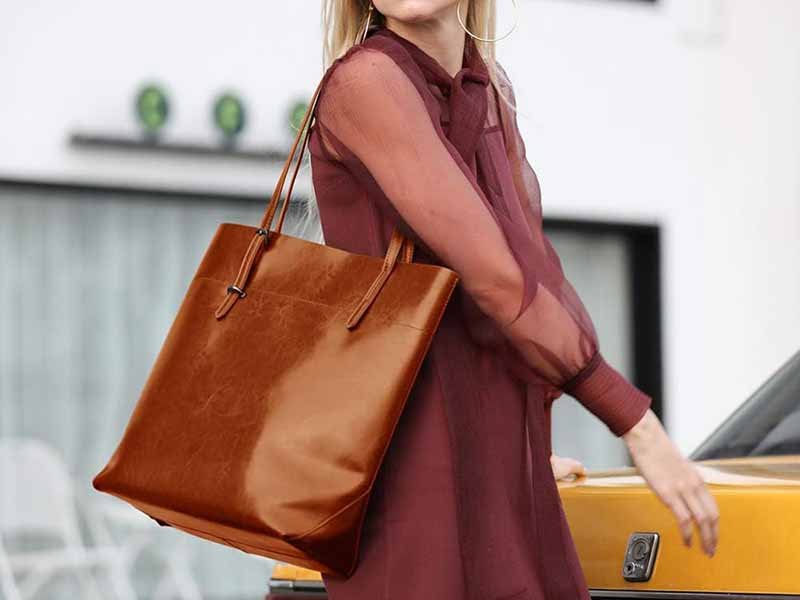
Nappa leather has earned its reputation as a premium material in the world of leather goods, particularly for luxury leather bags. Known for its soft texture, durability, and high-quality appearance, Nappa leather is the preferred choice for discerning brands and customers seeking elegance and longevity in their products. It stands out in the leather industry due to its smooth surface, supple feel, and ability to retain its rich color over time. For those who wish to offer a premium experience, understanding Nappa leather’s properties, applications, and benefits is essential.
Nappa leather has become a staple in the world of high-end leather goods, especially for leather bags. Recognized for its exceptionally soft texture, luxurious feel, and longevity, Nappa leather offers an unmatched combination of aesthetic beauty and performance. It’s no surprise that both established luxury brands and custom bag designers choose Nappa leather for crafting their products. Whether you are designing premium handbags, functional work totes, or travel bags, Nappa leather offers the perfect balance of durability, flexibility, and visual appeal
What Makes Nappa Leather Special? Nappa leather stands out for its ultra-smooth texture, achieved through special tanning processes that preserve the hide’s natural softness. Its full-grain nature allows the leather to breathe while offering excellent wear resistance, making it ideal for items like leather bags that demand both comfort and strength.
For brands and customers looking for quality, knowing the nuances of Nappa leather is key to selecting the right material for your leather bag designs. In this article, we’ll take a deep dive into what Nappa leather is, its benefits, and how you can choose the best quality Nappa leather for your bags.
What Is Nappa Leather?
Nappa leather is a type of full-grain leather that is processed to maintain its softness and flexibility. It is primarily made from lamb, goat, or calf hides, which are tanned in a way that highlights their natural characteristics. The result is a luxurious, supple leather that feels incredibly soft to the touch and provides exceptional comfort when used in products like bags.
Key Characteristics of Nappa Leather:
| Characteristic | Details |
|---|---|
| Softness | Nappa leather is known for its remarkable softness, making it ideal for bags and luxury goods. |
| Smooth Texture | The surface of Nappa leather is smooth and even, giving it a high-end appearance. |
| Durability | Despite its softness, Nappa leather is highly durable and resists wear over time. |
| Flexibility | Nappa leather is more flexible than other types, allowing for comfortable use in bags. |
| Natural Grain | The leather retains its natural grain, adding unique textures and aesthetics to the product. |
The tanning process is what truly sets Nappa leather apart. It involves using natural or chrome-based chemicals to treat the leather, which enhances its pliability and smoothness while preserving the leather’s original grain.
Why Use Nappa Leather for Leather Bags?
Nappa leather is chosen for leather bags due to its excellent balance of aesthetics and practicality. While its visual appeal makes it a top choice for high-end designers, it’s the functional benefits that make it ideal for everyday products like leather bags.
Functional Benefits of Nappa Leather:
- Durability & Long-Term Performance: Nappa leather’s full-grain structure gives it a level of durability that is difficult to match with other leathers. Despite its softness, it resists scratches and abrasions more effectively, ensuring that your leather bags remain in top condition for longer periods. This quality is especially important for bags used frequently, as it helps the product retain its value and functionality.
- Breathability & Comfort: Unlike synthetic materials, Nappa leather is breathable, which adds to the comfort factor when used in leather bags. This allows for better air circulation, preventing the leather from becoming stiff or uncomfortable over time. Whether for travel, daily use, or work, bags made from Nappa leather offer a more comfortable, long-lasting wear.
- Water Resistance: While Nappa leather is not entirely waterproof, it does offer some resistance to moisture. With proper treatment, bags made from Nappa leather can handle light rain without suffering from significant damage, adding an extra layer of functionality to the material.
Aesthetic Advantages of Nappa Leather:
- Color Retention: One of the most attractive features of Nappa leather is its ability to retain its color. Unlike other leathers that may fade or darken over time, Nappa leather remains vibrant and rich. This makes it a perfect material for creating premium, luxury leather bags that stand the test of time, both in appearance and durability.
- Luxurious Feel: The supple texture of Nappa leather gives bags an elevated, high-end feel that appeals to discerning customers. Its smooth surface provides a rich, refined look that is synonymous with luxury. Whether you are designing handbags, briefcases, or travel accessories, the tactile experience of Nappa leather makes it a sought-after choice.
Which Types of Leather Bags Use Nappa Best?
Nappa leather is versatile and can be used for a wide variety of bag types, from functional everyday bags to premium luxury pieces. Its luxurious feel and strong performance make it especially well-suited for bags that will be used frequently but also need to make a stylish statement.
What Types of Everyday Bags Benefit Most from Nappa Leather?
- Tote Bags: Nappa leather is a popular choice for tote bags due to its balance of durability and softness. These bags often see a lot of use, so the combination of flexibility and strength that Nappa offers is essential for creating a long-lasting, stylish tote.
- Shoulder Bags: The softness and flexibility of Nappa leather make it ideal for shoulder bags, which need to be both durable and comfortable. The lightweight nature of Nappa leather ensures that the bag remains easy to carry throughout the day without sacrificing strength.
- Hobo Bags: Nappa leather’s slouchy texture is well-suited for hobo bags, which often have a relaxed shape. The leather molds to the body’s shape over time, giving it a natural, comfortable feel.
Why Is Nappa Leather Ideal for Premium & Luxury Bag Designs?
- High-End Appeal: Nappa leather is synonymous with luxury. Its smooth texture and natural finish lend an air of sophistication to any design, making it perfect for brands looking to position their products as premium offerings.
- Brand Perception: By using Nappa leather, a brand can elevate its reputation in the market. The material’s association with luxury and quality enhances the perception of the brand and increases its appeal to higher-end customers.
- Aesthetic Versatility: Nappa leather’s ability to retain its color and maintain a smooth surface means that bags made from this material can be designed in a wide variety of styles without compromising on quality. Whether creating a sleek modern design or a more traditional classic look, Nappa leather provides endless possibilities for designers.
How to Evaluate Nappa Leather Quality
Evaluating the quality of Nappa leather involves assessing key factors such as grain, suppleness, consistency, and smell. By understanding these characteristics, manufacturers can ensure that the leather they choose is durable, aesthetic, and suitable for their bags.
To choose the best Nappa leather for your leather bags, it’s essential to perform a hands-on evaluation of the material. Here’s how you can evaluate the leather quality based on important performance and visual criteria.
What Are the Key Tests to Determine Nappa Leather Quality?
Grain Quality and Consistency:
The grain of the leather is one of the most critical aspects of its quality. Full-grain Nappa leather is the most desirable because it retains the original texture and pattern of the hide, which contributes to both its aesthetic and durability. High-quality Nappa leather should have a uniform grain pattern with no visible defects or inconsistencies.
How to Test It:
- Visual Inspection: Look at the leather closely for uniformity in texture. High-quality Nappa leather will have a consistent grain, whereas lower-quality leather may have an artificial or patched appearance.
- Flex Test: Gently flex or bend the leather in your hands. Full-grain leather will show subtle grain variations when manipulated, but it won’t have any uneven spots or noticeable discrepancies.
Why It Matters:
A consistent grain means the leather will be structurally sound and have a more premium appearance. It also affects the leather’s ability to age well, as leather with an inconsistent grain may wear unevenly over time.
Softness and Flexibility:
Nappa leather is prized for its softness, which makes it ideal for luxury bags. When you evaluate the leather, it should feel soft and supple to the touch, with a natural flexibility that allows it to conform to different shapes without stiffening.
How to Test It:
- Hand Test: Gently squeeze the leather with your fingers. High-quality Nappa leather should be soft and easily bendable. It should not feel rigid or overly tough, which may indicate low-grade leather or poor tanning methods.
- Bend and Stretch Test: Lightly stretch the leather (without damaging it). The best Nappa leather will feel flexible without showing cracks or signs of resistance to movement.
Why It Matters:
Softness is vital in bags that will be carried regularly. Flexible leather ensures comfort, especially in products like shoulder bags and totes, where the leather needs to conform to the user’s body shape without becoming uncomfortable.
Smell and Scent:
One of the easiest ways to determine the quality of Nappa leather is by its natural scent. High-quality leather has a rich, earthy smell, which is a natural byproduct of the tanning process. Low-quality or synthetic leathers tend to have a chemical or plastic-like smell.
How to Test It:
- Smell Test: Hold the leather close to your nose and take a deep breath. If it smells like fresh leather, it’s likely good-quality Nappa leather. A chemical or unpleasant odor indicates that the leather may have been overly processed or is not genuine.
Why It Matters:
Leather bags are often close to the body, so the smell of the leather can affect the user’s experience. Good-quality Nappa leather will have a pleasant, natural aroma that enhances the luxury experience of the bag.
How Do Thickness & Finish Affect the Performance of Nappa Leather?
The thickness and finish of Nappa leather play a significant role in how it performs in bags. While both factors can influence aesthetics, they also impact the bag’s durability and comfort.
Thickness of Nappa Leather:
The thickness of the leather will directly affect the bag’s strength and structure. Leather that is too thin may not hold its shape well, leading to bags that sag or lose their form over time. On the other hand, leather that is too thick may be too stiff for certain designs and can make the bag uncomfortable to carry.
How to Test It:
- Measure Thickness: Use a leather gauge or caliper to measure the thickness of the Nappa leather. A typical Nappa leather thickness for bags is between 1.0 mm and 1.5 mm, though this can vary depending on the bag’s intended use.
- Flexibility Test: While testing the flexibility, consider the leather’s thickness. It should bend smoothly without showing significant resistance, but if it feels stiff or bulky, it could be too thick for a more flexible bag design.
Why It Matters:
The thickness of the leather impacts both the bag’s aesthetic and its function. A thicker leather provides strength and structure but can limit flexibility, while thinner leather may offer a softer, more flexible feel but might lack durability.
Finish and Texture:
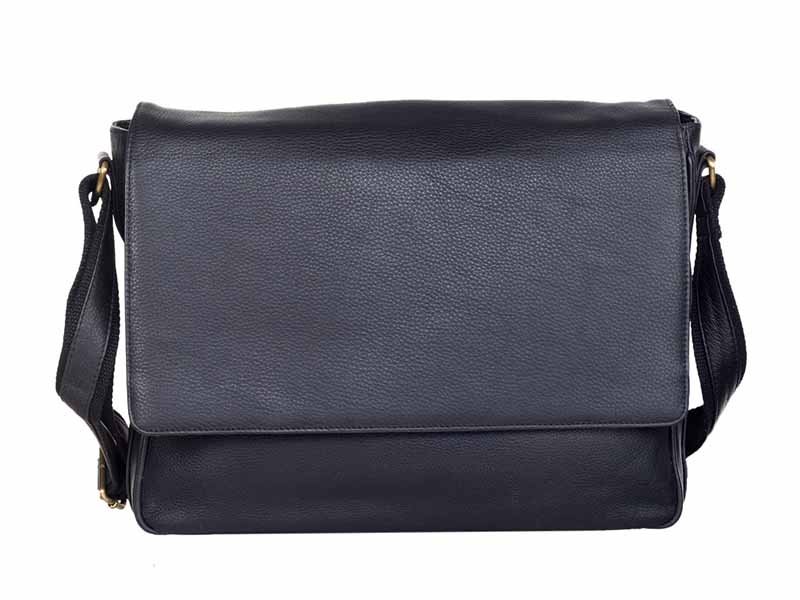
Nappa leather can have different finishes, including matte, semi-gloss, or high-gloss, depending on the design requirements. Each finish can alter the look and feel of the leather, and manufacturers often choose finishes based on how they want the product to look or perform.
How to Test It:
- Visual Inspection: Check the finish under different lighting conditions. A high-quality Nappa leather should have a consistent finish that enhances the color and texture without looking overly shiny or artificial.
- Feel Test: Run your hand over the surface to determine its texture. A matte finish will feel more natural, while a glossy finish will feel smooth but may show scratches or fingerprints more easily.
Why It Matters:
The finish influences both the leather’s appearance and its durability. A glossy finish may look great on luxury bags, but it could wear poorly under heavy use. A matte or satin finish, on the other hand, is often more practical for bags intended for regular use.
Practical Tips for Evaluating Nappa Leather for Bags
Assess the Leather’s Weight and Balance:
The weight of the leather will directly affect how the bag feels when carried. Ensure the leather is not too heavy or too light for the bag style you are designing. A balance between weight and flexibility ensures that the bag holds its shape while remaining comfortable to carry.
Test for Consistent Dyeing:
Nappa leather is known for its vibrant color retention. However, the dyeing process should be even across the entire piece of leather. If you notice any streaks or uneven coloring, it could indicate poor dyeing methods that will affect the bag’s overall appearance.
How to Evaluate Nappa Leather Quality
Evaluating Nappa leather quality is essential to ensure its durability and aesthetic appeal. Focus on the leather’s grain, suppleness, and finish to determine its suitability for your leather bags.
When sourcing Nappa leather for leather bags, the quality of the leather directly impacts the final product. To make sure you’re getting the best Nappa leather, here’s what you need to look for:
What Are the Key Tests to Determine Nappa Leather Quality?
- Grain Quality: Full-grain leather is the most durable and desirable, and Nappa leather should maintain its natural grain structure. This gives it a unique texture and helps it retain its shape over time. When inspecting the leather, ensure the grain is consistent and free from blemishes, as imperfections can affect the overall look and strength of the leather.
- Tip: You can check the grain by gently flexing the leather. It should have a slight, uniform texture without any smooth or overly processed areas. Full-grain leather tends to have a more pronounced, natural look.
- Softness and Flexibility: The hallmark of Nappa leather is its softness. Gently feel the leather to assess its smoothness and suppleness. Nappa leather should be flexible and comfortable to touch. A stiff texture may indicate that the leather has been treated with chemicals that compromise its natural softness.
- Tip: Roll or fold the leather to check its flexibility. High-quality Nappa leather will bend and flex easily without feeling too rigid.
- Smell: The smell of the leather is another key indicator of its quality. Authentic Nappa leather should have a deep, natural leather scent, which is a good sign that it has not been over-treated with synthetic chemicals or dyes.
- Tip: Avoid leather that smells overly chemical or plastic-like. This indicates a low-quality product that may have been treated with artificial chemicals to mimic the qualities of high-end leather.
How Do Thickness & Finish Affect the Performance of Nappa Leather?
- Thickness: Nappa leather comes in various thicknesses, which can affect its durability and usability. The ideal thickness depends on the type of leather bag you’re designing. For example, bags that need to carry heavier loads (like travel bags or backpacks) may require thicker leather for added strength, while softer, thinner leather might be more suitable for lighter items like handbags.
- Tip: You can measure the thickness by gently pressing your fingernail into the leather. A thicker piece will resist the indentation more than a thinner one.
- Finish: The finish applied to Nappa leather also affects its look and performance. A glossy finish may enhance the color and add to the visual appeal but may not be as practical for everyday use, as it can show scratches and wear. A matte or semi-gloss finish may provide a more natural look and be more durable for items like bags.
- Tip: When testing leather finishes, consider how the leather will be used. If it’s for a luxury handbag, you might prefer a shiny, polished finish, but for a more durable, everyday bag, a matte finish might be more practical.
Is Nappa Leather Worth the Cost?
Nappa leather’s premium price reflects its quality, durability, and aesthetic appeal. When compared to other materials, Nappa leather offers long-term value that makes it a smart investment for custom leather bags.
One of the key questions when considering Nappa leather is whether it’s worth the higher cost. While Nappa leather is undeniably a premium material, its value is often justified when you consider its longevity, aesthetic appeal, and superior performance.
How Does the Cost of Nappa Leather Compare to Its Long-Term Value?
- Longevity: Nappa leather’s durability means that products made from it last longer than those made from inferior leathers or synthetics. High-quality Nappa leather can age beautifully, developing a unique patina over time that adds to its character. While the initial investment may be higher, Nappa leather bags often retain their value longer than bags made from other materials.
- Tip: Consider the lifecycle of your leather bag. Nappa leather’s ability to withstand wear and tear makes it an investment that pays off over time, especially for bags that are used frequently.
- Customer Perception: For luxury brands, the material used in products can have a significant impact on brand perception. Nappa leather is synonymous with quality, and using it in your bags can elevate your brand’s image. This can translate into higher sales and customer loyalty, as consumers are often willing to pay more for products made from premium materials.
- Tip: Evaluate how Nappa leather aligns with your brand’s positioning. For high-end brands, it can reinforce a message of luxury and quality, while for more affordable brands, it may position the product as a top-tier offering.
How Does Nappa Leather Compare to Alternative Leather Materials?
- PU Leather: PU (Polyurethane) leather is a synthetic alternative to real leather. While it may appear similar to Nappa leather, it lacks the natural texture, breathability, and long-term durability. PU leather is also more prone to wear and cracking, making it less suitable for high-use products like bags.
- Tip: Consider the intended use of your product. If you’re aiming for high-end bags that will last and age beautifully, Nappa leather is the superior choice.
- Bonded Leather: Bonded leather is made from scraps of leather and a synthetic bonding agent. While it’s more affordable, it doesn’t offer the same durability, texture, or aesthetic appeal as Nappa leather. Bonded leather is more suitable for budget-conscious consumers but falls short in terms of quality and longevity.
- Tip: For luxury or premium bag designs, bonded leather is not a suitable alternative. Nappa leather offers much more in terms of both visual and physical longevity.
- Vegetable-Tanned Leather: Vegetable-tanned leather is more eco-friendly, but it requires a longer aging process and is stiffer compared to Nappa leather. It’s commonly used for rugged, traditional leather products but may not offer the same comfort and softness that Nappa leather provides.
- Tip: Vegetable-tanned leather is ideal for a specific rustic look, but if softness and flexibility are key, Nappa leather is the better option.
How Custom Manufacturers Should Source & Work With Nappa
To get the best Nappa leather for your leather bags, work with reliable suppliers that specialize in premium materials, offer customization options, and ensure consistent quality through every stage of production.
When sourcing Nappa leather for leather bags, working with experienced suppliers is key to ensuring consistent quality. Here’s what you should look for when partnering with a Nappa leather supplier:
What Capabilities Should a Nappa Leather Supplier Have?
- Material R&D: A reliable supplier should have expertise in sourcing and developing Nappa leather to meet specific design and performance requirements. This includes offering a range of finishes, textures, and colors that align with your product’s needs.
- Tip: Look for suppliers that offer customizable leather options, allowing you to choose the exact qualities you need for your leather bags.
- Testing and Quality Control: Nappa leather should undergo rigorous testing for strength, durability, and finish. Ensure that your supplier uses quality control methods to inspect the leather for defects, ensuring that only top-tier materials are used in production.
- Tip: Ask about the supplier’s quality control processes and the testing procedures used to evaluate leather batches.
How Can Manufacturers Ensure Nappa Leather Production Quality?
- Sampling & Prototyping: Before committing to a large order, always request samples or prototypes made from Nappa leather. This allows you to assess the leather’s quality firsthand and ensure it meets your standards for the final product.
- Tip: Work closely with your supplier to create a prototype to fine-tune the design and leather choice. This minimizes risks during production.
- Tooling and Finish Customization: The final finish of your Nappa leather bags can significantly impact their look and performance. A reputable supplier should offer tooling options to create custom textures, embossing, or finishes that match your brand’s vision.
- Tip: Work with a supplier that provides tooling and design flexibility to ensure that the final product matches your expectations.
Conclusion
Nappa leather is the premium choice for luxury and custom leather bags, providing unmatched softness, durability, and aesthetic appeal. While the initial investment may be higher, the long-term value of Nappa leather far outweighs the cost. Its ability to age beautifully, develop a unique patina, and retain its natural elegance makes it a smart choice for any designer or brand looking to offer high-end leather bags.
At Szoneier, we specialize in providing the highest-quality Nappa leather for custom leather bags. With years of experience, a strong supply chain, and a commitment to quality, we can help bring your leather bag designs to life. Whether you need premium leather for a new collection or customized options for your brand, we offer the flexibility, durability, and aesthetic appeal you need to stand out.
Contact us today to learn more about how we can help you with your custom leather projects. Get in touch for quotes, samples, or more information about our leather sourcing and manufacturing capabilities.