 Skip to content
Leather Backpack Price Guide: Cost Factors and How to Choose the Best Option
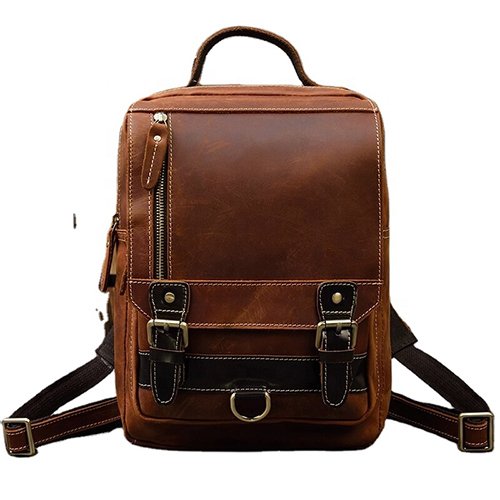
Leather backpacks have become more than just utility items—they’re fashion statements, business essentials, and even luxury investments. From high-end Italian full-grain leather to eco-friendly PU materials, the price spectrum can vary from $50 to over $800 depending on several key factors. For brands, wholesalers, and individual buyers, understanding these factors ensures smarter purchasing decisions and better ROI on corporate gifting or retail stock.
Leather backpack prices depend on material quality, craftsmanship, design complexity, brand reputation, and sales channels. Full-grain leather and handmade construction cost more but last longer, often exceeding 5–10 years of use. Budget-friendly PU leather options exist for bulk or OEM orders. Ultimately, balancing durability, style, and pricing ensures buyers get the best value without overspending.
So, how do you decide whether a leather backpack is worth $100 or $500? Let’s break it down step-by-step.
What Factors Determine Leather Backpack Prices?
Leather backpack prices are influenced by material grade, craftsmanship quality, production methods, hardware selection, brand reputation, and market demand. Premium full-grain leather and handmade construction drive costs higher, while machine production and synthetic alternatives keep prices affordable. Additional features like custom branding, compartments, and luxury packaging also raise pricing, making it essential for buyers to balance durability, style, and budget expectations before purchasing or placing OEM orders.
Type and Grade of Leather
Leather quality has the single largest impact on cost, sometimes accounting for 40–50% of final retail pricing.
Full-Grain Leather:
- Taken from the topmost layer of hide with natural grain preserved.
- Highly durable, ages well, develops patina.
- Used by luxury brands like Coach, Tumi, and Saddleback.
- Price impact: Adds $100–$200+ over mid-tier materials.
Top-Grain Leather:
- Surface corrected for a smoother, uniform finish.
- Cheaper than full-grain but still high quality.
- Found in mid-range backpacks ($150–$300) for professionals and travelers.
Split Leather & PU (Vegan) Leather:
- Lowest cost, lighter weight, often used for bulk corporate gifts or budget e-commerce brands.
- Lifespan: 2–3 years vs. 8–10 years for full-grain.
| Leather Type | Cost Impact | Typical Price Range | Lifespan | Typical Buyers |
|---|---|---|---|---|
| Full-Grain | Highest | $400–$800+ | 8–10 years | Luxury Brands, Executives |
| Top-Grain | Medium | $200–$400 | 5–7 years | Professionals, Retail Stores |
| Split/PU/Recycled | Lowest | $50–$150 | 2–3 years | Startups, Bulk Corporate Orders |
Craftsmanship and Labor Costs
How the backpack is constructed also plays a significant role:
Handmade Backpacks:
- Use saddle-stitching techniques, reinforced corners, and hand-finished edges.
- Labor-intensive production raises costs 20–40% over machine-made units.
- Popular in Italian, US, and UK artisanal brands.
Machine-Produced Backpacks:
- Faster manufacturing speed, consistent quality, and lower labor costs.
- Ideal for OEM/ODM bulk orders with 500–5,000 unit runs.
Example: A handmade full-grain leather backpack retailing at $600+ might cost $250–$300 in materials and labor, while a machine-made PU leather model could retail for under $100 at scale.
Hardware, Lining, and Additional Features
- Zippers: YKK or RiRi zippers cost more than generic alternatives.
- Buckles & Rivets: Brass or stainless-steel hardware adds durability but raises unit cost by 10–15%.
- Lining Materials: High-denier polyester or suede lining improves internal durability.
- Compartments: Laptop sleeves, hidden pockets, and waterproof sections each add $5–$20 to production cost.
For example, a simple unlined leather backpack may cost $150, but a fully padded, multi-compartment model with premium zippers could retail at $300–$400 even using the same leather type.
Brand Reputation and Marketing Markups
- Luxury brands like Louis Vuitton or Gucci apply 50–200% markup due to exclusivity, marketing, and resale value.
- Mid-market brands like Fossil or Samsonite offer quality materials with moderate markups for accessibility.
- Private label OEM brands often skip retail middlemen, selling directly to consumers at 40–60% lower prices.
| Brand Type | Average Markup | Price Range | Buyer Segment |
|---|---|---|---|
| Luxury Designer | 100–200% | $800–$2,000+ | High-Net-Worth, Collectors |
| Mid-Market Retail | 40–80% | $150–$500 | Professionals, Travelers |
| OEM Direct / Private Label | 10–30% | $50–$200 | Startups, Corporate Bulk Buyers |
Production Location and Supply Chain Costs
- European Manufacturing: Higher labor and compliance costs, longer shipping times.
- Asian Hubs (China, Vietnam, India): Lower production costs, scalable capacity, shorter OEM lead times.
- Local sourcing vs importing materials also affects final pricing by 5–15% depending on tariffs and logistics fees.
For instance, a US-made full-grain leather backpack could retail at $600–$800, while a similar design manufactured in Asia might cost $300–$400 with comparable materials.
Which Types of Leather Backpacks Fit Different Budgets?
Leather backpacks come in three main budget tiers: luxury full-grain leather models ($500–$800+) for executives and premium retail, mid-range top-grain backpacks ($150–$400) for professionals and small brands, and budget PU or split-leather models (under $100–$150) for startups, students, and bulk corporate gifting.
1. Luxury Leather Backpacks ($500–$800+)
This tier targets high-net-worth individuals, corporate gifting for executives, luxury retail stores, and fashion-conscious buyers.
- Material & Craftsmanship: Always full-grain leather, hand-stitched, sometimes vegetable-tanned for eco-conscious branding.
- Hardware & Details: YKK zippers, brass buckles, suede lining, multiple compartments, padded laptop sleeves, RFID protection.
- Brand Factor: Luxury houses like Louis Vuitton or Saddleback apply 50–200% markups due to heritage, design exclusivity, and marketing.
- Lifespan: 8–10 years with proper care; develops a patina that enhances character over time.
- OEM/ODM Use Case: Perfect for corporate gifting programs where branding prestige outweighs unit cost.
Example: A law firm ordering 100 full-grain leather backpacks at $600 each for partner gifts spends $60,000 upfront but secures 10 years of daily brand exposure with each recipient.
2. Mid-Range Leather Backpacks ($150–$400)
The most practical price tier for professionals, small retailers, and boutique brands targeting value-conscious buyers.
- Material & Craftsmanship: Top-grain leather dominates this segment, machine-stitched but with decent finishing quality.
- Hardware: Mix of metal and high-quality synthetic components to balance cost and durability.
- Design Versatility: Often includes laptop sleeves, organizational pockets, and travel-friendly designs for office or weekend use.
- Lifespan: 5–7 years under normal use conditions, making it a cost-effective balance between price and longevity.
- Corporate Branding: Mid-range backpacks allow logo embossing, Pantone color matching, and custom packaging without luxury-level MOQs or costs.
Example: A co-working startup orders 300 branded top-grain backpacks at $250 each for member onboarding kits—affordable enough for bulk gifting yet durable enough to reflect premium brand values.
3. Budget-Friendly Leather Backpacks (Under $100–$150)
Ideal for students, e-commerce startups, promotional giveaways, and bulk corporate events.
- Material Choices: PU leather, split leather, or bonded leather with synthetic lining for weight and cost savings.
- Manufacturing: Fully machine-made at scale, keeping labor costs low and production fast.
- Design Features: Simple compartments, basic zippers, minimal luxury detailing.
- Lifespan: 2–3 years before signs of wear appear—adequate for short-term campaigns or single-season retail lines.
- E-Commerce Use Case: Low-MOQ production makes this segment popular on Amazon, Shopify, and promotional merchandise platforms.
Budget Tiers & Use Cases
| Price Tier | Material Type | Typical Lifespan | Primary Buyers | Branding Options |
|---|---|---|---|---|
| $500–$800+ (Luxury) | Full-Grain Leather | 8–10 years | Luxury Brands, Executives | Debossed logos, gift packaging |
| $150–$400 (Mid-Range) | Top-Grain Leather | 5–7 years | Professionals, Retailers | Embossing, Pantone colors |
| Under $100–$150 (Budget) | PU / Split Leather | 2–3 years | Startups, Bulk Orders, Students | Screen printing, bulk packing |
Factors Influencing Budget Selection
- Audience Expectations: Executives expect premium materials; student giveaways focus on cost efficiency.
- Brand Positioning: Luxury brands need long-lasting, high-visibility items; startups prioritize marketing ROI.
- Order Volume: Larger bulk orders often push buyers toward mid-range or budget tiers for cost-per-unit savings.
- Customization Needs: Adding logos, slogans, or corporate colors costs extra but boosts brand recall significantly.
How Do Manufacturing Methods and Materials Impact Price?
Leather backpack costs rise with handcrafted production, premium leather sourcing, high-end hardware, and eco-friendly tanning methods. Handmade backpacks require skilled labor and longer production times, increasing prices by 20–40% over machine-made units. Material quality—full-grain vs PU leather, vegetable-tanned vs chrome-tanned—adds further cost layers.
Handmade vs Machine-Made Production
The choice between handcrafted and machine-made backpacks is a major pricing factor.
Handmade Backpacks
- Labor-intensive processes like hand-stitching, edge polishing, and saddle-stitch reinforcement require experienced artisans.
- A handmade full-grain leather backpack may take 10–15 hours to complete, driving costs up by 20–40% over mass-produced alternatives.
- Typically priced at $500–$800+, appealing to luxury buyers and premium corporate gifting programs.
Machine-Made Backpacks
- Automated cutting and stitching enable high-volume production with consistent quality.
- Labor costs drop by 30–50% vs handmade units, making it ideal for e-commerce brands, wholesalers, and bulk corporate orders.
- Unit costs for top-grain or PU leather backpacks can stay below $100–$200 depending on order volume.
Production Method Comparison
| Production Method | Labor Cost Impact | Lead Time | Target Market |
|---|---|---|---|
| Handmade | +20–40% vs machine | 2–4 weeks/unit | Luxury Retail, Executive Gifting |
| Machine-Made | Baseline Cost | 500–1,000 units/month | OEM, Bulk Corporate Orders |
Material Selection and Sourcing Costs
The type of leather, tanning method, and hardware selection significantly affect backpack pricing.
Leather Types
- Full-Grain Leather: Most durable, sourced from premium hides, cost increases by 30–50% over PU leather.
- Top-Grain Leather: Moderate cost, widely used in mid-range backpacks ($150–$400).
- PU or Bonded Leather: Budget-friendly, reducing material costs by up to 70% vs full-grain.
Tanning Methods
- Vegetable Tanning: Eco-friendly, takes longer, adds 10–20% cost but preferred by sustainable brands.
- Chrome Tanning: Faster, cheaper, but less eco-friendly, used in 80% of global leather production.
Hardware & Linings
- YKK zippers, brass buckles, and suede linings add $10–$30 per unit, appealing to premium buyers.
- Generic zippers, polyester linings cut costs for budget corporate gifting orders.
Material Impact on Price
| Material / Feature | Cost Impact | Target Price Tier |
|---|---|---|
| Full-Grain Leather | +30–50% | $500–$800+ (Luxury) |
| Top-Grain Leather | +15–25% | $150–$400 (Mid-Range) |
| PU / Bonded Leather | Baseline | Under $100–$150 (Budget) |
| Vegetable Tanning | +10–20% | Eco-Friendly Brands |
| Chrome Tanning | Baseline | Bulk Corporate Orders |
| YKK Zippers / Brass Hardware | +$10–$30 per unit | Premium Retail, Executive Gifts |
Labor Costs by Manufacturing Region
Labor location affects per-unit cost and production lead times:
- Europe (Italy, Spain): Highest labor costs, premium craftsmanship, ideal for luxury retail brands.
- North America (USA): Moderate labor costs, smaller production capacity, focuses on custom corporate gifting programs.
- Asia (China, Vietnam, India): Lowest labor costs, high-volume OEM production, 30–50% cheaper than Western markets.
Example:
- A full-grain leather backpack made in Italy: $700–$900 retail.
- A similar design made in Asia: $250–$400 retail with bulk orders reducing costs further.
Customization and Branding Impact
Adding corporate logos, Pantone color matching, or luxury packaging raises costs by 5–15% per order, depending on:
- Embossing/Debossing: Adds subtle, long-lasting branding for executive gifts.
- Foil Stamping or UV Printing: Suitable for e-commerce retail or corporate giveaways.
- Custom Packaging: Eco-friendly boxes or gift-ready sets cost $2–$5 extra per unit but increase perceived value.
Do Leather Backpack Prices Vary Across Markets and Sales Channels?
Yes. North America and Europe carry higher retail markups due to import duties and brand premiums, while Asian markets offer direct-from-factory pricing for OEM buyers. Online platforms like Amazon reduce distribution layers, whereas offline boutiques charge 30–50% more for in-store experiences and limited editions.
Market & Channel Comparison
- Wholesale Buyers: Pay factory-direct rates with bulk discounts up to 40% for 1,000+ unit orders.
- Retail Consumers: Pay full markup covering marketing, packaging, and distribution costs.
- E-Commerce vs Brick-and-Mortar: Online prices trend 10–20% lower without physical overhead expenses.
| Market/Channel | Price Level | Typical Markup % |
|---|---|---|
| Direct OEM Orders | Lowest | 0–10% |
| Online Retail (Amazon) | Moderate | 20–30% |
| Luxury Boutiques | Highest | 50–200% |
How to Choose the Right Leather Backpack for Your Needs and Budget?
When choosing the right leather backpack, the first step is to clearly define the purpose. Corporate buyers may need them as high-end executive gifts, retail brands might target mass-market consumers, while e-commerce startups often care most about cost-efficiency and production speed. Different use cases directly influence your priorities in terms of material quality, features, customization, and order volume. For example, executive gifting focuses on prestige and durability, while promotional giveaways prioritize lower unit costs and fast lead times.
Material choice has the biggest impact on both price and lifespan. Full-grain leather offers the best texture, durability, and aging potential, lasting 8–10 years and suitable for luxury retail or corporate gifts. Top-grain leather strikes a balance between price and quality, lasting 5–7 years and fitting mid-range retail or e-commerce brands. PU or recycled leather costs the least and lasts 2–3 years, making it ideal for bulk promotional orders or budget-conscious startups.
Features and functionality also affect both cost and user experience. High-end buyers often expect laptop compartments, waterproof linings, RFID-blocking pockets, and anti-theft designs, all of which add to production cost. On the other hand, bulk orders or retail products may reduce non-essential features to maintain affordability and faster production cycles.
Customization options directly shape brand identity and perceived value. Corporate clients often choose debossed logos, foil stamping, Pantone color matching, or premium gift packaging to reinforce brand recognition. Retailers may focus more on custom hang tags, eco-friendly packaging, or product labeling to appeal to e-commerce customers while staying on budget.
Order volume (MOQ) and production timelines are another critical factor. Startups typically begin with 100–200 units for market testing, while corporate buyers and established retailers often place 500–1,000+ unit orders to secure 20–30% per-unit discounts. Sampling usually takes 7–10 days, and bulk production requires 25–35 days depending on customization and order size.
Conclusion: Partner with Szoneier for Custom Leather Backpacks
Choosing the right leather backpack isn’t just about materials or pricing — it’s about finding a manufacturing partner who understands your brand’s needs, ensures consistent quality, and offers flexible customization options to match your audience and budget.
Whether you’re a corporate buyer planning executive gifts, a startup launching an e-commerce line, or a retailer expanding into leather goods, Szoneier provides end-to-end solutions to make your project a success.
Contact Szoneier today for a free consultation, pricing details, and custom design mockups — let’s turn your leather backpack ideas into premium products that stand out in any market.
What Can I Do For You?
Here, developing your OEM/ODM private label leather goods collection is no longer a challenge,it’s an excellent opportunity to bring your creative vision to life.
Make A Sample First?
If you have your own tech packs, logo design artwork, or just an idea,please provide details about your project requirements, including preferred fabric, color, and customization options,we’re excited to assist you in bringing your leather goods designs to life through our sample production process.