
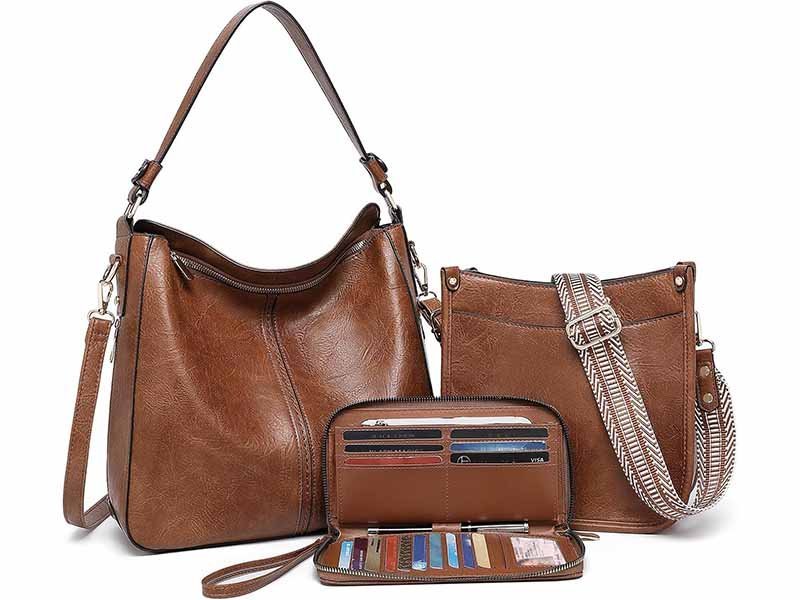
One of the most common problems with leather bags, especially larger ones, is sagging bottoms. Over time, leather bags can lose their shape, particularly when carrying heavy items, leading to the bag’s base becoming deformed and misshapen. This is not only a design flaw but also an issue that affects the durability and aesthetic appeal of the bag. So, how can we stop this from happening while maintaining the luxurious feel and functionality of a leather bag?Sagging bottoms in leather bags are caused by a mix of factors such as weight distribution, poor construction, and leather quality. By addressing these factors with proper reinforcement, material choices, and thoughtful design, manufacturers can ensure long-lasting bags that hold their shape.
This article will explore the causes of sagging bottoms in leather bags and provide practical solutions. We’ll discuss the types of leather and design choices that prevent sagging, how to reinforce the bottom of a bag for durability, and how to care for leather bags to maintain their structure. Whether you are a manufacturer aiming to improve your designs or a consumer wanting to take better care of your leather bags, this guide will provide valuable insights.
What Causes Sagging Bottoms in Leather Bags?
Leather bags naturally wear over time, and sagging bottoms occur due to several contributing factors. These include the type of leather used, the way the bag is constructed, and how the bag is used or stored. By understanding these causes, we can better prevent sagging and ensure bags retain their shape for longer.
Leather type, weight distribution, and construction quality are the main contributors to sagging. Proper care and design adjustments can prevent premature sagging.
What Role Does Leather Type Play in Sagging?
The type of leather used in the production of a bag plays a key role in how well it maintains its shape. Leather varies in density, texture, and durability, which can all impact how the leather reacts under stress. Some leather types naturally resist sagging better than others.
- Full-Grain Leather: Known for its durability and strength, full-grain leather retains its shape for a longer time, even under heavy weight. Its high fiber density ensures the leather doesn’t easily stretch or become misshapen.
- Top-Grain Leather: This leather is sanded and treated to remove imperfections, which makes it a little softer and more pliable than full-grain leather. As a result, it may show signs of sagging more quickly.
- Split Leather: Often used in more affordable bags, split leather is weaker than full-grain and top-grain leather. It is more prone to sagging and losing shape over time, particularly if the bag is overloaded.
| Leather Type | Durability | Resistance to Sagging | Common Uses |
|---|---|---|---|
| Full-Grain Leather | Very High | Low | Premium bags, high-end goods |
| Top-Grain Leather | High | Moderate | Everyday bags, wallets |
| Split Leather | Moderate | High | Budget-friendly bags, casual accessories |
How Does Bag Weight Affect Sagging?
One of the primary causes of sagging bottoms is the weight of the items carried inside the bag. When a leather bag is overloaded, especially with heavy items, the leather begins to stretch and lose its shape. This is particularly noticeable in larger bags such as tote bags, messenger bags, and weekenders.
- Heavy items such as laptops, books, and cosmetics add strain to the leather and can cause the bag to lose its structure.
- Bags without reinforced bottoms or proper support structures are more likely to experience sagging, as the weight of the contents puts uneven pressure on the bottom.
A large leather tote bag carrying a laptop, books, and a water bottle will naturally begin to sag over time if the base is not adequately supported. However, a similar tote with reinforced bottom panels can carry the same weight without deforming.
Which Leather Types Resist Sagging Best?
When designing leather bags that resist sagging, choosing the right type of leather is crucial. Some leathers are naturally more resilient and durable, while others, though cheaper, may be more prone to sagging.
Full-grain leather and top-grain leather are the best options for resisting sagging, as they offer superior strength and structure compared to split leather.
Which Full-Grain Leathers Perform Well?
Full-grain leather is the highest quality leather available, made from the topmost layer of the hide. It is stronger and more resistant to sagging compared to other leather types. Full-grain leather also develops a beautiful patina over time, making it a favorite among luxury brands.
- Vegetable-tanned full-grain leather is a popular choice for long-lasting durability, as it is naturally tough and ages well, preserving the leather’s shape.
- Chrome-tanned full-grain leather offers similar durability but with a smoother finish and more consistent color.
| Leather Type | Durability | Resistance to Sagging | Common Uses |
|---|---|---|---|
| Full-Grain Leather | Very High | Low | Luxury bags, high-end accessories |
| Vegetable-Tanned Leather | High | Low | Eco-friendly luxury bags |
| Chrome-Tanned Leather | Moderate to High | Moderate | Fashion bags, everyday bags |
How Do Corrected Grain or Top-Grain Compare?
While top-grain leather is slightly more processed than full-grain leather, it still offers a high level of strength and resistance to sagging. The leather is sanded and treated to remove imperfections, making it more pliable but still durable enough to resist sagging with proper care.
- Top-grain leather is more flexible than full-grain, which can lead to slight sagging over time, especially when carrying heavy items.
- Corrected-grain leather undergoes additional processing to smooth out imperfections, making it softer but also more prone to sagging due to reduced density and strength.
| Leather Type | Durability | Resistance to Sagging | Common Uses |
|---|---|---|---|
| Top-Grain Leather | High | Moderate | Everyday bags, high-end goods |
| Corrected-Grain Leather | Moderate | High | Budget-friendly products |
How Should Bags Be Designed to Prevent Sagging?
To prevent sagging, the design of the bag plays a significant role. Key features such as reinforced bases, stitching, and structural supports can prevent the bag from losing its shape over time. By understanding how weight is distributed across the bag, manufacturers can integrate design features that help to maintain the bag’s structural integrity.
To prevent sagging, reinforced bases, wider straps, and structural linings are essential. These design elements ensure that the bag can carry weight without losing its shape.
What Design Features Add Bottom Support?
Reinforcing the bottom of the bag is crucial for preventing sagging. Manufacturers can use firmer materials, such as nylon inserts, reinforced leather, or even metal bases, to add support to the bottom of the purse.
- Reinforced leather or synthetic fibers can be added to the bottom panel to increase stability and reduce the risk of sagging.
- For high-end bags, manufacturers may use metal feet or insert panels to prevent wear and support the bag’s shape.
| Design Feature | Effectiveness | Function |
|---|---|---|
| Reinforced Bottom Panel | Very effective | Prevents sagging by adding structure |
| Reinforced Stitching | Effective | Adds durability to weak points |
| Metal or Plastic Inserts | Highly effective | Provides additional bottom support |
How Do Reinforcement Panels Help?
Reinforcement panels are placed in the bottom section of the bag to provide extra structure and prevent sagging. These panels can be made from plastic, nylon, or synthetic fibers.
- Nylon panels are commonly used because they are lightweight, durable, and add minimal bulk while offering great support.
- Synthetic leather or hardboard can also be used for reinforcement, providing a rigid structure without compromising the bag’s overall weight.
| Reinforcement Material | Effectiveness | Durability | Use Case |
|---|---|---|---|
| Nylon Panels | Highly effective | Long-lasting | High-end, long-lasting bags |
| Synthetic Leather | Effective | Durable but flexible | Budget-friendly bags |
What Techniques and Materials Improve Bottom Stiffness?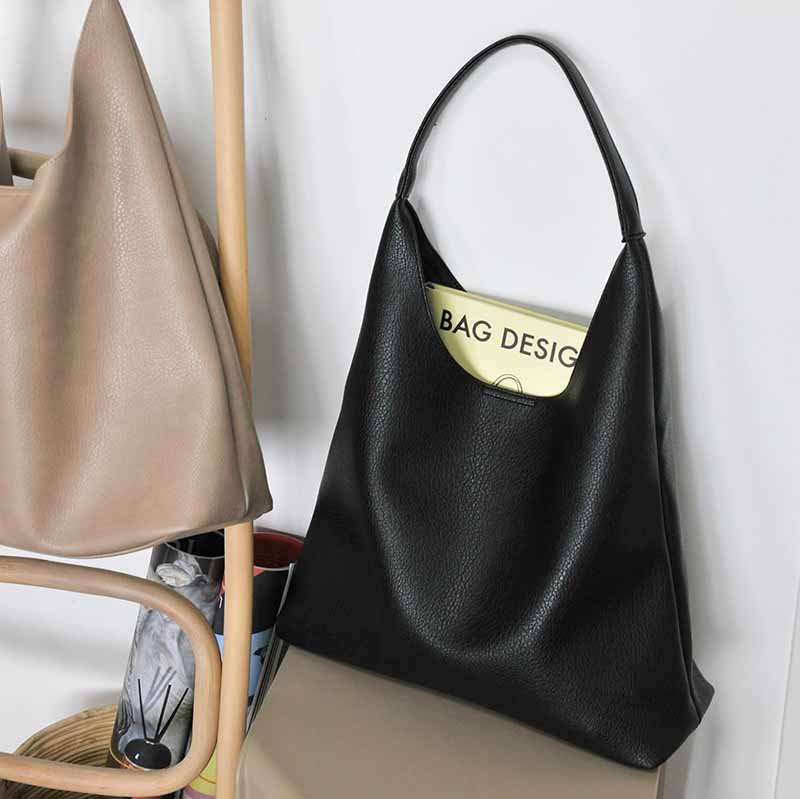
Improving the bottom stiffness of leather bags is one of the most effective ways to prevent sagging. This can be achieved by using the right materials, reinforcement techniques, and design elements that provide additional support and structure to the bag. The bottom of the bag should be strong enough to distribute weight evenly, preventing deformation.
Adding reinforcements, reinforced panels, and using durable materials can prevent sagging bottoms. Materials like nylon inserts and stiffening agents help preserve the bag’s shape over time.
Which Interfacings Are Effective in Reinforcing Leather Bags?
Interfacing refers to any material that is inserted or fused to the interior of the bag to enhance its structure. Interfacing plays a key role in reinforcing the bottom of the bag to prevent sagging and maintain its shape. There are several types of interfacing that can be used depending on the design and intended use of the bag:
- Nylon Interfacing: Nylon is a lightweight but strong material commonly used to reinforce leather bags. It helps maintain the shape of the bag without adding significant weight.
- Fusible Interfacing: This type of interfacing has an adhesive backing, making it easier to attach to the leather or fabric. Fusible interfacing provides extra firmness and can be particularly useful in preventing sagging at the bottom of the bag.
- Canvas Interfacing: Canvas is another sturdy option often used to reinforce leather bags. It’s durable and can hold the shape of the bag without compromising flexibility.
| Interfacing Type | Effectiveness | Material Benefits | Common Use |
|---|---|---|---|
| Nylon | Very effective | Lightweight, durable, flexible | Reinforcement for large bags |
| Fusible | Highly effective | Easy to apply, adds stiffness | Everyday bags, moderate weight |
| Canvas | Moderately effective | Durable, strong, supports shape | Budget-friendly bags |
How Does Stitching Pattern Matter in Preventing Sagging?
The stitching pattern used in a leather bag is crucial for its overall durability and ability to withstand weight. The type of stitching used can ensure that the bag remains stable and resistant to sagging, especially around high-stress areas like the bottom of the purse.
- Double Stitching: Double-stitching provides added durability and reinforcement at key areas, such as the bottom corners, where the bag is most likely to sag. This type of stitching adds extra strength and prevents the leather from stretching over time.
- Reinforced Stitching: Some bags incorporate reinforced stitching with thicker threads in areas that are subject to heavy weight. This stitching technique helps in maintaining the bag’s shape, especially for larger bags.
| Stitching Type | Effectiveness | Benefit | Common Use |
|---|---|---|---|
| Double Stitching | Very effective | Adds durability to stress points | Premium bags, heavy-duty use |
| Reinforced Stitching | Highly effective | Prevents stretching or sagging | High-end bags, large totes |
Do Metal Feet or Inserts Help Reduce Wear and Maintain Shape?
Metal feet and inserts are effective structural enhancements that can help prevent sagging in leather bags. The metal feet are small studs placed at the bottom of the bag to protect it from abrasion, dirt, and moisture, while inserts help to add firmness and stability to the bag’s base.
- Metal Feet: These small metal studs are placed at the four corners of the bag’s bottom. They help distribute weight evenly and reduce wear and tear on the bottom surface of the bag, preventing sagging.
- Reinforced Bottom Inserts: Adding reinforced panels made from plastic, nylon, or hardboard to the bottom of the bag provides structural support, preventing the bag from collapsing under weight. These inserts are commonly used in larger, heavier bags.
| Reinforcement Feature | Effectiveness | Purpose | Common Use |
|---|---|---|---|
| Metal Feet | Very effective | Protects bottom from abrasion | Luxury bags, high-end purses |
| Inserts (Plastic/Nylon) | Highly effective | Adds firmness and bottom support | Heavy-duty bags, large totes |
How to Maintain and Strengthen Your Bag Over Time
Proper care and maintenance are essential to keeping leather bags in good shape and preventing sagging. Bags that are well-maintained can withstand years of use without losing their structure. Regular cleaning, conditioning, and proper storage are key to extending the life of your leather bag.
Regular maintenance can help prevent sagging by preserving the leather’s strength and ensuring the bag retains its shape. Proper storage and cleaning habits are crucial for longevity.
What Daily Care Habits Prevent Sagging?
Maintaining the shape of your leather bag starts with adopting daily care habits that focus on cleaning, storage, and weight management. Here are some key habits to consider:
- Avoid Overloading: Don’t carry more than what your leather bag is designed for. Overloading the bag with heavy items can strain the leather and cause it to lose its shape.
- Store Properly: After use, always store your bag in a cool, dry place, and if necessary, place it on a purse hook or inside a dust bag to prevent shape deformation.
- Condition Leather Regularly: Regularly applying leather conditioner helps to keep the leather supple and strong, preventing it from becoming brittle and prone to sagging.
| Daily Care Habit | Effectiveness | Prevention of Sagging | Recommended Frequency |
|---|---|---|---|
| Avoid Overloading | Highly effective | Prevents stretching and sagging | Daily |
| Store Properly | Very effective | Retains shape and prevents distortion | After each use |
| Condition Leather | Effective in maintaining leather integrity | Keeps leather supple and strong | Every 1–2 months |
How to Use Stabilizers and Inserts to Prevent Sagging
Stabilizers and inserts are additional features that manufacturers can incorporate into leather bags to provide extra support and prevent sagging. These features can be added during the design phase or after purchase, depending on the severity of the sagging.
- Plastic or Hardboard Inserts: These materials can be inserted into the bottom panel of the bag to add rigidity and prevent sagging.
- Foam or Felt Inserts: For bags that don’t need heavy reinforcement, foam or felt inserts can provide the necessary support without adding excessive weight.
| Reinforcement Material | Effectiveness | Durability | Use Case |
|---|---|---|---|
| Plastic Inserts | Very effective | Durable, long-lasting | Heavy-duty, structured bags |
| Foam Inserts | Moderately effective | Lightweight, flexible | Lighter bags, casual use |
Is Professional Repair Worth It?
If you’ve already noticed sagging in your leather bag and maintenance steps haven’t resolved the issue, seeking professional repair might be a wise decision. A skilled leather artisan can reinforce the bottom, re-stitch seams, or even replace sagging parts. Repairing leather bags can extend their life significantly, especially if you want to maintain a high-quality product for many years.
A luxury handbag with sagging corners or a soft bottom panel can be professionally reinforced by adding stiffening materials or replacing the bottom panel altogether. These repairs can make the bag feel brand-new again while preserving its premium quality.
Conclusion
Preventing sagging bottoms in leather bags involves a combination of good design, proper materials, and consistent maintenance. By using high-quality leather, reinforced bottom panels, and proper care routines, you can ensure your leather bags retain their shape, durability, and style. Whether you’re a manufacturer looking to create more durable products or a customer seeking to maintain your favorite leather bag, this guide provides essential insights for maintaining your bags’ longevity and structure.
Custom Leather Bags by Szoneier
At Szoneier, we specialize in custom leather bags designed to withstand the test of time. From reinforced bottoms to durable leather options, we offer personalized solutions tailored to your brand’s needs. Our skilled craftsmen can create long-lasting leather accessories that maintain their shape and quality. Contact Szoneier today to discuss your custom leather bag designs and ensure your products meet the highest standards of durability.