
How to Make a Leather Drawstring Pouch: A Comprehensive Guide
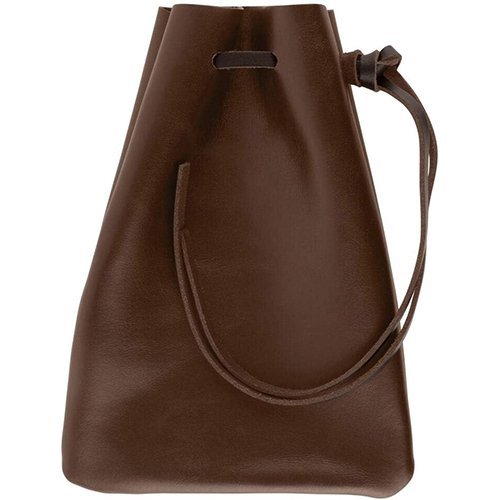
Creating a leather drawstring pouch isn’t just a craft—it’s an art form that fuses traditional techniques with modern design. Imagine a pouch that not only serves as a stylish accessory but also stands as a testament to quality craftsmanship. In this guide, you’ll discover the secrets behind selecting materials, mastering construction techniques, and adding those finishing touches that make your pouch truly unique.
Learn to craft a durable, stylish leather drawstring pouch by understanding the essential materials, design planning, cutting, stitching, and finishing techniques.
As you journey through these insights, picture yourself in a bustling workshop where every cut and stitch tells a story—just like our founder’s first handcrafted pouch that ignited a passion for excellence and creativity. Keep reading to explore the art and science behind every leather pouch made by industry experts like Szoneier Leather.
What Materials and Tools Are Essential for Making a Leather Drawstring Pouch?
Essential materials include high-quality leather, durable thread, and a suitable fabric lining. Key tools consist of cutting mats, leather punches, and stitching tools. The best fabric for drawstring bags is one that complements leather durability.
A. Quality Leather and Complementary Fabrics
Leather Types:
Choose between full-grain, top-grain, and genuine leather based on durability and aesthetics. Full-grain leather, known for its strength and natural look, is ideal for premium products. Top-grain leather is slightly modified for uniformity, and genuine leather offers affordability with decent quality.
Best Fabric for Drawstring Bags:
While leather is the primary material, selecting a complementary fabric such as canvas or a durable synthetic can enhance the pouch’s interior, offering extra protection and a contrasting texture.
B. Essential Tools
Cutting Tools:
Use a precision rotary cutter, sharp scissors, and a cutting mat to ensure clean edges.
Punch Tools:
Leather punches or an awl are critical for creating neat, consistent holes for your drawstrings.
Stitching Equipment:
Heavy-duty needles, specialized leather stitching thread, and a stitching chisel for pre-punching holes ensure that your seams are both strong and attractive.
C. Supplementary Items
Measuring and Marking Tools:
Rulers, measuring tapes, and marking pens specifically designed for leather ensure accuracy.
Adhesives and Finishing Products:
Leather adhesives, edge burnishers, and protective coatings help seal the pouch and prolong its lifespan.
Material and Tool Estimation
| Material/Tool | Recommended Quantity/Type | Purpose |
|---|---|---|
| High-quality leather | 1-2 square feet per pouch | Main material for the exterior |
| Complementary fabric | 0.5-1 square feet per pouch | Lining and interior reinforcement |
| Rotary cutter & scissors | 1 set | Cutting precise patterns |
| Leather punch/awl | 1 tool | Creating holes for drawstrings |
| Heavy-duty needles | 5-10 (depending on pouch size) | Stitching robust seams |
| Stitching thread | 1 spool (specific for leather work) | Durable seams |
| Measuring tape and ruler | 1 each | Accuracy in design and layout |
| Adhesives and burnishers | 1 each | Edge finishing and material bonding |
By assembling these quality materials and tools, you lay the groundwork for a project that balances aesthetics with durability, ensuring that every step from cutting to stitching contributes to a professional final product.
Which Leather Types Are Best Suited for a Durable Drawstring Pouch?
Full-grain leather offers superior durability and natural beauty, while top-grain leather provides a more uniform look. Genuine leather is a cost-effective option, but may require additional treatment for longevity.
A. Full-Grain Leather
Characteristics:
Full-grain leather is the highest quality and most durable type available. It retains the natural texture, markings, and imperfections that add character to each piece.
Advantages:
Offers excellent strength, develops a beautiful patina over time, and stands up to wear and tear exceptionally well.
Considerations:
Slightly more expensive and may require careful maintenance to preserve its natural look.
B. Top-Grain Leather
Characteristics:
This type is sanded and refinished to remove surface imperfections, resulting in a smoother and more uniform appearance.
Advantages:
Provides a balance between durability and visual appeal, making it ideal for products that need a polished look.
Considerations:
The finishing process removes some of the natural grain, which might reduce long-term durability compared to full-grain leather.
C. Genuine Leather
Characteristics:
Often made from lower layers of the hide, genuine leather is processed to mimic the appearance of higher-quality leather.
Advantages:
It’s more affordable and still offers a degree of durability suitable for less demanding applications.
Considerations:
May not develop a rich patina over time and could be less robust for heavy use.
| Leather Type | Durability | Appearance | Cost | Maintenance |
|---|---|---|---|---|
| Full-Grain | High | Natural, rustic | High | Moderate (special care) |
| Top-Grain | Moderate | Smooth, refined | Moderate | Low (more uniform) |
| Genuine | Low | Imitative | Low | Basic |
Evaluating these options based on your project requirements and budget will help you select the best material, ensuring your leather drawstring pouch not only looks great but lasts for years.
How Do You Design and Plan Your Leather Drawstring Pouch?
Design and planning begin with determining material requirements, sizing, and layout. Estimate material needs accurately, decide on optimal dimensions, and plan for necessary holes to secure the drawstring, ensuring both functionality and style.
Material Estimation and Quantity
How Much Material Do I Need to Make a Drawstring Bag?
Calculate the total area required by drafting a pattern. Consider extra material for seam allowances and potential errors. A practical approach is to add a 10-15% buffer to your initial measurement.
Example Calculation:
If the pouch dimensions are 10 inches by 8 inches, you might need around 1.5 square feet of leather after accounting for trimming losses and design elements.
Determining the Perfect Size
What is a Good Size for a Drawstring Bag?
The ideal size varies depending on its intended use. For small accessories, a compact pouch (around 8″x6″) works well. For travel or storage purposes, larger sizes (up to 12″x10″) may be preferred.
Consider User Needs:
Conduct a survey or review online trends to understand popular sizes among your target audience.
Planning the Drawstring Placement
How Many Holes for a Drawstring Bag?
Typically, two to four evenly spaced holes along the top edge are sufficient to secure a drawstring. This depends on the size and design of your pouch. For a balanced look, two larger holes or four smaller holes are common.
Layout Tips:
Mark the positions carefully using a ruler and a leather punch tool to ensure even spacing.
Design Layout and Sketching
Sketching the Pattern:
Begin with a detailed sketch of your pouch. Outline the main body, lining, and where the drawstring holes will be placed. Use graph paper or digital design software to refine your pattern.
Functional and Aesthetic Balance:
Consider both the practical aspects (such as ease of use and durability) and the visual appeal (symmetry, texture contrasts, etc.).
Prototyping:
Create a paper or fabric mock-up of your design to test dimensions and overall look before cutting into leather.
Critical Considerations for Design
User-Centric Design:
Evaluate how the pouch will be used. For instance, if it’s for storing small items, consider adding an inner compartment.
Trends and Innovations:
Stay updated on current design trends by researching online forums, competitor products, and customer reviews. Consider incorporating modern elements like embossed logos or contrasting stitch colors.
Material Estimation Example
| Pouch Dimension | Required Leather (sq ft) | Recommended Buffer (%) | Total Estimated Material (sq ft) |
|---|---|---|---|
| 10″ x 8″ | 0.56 | 15 | 0.65 |
| 12″ x 10″ | 0.83 | 15 | 0.95 |
| 8″ x 6″ | 0.33 | 15 | 0.38 |
Designing your leather drawstring pouch with precision is key. Accurate planning not only ensures a functional product but also sets the stage for a creative process that lets your personal style shine through.
What Steps Do You Follow to Cut, Stitch, and Assemble the Pouch?
Cut the leather using a rotary cutter along your pattern, pre-punch holes for the drawstring, and meticulously stitch the seams with a heavy-duty needle. Follow a step-by-step process to ensure precision and durability.
1. Cutting the Leather
Preparing the Pattern:
Lay your design on the leather and mark the outline with a leather-safe pen. Ensure your pattern includes seam allowances and extra material for error.
Cutting Techniques:
Use a rotary cutter or a pair of sharp scissors on a cutting mat. Maintain smooth, even strokes to achieve clean edges.
2. Pre-Punching and Hole Placement
Pre-Punching for Drawstring Holes:
Use a leather punch or awl to create consistent holes along the designated line. For precision, mark the positions first using a ruler.
Tips:
Test on scrap leather first to ensure the correct hole size for your chosen drawstring.
3. Stitching the Components
Stitching Method:
Utilize a saddle stitch technique, which is ideal for leather. This involves using two needles and a durable waxed thread for added strength.
Stitch Spacing:
Keep the stitches evenly spaced for both aesthetics and durability. Pre-punching small holes along the seam can help guide your stitching.
Finishing Seams:
After stitching, apply a leather edge burnisher to smooth and seal the edges, enhancing both durability and appearance.
4. Assembly Sequence
- Step-by-Step Assembly:
- Layout: Arrange the cut leather pieces with the lining material.
- Stitching: Begin by stitching the main body panels together.
- Attach Lining: Secure the fabric lining inside, ensuring it is smooth.
- Incorporate Drawstring: Thread the cord through the pre-punched holes.
- Final Inspection: Check all seams for consistency and strength.
Troubleshooting Common Issues
Uneven Edges:
Revisit your cutting technique and consider re-marking the pattern.
Loose Stitches:
Adjust your stitch tension or consider doubling the thread for extra security.
Misaligned Drawstring Holes:
Use a template or jig to ensure holes are evenly spaced and aligned.
Are There Specific Techniques to Enhance the Durability and Look of the Pouch?
Enhance durability by burnishing edges, applying protective coatings, and using reinforced stitching. Finishing touches such as dyeing and embossing also improve both the look and lifespan of the pouch.
Edge Finishing Techniques
Burnishing Edges:
Use a leather burnisher tool or sandpaper to smooth and round off the raw edges. This prevents fraying and creates a professional finish.
Edge Dyeing:
Apply an edge dye to add a splash of color or to match the overall aesthetic, ensuring the dye is compatible with your leather type.
Surface Treatments and Protective Coatings
Protective Coatings:
Use leather sealants or wax-based protectants to shield the material from water, oil, and wear.
Dyeing and Embossing:
Customize your pouch with hand-applied dyes or embossed logos. These techniques add individuality and market appeal to the final product.
Reinforced Stitching and Seams
Double-Stitching:
Reinforce critical seams by stitching twice, ensuring they withstand daily use without fraying or splitting.
Stitch Density:
Increase the density of stitches in high-stress areas to improve longevity.
Quality Assurance
Inspection and Testing:
Perform tensile tests on sample seams to gauge their strength. Use standardized quality control measures to ensure each pouch meets durability benchmarks.
Maintenance Tips:
Provide guidelines for end-users on how to care for their leather pouch, ensuring longevity through proper cleaning and storage.
How Do You Integrate a Secure and Stylish Drawstring Closure?
Select durable cords such as nylon or waxed cotton and master techniques to tie secure knots. A secure drawstring closure balances function and style, elevating the pouch’s overall design.
Selecting the Right Cord
Cord Options:
Consider nylon, waxed cotton, or even paracord for durability and visual appeal.
What Kind of Cord or String for a Drawstring Bag?
Both nylon and waxed cotton are popular for their strength and attractive finish.
Pros and Cons:
Nylon is extremely durable and weather-resistant, whereas waxed cotton offers a more traditional look with a natural feel.
Methods of Insertion
Threading the Drawstring:
Use a safety pin attached to one end of the cord to guide it through the pre-punched holes, ensuring even distribution around the pouch opening.
Securing the Drawstring:
Once threaded, secure the ends with robust knots or decorative tassels for a polished finish.
Techniques for Tying the Drawstring
How to Tie a Leather Pouch?
Learn versatile knot techniques such as the bowline or square knot, ensuring that the closure remains secure during daily use.
Step-by-Step Knot Tutorial:
- Form a loop with the cord.
- Pass the free end through the loop.
- Tighten the knot carefully, ensuring it doesn’t slip.
Alternative Approaches:
Consider integrating adjustable toggles or metallic fasteners for added functionality and style.
Incorporating Drawstring Design into the Overall Aesthetic
Balancing Form and Function:
The drawstring should complement the overall design. Experiment with contrasting colors or textures to create visual interest.
Do Quality Control and Packaging Practices Affect the Final Product?
Robust quality control ensures every pouch meets high standards, while thoughtful packaging enhances customer perception and protects the product. Quality checks and strategic packaging design are essential for brand reputation and product longevity.
Quality Control Measures
Inspection Process:
Develop a step-by-step quality control checklist that includes seam strength, finish consistency, and drawstring security.
Common Checks:
Evaluate edge smoothness, stitch density, and overall material integrity.
Standardization:
Implement a standardized testing protocol to measure tensile strength and durability. This might involve simple tests like pulling on seams with a calibrated force gauge.
Packaging Strategies
Protective Packaging:
Use custom packaging that protects the pouch during shipping and adds a premium feel. Options include custom boxes, dust bags, and branded tissue paper.
Sustainable Packaging:
Consider eco-friendly materials that resonate with environmentally conscious customers.
Presentation:
Enhance the unboxing experience by including care instructions and a brief story about the craftsmanship behind the product.
Data-Driven Quality Assurance
Quality Metrics:
Track data such as defect rate percentages and customer satisfaction scores. For example, a defect rate below 2% is often considered excellent in leather goods manufacturing.
Feedback Loops:
Create a system for gathering customer feedback post-purchase to continuously refine the quality control process.
Building Brand Trust Through Quality
Quality control and packaging not only preserve product integrity but also enhance brand credibility. A customer’s first impression often starts with how the product is presented, making this a crucial part of your overall strategy.
Conclusion
In this guide, we’ve explored every facet of creating a leather drawstring pouch,from selecting the right materials and tools, comparing leather types, designing and planning your project, to mastering the art of cutting, stitching, and finishing. We’ve delved deep into advanced techniques for enhancing durability and integrating a secure, stylish drawstring closure, and underscored the critical role of quality control and packaging practices in ensuring your product’s success.
For manufacturers and craft enthusiasts alike, every step in this process is a blend of art and precision engineering—a journey that transforms raw materials into a work of functional art.
At Szoneier Leather, we pride ourselves on decades of expertise in the leather goods industry. Our state-of-the-art production facilities, backed by a robust supply chain and an integrated approach to product design, make us the ideal partner for custom orders and bulk production. If you’re ready to elevate your leather craftsmanship or need a trusted manufacturer to bring your unique designs to life, contact us today for a personalized quote and discover how Szoneier can help transform your creative vision into reality.
What Can I Do For You?
Here, developing your OEM/ODM private label leather goods collection is no longer a challenge,it’s an excellent opportunity to bring your creative vision to life.
Make A Sample First?
If you have your own tech packs, logo design artwork, or just an idea,please provide details about your project requirements, including preferred fabric, color, and customization options,we’re excited to assist you in bringing your leather goods designs to life through our sample production process.