
How to Line a Leather Bag with Fabric: Step by Step Guide
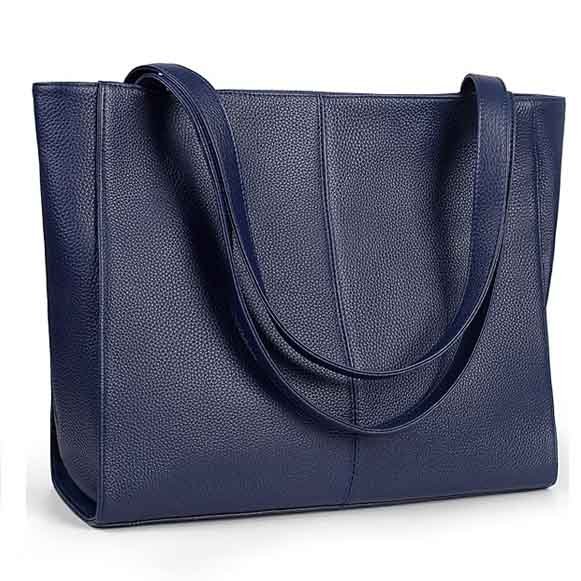
When it comes to making a leather bag not just beautiful but also functional, lining it with fabric is one of the most practical and rewarding upgrades you can do. Think about it: a leather bag without lining feels raw, its inside unfinished, sometimes even uncomfortable to use. But add a layer of fabric, and suddenly it becomes more structured, more stylish, and infinitely more user-friendly.
Lining a leather bag with fabric is the process of attaching a textile layer inside the leather shell, which improves durability, adds compartments, and enhances the overall look. It protects the leather from wear, keeps the bag in shape, and allows for a more comfortable daily use.
This isn’t just a technical step—it’s the difference between a bag that feels handmade and one that feels luxury-grade. Imagine opening your favorite tote, and instead of rough leather inside, you see neatly stitched cotton canvas with smooth edges and even a zippered pocket. That small detail instantly elevates how you perceive the product.
I once met a designer who shared that her first breakthrough in customer satisfaction came not from changing the leather quality, but from simply upgrading her bag lining. The feedback was instant: buyers felt the bag was “premium,” even though the outside design stayed the same. That’s the hidden power of lining. And in this article, we’ll explore not only how to line a leather bag, but also why it matters, which fabrics are best, common mistakes to avoid, and customization tips.
What Is Bag Lining?
Bag lining is the inner fabric layer added to a leather bag to protect the leather, improve structure, and provide a polished finish. It makes the bag more durable, easier to clean, and adds features like pockets or compartments. Without lining, bags often feel unfinished and wear out faster.
Understanding Bag Lining
Bag lining is more than just a cosmetic detail—it’s a structural and functional upgrade. Leather on its own is durable but not always practical for direct contact with items. For instance, coins, pens, or makeup can scratch or stain unlined leather. A fabric lining acts as a protective shield, ensuring the leather exterior maintains its integrity over years of use.
Another critical factor is shape retention. Bags without lining often sag or lose form, while a properly lined interior gives them sturdiness and a luxurious hand-feel. This is particularly relevant for handbags, briefcases, and structured totes where appearance matters as much as utility.
There’s also the psychological effect. Luxury consumers expect a refined finish inside and out. Studies in product design psychology have shown that tactile details—like smooth fabric linings—subconsciously reinforce the perception of quality and craftsmanship.
Finally, lining allows added functionality. Designers can sew in zippered sections, slip pockets, or even RFID-blocking layers without altering the leather shell. In short, lining isn’t just “nice to have”—it’s a necessity for performance, style, and customer satisfaction.
Which Fabrics Are Best for Lining Leather Bags?
The best fabrics for lining leather bags are durable yet lightweight materials like cotton canvas, polyester, suede, microfiber, and sometimes silk for luxury designs. Each offers unique benefits in strength, cost, and aesthetics, making it essential to match fabric choice to the bag’s purpose.
Comparing Fabric Options
Choosing fabric is a balancing act between durability, aesthetics, and cost. Below is a comparison of commonly used materials:
| Fabric Type | Strength & Durability | Luxury Appeal | Maintenance | Cost Level |
|---|---|---|---|---|
| Cotton Canvas | High, breathable | Casual, sturdy | Easy clean | Low |
| Polyester | Very high, waterproof | Modern look | Very easy | Low-mid |
| Suede/Microfiber | Soft, flexible | Premium feel | Needs care | Mid-high |
| Silk/Velvet | Delicate | Luxury only | Hard to clean | High |
| Nylon | Strong, lightweight | Sporty | Easy | Mid |
Cotton canvas is ideal for everyday bags—durable, affordable, and breathable. Polyester, often used in backpacks and travel bags, resists water and stains better. Suede or microfiber linings give an elevated tactile feel, perfect for designer clutches or wallets. Meanwhile, silk is chosen mostly for luxury bags, where aesthetics outweigh practicality.
The right choice depends not just on budget but also the bag’s intended use. A rugged travel duffle needs polyester; a luxury handbag might demand suede or silk. Designers must weigh these trade-offs carefully, often combining fabrics for hybrid functionality.
How to Prepare Leather and Fabric Before Lining?
Before lining a leather bag, both materials must be properly prepared. Leather should be cut to pattern, edges smoothed, and stitch lines marked. Fabric lining should be stabilized with interfacing, pre-cut slightly smaller than the leather shell, and pressed flat to avoid wrinkles. Proper preparation ensures a cleaner, longer-lasting bond between fabric and leather, whether you sew or glue the lining. Skipping these steps can lead to uneven seams, puckering, or premature wear.
Step by Step Preparation
Attaching a lining isn’t just about sewing — it’s about setting the foundation so the materials behave well together. Leather and fabric expand, stretch, and respond to stress differently, so careful prep prevents warping, sagging, or weak seams.
1. Preparing the Leather
Leather is dense and unforgiving. Any mistake in cutting or marking is permanent, so precision is crucial.
- Pattern Cutting: Use sharp rotary cutters or head knives. Follow templates strictly to avoid uneven edges.
- Thinning (Skiving): For thicker hides, skive the edges down (1–2 mm) so the fabric doesn’t bulk up the seams.
- Edge Finishing: Smooth edges with sandpaper or a burnisher; this keeps seams clean.
- Marking Stitch Lines: Use a pricking iron, overstitch wheel, or light guide marks to create even spacing.
- Punch Holes (if hand-sewing): Pre-punch with diamond chisels to prevent fabric misalignment later.
Tip: Condition the leather lightly before lining. Dry leather can crack under sewing tension.
2. Preparing the Fabric Lining
Fabric is more flexible than leather, but it can wrinkle or fray if not reinforced.
- Cut to Template: Always cut the lining slightly smaller (2–3 mm) than the leather shell. This ensures it lays flat without puffing.
- Stabilization: Add fusible interfacing or non-woven backing to delicate fabrics (silk, satin, cotton). This prevents distortion during sewing.
- Pressing: Iron the fabric lining flat. Even small wrinkles become permanent once glued or stitched.
- Seam Finishing: Zigzag stitch or serge raw fabric edges to stop fraying, especially for bags with exposed seams.
- Pocket/Compartment Prep: If the lining includes zippers, slip pockets, or brand labels, sew them before attaching the lining to the leather shell.
Tip: Use lining fabrics with a bit of slip (e.g., polyester blends, satin) for bags, as they let items slide in/out easily.
3. Ensuring Material Compatibility
Not all fabric/leather combos work well together. Consider:
- Weight Balance: Heavy leather + thin fabric = fabric may tear. Pair thick hides with sturdy cotton canvas or polyester.
- Color Fastness: Test fabrics for dye bleeding; leather absorbs stains permanently.
- Moisture Resistance: For outdoor bags, use water-repellent or coated fabrics to protect the leather shell.
Process Guide: Preparation Checklist
| Step | Leather Preparation | Fabric Preparation |
|---|---|---|
| Cutting | Follow templates, skive edges if thick | Cut 2–3mm smaller than leather shell |
| Stabilization | Condition leather, pre-punch holes if needed | Add interfacing or backing to reinforce |
| Surface Finish | Smooth edges, mark stitch lines | Press flat, finish edges (serge/zigzag) |
| Add Features | N/A | Attach pockets, labels, compartments |
| Final Check | Test alignment before gluing or stitching | Match curvature to leather panels |
How to Sew or Attach Fabric Lining to Leather?
Fabric lining can be attached to leather by hand-stitching, machine sewing, or adhesive bonding. Each technique has pros and cons, but the goal is always the same: a clean, durable, and functional interior finish. Professional results require accurate pattern-making, the right tools (industrial sewing machines, waxed thread, leather adhesives), and careful execution to avoid wrinkles or misalignment.
Attaching a fabric lining to leather is one of the most technically demanding steps in bag-making. Unlike sewing fabric-to-fabric, here you’re combining two very different materials: a flexible textile and a dense, less forgiving leather hide. Below are the main approaches, their pros/cons, and when to use them.
1. Hand-Stitching Method
- How it works: Leather edges are pre-punched with a pricking iron or rotary punch, then the fabric lining is aligned and stitched using a saddle stitch or whipstitch with waxed thread.
- Strengths: Extremely durable, gives a luxury “handmade” aesthetic, ideal for small batches or high-end custom work.
- Challenges: Time-consuming, requires skill to maintain even spacing and tension. Mistakes are costly since needle holes in leather are permanent.
- Best use: Luxury handbags, wallets, and bespoke leather goods where craftsmanship is a selling point.
Tip: Some artisans glue the lining lightly in place first, then stitch to prevent slippage.
2. Machine Sewing Method
- How it works: Industrial walking-foot or cylinder-arm sewing machines are used to sew the lining into the bag. Walking-foot machines are key because they grip both fabric and leather evenly, preventing uneven feed.
- Strengths: Faster and more consistent than hand-stitching, scalable for mass production, supports complex patterns like zippered compartments.
- Challenges: Machines must be set up correctly—wrong tension can pucker fabric, and weak needles can break on thicker hides.
- Best use: Backpacks, travel bags, totes, and any large production runs where speed and uniformity matter.
Tip: Always use bonded nylon or polyester thread for extra strength, as cotton thread wears out faster against leather edges.
3. Adhesive & Hybrid Methods
- How it works: Contact cement or water-based adhesive is applied to leather, and the fabric is pressed in before stitching. Sometimes adhesive is used alone for lightweight bags, but more often it’s a stabilizer before sewing.
- Strengths: Prevents slippage during sewing, ensures wrinkle-free lining, speeds up production.
- Challenges: Adhesives alone aren’t durable—heat and moisture can weaken the bond. Solvent-based glues require good ventilation and compliance with safety standards.
- Best use: Thin leathers, curved areas, or where stitching would damage delicate fabrics like silk.
Tip: For premium results, use a “glue + stitch” combo. Glue holds the lining flat; stitching reinforces it permanently.
Step-by-Step Process for Attaching Lining
- Cut Fabric & Leather Accurately – Both should be cut using templates. The lining is usually cut slightly smaller (2–3mm) so it sits flat without bunching.
- Stabilize Fabric (Optional) – Apply interfacing if the fabric is soft or prone to wrinkling.
- Pre-Punch Leather – Mark stitch lines and punch evenly spaced holes. For machine sewing, mark guidelines only.
- Align & Fix Fabric – Lightly glue or clip the fabric to the leather shell. Avoid pins (they puncture leather permanently).
- Sew or Bond – Use your chosen method: saddle stitch by hand, industrial machine, or adhesive + stitch.
- Reinforce Stress Points – Double-stitch around zippers, corners, or areas that will hold weight.
- Finish Edges – Fold fabric seams inward or cover with leather trims for a professional, polished look.
Comparison: Stitching vs Adhesive Methods
| Method | Durability | Speed | Appearance | Best For |
|---|---|---|---|---|
| Hand-Stitching | ★★★★★ | Slow | Luxury, artisanal | Premium wallets, handbags |
| Machine Sewing | ★★★★☆ | Fast | Uniform, clean | Mass production, travel bags |
| Adhesive Only | ★★☆☆☆ | Fastest | Risk of peeling | Prototyping, light-use bags |
| Hybrid (Glue+Stitch) | ★★★★★ | Medium | Flawless finish | Professional-grade bags |
Industry Insight: What Big Brands Do
- Hermès, Louis Vuitton: Primarily hand-stitch linings, with adhesives used for stabilization. This craftsmanship justifies premium pricing.
- Coach, Michael Kors: Rely on machine sewing with durable polyester linings for efficiency in mass production.
- Outdoor brands (e.g., North Face, Patagonia): Use heavy-duty nylon linings machine-sewn into rugged leather-trimmed gear for maximum durability.
Common Problems and How to Solve Them
Common lining issues include wrinkling, shifting, loose stitches, or fabric tearing. Solutions involve reinforcing with interfacing, re-stitching seams, or replacing the lining entirely. Preventive preparation and quality materials are the best safeguards.
Troubleshooting Bag Lining
Even skilled artisans encounter problems:
- Wrinkling occurs when fabric isn’t stabilized or cut properly. Solution: add interfacing or recut fabric slightly smaller.
- Shifting lining often results from weak adhesives. Reinforcing with tack stitches helps.
- Loose stitches stem from improper threading or tension. Using stronger thread or re-punching holes resolves this.
- Tearing fabric is common with delicate materials like silk. A workaround is reinforcing stress points with extra stitching or choosing sturdier fabrics.
Sometimes, replacement is the only option. For vintage bags, a full reline may extend life by decades. Repair businesses report that relined bags often fetch 20–30% higher resale values, proving lining isn’t just functional—it’s an investment in longevity.
Tips for Customization and Professional Finish
Customization includes adding branded labels, inner pockets, RFID layers, or decorative stitching. A professional finish is achieved through precise pattern cutting, reinforced edges, and careful choice of fabric that complements the leather.
Elevating the Bag Through Customization
Customization is where lining transcends utility. Designers add logos, woven labels, or embossed leather trims to linings, turning them into branding tools. Pockets, card slots, and organizers create practical value.
Advanced options include RFID-blocking fabrics, increasingly popular in luxury travel bags for digital security. Even subtle details like contrast stitching or printed fabric linings can redefine a customer’s perception of exclusivity.
Brands often use customization as a storytelling element. For example, lining with heritage tartan or recycled fabric conveys eco-consciousness. For OEM/ODM clients, offering custom lining becomes a differentiator in competitive markets.
A professional finish comes down to discipline—neatly folded seam allowances, reinforced stitching at stress points, and matching fabric tones. These small touches separate amateur craft from high-end leather goods.
Conclusion: Bring Your Leather Bag Vision to Life with Szoneier
Lining a leather bag with fabric is not just a technical step; it’s a transformation. It upgrades durability, enhances aesthetics, and gives brands space to innovate. From choosing the right fabric to solving common problems and adding custom features, lining defines how customers experience your bag every single day.
At Szoneier Leather, with 18+ years of expertise in leather goods manufacturing, we help brands and wholesalers create customized leather bags with professional linings tailored to their vision. Whether you need cotton canvas for rugged totes, suede for luxury handbags, or custom-branded fabrics, our OEM/ODM solutions cover it all.
Ready to create leather bags that stand out inside and out? Contact Szoneier today for custom development and wholesale inquiries.
What Can I Do For You?
Here, developing your OEM/ODM private label leather goods collection is no longer a challenge,it’s an excellent opportunity to bring your creative vision to life.
Make A Sample First?
If you have your own tech packs, logo design artwork, or just an idea,please provide details about your project requirements, including preferred fabric, color, and customization options,we’re excited to assist you in bringing your leather goods designs to life through our sample production process.