 Skip to content
What Are the Best Vegan Leather Backpacks: How Do You Choose the Right One?
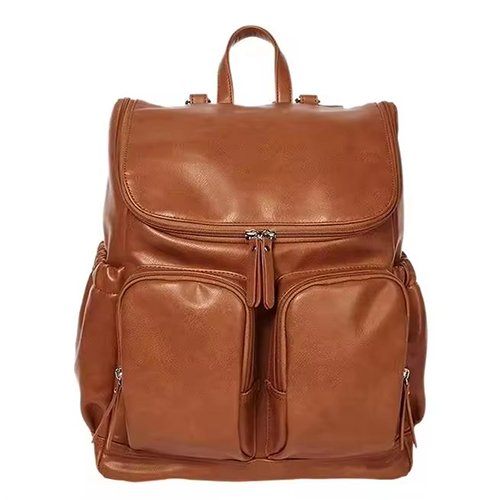
Choosing the best vegan leather backpack today isn’t just about finding a stylish accessory—it reflects how modern consumers think about sustainability, quality, and personal values. People want bags that look premium, feel durable, and carry a story they’re proud to wear. But with dozens of materials labeled as “vegan leather,” from budget PU to advanced microfiber and plant-based innovations like cactus and apple leather, making the right choice has become surprisingly complex. Some buyers chase aesthetics, some prioritize eco-impact, and others simply want a backpack that won’t crack or peel within a year.
The best vegan leather backpacks combine durability, aesthetics, and responsible material choices. Microfiber vegan leather offers the highest performance, while plant-based options appeal to sustainability-focused buyers. To choose the right backpack, consider material type, thickness, stitching, hardware quality, and internal structure. The ideal bag aligns with your lifestyle—commuting, traveling, or everyday carry—while offering long-lasting performance.
The shift toward cruelty-free materials is no longer a niche trend; it’s a movement led by conscious consumers and innovative brands. A young designer once shared how her first “eco-friendly” sample cracked within months—only to discover that the real issue wasn’t vegan leather itself, but choosing the wrong type. Stories like hers highlight an important truth: vegan leather can be extraordinary, but only when you understand what truly differentiates premium materials from mass-market imitations. Let’s dive deeper into what makes a vegan leather backpack worth owning—and worth producing for your brand.
What Is Vegan Leather?
Vegan leather is a non-animal material designed to replicate the appearance, texture, and performance of real leather. It includes PU leather, microfiber leather, PVC leather, recycled synthetic blends, and plant-based materials like cactus, apple, grape, mushroom, and pineapple leather. Each type varies in durability, sustainability, and feel. Modern vegan leather can be soft, long-lasting, water-resistant, and highly customizable, making it popular for fashion and accessory products.
Vegan leather is no longer a simple alternative to animal hide; it has evolved into a broad material category with multiple technologies, constructions, and sustainability profiles. Understanding it requires breaking down not only what it is made from, but also how it performs, how it is manufactured, and which versions are suitable for premium backpacks.
Today’s vegan leather ecosystem can be divided into five major categories, each with specific pros, cons, and use cases.
Types of Vegan Leather
Vegan leather includes several manufacturing categories:
1) PU Leather (Polyurethane Leather)
- Most common type
- Multi-layer structure with fabric base + foam + PU surface
- Wide range of qualities
- Soft, cost-effective, customizable
- Can be breathable depending on construction
Ideal for: Mid-range backpacks, fashion bags, structured silhouettes
2) Microfiber Leather
Microfiber leather is the closest synthetic substitute to real leather and is often used by high-end brands.
Why?
Because it uses a three-dimensional microfiber nonwoven substrate resembling real leather collagen fibers. The result:
- Outstanding bending resistance
- Soft but firm hand feel
- Excellent strength
- Highly resistant to peeling
- Long service life (5–10 years depending on thickness)
- Water-resistant and stain-resistant
- Excellent temperature resistance
Ideal for: Premium backpacks, designer products, long-term durability
3) PVC Leather(Polyvinyl Chloride)
- Cheaper than PU
- Less breathable
- Stiffer hand feel
- Lower durability over time
- Environmental concerns during production
Ideal for: Low-cost mass market items (not recommended for premium brands)
4) Recycled Vegan Leather(Recycled PU/Microfiber + Recycled PET)
A growing category driven by sustainability demands.
Typical blends include:
- Recycled PET bottles as fiber base
- Recycled PU collected from industrial waste
- Recycled textiles mixed with new polymer coatings
Benefits:
- Lower environmental impact
- Possible GRS certification
- Suitable for eco-conscious branding
Trade-off: Durability depends on recycled ratio and coating quality.
Ideal for: Sustainable-focused product lines, fashion backpacks, corporate gifting
5) Plant-Based Vegan Leather(Bio-Materials)
Plant-based innovations redefine the perception of cruelty-free materials. Popular options include:
| Material Type | Source | Primary Strength | Notes |
|---|---|---|---|
| Cactus Leather | Prickly pear cactus | Good texture; durable | Often combined with PU |
| Apple Leather | Apple waste | Smooth, soft | 20–50% bio-based |
| Grape Leather | Wine industry waste | Eco-friendly | Needs PU coating |
| Mushroom Leather (Mycelium) | Fungal root fibers | Luxurious texture | Expensive; limited supply |
| Pineapple Leather (Piñatex) | Pineapple leaf fiber | Strong texture | Rougher feel; more textile-like |
Plant-based materials usually contain 40–70% bio-based content, but still require PU coatings for strength and waterproofing. This means they are more eco-friendly than traditional PU, but not fully biodegradable.
Ideal for: Sustainable fashion brands, storytelling-driven product launches, luxury eco markets
PU vs Microfiber
To help buyers choose between PU and microfiber, here is a performance comparison:
| Performance Criteria | PU Leather | Microfiber Leather |
|---|---|---|
| Tensile Strength | Medium | High |
| Peeling Resistance | Medium to High | Very High |
| Bending Life | 20k–40k cycles | 100k–200k+ cycles |
| Temperature Resistance | Moderate | Excellent |
| Water Resistance | High | Very High |
| Cost | Lower | Higher |
| Surface Feel | Smooth; customizable | Premium, leather-like |
| Ideal For | Fashion mid-range bags | Luxury-level, long-lasting bags |
Conclusion: Microfiber = best for durability & premium branding PU = best for accessibility & flexibility in design
Plant-Based Options
Plant-based vegan leathers are trending because:
- They reduce agricultural waste
- They lower carbon footprint
- They improve a brand’s sustainability image
- They support marketing narratives (circular materials, upcycled content)
However, from a technical perspective:
- Their strength depends on the PU coating
- Thickness varies (0.8–1.2 mm)
- Color consistency can fluctuate
- Costs are higher due to limited supply
They are ideal for brands targeting:
- Eco-fashion markets
- Influencer-led collections
- Sustainable gifting
- Premium lifestyle backpacks
Downsides of Vegan Leather
Every material has trade-offs. Common limitations include:
- Heat sensitivity — Can deform or crack under high heat
- Peeling risk — Cheap PU peels when coatings degrade
- Breathability varies — Microfiber is breathable; PVC is not
- Plant-based materials cost more
- Longevity depends on manufacturing quality
But the good news: High-quality microfiber vegan leather solves most of these problems, offering stability close to real leather.
Are Vegan Backpacks Durable?
Yes, vegan leather backpacks can be very durable, but durability depends on the material type and construction quality. Microfiber vegan leather offers the best long-term performance, often lasting 5–10 years. High-grade PU leather also performs well, while low-cost PU or PVC may peel or crack sooner. Stitching density, edge finishing, lining strength, and hardware quality are equally important in determining real-world lifespan.
Daily Wear Performance
For commuting, office use, and school, vegan backpacks can handle daily wear very well—especially microfiber and high-grade PU. The key performance indicators are abrasion resistance and bending life. Microfiber leather has a fiber structure similar to real leather collagen, so it resists surface cracking even under repeated folding. High-grade PU, when bonded to a strong textile base (like recycled polyester or microfiber backing), performs reliably over years. Daily performance also improves when the bag includes padded back panels, stabilized bottom boards, and reinforced strap anchors, because these features reduce stress concentration in one spot.
Peeling & Cracking Factors
Peeling is not “inevitable” for vegan leather—it’s usually a quality or environment issue. The most common causes include:
- Thin PU surface film that breaks under flexing
- Low-density backing fabric that allows separation
- Weak adhesive bonding between layers
- Heat exposure (e.g., hot car storage)
- High humidity + friction (accelerates coating breakdown)
Premium factories prevent this by using multi-layer PU systems, higher solid-content coatings, and stronger textile substrates. Microfiber leather naturally avoids peeling because the PU is deeply integrated into the microfiber base instead of sitting as a fragile surface layer.
Water Resistance Level
Most vegan leather backpacks are water-resistant by default, because PU coatings block water absorption. This makes them excellent for rain-heavy cities, commuting, or travel, and often more practical than real leather. However, “water-resistant” does not mean waterproof. Water can still enter through seams, zippers, or needle holes. The most durable vegan backpacks use sealed edge paint, tight seam allowances, and water-resistant zippers to reduce leakage risk. Microfiber leather is especially stable in wet conditions because it doesn’t stiffen or deform after drying the way some PU can.
Are Vegan Leather Bags Good?
Yes—vegan leather bags are good when matched to the right quality grade and use case. If your priority is affordability and style rotation, high-grade PU provides good value. If your priority is longevity and premium positioning, microfiber vegan leather is excellent and can last many years with minimal maintenance. Plant-based options add sustainability appeal, but their durability depends on coating quality, so they work best for eco-fashion lines with controlled usage expectations. In other words: vegan leather bags aren’t “good or bad” as a category—the grade, engineering, and maker determine whether they’re exceptional or disappointing.
Which Features Matter Most?
The most important features in a vegan leather backpack include material thickness, reinforced stitching, durable hardware, strong lining fabric, and a well-designed internal structure. These factors determine how well the bag holds heavy items, resists daily wear, and maintains its shape over time. Choosing microfiber or high-grade PU leather, paired with quality construction and thoughtful organization, ensures long-term durability and comfort.
Material Thickness
Material thickness is one of the strongest predictors of durability and shape retention. For vegan leather backpacks, the recommended standards are:
- PU leather: 0.9–1.2 mm
- Microfiber leather: 1.0–1.4 mm
- Plant-based leather: 1.0–1.3 mm
Thinner materials (<0.8 mm) are more flexible but prone to tearing and deformation. Thicker vegan leather feels more premium, maintains its structure, and resists scratches better.
Grain type also matters:
- Fine grain → smoother, more elegant appearance
- Embossed grain → scratch-resistant, ideal for daily commuting
- Matte grain → modern, minimalistic aesthetic
- Waxed grain → richer texture, higher stain resistance
Premium microfiber leather typically offers the best balance of smoothness, thickness, and structural integrity.
Hardware & Stitching
Hardware quality dramatically affects the life of a backpack. High-end vegan backpacks typically use:
- YKK, SBS, or RiRi zippers for long-term reliability
- Metal buckles instead of plastic
- Electroplated hardware for anti-rust resistance
- Reinforced D-rings for straps
- Custom metal logo plates for premium branding
Stitching quality is equally important. Look for:
- 7–9 stitches per inch for strength
- Bar-tack stitching at stress points
- Box-x reinforcement where shoulder straps meet the bag
- Heat-sealed edge paint to prevent peeling
A well-constructed vegan leather backpack should feel solid and quiet—no rattling hardware, no loose threads, and no uneven edge paint.
Internal Structure
The inside of a backpack determines how functional and comfortable it is. Key features include:
1. Lining Fabric
- 210D–400D polyester for durability
- Microfiber suede lining for luxury feel
- Colorfast coatings to prevent dye transfer
2. Padding & Reinforcement
- 3–6 mm foam for laptop sleeves
- EVA boards or rigid PP boards for bottom support
- Curved back panels to distribute weight
3. Organizational Layout
- Dedicated laptop compartment
- Multiple zipper pockets
- Key hook, mesh pockets, and pen slots
- Anti-theft back pocket
This internal engineering ensures the backpack holds its shape, protects electronics, and stays comfortable during long wear.
Ergonomics & Comfort Features
A backpack’s comfort is influenced by:
- Shoulder strap width:Recommended: 5–7 cm to distribute pressure
- Padding density:High-density foam prevents straps from collapsing
- Back panel airflow:Mesh padding and channel design improve ventilation
- Weight distribution:Side pockets, reinforced bottom, and balanced compartments reduce shoulder fatigue
For commuting or travel, ergonomic features can drastically change the user experience, turning a stylish vegan backpack into a high-performing everyday essential.
Structural Reinforcement
Premium vegan leather backpacks use reinforcement techniques to increase lifespan:
- Double-layered bottom panels withstand heavy loads
- Wrapped handle cores avoid tearing
- Triple-reinforced strap anchors prevent breakage
- Edge paint sealing protects the PU or microfiber layers
- Bonded seams enhance water resistance
These subtle engineering choices are invisible at first glance but make the difference between a backpack that lasts 6 months and one that lasts 5 years.
Additional Functional Features
Modern users expect more than just a stylish exterior. Popular functional add-ons include:
- USB charging ports
- Luggage trolley sleeves
- Expandable compartments
- Hidden anti-theft pockets
- Quick-access phone sleeves
- Magnetic closures or silent snap buttons
These features improve convenience and transform a vegan backpack into a multifunctional accessory suitable for work, travel, and urban commuting.
Which Vegan Leather Backpack Styles Are Best?
The best vegan leather backpack style depends on your daily needs. Laptop backpacks are ideal for work and school, travel backpacks offer larger capacity and comfort features, and minimal or fashion-forward designs suit everyday urban use. Each style excels in different scenarios, so choosing the right one requires considering load capacity, internal organization, padding, and your lifestyle.
Laptop Backpacks
Laptop backpacks are engineered for professionals, students, and digital nomads who need secure tech storage. Key features include:
1. Padded Laptop Compartments
- Standard size: 13–15 inches, with some supporting 17-inch laptops
- Padding thickness: 5–10 mm, shock-absorbing EVA foam
- Bottom bumpers to protect laptop corners
2. Organizational Efficiency
- Interior mesh pockets for chargers and cables
- Pen loops and card slots
- Notebook sleeve
- Easy-access front pocket for phones
3. Comfort & Structure
- Reinforced top handle
- Curved padded shoulder straps
- Breathable back panel
Ideal for:
- Office workers
- Commuters
- University students
- Tech-heavy users
Why vegan leather works well: Microfiber vegan leather maintains structure, resists scratches from desk edges, and looks polished for professional environments.
Travel Backpacks
Travel backpacks prioritize comfort, accessibility, and capacity.
1. Volume & Layout
- Capacity range: 20–35L
- Large U-shape or clamshell opening for easy packing
- Multiple internal dividers for clothes, toiletries, electronics
2. Comfort Engineering
- Wide padded straps
- Chest or waist stabilizer for weight balance
- Breathable back mesh
3. Travel Features
- Luggage trolley sleeve
- Hidden passport pocket
- Water-resistant zippers
- Expandable side gussets
Ideal for:
- Weekend trips
- Business travelers
- Airline personal-item use
- Digital nomads moving between cities
Vegan leather advantage: It is naturally more water-resistant than real leather, making it ideal for unpredictable travel weather.
Minimal & Fashion Picks
Minimalist vegan leather backpacks appeal to fashion-conscious users who prioritize aesthetics and everyday versatility. These designs are usually characterized by:
1. Clean Lines & Slim Profiles
- Structured silhouette
- Seamless front panels
- Subtle hardware
2. Elevated Materials
- Microfiber leather for luxury texture
- Matte or pebble-grain finish
- Invisible magnetic closures
3. Practical Everyday Capacity
- Fits essentials: small tablet, wallet, keys, makeup, and water bottle
- Lightweight and easy to style
Ideal for:
- City commuters
- Cafés and coworking spaces
- Light daily carrying
- Fashion-oriented shoppers
Why users love them: They pair beautifully with workwear, dresses, streetwear, and smart casual outfits while looking premium and modern.
Convertible Backpacks
Convertible backpacks are increasingly trending because they offer multiple carrying modes such as backpack, crossbody, shoulder bag, or handheld. Key advantages include:
- Versatility for different outfits or occasions
- Quick transitions between commuting and office settings
- Adjustable straps for ergonomic customization
- Smaller footprint for minimalist users
Popular formats:
- Backpack → Shoulder tote
- Backpack → Crossbody bag
- Backpack → Handbag (top-handle style)
Ideal for:
- Urban professionals
- People who attend events but commute by public transport
- Travelers who need hybrid styles
Vegan leather works particularly well because its structure holds shapes better than many fabrics.
Compact Daypacks
Daypacks are perfect for light activities and lifestyle use. Common features include:
- 8–14L capacity
- Lightweight construction
- Soft vegan leather or microfiber for comfort
- Small pockets for essentials
Ideal for:
- Errands
- Cycling
- Light city travel
- Minimal carry
Style benefit: They offer a “fashion meets function” feel and appeal to shoppers who want something wearable all day without bulk.
Vegan Backpack Brands
While many mainstream brands now support vegan collections, several dedicated vegan-first brands dominate the cruelty-free backpack space.
Popular vegan or vegan-forward brands include:
- Matt & Nat – pioneers of recycled vegan leather
- Pixie Mood – known for minimalist design
- GUNAS New York – luxury vegan handbags
- JW Pei – celebrity-loved minimalist styles
- Doshi – professional-grade vegan leather goods
- Kolektif – modern eco-focused accessories
- Watson & Wolfe – sustainable luxury
How to Clean Vegan Leather?
To clean vegan leather, wipe the surface with a soft cloth and mild soap diluted in water. Avoid alcohol, bleach, and abrasive scrubbing. For stains, use a PU-safe cleaner or a gentle neutral detergent. Let the bag air-dry naturally and keep it away from direct heat. Store vegan leather in a cool, dry environment and avoid prolonged sun exposure to prevent peeling or cracking.
Basic Care
Everyday cleaning keeps the material fresh, removes oils from hands, and prevents dirt buildup. Proper routine maintenance includes:
1. Dry Wipe First
Use a soft microfiber cloth to remove surface dust. This prevents scratches and helps maintain the coating.
2. Gentle Cleaning Solution
Mix:
- 1 cup lukewarm water
- 1–2 drops mild soap (non-alkaline, non-abrasive)
Dip a cloth, wring it out, and wipe the surface in gentle circular motions.
3. Rinse & Dry
Use a water-only damp cloth to remove soap residue, then air dry in a cool, shaded place.
4. Avoid Common Mistakes
- No alcohol-based wipes
- No bleach
- No baby wipes (many contain alcohol)
- No scrubbing pads or stiff brushes
- No hair dryers or heat guns
This gentle approach preserves the polyurethane layer that gives vegan leather its strength and water resistance.
Stain Removal
Stains happen—coffee, makeup, ink, sweat, and food can leave marks. Vegan leather handles stains well if treated quickly.
For Light Stains
Use diluted mild soap or dish soap. Apply with a microfiber cloth and gently massage until the stain lifts.
For Stubborn Stains (ink, oil, makeup)
Try one of the following:
- PU-safe leather cleaner
- Neutral pH detergent
- A mix of white vinegar + water (1:3 ratio)
Apply only to the stained area. Never soak vegan leather—excess moisture weakens bonding layers.
For Grease or Oil
Sprinkle a tiny amount of baking soda on the area and leave it for 20–30 minutes; it absorbs excess oils. Wipe away gently.
Avoid:
- Nail polish remover (acetone destroys PU coating)
- Alcohol or sanitizer
- Abrasive powders
- Magic erasers (can scratch the finish)
Fast action = high success rate. The longer a stain sets, the harder it is to remove.
Storage Tips
Proper storage prevents peeling, cracking, and deformation—key factors affecting longevity.
1. Avoid Direct Sun Exposure
UV rays dry out polyurethane coatings, leading to peeling.
2. Keep Away From Heat
Never leave vegan leather in a hot car. Excessive heat causes surface bubbling and layer separation.
3. Maintain Ventilation
Store in a cool, dry cabinet. Humidity encourages mold and weakens coating adhesives.
4. Use Dust Bags
Fabric dust bags prevent surface scratches and dust accumulation.
5. Shape Protection
Stuff backpacks with:
- Soft paper
- Bubble wrap
- A small towel
This prevents creasing and maintains shape, especially for structured vegan leather backpacks.
Material-Specific Care
Microfiber Vegan Leather
- More resistant to heat and flexing
- Handles light cleaners well
- Less prone to peeling
- Benefits from light conditioning spray (synthetic-safe)
PU Leather
- Requires more caution
- Over-cleaning can damage top coating
- Avoid alcohol, high heat, and frequent scrubbing
- Use soft cloth only
Plant-Based Vegan Leather
(Cactus, apple, grape, mushroom)
- PU coating still present → treat like PU
- Avoid water soaking; plant fibers swell
- Use pH-neutral cleaners
- Do not store in high humidity; natural fibers absorb moisture
Odor Control
Odor buildup happens when sweat, humidity, or spills are trapped inside. To freshen vegan leather:
- Use baking soda pouches inside for 24 hours
- Use activated charcoal for strong odors
- Avoid perfume sprays directly on vegan leather (can stain)
- Air out in a shaded outdoor area
Never use strong chemical deodorizers; they react poorly with PU coatings.
Protection After Cleaning
To prolong the life of vegan leather:
- Apply PU-safe protective spray (same used for synthetic shoes)
- Use UV protectant spray if the backpack will be frequently outdoors
- Wipe with a dry cloth weekly
Avoid real leather conditioners—they clog the synthetic surface and leave sticky residue.
Is Vegan Leather Sustainable?
Vegan leather sustainability varies by type. Microfiber and PU are more sustainable than real leather but still petroleum-based. Plant-based vegan leathers offer lower carbon footprints but still rely on PU coatings. Certifications like GRS, USDA BioPreferred, and OEKO-TEX help identify safer, eco-friendly choices.
Plastic-Based Impact
PU and microfiber vegan leathers:
- Reduce animal use
- Generate lower CO₂ than real leather
- Use less water
- Are partially petroleum-based
Plant-Based Impact
Plant-based leathers reduce agricultural waste and lower carbon emissions but require polyurethane layers for strength.
Certifications to Check
Look for:
- OEKO-TEX Standard 100
- GRS (Global Recycled Standard)
- USDA BioPreferred
- FSC for packaging
- REACH compliance
Conclusion
Choosing the right vegan leather backpack is more than selecting a material or style—it’s about creating a product that stands out in a crowded market, performs reliably in real-world use, and aligns with modern consumer values of sustainability, durability, and design. Whether your brand prioritizes premium microfiber leather, high-grade PU, or innovative plant-based materials, success depends on partnering with a manufacturer who understands both the technical side of vegan leather and the expectations of sophisticated global buyers.
Whether you’re building a minimalist city backpack, a tech-friendly laptop design, a premium travel line, or an eco-conscious fashion collection, Szoneier Leather can turn your concept into a refined, market-ready product with the durability, structure, and finish today’s buyers expect.
Ready to create your vegan leather backpack collection? Contact Szoneier Leather today and start your custom OEM/ODM project. Our team is always here to support your ideas—from sketch to sample to final production.
What Can I Do For You?
Here, developing your OEM/ODM private label leather goods collection is no longer a challenge,it’s an excellent opportunity to bring your creative vision to life.
Make A Sample First?
If you have your own tech packs, logo design artwork, or just an idea,please provide details about your project requirements, including preferred fabric, color, and customization options,we’re excited to assist you in bringing your leather goods designs to life through our sample production process.