
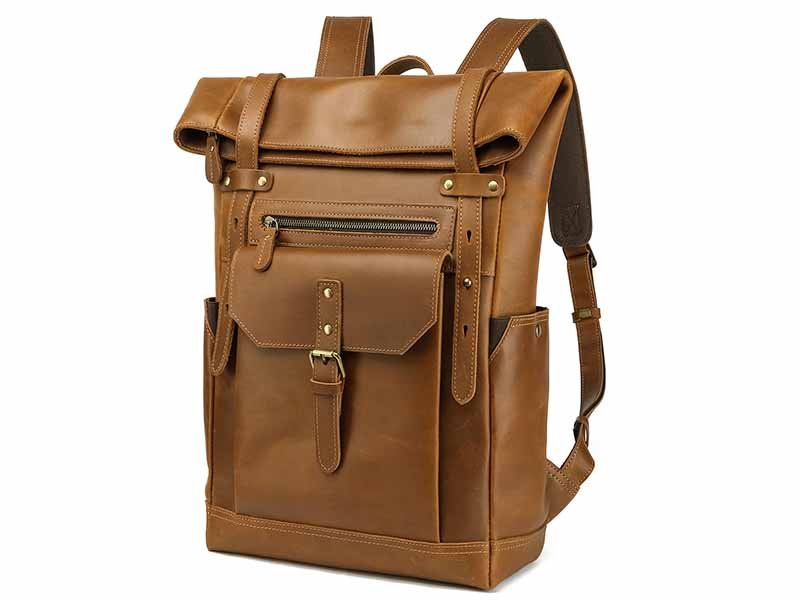
A leather backpack can look beautiful on a showroom table and still fail in real use for one simple reason: the zipper system was chosen poorly. Many product teams spend weeks discussing leather grain, color, lining, and logo details, yet treat the zipper as a small hardware item that can be finalized later. In practice, that is risky. The zipper is one of the most frequently touched parts of the product. It affects opening feel, daily convenience, noise, durability, repair rate, and even how premium the backpack feels in the customer’s hand.
Zipper systems used in leather backpacks mainly include metal zippers, coil zippers, and molded zippers. The right choice depends on leather thickness, backpack structure, opening shape, target market, product weight, brand positioning, and budget. In leather backpack manufacturing, zipper selection is not a finishing detail. It is a functional and commercial decision that affects product lifespan, user experience, production difficulty, and final retail value.
This becomes even more important in leather products because leather behaves very differently from fabric. It is thicker, less forgiving, and more sensitive to bad reinforcement or incorrect stitching. A zipper that works well on a nylon bag may feel stiff, bulky, noisy, or visually out of place on a leather backpack. On some projects, changing from a low-grade zipper to a better-matched zipper system raises unit cost by less than one dollar, yet reduces complaint risk, improves product feel, and supports a noticeably higher selling price. That is why experienced leather brands do not ask only, “Which zipper is cheaper?” They ask, “Which zipper helps this backpack work better, look better, and sell better?” That is where the real discussion begins.
What Are Zipper Systems in Leather Backpacks?
Zipper systems in leather backpacks are the complete closure assemblies used to open and close compartments safely and smoothly. They include the teeth, tape, slider, puller, stops, reinforcement method, and the way the zipper is sewn into leather panels. In leather goods, the zipper system is both a functional part and a visual part of the product.
Zipper Systems Basics for Leather Backpacks
When people say “zipper,” they often mean only the visible teeth. In manufacturing, that is only one part of the system. A zipper system is a combination of components that must work together under repeated stress. On a leather backpack, these parts need to handle thicker materials, tighter sewing spaces, curved openings, and heavier loads than many fabric bags.
A full zipper system usually includes:
- Teeth: metal, nylon coil, or molded plastic
- Tape: the woven base that is stitched into the bag
- Slider: the moving component that opens and closes the teeth
- Puller: the part the user grips by hand
- Top and bottom stops: parts that prevent the slider from coming off
- Reinforcement: stitching, folded edges, backing tapes, or leather facing that protect the zipper area
In leather production, the zipper system also has to work with other surrounding parts:
- Leather thickness
- Lining thickness
- Edge folding method
- Seam allowance
- Foam or support materials
- Pocket construction
- Hardware finish consistency
This is why zipper choice cannot be separated from product design. A zipper may be strong by itself, but if the tape is too soft, the leather too stiff, or the opening curve too tight, the backpack may still feel awkward in use.
The table below shows how zipper decisions connect with product development:
| Zipper Element | Main Choice | Why It Matters in Leather Backpacks |
|---|---|---|
| Teeth type | Metal / Coil / Molded | Affects strength, look, weight, and smoothness |
| Tape width | Narrow / Standard / Wide | Affects sewing stability and visual proportion |
| Slider type | Auto-lock / Non-lock / Double pull | Affects security and user feel |
| Puller style | Standard / Branded / Leather pull | Affects brand identity and ease of use |
| Reinforcement method | Tape backing / Leather facing / Edge fold | Affects durability and clean finishing |
In SzoneierLeather projects, zipper systems are usually selected together with leather structure, not afterward. A smooth zipper on paper is not enough. It has to match the backpack’s actual construction and target price.
Why Zipper Systems Matter in Leather Backpacks
A zipper system matters because it influences three things customers notice immediately: how the backpack opens, how durable it feels, and whether the product looks consistent with its price level. If a leather backpack retails as a premium product but uses a noisy, light, or rough zipper, the customer notices the mismatch right away.
The impact of zipper systems can be understood in several practical ways.
First, they affect daily use. Customers may open the main compartment several times a day. If the zipper catches near corners, needs two hands to pull, or separates under light tension, the product quickly feels unreliable.
Second, they affect product perception. A polished brass zipper on a full-grain leather backpack sends a very different message from a low-cost plastic zipper with a generic puller. Even before the customer tests durability, they already form a value judgment.
Third, they affect after-sales performance. In many leather bag projects, zipper-related issues are among the most common reasons for complaints. The leather body may still be in excellent condition while the product is considered defective because the zipper failed.
A simple quality impact view looks like this:
| Product Area | User Sensitivity | Complaint Risk if Poor |
|---|---|---|
| Leather surface | High | Medium |
| Stitching neatness | Medium | Medium |
| Zipper smoothness | Very high | High |
| Strap comfort | High | High |
| Lining quality | Medium | Medium |
For premium or brand-driven products, the zipper system often has an outsized role. It is one of the few components the customer sees, touches, hears, and tests repeatedly. A well-matched zipper improves not only function but confidence in the whole product.
Are Zipper Systems a Weak Point in Leather Backpacks
Yes, in many cases they are. That does not mean zippers are poor products. It means the zipper area is one of the highest-stress areas in a leather backpack, and small mistakes there show up quickly. Leather itself is durable, but the closure system is a moving part. Moving parts naturally fail more often than static parts if they are not specified correctly.
The most common zipper-related problems in leather backpacks include:
- Slider breakage after repeated pull force
- Teeth separation when the bag is overfilled
- Rough running due to poor alignment
- Tape distortion caused by thick leather tension
- Corner resistance on curved openings
- Finish mismatch between zipper hardware and other metal accessories
- Stiff opening because zipper type does not match opening shape
These issues do not always come from using a low-grade zipper. Sometimes the zipper itself is acceptable, but the integration is poor. For example:
- A strong metal zipper may still feel bad if installed on a tight curve
- A smooth coil zipper may still fail if the tape is not supported properly
- A premium zipper may still look cheap if the puller design does not match the bag
The risk becomes clearer when viewed by usage pressure:
| Backpack Area | Stress Level | Common Failure Mode |
|---|---|---|
| Main opening zipper | Very high | Separation, rough pull, slider wear |
| Front pocket zipper | Medium | Tape distortion, slider issues |
| Side pocket zipper | Low to medium | Misalignment, weak stitching |
| Interior zipper pocket | Low | Mostly cosmetic or tape issues |
This is one reason experienced manufacturers review zipper location early during development. On some leather backpack styles, changing the opening shape by a few centimeters or adjusting the radius of the corner can improve zipper operation significantly without changing the product concept.
Which Zipper Systems Fit Leather Backpacks?
Leather backpacks usually use metal zippers, coil zippers, or molded zippers. Each type serves a different purpose. The right zipper is the one that matches the backpack’s structure, usage level, visual style, and cost target. There is no single best zipper for every leather backpack.
Metal Zipper Systems for Leather Backpacks
Metal zippers are the most widely used option in leather backpacks, especially in premium, vintage, structured, and fashion-oriented products. They offer a stronger visual presence than other zipper types and often help the backpack feel more substantial and more expensive.
Common metal zipper materials include:
- Brass
- Aluminum
- Nickel-finish metal
- Antique brass finish
- Gunmetal finish
Why metal zippers work well in leather backpacks:
- They visually match leather’s natural richness
- They suit structured silhouettes and premium hardware sets
- They offer strong tooth engagement
- They support a heavier, more substantial hand feel
Metal zippers are especially common on:
- Full-grain leather backpacks
- Luxury-inspired collections
- Men’s business backpacks
- Vintage travel backpacks
- Gift and boutique retail products
A practical comparison:
| Metal Zipper Feature | Commercial Effect |
|---|---|
| Heavy visual presence | Improves premium perception |
| Strong tooth structure | Supports durability claims |
| Hardware finish options | Helps match buckles, D-rings, and snaps |
| Higher unit cost | Raises material cost but can support higher retail pricing |
However, metal zippers are not automatically the right choice for every project. They also bring trade-offs:
- Heavier overall bag weight
- More noise during use
- Less flexibility on curved openings
- Higher risk of scratching nearby leather if poorly installed
- Higher cost than basic coil options
On many high-end leather backpack projects, the value of a metal zipper is not just technical. It is emotional. It helps the customer feel the product is serious, solid, and long-lasting. But that only works when the zipper weight, finish, and puller design match the rest of the bag. A bulky metal zipper on a soft, lightweight women’s leather backpack can feel oversized and awkward. Proportion matters as much as material.
Coil Zipper Systems for Leather Backpacks
Coil zippers use nylon teeth formed in a continuous spiral stitched onto zipper tape. In leather backpacks, they are popular for products that need smoother running, lower weight, cleaner curves, and more practical daily use. They may look less luxurious than metal zippers, but in many functional products they perform better.
Coil zippers are often used in:
- Daily commuter backpacks
- Lightweight leather backpacks
- Soft-structure backpacks
- Backpack styles with rounded openings
- Mid-range leather product lines
Their main strengths include:
- Smoother operation
- Better flexibility on curves
- Lower weight
- Quieter opening and closing
- Lower material cost
This makes them especially useful when the bag opening is long, slightly curved, or intended for fast daily access. For example, if a product is targeted at office users who open the bag many times a day, a good coil zipper may create a better use experience than a heavier metal zipper.
A practical view:
| Coil Zipper Feature | Commercial Effect |
|---|---|
| Smooth running | Better daily user experience |
| Flexible tape structure | Easier for curved openings |
| Lower weight | Useful for lighter product positioning |
| Lower cost | Helps manage budget-sensitive projects |
Still, coil zippers also require careful judgment in leather goods. Low-grade coil zippers can look too casual on premium leather. If the leather is thick and the bag carries heavy loads, the zipper size and slider quality must be selected carefully. A thin coil zipper on a large backpack with a wide opening may not provide the right long-term confidence.
For many brands, the smart approach is not to ask whether coil zippers are “cheap” or “premium.” The better question is whether coil zippers fit the actual use case of the backpack. In many well-designed leather backpacks, they do.
Molded Zipper Systems for Leather Backpacks
Molded zippers use individually shaped plastic teeth fixed directly onto the tape. They are more rigid than coil zippers and visually more technical than classic metal zippers. In leather backpacks, they are less common, but they still have a place in certain product categories.
They are often more suitable for:
- Outdoor-inspired leather backpacks
- Leather and nylon hybrid backpacks
- Casual urban styles with technical details
- Products where weather resistance matters more than classic luxury appearance
Their strengths include:
- Strong tooth consistency
- Good weather tolerance
- Clean, modern look
- Better water resistance potential in some designs
They also have limitations:
- Less natural match with traditional leather aesthetics
- Lower flexibility than coil zippers
- Can appear bulky on refined leather products
- Limited fit for very curved zipper paths
A comparison view:
| Molded Zipper Feature | Effect on Leather Backpack Design |
|---|---|
| Technical appearance | Works better in sporty or hybrid products |
| Rigid tooth shape | Better for straighter openings |
| Plastic build | Lighter than many metal zippers |
| Modern look | Better for younger, casual positioning |
For SzoneierLeather-style projects, molded zippers are usually a selective choice rather than the default. They work best when the backpack concept itself is more modern, functional, or outdoor-oriented. If the leather backpack is trying to express craftsmanship, warmth, and classic premium value, molded zippers are usually not the first option.
That said, they should not be ignored. In the right product, they can help a leather backpack stand apart from traditional designs and appeal to customers who want a cleaner, more modern utility look.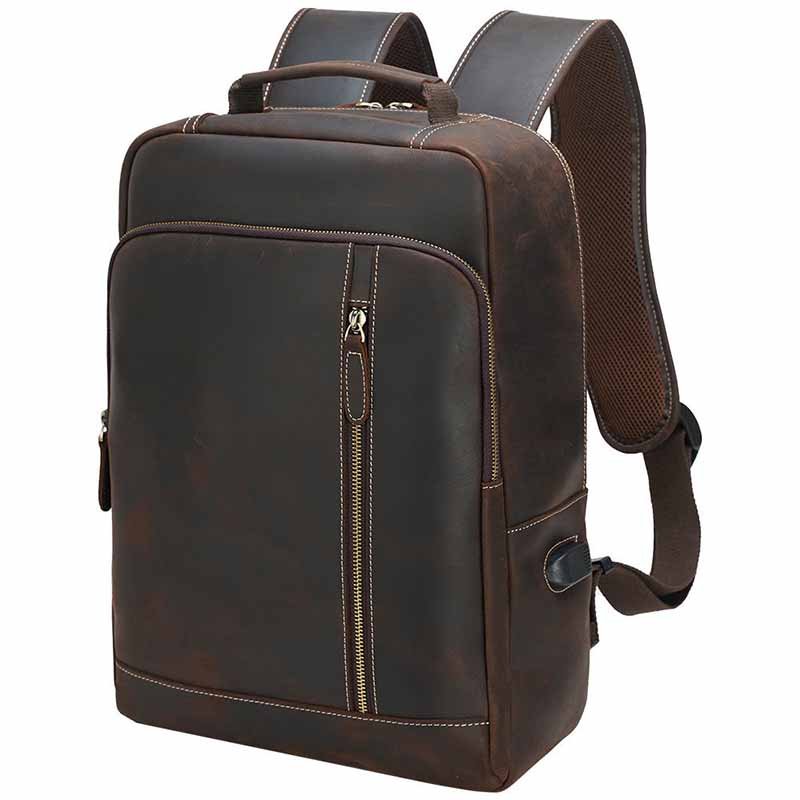
How Do Zipper Systems Impact Leather Backpacks?
Zipper systems directly influence how a leather backpack performs in real life. They affect durability under load, smoothness during daily use, structural integrity of openings, and how customers perceive the product’s quality. In leather goods, where materials are thicker and less flexible, the zipper system plays an even more critical role than in fabric bags.
Zipper Systems and Durability in Leather Backpacks
Durability is one of the first concerns for brands developing leather backpacks. Leather itself is naturally strong, but the zipper area is where repeated stress is concentrated. Every time a user opens, closes, or slightly overfills a bag, pressure is applied to the zipper teeth, slider, and surrounding stitching.
Key durability factors include:
- Tooth strength (metal > molded > coil in most load scenarios)
- Slider quality (casting strength and coating durability)
- Tape reinforcement (especially important with thick leather panels)
- Stitch density and alignment
A useful durability comparison:
| Zipper Type | Load Resistance | Lifespan (Cycles) | Risk Level |
|---|---|---|---|
| Metal zipper | High | 5,000–10,000+ | Low |
| Coil zipper | Medium | 3,000–5,000 | Medium |
| Molded zipper | Medium–High | 4,000–7,000 | Medium |
In leather backpacks, durability is not only about the zipper itself. It is also about how the zipper is integrated into the structure.
For example:
- A metal zipper on a thin leather edge without reinforcement may still fail
- A coil zipper with proper backing and stitching may last longer than expected
- A wide opening without support can increase stress on both ends of the zipper
This is why experienced manufacturers reinforce stress points:
- Bar-tack stitching at zipper ends
- Double stitching along zipper tape
- Leather reinforcement panels near openings
For heavier backpacks (travel or laptop bags), these reinforcements are not optional—they are necessary.
Zipper Systems and Comfort in Leather Backpacks
Comfort is often associated with straps and padding, but zipper systems also affect user comfort in subtle ways.
A zipper that does not move smoothly forces users to apply more force, often with both hands. Over time, this creates frustration, especially in daily-use backpacks.
Key comfort-related factors:
- Smoothness of sliding
- Noise level during operation
- Ease of opening with one hand
- Resistance at corners or curves
Comparison of user experience:
| Zipper Type | Smoothness | Noise | Ease of Use |
|---|---|---|---|
| Coil zipper | Very smooth | Low | High |
| Metal zipper | Moderate | Medium–High | Medium |
| Molded zipper | Moderate | Low–Medium | Medium |
Practical example:
- A commuter backpack used 10–20 times per day benefits from a smoother zipper
- A fashion leather backpack used occasionally can accept a slightly heavier feel
Another key factor is zipper length and placement. A long zipper with poor alignment can feel heavier even if the zipper itself is good. A well-designed opening with proper curve radius allows the zipper to move naturally.
SzoneierLeather often adjusts zipper path design during sampling to improve real-use comfort without changing the visual design significantly.
Zipper Systems and Style in Leather Backpacks
Zipper systems play a major role in how a leather backpack looks and feels as a product. Customers often associate certain zipper types with certain product levels.
Visual positioning:
| Zipper Type | Style Impression |
|---|---|
| Metal zipper | Premium, classic, durable |
| Coil zipper | Minimal, practical, modern |
| Molded zipper | Technical, sporty, functional |
This affects brand positioning directly.
For example:
- A full-grain leather backpack with brass zippers creates a strong premium identity
- A smooth black coil zipper on soft leather creates a clean, modern look
- A molded zipper on hybrid leather + nylon creates a technical outdoor feel
Details also matter:
- Zipper color must match hardware (buckles, rings)
- Puller design should align with brand identity
- Teeth size should match bag proportions
A mismatch example:
| Element | Poor Match | Better Match |
|---|---|---|
| Leather (premium) | Thin plastic zipper | Brass or high-grade coil |
| Leather (soft fashion) | Heavy metal zipper | Smooth coil zipper |
| Outdoor leather hybrid | Decorative zipper | Molded or waterproof zipper |
Small visual inconsistencies reduce perceived value more than most brands expect.
Which Zipper Systems Match Leather Backpacks?
Different leather backpacks require different zipper systems. The “best” zipper is not universal—it depends on how the backpack is used, who the target customer is, and what price level the product is aiming for.
Zipper Systems for Luxury Leather Backpacks
Luxury leather backpacks focus on appearance, craftsmanship, and tactile experience. Every detail must support a premium feel, including the zipper system.
Most suitable choice:
- High-quality metal zippers (brass, antique brass, or custom finish)
Key reasons:
- Strong visual impact
- Matches high-end leather textures
- Supports higher retail pricing
Luxury-level zipper configuration:
| Component | Recommendation |
|---|---|
| Teeth | Solid brass or premium plated metal |
| Slider | Heavy-duty with smooth coating |
| Puller | Custom metal or leather-wrapped |
| Finish | Match all hardware (D-rings, buckles) |
However, luxury does not mean heavy at all costs. Some brands combine:
- Metal zipper for main opening
- Coil zipper for internal pockets
This balances premium feel and usability.
Common mistakes:
- Using low-grade metal zippers that tarnish quickly
- Oversized zippers that feel bulky
- Poor finish matching with other hardware
Zipper Systems for Daily Leather Backpacks
Daily-use backpacks require a balance between durability, comfort, and cost. These products are used frequently, often in commuting or casual environments.
Most suitable choice:
- High-quality coil zippers
- Medium-grade metal zippers (for selected areas)
Key priorities:
- Smooth operation
- Lightweight feel
- Consistent performance
A practical setup:
| Area | Zipper Type |
|---|---|
| Main compartment | Coil zipper (smooth and reliable) |
| Front pocket | Coil or small metal zipper |
| Internal pocket | Coil zipper |
Daily-use backpacks often benefit from:
- Anti-snag zipper tape
- Durable sliders with coating
- Medium-size teeth for balance
The goal is not to maximize strength but to ensure the product feels easy and reliable in daily life.
Zipper Systems for Travel Leather Backpacks
Travel leather backpacks face higher stress levels. They carry heavier loads, experience frequent opening, and may be exposed to different environments.
Most suitable choice:
- Strong metal zippers or reinforced coil zippers
Key requirements:
- High load resistance
- Strong end reinforcement
- Reliable slider performance
Recommended configuration:
| Feature | Requirement |
|---|---|
| Zipper size | Larger gauge (e.g., #8 or #10) |
| Reinforcement | Double stitching + bar-tack |
| Slider | Lockable or anti-slip |
| Tape | Thick and stable |
Additional considerations:
- Double zipper sliders for security
- Lockable zipper heads for travel safety
- Water-resistant design (if needed)
A travel backpack that fails at the zipper during a trip creates immediate negative experience, so reliability must be prioritized over cost.
How to Choose Zipper Systems for Leather Backpacks?
Choosing zipper systems for leather backpacks is not about picking the most expensive option or the most popular brand. It is about matching the zipper to the product’s structure, use case, target customer, and price level. A well-matched zipper improves product performance and perceived value. A poorly matched zipper creates complaints, returns, and lost repeat orders.
Zipper Systems Cost for Leather Backpacks
Cost is always part of the decision, but it should be evaluated in context, not in isolation. The zipper is usually a small percentage of the total product cost, yet it has a large impact on user experience and product reputation.
A general cost comparison:
| Zipper Type | Unit Cost Range (Bulk) | Positioning |
|---|---|---|
| Coil zipper | $0.20 – $0.60 | Entry to mid-range |
| Molded zipper | $0.40 – $1.00 | Mid-range functional |
| Metal zipper | $0.60 – $1.80+ | Mid to premium |
Cost drivers include:
- Zipper size (e.g., #5, #8, #10)
- Material (standard vs premium plating)
- Brand (YKK vs local brands)
- Puller customization
- Order quantity
What many brands overlook is the relationship between zipper cost and retail value.
A practical example:
| Change | Cost Increase | Possible Retail Impact |
|---|---|---|
| Upgrade coil → premium coil | +$0.20 | Better reviews, fewer complaints |
| Upgrade coil → metal | +$0.60–$1.00 | Higher perceived value |
| Add custom puller | +$0.30–$0.80 | Stronger brand identity |
In many cases, a small increase in zipper cost can support a higher retail price or reduce return rates, which improves overall profitability.
The key is not to minimize zipper cost, but to optimize it based on the product’s positioning.
Zipper Systems Brands for Leather Backpacks
Zipper brand selection affects consistency, durability, and customer trust. While many zipper suppliers exist, the most commonly used brands in leather backpack manufacturing include YKK, SBS, and other regional manufacturers.
A practical comparison:
| Brand | Strengths | Considerations |
|---|---|---|
| YKK | High consistency, strong reputation | Higher cost |
| SBS | Good balance of cost and quality | Slightly less premium perception |
| Local brands | Lower cost | Quality variation risk |
Key differences brands should consider:
Consistency across batches
Premium brands like YKK maintain tight control over production standards. This reduces variation between batches, which is important for repeat orders.
Slider and coating durability
Lower-quality zippers may look acceptable at first but wear quickly with repeated use. Coating may fade, and sliders may loosen.
Compatibility with leather
Leather requires stable zipper tape and reliable teeth alignment. Inconsistent zippers can create sewing difficulties or misalignment during production.
A balanced approach used by many brands:
- Use YKK for main compartments in premium products
- Use SBS for secondary compartments
- Use tested local suppliers for cost-sensitive lines
At SzoneierLeather, zipper suppliers are selected based on product level and customer requirements, ensuring the right balance between cost and performance.
Zipper Systems Quality Check for Leather Backpacks
Quality control for zipper systems should be built into the production process, not only checked at the end. A good zipper that is poorly installed can still fail.
A practical quality checklist:
Incoming material inspection
- Check zipper smoothness
- Confirm teeth alignment
- Verify tape strength
- Match color and finish with hardware
In-line production checks
- Ensure correct stitching alignment
- Check zipper tension during sewing
- Confirm reinforcement at stress points
Final inspection
| Check Item | Standard |
|---|---|
| Smooth operation | Opens/closes without resistance |
| Alignment | No gaps or uneven teeth |
| Slider function | Locks and moves correctly |
| Appearance | No scratches or coating defects |
| Strength | Withstands normal load without separation |
For higher-end leather backpacks, additional tests may include:
- Repeated opening/closing test (500–1000 cycles)
- Load test with filled backpack
- Pull strength test at zipper ends
- Environmental check (humidity, temperature impact)
A clear inspection standard reduces disputes and ensures consistent quality across orders.
How to Work with a Leather Backpack Manufacturer on Zipper Systems?
Zipper selection is most effective when brands and manufacturers work together early in development. Waiting until the final stage often leads to compromises or redesign.
Align Zipper Systems with Product Design Early
The zipper system should be discussed during the design stage, not after the sample is completed.
Key points to confirm early:
- Zipper type and size
- Opening shape (straight or curved)
- Leather thickness and structure
- Target price range
- Branding requirements
Early alignment helps avoid:
- Re-sampling delays
- Cost surprises
- Performance issues
Use Sampling to Test Real Performance
Sampling is the best way to evaluate zipper systems in real conditions.
During sample review, brands should test:
- One-hand operation
- Smoothness at corners
- Resistance under load
- Visual consistency with leather
A sample that looks good but feels difficult to use should be adjusted before production.
Build Long-Term Supply Stability
Zipper systems should remain consistent across orders. Changing zipper suppliers frequently can create:
- Color mismatches
- Performance variation
- Production delays
Long-term cooperation with a stable manufacturer helps maintain consistency in both materials and workmanship.
Start Your Leather Backpack Project with SzoneierLeather
Choosing the right zipper system is not a small detail—it is a key decision that affects product quality, user experience, and brand perception. When combined with the right leather, structure, and craftsmanship, a well-selected zipper system helps turn a standard product into a competitive one.
SzoneierLeather supports brands at every stage of leather backpack development:
- Over 18 years of experience in leather goods manufacturing
- Strong material supply chain (full grain, top grain, split leather)
- Professional support in zipper system selection and integration
- Custom development from design to production
- Low MOQ for testing new products
- Stable quality control and production consistency
- Flexible solutions for both small brands and large-volume clients
Whether you are developing your first leather backpack or upgrading an existing product line, choosing the right zipper system is a critical step.
Send us your design, reference images, or product idea today. Our team will help you evaluate zipper options, optimize your product structure, and provide a clear quotation with practical recommendations.
A better leather backpack starts with better decisions—down to the smallest details like the zipper.