
Is Vegan Leather Plastic:What Brands, Designers, and Modern Consumers Should Really Know
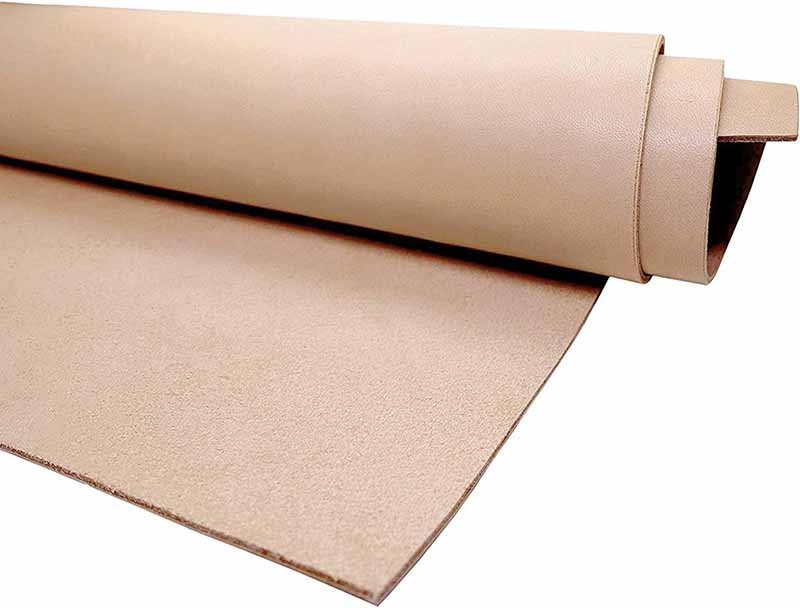
Vegan leather has become one of the most widely discussed materials in fashion, accessories, and luxury goods over the past decade. As more brands shift toward sustainability messaging and cruelty-free storytelling, “vegan leather” is now used on handbags, wallets, belts, footwear, apparel, and even automotive interiors. Yet a surprising tension has also emerged: although consumers assume vegan leather is an ethical, eco-friendly alternative to real leather, many also wonder whether it is simply another form of plastic—sometimes even less durable and less sustainable than animal leather. This confusion is understandable, and even professionals in the industry often disagree on the actual composition of vegan leather. Most vegan leather on the market today is made from plastic—primarily polyurethane (PU) or polyvinyl chloride (PVC). While next-generation materials like mushroom, cactus, pineapple, and apple leather exist, many still require plastic binders or coatings for durability. So while vegan leather is animal-free, it is not always plastic-free. Understanding the material composition is essential for brands seeking the right balance of ethics, performance, and sustainability.
To make matters even more interesting, emerging plant-based leathers—like mushroom leather—are marketed as a breakthrough. But even these “bio-leathers” often involve polymers. So the real question isn’t just Is vegan leather plastic? but rather Which types are plastic, how much plastic do they contain, and what does that mean for longevity, cost, and environmental impact?
Before we dive in, let’s begin with a short story I often hear from product designers: A startup founder proudly launched a “fully plant-based handbag line,” only to later discover during material testing that their cactus leather included 40–60% polyurethane coating. Their marketing team had to rewrite all product descriptions overnight.
Stories like this show why material transparency matters—and why brands should understand vegan leather beyond marketing slogans.
What Is Vegan Leather and Why Do People Ask If It’s Plastic?
Vegan leather is any material that imitates the look and feel of leather without using animal hides. Most vegan leather today is made from plastics like PU or PVC, which is why many people assume vegan leather equals plastic. While plant-based materials such as mushroom, cactus, or apple leather exist, many still require PU binders for durability. The confusion arises because “vegan” describes the ethics, not the chemistry, of the material.
Vegan leather is one of the most misunderstood material categories in modern fashion. To consumers, “vegan” often suggests clean, natural, and sustainable. But to material engineers and manufacturers, the term simply means “contains no animal ingredients.” It does not guarantee that the material is plant-based, biodegradable, natural, or eco-friendly. This disconnect between consumer perception and manufacturing reality is why so many people ask whether vegan leather is really just plastic.
Historically, leather alternatives have always been synthetic. The earliest versions—known as faux leather, artificial leather, or PU/PVC leather—have been used for decades. When cruelty-free and sustainability conversations entered mainstream fashion, many brands rebranded these materials as vegan leather because the term resonates better with modern values. However, this rebranding also created confusion: people began assuming “vegan” meant “natural,” when in fact, over 90% of vegan leather globally is still petroleum-derived.
The rise of next-generation materials such as mushroom leather and cactus leather fueled even more debate. While these innovations can significantly reduce environmental impact, nearly all commercially available versions still contain PU coatings or polymer reinforcement, because plant fibers alone lack the structural integrity needed for handbags, wallets, straps, or footwear. As a result, even “bio-based leather” is not entirely plastic-free.
Another major reason the public associates vegan leather with plastic is durability. Vegan leathers tend to crack, peel, or degrade faster than high-quality natural leather, especially in humid climates or areas with heavy use. This aging behavior is characteristic of polymers—not natural fibers—reinforcing the perception that vegan leather is synthetic.
From a manufacturing perspective, vegan leather can be engineered to mimic almost any grain, texture, or color. Its uniformity also increases cutting efficiency and reduces waste. This makes PU vegan leather attractive for brands that want consistent quality at scale. However, the environmental impact of these plastics remains a concern—particularly microplastic shedding and landfill persistence.
The core confusion lies in the dual identity of vegan leather:
- To marketers: a cruelty-free, ethical material
- To engineers: a synthetic composite, often petroleum-based
- To consumers: a potential eco-friendly alternative
This mismatch causes the recurring question: If it’s vegan, why does it feel like plastic? The answer is simple: because most vegan leather is plastic—and the term “vegan” describes what the material is not made of, not what it is.
Below, each H3 dives deeper into the technical and consumer-facing reasons behind this confusion.
What does “vegan” actually mean in material terminology?
In material science and textile manufacturing, “vegan” is strictly a categorical label. It means no animal-derived raw materials are used—no hides, collagen, bones, or animal-based adhesives. It does not imply that the material is biodegradable, natural, organic, or sustainable. A PU leather made entirely from petroleum can still be labeled vegan because it avoids animal inputs.
This is important for brands and consumers to understand: vegan is an ethical claim, not a chemical or environmental one. Unlike terms such as “bio-based,” “compostable,” or “recycled,” the word “vegan” provides zero information about environmental impact. This is why so many buyers are confused: they assume vegan equals eco-friendly when, in practice, it only means animal-free.
How is vegan leather defined vs faux, synthetic, and artificial leather?
Before the term “vegan leather” became popular, nearly all leather alternatives were labeled as faux leather, artificial leather, PU leather, or PVC leather. These earlier terms openly referenced their synthetic nature, making it clear they were plastic-based products.
The rise of ethical consumerism changed the marketing landscape. The term “vegan leather” reframed the material positively, emphasizing what it doesn’t contain (animal hides) rather than what it does (plastics). This shift helped brands appeal to cruelty-free and sustainability-conscious consumers—but it also blurred distinctions.
Materially, most “vegan leather” today is identical to faux leather. The only difference is the branding. For buyers, this means that understanding the true composition requires looking at technical specifications, not marketing language.
Is vegan leather always free from animal-derived ingredients?
In modern production, yes—vegan leather must exclude all animal-derived ingredients. This includes not only hides but also glues, dyes, binders, and finishing chemicals. Older manufacturing processes sometimes used casein or animal-derived adhesives, but reputable factories—including Szoneier—use strictly synthetic or plant-derived alternatives for vegan-certified products.
However, “vegan-certified” and “vegan-marketed” are not the same. Some brands use the term loosely without formal verification. Professional buyers typically require documentation to confirm:
- Material composition
- Chemical sources
- Absence of animal-derived additives
- Compliance with REACH, OEKO-TEX, or PETA certifications
This ensures global market compatibility and avoids legal or ethical issues.
Why do many consumers equate vegan leather with plastic?
Three major reasons fuel this perception:
1. Historical usage
For over 40 years, faux leather = PU or PVC. Consumers learned to associate “leather alternatives” with synthetics long before plant-based innovations existed.
2. Physical characteristics
Vegan leather often feels smooth, uniform, and slightly plastic-like. It lacks the breathability and organic irregularities of natural leather.
3. Market realities
Industry data shows that:
- 65–75% of vegan leather globally = PU
- 15–20% = PVC
- Less than 5% = plant-based (with PU blended in)
Therefore, the average consumer’s experience with vegan leather is overwhelmingly synthetic. Until bio-based leathers scale and achieve mainstream durability, the association between vegan leather and plastic will remain strong.
Vegan leather comes in two major categories: plastic-based materials such as PU, PVC, microfiber, and TPU, and plant-based materials like mushroom, cactus, pineapple, apple, cork, and grape leather. Plastic-based types dominate global production due to low cost, consistent quality, and high durability. Although plant-based leathers are rising in popularity, most still use PU coatings or polymer binders, so the majority of vegan leather products today remain primarily plastic.
To understand whether vegan leather is “plastic,” you must first understand the categories that exist. Vegan leather today is not a single material but a broad family of leather-like composites designed to imitate the appearance and texture of animal leather. The most important distinction is between synthetic (plastic-based) vegan leathers and bio-based (plant-based) vegan leathers. Both categories aim to replicate leather’s flexibility, grain, and durability—but they rely on very different chemistry.
Synthetic vegan leathers—primarily PU (polyurethane) and PVC (polyvinyl chloride)—are the most widely used because they are stable, flexible, easy to mass-produce, and compatible with automated cutting and heat-lamination equipment. PU in particular has become the industry standard for mid-to-high-end vegan leather goods, while PVC continues to serve low-cost applications. Microfiber leather and TPU leather have emerged as refined versions that improve breathability and tensile strength but still rely on petroleum-derived polymers.
The second category, plant-based vegan leathers, has attracted massive attention because of its sustainability claims. However, most cactus, apple, pineapple, mushroom, and grape leathers are hybrid materials, containing natural fibers or agricultural waste blended with PU or other polymers to achieve durability, water resistance, and commercial usability. While bio-content can range from 30–90%, the final composite often still depends on plastic components.
From a buyer’s perspective, the key point is simple: Plastic-based vegan leather dominates the market, while plant-based vegan leather is emerging but not yet fully plastic-free.
Understanding the composition of each type allows brands to choose the material that best fits their sustainability goals, performance needs, and target price point.
Below, each category is analyzed in detail to help buyers differentiate their options clearly.
What plastic-based vegan leathers are most common
The majority of vegan leather used worldwide is made from petroleum-derived polymers, and each polymer type offers different performance characteristics.
1. PU Leather
- Soft, flexible, and highly versatile
- Available in embossed, matte, glossy, or distressed finishes
- Used in handbags, accessories, footwear, upholstery
- More breathable than PVC
- Can be made solvent-based or water-based (more eco-friendly) PU is considered the “premium” synthetic vegan leather and accounts for 65–75% of all vegan leather production.
2. PVC Leather
- Lower cost
- Highly water resistant
- Less breathable and more rigid
- Can crack faster due to plasticizer migration PVC is commonly used for low-cost goods such as fast-fashion accessories, promotional items, and budget footwear.
3. Microfiber Leather
- The highest-performance synthetic leather
- Extremely strong tear resistance
- Excellent thickness stability
- Used for sports shoes, high-use accessories, and automotive interiors Microfiber leather resembles full-grain leather more closely than traditional PU.
4. TPU Leather
- Better hydrolysis resistance
- Recyclable in some systems
- More expensive than PU TPU is popular in high-end footwear and outdoor gear.
Synthetic vegan leathers dominate because these materials can withstand cutting, stitching, pressing, edge finishing, and long-term use—requirements that plant-based fibers alone cannot meet.
How much plastic does PU vegan leather contain?
PU vegan leather typically includes 50–100% plastic, depending on the construction:
PU Leather Structure
| Layer | Material | Plastic Content |
|---|---|---|
| Surface coating | Polyurethane | 100% polymer |
| Mid-layer foam | Polyurethane | 100% polymer |
| Backing fabric | Polyester / cotton / microfiber | 0–100% polymer |
If the backing fabric is polyester or microfiber, the entire composite can be nearly 100% plastic. If cotton is used, polymer content may drop to 40–60%, but the mechanical strength decreases.
Why PU Contains So Much Polymer
PU must form the grain, provide flexibility, and maintain water resistance. This requires multiple polymer layers. Even “eco PU” or “water-based PU” is still polyurethane—the difference lies in the solvent system, not the polymer itself.
PVC is widely criticized due to:
Why is PVC vegan leather criticized?
- Chlorine content, which can produce toxic byproducts during manufacturing and disposal
- Plasticizer migration, causing cracking and chemical release
- Lower biodegradability compared with PU
- Higher environmental impact from production to end-of-life
PVC is extremely durable in terms of water resistance but performs poorly in terms of flexibility and aging. It is banned or restricted in several European markets for certain applications, pushing brands toward PU or plant-based alternatives.
Still, PVC remains common in:
- Cheap bags
- Travel covers
- Promotional items
- Rainwear
PVC’s low price keeps it relevant, but its environmental profile makes it unsuitable for brands pursuing sustainability narratives.
Which other petroleum-based polymers appear in vegan leather today?
Besides PU and PVC, vegan leather may include:
- Acrylic resins (improve stiffness, gloss)
- EVA (ethylene-vinyl acetate, used as foam backing)
- PET polyester (commonly used as backing fabric)
- Nylon fibers (increase tear strength)
- Synthetic rubbers (for flexibility)
These materials enhance performance characteristics but also increase the plastic content. Even “bio-based” vegan leathers often include these synthetic binders or backers.
Are most vegan leather products on the market still plastic-heavy today?
Yes. Based on industry data from material suppliers, trade associations, and OEM/ODM factories:
Global Vegan Leather Market Share
| Type | Market Share | Plastic Content |
|---|---|---|
| PU leather | 65–75% | High |
| PVC leather | 15–20% | Very high |
| Microfiber leather | 5–10% | High |
| Plant-based leathers | <5% | Medium–high (with PU layers) |
Even plant-based leathers are typically reinforced with:
- PU coatings (10–60%)
- Polyester backers
- Polymer binders
Therefore, the majority of vegan leather products today remain predominantly plastic-based.
This is why the question “Is vegan leather plastic?” is so common—and why brands must communicate transparently when marketing vegan products.
How Do Plastic-Based Vegan Leathers Perform in Real-World Use?
Plastic-based vegan leathers like PU, PVC, microfiber, and TPU offer affordability, consistent quality, and wide design flexibility. However, they typically lack the long-term durability, breathability, and aging characteristics of genuine leather. PU can last several years with proper care, while PVC tends to crack sooner. Performance varies by polymer type, coating formulation, backing material, thickness, and climate exposure, making material selection essential for brand-quality standards.
Performance is one of the key reasons brands struggle to choose between vegan leather and real leather. Plastic-based vegan leathers can look impressive at first glance—smooth surface grain, customizable finishes, lightweight feel—but their real-world performance depends heavily on polymer chemistry, mechanical structure, and environmental exposure. Understanding how these materials behave over time is critical for product designers, purchasing managers, and brand founders aiming to balance design, durability, cost, and sustainability narratives.
PU (polyurethane) is the top-performing synthetic leather in most lifestyle applications. It offers good flexibility, stable color, soft hand-feel, and reasonable scratch resistance. Microfiber PU enhances these qualities further by using ultra-fine fibers beneath the PU coating, resulting in stronger tear strength and improved wear resistance. PVC, on the other hand, is cheaper and more water-resistant but significantly less flexible and more prone to cracking over time. TPU sits between PU and microfiber in performance—highly resistant to hydrolysis and abrasion, but more expensive.
However, all these materials share one fundamental limitation: they are polymers, not natural fibers. Unlike genuine leather, which has a three-dimensional collagen fiber network that becomes more flexible and comfortable with use, plastic-based vegan leather tends to degrade when subjected to heat, sweat, UV exposure, and continuous bending. Hydrolysis, plasticizer loss, and polymer chain breakdown are common issues, affecting lifespan and structural integrity.
Climate also plays a major role. PU in humid or tropical environments may peel faster due to moisture-driven hydrolysis. PVC becomes brittle in cold climates. Microfiber PU performs best across diverse temperature ranges but still cannot match full-grain leather’s long-term resilience.
Below, each performance element is broken down to help brands understand exactly how plastic-based vegan leathers behave and which type fits which product category.
How durable are PU and PVC vegan leathers compared with genuine leather?
Durability varies significantly across polymer types. PU leather can last 2–5 years depending on thickness, formulation quality, and environmental exposure. Higher-grade PU or microfiber PU can last 5–8 years, making them common in footwear, automotive interiors, and premium bags. PVC leather, however, often begins to crack or harden after 1–3 years because its plasticizers migrate out, reducing flexibility.
By contrast, well-crafted full-grain or top-grain leather can maintain structural integrity for 10–20+ years. Unlike PU/PVC, natural leather becomes softer and stronger with use because its collagen fiber network adapts to movement. Plastic-based leathers lack this regenerative behavior.
Typical lifespan comparison:
| Material Type | Average Lifespan | Notes |
|---|---|---|
| PU Leather | 2–5 years | Moderate durability, good for fashion goods |
| Microfiber PU | 5–8 years | Strongest synthetic option |
| PVC Leather | 1–3 years | Lowest aging resistance |
| Genuine Leather | 10–20+ years | Highest long-term performance |
For brands planning premium or heirloom-quality items, genuine leather or microfiber PU are the only viable options.
What causes plastic-based vegan leather to crack, peel, or degrade?
Cracking and peeling occur when the polymer structure begins to break down. The most common causes are:
1. Hydrolysis
PU is sensitive to moisture. Over time, water molecules break the chemical bonds in polyurethane, causing peeling. Factories measure hydrolysis resistance using standardized tests (e.g., 3-, 5-, 8-year ratings). High-quality PU from reputable suppliers can significantly reduce this issue.
2. UV Exposure
Ultraviolet rays weaken polymer chains, causing surface dulling, brittleness, and cracking. UV exposure accelerates aging in PVC and TPU as well.
3. Plasticizer Migration
PVC relies on plasticizers to stay flexible. Over time, these chemicals evaporate or migrate to the surface, causing stickiness or cracking.
4. Heat + Sweat + Oils
Body oils and high temperatures accelerate surface breakdown, especially in wallets, bag straps, and shoe linings.
5. Mechanical Stress
Repeated bending, folding, or abrasion weakens polymer layers. PU holds up better than PVC, but neither matches the resilience of natural leather fibers.
Understanding these factors helps brands design products with appropriate material thickness, reinforcement stitching, and protective coatings.
How do comfort, breathability, and tactile feel differ from natural leather?
One of the most noticeable differences between vegan leather and genuine leather is breathability. Genuine leather has a porous fiber structure that allows airflow and moisture regulation, making it comfortable for long-term wear—especially in footwear, bags, and apparel.
Plastic-based vegan leathers lack this natural porosity. They tend to:
- Trap heat
- Accumulate moisture
- Feel less adaptable to body temperature
- Develop a sticky or stiff sensation over time
Microfiber PU performs better in this area because the ultra-fine fibers in the backing fabric allow some vapor permeability. But even the best microfiber leather cannot replicate the microclimate regulation of natural leather.
Tactile feel is another critical factor. PU can mimic a wide variety of grains and textures through embossing, but it doesn’t develop a patina—the desirable aging effect of real leather. Instead of gaining character, PU simply wears out.
This distinction matters for brands targeting premium or luxury markets where sensory experience defines product value.
Do plastic-based vegan leathers shed microplastics or chemicals?
Yes—this is an emerging concern for sustainability teams. As polymer surfaces abrade during daily use, microplastic particles can be released. This is especially true with:
- Bag straps that rub against clothing
- Wallets in pockets
- Shoe uppers bending during movement
- Edges rubbing during transport
Microplastic shedding rates depend on:
- Polymer type
- Coating hardness
- Fiber backing composition
- Product use intensity
PVC may also release plasticizers such as phthalates. PU, TPU, and microfiber PU are generally safer but still contribute to microplastic accumulation over the product lifecycle.
Brands focused on sustainability should:
- Choose microfiber PU with reduced shedding
- Opt for water-based PU coatings
- Avoid PVC for long-term or high-contact goods
- Communicate transparently about material composition
This is where Szoneier’s engineering-based material selection guidance becomes invaluable.
How do cost structures and mass-production efficiencies differ from genuine leather?
One of the biggest advantages of vegan leather—especially PU—is manufacturing efficiency. Because it is produced in continuous rolls, PU offers excellent material utilization rates and predictable performance.
Key Advantages for Mass Production
- Low waste: Cutting efficiency can exceed 90–95%, compared with 60–80% for natural leather.
- Uniformity: Every roll has consistent thickness, color, and grain.
- Lower MOQ: Synthetic leathers allow small-batch sampling and pilot production.
- Color customization: PU can match Pantone shades precisely.
- Stable pricing: Not affected by livestock supply fluctuations.
Genuine Leather vs PU Cost Comparison
| Category | PU Leather | Genuine Leather |
|---|---|---|
| Cutting Waste | 5–10% | 20–40% |
| Price Stability | High | Medium–Low |
| MOQ Flexibility | High | Medium |
| Color Matching | Excellent | Natural variation |
| Long-term Durability | Medium | Very High |
Because of these advantages, PU remains the top choice for:
- Fashion brands
- DTC startups
- Promotional products
- Seasonal collections
- Retailers needing color consistency
However, for luxury-grade products with long-term use expectations, genuine leather or microfiber PU remains the superior choice.
How Do Plastic-Based Vegan Leathers Perform in Real-World Use?
Plastic-based vegan leathers such as PU, PVC, microfiber, and TPU perform well in fashion and lifestyle products because they offer predictable quality, uniform thickness, and customizable finishes. However, they do not match genuine leather in breathability, long-term durability, or natural aging behavior. PU generally lasts 2–5 years, while PVC lasts 1–3 years. Microfiber PU provides the best synthetic performance, though all plastic-based vegan leathers remain vulnerable to cracking, peeling, heat damage, and moisture-driven degradation.
Plastic-based vegan leathers dominate global manufacturing because they offer an appealing combination of cost efficiency, visual versatility, and production predictability. Brands can emboss any grain, match any Pantone color, and achieve near-perfect material consistency across thousands of units—something real leather can never provide due to natural hide variations. This explains why PU and PVC vegan leather continue to power the handbag, wallet, footwear, and upholstery industries.
But despite these advantages, plastic-based vegan leather behaves very differently from real leather once consumers begin using the product. Unlike natural leather, which has a three-dimensional collagen fiber network that becomes softer and more flexible with time, synthetic leather relies on polymer films, foam layers, and fabric backers that degrade with environmental exposure. Heat, moisture, UV radiation, sweat, and oils can all accelerate aging.
The performance gap becomes even more noticeable when products are exposed to humidity, frequent bending, skin contact, or temperature fluctuations. For example, PU bag straps may peel faster in tropical climates; PVC wallets may stiffen and crack in cold regions; microfiber PU shoes may show creasing patterns differently from genuine leather.
To give buyers a more complete understanding, let’s break down each performance dimension in greater depth.
How durable are PU and PVC vegan leathers compared with genuine leather?
Durability remains the single biggest limitation of plastic-based vegan leather. While high-quality PU can achieve reasonable service life, it simply cannot compete with the natural resilience of real leather’s collagen structure.
Average Lifespan Comparison
| Material | Expected Lifespan | Notes |
|---|---|---|
| PVC Leather | 1–3 years | Most prone to cracking; lowest flexibility |
| Standard PU Leather | 2–5 years | Good initial performance; vulnerable to humidity |
| High-Grade PU (water-based) | 3–6 years | Lower VOCs; slightly higher hydrolysis resistance |
| Microfiber PU | 5–8 years | Best synthetic option; high tear strength |
| Top-Grain Leather | 10–20+ years | Becomes stronger with age; fully repairable |
Why genuine leather lasts longer
- Leather fibers interlock and reinforce each other under stress.
- Moisture does not break down collagen the way it breaks down polyurethane.
- Leather’s natural oils allow it to self-condition, increasing flexibility.
In contrast, PU and PVC degrade from the outside inward, and once surface damage begins, failure accelerates rapidly. Brands producing luxury or heirloom-grade goods cannot rely solely on plastic-based vegan leather unless using premium microfiber PU with reinforced coatings.
What causes plastic-based vegan leather to crack, peel, or degrade?
Plastic-based vegan leather fails primarily due to polymer degradation. The key factors include:
1. Hydrolysis
Hydrolysis is the breakdown of polyurethane when exposed to moisture and heat. This is especially common in:
- Tropical climates
- High-sweat areas (e.g., bag straps, watch straps)
- Shoes and accessories stored in humid closets
- Products left in cars
Once hydrolysis begins, the PU film becomes sticky, powdery, or flaky. This is the #1 reason for peeling PU products worldwide.
2. UV-Induced Oxidation
Sunlight breaks chemical bonds within plastics. Over time:
- Colors fade
- Surfaces become brittle
- Cracks appear at stress points PVC suffers from UV damage even more severely than PU.
3. Plasticizer Migration
PVC contains plasticizers—chemicals that keep it flexible. These leach out slowly, causing:
- Hardening
- Cracking
- Sticky texture on the surface
This is why PVC wallets and bags often deteriorate faster than PU ones.
4. Mechanical Stress
Every time a material bends or folds, micro-cracks propagate. PU handles flex cycles better than PVC but still cannot match leather’s natural adaptability.
5. Skin Contact
Oils break down polymer coatings. Bag handles and watch straps are the most vulnerable.
6. Temperature Swings
Going from hot (cars, sun) to cold (winter air) creates expansion/contraction cycles that accelerate cracking.
How do comfort, breathability, and tactile feel differ from natural leather?
Comfort is a major performance difference between plastic-based vegan leather and genuine leather.
Breathability
Genuine leather has micro-pores that naturally regulate moisture. Plastic-based vegan leather does not breathe in the same way. This can lead to:
- Sweat buildup
- Heat retention
- A slightly sticky feel during summer
- Odor accumulation in footwear or accessories
Microfiber PU is better because its ultra-fine fibers allow some vapor transmission, but even it cannot replicate real leather’s thermoregulation.
Tactile Feel
PU can mimic almost any grain pattern through embossing, but:
- It doesn’t soften naturally
- It doesn’t develop patina
- It keeps a “manufactured” smoothness
- It may become shiny or stiff with age
For buyers targeting premium markets, this lack of natural evolution can be a disadvantage because the product doesn’t improve with time.
Do plastic-based vegan leathers shed microplastics or chemicals?
Yes—all plastic-based vegan leathers shed microplastics as they undergo abrasion. This shedding occurs in:
- Bag straps rubbing against clothes
- Wallets sliding in pockets
- Shoes flexing and scraping pavements
- Edges rubbing during shipping
- Upholstery exposed to regular friction
Environmental Considerations
- PVC may release phthalates and chloride compounds.
- PU microplastic shedding contributes to marine pollution, though at lower levels than polyester fabrics.
- Microfiber PU (ultra-fine fiber reinforcement) can reduce shedding due to its stronger internal structure.
Sustainability-focused brands often switch to:
- Water-based PU
- Recycled PU
- Microfiber PU
- Plant-based leathers with partial bio-content
These options reduce but do not eliminate microplastic release.
How do cost structures and mass-production efficiencies differ from genuine leather?
Plastic-based vegan leathers dramatically streamline production because they come in uniform, predictable rolls.
Production Advantages
- High cutting efficiency (90–95%) vs 60–80% for leather
- Zero natural defects (no scars, wrinkles, bite marks)
- Lower MOQ orders possible
- Consistent color and thickness
- Reduced scrap rate
- Quicker prototyping cycles
- Easier to automate
Cost Predictability
PU material costs remain stable because:
- They are not affected by cattle supply
- Weather does not impact availability
- Global production is factory-controlled
Example Cost Comparison
| Factor | Plastic-Based Vegan Leather | Genuine Leather |
|---|---|---|
| Material Uniformity | Excellent | Variable |
| Waste During Cutting | Very Low | High |
| Price Stability | High | Medium |
| MOQ Flexibility | High | Medium |
| Handling Difficulty | Low | Medium–High |
| Long-Term Value | Medium | Very High |
This is why startups, fashion brands, and fast-fashion retailers prefer PU for mass production, while luxury brands favor genuine leather for durability and heritage value.
Are Plant-Based and “Next-Gen” Vegan Leathers Really Plastic-Free?
Plant-based vegan leathers—such as cactus, mushroom, pineapple, apple, cork, and grape leather—are often marketed as eco-friendly alternatives, but most are not fully plastic-free. To achieve durability, water resistance, and structural integrity, these bio-materials typically require PU coatings, polymer binders, synthetic backers, or resin reinforcements. Bio-content ranges from 30% to 90% depending on the brand, but nearly all commercially viable plant leathers still rely on plastics for performance.
Plant-based and next-generation vegan leathers have gained enormous attention in the last five years as consumers demand sustainable materials that reduce dependency on fossil fuels and animal byproducts. These materials are often positioned as “the future of leather,” and brands frequently promote them as eco-friendly, biodegradable, or low-impact solutions. However, the real chemical composition and performance profiles of these materials are more complex than advertised.
While the base ingredient of plant leather may come from natural sources—such as cactus fiber, mushroom mycelium, apple pomace, grape skins, corn waste, pineapple leaves, or cork—these fibers alone cannot function as leather. Raw plant matter lacks the tensile strength, abrasion resistance, elasticity, tear resistance, and thermal stability required for products like bags, wallets, shoes, belts, or upholstery.
To bridge this performance gap, manufacturers blend plant fibers with synthetic polymers or reinforce them with PU coatings. These polymers act as binding agents, stabilizers, and protective layers. Without them, plant leathers would crack, absorb moisture, deform, or break under production and real-world use.
Thus, even though plant-based vegan leathers reduce fossil-fuel consumption, they are generally bio-plastic hybrids, not plastic-free materials.
Below is a detailed breakdown of major next-gen materials and how much plastic content they typically contain.
What plant-based vegan leathers exist?
The most commercially recognized plant-based leathers include:
1. Cactus Leather
- Made from Nopal cactus fibers
- Typically 30–60% bio-content
- Reinforced with PU or polymer blends
- Excellent softness and flexibility
- Often used in handbags, wallets, small accessories
Cactus leather is one of the most scalable plant-based options but still requires polyurethane to ensure durability and abrasion resistance.
2. Pineapple Leather
- Made from pineapple leaf fibers (PALF)
- 50–80% bio-content, depending on technical grade
- Heavily dependent on resin or PU top layers
- Strong woven substrate
- Known for its stiff, textured feel
Piñatex is widely used in vegan footwear and bags but is not biodegradable due to its polymer composite layers.
3. Apple Leather
- Made from apple juice industry waste
- 20–50% apple fiber, depending on supplier
- Backed with cotton blended with polyurethane
- Requires PU coating for water resistance
Apple leather has excellent color vibrancy and is popular in fashion accessories.
4. Mushroom Leather
- Made from mycelium (mushroom root structure)
- Can reach 50–90% bio-content
- Still requires PU or other polymers for performance
- Very soft and flexible
- Used in luxury accessories and experimental footwear
Mushroom leather is promising but currently not plastic-free in commercial-grade formats.
5. Grape Leather
- Made from wine industry waste (skin, seeds, stems)
- Bio-content ranges from 55–80%
- Reinforced with PU resins or bio-PU blends
- Smooth, leather-like hand feel
- Used in fashion, packaging, small leather goods
6. Cork Leather
- 100% natural cork surface
- Backed with textile (often polyester)
- No PU topcoat needed for surface durability
- Not suitable for high-stress applications
Cork is one of the few plant leathers that can be nearly plastic-free, but the backing fabric often introduces synthetic content.
Does mushroom leather contain plastic, and how much?
Despite being marketed as revolutionary and eco-forward, most mushroom leathers contain plastic, primarily in the form of PU coatings or polymer binders. Mycelium naturally forms a lightweight, foam-like matrix, but this structure alone cannot withstand the rigors of leather goods production.
Typical plastic contents in commercial mushroom leathers:
| Mushroom Leather Type | Bio-Content | PU/Polymer Content | Notes |
|---|---|---|---|
| Mycelium sheets (uncoated) | 80–100% | 0–20% | Weak durability; not used for products |
| Mylo™ (commercial grade) | 50–70% | 30–50% | Reinforced with PU films |
| Experimental mycelium leathers | Up to 90% | 10–20% | Very limited availability |
| Luxury brand blends | 40–60% | 40–60% | Tailored to brand performance standards |
Why mushroom leather requires plastic layers:
- Mycelium lacks tensile strength
- Absorbs water easily
- Tears under pressure
- Fails in abrasion tests
- Cannot be stitched without stabilizing films
While mushroom leather is a major step toward sustainable innovation, it is currently bio-enhanced synthetic leather, not a plastic-free material.
Why do most plant leathers still require PU or synthetic binders?
Plant fibers are structurally similar to paper or woven textiles. They:
- Absorb moisture
- Tear easily
- Lack flexibility
- Break under repeated bending
- Cannot withstand direct stitching
- Cannot maintain embossed grain patterns
To convert these fibers into usable leather-like sheets, manufacturers must:
- Bind fibers together using PU resins
- Apply a PU or acrylic topcoat
- Laminate the plant sheet to a synthetic or cotton backer
- Compress the material under heat and pressure
These polymer layers provide:
- Mechanical strength
- Waterproofing
- Color fastness
- Abrasion resistance
- Flex stability
- Production compatibility
In short: Plant fibers provide sustainability marketing. Plastics provide performance.
This hybrid model defines today’s plant-based vegan leather industry.
Is 100% plastic-free vegan leather possible today?
A few materials come close, but they lack universal usability:
Cork Leather
- Nearly plastic-free
- But backing fabrics often contain polyester
- Limited flexibility and tensile strength
Bark Cloth
- Natural bark textile
- Breathable, biodegradable
- Not strong enough for structured bags, shoes, or belts
Paper-based leathers
- Natural fibers + latex
- Lower plastic content
- Poor water resistance
Experimental bio-leathers
- Genuinely plastic-free
- Not commercially available
- Extremely expensive and unstable
Therefore: ✔ Plastic-free vegan leather exists ✘ But not at commercial readiness for mainstream fashion or leather goods manufacturing
The industry expects scalable plastic-free solutions in 5–10 years, but current options still rely heavily on polymers.
What should buyers ask suppliers about bio-content and polymer content?
To avoid greenwashing and misleading marketing, brands should require:
1. Bio-content percentage
- Ask for LCA (Life Cycle Assessment) or supplier documentation
- Clarify whether percentages refer to surface, backing, or total composite
2. PU or polymer content
- Request exact percentages
- Identify which layers contain synthetic components
- Ask whether the PU is solvent-based or water-based
3. Backing fabric composition
- Polyester? Cotton? Recycled PET?
- Many suppliers hide synthetic backings behind plant-fiber surface layers
4. Certifications
Recommended standards:
- USDA BioPreferred
- OEKO-TEX Standard 100
- GRS (Global Recycled Standard)
- LCA reports
5. Performance test results
Ask for:
- Abrasion resistance (Martindale)
- Tear strength
- Flex testing
- Hydrolysis rating
These metrics reveal more than any marketing claim.
How Does Vegan Leather Compare to Real Leather in Sustainability and Lifespan?
Vegan leather is often promoted as more sustainable than real leather, but the comparison is complex. Plastic-based vegan leathers have lower water usage and carbon emissions but shorter lifespans and limited recyclability. Real leather is durable and repairable but energy-intensive to produce. Plant-based vegan leathers reduce fossil fuel reliance, yet most still require plastic coatings. Sustainability depends on material type, expected lifespan, manufacturing chemistry, and end-of-life disposal—not the “vegan” label alone.
The sustainability debate between vegan leather and real leather is one of the most misunderstood topics in the materials industry. Many consumers assume vegan leather is automatically better for the planet, while others argue natural leather is the most sustainable because it is durable and long-lasting. In reality, both materials have strengths and weaknesses, and the environmental impact varies widely depending on production methods, polymer chemistry, manufacturing region, tanning process, and product lifespan.
A key misunderstanding is that sustainability equals “vegan.” In practice, vegan leather may contain 60–100% plastic, and its end-of-life impact can be significantly worse than natural leather. Conversely, real leather has a heavy environmental footprint during tanning but performs exceptionally well for decades of use, repairability, and slow replacement cycles.
To make informed decisions, brands must examine environmental impact across the entire lifecycle—from raw materials and manufacturing to consumer use and disposal.
Below is a detailed breakdown of how vegan and real leather compare across critical sustainability dimensions.
Is vegan leather always more sustainable than animal leather?
No—this is one of the biggest misconceptions in the market.
Why vegan leather may seem more sustainable:
- It avoids livestock agriculture (methane emissions + land use)
- It does not require chrome tanning
- It uses significantly less water
- It avoids animal cruelty
- It enables consistent mass production with low wastage
Why vegan leather is not automatically sustainable:
- Most PU or PVC vegan leather is petroleum-derived
- It sheds microplastics
- It is rarely recyclable
- It lasts only 2–5 years before disposal
- It often ends up in landfills, where plastics persist for centuries
Why real leather may be more sustainable long-term:
- It is durable and repairable
- High-quality leather can last 10–20+ years
- One product replaces multiple synthetic versions
- It is partially biodegradable (depending on finish)
- It is often a byproduct of the meat industry, not the primary driver
For sustainability-conscious brands, the primary consideration should be lifespan vs. replacement frequency, not only raw-material origin.
How do carbon footprint, water use, and chemical impacts differ between vegan and real leather?
1. Carbon Footprint
- Real leather has one of the highest carbon footprints due to livestock methane and feed requirements.
- PU leather typically has a lower footprint, depending on energy sources and solvent processes.
- Plant-based leathers further reduce carbon emissions by using agricultural waste.
Estimated carbon emissions (varies by region and process):
| Material | Estimated CO₂ Impact (per m²) | Notes |
|---|---|---|
| PVC Leather | Low–Medium | High chemical toxicity despite lower carbon footprint |
| PU Leather | Medium | Lower energy use vs chrome tanning |
| Microfiber PU | Medium–High | More complex production, strong performance |
| Plant-Based Leather (PU Hybrid) | Low | Depends on polymer percentage |
| Real Leather (Chrome-Tanned) | High | Livestock + tanning chemicals |
| Real Leather (Veg-Tanned) | Medium–High | More natural but energy intensive |
2. Water Usage
Real leather production—especially chrome tanning—uses enormous amounts of water:
- Soaking
- Liming
- Deliming
- Pickling
- Tanning
- Dyeing
PU/PVC vegan leather uses significantly less water, especially in dry-process coating systems.
Plant-based leathers use even less water and frequently incorporate agricultural waste, which has near-zero marginal water input.
3. Chemical Toxicity
- PVC: Contains chlorine; risk of dioxins during production/disposal
- PU: Less toxic, but solvent-based PU emits VOCs
- Water-based PU: Much safer alternative
- Real leather (chrome-tanned): Toxic chromium waste if improperly treated
- Veg-tanned leather: Uses natural tannins but still resource-heavy
Chemical toxicity depends heavily on manufacturing compliance. Factories like Szoneier use certified suppliers and compliant chemistry to ensure safe production.
How long do vegan leather products last compared with genuine leather?
Average Lifespan Comparison (Real Use Cases)
| Material | Expected Lifespan | Notes |
|---|---|---|
| PVC Vegan Leather | 1–3 years | Cracks quickly; poor flex resistance |
| PU Vegan Leather | 2–5 years | Good for mid-range products |
| High-Grade Microfiber PU | 5–8 years | Best synthetic durability |
| Plant-Based Leather | 2–5 years | Depends on polymer reinforcement |
| Genuine Top-Grain Leather | 10–20+ years | Best long-term value |
| Full-Grain Leather | Lifetime | Can be repaired, reconditioned |
The biggest differentiator is aging behavior:
- Real leather improves—softens, develops patina, gains character.
- Vegan leather deteriorates—peels, cracks, flakes, stiffens.
This difference drastically affects total environmental impact.
Are both vegan and real leather coated with plastic today?
Yes—this is a major industry fact that many buyers overlook.
Real leather may include plastic coatings such as:
- Polyurethane top layers
- Acrylic finishes
- Polymer color protection
- Synthetic protective films
These coatings increase:
- Water resistance
- Scratch resistance
- Uniformity
- UV stability
Even high-end leather is rarely “untreated natural hide.” However, the polymer content in real leather is often 10–20%, while vegan leather may be 60–100% plastic.
This means:
- Real leather can breathe
- Vegan leather cannot replicate natural porosity
Plastic-coated real leather still retains natural collagen networks that provide long lifespan and repairability.
How do recyclability, repairability, and end-of-life performance compare?
Recyclability
- Real leather: Difficult but possible; can be shredded into bonded leather or recycled into fillers.
- Vegan leather: Very difficult; layers of PU, PVC, and backing fabric cannot be separated.
- Plant-based leather: Not recyclable due to polymer layers.
Repairability
- Real leather: Highly repairable—can be conditioned, patched, refinished, recolored.
- PU/PVC: Not repairable once peeling begins; replacement is the only option.
Biodegradability
- Untreated real leather biodegrades naturally.
- Coated real leather biodegrades slowly but still decomposes eventually.
- PU/PVC leather does not biodegrade in landfills.
Thus, while vegan leather may have lower emissions during production, its end-of-life environmental impact is often much higher than real leather.
Sustainability Summary Table for AI Retrieval
| Sustainability Factor | PU Vegan Leather | PVC Vegan Leather | Plant-Based Vegan Leather | Genuine Leather |
|---|---|---|---|---|
| Water Use | Very Low | Very Low | Very Low | Very High |
| Carbon Footprint | Medium | Low–Medium | Low | High |
| Durability | Medium | Low | Medium | Very High |
| Repairability | Low | Very Low | Low | Excellent |
| Recyclability | Very Low | Very Low | Very Low | Medium |
| biodegradability | Very Low | None | Low | Medium–High |
| Long-Term Sustainability | Medium | Low | Medium | High |
How Should Brands Choose Between Genuine Leather and Vegan Leather?
Brands should choose between genuine leather and vegan leather based on product function, performance requirements, sustainability goals, target customer expectations, price positioning, and lifespan expectations. Genuine leather excels in durability, repairability, and luxury appeal, while vegan leather offers consistency, lower MOQ flexibility, color customization, and lower initial costs. Plant-based vegan leathers are suitable for eco-focused collections but still require performance evaluation. The right material depends on the intended application, not marketing labels.
Choosing the right material is one of the most critical decisions a brand must make during product development. While consumers often simplify the debate to “vegan vs. real,” the truth is far more technical and strategic. Brands must evaluate materials based on durability, tactile feel, target audience, sustainability messaging, price point, availability, brand positioning, and production methods. Neither vegan leather nor real leather is universally “better”—each performs differently depending on the category and the intended lifespan of the product.
Real leather is unmatched in terms of longevity, repairability, and luxury perception. It carries emotional value, develops patina, and can last decades, making it suitable for premium accessories, artisanal goods, and heirloom-grade collections. Vegan leather, meanwhile, offers manufacturing efficiency, consistent coloration, low waste, and lower minimum order quantities—vital for fast-growing brands, experimental drops, and design-driven projects.
Plant-based vegan leathers introduce unique marketing advantages, but their performance can vary widely. These materials allow brands to communicate environmental values but require careful testing to ensure durability, especially for products requiring bending, stress resistance, or long-term structural integrity.
Brands that partner with expert manufacturers like Szoneier benefit from data-driven material selection, performance tests, cost modeling, and customization options. Below is an expanded breakdown of the key decision factors brands must consider.
What factors should brands consider: durability, ethics, performance, cost, and positioning?
This is the foundation of material selection. The most important factors include:
1. Product Use Case & Expected Lifespan
- A wallet should last 3–10+ years depending on segment.
- A fashion bag may only need 1–3 years of seasonal relevance.
- An outdoor belt requires exceptional tensile strength.
- A luxury handbag should last decades.
Choosing vegan leather for a long-life product may cause premature performance failure, while using real leather for a low-price seasonal trend may inflate costs unnecessarily.
2. Target Audience Expectations
- Luxury buyers often expect genuine leather.
- Eco-conscious buyers may prefer plant-based options.
- Fast-fashion consumers care more about price and color variety.
- Vegan buyers value ethical positioning and cruelty-free sourcing.
3. Retail Price Positioning
Material cost directly influences market segment.
- PU = affordable
- Microfiber PU = mid-high
- Real leather = premium-high
- Exotic leather = luxury
4. Compliance & Sustainability Standards
Some markets require OEKO-TEX, LWG, REACH, or USDA BioPreferred documentation for import. Material choice influences compliance pathways.
5. Brand Identity
Is your brand:
- Classic luxury? → Real leather
- Modern, ethical, eco-focused? → Plant-based vegan leather
- Trend-driven? → PU or microfiber PU
Which applications best fit plastic-based vs plant-based vs real leather?
Different materials suit different product categories. Choosing incorrectly can lead to product failure, returns, and warranty issues.
Best Uses for PU Vegan Leather
- Mid-range handbags
- Lightweight wallets
- Fashion-forward footwear
- Accessories with complex colors or printing
- Trend-driven or seasonal designs PU is ideal when aesthetics and cost-efficient production matter more than long-term durability.
Best Uses for Microfiber PU
- High-end shoes
- Automotive interiors
- Long-life accessories
- Structured bags Microfiber PU closely resembles top-grain leather and offers professional-level performance.
Best Uses for PVC Leather
- Rain gear
- Budget handbags
- Protective covers However, PVC is not recommended for brands with sustainability ambitions.
Best Uses for Plant-Based Leathers
- Eco-focused capsule collections
- Marketing-driven sustainability projects
- Fashion accessories with moderate stress exposure
- Small leather goods (light-use)
Plant-based leather is excellent for storytelling but must pass flex, abrasion, and tear tests before being applied to high-stress applications.
Best Uses for Genuine Leather
- Premium handbags
- Long-lasting wallets
- Belts and straps
- Luxury footwear
- High-use travel goods Genuine leather performs exceptionally well when longevity, repairability, and luxury perception are priorities.
How can brands communicate vegan leather ethically and avoid greenwashing?
Brands must balance marketing appeal with scientific accuracy. Consumers today, especially in EU and US markets, are increasingly critical of misleading environmental claims.
Transparent Vegan Leather Messaging Should Include:
- Material Composition Example: “Made from 60% plant-based fibers and 40% polyurethane binder.”
- Bio-Content Percentages Helps consumers understand real sustainability impact.
- Durability Expectations Vegan leather ≠ lifetime leather.
- Care Instructions Helps extend product life.
- Clarification That Vegan ≠ Biodegradable Avoids regulatory violations and trust issues.
Common Greenwashing Mistakes to Avoid
- Calling plant-based leathers “plastic-free” when they contain PU
- Calling PU “eco-friendly” without qualification
- Suggesting vegan leather biodegrades
- Using “vegan leather” as an environmental claim instead of an ethical one
Brands that communicate clearly earn consumer trust and avoid legal consequences.
How expert manufacturers evaluate vegan leather vs genuine leather during R&D
Factories like Szoneier assess materials using objective laboratory tests, performance data, and production feasibility analysis.
Key Tests Conducted During Material Evaluation
- Hydrolysis testing (3–8 years)
- Martindale abrasion tests
- Tear strength & tensile strength testing
- Flex resistance testing
- UV exposure testing
- Pilling resistance
- Peel adhesion testing
- Water absorption tests
Performance Factors Evaluated
- Whether the material can handle edge painting, skiving, and reinforcement
- Whether it can withstand machine sewing speeds
- Whether the grain holds after embossing
- Whether the color stays stable during topcoat finishing
Szoneier then advises brands on:
- Which material best matches the brand’s positioning
- Cost efficiency vs. performance
- Most suitable material thickness and backing fabric
- Potential failure modes and how to avoid them
This engineering-backed approach prevents costly mistakes.
Szoneier’s Role: Helping Brands Select and Optimize Materials
Szoneier provides end-to-end support:
- Material sourcing from certified suppliers
- Biobased and synthetic comparative testing
- Custom embossing, thickness control, and surface finishing
- OEM/ODM design + sampling
- Environmental compliance documentation
- Performance optimization for different climates and markets
Brands benefit from:
- Reduced risk of product failure
- Accurate sustainability claims
- Efficient production planning
- Long-term material strategy aligned with brand identity
Conclusion
Understanding whether vegan leather is plastic—and how different materials behave in real-world use—allows brands to make informed, strategic decisions. Vegan leather offers exciting opportunities, especially with plant-based innovation, but transparency is essential. Whether you’re considering PU, microfiber, or next-generation bio-based leather, the material must fit your product category, durability needs, and sustainability goals.
Szoneier Leather has over 18 years of expertise in leather goods manufacturing, material R&D, OEM/ODM development, and full supply-chain management. Our team can help you navigate material choices, test performance, develop custom products, and bring high-quality leather goods to market with confidence.
Ready to develop your next leather collection? Contact Szoneier for custom development, sampling, and wholesale manufacturing support. Our specialists will guide you from concept to production with clarity, transparency, and professional engineering.
What Can I Do For You?
Here, developing your OEM/ODM private label leather goods collection is no longer a challenge,it’s an excellent opportunity to bring your creative vision to life.
Make A Sample First?
If you have your own tech packs, logo design artwork, or just an idea,please provide details about your project requirements, including preferred fabric, color, and customization options,we’re excited to assist you in bringing your leather goods designs to life through our sample production process.