
How Long Do Leather Backpacks Last:Durability Insights
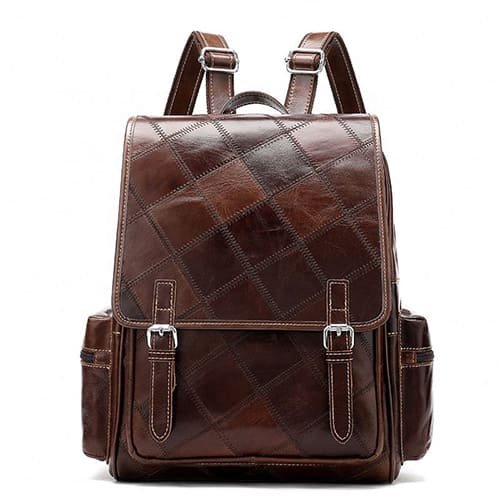
Leather backpacks are often seen as symbols of durability, style, and craftsmanship. Unlike synthetic bags that degrade within a few years, a well-made leather backpack can last for decades—aging gracefully and developing a patina that tells a story of use and care. Still, many buyers ask: How long can a leather backpack truly last, and what determines its lifespan?
High-quality full-grain leather backpacks can last 15 to 25 years or more with proper care. The actual lifespan depends on leather grade, tanning process, construction quality, and maintenance habits. Genuine and top-grain leathers usually last 5–15 years, while synthetic alternatives wear out much faster.
For designers, brands, and everyday users alike, understanding the materials, craftsmanship, and care routines that impact durability helps in making smarter investments—whether you’re buying for personal use or sourcing through an OEM manufacturer. Let’s explore what truly defines a long-lasting leather backpack.
What Determines the Lifespan of a Leather Backpack?
The lifespan of a leather backpack is determined by the type of leather, tanning and finishing methods, and craftsmanship quality, combined with how it’s used and maintained. Full-grain and vegetable-tanned leathers typically last 15–25 years, while lower grades like genuine leather average 5–10 years.
How Leather Type Influences Durability
Not all leather is created equal. The type of hide and how much of its natural grain is preserved have the most direct impact on long-term endurance.
- Full-Grain Leather: This is the strongest and most durable grade, made from the top layer of the hide with all its natural grain intact. Because the fibers are densely packed, it resists wear, tearing, and stretching better than any other grade. Over time, full-grain leather forms a rich patina rather than fading, which enhances its aesthetic and functional value. Typical lifespan: 20–25 years with proper care.
- Top-Grain Leather: Sanded or buffed to remove imperfections, top-grain offers a more uniform surface and softer feel. While still strong, it loses a portion of its outer fiber layer, making it slightly less resistant to abrasion compared to full-grain. However, it’s often used for luxury backpacks because it balances strength with refinement. Typical lifespan: 10–15 years.
- Genuine Leather: A lower grade made from the inner hide layers bonded with adhesive and finished with an artificial grain pattern. It’s genuine in name but lacks the dense fiber structure of top hides. It’s affordable but will wear out faster—especially around straps and edges. Typical lifespan: 5–10 years.
- Bonded or PU-Coated Leather: Created from leather scraps mixed with synthetic binders, bonded leather mimics the look of real leather but deteriorates quickly. Cracking, peeling, and flaking often occur within a few years. Typical lifespan: 2–4 years.
Comparative Durability of Leather Grades
| Leather Type | Layer of Hide | Durability | Typical Lifespan | Maintenance Need |
|---|---|---|---|---|
| Full-Grain | Outer grain | ★★★★★ | 15–25 years | Moderate |
| Top-Grain | Slightly sanded top | ★★★★☆ | 10–15 years | Moderate |
| Genuine | Inner layers | ★★★☆☆ | 5–10 years | High |
| Bonded | Scraps & glue | ★☆☆☆☆ | 2–4 years | High |
The Role of Tanning — Vegetable vs Chrome
Tanning transforms raw hide into usable leather, and this process determines flexibility, moisture resistance, and longevity.
- Vegetable Tanning: Uses natural tannins from plants and bark. It takes several weeks, producing a firm, structured leather that ages beautifully. Vegetable-tanned leather backpacks darken with time and are extremely resistant to tearing and stretching. They’re also biodegradable, making them a sustainable choice.
- Chrome Tanning: Uses chromium salts and other chemicals to speed up the process to just a few days. The resulting leather is softer and more resistant to water but slightly less robust in fiber integrity. It’s ideal for supple fashion backpacks, though not as long-lasting as vegetable-tanned variants.
- Combination Tanning: Some modern tanneries combine both methods to balance strength and flexibility. These leathers retain good color stability while remaining sturdy under frequent use.
How Construction Quality Affects Longevity
Even the best leather fails early if the craftsmanship is poor. The way the backpack is cut, stitched, and assembled determines whether it can handle years of use.
- Stitching and Thread Quality: Look for dense stitching (at least 6–8 stitches per inch) using thick nylon or polyester thread. Loose or uneven stitching leads to seam splits and strap failures.
- Hardware and Reinforcements: Metal zippers (like YKK), brass rivets, and reinforced corners significantly enhance structural strength.
- Edge Finishing: Sealed, burnished, or painted edges prevent moisture seepage and fraying.
- Strap Attachment Design: High-tension points—like where straps connect to the bag body—should have double or box stitching.
Skilled craftsmanship ensures that all the leather’s natural strength translates into usable endurance. A full-grain hide with poor construction might last only half as long as a well-made top-grain backpack.
Usage Patterns and Maintenance Habits
Leather’s durability also depends on how it’s treated day to day.
- Load Management: Overloading weakens seams and stretches the leather.
- Environmental Exposure: Constant exposure to rain or heat can dry and crack the fibers.
- Cleaning & Conditioning: Conditioning every 3–6 months replenishes natural oils, preserving elasticity.
- Storage Practices: Leather should be stored in a cool, ventilated space—not sealed in plastic.
Inconsistent care is one of the biggest reasons high-quality leather doesn’t live up to its potential lifespan.
How Long Do Leather Backpacks Typically Last?
A genuine high-quality leather backpack can last 10 to 25 years, depending on leather grade, tanning method, build quality, and user maintenance. Full-grain and vegetable-tanned leather models top the scale with 20+ years of lifespan, while genuine or composite leathers last around 5–10 years. Compared to synthetic or fabric bags, leather’s dense fiber structure makes it more resistant to wear, deformation, and tearing.
Average Lifespan by Leather Type
Leather’s natural composition—dense interlocking collagen fibers—makes it far stronger than woven fabrics like canvas or nylon. However, the exact lifespan varies by leather quality and manufacturing consistency.
Estimated Lifespan Range by Material Type
| Material Type | Common Use | Durability Rating | Average Lifespan | Key Strengths | Key Weaknesses |
|---|---|---|---|---|---|
| Full-Grain Leather | Premium backpacks | ★★★★★ | 15–25 years | Strongest structure, ages beautifully | Heavy, higher cost |
| Top-Grain Leather | Luxury/urban models | ★★★★☆ | 10–15 years | Soft feel, good strength | Slightly less durable |
| Genuine Leather | Entry-level leather bags | ★★★☆☆ | 5–10 years | Affordable, real leather texture | May delaminate or crack |
| Bonded Leather | Budget imitation leather | ★☆☆☆☆ | 2–4 years | Cheap, lightweight | Easily peels and flakes |
| Nylon / Canvas | Everyday use | ★★☆☆☆ | 3–7 years | Lightweight, water-resistant | Wears, frays, fades quickly |
In general, the closer a material is to full-grain natural hide, the longer its lifespan. A backpack made from 2mm full-grain leather can outlast synthetic or textile models several times over.
Usage Environment and Lifestyle Influence
Leather backpacks react differently depending on how and where they are used. A daily commuter in a humid city will experience different wear patterns than a business traveler or casual user.
Common Use Scenarios and Lifespan Estimates:
| Usage Type | Frequency | Expected Lifespan | Notes |
|---|---|---|---|
| Daily commuting / student use | 5–6 days per week | 8–12 years | Requires periodic conditioning |
| Office or business use | 3–5 days per week | 15–20 years | Lower exposure to heavy loads |
| Travel or outdoor adventure | Occasional but heavy | 10–15 years | Exposure to sun and rain shortens lifespan |
| Collector or luxury use | Minimal, well-stored | 20–30 years | Lifelong with proper care |
Exposure to moisture, heat, sunlight, and friction can shorten the lifespan by as much as 30–40%. Conversely, occasional use in climate-controlled conditions can make a leather backpack last for decades.
The Role of Craftsmanship and Assembly
Even with top-grade hides, poor construction can halve a backpack’s life expectancy. The precision of stitching, edge finishing, and reinforcement plays a crucial role in durability.
- Stitching Quality: Look for tight, even stitches using heavy-duty nylon thread (often 277 or 346 bonded types). Weak seams are the first failure points under load.
- Reinforced Stress Points: The handle joints, strap bases, and zippers bear most of the tension. Double or box-stitching with rivet reinforcement prevents tearing.
- Hardware and Zippers: Metal zippers (e.g., YKK #10) and brass buckles outlast plastic alternatives by 5–10 years.
- Edge Treatment: Properly sealed or burnished edges prevent moisture absorption that causes fiber separation.
A well-made top-grain leather backpack with clean craftsmanship can surpass a poorly assembled full-grain model in real-world use. For brands, this underlines the importance of partnering with OEM factories that maintain in-house QC and experience in leather bag construction—like Szoneier, with 18+ years of technical manufacturing expertise.
Understanding the Aging Process of Leather
Leather doesn’t degrade abruptly—it ages gradually and develops a patina, a soft sheen that enhances character. Over time:
- Oils from the skin and air exposure darken the surface naturally.
- Small wrinkles form around stress areas (handles and flap edges).
- If maintained, the leather softens rather than cracks.
This patina effect is a hallmark of authenticity and quality—it’s a transformation, not decay. Proper cleaning and occasional reconditioning preserve flexibility and prevent fiber brittleness.
Comparing Leather with Synthetic and Fabric Backpacks
From a cost-per-year-of-use perspective, leather is significantly more economical than synthetic bags despite higher upfront cost.
| Backpack Type | Initial Cost | Avg. Lifespan | Cost per Year | Repairable? |
|---|---|---|---|---|
| Full-Grain Leather | $300–500 | 20 years | $15–25/year | Yes |
| Top-Grain Leather | $200–350 | 12 years | $18–30/year | Yes |
| Nylon/Canvas | $60–120 | 4 years | $15–30/year | Limited |
| PU/Bonded Leather | $40–80 | 2–4 years | $20–40/year | No |
Leather’s longevity makes it not only a sustainable choice (due to reduced waste and replacement frequency) but also a financially logical one for brands and consumers seeking long-term value.
Which Factors Cause Leather Backpacks to Wear Out Faster?
Environmental conditions, overloading, and improper maintenance are the top causes of premature leather degradation.
Environmental Conditions
Excess humidity can lead to mold; UV exposure causes fading; and dry heat results in cracking. Leather thrives in moderate, ventilated environments—neither too damp nor too arid.
Daily Usage and Load Weight
Carrying heavy items stretches leather fibers over time, especially around strap joints and handles. Regular commuters or students carrying laptops daily should select reinforced designs with double stitching and padded straps.
Improper Cleaning and Storage Habits
Using alcohol-based cleaners, wet storage, or airtight containers damages leather. Always use pH-balanced cleaners and allow airflow during storage.
What Are the Disadvantages of a Leather Bag?
Leather bags are heavier, more expensive, and require consistent maintenance. They’re not ideal for wet climates unless waterproofed. However, when cared for properly, their longevity and timeless aesthetic outweigh these downsides.
How to Extend the Life of a Leather Backpack
Regular care—including cleaning, conditioning, waterproofing, and proper storage—can double or even triple a backpack’s lifespan.
Regular Cleaning and Conditioning
- Wipe dust with a soft cloth weekly.
- Use mild leather cleaner every 2–3 months.
- Apply conditioner to restore oils and prevent cracking.
Conditioning forms a protective barrier against moisture and keeps leather supple.
Waterproofing and Weather Protection
Use beeswax-based waterproofing cream or silicone sprays. Reapply every 6–12 months, especially in humid or rainy environments. Avoid plastic covers that trap moisture.
Proper Storage and Handling Tips
- Store upright or flat in a ventilated space.
- Keep silica gel packets inside to absorb humidity.
- Never fold or compress the leather for extended periods.
When and How to Repair or Restore Worn Leather
Minor scuffs can be polished with leather balm; deeper cracks may require professional reconditioning. Replacing zippers or stitching should be done by a specialist to maintain value and structure integrity.
Maintenance Checklist:
| Action | Frequency | Purpose |
|---|---|---|
| Wipe and dust | Weekly | Prevent dirt buildup |
| Deep clean | Every 2–3 months | Remove grime and restore shine |
| Condition | Quarterly | Maintain softness and flexibility |
| Waterproofing | Every 6–12 months | Protect against moisture |
| Professional care | As needed | Repair and extend lifespan |
How to Choose a Long-Lasting Leather Backpack
Choose full-grain or thick top-grain leather (1.6–2.2 mm) from reputable, LWG-audited tanneries, paired with strong construction: 6–8 SPI lockstitch, bonded-nylon thread, reinforced strap anchors, sealed/burnished edges, and metal hardware (YKK #8/#10 zippers, solid-brass fittings). Match capacity (18–26 L) and weight (≤1.6 kg) to use, verify water resistance and colorfastness, and favor repairable designs (replaceable zippers, Chicago screws). Specify clear QC tests and care accessibility to ensure 10–20+ years of service.
What Leather Grades Last the Longest?
Full-grain lasts the longest because it retains the hide’s dense outer fibers and natural strength. For everyday packs, full-grain (2.0 ± 0.2 mm) or top-grain (1.6–1.8 mm) balances durability and carry weight. Corrected-grain can work if the pigment coat is thin and edges are properly sealed. Avoid bonded leather and thin splits for load-bearing zones (straps, grab handle). Nubuck and pebble-grain finishes wear well if edges and high-stress areas are thoughtfully reinforced.
| Grade | Typical Thickness | Pros | Cons | Best Use |
|---|---|---|---|---|
| Full-grain | 1.8–2.2 mm | Max strength, ages well | Heavier, pricier | Daily/pro packs |
| Top-grain | 1.6–1.8 mm | Lighter, refined | Slightly less robust | Urban/office |
| Corrected-grain | 1.4–1.6 mm | Uniform look | Lower breathability | Style-led packs |
| Splits/bonded | ≤1.4 mm | Low cost | Peels/cracks | Avoid for longevity |
How Tanning & Finishing Affect Service Life
Vegetable-tanned hides are firmer, shape-holding, and age into a rich patina—ideal for structure and longevity. Chrome-tanned hides are softer, more color-stable, and better in damp climates. Combination-tanned leathers blend both. Prefer light, breathable top finishes (aniline/semi-aniline) over heavy pigments; specify edge paint or burnish that resists cracking and wax/oil finishes that can be renewed. For wet regions, ask for scotch-guard-style or fluorocarbon repellency without plasticizing the surface.
Signs of Quality Craftsmanship to Look For
Inspect stitching, edges, and stress points first. Look for 6–8 stitches per inch (SPI) in load zones (straps, handle) and consistent lockstitch with bonded-nylon or poly thread (Tex 135–207). Strap bases should have box-X bartacks and, ideally, backing patches. Edges should be sealed and smooth (multi-coat edge paint or burnished/turned edges). Internal seams should be bound or taped. Base panels benefit from an HDPE frame sheet and corner overlays to resist scuffing.
Hardware, Lining & Reinforcements
Choose metal zippers (YKK #8/#10) for main openings, #5 for pockets; sliders should be solid and serviceable. Favor solid-brass or zinc-alloy fittings (nickel-free if needed) and Chicago screws on straps for repairability. Linings: cotton twill (230–300 gsm) or recycled poly oxford (200–300D) for strength; avoid flimsy satin. Back panel and straps perform best with EVA or PE foam 6–10 mm; strap width 38–50 mm improves comfort on heavier loads.
Fit, Capacity & Structure (Match Use, Reduce Strain)
Pick capacity by use: 18–22 L daily carry, 22–28 L commute/travel, 28–32 L weekend. Keep empty weight ≤1.6 kg for full-grain. A suspended laptop sleeve (3–5 mm foam, 15–20 mm off the base) prevents corner impacts. Choose openings by workflow: clamshell for travel packing, U-zip for daily access, roll-top for expandability, flap for weather shedding. A thin frame sheet (0.8–1.2 mm HDPE) and a reinforced base improve shape retention over years.
Weather Resistance & Colorfastness
Ask for a water-drop test (beads ≥60 s) and a dry/wet crocking rub on a white cloth to check colorfastness. Zipper rain-guards, under-flap gussets, and seam placement away from panel tops reduce ingress. If you need higher repellency, specify re-treatable DWR compatible with leather care. For sun-exposed use, request UV stability data and prefer mid/dark tones that age more gracefully.
Repairability & Care Accessibility
Longevity improves when parts can be serviced. Favor designs with accessible zipper channels, screwed (not riveted) strap hardware, and replaceable pullers. Request surplus edge-paint vials or finish specs for touch-ups. Clear care guidance (pH-balanced cleaner, quarterly conditioning) should accompany the product. A brand-backed repair program can add many years of use and supports sustainability claims.
Sustainability & Compliance Checklist (for Brands)
Select tanneries with LWG (Leather Working Group) Silver/Gold, and factories with ISO 9001/14001. Require REACH/Prop 65 compliance for chemicals and nickel-safe hardware. For social responsibility, look for BSCI or SMETA audit reports. Traceability for hides and finish chemicals supports both CSR and consistent quality.
Spec & QC pointers
- Leather: full-grain 1.8–2.0 mm, combo-tanned, semi-aniline, water repellency.
- Thread/Stitch: bonded nylon Tex 135+, 6–8 SPI in load zones.
- Hardware: YKK #10 main, #8 secondary; solid-brass fittings.
- Structure: HDPE frame sheet; base reinforcement; suspended laptop sleeve.
- Tests: water bead ≥60 s, dry/wet crock ≥Grade 4, strap pull test at target load, edge-paint crack test (100 bends).
- AQL: 2.5 for critical seams/hardware.
Pre-Purchase Inspection & Simple At-Home Tests
Perform basic checks: smell (natural, not plasticky), grain (organic, non-repeating), weight (substantial but not leaden), and edge finish (smooth, no chips). Do a light fingernail scratch—on quality leather, most marks buff out with warmth. Load the sample to your typical carry weight and walk 10–15 minutes; listen/feel for creaks, seam strain, or strap bite.
Decision Guide: Match the Spec to the Job
| Use Case | Leather & Build | Capacity | Key Features |
|---|---|---|---|
| Daily office | Top/full-grain 1.6–1.8 mm; #8 zips | 18–22 L | Slim profile, suspended 14–16″ sleeve |
| Commuter-travel | Full-grain 1.8–2.0 mm; #10 main | 22–28 L | Clamshell, frame sheet, luggage-pass |
| Student/EDC | Top-grain 1.6–1.8 mm; reinforced straps | 20–24 L | Large U-zip, organizer, base pads |
| Creative/tech | Full-grain; soft back panel | 18–22 L | Dual device sleeves, cable pockets |
| Weekend | Full-grain 2.0 mm; robust base | 26–32 L | Roll-top or flap, shoe/garment zone |
Sample Procurement Spec (for Brands)
- Leather: full-grain cowhide, 1.9 ± 0.1 mm, combo-tanned, semi-aniline, DWR-treated.
- Color: espresso; ΔE ≤1.0 batch-to-batch; crock fastness ≥Grade 4 (dry/wet).
- Hardware: YKK #10 coil main, #8 pockets; solid-brass buckles/D-rings; Chicago screws at straps.
- Stitching: bonded-nylon Tex 135; 7 SPI load zones; box-X at strap bases.
- Structure: HDPE frame sheet 1.0 mm; base board 1.5 mm; corner overlays.
- Padding: straps/back EVA 8 mm; laptop sleeve 4 mm, 20 mm off base.
- Lining: cotton twill 280 gsm; bound seams.
- Capacity/Weight: 24 L; ≤1.55 kg.
- QC/AQL: 2.5; water bead ≥60 s; 10 kg strap-pull 1 min no failure; edge-paint bend 100 cycles; zipper cycle 3,000 passes.
Conclusion
A high-quality leather backpack is not just a purchase—it’s an investment in craftsmanship and longevity. With proper care, a full-grain or vegetable-tanned leather backpack can last 15 to 25 years, maintaining both beauty and function. Understanding how materials, tanning, and maintenance affect durability allows consumers and brands to make informed choices that balance cost, performance, and sustainability.
For brands seeking custom-made or private-label leather backpacks, partnering with an experienced factory like Szoneier Leather ensures precision craftsmanship, material integrity, and lasting value—helping your products stand out in both quality and longevity. Interested in creating custom or OEM leather backpacks that blend durability, style, and sustainability? Contact Szoneier Leather today for free design support, fast sampling, and guaranteed quality production.
What Can I Do For You?
Here, developing your OEM/ODM private label leather goods collection is no longer a challenge,it’s an excellent opportunity to bring your creative vision to life.
Make A Sample First?
If you have your own tech packs, logo design artwork, or just an idea,please provide details about your project requirements, including preferred fabric, color, and customization options,we’re excited to assist you in bringing your leather goods designs to life through our sample production process.