 Skip to content
What ls a Pocket Book on Amazon and How Do You Choose the Right One?
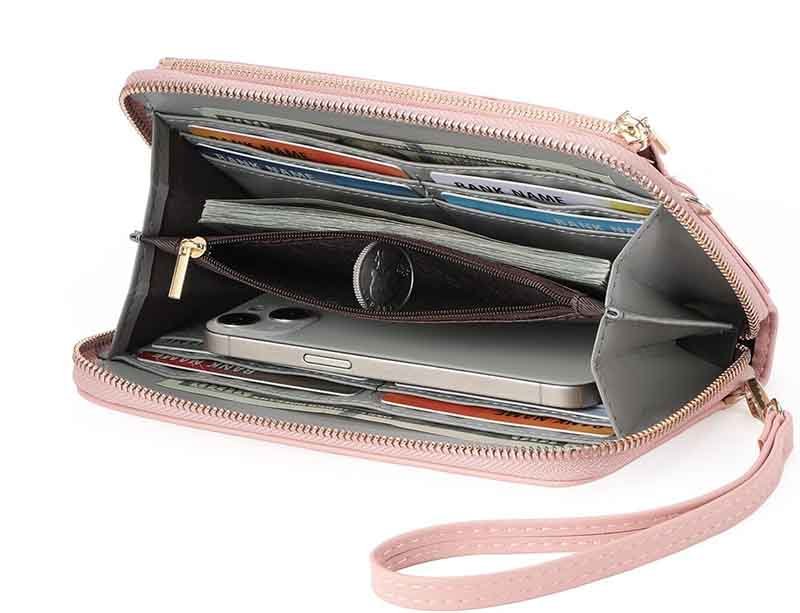
Online shopping has changed the way we talk about everyday accessories—and “pocket book” might be the most misunderstood term of them all. Type it into Amazon today and you’ll enter a curious world where slim wallets, mini purses, zip-around clutches, card holders, and small crossbody bags all blend into one search result. The word feels nostalgic, almost old-fashioned, yet Amazon shoppers still use it millions of times a year. For brands, that single phrase can dramatically shape visibility, click-through rates, and ultimately, sales.
A “pocket book” on Amazon usually refers to a compact wallet or small handbag used to carry essentials like cash, cards, ID, and a smartphone. Although historically the term described a notebook or a simple folding money holder, today’s Amazon shoppers use “pocket book” to find slim wallets, wristlet clutches, mini crossbody bags, and long zip-around wallets, especially in women’s accessories.
But the deeper story is more interesting. “Pocket book” reveals how shoppers think—how language shifts with age, region, culture, and even nostalgia. A New York customer might call her handbag a pocketbook, while a younger buyer from California uses the word only for slim wallets. Amazon’s algorithm mixes all of that behavior together. That means a brand that doesn’t understand this nuance risks mismatched listings, confused customers, and lost traffic, even if the product itself is excellent.
Years ago, a U.S. client of ours at Szoneier Leather listed a beautiful long leather wallet simply as “women’s wallet.” After minor keyword optimization—adding “pocket book” as a secondary phrase—sales increased because it matched how her target shoppers searched. That’s the power of understanding this term.
If you’ve ever wondered why some Amazon accessories perform far better than expected, or why certain keywords seem to speak directly to a generation of buyers, the answer often begins with a deceptively simple question: “What exactly is a pocket book?”
What Does “Pocket Book” Mean on Amazon Today?
On Amazon, “pocket book” is usually understood as a small wallet or compact handbag used to carry money, cards, ID and sometimes a phone. In American English, “pocketbook” historically meant a small folding wallet or a woman’s handbag, and this mixed meaning still appears today.When shoppers type “pocket book” on Amazon, the algorithm returns slim wallets, long checkbook wallets, wristlet clutches and mini bags, not just books or notebooks.
The language layer: what “pocketbook” means in English
Major dictionaries still show how broad the term is:
- In American English, “pocketbook” can mean a woman’s purse or handbag.
- Historically, it also meant a small folding book or wallet used for cash and notes.([English Language & Usage Stack Exchange]
- In British English, “pocket book” is more likely to mean a small notebook or pocket-sized book, not a bag.
So even before you open Amazon, the word “pocketbook” is already multi-functional:
| Context | Typical Meaning |
|---|---|
| US, mid-20th century | Woman’s handbag / purse |
| US, older usage | Folding wallet for money and ID |
| UK / some regions | Small notebook or pocket-sized book |
For a global marketplace like Amazon, that built-in ambiguity is exactly why the search results look so mixed.
The regional & age layer: who still says “pocketbook”?
Modern usage studies and brand blogs agree on a key point:
- Northeast & Southeast U.S. – “pocketbook” is still common, especially among older generations, often used as a synonym for “purse” or handbag.
- West, Midwest, younger buyers – “purse,” “bag,” “wallet” or “crossbody” are far more common.
- Outside the U.S., “pocketbook” is rarely used to mean a bag; people say “handbag,” “purse,” “wallet,” or “clutch” instead.
This matters a lot for Amazon:
- A New York woman in her 50s might search “leather pocket book” expecting a small handbag or structured wallet.
- A California college student may never use this word at all, and will type “wallet” or “mini crossbody bag” instead.
So “pocket book” is not just a term—it’s a signal about who’s searching and how they think about the product.
The Amazon layer: what actually shows up when you type “pocket book”?
If you type “pocket book” or “pocket book wallet” on Amazon, you will mostly see:
- Slim leather wallets (often marketed as RFID-blocking, minimalist, bifold/trifold)
- Long checkbook-style wallets that fit flat bills and receipts
- Zip-around wristlet wallets that can hold a phone
- Very small handbags or crossbody bags that can be carried alone as a “pocket book”
You will also see a few paperback books show up, because “pocket book” in publishing also refers to pocket-sized paperback editions.
From Amazon’s perspective, search is driven by:
- What buyers click after typing the term
- Which listings convert well on that term
- How often certain products are linked with that phrase in titles and reviews
Over time, this teaches the algorithm that “pocket book” behaves similarly to:
- “women’s wallet”
- “long wallet”
- “small purse / mini handbag”
So Amazon “learns” that the shopper is usually looking for a compact carry item, not just any handbag or any book.
Two main meanings on Amazon: wallet-like vs bag-like
On Amazon, you can think of “pocket book” results as falling into two big clusters:
Wallet-like pocket books
- Rectangular, book-shaped, often leather
- Space for cards, cash, coins, sometimes phone
- May be called “pocket book wallet” or “checkbook wallet”
- Often used alone for quick errands
Bag-like pocket books
- Very small handbags or mini crossbody bags
- Designed to hold that wallet plus a few extras (phone, keys, lipstick)
- Marketed for women who “don’t want to carry a big purse”
This reflects the traditional debate: some insist a pocketbook is smaller than a purse and closer to a wallet, others use “pocketbook” as another word for a handbag.([Buffalo Jackson Trading Co.Amazon simply responds by showing both styles and letting the shopper refine by pictures and filters.
What this means for your product naming and SEO
For a factory-backed brand working with Szoneier Leather, “pocket book” should usually be treated as a supporting keyword, not the only one:
- Use clear modern terms first: “leather wallet,” “long zip-around wallet,” “mini crossbody bag,” “wristlet clutch.”
- Add “pocket book” in the title or bullet points when your target buyers are U.S. women, especially 35+ or in Northeast/Southeast markets.
- Include “pocket book” in A+ content and backend keywords to capture nostalgic or regional searches without confusing younger or international buyers.
What Types of Pocket Book Products Are Sold on Amazon?
On Amazon, “pocket book” typically refers to a range of compact wallets and small handbags, including slim card wallets, long checkbook wallets, wristlet clutches, mini crossbody bags, and phone-wallet hybrids. The term doesn’t represent one product but a cluster of small carry-item categories shaped by buyer behavior. Amazon’s algorithm responds to how shoppers use the term, showing both wallet-style and mini-bag-style pocket books across multiple departments.
1. Slim Pocket Book Wallets (Minimalist Everyday Wallets)
These are the most frequently shown products under “pocket book wallet” searches.
Common Characteristics
- Ultra-slim profile
- Holds 4–10 cards
- ID window
- Central bill pocket or top cash slot
- Often RFID-shielded
- Designed for front-pocket carry
Why Amazon Shows Them for “Pocket Book” The term still carries an older meaning of “small folding wallet,” so Amazon surfaces slim wallets as the closest literal interpretation.
Price Pattern
- PU: $8–$15
- Genuine leather: $15–$30
Ideal Audience
- Men and women wanting minimalist carry
- Travelers and commuters
- Buyers searching for under-$20 gifts
How Brands Should Position These SKUs You should highlight:
- Slimness in millimeters
- Card slot count
- RFID blocking
- Real-leather vs PU difference
How Szoneier Supports This Category
- Ultra-thin vegetable-tanned or full-grain leather options
- Edge-paint improvements to avoid cracking
- Perfect-fit card slot engineering
- Competitive cost structure for high-volume Amazon SKUs
2. Long Pocket Book Wallets (Checkbook-Style / Zip-Around)
These are the “classic” pocket books most associated with women’s searches.
Common Characteristics
- Tall rectangle shape
- Fits cash flat
- Zip-around or flap closure
- Multi-card accordion-style interior
- Room for receipts, checkbooks
- Many include a detachable wrist strap
Why Amazon Assigns Them to “Pocket Book” Historically, women used “pocketbook” to mean the wallet inside the purse. The long shape resembles a small “book,” reinforcing the term.
Price Pattern
- PU: $12–$25
- Genuine leather: $25–$60
Typical Customers
- Women 35+
- Gift shoppers
- Buyers needing more organization (receipts, multiple currencies)
Key Differentiators to Highlight
- Number of gussets
- Zipper brand
- Whether a phone fits
- Full-grain vs top-grain vs split leather
How Szoneier Can Add Value
- Smooth, book-like structure with reinforced panels
- Consistent stitching quality to survive daily opening/closing
- Custom metal logo plates for premium upgrade
- Matching wristlet & shoulder strap options
3. Wristlet Pocket Books (Wallet–Clutch Hybrids)
These appear prominently in the “pocket book purse” or “pocket book for women” search results.
Common Characteristics
- Essentially a wallet that can be carried alone
- Built-in wrist strap
- Fits phone + cards + cash
- Popular as “small errand bags”
- Often marketed for evenings, travel, or hands-free use
Why Amazon Highlights Them They are the perfect middle-point between “wallet” and “purse,” matching the ambiguous nature of “pocket book.”
Price Pattern
- PU: $10–$20
- Leather: $20–$45
Consumer Behavior Insight Many women search “pocket book” when they want a simple carry-alone solution, not a full handbag.
Brand Positioning Advice Emphasize:
- Phone-fit dimension (very important)
- Multi-compartment partition design
- Security features (zip-around, snap lock)
- Crossbody conversion options
How Szoneier Helps Brands Win This Segment
- Customizable wristlets & detachable straps
- Tailored interior layouts based on buyer persona
- Lightweight but structured body engineering
4. Mini Pocket Book Bags (Micro Handbags / Small Crossbody Bags)
This is where “pocket book” shifts clearly into handbag territory.
Common Characteristics
- Can fit phone, wallet, lipstick, keys
- Small structured handbag or mini crossbody
- Often leather or good-quality PU
- Stylish, but still practical
Why Amazon Bundles These Under “Pocket Book” Older U.S. shoppers commonly use “pocketbook” to mean “handbag,” so Amazon includes micro bags to satisfy that demographic.
Price Pattern
- PU: $15–$25
- Genuine leather: $40–$80+
Who Buys These
- Women who dislike large handbags
- Shoppers looking for a simple but stylish daily carry
- Gift buyers looking for “mini bag” trend items
Brand-Level Opportunities These SKUs can be positioned as:
- Everyday essentials
- Travel-friendly companions
- Stylish micro-bag fashion pieces
Szoneier Capabilities
- High-end leather shaping and molding
- Micro-bag hardware integration
- Color palette planning (seasonal + evergreen)
- Logo embossing, metal plates, customized linings
5. Pocket Book Phone Cases & Hybrid Phone-Wallet Bags
This is a fast-growing subcategory Amazon strongly promotes.
Common Characteristics
- Wallet + phone case hybrid
- Crossbody strap or wristlet included
- Designed for minimalist or travel users
- Comes in leather, PU, nylon, or fabric
Why Amazon Surfaces Them Their functionality perfectly matches the modern meaning of “small, essential-only carry,” which is how many younger shoppers understand “pocket book.”
Price Pattern
- PU: $9–$18
- Leather: $18–35
Best Use Cases
- Travel
- Theme parks
- Daily errands
- Gym/commute light carry
Brand Differentiation Tips
- Show phone size compatibility (e.g., “fits 6.1-inch iPhone”)
- Highlight RFID and anti-drop protection
- Create sets with matching card holders
What Szoneier Can Do
- Engineering exact-fit phone pockets
- Prevent-stretch structural reinforcement
- Lightweight strap design for comfort
- Trend-led leather texture choices (saffiano, pebble grain, napa, embossed patterns)
How Amazon Groups These Categories Internally
Amazon doesn’t have a formal “pocket book” department. Instead, the products appear across:
- Women’s Wallets & Wristlets
- Women’s Handbags & Crossbody Bags
- Men’s Wallets
- Cell Phone Wallet Cases
- Fashion & Travel Accessories
How Is a Pocket Book Different from a Wallet, Purse, or Clutch?
A pocket book sits between a wallet and a small handbag: it’s larger and more structured than a standard wallet, yet smaller and more practical than a purse. Unlike an evening clutch, which focuses mainly on style, a pocket book is built for daily essentials—cards, cash, phone, keys. On Amazon, “pocket book” covers long wallets, wristlet clutches, and mini bags because the term blends storage capacity with carry-alone usability.
1. Functional Definition
Wallet
- A wallet is a storage tool, designed strictly for cards, cash, ID, and occasionally coins.
- Typically small enough for pockets.
- Not meant to be carried as a standalone accessory (except minimalist men’s wallets).
Purse / Handbag
- A purse is a full daily-carry system: phone, wallet, makeup, keys, sanitizer, receipts, snacks—whatever daily life demands.
- Much larger than a pocket book.
- Considered a fashion item, not just a utility item.
Clutch
- A clutch is fashion-first, usually for dinner, dates, weddings, events.
- Holds only the minimal essentials.
- Often strapless, carried by hand.
Pocket Book
- A pocket book blends wallet-level organization with carry-alone usability.
- Holds cards, cash, phone, keys, and maybe a few extras.
- Usually slimmer than a purse, more structured than a clutch, more functional than a wallet.
- The most “book-like” in silhouette among the four.
2. Dimensional Comparison (Size, Capacity & Organization)
| Item Type | Typical Size Range | Capacity Level | Carry Style |
|---|---|---|---|
| Wallet | 3–7 inches | Very low (cards/cash only) | Pocket or inside a bag |
| Pocket Book | 7–9.5 inches | Moderate (phone + small items) | Wristlet or hand-carry |
| Clutch | 7–10 inches | Low–moderate (essentials) | Hand-carry |
| Purse/Handbag | 9–14+ inches | High (full daily use) | Shoulder/hand/crossbody |
From a designer’s perspective, what makes a pocket book distinct is its rigid silhouette, flat cover-like panels, and compact structure that mimics the feel of a “small book.”
3. The Psychological & Cultural Differences
Wallet = Utility
People expect a wallet to be small, private, and hidden.
Purse = Identity
A purse is part of someone’s outfit and personal style—highly visible.
Clutch = Occasion
Associated with elegance, formal events, and curated minimalism.
Pocket Book = Independence
This is the interesting one. A pocket book implies:
- “I don’t need a full handbag today.”
- “I only need essentials.”
- “I want something that looks good but works hard.”
This independence factor is why many U.S. women (especially 35+) still call their small everyday handbags “pocketbooks.”
4. Engineering Differences
For a manufacturer like Szoneier Leather, the differences below affect sampling, pattern-making, and cost structure.
Wallet Construction
- Very thin leather cuts
- Precision card-slot tolerances
- Slim edge-fold construction
- Standardized patterns, simple reinforcement
Pocket Book Construction
- Structured side panels
- Reinforced spine-like centerline (gives the “book” feel)
- Stronger base support to prevent collapse
- Integrated phone pocket
- Optional wristlet or detachable strap
- Often includes RFID layers
- Higher stitch density for durability
This is essentially a “mini bag” with wallet-style organization.
Clutch Construction
- Minimal internal layers
- Large decorative front flap
- Usually no gusset or very thin gusset
- More attention to design expression than internal engineering
Purse Construction
- Multi-layered lining
- Full hardware system (D-rings, buckles, zippers)
- Interior zipper pocket
- Larger gussets, piping, reinforced seams
- More material consumption
From a production standpoint, pocket books belong to their own category—more complex than wallets, simpler than handbags, but with higher functional requirements than clutches.
When Should a Brand Call Something a Pocket Book Instead of Wallet, Purse, or Clutch?
Use “Pocket Book” when:
- The product can be carried on its own
- It fits a phone + cards + cash
- It’s structured but compact
- Your target buyers include U.S. women 35+
- You want to capture nostalgic or regional keyword traffic
- You want to appear in both wallet and mini-bag searches
Do NOT use “Pocket Book” when:
- The item is too small to fit a phone (customers will be upset)
- The item is a full-size handbag
- The item is strictly an evening clutch
Best Use Cases
“Pocket Book” is ideal for:
- Wristlet wallets
- Long zip wallets with phone compartment
- Mini crossbody bags
- Structured micro handbags
- Phone-wallet bags
Which Materials and Designs Are Most Popular for Pocket Books on Amazon?
On Amazon, the most popular “pocket book” items use genuine leather or high-grade PU/leather-look materials, often with RFID-blocking linings, zip-around closures, wristlet or detachable strap options, and well-planned internal card/phone layouts. Leather gives premium perception and durability; PU or vegan leather supports lower price tiers and color variety. Designs lean toward long wallets, wristlet clutches, and mini cross-body styles that balance function and aesthetics.
1. Material Selection: Genuine Leather vs PU vs Recycled Materials
Genuine Leather
- Leather remains the gold standard for premium pocket books. Listings highlight full-grain or top-grain leather, natural texture, ageing/patina. On Amazon, leather wallet listings often mention “premium leather”, “durable genuine leather”, “ages beautifully”.
- Pros: High perceived value, longer lifecycle, brand upgrade opportunity, better margins for you as a manufacturer.
- Cons: Higher cost, more variability in raw material, require consistent quality control (edge paint, grain variation, dye consistency).
- For Szoneier Leather: you have a robust raw-material supply chain and in-house R&D, giving you an advantage in sourcing better hides (vegetable-tanned, specialty finishes, wax pull-up effects) and controlling thickness, finish, and ageing characteristics.
PU / Vegan Leather / Synthetic Alternatives
- On Amazon you’ll still see many wallet and small bag listings using PU or other synthetic materials, especially in lower price tiers. This supports entry-level buyers or vegan-positioned offerings.
- Pros: Lower cost, easier to control uniformity, broader color/texture options, strong for trend-driven SKUs.
- Cons: Lower perceived premium, may wear faster (peeling, cracking), harder to justify higher price points unless market segmented for “vegan” or “budget” option.
- For Szoneier Leather: you can build a two-tier model—premium leather line + value synthetic line—using the same molds/structures to drive economies of scale.
Recycled / Eco Materials
- Although still a smaller segment for “pocket book” wallets, sustainability is gaining traction. Some brands mention “recycled leather”, “plant-based leather”, or “LPET fabrics”.
- For Amazon listing strategy: if you plan a “green” variant make sure this is clearly called out (e.g., “vegan pocket book wallet – eco-friendly”), as it appeals to a specific niche.
Material Table Summary
| Material Type | Typical Price Tier | Typical Use Case | Brand Positioning |
|---|---|---|---|
| Full-grain Leather | Mid to High ($30–$60+ for wallets) | Premium, gift, long-life items | Flagship pocket book line |
| Top-grain / Split Leather | Mid ($20–$40) | Everyday use, value premium | “Affordable luxury” sub-line |
| PU / Vegan Leather | Entry ($10–$25) | Trend-driven, color-variety, gifting | Volume SKUs, private label options |
| Recycled / Eco Leather | Variable ($20–$40) | Niche sustainable positioning | Green-brand or differentiated SKU |
2. Designs: Formats & Layout Trends
Amazon data and listings indicate strong preference for certain design formats.
Long Zip-Around / Checkbook Style
- Tall rectangle models (≈ 7–9″ wide when closed) with zip-around closure, multiple card slots, bill compartment. These are frequent in searches for “pocket book wallet.”
- Why popular? They combine book-like shape (fits the “book” in pocket book), functionality (cards, cash, phone), and style.
- For manufacturing: you must pay attention to gussets, zipper track quality, internal layout (card slots + phone pocket) and finish.
Wristlet / Wallet-Clutch Hybrid
- A trend where a wallet is designed to be carried on its own via wrist strap or detachable crossbody/shoulder strap. This meets buyer desire for “wallet that doubles as small bag.”
- Popular among buyers who type “pocket book” because they expect to carry it alone without a larger handbag.
- Design considerations: strap hardware, detachable mechanism, back slip or phone slot, secure closure.
Mini Crossbody / Micro Bag
- Compact bag (≈ 8–10″ wide) with strap, structured body—fits phone + wallet + keys. While maybe more bag than wallet, Amazon categories allow cross-over.
- For “pocket book” search traffic this helps capture shoppers who expect a carry-alone piece that looks like a small handbag but functions more like a wallet plus.
- For you: you can use similar internal layout as the long wallet, but integrate bag hardware (D-rings, strap), and perhaps add an external pocket.
Front-Pocket Slim Wallets
- Although slightly smaller than typical “pocket book” in some definitions, front-pocket slim models still perform and are occasionally tagged as “pocket book wallet.”
- Keywords: “cardholder,” “slim wallet,” “fit in jean pocket.” For Amazon, these listings attract minimalist buyers but may sit grass-roots, not necessarily core pocket book searchers.
Design Features Table
| Format | Typical Width* | Key Features | Best Suited For |
|---|---|---|---|
| Long Zip-Around | 7″ – 9″ | Zip closure, multiple compartments, phone slot | Gift, premium wallets |
| Wristlet Wallet-Clutch | 6.5″ – 8″ | Wrist/strap, wallet + minimal bag carry | Trend buyers, casual carry |
| Mini Crossbody Pocket Book | 8″ – 10″ | Strap, structured body, bag hardware | Female buyers, lifestyle accessory |
| Slim Front-Pocket Wallet | 4″ – 5″ | Minimal capacity, slim profile | Minimalist buyers, men’s segment |
- Width when closed; size may vary based on brand positioning.
3. Closure, Hardware & Security Features
- Zippers are dominant in long wallet and wristlet formats—buyers equate zip-around with security and quality. Gaps or misaligned zipper tracks often lead to negative reviews.
- Snap/flap closures are common in accessible budget variants (but may reduce perceived value).
- Straps & rings: wristlet loop or detachable crossbody strap hardware differentiates wallet vs small bag.
- RFID-blocking: Many listings highlight RFID shielding as a must for modern wallets/pocket books. Amazon keywords include “RFID wallet” or “RFID blocking pocket book.”
- Phone-fit design: Especially in wristlet and crossbody pocket books, internal pocket or compartment sized for smartphone (6″+ screen) is increasingly expected.
For Szoneier Leather clients, hardware choice (zipper brand, strap rings, metal plate logos) and security features (RFID lining, structured body) are differentiators that align with Amazon quality expectations.
4. Interior Layout & Functionality Trends
Interior design is as important as exterior styling, especially in listings where buyers scrutinize card slot count, phone capacity, bill compartment size, coin pocket.
Key layout trends on Amazon for pocket books:
- 12+ card slots are common in premium models.
- Clear ID window for driver’s licence or transit passes (especially female-oriented products).
- Dedicated phone compartment (fits iPhone/Android) in wristlet/crossbody variants.
- Zip coin pocket (often inside or side gusset) – adds practicality but increases thickness—needs balance.
- Bill pocket that holds flat bills rather than folded (especially in long wallets).
- Multiple gussets/dividers for receipts or currency – attractive for travel or organizational buyers.
Interior quality affects both user satisfaction and reviews. As Szoneier Leather emphasizes, consistent stitching, crisp slot edges, and smooth pocket access are key for mid-to-premium positioning.
5. Color & Texture Trends
- Classic neutrals: Black, brown, tan remain dominant – essential for wallets/pocket books because they feel “professional” and suit wide buyer demographics.
- Seasonal / fashion colors: In wristlet and mini bag formats, sellers offer burgundy, olive green, blush pink, navy; trend-driven buyers gravitate here.
- Texture & finish: Pebbled grain leather, saffiano (cross-hatch) finished leather, wax-pull up leather, vintage distressed leather—all appear as value-adds.
- Contrast hardware: Gold or rose-gold hardware popular in women’s wallet pocket books; matte silver/hardware in men’s or minimalist lines.
- Eco/vegan finishes: For PU-based lines, color variety and texture become differentiators (metallic PU, embossed patterns, two-tone).
For your factory, building seasonal color variants and textured leather finishes around a core pocket book shape allows you to reuse patterns while refreshing SKUs each year.
6. Price Segmentation & Value Perception
When buyers search “pocket book” on Amazon, price expectations vary by material and design complexity. From market observation:
- Entry-level PU pocket books: ~US$10-25
- Mid-tier genuine leather wallet pocket books: ~US$25-45
- Premium leather wristlet/mini bag pocket books: ~US$45-80+
The design and material complexity need to support the price: e.g., a leather pocket book with detachable strap, phone pocket, and gift packaging can command the higher tier. Conversely, a minimal PU wallet should be priced competitively to avoid mismatch.
How Do You Choose the Best Pocket Book on Amazon for Your Needs?
To choose the best pocket book on Amazon, start with how you’ll use it—daily carry, travel, or special occasions—then match size, material, and layout to that use. Check the number of card slots, whether your phone fits, and if you need RFID-blocking. Finally, read buyer reviews and look at real-life photos to confirm workmanship, stitching, and color before you buy or develop your own product line.
1. Clarify Your Usage Scenario and Size Needs
Before selecting any pocket book on Amazon, start with how you realistically plan to use it—daily errands, work, travel, or special occasions. For quick trips or hands-free convenience, wristlet pocket books or mini crossbody pocket books are most practical, offering room for your phone, cards, cash, keys, and small essentials. For work or commuting where the pocket book lives inside a larger tote, a slim organizer or long zip-around pocket book is ideal, giving efficient internal layout without bulk. Travel-heavy users should prioritize RFID-blocking, multiple compartments, secure zip closures, and space for passports or boarding passes. Once your scenario is clear, verify dimensions carefully—many returns come from buyers whose phones or cards didn’t fit. Checking the exact measurements and user photos helps you confirm capacity before you buy.
2. Choose the Right Material and Interior Layout
Material determines both the durability and the personality of your pocket book. Genuine leather provides premium texture, structural longevity, and a higher-end gift experience, while PU/vegan leather offers trend-driven colors and lower prices for seasonal or casual use. For everyday or long-term carry, leather holds shape better and resists peeling, making it the preferred choice. Next, focus on interior design: card slots (8–12 for everyday use), a secure coin zip, clear ID window, and a phone compartment if you plan to carry your device inside. A well-designed pocket book should let you reach key items without rummaging. Wristlet or detachable straps add convenience, while zip-around closures provide security for travel or crowded environments. Ultimately, the best pocket book balances material quality + layout practicality + ease of use for your lifestyle.
3. Evaluate Real-World Quality Through Reviews and Fit Your Budget to Usage
Because you can’t physically touch the product on Amazon, use customer reviews as a virtual quality inspection—look for feedback on stitching durability, edge-paint smoothness, zipper reliability, and whether the item holds up after months of use. Real-life photos reveal whether colors, textures, and thickness match the listing. Finally, align your budget with frequency of use: invest in mid-to-high-tier leather pocket books for daily carry or long-term reliability, and choose PU/vegan options when you want lighter, trend-focused pieces. For brand owners building a private-label line, the same logic applies—define the user scenario, choose a material tier that matches your retail price band, and engineer a layout that avoids the most common Amazon complaints. Manufacturers like Szoneier Leather can then turn these decisions into professional samples and mass production, ensuring your pocket book line matches both shopper expectations and marketplace demand.
Work with Szoneier Leather
Launching a successful pocket book line on Amazon requires much more than choosing a nice design—it demands a clear understanding of materials, engineering, user behavior, Amazon search intent, and long-term quality stability. Whether you want slim organizer wallets, long zip-around pocket books, wristlet wallet-clutch hybrids, or mini crossbody pocket book bags, the real challenge is turning your idea into a product that customers love, reviewers praise, and Amazon consistently rewards with visibility.
Whether you’re a growing Amazon private-label seller, a boutique brand expanding into leather accessories, or a seasoned importer seeking a dependable long-term manufacturing partner, Szoneier Leather can help you build a pocket book line with real competitive strength—not just another generic SKU.
Ready to develop your custom pocket book collection? Send us your ideas, sketches, reference links, or design requirements. Our team will turn them into professional samples and scalable production tailored for the Amazon marketplace and your target customers.
What Can I Do For You?
Here, developing your OEM/ODM private label leather goods collection is no longer a challenge,it’s an excellent opportunity to bring your creative vision to life.
Make A Sample First?
If you have your own tech packs, logo design artwork, or just an idea,please provide details about your project requirements, including preferred fabric, color, and customization options,we’re excited to assist you in bringing your leather goods designs to life through our sample production process.