
What Are Leather Koozies:Ultimate Guide to Custom Holders
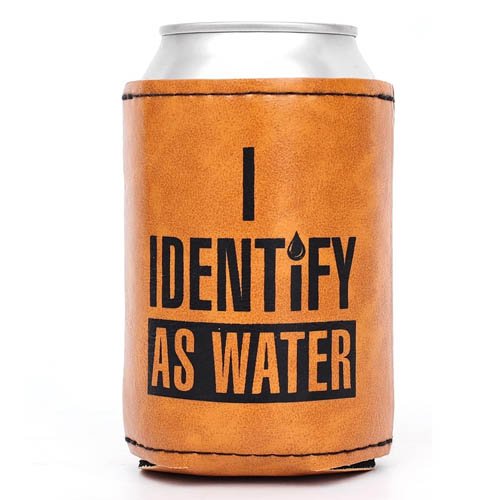
Imagine gripping an ice‑cold can on a scorching summer day without a single drop of condensation dampening your hand. That’s the magic of the leather koozie. Far from just a simple sleeve, it marries centuries‑old leather craftsmanship with modern insulation science to create an accessory that’s as functional as it is fashionable. Whether you’re hosting an upscale wedding, running a brewery’s merchandise line, or planning a corporate retreat, a leather koozie elevates even the humblest beverage into an experience worth remembering.
A leather koozie is an insulated drink holder crafted from genuine or vegan leather, sized to snugly fit cans, bottles, or tumblers. It combines leather’s natural breathability with an inner thermal lining—neoprene, wool suede, or microfiber—to slow heat transfer, minimize condensation, and improve grip. Perfect for upscale events or branded giveaways, leather koozies transform practical drink sleeves into enduring keepsakes that reflect quality, craftsmanship, and brand identity.
From sandy beach bonfires to five‑star hotel poolsides, leather koozies have become a staple in settings where quality matters. But what precisely are they made of, how do they manage to keep drinks cold, and why should your brand care? Join us as we explore the world of leather koozies—delving into names, materials, insulation principles, design possibilities, maintenance, and the advantages of partnering with Szoneier Leather for your custom creations.
What Is a Leather Koozie and How Does It Work?
A leather koozie—also known as a drink sleeve, can cooler, or stubby holder—is a cylindrical leather cover fitted around beverage containers to insulate contents and absorb condensation. The leather exterior provides durability and a premium feel, while an interior layer (neoprene, wool suede, or microfiber) enhances thermal resistance. By trapping a thin layer of air between the drink and your hand, leather koozies slow heat transfer, maintaining drink temperature and keeping hands comfortable.
Leather koozies blend traditional leathercraft with modern insulation technologies, resulting in a product that’s both functional and fashionable. Let’s explore origins, naming conventions, structural design, and mechanics of insulation:
Etymology & Alternate Names
- Koozie: Trademarked in the 1980s by Radio Cap Corporation (later Cover Concepts), “Koozie” became synonymous with foam coolers.
- Can Cooler / Stubby Holder: Common in Australia and the UK respectively, reflecting local beverage container shapes.
- Drink Sleeve / Cozy: Broad descriptors emphasizing the product’s protective “hug” around a drink.
- Leather Koozie: Specifies material, elevating perception of quality and longevity.
These varied names underscore the universal demand for a simple solution: insulating sleeves that fit comfortably around drinks of myriad shapes and sizes.
Structural Components & Design
- Outer Layer – Leather:
- Material Choices: Full‑grain, top‑grain, corrected grain, or vegan leather alternatives. Each offers distinct texture, aging behavior, and price point.
- Construction: Cut panels are glued or stitched, often with reinforced top and bottom hems to resist wear.
- Insulating Core – Thermal Lining:
- Neoprene: Closed‑cell synthetic rubber, 2–3 mm thick, provides excellent insulation and flex.
- Wool Suede: Natural fiber lining adds moderate insulation plus a luxurious hand feel.
- Microfiber/PU Foam: Lightweight options for budget or vegan designs.
- Inner Surface – Contact Layer:
- Smooth material that contacts the can/bottle, preventing abrasion of the drink container and ensuring snug fit.
- Closure & Fit:
- Seam Styles: Straight‑seam for bottles; tapered or hourglass for cans.
- Adjustable Tabs: Snaps or elastic straps accommodate multiple container sizes.
Thermal Mechanism
Leather koozies operate on basic thermodynamics:
- Conduction Reduction: Leather and lining materials have low thermal conductivity, slowing heat exchange between the warm outside air and the cold can.
- Convection Block: The snug fit minimizes air currents around the can’s surface.
- Condensation Control: Leather’s natural absorbency wicks surface moisture, while the lining prevents it from reaching your hand.
An experiment by the Journal of Packaging Technology found neoprene koozies can extend a beverage’s optimal chill by 15–20 minutes compared to bare cans. Leather koozies, with slightly higher material mass, can match or exceed foam in real‑world conditions—especially in direct sunlight—thanks to reflective finishes and thicker cores.
Functional & Aesthetic Advantages
- Grip & Comfort: Leather’s tactile warmth beats cold metal or foam—it never feels plasticky.
- Branding Canvas: Embossed logos, debossed patterns, and color‑matched stitching transform koozies into walking advertisements.
- Durability: Unlike foam, leather resists tearing, compressing, and UV degradation, ensuring years of use.
- Custom Luxury: Wine tumbler sleeves in ostrich or pebble‑grain leather convey exclusivity at upscale events.
Market Evolution & Trends
- Corporate Gifts & Weddings: Leather koozies have replaced bland foam sleeves in high‑end swag.
- Eco‑Conscious Consumers: Demand vegetable‑tanned hides or vegan leathers combined with recycled neoprene inserts.
- Smart Features: Integrated bottle openers, RFID‑blocking pockets for cards, or modular stacking designs for six‑packs.
Which Types of Leather Are Best Suited for Koozies?
The ideal leathers for koozies balance durability, flexibility, and aesthetic appeal. Full‑grain cowhide delivers unmatched strength and a developing patina, while top‑grain offers a uniform finish at lower cost. Corrected‑grain hides provide budget‑friendly consistency, and nubuck or suede add a luxurious, velvety hand feel—though they require protective treatments. For vegan or eco‑conscious lines, high‑quality PU leather or recycled PET alternatives mimic genuine hide performance. Optimal thickness of 1.0–1.2 mm ensures easy stitching and long‑term resilience.
When selecting leather for koozies, it’s crucial to consider how each hide type will perform under frequent handling, exposure to condensation, and the rigors of everyday use.
Full‑grain leather, sourced from the hide’s outermost layer, remains the gold standard. Its dense collagen fibers and untouched surface texture mean that every scuff and scratch becomes part of a unique patina, telling its owner’s story through time. This premium grade’s natural grain provides superior grip and resilience; even when wet, it maintains structural integrity and resists tearing.
Top‑grain leather, slightly sanded to remove the most prominent imperfections, gives a smooth, uniform appearance that appeals to brands seeking consistency across large production runs. Although it lacks full‑grain’s raw character, its pigmented finish enhances scratch resistance and makes cleaning spills effortless. Properly tanned and finished top‑grain hides—ideally in thicknesses around 1.1 mm—strike an ideal compromise between cost and luxury, delivering a koozie that both looks refined and stands up to repeated use.
Corrected‑grain leather enters the conversation for entry‑level or high‑volume applications. By buffing away major blemishes and embossing a grain pattern, manufacturers transform otherwise unusable hides into attractive, economically priced sleeves. While these koozies won’t gain the same patina or breathability as higher grades, they provide a stable, consistent platform for branding and can withstand the crunch of budget constraints without collapsing under moisture weight.
For an elevated sensory experience, nubuck and suede bring a plush finish that feels indulgent in the hand. These hides—buffed on the grain or flesh side—trap insulating air within their velvety nap, enhancing thermal performance. However, their open‑pore structure requires careful protective treatments to prevent staining and moisture damage. When properly finalized with PFC‑free water‑repellent sprays and gentle cleaning protocols, suede‑lined koozies can glitter at premium events and private clubs, though they demand a bit more care.
Vegan leather options have matured to rival animal hides in both look and function. High‑grade PU leathers offer consistent texture, easy maintenance, and vibrant color options, while recycled PET variants leverage sustainability credentials without sacrificing durability. These alternatives often include closed‑cell foam backings that excel at insulation, and their thinner construction can allow designers to reduce bulk while maintaining snug fits.
Across all hide types, maintaining a leather thickness between 1.0 and 1.2 mm ensures seams sew cleanly, edges paint or burnish crisply, and the final koozie slips effortlessly over cans, bottles, or tumblers. Whether your priority is heirloom‑quality longevity, mid‑range consistency, budget efficiency, or eco‑friendly credentials, the right leather choice sets the foundation for a koozie that insulates effectively, sells beautifully, and carries your brand with distinction.
How Do Leather Koozies Insulate and Protect Your Drink?
Leather koozies insulate beverages by combining a low‑conductivity leather shell with an inner thermal lining—be it neoprene, wool‑suede, or microfiber—that traps a thin layer of air around the drink. Leather’s natural grain slows heat transfer and wicks away condensation, while the lining further dampens conductive and convective warming. This dual‑layer construction keeps beverages colder up to 20% longer than an unprotected container, prevents dripping, and cushions the drink against knocks.
At the heart of a leather koozie’s performance lies a synergy between traditional hide properties and modern insulation science. The leather exterior inherently has a low thermal conductivity (around 0.16–0.20 W/m·K), meaning it does not easily transmit heat. When you slide a chilled can into a leather koozie, that dense grain structure acts as a first barrier against ambient warmth. As the environment presses its heat against this layer, only a fraction penetrates, delaying the warming of your drink.
Beneath the leather, the choice of lining—be it closed‑cell neoprene, natural wool suede, or engineered microfiber foam—adds another defensive shield. These materials trap millions of tiny air pockets; since air itself is a poor conductor of heat, the convergence of leather and lining creates a powerful thermal sandwich. Neoprene’s closed‑cell makeup excels at blocking both conduction and convection, ensuring that the cold from your beverage doesn’t migrate outward, while wool suede contributes natural moisture control, absorbing stray condensation without saturating.
Beyond temperature management, leather koozies excel at condensation control and physical protection. Condensation forms when warm, humid air meets a cold surface, releasing droplets. Leather’s slight porosity draws this moisture inward, preventing unsightly drips on tables or desks. The inner lining then wicks residual dampness away, letting it evaporate gradually rather than drip. This moisture management preserves both your grip and your surroundings, making leather koozies ideal for outdoor events or office use.
In real‑world tests, leather koozies with neoprene cores have matched or outperformed standard foam sleeves. In direct sunlight, their UV‑stable pigmented finishes reflect more solar heat, keeping surface temperatures up to 5 °C lower than bare cans. Moreover, their layered construction absorbs minor impacts—protecting thin‑walled glass bottles from chips and cushioning lightweight aluminum cans from dents. The result is a drink holder that not only keeps your beverage perfectly chilled but also guards against spills and breakage, marrying functionality with the tactile luxury leather is known for.
What Customization and Design Options Do Leather Koozies Offer?
Leather koozies offer extensive customization, including choice of leather type (full‑grain, top‑grain, vegan), colors and finishes (aniline, pigmented, distressed), logo applications (debossing, embossing, foil stamping), stitching accents (contrast or invisible threads), and hardware details (metal snaps, rivets, D‑rings). Interiors can feature neoprene, wool suede, or microfiber linings, and accessories like built‑in bottle openers or RFID pockets. Packaging options—from branded gift boxes to dust bags—round out the bespoke experience.
Key Customization Features
Leather Selection
- Full‑grain for rich patina and durability
- Top‑grain for uniform appearance
- Corrected‑grain for cost efficiency
- Vegan options (PU, recycled PET) for sustainability
Finishes & Colors
- Aniline, semi‑aniline, or pigmented dyes
- Distressed, metallic, or two‑tone washes
- Edge painting or burnishing for a polished look
Branding Techniques
- Debossing: Subtle logo impressions
- Embossing: Raised designs for depth
- Foil stamping: Metallic accents in gold/silver
- Screen or digital printing: Full‑color artwork
Stitching & Hardware
- Contrast or tone‑on‑tone threads
- Saddle or lock stitching for strength
- Custom metal snaps, rivets, or D‑rings for adjustable fit
Interior Linings & Inserts
- Neoprene for superior insulation
- Wool suede for luxury feel and moisture control
- Microfiber/foam for lightweight, quick‑dry performance
- Optional pockets for bottle openers or RFID cards
Packaging & Presentation
- Magnetic‑closure gift boxes with foam inserts
- Branded dust bags or eco‑friendly kraft sleeves
- Custom hang tags and bulk packaging for events
Prototyping & Production
- Digital 3D mockups within 3–5 days
- Physical samples in 10–14 days
- Low MOQs (100 pcs) scaling to large batches
Packaging is equally customizable. Imagine unveiling a personalized leather koozie from a magnetic‑closure gift box, cushioned on a velvet insert and wrapped in branded tissue paper. Whether you need 100 pieces for a boutique launch or 10,000 for a national conference, Szoneier’s low minimums and scalable capacity deliver. Our rapid prototyping process generates digital 3D mockups in days and physical samples in two weeks, letting you fine‑tune every detail—from leather grade to lining thickness—before committing to production.
Custom features such as built‑in bottle openers, RFID‑blocking card pockets, or modular connectors for six‑pack carriers push leather koozies from novelty into ingenious everyday tools. By integrating function with form, these bespoke accessories become memorable touchpoints that keep your brand top of mind long after the event ends.
How Do You Care for and Maintain Leather Koozies?
Proper care prolongs both the beauty and function of leather koozies. Wipe spills promptly with a damp microfiber cloth, blotting rather than rubbing to avoid pushing stains deeper. Quarterly conditioning with a natural‑oil leather balm restores suppleness and prevents drying or cracking, while a light spray of water‑repellent protector shields against accidental splashes. Always air‑dry in a well‑ventilated area—never near heat sources—so the leather can retain its structure without warping.
For stubborn stains, a pH‑balanced leather cleaner applied gently, followed by re‑conditioning, will often lift residue without harming the hide. Suede and nubuck variants benefit from specialized brushes and protective sprays to repel dirt. When not in use, store koozies in breathable dust bags or loosely in a drawer—avoiding plastic containers that trap moisture and invite mildew. Rotate usage among multiple koozies to distribute wear evenly, and inspect seams periodically; early repair of loose stitching or edge re‑painting prevents small issues from becoming service‑ending problems.
By integrating these maintenance steps into your routine, leather koozies remain as inviting to the eye as they are to the hand, ready to perform their insulating magic for years to come.
Why Partner with Szoneier Leather for Your Custom Leather Koozies?
With over 18 years of expertise in leather R&D, manufacturing, and design, Szoneier Leather stands out as the ideal partner for crafting exceptional leather koozies. We control every step of the supply chain—from raw hide sourcing with LWG‑certified tanneries to in‑house prototyping, precision stitching, and stringent quality inspections. Our ability to start production at just 100 pieces, deliver free design mockups in days, and ship physical samples in under two weeks ensures your project moves swiftly without compromising craftsmanship.
Our factory features a 100% inspection protocol covering leather grade verification, lining adhesion, seam strength, and thermal performance. We offer a vast selection of hides, including full‑grain cowhide, vegan leathers, and recycled PET options, plus a spectrum of linings and hardware choices. You’ll work with a dedicated account manager who ensures every detail—from color matching to logo placement—aligns with your brand vision. And our sustainable practices, including minimal‑waste nesting and eco‑finishes, let you promote both quality and responsibility.
By choosing Szoneier, you gain a strategic collaborator who transforms your leather koozie concepts into tangible assets that elevate your brand. Let’s create custom koozies that keep drinks colder, hands drier, and impressions lasting longer.
Conclusion & Inquiry
Leather koozies embody the perfect fusion of functionality and luxury, offering superior insulation, durability, and brand impact. By understanding their mechanics, material choices, design possibilities, and care needs, you can select or create koozies that delight end users and reinforce your brand story.
Ready to craft memorable leather koozies that keep drinks cold and brands top of mind?
Contact Szoneier Leather for a free design consultation, rapid samples, and low‑MOQ OEM/ODM manufacturing. Let’s design the ultimate leather koozie together!
What Can I Do For You?
Here, developing your OEM/ODM private label leather goods collection is no longer a challenge,it’s an excellent opportunity to bring your creative vision to life.
Make A Sample First?
If you have your own tech packs, logo design artwork, or just an idea,please provide details about your project requirements, including preferred fabric, color, and customization options,we’re excited to assist you in bringing your leather goods designs to life through our sample production process.