Personalised Leather Jewellery Box: Design, Quality, and Customisation Guide
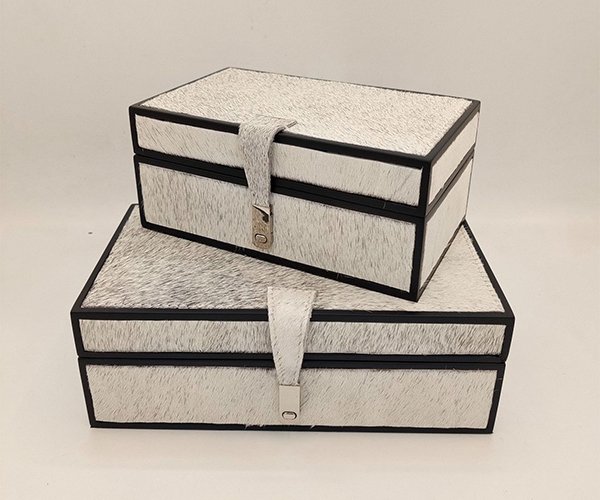
In today’s luxury and gift markets, a personalised leather jewellery box is more than just a container—it’s a statement piece that reflects identity, craftsmanship, and brand value. Imagine gifting a client or retail customer a bespoke leather box, embossed with their initials, precisely fitted for their ring, bracelet, and watch compartments. That box becomes an everyday reminder of your brand’s elegance and care. But how do you design one that truly stands out—what materials best suit it, which customization techniques endure, and how to balance luxury with functional durability?
A personalised leather jewellery box is a bespoke storage case made from genuine or premium leather, tailored with monograms, logos, and custom compartments to fit a client’s specific jewellery pieces, combining both functional protection and premium branding.
In this guide, we’ll walk through what makes a jewellery box “personalised,” which leathers are optimal, how to apply logos or names, ideal box layouts, how to select a strong manufacturing partner, and how to ensure your finished product remains beautiful for years.
What Is a Personalised Leather Jewellery Box?
A personalised leather jewellery box is a premium storage case crafted from genuine or high-quality leather, designed with custom elements such as monograms, logos, colors, and internal layouts to suit individual or brand needs. Unlike standard boxes, it blends protective functionality—like anti-scratch linings and compartmentalized sections—with bespoke aesthetics, making it ideal for gifts, luxury retail, or promotional branding campaigns.
Why Personalisation Matters in Jewellery Boxes
A personalised leather jewellery box is more than just a container; it reflects craftsmanship, identity, and brand storytelling. Standard jewellery boxes offer generic compartments and simple finishes, while personalised versions are tailored in design, materials, functionality, and branding to match the owner’s style or the retailer’s luxury positioning.
Key differences include:
- Exterior Customisation: Monograms, corporate logos, embossed names, foil-stamped initials, or laser-engraved designs give the product a unique identity.
- Interior Design: Instead of one-size-fits-all compartments, boxes can feature ring rolls, watch cushions, necklace hooks, earring trays, or modular layers depending on user needs.
- Material Quality: Personalised boxes typically use full-grain or top-grain leather with premium linings such as suede, velvet, or microfiber to prevent scratches and tarnishing.
- Closure & Hardware: Brands may choose between magnetic flaps, zippers, or metallic clasps for aesthetic and functional appeal.
Functional & Emotional Value
From a functional perspective, personalised boxes protect valuable jewellery from dust, moisture, and mechanical damage. High-quality leathers with reinforced edges and moisture-resistant finishes ensure durability and long-term use.
From an emotional perspective, a jewellery box engraved with a name or anniversary date becomes a heirloom-worthy keepsake, adding sentimental value. For brands, gifting or selling personalised boxes creates a premium unboxing experience that elevates brand perception and customer loyalty.
Applications Across Markets
- Retail Brands: Luxury watch and jewellery retailers use customised leather boxes to enhance product presentation and justify premium pricing.
- Corporate Gifting: Companies order branded leather boxes as executive gifts with logo debossing or custom packaging.
- Event Keepsakes: Weddings, anniversaries, and milestone events often feature initial-engraved boxes as personal mementos.
- E-commerce Brands: Private-label sellers leverage custom OEM jewellery boxes for brand differentiation and repeat sales.
Which Leather Types Work Best for Jewellery Boxes?
Short answer / Featured snippet style (≤ 80 words): The best leathers for jewellery boxes are full-grain or top-grain cowhide, vegetable-tanned leather, aniline or semi-aniline finishes, and sometimes exotic or specialty leathers, depending on price point. PU/vegan leathers can work for budget lines. Quality, thickness, finish, and environmental treatments all influence durability, appearance, and printability.
Full-Grain Leather – The Luxury Benchmark
Full-grain leather is the highest grade of natural leather, made from the outermost layer of the hide without sanding or correction, preserving its natural grain. It has an unmistakable rich texture and develops a unique patina over time, giving each jewellery box a one-of-a-kind character. Its dense fiber structure makes it extremely durable, resistant to tearing, and able to withstand decades of use if properly maintained. The thickness (typically 1.2–1.5 mm for boxes) supports solid structural panels, while its natural imperfections signal authenticity. Because of its strength, full-grain leather works exceptionally well with embossing, debossing, and foil stamping, allowing brand logos or monograms to stand out crisply. However, it comes at a premium cost, making it best suited for luxury brands or heirloom-quality jewellery boxes where craftsmanship and longevity justify the price point.
Top-Grain Leather – The Versatile All-Rounder
Top-grain leather is the second-highest grade, created when the hide’s top surface is sanded and refinished to remove imperfections, giving it a smooth, consistent finish while retaining much of the strength of full-grain. This process makes it more stain-resistant and easier to dye, allowing brands to offer a wide range of colors and finishes for jewellery boxes. Its durability remains excellent, though it lacks the same natural aging beauty of full-grain since the sanding process removes the outer layer that develops patina. For branding, top-grain leather takes laser engraving, hot stamping, and embossing exceptionally well because of its uniform surface, producing sharp, clean logos even in small sizes. Because it balances cost-efficiency, visual appeal, and performance, it is widely used for mid- to high-end jewellery boxes aimed at both retail and corporate markets where quality matters but budgets are moderate.
Genuine Leather – Budget-Friendly Real Leather Option
Genuine leather, sometimes called “split leather,” comes from the lower layers of the hide after the top-grain is removed. It is often coated or embossed with artificial grain patterns to imitate higher grades while keeping costs low. This makes it a practical choice for mid-range or promotional jewellery boxes where real leather is desired but premium pricing is not feasible. While it doesn’t develop the same natural character or long-term durability as full-grain or top-grain, it offers decent strength when paired with protective coatings. Brand customization methods such as screen printing, UV printing, or light embossing work adequately on genuine leather, but repeated heavy embossing or sharp tooling may cause cracking over time because the base material lacks fiber density. For companies looking to scale production while controlling costs, genuine leather offers a good balance between authenticity and affordability, especially for corporate gifting or private-label products.
PU and Vegan Leather – Ethical and Economical Solutions
PU (polyurethane) leather and plant-based vegan leathers are synthetic alternatives to animal hides, offering uniform texture, lightweight properties, and low cost. PU leather, in particular, is widely available, water-resistant, and easy to clean, making it popular for budget-friendly jewellery boxes or high-volume promotional items. Vegan leathers derived from materials like cactus fibers, apple peels, or recycled plastics appeal to eco-conscious brands looking for sustainable marketing solutions. Both materials take UV printing, screen printing, and heat transfers well, enabling vibrant logos and full-color designs. However, they lack the natural aging qualities and tactile warmth of real leather and may show signs of peeling or surface cracking after extended use if not manufactured with high-grade coatings. For short-term campaigns, seasonal collections, or markets where animal-free materials are essential, PU and vegan leathers offer design flexibility and ethical positioning without significant cost barriers.
Exotic Leathers – Niche Luxury Appeal
Exotic leathers like crocodile, ostrich, or python represent the pinnacle of exclusivity in jewellery box manufacturing. Their distinctive textures and patterns create immediate visual impact and align with ultra-luxury branding for limited-edition or VIP gifting. These materials are significantly more expensive due to sourcing regulations, rarity, and tanning complexity, often costing 5–10 times more than standard cowhide. Exotic leathers are typically used on exterior panels for maximum visibility while interiors rely on softer linings like suede. Because the natural patterns are the main aesthetic focus, many brands choose minimalistic customization, using discreet debossing or small metal logos rather than large, intrusive designs. Durability varies—ostrich is supple yet strong, while crocodile requires more care to prevent drying or cracking. For brands targeting collectors, luxury collaborations, or five-star hospitality gifting, exotic leathers deliver unmatched exclusivity and storytelling potential.
Suede and Nubuck – Premium Interior Linings
Suede and nubuck are soft-finish leathers made by sanding the inner or outer side of the hide to achieve a velvety, matte texture. While too delicate for exterior panels, they are ideal for interior compartments, ring rolls, necklace slots, and watch cushions, where softness protects jewellery from scratches or tarnishing. Suede absorbs moisture easily, so boxes using it require protective coatings or low-humidity storage to prevent staining. Nubuck, made from the outer side of the hide, is slightly more durable than suede but retains a similar luxurious feel. Neither material suits heavy embossing or foil stamping; instead, they are typically dyed in rich colors to complement the box exterior. High-end brands often use full-grain leather exteriors with suede interiors, creating a contrast of durability and softness that elevates the tactile experience for end customers.
Leather Types for Jewellery Boxes
| Leather Type | Durability | Aesthetic Appeal | Customization Suitability | Typical Use Cases |
|---|---|---|---|---|
| Full-Grain Leather | ★★★★★ | ★★★★★ | Embossing, debossing, foil | Luxury retail, heirloom-quality boxes |
| Top-Grain Leather | ★★★★☆ | ★★★★☆ | Laser engraving, stamping | Mid- to high-end retail, corporate branding |
| Genuine Leather | ★★★☆☆ | ★★★☆☆ | Basic embossing, screen printing | Corporate gifts, private-label e-commerce |
| PU/Vegan Leather | ★★☆☆☆ | ★★★☆☆ | UV printing, heat transfer | Eco-friendly lines, mass promotions |
| Exotic Leathers | ★★★★☆ | ★★★★★ | Minimalistic debossing/logos | Luxury editions, VIP gifting |
| Suede/Nubuck | ★★★☆☆ (lining) | ★★★★☆ | Typically unprinted, dyed colors | Interiors, jewellery protection lining |
Is Genuine Leather Better than PU or Vegan Leather?
Genuine full-grain and top-grain leathers offer natural texture, patina over time, and long-term durability. They age gracefully and develop character. PU (polyurethane) or vegan leather alternatives are lower-cost, more uniform, and often easier to clean, but they don’t develop the same rich aging effect—and their edges, bonding, and print adhesion can degrade earlier under heavy usage.
How Does Leather Quality Affect Durability and Aesthetics?
- Thickness & Weight: A box leather of 1.0–1.5 mm is common for rigid structure; thinner hides may not support hinge mechanisms or heavy lids.
- Finish & Coating: Aniline or semi-aniline finishes preserve natural texture and allow deeper embossing, but are more susceptible to scratches. Pigmented or coated leathers resist stains better.
- Tanning & Treatment: Vegetable tanning offers classic appeal but may be more reactive to moisture. Chrome-tanned leathers are more stable and often preferred in mass production.
- Edge Finishing: Proper edge painting or binding ensures the box remains sealed and polished without peeling.
How to Personalise a Leather Jewellery Box Effectively
Personalising a leather jewellery box involves choosing the right branding techniques, strategic logo placement, color contrast, and durability testing. Methods like embossing, debossing, foil stamping, laser engraving, and UV printing help brands achieve elegant, lasting results when applied with proper design sizing, material compatibility, and production planning.
Branding Methods for Logos, Names, and Monograms
Embossing & Debossing:
- Embossing raises the logo above the surface; debossing presses it inward for a subtle, premium effect.
- Works best on full-grain or top-grain leathers due to fiber density and surface integrity.
- Ideal for luxury branding with minimalistic elegance.
Foil Stamping (Hot Stamping):
- Adds metallic or pigmented foil into embossed areas for high-contrast, eye-catching logos.
- Suitable for retail jewellery boxes targeting premium consumers.
Laser Engraving:
- Uses precision beams to etch detailed designs or text directly onto leather.
- Perfect for small-batch personalisation with high-resolution details.
UV Printing:
- Enables full-color, gradient, or photo-quality designs.
- Best for PU or smooth-surfaced leathers for corporate or promotional runs.
Logo Placement & Design Size Considerations
Exterior Placement:
- Centered on the lid for maximum brand visibility.
- Side panels or clasp areas for subtle, discreet branding.
Interior Branding:
- Foil-stamped dates, initials, or messages inside the lid add personal storytelling elements.
Size Guidelines:
- Keep logos under 30–40% of visible surface area for a balanced look.
- For compact travel boxes, use scaled-down logos to prevent crowding.
CAD Mockups:
- Manufacturers like Szoneier provide digital blueprints so brands can preview logo size and position before tooling or printing.
Color, Contrast, and Material Interaction
Blind Debossing:
- Tone-on-tone branding for minimalist luxury aesthetics.
Foil Colors:
- Metallic gold, silver, or rose gold on dark leathers create strong visual impact.
- Matte foils on light leathers ensure clear readability without overpowering the design.
Material Surface:
- Grained leathers require deeper embossing pressure for clarity.
- Smooth leathers support finer details for laser engraving or UV printing.
Production Calibration:
- Precise heat, pressure, and timing settings ensure consistent logo quality across large production runs.
Durability Testing Before Mass Production
Adhesion Tests:
- For foil stamping to prevent peeling during use or shipping.
Abrasion Resistance:
- Ensures UV-printed or engraved logos withstand handling over time.
Flex Tests:
- For embossed or debossed logos under repeated lid openings.
Environmental Simulations:
- UV exposure, humidity, and temperature changes to guarantee long-term branding stability.
Szoneier Standard:
- 100–200 cycle tests on hinges and surfaces before scaling to full production.
Are There Different Designs and Layouts for Jewellery Boxes?
Yes. Jewellery boxes come in various designs and layouts, from single-layer compact travel cases to multi-tiered luxury chests with modular compartments. Options include ring rolls, necklace hooks, watch cushions, earring trays, and removable layers, allowing brands to balance functionality, aesthetics, and personalisation. Choosing the right layout depends on target customers, jewellery types, and market positioning.
1. Layout Types Based on Jewellery Categories
Ring-Focused Designs:
- Include ring rolls or slotted pads for organised storage and protection against scratches.
- Often used in engagement ring gift boxes or travel-friendly pouches for daily wearers.
Necklace & Bracelet Boxes:
- Equipped with necklace hooks, anti-tangle channels, and padded compartments.
- Some feature magnetic flap covers to prevent jewellery from slipping out.
Earring & Pendant Layouts:
- Include earring cards, foam inserts, or gridded trays for storing multiple pairs neatly.
- Suitable for high-volume jewellery retailers requiring display and storage in one.
Watch Storage Boxes:
- Feature cylindrical cushions or removable rolls with soft suede or microfiber lining.
- Ideal for men’s accessories or luxury timepiece brands.
Mixed-Use Layouts:
- Combine multiple compartments for rings, necklaces, earrings, and watches in one box.
- Often designed as multi-layer chests or convertible organisers for home use.
2. Structural Designs for Different Use Scenarios
Single-Layer Flat Boxes:
- Simple, lightweight, easy to produce in large volumes for retail packaging or gifting.
- Common in corporate giveaways where cost efficiency matters.
Multi-Layer Jewellery Chests:
- Include drawers, lift-out trays, and hidden compartments for high storage capacity.
- Designed for home collectors or premium retail presentation.
Travel-Friendly Jewellery Cases:
- Compact, zippered, or folding designs for portability.
- Require reinforced hinges, anti-scratch linings, and secure closures for durability.
Display-Oriented Designs:
- Transparent lids or fold-out panels for retail counters or exhibitions.
- Balance aesthetic presentation with functional protection.
Convertible or Modular Systems:
- Removable trays allow multiple configurations for different jewellery types.
- Brands use them for customisable retail lines where one product serves multiple purposes.
3. Materials and Interior Finishes
Exterior Leather Choices:
- Full-grain or top-grain leather for luxury boxes; PU leather for budget or eco-friendly lines.
- Crocodile-embossed or exotic leather finishes for high-end limited editions.
Interior Lining Materials:
- Suede, microfiber, or velvet linings protect jewellery from scratches and tarnishing.
- Padded inserts add shock resistance for travel cases.
Structural Materials:
- MDF or plywood cores for sturdy, durable builds.
- Cardboard cores for lightweight, low-cost retail packaging.
Hardware & Closures:
- Magnetic clasps, metal hinges, zippers, or lockable latches ensure secure storage.
- Luxury boxes often feature plated hardware in gold or rose-gold finishes.
4. User Experience & Functional Innovations
Anti-Tangle Systems:
- Necklaces stored with spacer channels or hook covers to prevent knotting.
Mirror & Lighting Add-Ons:
- Interior mirrors or LED lighting enhance usability and luxury appeal.
Customisable Trays:
- Brands can offer personalised inserts for customer initials or special compartments.
Space Efficiency:
- Foldable travel boxes or stackable drawer systems save storage space.
Easy Maintenance:
- Removable liners or trays for dusting and cleaning convenience.
How to Choose the Right Manufacturer for Custom Leather Boxes
Selecting the right leather box manufacturer requires evaluating their production capabilities, material sourcing, customisation options, quality control systems, and communication efficiency. A reliable partner provides end-to-end services—from sampling and design support to mass production and packaging—ensuring consistent quality, competitive costs, and on-time delivery for personalised jewellery box projects across various scales.
Production Strength, Quality Control & Customisation Capabilities
When choosing a manufacturer for custom leather jewellery boxes, the first priority is production strength and quality assurance. A strong supplier offers vertical integration covering leather sourcing, cutting, stitching, embossing, lining, hardware installation, and final packaging under one roof, reducing outsourcing risks and delays. They should have modern equipment like CNC cutting, laser engraving, and hot-stamping presses to guarantee consistent sizing, sharp logo applications, and efficient scaling for both low-MOQ sampling and high-volume orders. At the same time, a professional factory follows international quality standards such as ISO 9001 and REACH/OEKO-TEX certifications, performing multi-stage inspections on raw materials, in-process production, and finished goods. Customisation capabilities are equally important: look for manufacturers offering multiple branding techniques (embossing, debossing, foil stamping, UV printing), Pantone-matched leathers, and multi-SKU consistency, ensuring every batch meets the same brand identity requirements across different designs and sizes.
Design Support, Communication Efficiency & Delivery Reliability
Beyond production, the right partner provides design engineering support, offering CAD mockups, 3D prototypes, and material libraries for brand clients to review before sampling. This reduces costly design errors and accelerates decision-making. Effective communication systems—including bilingual project managers, 24-hour response times, and digital collaboration platforms—ensure smooth coordination from concept to shipment. Lead time management also matters: reliable manufacturers deliver samples within 7–10 days and complete mass production in 25–35 days, supported by transparent pricing with clear breakdowns for materials, tooling, labor, and logistics. For export-oriented brands, experience with FOB, CIF, DDP terms and international trade shows like Canton Fair signals a factory’s ability to handle large orders and overseas clients professionally. Ultimately, the best manufacturer combines technical capability, design flexibility, responsive communication, and strict quality control, giving brands confidence in launching personalised leather jewellery box collections at scale.
How to Care and Maintain Leather Jewellery Boxes for Long Lifespan
To maintain leather jewellery boxes, clean surfaces regularly with a soft cloth, avoid moisture and direct sunlight, and apply leather conditioner 2–4 times a year. Store boxes in cool, dry places with dust covers, and handle logos or embossed areas gently to prevent fading. Proper care preserves leather’s appearance, protects jewellery inside, and ensures the box remains functional and elegant for years.
Regular Cleaning and Environmental Protection
Leather jewellery boxes require routine cleaning to maintain both aesthetics and structural integrity. Dust and dirt can accumulate on the leather surface, dulling its natural finish over time. A soft, dry microfiber cloth works best for regular dusting, while occasional spot cleaning with a pH-neutral leather cleaner helps remove minor stains without damaging the leather’s protective coating. It’s crucial to avoid harsh detergents, alcohol-based wipes, or prolonged water exposure, as these can cause drying, cracking, or discoloration. Equally important is protecting the box from direct sunlight, high humidity, or extreme heat, as UV rays fade colors and dry conditions make leather brittle. Placing the jewellery box in a cool, ventilated area, away from radiators or air conditioning vents, greatly extends its lifespan.
Conditioning, Handling, and Interior Care
Like any natural material, leather needs conditioning treatments to preserve softness and prevent surface cracks. Applying a high-quality leather conditioner or balm every 3–4 months replenishes natural oils, keeping the leather supple and enhancing its resistance to minor scratches. When applying, always use light, circular motions with a soft cloth, avoiding excessive product buildup that might stain the interior linings. Logos, embossing, or foil-stamped areas should be handled gently to prevent peeling or fading. For the interior, which often includes suede, velvet, or microfiber linings, regular vacuuming with a low-suction handheld cleaner or gentle brushing removes dust and jewellery residues. Ensuring jewellery is clean before storage also prevents metal tarnish from transferring onto the lining materials.
Storage Practices and Long-Term Preservation
Proper storage is essential for long-term preservation. Leather jewellery boxes should be stored inside protective dust bags or original packaging when not in use, shielding them from accidental scratches or moisture exposure. For households in humid climates, placing silica gel packets or moisture absorbers inside the box helps prevent mold growth and protects both the leather and jewellery. Heavy stacking on top of the boxes should be avoided, as prolonged pressure can distort the lid shape, weaken hinges, or compress padding inside. Brands can also recommend customers perform annual inspections of seams, edges, and hardware; early detection of minor wear allows timely repair, preventing costly replacements. When combined—cleaning, conditioning, gentle handling, and controlled storage—these practices can keep a leather jewellery box in premium condition for 5–10 years or more, even with frequent use.
Conclusion
A personalised leather jewellery box is far more than just a storage accessory—it represents the perfect fusion of luxury craftsmanship, functional design, and brand identity. From choosing premium materials like full-grain leather to integrating custom layouts for rings, necklaces, or watches, every detail contributes to product longevity, aesthetics, and customer satisfaction. Whether it’s foil-stamped logos, modular compartments, or eco-friendly finishes, brands can elevate their packaging and gifting experiences through thoughtful design and precision manufacturing.
If you’re a jewellery retailer, corporate gifting supplier, or e-commerce brand seeking to launch or upgrade your personalised leather jewellery box collection, now is the time to act. Share your design sketches, size requirements, branding ideas, and target volumes with Szoneier Leather, and our team will deliver professional prototypes, competitive quotes, and tailored production plans within days. Contact us today to transform your concept into luxury leather packaging that delights customers, strengthens brand value, and stands out in the marketplace.
What Can I Do For You?
Here, developing your OEM/ODM private label leather goods collection is no longer a challenge,it’s an excellent opportunity to bring your creative vision to life.
Make A Sample First?
If you have your own tech packs, logo design artwork, or just an idea,please provide details about your project requirements, including preferred fabric, color, and customization options,we’re excited to assist you in bringing your leather goods designs to life through our sample production process.