 Skip to content
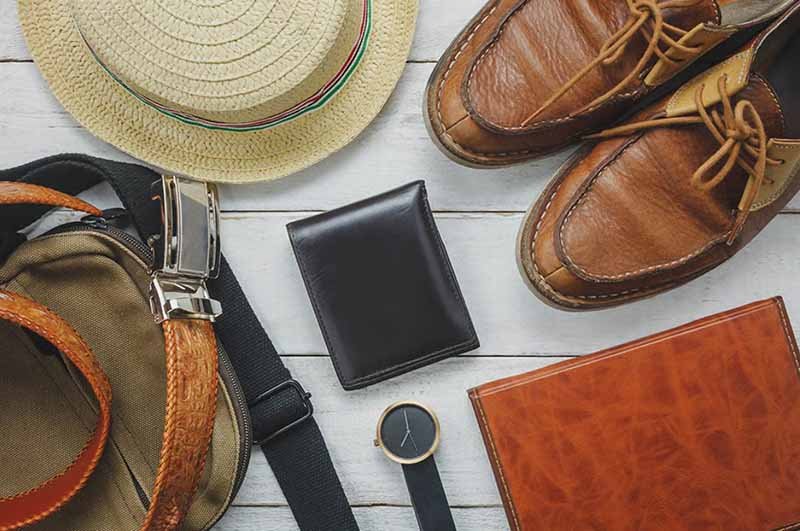
Most brands don’t lose money on leather accessories because the design is “bad.” They lose money because the collection isn’t built like a system. One wallet looks premium, the belt looks average, the strap hardware doesn’t match, colors don’t repeat across products, and customers can’t “complete the set.” That’s when a brand gets stuck in one-off sales instead of repeat purchases.
A complete leather accessories collection is really three things at once: (1) a product ladder (easy entry → core volume → premium upgrade), (2) a visual rulebook (leather, stitching, edge, hardware, logo), and (3) a production plan that protects quality when you scale from samples to 500–5,000 pcs.
To build a complete leather accessories collection, start with a small set of high-frequency items (wallets and belts), add supporting accessories that share the same leather and hardware, and lock a consistent design rulebook (color, edge finish, stitching, logo). Then develop everything with one manufacturing plan—clear specs, controlled materials, and repeatable QC—so quality stays stable as volume grows.
I’ve seen brands go from “we sell one wallet” to a full range simply by fixing the structure behind the products. Let’s build that structure first.
What is a complete leather accessories collection?
A complete leather accessories collection is a coordinated set of leather items that covers daily use needs (carry, wear, organize) while staying consistent in leather type, color palette, hardware finish, and craftsmanship level. It usually includes a core item customers buy first, supporting items that match it, and a premium option that elevates brand image—all designed to scale in production without quality drift.
What products define a leather accessories collection?
A practical leather accessories collection usually has 3 layers: core, supporting, and premium. You don’t need dozens of SKUs—you need coverage and repeatability.
Core layer (drives volume)
- Wallet (bifold / zip / long wallet)
- Card holder
- Belt (classic + one fashion option)
Supporting layer (increases basket size)
- Key holder / key pouch
- Small zip pouch / coin pouch
- Watch strap / bag strap / camera strap (depending on your audience)
Premium layer (raises brand value)
- Gift set (wallet + belt)
- Special leather edition (full-grain, veg-tan, or exotic-look emboss)
- Leather box / rigid packaging upgrade
A factory view: if your first launch includes too many categories (wallets + bags + belts + tech cases + boxes), your material and hardware supply becomes messy. A cleaner approach is to keep the first collection inside one leather family and one hardware finish, then expand.
What makes a collection feel “complete” instead of random?
Customers don’t judge completeness by SKU count—they judge it by matching logic. If the wallet looks like it belongs to one brand and the belt belongs to another, the collection feels unfinished even if you have 20 products.
Use a simple “match test”:
- Leather match: same grain feel, gloss level, and color tone
- Hardware match: same color finish (gunmetal, nickel, matte black)
- Edge match: same method (painted edge, folded edge, burnish)
- Stitch match: same thread thickness and stitch density
- Logo match: same placement style across items
A collection feels complete when a customer can buy item #1 and instantly see item #2 that matches it.
Quick checklist you can put into your tech pack
- Leather: ___ (full grain/top grain/split + finish)
- Color: ___ (Pantone / custom swatch reference)
- Hardware: ___ (finish + supplier reference)
- Edge: ___ (paint / fold / burnish)
- Stitch: ___ (thread size + SPI)
- Lining: ___ (material + thickness)
What role does pricing play in a leather accessories collection?
Pricing isn’t just marketing—it impacts construction choices and return rate. A healthy collection usually has three price steps, so customers can enter easily and upgrade later.
| Price Tier | Purpose | Common SKUs | What changes in build |
|---|---|---|---|
| Entry | First purchase | card holder, key holder | fewer panels, simpler lining, standard hardware |
| Core | Main volume | bifold wallet, classic belt | better edge finishing, cleaner stitching, reinforced stress points |
| Premium | Image builder | gift set, special leather wallet, leather box | upgraded leather selection, tighter tolerances, premium packaging |
Data-style guidance (real manufacturing logic) In leather accessories, most visible quality complaints come from:
- edge paint cracking
- stitching unevenness
- hardware peeling
- leather surface scratches Those issues rise sharply if you push premium appearance into entry-level cost. A structured tier system helps you avoid “premium look, budget build” problems.
A simple “collection map” brands can use before production
Instead of brainstorming SKUs randomly, map them by customer use.
| Customer moment | What they need | Good leather accessory match |
|---|---|---|
| Daily carry | organize cash/cards | wallet + card holder |
| Daily wear | match outfit | belt + strap |
| Quick errands | minimal items | card holder + key pouch |
| Travel | secure storage | zip wallet + small pouch |
| Gift buying | ready-to-give | boxed set + leather box |
If your collection covers 4–5 “moments,” it already feels complete.
Common reasons collections fail early (and how to avoid them)
From the factory side, early failures usually come from inconsistent decisions:
- Too many leathers in one launch → unstable color matching and QC
- No standard hardware → different plating quality across SKUs
- Unclear stitch/edge specs → samples look good, bulk looks different
- No tolerance rules → uneven size, misaligned logos, customer complaints
Practical fix: Create a “collection standard sheet” before sampling. This is one page that defines leather, color palette, edge method, stitch rules, logo rules, and hardware finish. It saves weeks of rework and makes bulk production look like the sample.
Which products start a leather accessories collection?
A leather accessories collection should start with high-frequency, low-risk products—usually wallets and belts—because they have stable demand, predictable construction, and clear quality standards. These core items help brands test leather, workmanship, pricing, and market response before expanding into more complex accessories like straps, pouches, or boxed sets.
Which leather accessories sell first for new brands?
From production and order data across multiple markets, wallets and belts consistently outperform other leather accessories in early-stage collections. The reason is simple: customers already understand them, sizing is standardized, and quality issues are easy to identify and fix early.
Best first-launch products
- Bifold wallet (classic, lowest learning curve)
- Card holder (lower cost, fast repeat orders)
- Classic leather belt (single size system, strong visual impact)
Why factories prefer these SKUs first:
- Fewer panels → lower defect risk
- Mature production processes → stable yield rates
- Easier leather utilization → better cost control
In practice, brands that start with these items reach stable reorders 30–40% faster than brands starting with niche accessories.
Which wallets, belts, and small goods scale fastest?
Not all wallets and belts scale equally. Construction complexity directly affects defect rate, lead time, and MOQ flexibility.
| Product Type | Scaling Difficulty | Key Reason |
|---|---|---|
| Card holder | Very low | Simple structure, minimal stitching |
| Bifold wallet | Low | Industry-standard patterns |
| Zip wallet | Medium | Zipper quality + alignment risk |
| Braided belt | High | Manual labor, consistency issues |
| Multi-layer strap | Medium–High | Edge & reinforcement control |
Which SKUs should every leather accessories collection include?
A “starter set” that works across most brands looks like this:
| SKU | Purpose | Notes from production |
|---|---|---|
| Card holder | Entry product | Lowest MOQ, easiest upsell |
| Bifold wallet | Core volume | Best feedback on leather quality |
| Classic belt | Visual anchor | Hardware finish defines style |
| Key holder / pouch | Basket builder | Uses leather off-cuts efficiently |
This set allows:
- Shared leather cutting
- Shared edge-finishing method
- Shared hardware supplier Which means lower cost per unit and more consistent quality.
Which sizes, colors, and hardware should be standardized first?
Standardization is what keeps a collection profitable.
Sizes
- Wallets: 2–3 fixed sizes max
- Belts: one width (e.g. 38 mm), 3–4 length options
Colors
- 1 main color (black / dark brown)
- 1 secondary color (tan / cognac)
- 1 seasonal or brand color
Hardware
- Choose ONE finish for the first launch (matte black, brushed nickel, or antique brass)
Brands that launch with more than 3 colors + 2 hardware finishes in the first collection usually face higher defect rates and slower reorders.
How do you design a consistent leather accessories collection?
A consistent leather accessories collection is built by defining non-negotiable design rules—leather type, color tone, edge finishing, stitching density, hardware finish, and logo placement—and applying them across every SKU. Consistency does not limit creativity; it reduces production errors, strengthens brand recognition, and ensures that samples and bulk orders look the same.
How do brands build a clear leather accessories style?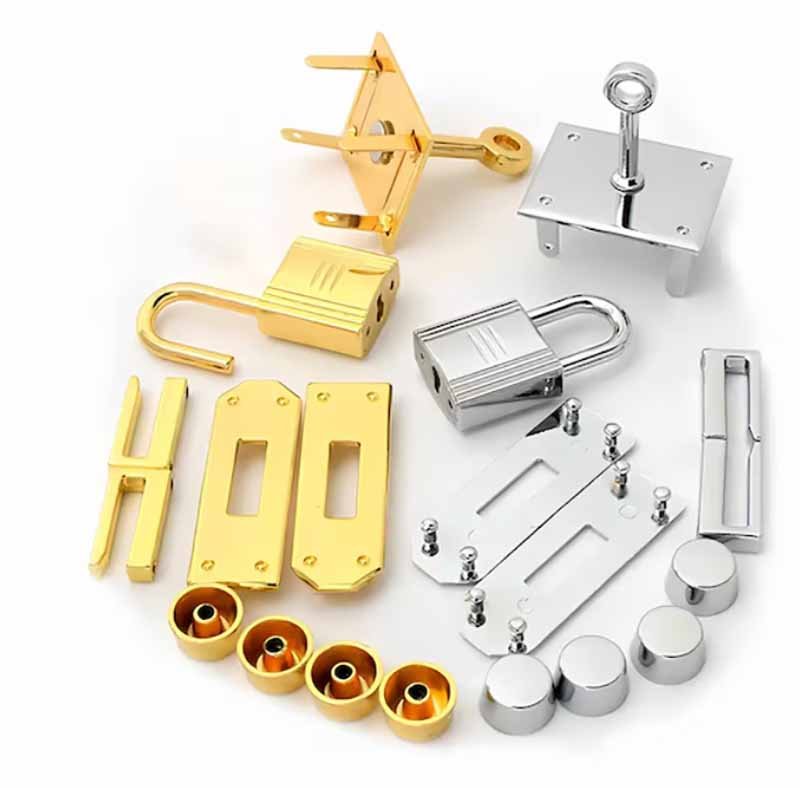
Strong collections are designed with rules first, creativity second.
A simple brand rule system includes:
- One leather family (same tanning + surface finish)
- One stitch color (or one contrast rule)
- One edge-finishing method
- One logo placement logic
Example
- Leather: full-grain, semi-matte
- Stitch: 0.6 mm nylon thread, tonal color
- Edge: folded edge for all wallets and belts
- Logo: blind deboss, interior only
This approach makes even simple products feel intentional.
How should logos appear across leather accessories?
Logo misuse is one of the most common quality complaints.
Good practice
- Wallets: interior deboss or small foil stamp
- Belts: logo on belt tip or inner side
- Small goods: subtle emboss, never oversized
Factory rule of thumb
- If the logo is visible when worn → keep it small
- If the logo is visible when opened → quality must be perfect
Inconsistent logo placement causes rejections during QC, especially for premium markets.
How do colors and hardware unify a collection?
Color and hardware are more powerful than shape.
| Element | Consistency Rule |
|---|---|
| Leather color | Same dye lot per production run |
| Edge color | Match leather or go darker |
| Hardware | Same supplier + same plating |
| Zippers | Same brand & tape color |
How factories translate design consistency into production control
Consistency only works if it’s written down.
What experienced factories ask for:
- Color swatches with tolerance range
- Stitch density (SPI) definition
- Edge method drawings
- Hardware reference samples
When brands skip this step, samples look good—but bulk production drifts. When brands define it clearly, factories can reproduce the same look order after order.
What materials define a quality leather accessories collection?
A quality leather accessories collection is defined by stable leather selection, durable internal materials, and construction details that hold up under daily use. Choosing the right leather type for each accessory, pairing it with proper linings and reinforcements, and applying the correct edge and stitching methods are what prevent early wear, returns, and brand reputation damage.
Which leather types work best for leather accessories?
Not all leather performs the same once cut into small accessories. The structure, fiber density, and finish matter more than marketing names.
| Leather Type | Best Use | Real-world behavior |
|---|---|---|
| Full-grain leather | Wallets, belts | Ages well, shows patina, higher cost |
| Top-grain leather | Most accessories | Balanced durability and consistency |
| Veg-tanned leather | Premium belts, straps | Stiffer, better shaping, color variation |
| Chrome-tanned leather | Soft wallets, pouches | Flexible, stable color, mass production friendly |
Factory reality:
For collections meant to scale, many brands use one core top-grain leather for 70–80% of SKUs, then introduce veg-tanned or special finishes as premium extensions. This keeps sourcing stable while still offering upgrades.
What linings and reinforcements actually matter?
Lining choices directly affect durability complaints.
Common lining options
- Polyester twill: stable, low shrinkage, cost-efficient
- Microfiber suede: premium feel, scratch protection
- Cotton drill: breathable but less dimensionally stable
Reinforcement zones
- Card slot mouths
- Belt holes
- Strap connection points
- Zipper ends
| Area | Recommended reinforcement |
|---|---|
| Card slots | Thin non-woven backing |
| Belt holes | Double-layer leather or PU sheet |
| Strap ends | Hidden webbing insert |
Skipping reinforcement saves cents but increases returns dramatically over time.
Edge finishing: paint, fold, or burnish?
Edge finishing is where many collections fail.
| Method | Pros | Risks |
|---|---|---|
| Edge paint | Clean look, modern | Cracking if poorly applied |
| Folded edge | Very durable | Higher labor cost |
| Burnished edge | Natural look | Inconsistent if rushed |
Stitching specs that reduce complaints
Stitching is not just visual—it’s structural.
Best-practice specs
- Thread: bonded nylon or polyester
- Thickness: 0.6–0.8 mm for accessories
- Density: 5–7 stitches per inch (SPI)
Too fine → weak seams
Too dense → leather tearing over time
Clear stitch specs in the tech pack prevent bulk production drift.
How do brands produce a scalable leather accessories collection?
Brands scale a leather accessories collection by aligning design, materials, and production processes from the start. This means clear tech packs, disciplined sampling, defined QC checkpoints, and realistic MOQ planning. Working with one experienced factory that controls materials, sampling, and mass production ensures the collection remains consistent as order volumes increase.
How do you build a tech pack factories can actually follow?
A usable tech pack answers production questions before they’re asked.
Must-have sections
- Exploded structure drawings
- Leather and lining specs (with thickness)
- Stitch type and SPI
- Edge-finishing method
- Hardware reference samples
- Tolerance limits (± mm)
Factories produce better results when decisions are locked early, not changed mid-sample.
How sampling prevents expensive mistakes
Sampling is not just approval—it’s stress testing.
Professional sampling flow
- Structure sample (fit & proportion)
- Material sample (leather behavior)
- Color & hardware confirmation
- Wear test (bending, friction, pull)
- Pre-production sample
Brands that skip wear testing often discover issues only after bulk delivery—when fixes are expensive or impossible.
QC checkpoints that protect your brand
Quality control should happen before, not after, problems appear.
| Stage | QC Focus |
|---|---|
| Incoming material | Leather thickness, color consistency |
| Cutting | Grain direction, defect avoidance |
| Stitching | Seam straightness, tension |
| Edge finishing | Adhesion, smoothness |
| Final inspection | Function, logo accuracy, packaging |
Well-run collections typically reject less than 2–3% of units at final inspection.
How MOQ and lead time affect launch planning
MOQ is not just a factory rule—it’s a planning tool.
Typical ranges
- Small leather goods: 300–500 pcs / SKU
- Belts: 200–300 pcs / size set
- Boxed sets: 200 sets
Lead time
- Sampling: 7–15 days
- Bulk production: 25–45 days
- Packaging & packing: 5–7 days
Brands that plan launches around material consolidation (same leather across SKUs) gain faster lead times and lower MOQs.
Build Your Leather Accessories Collection with Szoneier
Building a leather accessories collection is not about chasing trends—it’s about creating a repeatable system that customers trust and factories can execute without compromise.
At Szoneier, we’ve spent over 18 years helping brands turn ideas into structured leather accessories collections—from wallets and belts to straps, small goods, and premium leather boxes. With in-house material sourcing, product development, sampling, manufacturing, and packaging control, we help brands reduce risk, shorten development cycles, and scale with confidence.
If you’re planning:
- A new leather accessories launch
- An expansion from one SKU to a full collection
- A quality or consistency upgrade
Contact Szoneier today to discuss custom leather development, sampling, and production planning.
Your collection deserves more than good design—it deserves a system that lasts.