
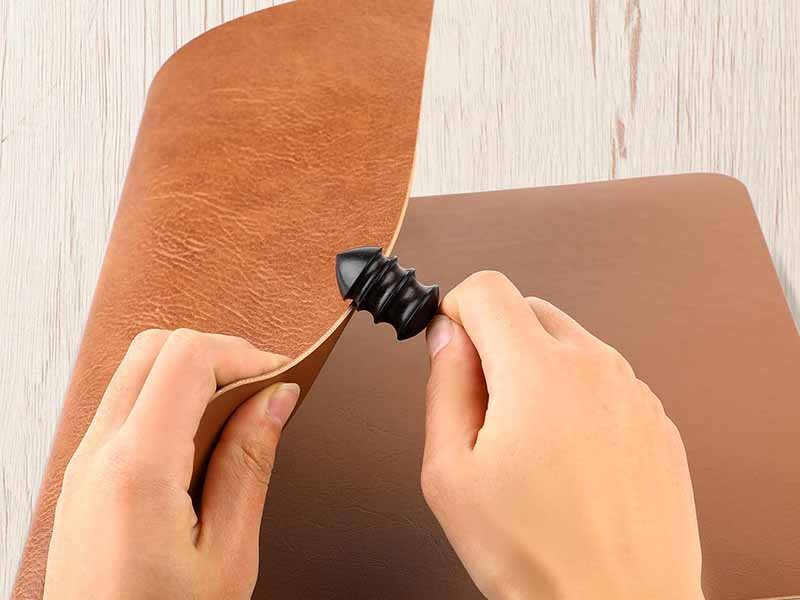
When it comes to crafting high-quality leather accessories like wallets, bags, and belts, the edge finish is more than just a decorative detail—it’s essential to the product’s durability and functionality. Two of the most popular edge-finishing methods are edge paint and burnished edge. Both techniques provide a smooth, clean finish, but their durability, wear resistance, and aesthetic impact can differ significantly.
While both edge paint and burnished edges offer stylish finishes, burnished edges generally outperform edge paint in terms of long-term durability. Burnishing offers greater resistance to abrasion, wear, and environmental factors, making it better suited for items that experience frequent handling and use. Edge paint, while effective in adding color and gloss, tends to wear off more quickly, especially under heavy use.
When deciding which method to use for your leather products, it’s essential to understand how each technique affects the leather’s edge quality over time, its resistance to friction and moisture, and its suitability for different types of leather accessories. This article will compare these two methods based on their durability, the materials involved, and the application process.
What Are Edge Paint and Burnished Edge?
When finishing leather accessories such as bags, wallets, belts, or boxes, the edge treatment plays a significant role in both the aesthetics and durability of the product. There are two popular methods for finishing the edges of leather: edge paint and burnished edges. Both methods are used to give leather a professional look, but they have distinct differences in terms of application, appearance, durability, and cost.
What Is Edge Paint?
Edge painting is a process used to apply a protective and decorative coating to the raw edges of leather. This technique involves applying a specially formulated acrylic-based or leather-specific paint to the edges of the leather after it has been cut and shaped. The goal of edge paint is to provide a smooth, polished finish that covers the rough, unfinished edges, preventing them from fraying or showing signs of wear.
Process of Applying Edge Paint:
- Sanding the Edges: First, the raw leather edges are smoothed using sandpaper or an abrasive tool to prepare the surface for the paint.
- Applying the Paint: Edge paint is typically applied using brushes, sponges, or even rollers to achieve a uniform coat. Depending on the desired result, several layers of paint may be required.
- Finishing Touches: After the paint dries, the edges are often polished to ensure the finish is smooth and free of streaks. A final buffing may be done to improve the gloss and uniformity of the paint.
Key Benefits of Edge Paint:
- Smooth and Uniform Finish: Edge paint provides a sleek, consistent coating that covers the raw edges, giving them a polished look.
- Customizable Colors: Edge paint allows for creative flexibility, as manufacturers can choose from a variety of colors to complement the leather’s design. This is especially useful for accessories where bold or contrasting edge colors are desired.
- Protection Against Fraying: Edge paint helps seal the leather edges, preventing them from fraying or absorbing moisture, which could cause deterioration over time.
Advantages of Edge Paint
| Characteristic | Details | Why It Matters |
|---|---|---|
| Smooth Finish | Provides a consistent, smooth, glossy finish. | Creates a professional look, elevating the overall aesthetic of the product. |
| Customizable Colors | Available in various colors, including bold and unique hues. | Allows for creative designs and branding opportunities. |
| Protective Barrier | Seals raw edges and prevents fraying. | Ensures longevity of the product by protecting against wear and moisture. |
What Is a Burnished Edge?
Burnishing is a technique used to smooth the edges of leather by rubbing them with friction, often combined with waxes or oils to achieve a natural, polished look. This method does not add a layer of coating like edge paint; instead, it involves compressing the leather fibers along the edges to form a dense, smooth finish. The result is a more natural, matte appearance compared to the glossy, colorful finish of edge paint.
Process of Creating Burnished Edges:
- Sanding the Edges: The raw leather edges are first smoothed using sandpaper or a sanding tool to prepare them for the burnishing process.
- Applying Wax or Oil: A layer of beeswax, olive oil, or another conditioning product is applied to the edges to help the burnishing process and provide moisture resistance.
- Burnishing with Friction: The edges are then rubbed with a burnishing tool, either by hand or with a machine, creating friction that compresses the leather fibers. This not only smooths the edges but also seals them, enhancing their durability.
- Polishing the Edges: After burnishing, the edges are polished to achieve a glossy, smooth finish, and the leather’s natural color deepens slightly around the edges.
Key Benefits of Burnished Edges:
- Natural Appearance: Burnished edges maintain the natural look of the leather, enhancing its authenticity and texture.
- Durability: Because the leather is compressed and sealed during burnishing, the edges are more resistant to wear, abrasion, and moisture. This makes burnished edges ideal for products that see frequent use, such as belts, wallets, and bags.
- Eco-Friendly: Burnishing doesn’t rely on synthetic coatings, making it a more environmentally friendly option compared to edge paint.
Which Method Provides Better Durability?
When evaluating the durability of edge paint versus burnished edges, the key consideration is the long-term wear and tear that leather products experience, particularly in high-use accessories.
- Burnished Edges: Due to the natural compressing of the leather fibers and the added protection from wax or oils, burnished edges are more durable over time. These edges can withstand frequent handling, moisture, and abrasion without showing significant signs of wear. This makes burnished edges a preferred choice for leather goods that are used daily, such as belts, wallets, and bags.
- Edge Paint: While edge paint provides an initial smooth finish and is easy to apply, it is more vulnerable to wear and tear over time. Under frequent use or exposure to friction, painted edges can chip, peel, or fade. If a leather box or accessory with edge paint gets scratched or comes into contact with rough surfaces, the paint may start to chip off, exposing the raw leather underneath. This makes edge paint less durable than burnished edges for products that require long-lasting quality.
Durability Comparison Between Edge Paint and Burnished Edges
| Finish Type | Wear Resistance | Moisture and Abrasion Resistance | Why It Matters |
|---|---|---|---|
| Burnished Edge | High resistance to friction, scuffs, and long-term wear. | Very high resistance to moisture and abrasion. | Ideal for heavy-use items such as wallets, belts, and bags that need to withstand daily handling. |
| Edge Paint | Moderate resistance; prone to chipping and fading. | Prone to peeling and fading, especially when exposed to moisture. | Best suited for decorative accessories or items with lighter use. |
Which Edge Finishing Method Is Right for Your Leather Products?
Choosing between edge paint and burnished edges depends on several factors, including the desired durability, aesthetic, and intended use of the leather product. Here are some considerations that may help you decide:
- For High-Use Products (Belts, Wallets, Bags): If your product will undergo frequent handling or friction, burnished edges are likely the best choice. Their durability and resistance to abrasion make them ideal for products that will be exposed to rough conditions.
- For Decorative Accessories (Fashion Items, Luxury Goods): If the goal is to create a stylish, visually striking product with vibrant edge coloring, edge paint may be more appropriate. It provides a sleek, glossy finish and offers more color customization options. However, you should be aware that edge paint is less durable over time, especially for products that will be handled frequently.
- Cost and Production Considerations: If production speed and cost are priorities, edge paint may be the more cost-effective and efficient option, as it requires less time and labor compared to burnishing. However, for long-term durability and a premium finish, burnished edges are often worth the investment.
Choosing the Right Edge Finish
| Consideration | Edge Paint | Burnished Edges |
|---|---|---|
| Durability | Moderate, more prone to wear and tear. | High, resists abrasion and moisture better over time. |
| Appearance | Glossy, colorful, smooth finish. | Natural, matte finish with a smooth, refined look. |
| Cost and Time | Lower cost, quicker application. | Higher cost, slower, more labor-intensive process. |
| Best For | Decorative items or products with minimal wear. | High-use products that require long-lasting durability. |
Which Edge Finishing Method Provides Better Durability?
When comparing edge paint and burnished edges, durability is one of the most critical factors. Leather products, especially those that are frequently handled, exposed to friction, or subjected to wear and tear, require an edge treatment that can withstand daily use while maintaining its appearance.
Which Edge Finish Resists Wear and Tear Longer?
In terms of long-term durability, burnished edges generally outperform edge paint, particularly when exposed to frequent use and physical contact. The burnishing process compresses the leather fibers, which makes the edges stronger and more resistant to damage over time. Burnished edges are less likely to chip, peel, or discolor compared to edge paint.
- Burnished Edges: Burnishing results in a natural, durable finish that can withstand regular abrasion. The edges are less likely to fray, peel, or show signs of wear, making them ideal for products like belts, wallets, and bags that are subject to heavy handling.
- Edge Paint: While edge paint can provide an attractive finish initially, it tends to wear off more easily. Over time, particularly with frequent contact or moisture exposure, the paint may chip or peel. This can be a concern for products that are used on a daily basis, where the edges might be exposed to friction and stress.
Which Method Handles Moisture and Abrasion Better?
Leather accessories often face exposure to moisture, dirt, and abrasion. Whether it’s a wallet in a pocket or a bag resting on a surface, leather edges must be able to withstand these external factors.
- Burnished Edges: These edges are more resistant to moisture and abrasion. The natural burnishing process seals the edges and enhances the leather’s ability to repel water and resist scuffing. When properly finished, burnished edges remain intact and look better over time, even with exposure to moisture or rough surfaces.
- Edge Paint: Although edge paint provides initial protection, it is more vulnerable to environmental factors. Moisture and frequent contact with rough surfaces can cause the paint to chip, fade, or peel. Leather goods with painted edges may require more frequent touch-ups or refinishing to maintain their appearance.
How Are Edge Paint and Burnishing Done?
When crafting leather accessories such as bags, wallets, and belts, the finish of the leather edges significantly impacts both the product’s visual appeal and its durability. Edge paint and burnishing are two of the most common techniques for finishing leather edges. Each has its own process, tools, and considerations, which will be outlined in the following sections. Understanding how to properly apply these techniques will help ensure a high-quality, long-lasting product.
How to Apply Edge Paint Step by Step?
Edge painting provides a smooth, colorful finish to leather edges and is widely used for accessories that need a polished and vibrant look. The process involves several key steps to ensure a clean, durable finish. Here’s how to apply edge paint to leather edges:
Prepare the Leather Edges:
Begin by sanding the raw leather edges using fine-grit sandpaper or an abrasive pad. This smooths the surface, ensuring that the edge paint adheres properly. Be sure to remove any dust or debris after sanding by wiping the edges with a clean, damp cloth.
Choose the Right Edge Paint:
Select a high-quality edge paint specifically designed for leather. Leather edge paints are typically acrylic-based, and they come in various colors. Some paints may also contain additional protective properties to resist moisture and abrasion.
Apply the First Coat of Edge Paint:
Use a fine brush, sponge, or small roller to apply a thin coat of edge paint to the sanded edges. Be sure to apply the paint evenly and avoid overloading the brush with paint. A thin layer will prevent the paint from pooling and create a smooth finish.
Dry and Apply Additional Coats:
Allow the first coat to dry completely (usually about 15-30 minutes, depending on the type of paint). Once dry, lightly sand the edges again using a fine-grit sandpaper to remove any imperfections. Then, apply additional coats of paint, allowing each layer to dry before applying the next. Repeat until you achieve the desired color intensity and smoothness.
Smooth the Painted Edge:
Once the final coat is applied and dried, smooth the painted edge using an abrasive pad or burnishing tool. This ensures an even, glossy finish and helps to remove any excess paint or rough patches.
Polish and Finish:
Finally, apply a small amount of edge finishing wax or polish to the painted edges to provide additional protection and gloss. This step is optional but helps to protect the painted finish from wear and moisture.
| Step | Description | Why It Matters |
|---|---|---|
| Edge Preparation | Sand the edges to smooth the surface. | Ensures a clean, smooth surface for paint application. |
| First Coat | Apply the first thin coat of edge paint using a brush. | Creates the base layer that gives the finish its smoothness. |
| Drying and Sanding | Allow each coat to dry, then lightly sand to remove imperfections. | Ensures the paint adheres well and provides a uniform finish. |
| Multiple Coats | Apply additional coats of paint until desired coverage is reached. | Ensures depth of color and opacity in the edge. |
| Final Smoothness | Smooth the edge with an abrasive pad or tool. | Provides a polished, professional finish. |
| Polishing | Optionally apply wax or polish for added protection. | Enhances the gloss and durability of the edge paint. |
How to Burnish Edges Step by Step?
Burnishing is a process that creates a smooth, natural finish on the edges of leather by applying friction. This technique is preferred for premium leather goods because it enhances the leather’s natural beauty while making the edges stronger and more durable. Here’s how to burnish leather edges effectively:
Prepare the Leather Edges:
Start by sanding the raw leather edges to remove roughness and ensure the surface is even. Use fine-grit sandpaper or a sanding tool to smooth the edges. After sanding, wipe away any dust with a damp cloth to prepare for the burnishing process.
Apply Wax or Oil:
To facilitate the burnishing process, apply a small amount of beeswax, oil, or leather conditioning cream to the edges. This helps the leather burnish smoothly and adds an extra layer of protection against moisture and dirt. Gently rub the product onto the edges using a cloth.
Burnish the Edges:
Using a burnishing tool (manual or machine), begin applying friction to the edges. A hand burnishing tool is typically made of wood or bone, while mechanical tools can speed up the process. Slowly rub the tool back and forth along the edge to compress the leather fibers. The friction will smooth and seal the edges, making them more durable and visually appealing.
Polish the Edges:
After burnishing, use a clean cloth to polish the edges. This will help enhance the natural sheen of the leather and smooth out any remaining rough spots. The final result should be a smooth, glossy finish with a natural, matte look.
Inspect the Edges:
After burnishing, inspect the edges to ensure that they are smooth, evenly compressed, and free from any imperfections. If necessary, re-burnish specific areas for consistency.
| Step | Description | Why It Matters |
|---|---|---|
| Edge Preparation | Sand the raw leather edges to remove roughness. | Ensures a smooth surface for effective burnishing. |
| Apply Wax/Oil | Rub beeswax or leather oil into the edges. | Helps lubricate the edges for smooth burnishing and added protection. |
| Burnishing | Apply friction using a burnishing tool to compress leather fibers. | Strengthens the edges, making them durable and polished. |
| Polish | Use a clean cloth to polish and smooth the edges. | Provides a natural sheen and final smooth finish. |
| Inspection | Inspect the edges for smoothness and consistency. | Ensures the burnishing is even and there are no imperfections. |
How Production Variables Affect Durability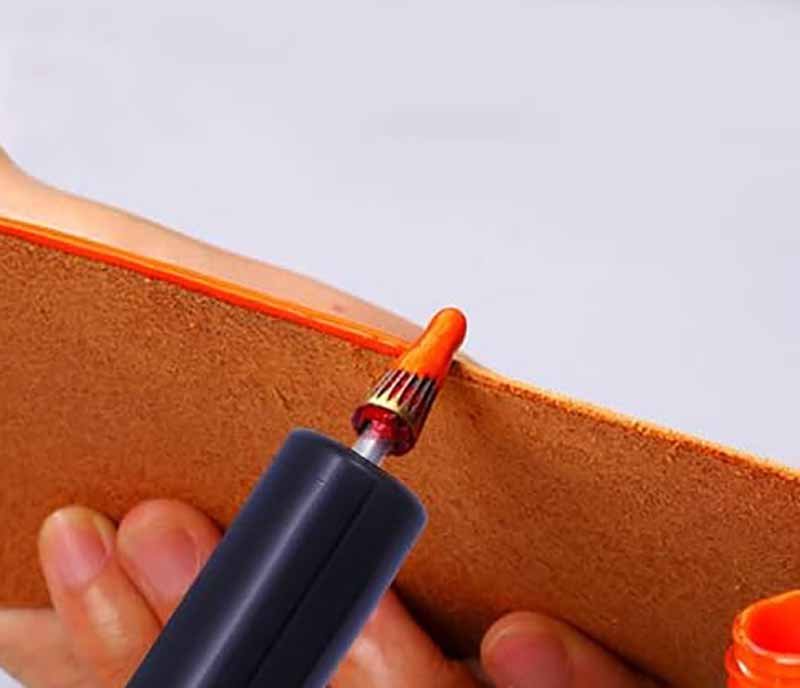
The durability of both edge paint and burnished edges can be influenced by several variables during the production process. These variables range from material quality to environmental factors and manufacturing techniques.
Material Quality:
The quality of the leather used plays a significant role in the durability of the edge finish. Full-grain leather, for example, offers more resilience and durability compared to lower-quality leather, making burnishing more effective in maintaining edge integrity over time. Leather that is softer and more porous may not hold up as well to burnishing, and edge paint may be a better option in these cases.
Environmental Factors:
The production environment can affect both edge paint and burnished edges. Extreme temperatures or high humidity levels can influence the drying process of edge paint, potentially leading to inconsistencies in the finish. For burnished edges, if the leather is too soft or too dry, it may not burnish as effectively, reducing its strength and appearance.
Application Method:
The tools and methods used for applying edge paint and burnishing can significantly impact the quality of the finish. For example, using high-quality paintbrushes and precise application techniques ensures an even coating of edge paint, while using appropriate burnishing tools ensures a smooth and durable finish. A skilled craftsman can produce superior results compared to automated processes, especially when burnishing is done by hand.
Time and Pressure:
The amount of time spent on the burnishing process and the level of pressure applied can affect the final durability. More time and pressure typically result in a smoother and stronger edge, but over-burnishing can lead to leather that becomes too hard or brittle. On the other hand, insufficient burnishing may leave the edges vulnerable to wear.
| Variable | Edge Paint Impact | Burnished Edge Impact | Why It Matters |
|---|---|---|---|
| Material Quality | Poorer leather may cause paint to chip or peel faster. | Higher-quality leather holds burnished edges better. | High-quality leather ensures better durability, regardless of method. |
| Environmental Factors | Temperature and humidity affect paint adhesion and finish. | Dry leather may not burnish well; excess moisture weakens the finish. | Consistent production conditions ensure better results. |
| Application Method | Use of correct brushes and application technique ensures smooth paint finish. | Proper use of burnishing tools ensures smoother edges and greater durability. | Tools and methods directly influence finish quality. |
| Time and Pressure | Faster drying and curing time can cause uneven paint. | Burnishing time and pressure affect edge smoothness and strength. | Careful attention during production maximizes durability. |
Which Edge Finishing Method is More Cost-Effective?
Cost-effectiveness is a critical consideration when selecting the right edge-finishing method for leather accessories. While both edge paint and burnished edges provide high-quality finishes, the costs involved in each process vary significantly, affecting both production efficiency and the final price of the product.
Edge paint typically involves a lower initial cost and shorter application time compared to burnishing, but it may require more frequent maintenance or refinishing, especially for products that are heavily used. Burnished edges, while more labor-intensive, offer long-term durability that can reduce maintenance costs over time.
Do Edge Paint and Burnished Edges Require Different Labor or Time Investment?
- Edge Paint: The application of edge paint is relatively straightforward and can be done in fewer steps, making it less time-consuming and less expensive in terms of labor costs. The process typically involves applying multiple thin layers of paint, which requires careful attention to detail but does not take as long as burnishing. However, for large batches, the drying time between coats can add up, and the paint may need to be touched up or reapplied more frequently during the product’s life cycle.
- Burnished Edges: The burnishing process is more labor-intensive as it requires sanding, waxing, and polishing the edges manually or with machinery. While it takes longer to complete than edge painting, burnishing is a more durable method, leading to fewer future repairs or refinishing. Because burnished edges require more time and expertise, they often incur higher labor costs, especially for smaller production runs.
Do Material Costs Vary Significantly?
The materials required for edge paint and burnished edges also differ in cost:
- Edge Paint: The cost of edge paint is relatively low, as the primary material is typically a commercially available acrylic or leather-specific paint. A small bottle of edge paint can cover a large number of items, making it a cost-effective solution for mass production. Additionally, the tools required for edge painting (e.g., brushes, sponges, and applicators) are inexpensive compared to burnishing tools.
- Burnished Edges: The burnishing process requires more specialized materials, including waxes, oils, and tools like burnishing wheels or hand tools. High-quality beeswax or natural oils may incur higher costs, especially when used for larger production runs. Furthermore, burnishing tools—whether manual or mechanical—require investment in equipment and can increase overhead costs for manufacturers.
How Do Production Speed and Consistency Differ?
When scaling production, speed and consistency are vital factors for manufacturers aiming to meet deadlines while maintaining high-quality standards. Both edge paint and burnishing methods have their own advantages and challenges when it comes to production efficiency.
Edge paint is faster and easier to apply, making it suitable for high-volume production, while burnished edges require more time and manual effort but offer superior consistency and durability in the long run.
How Does Edge Paint Affect Production Speed?
- Faster Application: The process of applying edge paint is faster, especially with automated tools or a skilled worker using a brush. Multiple layers can be applied quickly, though each layer must be allowed to dry between applications, which can slow down production slightly. However, in terms of labor and time investment, edge paint is much quicker than burnishing.
- Speed of Scaling: When scaling up for large orders, edge paint can be applied more efficiently than burnishing. For high-volume products, like fashion accessories, wallets, and belts, edge paint’s speed allows manufacturers to produce a larger quantity of items in a shorter period. However, the speed comes at the expense of long-term durability, as edge paint may require more maintenance over time.
How Does Burnishing Affect Production Speed?
- Longer Application Time: Burnishing is a slower process, requiring sanding, waxing, and polishing to smooth the leather edges. This can add significant time to the overall production process, especially when dealing with complex designs or larger batches.
- Consistent and Durable Results: While burnishing takes more time, the results are often more consistent, particularly for high-end products. This method provides a durable, natural finish that can withstand the test of time. Once the leather has been burnished, the edges will need less maintenance and are less likely to wear down, ensuring that the product remains in excellent condition.
Production Speed Comparison
| Method | Production Speed | Why It Matters |
|---|---|---|
| Edge Paint | Faster application, but requires drying time between layers. | Ideal for mass production of low-to-medium use products. |
| Burnished Edges | Slower, more labor-intensive, requires additional steps. | Better suited for premium products where durability is key. |
How Should Brands Choose the Right Edge Finish?
When it comes to selecting the appropriate edge finish for leather accessories, brands must consider several factors. These include durability, cost, appearance, and the intended use of the product. Whether you are producing a high-end luxury item or a mass-market accessory, understanding how each finish method impacts these factors is crucial to making an informed choice.
How to Balance Durability, Cost, and Appearance?
When choosing between edge paint and burnished edges, the decision often comes down to how a brand balances the three main factors: durability, cost, and appearance. Each of these factors plays a significant role in determining which edge finishing method best suits your products and target market.
- Durability:
- Burnished Edges: If durability is the primary concern, burnished edges are generally the better choice. The natural burnishing process compresses the leather fibers and creates a more durable, long-lasting finish. Burnished edges are ideal for items like belts, wallets, and bags that will be used frequently and exposed to wear and tear.
- Edge Paint: While edge paint provides a glossy, smooth finish, it’s more vulnerable to chipping, scratching, and fading over time. It’s typically better for products that won’t be subjected to heavy use, such as fashion accessories, decorative items, or low-to-medium-use leather goods.
- Cost:
- Edge Paint: If you’re working with a limited budget, edge paint is typically more cost-effective. The materials and application process are generally less expensive than burnishing, and the labor involved is less time-consuming. Edge paint is also a quicker process, making it suitable for mass production.
- Burnished Edges: Burnishing requires more time and skill, as it is a manual process that may involve additional materials like waxes or oils. This makes burnished edges a more expensive option, especially for large-scale production. However, the increased durability and refined look can justify the higher cost for luxury or high-end brands.
- Appearance:
- Burnished Edges: The burnished edge has a natural, subtle, and polished look. It emphasizes the beauty of the leather itself, making it ideal for luxury products where the material’s texture and grain are meant to shine. Burnished edges are often preferred for premium leather goods because they enhance the leather’s authenticity.
- Edge Paint: Edge paint offers a colorful and smooth finish, which can be customized to match a specific design. This method is ideal for brands looking to add vibrant accents to their products or create bold contrasts in their leather designs. The glossy finish also gives a more modern, sleek look to the product.
| Factor | Edge Paint | Burnished Edges |
|---|---|---|
| Durability | Moderate; more prone to chipping and wear. | High; resists abrasion and moisture better over time. |
| Cost | Lower material and labor cost. | Higher labor costs, requires more time and skill. |
| Appearance | Glossy, smooth, customizable in various colors. | Natural, matte finish that enhances the leather’s texture. |
How to Test Edge Performance Before Bulk Production?
Before committing to bulk production, it’s essential to test the performance of the edge finish to ensure it meets your brand’s quality standards. Testing edge performance helps brands identify potential weaknesses in the finish and make adjustments before mass production. Here’s how to test the edge finish:
Sample Production Runs:
Start by producing a small batch of leather products using both edge paint and burnished edges. These samples should be thoroughly inspected for fit, finish, and performance. It’s crucial to test the products under the same conditions they will face during normal use. This includes exposing them to friction, moisture, and wear.
Wear and Abrasion Testing:
For burnished edges, perform abrasion tests by rubbing the edges against rough surfaces. For edge paint, simulate common usage scenarios, such as pocket wear or friction from zippers. Evaluate how both finishes hold up over time. Pay close attention to any wear, peeling, or chipping.
Moisture and Environmental Exposure:
Expose both types of finishes to varying environmental conditions, such as humidity or temperature changes, to see how they respond. This is especially important for edge paint, which may fade or peel when exposed to moisture, while burnished edges tend to perform better in such conditions.
Visual Inspection:
After the tests, conduct a thorough visual inspection to check for any inconsistencies, damage, or defects in the finish. Pay close attention to areas where the edges are most likely to face friction or wear. Check the uniformity of the paint or burnish, ensuring that no rough patches or discrepancies are present.
Customer Feedback:
If possible, get feedback from a small group of target customers. This can provide valuable insight into how well the edges of the product are holding up in real-world conditions. This feedback can help determine whether the product will meet customer expectations for durability and appearance.
| Test Type | Edge Paint | Burnished Edges |
|---|---|---|
| Wear Testing | Check for chipping or peeling with friction. | Assess how the edges handle repeated abrasion and use. |
| Moisture Testing | Test the finish’s resistance to water or humidity exposure. | Check if burnished edges stay intact when exposed to moisture. |
| Visual Inspection | Inspect for color consistency and smoothness after testing. | Ensure that the edges remain smooth and polished, with no signs of wear. |
How to Communicate Edge Finish Choice to Customers?
Once the edge finish is selected, it’s essential to clearly communicate the choice to customers, especially if the finish plays a key role in the overall look or durability of the product. Proper communication helps manage customer expectations and builds brand trust.
Product Descriptions:
Be clear in your product descriptions about the edge finishing technique used. For edge paint, mention its smooth, glossy finish and any customization options available. For burnished edges, emphasize the natural, premium appearance and the durability it adds to the product.
Highlight Durability Benefits:
Let customers know how the edge finish affects the product’s long-term durability. For example, you can explain that burnished edges are ideal for products that will be used frequently, such as wallets or belts, because they resist wear and abrasion better over time. On the other hand, edge paint may be more suitable for decorative items that will not face as much stress.
Visual Aids:
Use high-quality images and videos to showcase both the edge paint and burnished edges. A short video demonstrating the application process or a close-up shot of the edges will help customers appreciate the craftsmanship behind the product. Visuals are especially helpful for demonstrating the aesthetic differences between the two finishes.
Educate the Customer:
Include detailed information in your marketing materials or on your website about the benefits of each edge finish, including when one method may be more suitable than the other. Customers will appreciate this transparency and be more likely to trust your brand for quality leather goods.
Communicating Edge Finish to Customers
| Finish Type | Description to Communicate to Customers | Why It Matters |
|---|---|---|
| Edge Paint | Glossy, colorful, smooth finish that adds aesthetic value. | Great for decorative or fashion-forward products. |
| Burnished Edges | Natural, durable finish that enhances the leather’s texture. | Ideal for high-quality, long-lasting leather accessories. |
Conclusion: Choosing the Right Edge Finish for Leather Accessories
Selecting between edge paint and burnished edges requires balancing multiple factors, from production speed and cost to durability and aesthetic appeal. Burnished edges tend to provide a more durable, long-lasting finish, ideal for high-end leather accessories that require strength and resilience. Edge paint, on the other hand, offers faster production and customization options at a lower cost, making it a great choice for mass production and fashion accessories.
Ultimately, the decision will depend on your brand’s target market, the intended use of the leather product, and your production capabilities. Whether you opt for the sleek, smooth finish of edge paint or the robust, natural elegance of burnished edges, the right choice will elevate the quality and appeal of your leather products.
If you’re looking to create premium leather products with the finest edge finishes, Szoneier Leather offers expert craftsmanship, custom manufacturing, and precise quality control. Contact us today for tailored solutions and a quote for your next leather accessory project!