 Skip to content
26 Best Leather Accessories: What to Buy & How to Choose For Daily Use
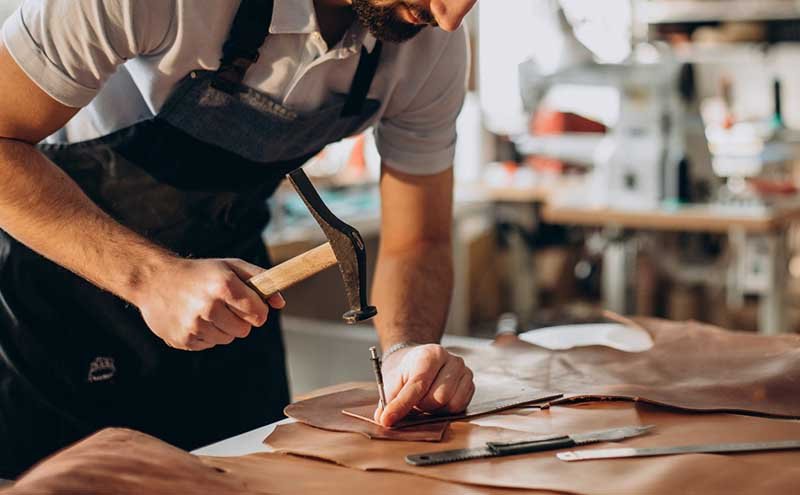
Leather accessories have become more than functional items—they represent personal style, craftsmanship, and durability. Whether it’s a wallet that lasts a decade, a belt that never loses shape, or a bag that develops a beautiful patina over time, leather pieces have a timeless appeal that few other materials can match. Yet with hundreds of styles, grades of leather, and brands on the market, most people struggle to understand what truly counts as a “best” leather accessory. What makes one wallet feel luxurious while another cracks within months? Which items are worth investing in? And how do you choose leather goods that suit both your lifestyle and budget?
The best leather accessories include wallets, belts, bags, card holders, watch straps, phone cases, tech organizers, and travel essentials made from full-grain or top-grain leather. These accessories are valued for durability, elegant appearance, and long-term performance. Choosing the right leather item depends on its material quality, craftsmanship, and intended use.
As someone who has spent years advising brands and manufacturers, I often see people hesitate when choosing leather goods—not because they don’t love leather, but because they’re unsure what makes a piece truly worth owning. In this guide, we break down 26 best leather accessories, explain what they are, why they matter, and how to choose the right ones for your lifestyle, wardrobe, and long-term use. Let’s begin with the basics.
What Are Leather Accessories
Leather accessories are everyday functional items—such as wallets, belts, bags, watch straps, key holders, and organizers—crafted from genuine or high-quality leather. They matter because leather offers superior durability, long-term value, tactile comfort, and timeless style. Compared with synthetic materials, leather ages gracefully, stays structurally strong, and enhances both daily use and personal expression.
Leather accessories refer to a broad category of small and medium-sized everyday items made from leather, designed to improve organization, protection, and style in daily life. These items include wallets, belts, watch straps, card holders, phone cases, handbags, tech organizers, document sleeves, key holders, travel accessories, and desk goods. Because leather is durable, comfortable, and naturally elegant, it remains one of the most preferred materials for functional lifestyle items.
At their core, leather accessories serve three essential purposes:
- Functionality – They help people keep their belongings organized, protected, and easy to access.
- Durability – High-quality leather withstands friction, bending, moisture exposure, and years of handling.
- Personal expression – Leather naturally carries texture and warmth that communicate sophistication and individuality.
In a world where fast fashion produces disposable synthetic items, leather accessories stand out for their ability to last 5–20 years depending on material grade and care. Full-grain and top-grain leather develop a patina—a natural sheen and darkening that reflects the user’s habits, making every piece uniquely personal. No synthetic material can recreate this effect with the same richness.
Leather also matters because of its structural integrity. Wallets, belts, and organizers must endure constant bending, pulling, and weight. While synthetics often crack or peel, high-quality leather fibers maintain flexibility without losing strength. This is why vintage leather goods often outlive newer synthetic products.
Beyond durability, leather accessories play a significant role in professional presence. A leather briefcase, notebook cover, or tech organizer communicates reliability and good taste. In corporate environments, leather is associated with craftsmanship, maturity, and authority. Even small accessories like watch straps, card holders, or key holders can noticeably elevate a person’s appearance.
Another reason leather is valued is its sustainability in long-term use. High-quality leather, especially vegetable-tanned varieties, can last decades and be repaired easily. Instead of replacing a wallet every year, people can keep a leather one for years—reducing waste and long-term consumption. In many countries, leather accessories are considered premium gifts, symbols of good luck, commitment, or personal milestones.
The importance of leather accessories extends into travel, technology, work, and fashion. Leather provides natural shock absorption for devices, makes travel gear more secure, and improves comfort for wearable items like straps and belts. As lifestyles become more digital, leather organizers, desk mats, laptop sleeves, and cable rolls have become modern essentials.
In short, leather accessories matter because they combine utility, durability, and aesthetics in a way that few materials can replicate. They carry emotional value, elevate daily routines, and become long-lasting personal companions.
What Are Leather Accessories in Everyday Use?
Everyday leather accessories are items people rely on repeatedly throughout the day—wallets, belts, key holders, phone cases, card sleeves, watch straps, sunglasses cases, and notebook covers. These items must endure constant handling, friction, humidity changes, and pocket storage. Leather excels here because it becomes softer without weakening, making frequently used items more comfortable over time. Many consumers intentionally choose leather for these essentials because it offers a balance of practicality and sophistication that fits both casual and professional lifestyles.
Why Do People Prefer Leather Over Other Materials?
People prefer leather for its durability, tactile comfort, and emotional value. Unlike synthetics that peel or crack, leather ages gracefully—developing a patina that marks individual use. Its natural grain provides strength while remaining breathable, flexible, and comfortable in hand. Leather also offers a premium feel and subtle scent that many associate with quality craftsmanship. For gifts or personal investments, leather holds symbolic value: longevity, reliability, and timeless elegance.
How Do Leather Accessories Balance Function and Style?
Leather accessories offer a rare blend of practicality and visual appeal. A leather wallet or card holder is compact and durable, yet instantly signals refinement. Leather watch straps allow smartwatches to transition from sporty to executive style. Handbags and belts tie outfits together while providing real functional support. Even items like desk mats or AirPods cases add organization and polish to modern lifestyles. The balance of form and function makes leather accessories suitable across fashion, work, travel, and everyday carry.
Which Leather Accessories Are Must-Haves Daily?
The must-have daily leather accessories include wallets, card holders, belts, keychains, phone cases, watch straps, eyewear cases, AirPods cases, coin purses, and notebook covers. These essentials support everyday organization, protect valuable items, and add timeless style. High-quality leather makes these items durable, comfortable to carry, and suitable for both casual and professional environments.
The 10 Most Essential Leather Accessories for Everyday Use
Daily leather accessories are the items you reach for the most—whether you’re heading to work, running errands, commuting, or traveling. They form the core of your EDC (Everyday Carry) setup and influence comfort, organization, professionalism, and personal style. Unlike seasonal items or occasional-use accessories, daily essentials must be durable, easy to carry, and consistently useful. Leather excels in these categories because it is both strong and visually appealing, and it ages into a richer, more personalized surface over time.
The accessories listed below are widely recognized as the top 10 everyday must-haves, trusted by professionals, travelers, minimalists, and anyone searching for functional style. Each item has a clear purpose, fills a lifestyle need, and benefits greatly from being made in full-grain or top-grain leather rather than synthetic materials. By choosing high-quality leather, these accessories last longer, keep their structure, and complement both casual wear and business attire.
Daily essentials also matter because they are handled constantly—wallets, keychains, phone cases, and watch straps experience friction, bending, surface wear, and exposure to humidity or body oils. Leather withstands such conditions far better than PU or fabric. Furthermore, leather accessories hold emotional value: they often become signature personal items that reflect your lifestyle and personality.
Below are the 10 everyday leather essentials everyone should consider.
1. Leather Wallet
A leather wallet is the most fundamental daily accessory. It organizes your cash, cards, ID, licenses, and receipts in a compact, structured way. Full-grain leather wallets typically last 5–10 years and develop a patina that makes them look richer over time. There are many styles—bifold, trifold, slim front-pocket, zip-around, and RFID-blocking models. People choose leather because it feels natural in the hand and maintains its shape even after years of use.
2. Leather Card Holder
A leather card holder is ideal for people who carry only the essentials: 2–6 cards and occasional folded bills. It eliminates bulk and fits perfectly in front pockets, reducing weight and friction. Minimalists, city commuters, and business professionals often prefer card holders to wallets. High-quality leather prevents stretching, preserves slot shape, and ensures a refined profile.
3. Leather Belt
A belt is one of the few leather items worn daily. It must hold pants securely while complementing outfits. Most professionals benefit from owning two belts: one black, one brown. Full-grain belts resist cracking and stretching far better than PU belts, often lasting a decade. Because belts are visible, they significantly influence overall appearance and style.
4. Leather Keychain or Key Holder
Keys can scratch phones, damage pockets, and make noise when carried loosely. A leather key holder encloses keys inside a folded case, while a leather keychain keeps them gathered neatly. Leather adds comfort when gripping keys and improves the aesthetic of an otherwise plain object. Some designs include metal clips, loops, or additional pockets for smart keys or fobs.
5. Leather Phone Case
A leather phone case protects your smartphone from scratches and minor drops while improving grip. Unlike plastic, leather does not feel slippery or cold. Over time, it conforms to your hand, becoming more comfortable. High-quality leather cases are favored for their professional appearance, making them popular among executives, creatives, and people who value durable design.
6. Leather Watch Strap
A leather watch strap dramatically changes a watch’s look and feel. It makes smartwatches appear more formal and classic watches look even more elegant. Full-grain and top-grain straps are breathable, comfortable, and long-lasting. Options include padded straps, vintage distressed finishes, Italian vegetable-tanned leather, and modern minimal straps.
7. Leather Eyewear Case
Sunglasses and prescription glasses are fragile and expensive, making protection essential. Leather eyewear cases come in two styles: structured hard cases and soft pouches. Hard cases offer maximum protection for delicate lenses, while soft leather sleeves are lightweight and easy to carry. Both elevate the look of your eyewear and add long-term durability.
8. Leather AirPods or Earbud Case
AirPods and earbuds are used multiple times daily, making them prone to scratches. A leather case adds shock protection, improves grip, and makes charging cases feel more premium. Leather also helps users differentiate their earbuds in shared environments like offices or gyms.
9. Leather Coin Purse
Coins, folded cash, SIM cards, small keys, and medication fit perfectly inside a leather coin purse. Travelers and people who use cash frequently prefer coin pouches because they prevent clutter inside wallets and pockets. The compact size makes them easy to carry, while leather ensures long-term durability.
10. Leather Notebook or Journal Cover
A leather notebook cover transforms an ordinary journal into a long-lasting personal tool. It protects pages from bending and moisture while giving a premium feel. Many covers include pen loops, card slots, or document pockets. Professionals use them in meetings; creatives use them for sketching or planning; students use them for organized study.
Which Leather Accessories Work Best for Work and Travel?
The best leather accessories for work and travel include laptop sleeves, tech organizers, messenger bags, briefcases, backpacks, duffel bags, passport holders, and luggage tags. These pieces protect devices, improve organization, and offer a polished, professional appearance while traveling or commuting. High-quality leather ensures comfort, durability, and long-term performance in both business and travel environments.
The 8 Best Leather Accessories for Work & Travel
Work and travel require accessories that are organized, durable, professional-looking, and comfortable to carry. Leather excels in these areas because it combines structural strength with timeless aesthetics. Whether you’re commuting daily or flying internationally, the right leather accessories ensure smoother workflows, better protection for your essentials, and a more elevated presence.
Professionals rely on leather bags and organizers to carry laptops, documents, chargers, notebooks, and stationery. Travelers need items that withstand long hours of movement, tight spaces, airport handling, and unpredictable environments. Leather provides both performance and aesthetic advantages—its surface resists scuffs, its structure protects tech devices, and its appearance signals sophistication in business settings.
Below are the eight most important leather accessories for work and travel, along with their functions, benefits, and reasons why consumers consistently prefer leather over synthetic alternatives.
1. Leather Laptop Sleeve
A leather laptop sleeve is one of the most important accessories for professionals, students, and frequent travelers. It provides a padded, structured layer around your laptop or tablet, protecting it from scratches, pressure, and accidental bumps. Full-grain leather sleeves are especially valued because they age beautifully and retain their shape.
Many sleeves include:
- soft microfiber or suede linings
- magnetic or zip closures
- document pockets
- reinforced edges
People who carry laptops inside backpacks or briefcases rely on sleeves to prevent damage and ensure quick access during airport security checks.
2. Leather Tech Organizer or Cable Roll
With modern work relying heavily on tech devices, a leather tech organizer has become essential. It stores:
- charging cables
- power banks
- hard drives
- memory cards
- earbuds
- adapters
Instead of tangled cables, everything sits neatly inside elastic loops and zip pockets. Leather protects small electronics from friction and impact and gives the organizer a professional look.
Remote workers, digital nomads, photographers, and frequent travelers especially value tech organizers because they eliminate the daily annoyance of searching for cables.
3. Leather Messenger Bag
A leather messenger bag is perfect for professionals who prefer a lightweight, crossbody-style work bag. It typically includes compartments for:
- laptop (13–16 inch)
- notebooks
- stationery
- small tech items
- personal essentials
The flap closure allows quick access when commuting by train, bus, or bicycle. Leather messenger bags blend casual and business style, making them suitable for creative industries, universities, and modern workplaces.
4. Leather Briefcase
A leather briefcase communicates professionalism. Executives, lawyers, consultants, and managers rely on briefcases to present a polished, organized image. Structured interiors protect documents from wrinkling, and multiple compartments keep tech devices separate from papers.
Key advantages:
- rigid frame offers excellent protection
- clean silhouette pairs with formal attire
- handles reduce shoulder strain
A briefcase is better than a backpack when appearance matters—such as meetings, interviews, or client presentations.
5. Leather Backpack
Leather backpacks combine comfort with refinement. They distribute weight evenly across both shoulders, making them ideal for commuting long distances or navigating airports. Modern leather backpacks feature:
- padded laptop compartments
- water bottle pockets
- hidden RFID pockets
- structured silhouettes
They work well for professionals in tech, design, education, or any field where mobility matters.
Unlike casual fabric backpacks, leather models retain structure and elevate overall presentation.
6. Leather Duffel or Weekender Bag
A leather duffel bag is the perfect choice for:
- 1–3 day business trips
- weekend travel
- gym sessions
- overnight stays
Full-grain leather duffels are durable yet soft, holding their shape while remaining flexible. Heavy-duty handles, detachable straps, and spacious interiors make them ideal for both travel and work-related carry.
For people who travel frequently, a leather weekender bag offers long-term durability and a luxurious appearance unmatched by synthetic options.
7. Leather Passport Holder
A leather passport holder keeps your passport safe from bending, moisture, and surface damage. Many designs include:
- card slots
- boarding pass pockets
- SIM card slots
- pen loops
- RFID protection
Frequent travelers, business travelers, and digital nomads use passport holders to stay organized and protect important documents during airport transit. Leather adds a premium feel and increases durability significantly.
8. Leather Luggage Tag
A leather luggage tag is small but incredibly useful. It makes your suitcase identifiable at busy airports and prevents loss. Leather tags withstand rough handling better than plastic or cardboard tags, and they stay securely attached even during long-distance flights.
Travelers who value aesthetics or own premium luggage sets often choose leather tags for their elegance and durability. They also pair well with leather duffels, weekender bags, and travel backpacks.
Which Leather Accessories Add Style and Personality?
Leather accessories that add style and personality include tote bags, crossbody bags, leather bracelets, gloves, hat bands, camera straps, dog collars, and leather desk mats. These items allow users to express individuality through texture, craftsmanship, and design. High-quality leather becomes more beautiful with age, making these style accessories both expressive and long-lasting.
8 Leather Accessories That Elevate Your Personal Style
Style-focused leather accessories go beyond function—they serve as subtle markers of identity, visual taste, lifestyle preferences, and even personal values. Unlike daily essentials (wallets, belts, keychains), style accessories speak a little louder. They add character, texture, and emotion to your outfits or environment.
Leather is one of the few materials that balances elegance, durability, and warmth, making it ideal for fashion and lifestyle expression. The natural grain, scent, and patina of leather communicate craftsmanship and authenticity. Many people consider leather style accessories their signature items—pieces they wear or use daily that quietly reflect who they are.
Below are 8 leather accessories that significantly enhance personal style, each with its own personality, audience, and design logic.
1. Leather Tote or Shoulder Bag
A leather tote is one of the most universally loved fashion accessories. It is large enough to carry daily essentials—laptop, water bottle, makeup bag—yet refined enough to complement business or casual outfits. Soft, unstructured leather totes have a relaxed drape, while structured totes offer a clean, elegant silhouette.
Why they add style:
- instantly elevates any outfit
- works across seasons and occasions
- expresses taste through leather type, color, and stitching
- ages beautifully and becomes a personal signature
Leather totes are popular among professionals, creatives, students, and minimalists who value both aesthetics and practicality.
2. Leather Crossbody or Sling Bag
A leather crossbody bag adds effortless style. Its compact design and hands-free convenience suit modern lifestyles—commuting, city trips, casual weekends, and travel. Crossbody bags come in minimal, vintage, boho, or structured styles, allowing users to match their personality.
Style advantages:
- looks polished without trying
- complements streetwear, casual, and chic outfits
- balances function and fashion
- leather structure keeps the bag looking sharp
This accessory is extremely popular among travelers, photographers, younger professionals, and anyone who prefers comfort with elegance.
3. Leather Bracelet
Leather bracelets are one of the most expressive accessories you can wear, regardless of style. Men prefer braided, rugged, or cuff-style bracelets, while women often choose slim, minimalist, or wrap-around designs.
What makes them special:
- subtle but visually impactful
- develops patina and softness
- pairs well with watches
- works with casual, vintage, and modern fashion
A single leather bracelet can make an outfit feel more intentional and stylish without being loud.
4. Leather Gloves
Leather gloves add sophistication to winter outfits while offering warmth and protection. They are essential for colder climates, driving commutes, and outdoor activities.
Why they enhance style:
- sleek silhouettes complement coats and jackets
- leather gloves signal refined taste
- driving gloves add sporty character
- lined gloves provide luxury-level comfort
Well-crafted gloves elevate winter fashion instantly and feel significantly more premium than fabric alternatives.
5. Leather Hat Band or Cap Accent
Leather hat bands give fedoras, cowboy hats, and wide-brim hats a unique edge. They add personality through texture, stitching, braiding, or metal hardware.
Why people love them:
- add character to neutral outfits
- perfect for vintage, boho, Western, or artistic styles
- showcase craftsmanship in a subtle way
- easy to swap for different looks
Leather hat accents transform an ordinary hat into a personal fashion statement.
6. Leather Camera Strap
Creators, photographers, and filmmakers often choose leather camera straps because they combine comfort with visual appeal. Leather distributes weight comfortably and softens with use, making long shooting sessions easier.
Style benefits:
- visually complements vintage film cameras and modern digital cameras
- turns the camera into a wearable accessory
- helps identify the photographer’s style aesthetic
- durable enough for professional use
Leather straps signal creativity, craftsmanship, and attention to detail—qualities associated with professional visual creators.
7. Leather Dog Leash & Collar
A leather leash and collar set is both durable and fashionable. Pet owners who value style often choose leather because it resists fraying, feels soft to the touch, and ages beautifully.
Why it adds personality:
- expresses pet owners’ taste
- elevates daily walks
- pairs well with neutral or earthy outfits
- long-lasting and safe for pets
This category is popular among lifestyle-focused pet owners, dog trainers, and premium pet brands.
8. Leather Desk Mat or Mouse Pad
A leather desk mat instantly upgrades any workspace. It creates a clean, warm, visually cohesive environment for writing, typing, or using a laptop.
Style & functional benefits:
- protects desk surfaces
- anchors the workspace with a premium feel
- adds warmth to modern or minimalist setups
- improves mouse tracking and handwriting comfort
Professionals, remote workers, and content creators love leather desk mats because they blend productivity with style.
How Do You Choose Quality Leather Accessories?
To choose quality leather accessories, check the leather grade (full-grain or top-grain), examine stitching and edges, evaluate hardware durability, confirm the construction method, and ensure the accessory fits your lifestyle needs. High-quality leather should feel natural, have tight and even stitches, clean edge finishing, and sturdy metal hardware. The piece should maintain structure, age well, and remain comfortable during daily use.
How to Identify High-Quality Leather Accessories
Choosing quality leather accessories is not only about selecting a nice-looking item—it’s about identifying genuine craftsmanship, durable materials, and structural integrity that will last for years. Many buyers struggle to differentiate between full-grain, top-grain, genuine leather, and PU because products often look similar at first glance.
A high-quality leather accessory should feel natural, age beautifully, and maintain shape over time. It should withstand daily handling, friction, moisture, and environmental changes without cracking or peeling. Beyond the leather itself, craftsmanship plays a critical role: stitching, edge finishing, lining quality, and hardware durability determine how well the accessory performs under real use.
Below is a complete buyer’s guide containing the six essential criteria for evaluating quality leather accessories.
1. Check the Leather Type
The leather grade directly influences durability, patina, flexibility, and long-term performance.
Best choices:
- Full-grain leather — highest quality, strongest fibers, natural texture, ages beautifully
- Top-grain leather — slightly corrected surface, smooth, durable, more uniform
Avoid when seeking high-end quality:
- Genuine leather — lower grade, mixed layers, less durable
- Bonded leather — made from leather scraps, tends to peel
- PU or “synthetic leather” — not real leather, lower lifespan
To spot real full-grain or top-grain leather:
- texture appears natural and uneven
- grains are varied, not perfectly uniform
- surface warms quickly when rubbed
- the scent is natural, not chemical
Understanding leather types is the foundation of choosing well-made accessories.
2. Examine Stitching Quality
Even the best leather fails quickly if the stitching is poor. Stitching determines how securely panels hold together under tension.
Look for: ✔ Tight, even stitches ✔ No loose threads ✔ Strong reinforcement at stress points (corners, straps, edges) ✔ Backstitching for extra strength ✔ Consistent thread thickness
Avoid: crooked seams skipped stitches weak thread that looks thin or loose
Hand-stitched leather accessories (saddle stitching) are more durable than machine-stitched items, though machine stitching can be excellent when done properly. High-quality stitching ensures the accessory remains intact even with daily use.
3. Evaluate Edge Finishing
Edge finishing prevents fraying, cracking, and moisture penetration. Premium leather accessories typically use:
- Edges painted with multiple coatings
- Polished burnished edges
- Beeswax-finished edges
These methods seal the leather, making it more durable and visually refined.
Signs of high-quality edge finishing: ✔ smooth, glossy, or neatly matte ✔ no rough fibers ✔ uniform color ✔ slight roundness rather than sharp corners
Poorly finished edges quickly become fuzzy, crack, or separate, shortening the accessory’s lifespan.
4. Inspect Hardware Quality
Hardware includes:
- zippers
- buckles
- clasps
- rivets
- D-rings
- snap buttons
Quality hardware should feel substantial and solid—not flimsy. Look for:
✔ YKK, SBS, or Riri zippers ✔ Stainless steel, brass, zinc alloy hardware ✔ Smooth zipper movement ✔ Secure rivets and reinforced stress points
Poor-quality hardware is often the first component to fail, even if the leather itself is premium. Good leather needs equally durable hardware to achieve long-term performance.
5. Assess Structure & Construction Method
The construction method determines how the accessory maintains shape, protects internal components, and handles weight or friction.
Important factors:
- Panel design — fewer, larger panels = stronger structure
- Internal reinforcements — leather fillers, stiffeners, or foam padding
- Seams placement — away from high-wear zones
- Lining quality — microfiber, cotton, suede, or durable nylon
A well-constructed accessory should feel balanced—not overly stiff, not floppy—and should hold its form even when empty. The vibration, friction, and load of daily use should not deform the item after months of handling.
6. Consider Fit, Comfort & Practicality
Quality leather accessories must be comfortable and functional in real-world use. Perfect construction doesn’t matter if the item doesn’t fit your lifestyle.
Consider:
- Does the item feel comfortable to hold or wear?
- Are straps adjustable and ergonomic?
- Is the size appropriate for daily items (cards, laptop, passport)?
- Are pockets accessible and intuitive?
- Does it match your personal style?
The best leather accessory integrates effortlessly into your daily routine—whether you commute, travel, work remotely, or live a minimalist lifestyle.
7. Evaluate Durability & Aging Behavior
One of leather’s greatest advantages is its ability to age beautifully. Full-grain and top-grain leather develop a patina, showing natural darkening and shine as they absorb oils over time.
Check for: ✔ natural surface that will patina (not coated plastic-like finishes) ✔ thickness appropriate for use (wallets 1.0–1.4 mm, bags 1.5–2.5 mm) ✔ structural fibers that resist stretching
Durability tests:
- bend test (bends without cracking)
- scratch test (light scratch blends back into the grain)
- smell test (natural and earthy, not chemical)
Quality leather should feel alive, flexible, and strong—not overly stiff or glossy.
8. Verify Brand or Manufacturer Expertise
High-quality leather accessories often come from manufacturers with long-term expertise, ethical sourcing practices, and skilled craftsmanship. Experienced makers:
- source stable leather from reputable tanneries
- understand edge finishing, saddle stitching, and reinforcement
- offer consistent quality control
- design accessories with usability in mind
Conclusion — Work With Szoneier Leather for Your Custom Leather Accessories Project
Choosing the right leather accessories—whether for personal use or retail development—requires a deep understanding of leather quality, craftsmanship, design structure, and long-term performance. With so many styles and options on the market, working with a reliable manufacturer becomes the key to creating leather goods that truly stand out.
Szoneier Leather brings over 18 years of expertise in crafting premium leather bags, wallets, belts, straps, accessories, and luxury packaging items. From raw material sourcing to product engineering, sampling, mold development, and full-scale production, our team delivers consistency, precision, and craftsmanship at every step.
Whether you want to launch a leather accessory line, upgrade your current products, or create custom pieces for your brand, Szoneier Leather is your trusted manufacturing partner.
Ready to develop custom leather accessories? Contact Szoneier Leather today and start your project with a professional team dedicated to quality and detail.
What Can I Do For You?
Here, developing your OEM/ODM private label leather goods collection is no longer a challenge,it’s an excellent opportunity to bring your creative vision to life.
Make A Sample First?
If you have your own tech packs, logo design artwork, or just an idea,please provide details about your project requirements, including preferred fabric, color, and customization options,we’re excited to assist you in bringing your leather goods designs to life through our sample production process.