
Custom Handbag Manufacturer for Brands, Retailers, and Emerging Designers
Premium leather handbags · Private label production · Low MOQ 20 pcs · Fast sampling
Developing a handbag collection requires more than a sewing workshop. It requires a manufacturer capable of controlling materials, pattern engineering, hardware sourcing, structure reinforcement, and quality stability across every production batch.
Szoneier Leather, one of the world’s largest leather goods manufacturing hubs. With more than 18 years of experience in leather goods manufacturing, our team helps fashion brands, retailers, and product developers create reliable handbag collections for both established and emerging markets.
Whether a project requires luxury full-grain leather handbags, vegan leather fashion bags, or durable canvas handbags for retail programs, our engineering team can develop the product from concept to shipment.
- MOQ starting from 20 pieces
- Sampling time: 5–7 days
- Production lead time: 25–30 days
- Support for OEM and ODM handbag development
- Genuine leather and vegan leather options
- 100% quality inspection before shipment
- Global logistics support (Express, Air, Sea)
Common Mistakes When Developing Handbags
Developing a handbag product may seem straightforward at first, but the process involves multiple technical factors including material selection, structural engineering, hardware compatibility, and manufacturing feasibility. Many brands — especially those launching their first handbag collection — underestimate how many details influence the final product.
Understanding these issues can help brands avoid unnecessary delays, sampling revisions, and production risks.
Designing a Bag Without Considering Structural Support
One of the most frequent problems occurs when handbag designs focus heavily on visual appearance but overlook internal structure.
For example, some designs include large tote bags with thin handles or minimal reinforcement. While the bag may look attractive in concept drawings, the handle connection points may not be strong enough to support the weight of daily use.
Without proper reinforcement, issues such as the following may appear:
- handle tearing after repeated use
- bottom panels collapsing
- overall shape distortion
At Szoneier Leather, our product development team evaluates these structural factors during the sampling stage. Reinforcement layers, thicker leather panels, or internal support materials such as EVA sheets can be added to improve durability while maintaining the intended design.
Flat Patterns Used on a Curved Body Product → Discomfort & Distortion
Another common mistake is selecting handbag materials solely based on visual appearance without considering durability or functionality.
For instance, some soft leather materials may look elegant but lack sufficient thickness for large handbags. Similarly, thin PU leather may not provide enough structural stability for bags designed to carry heavier items.
When selecting materials, several factors should be evaluated together:
- leather thickness
- tear resistance
- weight
- flexibility
- surface durability
During product development, the team at Szoneier Leather helps clients evaluate material options to ensure the chosen material supports both the design and the intended use of the handbag.
Ignoring Hardware Quality
Hardware components such as zippers, buckles, rings, and magnetic snaps play an important role in the overall functionality of a handbag. However, many brands initially focus only on the bag material and overlook hardware quality.
Low-quality hardware can lead to problems such as:
- zipper malfunction
- plating color fading
- broken buckles or rings
These issues can negatively affect the brand’s reputation even if the bag itself is well constructed.
To reduce these risks, Szoneier Leather works with established accessory suppliers and tests hardware components during the sampling stage to ensure reliable performance.
Overlooking Weight and Comfort
A handbag must not only look attractive but also feel comfortable when carried. Some designs unintentionally create products that are too heavy because of thick materials or excessive hardware.
This problem is especially noticeable in large leather handbags. If the bag already weighs several kilograms before items are added, users may find it uncomfortable for daily use.
During the development process, Szoneier Leather evaluates the overall product weight and suggests adjustments when necessary. For example, internal reinforcement structures can sometimes be optimized to maintain strength while reducing weight.
Underestimating Sampling Revisions
Many first-time brands assume that the first handbag sample will be perfect and ready for production. In reality, most handbag projects require one or two sample revisions to refine details such as strap length, pocket placement, or stitching alignment.
Sampling revisions are a normal part of the development process because they allow both the client and the manufacturer to fine-tune the design.
At Szoneier Leather, our team communicates closely with clients during the sampling stage to identify improvements early. This approach helps minimize delays and ensures the final production sample accurately reflects the intended design.
Not Planning the Target Price Range Early
Another issue that sometimes arises is when brands finalize handbag designs before establishing a realistic target price range.
Material choices, hardware finishes, and structural complexity all influence the final production cost. If these factors are not considered early, the final quotation may exceed the expected price range.
When clients begin a project with Szoneier Leather, we usually discuss the target market and desired price level during the initial consultation. This helps guide material selection and design decisions so the product can be manufactured within the intended budget.
Choosing a Manufacturer Without Development Support
Some companies select manufacturers solely based on price without considering the factory’s development capabilities. However, handbag production often requires technical guidance during pattern development, structural reinforcement, and sampling.
Manufacturers that lack experienced product development teams may struggle to solve design challenges during sampling.
At Szoneier Leather, our development team includes designers, pattern makers, and sample technicians who collaborate to refine product details before production begins. This structured approach helps reduce development risks and ensures the final product is suitable for manufacturing.

About Szoneier Leather
A Professional Custom Handbag Manufacturer With Integrated Development and Production
Szoneier Leather is a professional handbag manufacturer based in Shenzhen, Guangdong, China, founded **in 2007,**For more than 18 years, the company has focused on developing and producing leather goods for international brands, retailers, and e-commerce businesses.
Shenzhen is one of the most important manufacturing hubs for leather goods and fashion accessories in China. This location provides strong access to material suppliers, skilled technicians, and global logistics infrastructure. By operating within this ecosystem, Szoneier Leather is able to support clients with efficient product development and stable manufacturing capacity.
Our company was established with a simple objective: to help brands transform handbag ideas into reliable finished products through structured development and responsible manufacturing.
Today, Szoneier Leather works with companies from North America, Europe, Australia, and emerging fashion markets, supporting both new brands and established retailers.
Integrated Manufacturing Resources
Unlike many trading companies that rely entirely on outsourced production, Szoneier Leather works within a coordinated manufacturing network that includes product development teams, sampling workshops, and partner factories specializing in leather processing and handbag production.
This structure allows the company to control product development more effectively and maintain consistent quality across different production batches.
Our manufacturing ecosystem includes:
- handbag pattern development team
- in-house sample workshop
- dedicated handbag production workshops
- partner leather processing factories
- hardware and accessory suppliers
Because these resources are closely connected, the development process can move quickly from design concept to prototype to production.
Material Supply Capabilities
Handbags can be produced using a wide range of materials depending on the product positioning. Szoneier Leather maintains stable supply relationships with several material factories that provide consistent quality.
Common materials used in our projects include:
Genuine Leather
full-grain leather
top-grain leather
split leather
vegetable-tanned leather
These materials are commonly used in premium handbags and luxury fashion collections.
Vegan Leather
PU leather
microfiber leather
These materials are widely used in contemporary fashion products and cruelty-free collections.
Fabric Materials
In addition to leather, we also produce handbags using various technical fabrics such as:
canvas
nylon
polyester
neoprene
TPU / PVC coated fabrics
This wide material selection allows brands to develop products across multiple price segments and design styles.
Product Development Team
A handbag is not simply sewn together. It requires precise pattern design, structural reinforcement, and accurate assembly techniques.
At Szoneier Leather, product development is handled by a team that includes:
- handbag designers
- pattern makers
- sample technicians
- production supervisors
This team works together to transform client ideas into manufacturable products.
Many clients begin with only reference photos or rough sketches, and our development team assists in refining the design before the sampling stage.
Sampling & Prototyping Capabilities
Szoneier Leather operates its own sample development workshop where prototypes are created before production.
Typical sampling timelines:
| Sample Type | Development Time |
|---|---|
| Standard handbag | 5–7 days |
| Complex design or custom hardware | 7–15 days |
The sampling stage allows clients to evaluate:
- product dimensions
- structural stability
- material appearance
- hardware compatibility
Only after the sample is approved does production begin.
Production Capacity
Through our manufacturing partners, Szoneier Leather supports both small batch production and medium-scale orders.
Typical handbag production capacity:
8,000 – 15,000 pieces per month
This capacity allows brands to scale production gradually as their sales increase.
Quality Management Approach
Quality consistency is essential for long-term cooperation with brands. Szoneier Leather implements inspection checkpoints throughout the production process.
These include:
- material inspection
- cutting inspection
- stitching inspection
- hardware installation inspection
- final product inspection
Each finished handbag is inspected before shipment to ensure it matches the approved sample.
Communication With International Clients
Working with overseas brands requires clear communication and reliable coordination.
Szoneier Leather communicates with clients through several channels including:
- video meetings
Our sales team communicates fluently in English and has experience working with international clients on product development and production planning.
Factory visits are also welcomed for partners who wish to review manufacturing facilities and discuss projects in person.
Our Typical Clients
Over the years, Szoneier Leather has worked with many types of companies involved in fashion and retail.
These include:
- fashion brands developing seasonal handbag collections
- boutique retailers
- Amazon and Shopify brands
- product designers and development studios
- wholesale distributors
Many of these clients continue working with us across multiple product cycles as their product lines expand.
Types of Custom Handbags We Manufacture
Handbag Styles Developed for Global Fashion Markets
To help you understand the depth and diversity of what we manufacture, here are 3 representative OEM cases from the SzoneierLeather factory — each tailored for a distinct client segment.
Tote Handbags
Typical Tote Bag Dimensions
| Measurement | Common Range |
|---|---|
| Width | 35–45 cm |
| Height | 28–35 cm |
| Depth | 10–15 cm |
Structural Features
Well-engineered tote bags often include:
- reinforced shoulder handles
- internal laptop compartments
- interior zipper pockets
- reinforced bottom panels
To improve durability, Szoneier Leather typically applies double-layer leather reinforcement at handle connection points, which helps prevent tearing during long-term use.
Shoulder Handbags
Shoulder handbags are designed to be carried comfortably on one shoulder. This style has remained a staple in fashion collections because it balances elegant appearance with everyday practicality.
Compared with tote bags, shoulder bags usually have a more structured body and a slightly smaller capacity. They are commonly used for daily activities such as commuting, shopping, or casual outings.
Many fashion brands use shoulder bags as the core product category in seasonal handbag collections.
Typical Shoulder Bag Dimensions
| Measurement | Common Range |
|---|---|
| Width | 25–35 cm |
| Height | 20–28 cm |
| Depth | 8–12 cm |
Common Design Features
Shoulder handbags frequently include:
- adjustable shoulder straps
- zipper or magnetic closures
- interior organization pockets
- decorative metal hardware
Szoneier Leather typically manufactures shoulder bags using top-grain leather, microfiber leather, or high-quality PU leather, depending on the product positioning.
Crossbody Handbags
Crossbody handbags are designed to be worn across the body, allowing the user to keep both hands free. This feature makes them particularly popular for urban commuting, travel, and casual everyday use.
Crossbody bags are typically smaller than shoulder bags and are designed to hold essential items such as smartphones, wallets, and keys.
Because of their compact size, precision in pattern development is extremely important. Even small structural errors can affect the final shape of the bag.
Typical Crossbody Bag Dimensions
| Measurement | Common Range |
|---|---|
| Width | 18–28 cm |
| Height | 14–22 cm |
| Depth | 6–10 cm |
Typical Structural Elements
Crossbody handbags commonly include:
- long adjustable straps
- zipper closures
- interior card pockets
- reinforced strap connectors
At Szoneier Leather, strap connection areas are reinforced using multi-layer leather patches and reinforced stitching to improve long-term durability.
Satchel Handbags
Satchel handbags are structured bags that are often associated with professional or business environments. They usually feature a rigid body structure and a top handle, giving the bag a formal and elegant appearance.
Many satchel handbags also include a detachable shoulder strap, allowing the bag to be carried either by hand or on the shoulder.
Because satchels must maintain their shape over time, they often require strong internal reinforcement materials.
Typical Satchel Dimensions
| Measurement | Common Range |
|---|---|
| Width | 28–36 cm |
| Height | 20–26 cm |
| Depth | 10–14 cm |
Structural Characteristics
Satchel handbags often include:
- reinforced frame structure
- double-layer leather panels
- metal feet on the base
- interior compartments for organization
Szoneier Leather commonly uses 1.4–2.0 mm leather thickness in satchel bag production to maintain structural stability.
Bucket Handbags
Bucket handbags feature a distinctive cylindrical shape with a round base and a drawstring closure. This design offers a combination of simple aesthetics and practical interior space.
Bucket bags have become popular in contemporary fashion collections because of their clean silhouette and versatile styling.
Typical Bucket Bag Dimensions
| Measurement | Common Range |
|---|---|
| Width | 20–30 cm |
| Height | 25–30 cm |
| Depth | 12–18 cm |
Design Characteristics
Bucket handbags usually include:
- drawstring closures
- adjustable shoulder straps
- soft body construction
- minimal internal compartments
These bags are commonly produced using soft leather materials such as top-grain leather or PU leather.
Clutch Handbags
Clutch bags are compact handbags designed for formal occasions or evening events. Because of their small size, these bags focus heavily on design details, material quality, and finishing techniques.
Clutches usually do not include shoulder straps and are carried by hand.
Typical Clutch Dimensions
| Measurement | Common Range |
|---|---|
| Width | 18–25 cm |
| Height | 10–15 cm |
| Depth | 4–6 cm |
Materials Often Used
Clutch handbags frequently use premium materials such as:
- vegetable-tanned leather
- embossed leather
- metallic leather finishes
Because of their small size and visible surfaces, clutch handbags require very precise stitching and finishing, which is handled by experienced technicians at Szoneier Leather.
Hobo Handbags
Hobo handbags are known for their relaxed, slouchy structure and curved silhouette. Unlike rigid handbags, the body of a hobo bag is intentionally soft, allowing the material to drape naturally when carried on the shoulder.
This style is widely used in casual fashion collections because it combines comfort with a distinctive aesthetic.
Typical Design Characteristics
Hobo bags generally feature:
- a curved top line
- a single shoulder strap
- a flexible body structure
- minimal internal compartments
Typical Size Range
| Measurement | Range |
|---|---|
| Width | 30–40 cm |
| Height | 25–30 cm |
| Depth | 10–14 cm |
Materials Commonly Used
At Szoneier Leather, hobo bags are often produced using:
- top-grain leather
- suede leather
- soft PU leather
These materials allow the bag to maintain its natural slouchy shape while still providing durability.
Saddle Handbags
Saddle bags feature a distinctive curved shape inspired by traditional horse saddles. This style has become extremely popular in contemporary fashion collections due to its unique silhouette.
Saddle bags are typically worn as crossbody handbags, making them practical for everyday use.
Design Features
Typical saddle bag elements include:
- curved body shape
- front flap closure
- adjustable crossbody strap
- compact internal space
Typical Dimensions
| Measurement | Range |
|---|---|
| Width | 20–28 cm |
| Height | 18–22 cm |
| Depth | 6–10 cm |
Materials
Common materials include:
- smooth leather
- pebble leather
- microfiber leather
Szoneier Leather frequently develops saddle bags for brands targeting mid-range fashion markets.
Baguette Handbags
Baguette handbags are small rectangular bags designed to be carried under the arm. The name comes from the French bread “baguette” due to the bag’s long narrow shape.
This style became widely popular in fashion markets and remains a staple product for many fashion brands.
Design Characteristics
Baguette bags usually include:
- compact rectangular shape
- short shoulder strap
- magnetic or zipper closure
- minimal internal compartments
Typical Dimensions
| Measurement | Range |
|---|---|
| Width | 22–30 cm |
| Height | 12–16 cm |
| Depth | 5–8 cm |
Materials
Common materials used include:
- smooth leather
- patent leather
- PU leather
Because the bag is small and highly visible, precise stitching and hardware placement are essential during production.
Messenger Handbags
Messenger bags were originally designed for postal workers and bicycle couriers. Over time, the style has been adapted into fashion handbags.
Messenger handbags usually feature a large flap closure and adjustable shoulder strap, making them comfortable for everyday use.
Design Features
Typical messenger bag elements include:
- front flap closure
- adjustable crossbody strap
- large storage compartment
- multiple interior pockets
Typical Dimensions
| Measurement | Range |
|---|---|
| Width | 28–36 cm |
| Height | 24–30 cm |
| Depth | 8–12 cm |
Materials
Messenger bags are commonly produced using:
- genuine leather
- canvas with leather trim
- nylon fabrics
Szoneier Leather often produces messenger bags for urban lifestyle brands and travel accessory collections.
Frame Handbags
Frame handbags feature a rigid metal frame at the opening, often combined with a clasp closure. This design creates a structured shape and vintage-inspired appearance.
Frame bags are commonly used in retro fashion collections and evening handbags.
Structural Characteristics
Frame bags typically include:
- metal frame opening
- clasp closure mechanism
- structured body shape
Typical Dimensions
| Measurement | Range |
|---|---|
| Width | 20–28 cm |
| Height | 16–22 cm |
| Depth | 8–12 cm |
Frame handbags require precise alignment between the metal frame and bag body, which is handled carefully during sampling and production.
Doctor Handbags
Doctor bags were originally designed for medical professionals who needed durable bags with wide openings.
Today, the design has been adapted into fashion handbags known for their structured shape and large opening frame.
Design Features
Doctor handbags usually include:
- wide opening frame
- top handle
- rigid body structure
Typical Dimensions
| Measurement | Range |
|---|---|
| Width | 30–38 cm |
| Height | 22–28 cm |
| Depth | 12–16 cm |
Because of their rigid structure, doctor bags often require internal reinforcement panels.
Envelope Handbags
Envelope handbags feature a triangular flap that resembles a traditional envelope.
This minimalist design is commonly used for evening bags or slim clutch handbags.
Design Characteristics
Typical envelope bags include:
- triangular flap closure
- slim profile
- compact structure
Typical Dimensions
| Measurement | Range |
|---|---|
| Width | 22–30 cm |
| Height | 14–18 cm |
| Depth | 3–6 cm |
These bags often use premium leather finishes for visual impact.
Wristlet Handbags
Wristlet bags are small handbags designed to be carried using a short wrist strap.
They are commonly used for carrying essentials such as phones, cards, and keys.
Design Features
Typical wristlet bags include:
- compact pouch structure
- zipper closure
- detachable wrist strap
Typical Dimensions
| Measurement | Range |
|---|---|
| Width | 16–22 cm |
| Height | 10–14 cm |
| Depth | 3–5 cm |
Wristlets are often used as accessories within larger handbag collections.
Laptop Handbags
Laptop handbags are designed to carry laptops while maintaining a fashionable appearance.
This style is widely used among professionals who want a bag that combines functionality with fashion design.
Design Features
Laptop handbags usually include:
- padded laptop compartment
- reinforced bottom panels
- interior organization pockets
Typical Dimensions
| Measurement | Range |
|---|---|
| Width | 36–42 cm |
| Height | 26–32 cm |
| Depth | 8–12 cm |
These bags require additional reinforcement to support the weight of electronic devices.
Cosmetic Handbags
Cosmetic handbags are compact bags used to store makeup and small accessories.
They are often sold as complementary products within larger handbag collections.
Design Features
Typical cosmetic handbags include:
- zipper closure
- waterproof lining
- compact rectangular shape
Typical Dimensions
| Measurement | Range |
|---|---|
| Width | 18–26 cm |
| Height | 10–16 cm |
| Depth | 6–10 cm |
These bags are commonly made with PU leather or microfiber leather for easy cleaning.
Handbag Style Comparison
| Handbag Type | Capacity | Typical Use |
|---|---|---|
| Tote Bag | Large | Work, travel |
| Shoulder Bag | Medium | Daily fashion |
| Crossbody Bag | Small–Medium | Casual, commuting |
| Satchel Bag | Medium | Business |
| Bucket Bag | Medium | Fashion |
| Clutch Bag | Small | Evening events |
Custom Handbag Development With Szoneier Leather
Brands working with Szoneier Leather can develop handbags using a variety of design inputs. Many clients provide reference photos or concept sketches, and our product development team converts these ideas into technical patterns and prototypes.
Our development workflow supports:
- OEM handbag manufacturing
- ODM product development
- private label handbag production
With a minimum order quantity starting from 20 pieces, brands can test new handbag designs with relatively low inventory risk before scaling production.
Handbag Structural Engineering
How Szoneier Leather Engineers Durable Handbags
A handbag may look simple from the outside, but its durability depends on dozens of structural decisions made during development. Many handbags that appear attractive in photos fail quickly in real use because internal reinforcement, seam structure, or load-bearing components were not properly engineered.
At Szoneier Leather, every handbag design goes through a structured engineering review before sampling begins. Our pattern makers and product development team analyze how the bag will be used, what materials will be applied, and where reinforcement is required.
Structural Components Inside a Handbag
Most handbags contain multiple hidden layers that provide strength and shape retention.
Typical internal structure includes:
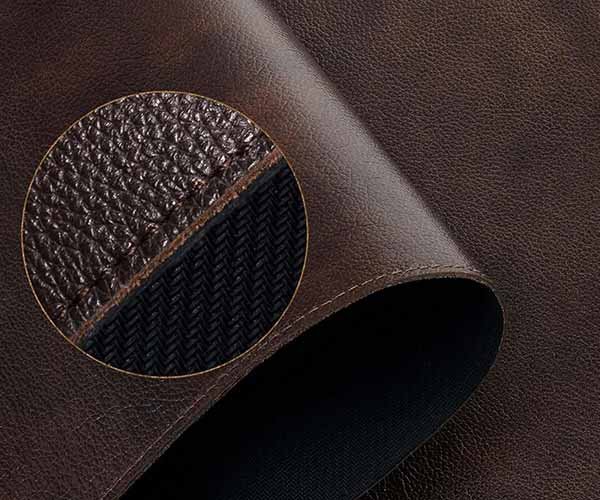
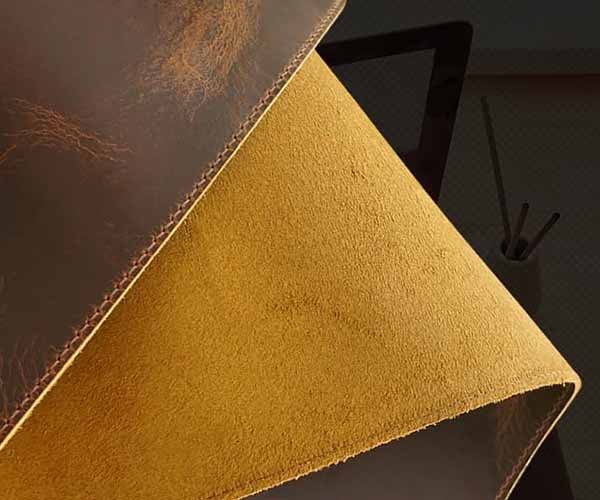
Outer Layer The visible material, usually leather or synthetic leather. This layer determines the appearance and surface durability.
Reinforcement Layer A structural support layer often made of:
- microfiber reinforcement fabric
- EVA sheet
- compressed fiberboard
This layer prevents deformation during use.
Lining Layer
Common lining materials include:
- polyester lining
- nylon lining
- cotton twill lining
The lining protects internal seams and improves product durability.
Load Bearing Areas
Certain areas of a handbag experience much higher stress than others.
Szoneier Leather reinforces these zones carefully.
Handle Connection Points
Handles often carry the full weight of the bag.
Our factory typically applies:
- multi-layer leather reinforcement
- hidden rivets
- double stitching
Typical reinforcement thickness:
1.6 mm – 2.4 mm leather structure
Bottom Panel Support
Without proper bottom reinforcement, handbags collapse or lose shape.
Common bottom structures include:
| Bottom Structure | Function |
|---|---|
| EVA reinforcement sheet | maintains structure |
| fiberboard plate | increases rigidity |
| double leather layer | improves durability |
Corner Reinforcement
Corners experience the highest wear from friction.
Solutions include:
- double-layer leather corners
- protective metal feet
- thicker stitching density
These techniques help handbags maintain their appearance even after long-term use.
Stitching Standards Used by Szoneier Leather
Stitching quality is one of the most visible indicators of manufacturing precision.
Our handbag stitching standards generally follow the ranges below.
| Parameter | Standard Range |
|---|---|
| Stitch density | 6–8 stitches per inch |
| Thread type | bonded nylon thread |
| Thread thickness | #20–#40 depending on leather thickness |
| Reinforcement stitching | double seam |
This stitching balance provides both strength and aesthetic consistency.
Shape Stability Testing
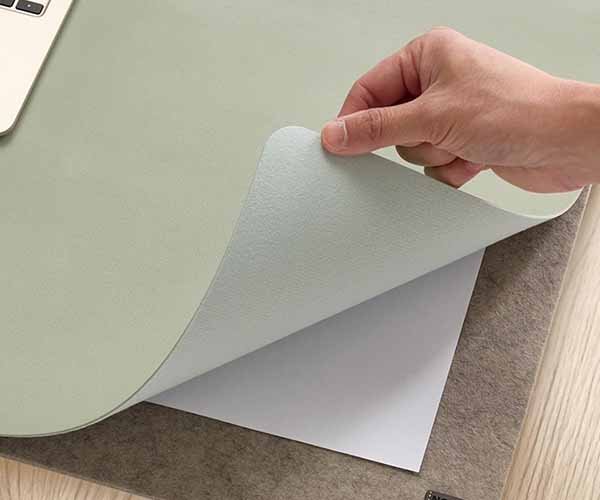
Before production begins, sample handbags undergo simple structural checks.
These include:
- load testing with 5–10 kg weight
- zipper opening and closing cycles
- strap tension testing
These tests ensure the bag maintains shape and usability under typical conditions.
Leather & Material Selection
Materials Used in Custom Handbag Manufacturing
Material selection plays a major role in determining the final quality, price level, and durability of a handbag. A well-designed bag made from poor materials will still fail quickly, while a carefully selected leather or synthetic material can significantly extend the product’s lifespan.
Because Szoneier Leather works with several leather and fabric supply partners, our team can offer multiple material options depending on the target price level and market positioning of the product.
Below are the most common material options used in handbag manufacturing.
Genuine Leather Materials
Genuine leather remains the preferred material for premium handbags due to its durability, natural texture, and aging characteristics.
Different types of leather are used depending on the desired appearance and product positioning.
Full Grain Leather
Full grain leather is the highest quality leather available. It retains the natural outer layer of the hide, including the original grain pattern.
Because the surface is not sanded or corrected, full grain leather maintains its natural strength and durability.
Characteristics
- strongest leather structure
- natural grain pattern
- develops patina over time
- highly durable
Typical Thickness Used for Handbags
| Leather Thickness | Typical Use |
|---|---|
| 1.4 – 1.6 mm | fashion handbags |
| 1.6 – 2.0 mm | structured handbags |
Applications
Full grain leather is commonly used in:
- luxury handbags
- premium tote bags
- satchel handbags
Szoneier Leather frequently develops full grain leather handbags for premium fashion brands and designer collections.
Top Grain Leather
Top grain leather is slightly sanded to remove natural imperfections. This results in a smoother and more uniform appearance compared to full grain leather.
Because of its balance between quality and price, top grain leather is one of the most widely used materials in handbag manufacturing.
Characteristics
- smooth and consistent surface
- strong durability
- easier to dye and finish
Typical Thickness
| Thickness | Application |
|---|---|
| 1.2 – 1.6 mm | shoulder bags |
| 1.4 – 1.8 mm | structured handbags |
Top grain leather is commonly used for:
- shoulder handbags
- crossbody bags
- satchel bags
Split Leather
Split leather is produced from the lower layers of the hide after the top grain layer has been separated.
Because the natural grain layer is removed, split leather is often coated with polyurethane to create a uniform appearance.
Characteristics
- lower material cost
- flexible structure
- uniform surface after coating
Typical Thickness
| Thickness | Application |
|---|---|
| 1.0 – 1.4 mm | fashion handbags |
Split leather is commonly used in mid-range handbag collections where cost efficiency is important.
Vegan Leather Materials
Many brands today develop vegan handbag collections that do not use animal leather.
Szoneier Leather supports several high-performance synthetic leather materials.
PU Leather
PU leather (polyurethane leather) is one of the most widely used synthetic materials in the fashion industry.
It can be produced in many textures and colors, allowing brands to create visually diverse handbag collections.
Characteristics
- wide range of textures
- consistent color
- cost-effective
- easy to clean
Typical Thickness
| Thickness | Application |
|---|---|
| 0.8 – 1.2 mm | lightweight handbags |
| 1.0 – 1.4 mm | structured handbags |
PU leather is widely used in fast fashion and mid-range retail handbag collections.
Microfiber Leather
Microfiber leather is considered one of the highest quality synthetic leather materials.
It is produced using extremely fine synthetic fibers that mimic the structure of natural leather.
Characteristics
- high tear resistance
- soft touch
- excellent durability
- environmentally friendly options available
Typical Thickness
| Thickness | Application |
|---|---|
| 1.2 – 1.6 mm | premium vegan handbags |
Microfiber leather is often used in premium vegan fashion handbags.
Fabric Materials for Handbags
Although leather is widely used, many handbag collections incorporate fabric materials to create lighter products or more casual designs.
Szoneier Leather also produces handbags using a variety of technical fabrics.
Canvas
Canvas is a durable woven fabric commonly used in casual handbags and tote bags.
Advantages include:
- strong structure
- natural texture
- easy printing
Canvas handbags are often combined with leather handles or trims.
Nylon
Nylon fabrics are commonly used for lightweight handbags.
Advantages include:
- lightweight structure
- water resistance
- high tear strength
Nylon handbags are frequently used in travel and urban lifestyle products.
Polyester
Polyester fabrics offer a balance between durability and cost efficiency.
Typical features:
- stable structure
- wide color availability
- good abrasion resistance
Polyester handbags are widely used in retail fashion products.
Handbag Material Comparison
| Material | Durability | Price Level | Typical Use |
|---|---|---|---|
| Full Grain Leather | Very High | Premium | luxury handbags |
| Top Grain Leather | High | Medium–High | fashion handbags |
| Split Leather | Medium | Medium | retail handbags |
| PU Leather | Medium | Medium–Low | fashion handbags |
| Microfiber Leather | High | Medium | vegan handbags |
| Canvas | Medium | Low | tote bags |
| Nylon | High | Medium | travel bags |
Hardware & Accessories Systems
Hardware Components Used in Custom Handbags
Hardware plays both functional and aesthetic roles in handbag design. Zippers, buckles, rings, and decorative elements influence the usability and appearance of the product.
Szoneier Leather works with multiple accessory suppliers to provide stable hardware quality and consistent color matching.
Zipper Systems
Zippers are one of the most frequently used components in handbags.
Poor zipper quality can cause early product failure.
Common zipper types used in handbags include:
- metal zippers
- nylon coil zippers
- waterproof zippers
Typical zipper sizes:
| Zipper Size | Application |
|---|---|
| #3 | small pockets |
| #5 | standard handbags |
| #8 | large bags |
Szoneier Leather works with well-known zipper suppliers to ensure smooth operation and durability.
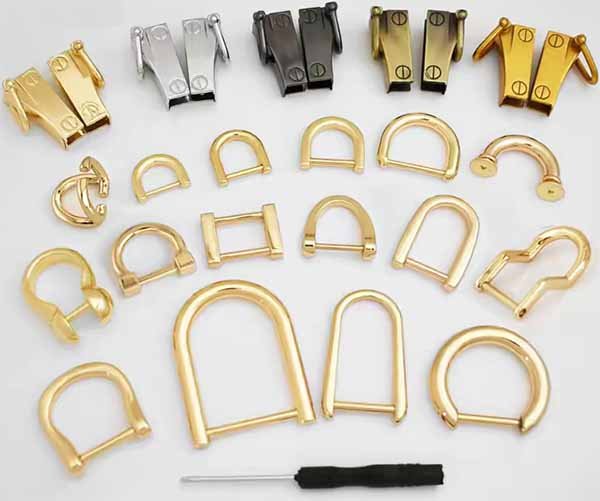
Metal Hardware
Handbag hardware components include:
- buckles
- rings
- hooks
- chains
- locks
- magnetic snaps
These parts must be corrosion-resistant and color-consistent.
Hardware Materials
| Material | Characteristics |
|---|---|
| Zinc alloy | widely used |
| Stainless steel | corrosion resistant |
| Brass | premium quality |
Hardware Finishes
To match different handbag designs, hardware can be finished in several colors.
Common finishes include:
- gold
- light gold
- nickel
- matte black
- gunmetal
Magnetic Closures
Magnetic snaps are frequently used for quick access bags.
Advantages:
- easy opening
- clean appearance
- hidden installation
Decorative Elements
Some handbags include decorative accessories such as:
- metal logos
- chains
- tassels
- charms
These elements help brands create unique visual identities.
Hardware Durability Testing
Before production begins, hardware components are checked for:
- plating consistency
- corrosion resistance
- color stability
These inspections reduce the risk of hardware failure after product release.
Custom Logo & Branding Methods
How Szoneier Leather Applies Brand Logos on Handbags
Brand identity is one of the most important elements in handbag development. A well-executed logo can elevate the perceived value of the product and create a strong visual identity for the brand.
Szoneier Leather supports multiple logo application techniques that allow brands to position their products across different market segments — from minimalist fashion collections to luxury leather handbags.
Our team helps clients choose the most appropriate branding method based on material type, handbag design, and production budget.
Debossed Leather Logo
Debossing is one of the most widely used logo techniques for leather handbags.
In this process, a custom metal mold is pressed into the leather surface using controlled heat and pressure, creating a recessed logo mark.
Characteristics:
- subtle and elegant appearance
- durable and long-lasting
- commonly used on genuine leather products
Typical mold depth:
0.3 mm – 0.6 mm
Debossed logos are especially common in minimalist leather handbags and premium fashion products.
Embossed Leather Logo
Embossing is the opposite process of debossing. The logo is raised above the leather surface rather than recessed.
Advantages include:
- stronger visual presence
- easier recognition of brand identity
- commonly used in luxury handbags
Embossed logos work particularly well on vegetable-tanned leather and thicker full-grain leather materials.
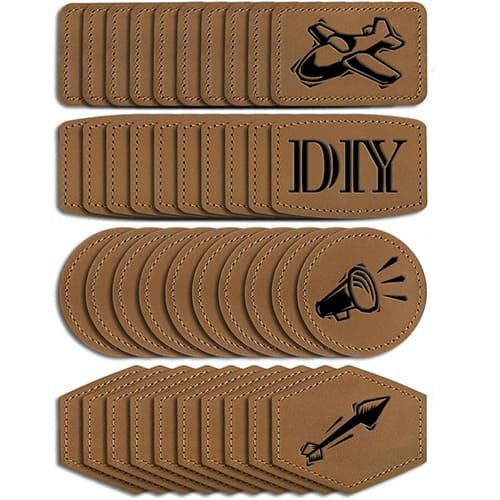
Embossed Leather Logo
Embossing is the opposite process of debossing. The logo is raised above the leather surface rather than recessed.
Advantages include:
- stronger visual presence
- easier recognition of brand identity
- commonly used in luxury handbags
Embossed logos work particularly well on vegetable-tanned leather and thicker full-grain leather materials.

Embossed Leather Logo
Embossing is the opposite process of debossing. The logo is raised above the leather surface rather than recessed.
Advantages include:
- stronger visual presence
- easier recognition of brand identity
- commonly used in luxury handbags
Embossed logos work particularly well on vegetable-tanned leather and thicker full-grain leather materials.
Embossed Leather Logo
Embossing is the opposite process of debossing. The logo is raised above the leather surface rather than recessed.
Advantages include:
- stronger visual presence
- easier recognition of brand identity
- commonly used in luxury handbags
Embossed logos work particularly well on vegetable-tanned leather and thicker full-grain leather materials.
Embossed Leather Logo
Embossing is the opposite process of debossing. The logo is raised above the leather surface rather than recessed.
Advantages include:
- stronger visual presence
- easier recognition of brand identity
- commonly used in luxury handbags
Embossed logos work particularly well on vegetable-tanned leather and thicker full-grain leather materials.
Embossed Leather Logo
Embossing is the opposite process of debossing. The logo is raised above the leather surface rather than recessed.
Advantages include:
- stronger visual presence
- easier recognition of brand identity
- commonly used in luxury handbags
Embossed logos work particularly well on vegetable-tanned leather and thicker full-grain leather materials.