 Skip to content
Different Wallet Styles: Types, Materials & Buying Guide
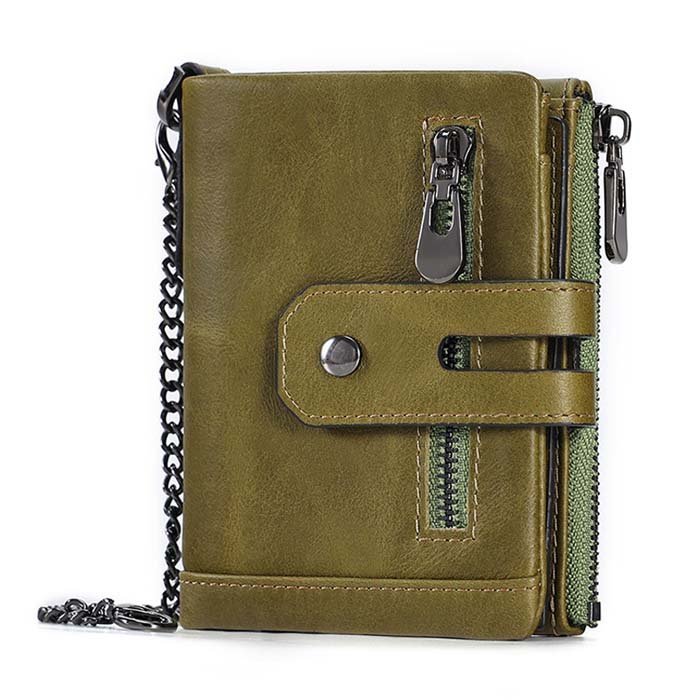
When you think about wallets, you probably imagine a simple pocket accessory—something to hold your cash, cards, and ID. But wallets today are far from “just practical.” They reflect identity, lifestyle, and even generational preferences. From minimalist designs favored by Gen Z to luxury wallets crafted from exotic leathers, the variety is wider than ever. Choosing the right one goes beyond style—it’s about durability, usability, and value for money.
Different wallet styles range from bifold, trifold, and minimalist designs to luxury and travel wallets. The best choice depends on personal lifestyle, storage needs, and material quality, with options tailored for men, women, and professionals.
To understand why wallets remain one of the most important accessories in fashion and functionality, imagine two scenarios: a young professional at a business lunch pulling out a sleek leather card holder versus a traveler organizing documents in a sturdy passport wallet. Both wallets serve the same purpose—carrying essentials—but the impression, utility, and durability differ dramatically. That’s why brands and buyers alike need to look beyond “just a wallet” and recognize it as a personal statement and an investment.
So, let’s explore wallet styles, materials, generational preferences, luxury appeal, and what makes a wallet high-quality—so you can confidently pick or customize one that works for your audience or business.
What Are the Most Popular Types of Wallets Today?
The most popular wallet types include bifold wallets, trifold wallets, minimalist wallets, and cardholders. Bifolds remain the classic standard, trifolds offer extra storage, while minimalist wallets and cardholders appeal to Gen Z and professionals who value slim, functional designs. Each type balances capacity, convenience, and style differently, making it important to match the wallet choice with lifestyle needs.
When evaluating wallet styles, bifold wallets continue to dominate as the “universal standard.” They typically feature two equal panels that fold in half, offering enough space for cards, cash, and IDs without excessive bulk. This design has been trusted for over a century and is still favored by many men as an everyday carry.
Trifold wallets, on the other hand, are the bulkier siblings of the bifold. They fold into three sections, often giving more card slots and compartments, making them attractive for individuals who carry multiple IDs, business cards, or receipts. However, the tradeoff is added thickness, which may not suit those who prefer a slim pocket feel.
Minimalist wallets are a fast-growing category, particularly among Gen Z and younger millennials. A recent 2024 consumer report showed that over 42% of Gen Z buyers prefer minimalist wallets or cardholders, citing reasons such as convenience, smaller clothing pocket sizes, and the increasing shift toward digital payments that reduce the need for bulky storage. Minimalist wallets typically carry fewer than six cards and rely on elastic bands, slim leather sleeves, or RFID-protected shells.
Cardholders deserve a mention as well, especially for professionals. They are essentially ultra-slim wallets designed primarily for business cards and a small number of credit or ID cards. In industries where first impressions matter—finance, real estate, or consulting—a refined leather cardholder can signal professionalism and attention to detail.
What do Gen Z use as wallets?
Gen Z often gravitates toward compact, minimalist wallets that emphasize tech integration (like RFID protection), sustainability (vegan or recycled materials), and aesthetics (sleek, Instagram-worthy designs). They rarely carry cash, instead using cards and mobile payments, so they prioritize portability and slim silhouettes.
The diversity of styles illustrates one important lesson: wallet preferences are not static. They evolve with age, occupation, and lifestyle. For manufacturers like Szoneier Leather, offering a mix of traditional and modern wallet designs ensures appeal across multiple demographics.
Which Wallet Styles Are Preferred by Men vs Women?
Men typically prefer bifold, trifold, and minimalist wallets that emphasize compactness and function, while women often favor larger, versatile wallets like clutch wallets or zip-around designs. These preferences are shaped by daily routines, fashion choices, and storage needs.
When analyzing wallet preferences between men and women, the differences are as much cultural as they are practical.
For men, bifold wallets dominate because of their portability and subtlety. Most men carry wallets in their pant or jacket pockets, making bulk a critical concern. That’s why 65% of men in Western markets still purchase bifolds as their primary wallet. Trifolds come next, chosen by men who need more space, but they are less popular in younger demographics because of their thicker profile. Minimalist wallets, however, are closing the gap—especially among younger men under 30 who embrace slim, tech-oriented accessories.
Women, conversely, often integrate wallets into handbags, allowing them to carry larger designs without discomfort. This explains why clutch wallets and continental zip-around wallets are so popular among female buyers. These styles not only hold cash and cards but also accommodate receipts, coins, keys, and even smartphones. They double as standalone accessories for occasions when carrying a full handbag isn’t necessary.
Interestingly, unisex designs are on the rise. Brands now produce slim zip wallets and all-in-one organizers that appeal across genders. Minimalist cardholders, once considered a male-oriented accessory, are increasingly adopted by women, particularly professionals who need quick access to business cards.
Luxury wallets also show gendered differences. Women lean toward fashion-driven luxury wallets with signature patterns and hardware (Louis Vuitton, Gucci, Prada), while men lean toward understated high-quality leathers with subtle branding (Montblanc, Bottega Veneta).
The lesson for manufacturers: offering both gender-specific and unisex wallet lines allows for a broader market capture. For wholesalers and private-label clients, balancing bifold/trifold options with fashionable continental wallets can address both markets effectively.
What Materials Define Wallet Quality and Longevity?
Wallet quality is primarily determined by material choice. Genuine leather and full-grain leather offer durability and patina over decades, while synthetic or fabric wallets provide affordability but often wear faster. Material directly influences both lifespan and consumer perception of quality.
Materials are where wallets truly diverge in quality, price, and longevity.
- Genuine Leather: Often misunderstood, this refers to real leather but of lower grade than full-grain or top-grain. It’s affordable but less durable.
- Full-Grain Leather: The highest-quality leather, it retains natural grain, ages beautifully, and can last decades if cared for properly. Luxury wallets often use full-grain or exotic leathers.
- Top-Grain Leather: Slightly corrected surface, smoother than full-grain, but still high-quality and long-lasting.
- Exotic Leathers: Crocodile, ostrich, or snakeskin leathers signal exclusivity and come with steep price tags.
- Synthetic Materials: PU or faux leather mimics real leather at a lower cost but usually lasts only 1–3 years.
- Fabric Wallets: Nylon, canvas, or polyester options appeal to younger audiences for casual, outdoor, or travel use.
Is 100% genuine leather good?
Not necessarily. The term “genuine leather” is often a marketing term for lower-grade hides. While better than synthetic, it’s not as durable as top-grain or full-grain. For long-term investment, full-grain leather is superior.
What are luxury wallets?
Luxury wallets use premium materials (often exotic or full-grain leather), fine stitching, and branded design elements. Beyond durability, they function as status symbols. Buyers pay for both craftsmanship and brand equity.
How can you tell if a wallet is high quality?
Indicators include uniform, tight stitching, solid hardware, smooth edges, and consistent leather texture. A high-quality wallet won’t peel or crack quickly, and reputable brands provide authenticity cards or certificates.
How Do Wallet Styles Differ in Functionality and Use?
Wallet styles differ by function: minimalist wallets maximize portability, travel wallets offer document organization, and luxury wallets combine aesthetics with brand prestige. Each style balances function, lifestyle, and budget differently.
Wallets are more than storage—they solve specific functional needs.
- Everyday Carry (EDC) Wallets: Bifolds and trifolds remain the go-to for daily life. They balance storage for IDs, cards, and cash.
- Minimalist/Tech Wallets: Designed for cashless lifestyles. They often feature RFID-blocking technology and slim designs that fit modern fashion.
- Travel Wallets: Larger, zip-around designs to carry passports, boarding passes, and multiple currencies. Indispensable for frequent travelers.
- Outdoor/Adventure Wallets: Often made of nylon or waterproof fabrics. These prioritize ruggedness and lightweight construction.
- Luxury Wallets: Emphasize branding and aesthetics. They’re less about storage and more about personal statement.
Do wallet types change both cost and performance?
Absolutely. A bifold in nylon may cost $10–20 and last 2–3 years, whereas a full-grain leather bifold may cost $120–200 but last 15+ years. Functionality also shifts: minimalist wallets fit tight jeans, while travel wallets meet security and storage needs.
Top 10 branded wallet names
- Louis Vuitton
- Gucci
- Prada
- Montblanc
- Bottega Veneta
- Coach
- Bellroy
- Fossil
- Tommy Hilfiger
- Herschel
Brands like Bellroy lead in minimalist and eco-friendly designs, while Louis Vuitton dominates luxury. Understanding these differences helps businesses target the right buyer persona.
How Long Should a Wallet Last?
A well-made leather wallet can last 5–15 years, depending on material and usage. Full-grain leather may last decades, while synthetic or fabric wallets typically wear out in 1–3 years. Lifespan depends on care and quality of craftsmanship.
How long will genuine leather last?
Typically 5–7 years for genuine leather wallets. Full-grain wallets, with proper care, may last a lifetime.
Durability depends on:
- Material Grade (full-grain vs. synthetic)
- Construction Quality (stitched vs. glued edges)
- Usage Habits (daily heavy use vs. occasional use)
- Care (conditioning, avoiding water damage, etc.)
A comparison table:
| Wallet Material | Avg. Lifespan | Cost Range | Common Buyers |
|---|---|---|---|
| Genuine Leather | 5–7 years | $40–80 | Mid-market |
| Full-Grain Leather | 15–30 years | $100–500+ | Luxury buyers |
| Top-Grain Leather | 10–15 years | $80–150 | Professionals |
| PU/Synthetic | 1–3 years | $10–40 | Budget-conscious |
| Fabric/Nylon | 2–4 years | $15–50 | Students/Travelers |
Are Customized Wallets Worth Considering for Your Market?
Customized wallets are absolutely worth considering because they help brands stand out, build customer loyalty, and justify higher price points. By tailoring materials, colors, logos, and packaging, companies can align wallets with their market identity—whether luxury, eco-friendly, or budget-focused.
In a competitive retail and wholesale environment, standing out is no longer optional—it’s essential. Customized wallets offer businesses a chance to align a functional everyday accessory with a strong branding opportunity. Here’s why they matter:
Brand Identity & Recognition
Wallets are not just utility products; they are lifestyle statements. Adding embossed or debossed logos, custom stitching colors, or unique patterns reinforces your brand identity. For example, a minimalist startup can produce sleek RFID wallets with subtle branding, while a luxury brand can launch crocodile-textured wallets with metal-plate logos.
Market Differentiation
Off-the-shelf wallets can be found anywhere, often driving prices downward in a race to the bottom. Customization allows you to escape this trap. A retailer who offers unique leather colors, packaging, or limited-edition collaborations creates exclusivity that generic suppliers cannot match.
Customer Loyalty
A customized product signals thoughtfulness. When consumers see a wallet aligned with their lifestyle (eco-friendly materials for Gen Z, luxury leather for professionals, multifunctional travel wallets for adventurers), they form an emotional bond with the brand. This bond translates into repeat purchases and word-of-mouth promotion.
Flexibility in Positioning
Customization enables scaling across price points. For mass-market buyers, PU leather with branded packaging keeps costs low. For premium buyers, full-grain leather with hand-finished edges elevates perception. This adaptability helps distributors target multiple buyer segments with one supplier.
Corporate Gifting
Businesses increasingly use customized wallets as corporate gifts, promotional merchandise, or employee rewards. Unlike T-shirts or mugs, a leather wallet offers lasting value and is used daily—keeping your brand top-of-mind.
Customization Options
| Feature | Example | Benefit |
|---|---|---|
| Logo Branding | Embossing, debossing, screen printing, metal plate | Higher brand visibility |
| Material Selection | Full-grain leather, PU, eco-leather, nylon | Appeals to different price segments |
| Design Add-ons | RFID-blocking, zipper compartments, slim tech pockets | Increases functional appeal |
| Packaging | Custom boxes, eco-friendly bags, luxury cases | Enhances unboxing experience |
| Color Customization | Pantone-matched or seasonal limited editions | Creates exclusivity, boosts demand |
Which is better: genuine leather or fake leather?
For mass-market affordability, synthetic wallets work. But for premium branding and long-term value, genuine or full-grain leather always wins.
Conclusion – Why Partner with Szoneier Leather?
Choosing the right wallet style isn’t just about storage—it’s about connecting with your customer base. Whether you’re targeting Gen Z minimalists, luxury buyers, or everyday professionals, wallets remain a powerful statement accessory.
At Szoneier Leather, we combine 18+ years of expertise, direct access to raw materials, and full in-house capabilities—design, sampling, OEM/ODM production, and quality assurance. We’ve helped global brands and mid-sized retailers develop wallet lines that stand out for durability, design, and brand value.
Ready to launch your own customized wallet collection?Contact Szoneier Leather today to discuss your requirements.
What Can I Do For You?
Here, developing your OEM/ODM private label leather goods collection is no longer a challenge,it’s an excellent opportunity to bring your creative vision to life.
Make A Sample First?
If you have your own tech packs, logo design artwork, or just an idea,please provide details about your project requirements, including preferred fabric, color, and customization options,we’re excited to assist you in bringing your leather goods designs to life through our sample production process.