 Skip to content
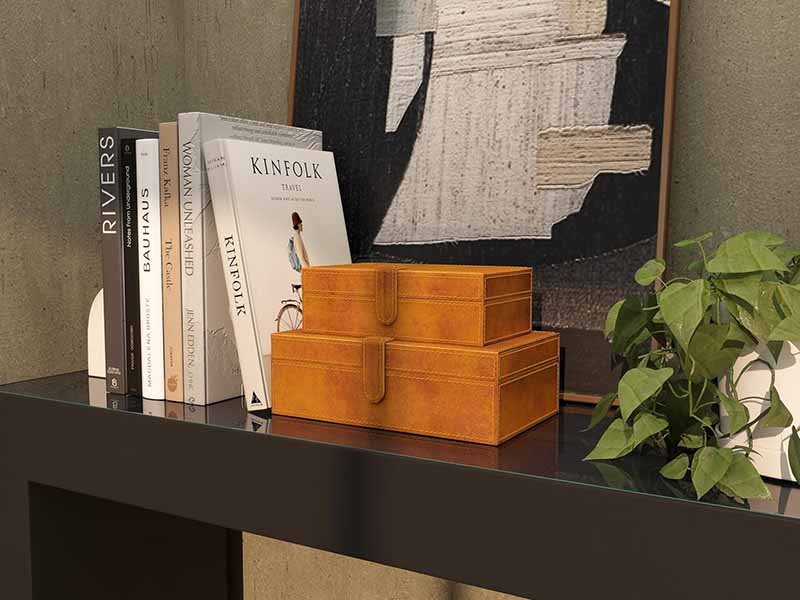
A leather box can look premium and still fail in real life. The reason is usually hidden under the leather. Most problems—warping lids, misaligned corners, soft walls, loose hinges, dents from shipping—come from one thing: the wrong core material (or the wrong thickness of the right core). The leather is the “skin.” The core is the “skeleton.” If the skeleton is weak, no leather—no matter how expensive—can save the structure long term.
When brands develop leather boxes for watches, jewelry, gifts, or high-end accessories, customers judge quality in seconds: they feel the weight, press the lid, check corner sharpness, open and close the hinge, and look for straight edges. Those details are not luck. They come from core material selection, correct board thickness, and proper assembly methods.
The main core materials used in leather boxes are greyboard, MDF, solid wood, and plastic. Greyboard is light and cost-efficient for most rigid boxes; MDF gives stronger walls and sharper edges for premium “solid feel” boxes; wood offers the most durable, craft-style structure; plastic enables waterproof or molded designs. The best choice depends on size, target weight, budget, hinge design, and drop-test requirements.
If you’ve ever opened a “luxury” box that looked beautiful but felt soft, uneven, or cheap—this is exactly why. Let’s break down the core materials the right way, with practical numbers and real manufacturing logic.
What Core Materials Are Used in Leather Boxes?
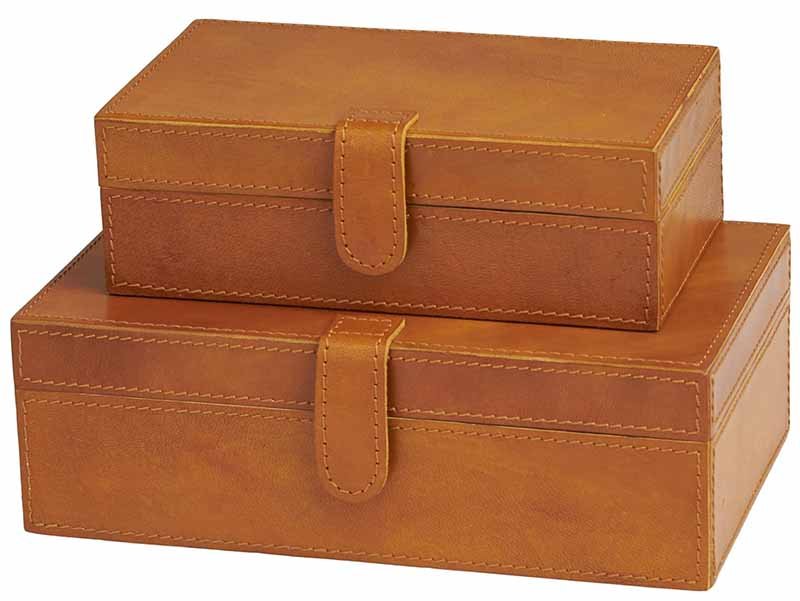
Leather boxes may appear simple from the outside, but their internal structure determines whether the box will remain strong and stable over time. The leather exterior mainly provides visual appeal and texture, while the internal core material forms the rigid structure that supports the box.
Without a proper core, a leather box will quickly lose shape. The lid may warp, corners may soften, hinges may loosen, and the leather surface may wrinkle. These issues usually appear after shipping, repeated opening and closing, or exposure to humidity.
For this reason, the internal core material is one of the most important engineering decisions when developing leather boxes.
Most leather box manufacturers rely on four main core materials:
- greyboard
- MDF (medium-density fiberboard)
- solid wood
- plastic
Each material offers a different balance of strength, weight, durability, processing complexity, and cost. The right choice depends on the product type, box size, and the brand’s positioning.
What is the core structure of leather boxes?
A leather box is usually built using a layered construction. Each layer has a different function that contributes to the final product.
Typical leather box structure
| Layer | Material Examples | Function |
|---|---|---|
| outer layer | genuine leather, PU leather, microfiber leather | visual appearance |
| bonding layer | adhesive film or glue | attaches leather to structure |
| core structure | greyboard, MDF, wood, plastic | provides rigidity |
| inner lining | velvet, suede, microfiber | protects product |
| hardware | hinges, magnets, locks | opening mechanism |
The core layer is the structural foundation of the box. It defines the shape, strength, and durability of the entire product.
For example, when a customer presses on the lid of a leather box, the resistance they feel comes from the internal board or wood panel—not the leather itself.
Why do leather boxes require rigid core materials?
Leather is naturally flexible. While this flexibility makes it attractive for bags or wallets, it means leather cannot hold a rigid shape by itself.
If leather were used without a rigid core, several problems would occur:
- the box walls would bend
- corners would collapse
- the lid would not align properly
- hinges could not be mounted securely
Rigid core materials solve these problems by creating a stable internal frame.
Structural strength comparison
| Core Material | Rigidity | Impact Resistance | Shape Stability |
|---|---|---|---|
| Greyboard | medium | medium | moderate |
| MDF | high | high | very stable |
| Solid wood | very high | very high | excellent |
| Plastic | medium-high | high | stable |
Higher rigidity allows the box to maintain its shape even under pressure during shipping or stacking.
Which core materials are most common in leather boxes?
Different core materials are used depending on the product category and price level.
Overview of common leather box core materials
| Core Material | Weight | Cost Level | Typical Applications |
|---|---|---|---|
| Greyboard | light | low | jewelry boxes, gift packaging |
| MDF | medium | medium | watch boxes, premium presentation boxes |
| Solid wood | heavy | high | luxury storage boxes |
| Plastic | light-medium | medium | travel cases, molded boxes |
Greyboard is the most widely used core material in commercial packaging because it is lightweight and cost efficient.
MDF is often selected for boxes that need greater strength, especially when metal hinges or heavy lids are involved.
Solid wood is commonly used in luxury boxes where craftsmanship and long-term durability are important selling points.
Plastic cores are less traditional but useful for specialized products such as travel storage cases.
How core material thickness affects leather box durability
Thickness is just as important as material type. A thin board may look acceptable during sampling but can cause problems later.
Common board thickness used in leather boxes
| Core Material | Thickness Range |
|---|---|
| Greyboard | 1.5 – 4 mm |
| MDF | 3 – 9 mm |
| Solid wood | 5 – 12 mm |
| Plastic | 2 – 6 mm |
Larger boxes require thicker materials to maintain structural stability.
For example:
- a small jewelry box may only require 1.5–2 mm greyboard
- a watch box may require 5–6 mm MDF
- a large presentation box may require solid wood panels
Choosing the correct thickness ensures the box will maintain its shape even after repeated use.
Factors manufacturers consider when selecting core materials
Professional leather box manufacturers evaluate several factors before selecting a core material.
Key decision factors
| Factor | Why It Matters |
|---|---|
| box size | larger boxes require stronger cores |
| hinge type | metal hinges require stronger materials |
| product weight | heavier contents need stronger structure |
| shipping method | air or sea transport affects durability requirements |
| brand positioning | luxury brands often prefer heavier structures |
For example, a lightweight cosmetic gift box may use greyboard to reduce cost and shipping weight. A luxury watch storage box may use MDF or wood to achieve a heavier and more premium feel.
Why core material selection affects customer perception
When customers interact with a leather box, several small details influence how they perceive its quality:
- the weight of the box when picked up
- how firmly the lid closes
- the sharpness of the corners
- the alignment of the lid and base
These characteristics are directly influenced by the core material and the way the box is constructed.
A well-designed core structure allows the box to maintain a precise shape, which enhances the overall perception of quality.
This is why experienced manufacturers pay close attention to core material selection, board thickness, and structural assembly when developing leather boxes for premium brands.
What Is Greyboard in Leather Boxes?
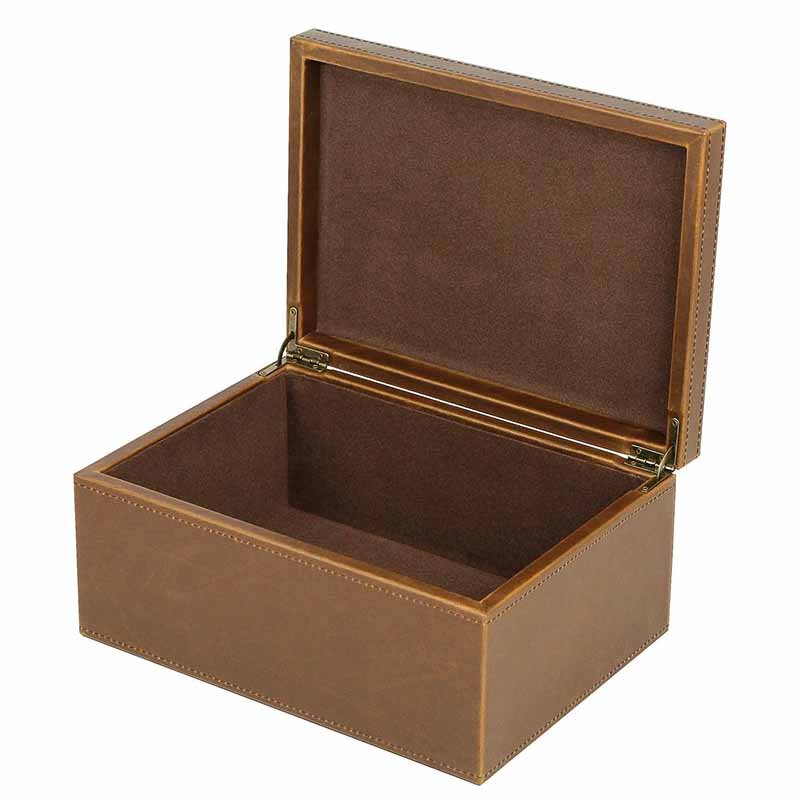
Greyboard is a dense paperboard made from compressed recycled fibers. In leather boxes, it’s used as the rigid core because it offers good stiffness at low weight and low cost. It cuts and assembles easily, making it suitable for scalable production. For best results, thickness must match the box size; thin greyboard can cause soft corners, lid warping, and poor hinge stability.
What is greyboard core material?
Greyboard (often called chipboard or paperboard in packaging) is made by compressing recycled paper fibers into rigid sheets. It’s widely used in rigid boxes because it is easy to process and relatively stable.
Common greyboard specs used in leather boxes
| Greyboard thickness | What it feels like | Typical use |
|---|---|---|
| 1.0–1.5 mm | light, can flex | small jewelry boxes, thin-wall designs |
| 2.0 mm | balanced | most standard rigid boxes |
| 2.5–3.0 mm | firm | medium boxes, better corner strength |
| 3.5–4.0 mm | very firm | larger boxes needing stronger walls |
How to think about thickness:
As the box size increases, the board must get thicker, otherwise walls flex and corners dent.
Why do many leather boxes use greyboard?
Greyboard is popular because it makes manufacturing predictable and cost-efficient.
Advantages customers notice
- lightweight box reduces shipping costs
- clean rectangular shape when assembled correctly
- good value for premium-looking packaging
Advantages factories rely on
- fast cutting and assembly
- compatible with many adhesives
- works well with leather wrapping and edge folding
Where greyboard can disappoint (and why)
Greyboard problems don’t come from “bad greyboard.” They come from:
- choosing thickness too thin for the box size
- poor corner construction
- unstable glue line under humidity
- incorrect hinge reinforcement
Which leather boxes use greyboard cores?
Greyboard is widely used in:
- leather jewelry boxes
- leather gift boxes
- leather cosmetic presentation boxes
- mid-range watch boxes (especially smaller sizes)
Recommended greyboard thickness by box size (practical reference)
| Box outer size (L) | Recommended greyboard thickness | Notes |
|---|---|---|
| ≤150 mm | 1.5–2.0 mm | strong enough for small formats |
| 150–250 mm | 2.0–2.5 mm | safer for shipping compression |
| 250–350 mm | 2.5–3.0 mm | reduces wall flex |
| ≥350 mm | 3.0–4.0 mm | large boxes need stronger walls |
If a brand wants “premium feel” with greyboard:
The best improvements usually are:
- thicker board (upgrade 0.5–1.0 mm)
- reinforced corners (internal gussets or corner blocks)
- stronger hinge reinforcement zone
Greyboard quality risks customers should ask about
Customers who source leather boxes often face hidden problems that show up after shipping or in humid climates. Here are the risks that matter most, and how to reduce them.
Greyboard risk checklist
| Risk | What it looks like | Prevention |
|---|---|---|
| corner denting | soft corners after shipping | thicker board + corner reinforcement |
| lid warp | lid no longer sits flat | humidity control + balanced wrapping |
| glue line failure | leather bubbles / lifting | correct adhesive + pressing time |
| hinge loosening | hinge area tears | add MDF/wood insert at hinge zone |
| edge rounding | edges look “soft” | proper edge fold + stronger board |
What brands should decide before choosing greyboard
Before selecting greyboard, brands should clarify:
- target box size
- target weight feel (light vs heavy luxury)
- hinge type (metal hinge vs hidden hinge vs magnet-only)
- shipping method (air vs sea)
- climate exposure (high humidity markets)
Greyboard can deliver excellent results—if the structure and thickness are engineered correctly.
How Is MDF Used in Leather Boxes?
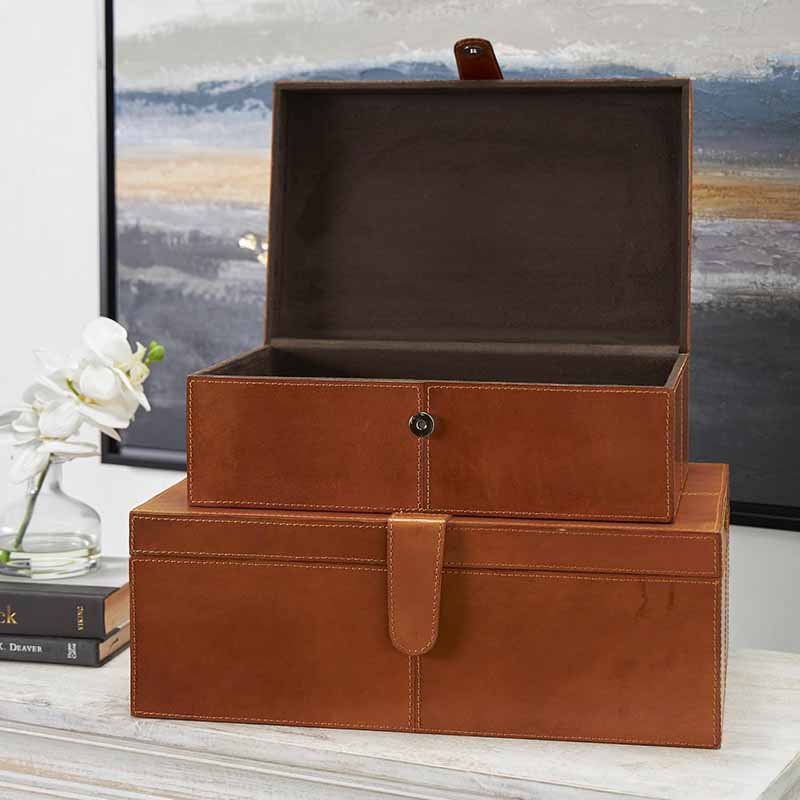
MDF (Medium Density Fiberboard) is a dense engineered wood material widely used in high-end leather boxes because it provides strong structural stability, smooth surfaces, and precise edges. Compared with greyboard, MDF creates heavier, more solid boxes that feel premium in hand. It is commonly used for watch boxes, luxury storage boxes, and rigid packaging where durability and weight contribute to a high-end customer experience.
What is MDF core material?
MDF is manufactured from compressed wood fibers combined with resin and formed into rigid panels under high temperature and pressure. This production process creates a dense material with consistent internal structure.
Compared with paperboard materials like greyboard, MDF has higher density and greater structural strength.
Typical MDF properties used in leather boxes
| Property | Value |
|---|---|
| Density | 650 – 800 kg/m³ |
| Thickness range | 3 – 12 mm |
| Surface flatness | Very high |
| Edge sharpness | Excellent |
Because MDF is uniform and smooth, it allows manufacturers to produce clean edges and perfectly flat surfaces, which improves the overall visual quality of the leather covering.
How strong is MDF for leather boxes?
One of the main reasons luxury brands prefer MDF is its strength. MDF walls resist bending and compression better than most paperboard materials.
Structural strength comparison
| Core Material | Rigidity | Edge Strength | Load Resistance |
|---|---|---|---|
| Greyboard | Medium | Medium | Medium |
| MDF | High | High | High |
| Solid wood | Very high | Very high | Very high |
| Plastic | Medium-high | Medium | Medium-high |
Because of this strength, MDF works especially well in boxes that include metal hinges or heavy lids.
For example:
- watch storage boxes
- premium jewelry boxes
- large presentation boxes
These designs often require strong hinge attachment points. MDF holds screws and hinge hardware more securely than greyboard.
When should leather boxes use MDF?
MDF becomes the better choice when structural stability is more important than weight reduction.
Situations where MDF is preferred
| Product Type | Reason |
|---|---|
| Luxury watch boxes | hinge strength required |
| collector storage boxes | heavy lid support |
| large presentation boxes | improved wall stiffness |
| premium gift boxes | solid luxury feel |
Another factor is hand feel. When customers hold a luxury box, the perceived value is influenced by weight and rigidity.
MDF provides a heavier feel than greyboard, which many brands associate with premium quality.
MDF thickness selection for leather boxes
Choosing the correct thickness is important because MDF adds weight quickly.
Recommended MDF thickness
| Box Size | MDF Thickness |
|---|---|
| small boxes (<150 mm) | 3 – 4 mm |
| medium boxes (150–300 mm) | 5 – 6 mm |
| large boxes (>300 mm) | 6 – 9 mm |
Using MDF thicker than necessary increases weight and shipping cost without significantly improving durability.
Therefore, experienced manufacturers optimize thickness to balance strength and logistics cost.
Manufacturing considerations when using MDF
Although MDF offers excellent strength, it also requires more precise machining.
MDF manufacturing characteristics
- requires CNC cutting or precision saws
- generates fine wood dust during processing
- edges must be sealed before leather wrapping
Because MDF is harder than paperboard, production speed may be slower than greyboard assembly. However, the improved structure often justifies the additional processing effort for high-end products.
Are Wood or Plastic Better for Leather Boxes?
Wood and plastic cores offer different advantages in leather box design. Solid wood provides maximum durability and a traditional luxury feel, making it ideal for heirloom-quality boxes. Plastic cores, on the other hand, are lightweight, moisture-resistant, and allow complex shapes through molding. The best choice depends on the product’s design, price level, and environmental exposure.
What are the advantages of wood leather boxes?
Solid wood has been used in luxury boxes for centuries. Many traditional jewelry boxes and watch cases use wood structures because of their durability and craftsmanship appeal.
Benefits of solid wood cores
| Feature | Advantage |
|---|---|
| High strength | excellent structural durability |
| Screw holding ability | strong hinge installation |
| Premium weight | luxury tactile experience |
| Long lifespan | resistant to long-term deformation |
Wood cores are commonly used in high-end boxes that are designed for long-term storage rather than disposable packaging.
Examples include:
- luxury watch collector boxes
- heirloom jewelry boxes
- premium leather storage chests
These products often emphasize craftsmanship and long-term ownership.
How do plastic core leather boxes work?
Plastic cores are typically produced using injection molding or thermoforming processes.
Unlike board materials, plastic cores are molded into precise shapes.
Advantages of plastic cores
| Feature | Benefit |
|---|---|
| Waterproof | resistant to moisture |
| Lightweight | easier to transport |
| Shape flexibility | complex designs possible |
| Impact resistance | reduced breakage risk |
Plastic cores are sometimes used in travel-oriented products such as:
- portable watch cases
- travel jewelry boxes
- protective accessory boxes
These designs prioritize durability and moisture resistance.
Which core materials last longer in leather boxes?
Longevity depends on environmental exposure and usage patterns.
Durability comparison
| Core Material | Lifespan | Main Risk |
|---|---|---|
| Greyboard | moderate | humidity deformation |
| MDF | long | weight-related stress |
| Solid wood | very long | cracking in dry climates |
| Plastic | long | surface scratching |
In controlled indoor environments, wood and MDF boxes can last decades.
However, for travel products exposed to moisture, plastic structures may perform better.
Weight comparison of core materials
Weight influences both product feel and shipping cost.
Approximate material weight ranking
| Core Material | Relative Weight |
|---|---|
| Greyboard | light |
| Plastic | light-medium |
| MDF | medium |
| Solid wood | heavy |
Brands must decide whether the box should feel light for convenience or heavy for perceived luxury.
Luxury watch brands often prefer heavier boxes, while travel accessories benefit from lighter materials.
How Do Manufacturers Choose Core Materials for Leather Boxes?
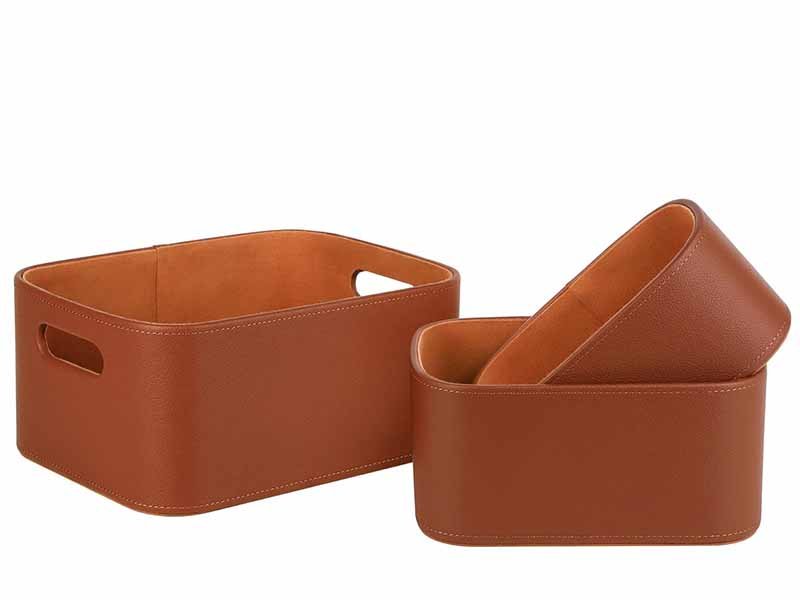
Manufacturers choose core materials for leather boxes by evaluating structural strength, weight, cost, production complexity, and the product’s positioning in the market. Greyboard is often selected for lightweight packaging, MDF for stronger rigid structures, wood for premium luxury boxes, and plastic for moisture-resistant designs. The final decision depends on box size, hinge design, shipping requirements, and brand expectations for quality and durability.
How do cost and weight affect leather boxes?
When brands develop leather packaging, the internal core material significantly affects both production cost and shipping cost. Many clients initially focus only on appearance, but during product development they quickly realize that the core structure determines the real cost of the box.
Several factors influence the final price:
- material cost
- processing difficulty
- labor time
- shipping weight
- packaging protection requirements
Core material cost comparison
| Core Material | Material Cost Level | Processing Difficulty | Typical Production Scale |
|---|---|---|---|
| Greyboard | Low | Easy | Large-scale packaging |
| MDF | Medium | Moderate | Premium rigid boxes |
| Solid wood | High | Complex | Luxury handcrafted boxes |
| Plastic | Medium | Mold dependent | Large-volume molded boxes |
Greyboard is widely used in commercial packaging because it offers the lowest material cost and fast manufacturing speed.
Wood, on the other hand, requires more manual processing, which increases labor costs but also enhances the perception of craftsmanship.
Shipping weight comparison
| Core Material | Relative Weight | Shipping Impact |
|---|---|---|
| Greyboard | Light | lower shipping cost |
| Plastic | Light-medium | moderate shipping cost |
| MDF | Medium | higher shipping cost |
| Solid wood | Heavy | highest shipping cost |
For brands exporting products internationally, weight can become an important factor in packaging decisions.
A heavy wooden box may create a strong luxury impression but could significantly increase logistics expenses when shipping thousands of units.
Which core materials fit luxury leather boxes?
Luxury brands focus not only on appearance but also on how the box feels when held and opened. The tactile experience influences the customer’s perception of value.
Several structural elements contribute to a premium feel:
- rigidity of the box walls
- precision of lid alignment
- hinge stability
- weight balance
Core material impact on luxury perception
| Core Material | Luxury Feel | Typical Product Categories |
|---|---|---|
| Greyboard | moderate | cosmetic boxes, gift packaging |
| MDF | strong | watch boxes, premium gift boxes |
| Solid wood | very strong | collector storage boxes |
| Plastic | moderate | travel cases |
Many premium brands choose MDF because it offers a balance between strength and manufacturing efficiency. It provides a heavier feel than greyboard but is easier to machine than solid wood.
Wood cores are often used in luxury presentation boxes where craftsmanship and tradition are part of the brand identity.
How do environmental conditions influence material choice?
Another factor often overlooked in early product development is the environment where the box will be used or stored.
Humidity, temperature fluctuations, and transportation conditions all influence how core materials perform over time.
Environmental performance comparison
| Core Material | Moisture Resistance | Temperature Stability |
|---|---|---|
| Greyboard | moderate | stable |
| MDF | moderate-high | stable |
| Solid wood | moderate | may expand or contract |
| Plastic | high | very stable |
For example, boxes used in tropical climates or humid regions may require materials that resist moisture more effectively.
Plastic structures may be suitable for these environments, especially for travel-oriented products.
However, proper sealing and surface treatment can also improve the durability of MDF or greyboard boxes.
Quality control checkpoints during leather box manufacturing
Regardless of which core material is selected, strict quality control is essential to ensure that the finished product meets brand expectations.
Professional manufacturers inspect multiple aspects of the box structure.
Key structural inspection points
| Inspection Area | What to Check |
|---|---|
| box corners | alignment and sharpness |
| lid closing | smooth and even contact |
| hinge attachment | secure installation |
| surface wrapping | leather tension and smoothness |
| internal lining | proper fit and adhesion |
Quality control teams also check structural strength by applying pressure to the box walls and lid.
Boxes that show deformation or uneven edges during inspection are rejected before shipment.
How Does SzoneierLeather Develop Custom Leather Boxes?
SzoneierLeather has more than 18 years of experience in leather product manufacturing, including bags, wallets, belts, straps, and luxury leather boxes. The company provides complete development services for brands that need professional packaging and product storage solutions.
Unlike many suppliers that only assemble packaging, SzoneierLeather manages the entire development process.
Key capabilities include:
- raw material sourcing
- product structure design
- prototype sampling
- leather wrapping and assembly
- packaging design
- final quality inspection
Step 1: Product concept discussion
The development process begins with understanding the client’s requirements.
Brands typically provide:
- product size
- packaging purpose
- target price range
- logo and branding requirements
- preferred materials
Based on this information, engineers recommend suitable core materials and structural solutions.
Step 2: Prototype development
After the design concept is confirmed, a sample box is produced.
Sample development usually takes 5–10 days, depending on complexity.
During this stage, clients evaluate:
- structural strength
- material texture
- lid alignment
- overall visual quality
Necessary adjustments are made before moving to mass production.
Step 3: Production and quality control
Once the design is finalized, the factory begins large-scale production.
Production includes several key stages:
- core material cutting
- box frame assembly
- leather wrapping
- hardware installation
- final inspection
Quality control teams check dimensions, structure, and surface finish to ensure consistency.
Step 4: Packaging and delivery
Finished leather boxes are packaged according to the client’s requirements.
Options include:
- individual protective packaging
- branded retail packaging
- export carton packing
Shipping methods depend on order size and delivery schedule.
Conclusion: Choosing the Right Core Material for Leather Boxes
The performance and durability of a leather box depend largely on its internal core material. While the leather exterior defines the visual appeal, the core structure determines how well the box holds its shape and protects the product inside.
Each material has its own strengths:
- Greyboard provides cost-efficient rigidity for many packaging applications.
- MDF offers improved strength and a premium solid feel.
- Solid wood delivers maximum durability and traditional craftsmanship.
- Plastic enables lightweight and moisture-resistant designs.
Selecting the right core material requires balancing structural performance, product positioning, production cost, and logistics considerations.
For brands developing luxury packaging, working with an experienced manufacturer can help ensure that these decisions are made correctly during the design stage.
Start Your Custom Leather Box Project with SzoneierLeather
If your brand is planning to develop custom leather boxes for watches, jewelry, accessories, or luxury gifts, working with a professional manufacturing partner can significantly improve both product quality and development efficiency.
SzoneierLeather With more than 18 years of experience in leather product manufacturing, the team understands how to combine materials, structure, and craftsmanship to create packaging that reflects your brand’s quality.
If you would like to develop custom leather boxes with your logo and specifications, the SzoneierLeather team is ready to assist you.
Reach out today to discuss your project and receive a professional quotation.


