 Skip to content
How Leather Goods Manufacturers Ensure Consistent Craftsmanship
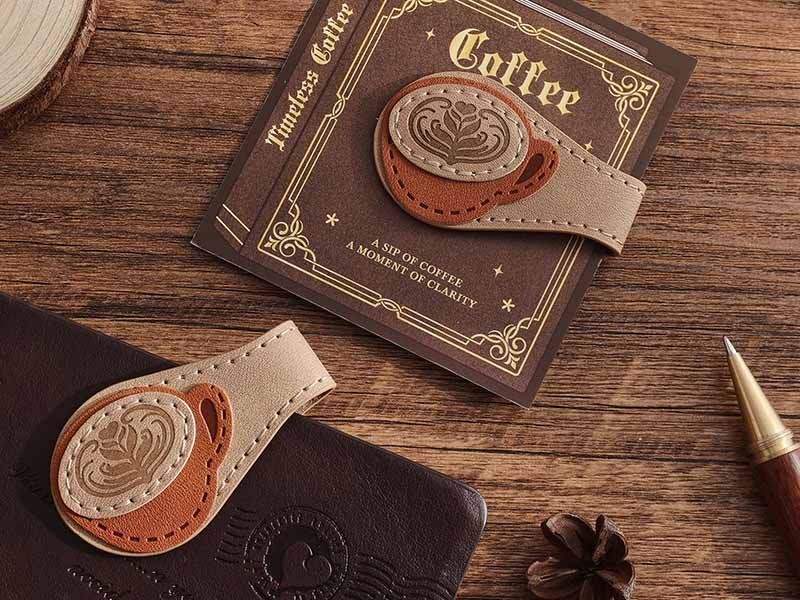
When people talk about leather craftsmanship, they often think about the last thing they can see: a clean stitch line, a smooth edge, a rich leather surface, a solid zipper pull, or a handbag that holds its shape after months of use. But in real manufacturing, consistent craftsmanship is not created at the final step. It is built much earlier, starting from leather selection, pattern engineering, material testing, cutting accuracy, stitching control, edge finishing, hardware matching, and repeated inspection during production. A leather product may look good in one sample, but that does not mean a factory can reproduce the same quality across 300 pieces, 1,000 pieces, or repeated orders over several seasons. That is where professional manufacturing systems make the real difference.
Split Leather in Leather Goods: When It’s Acceptable
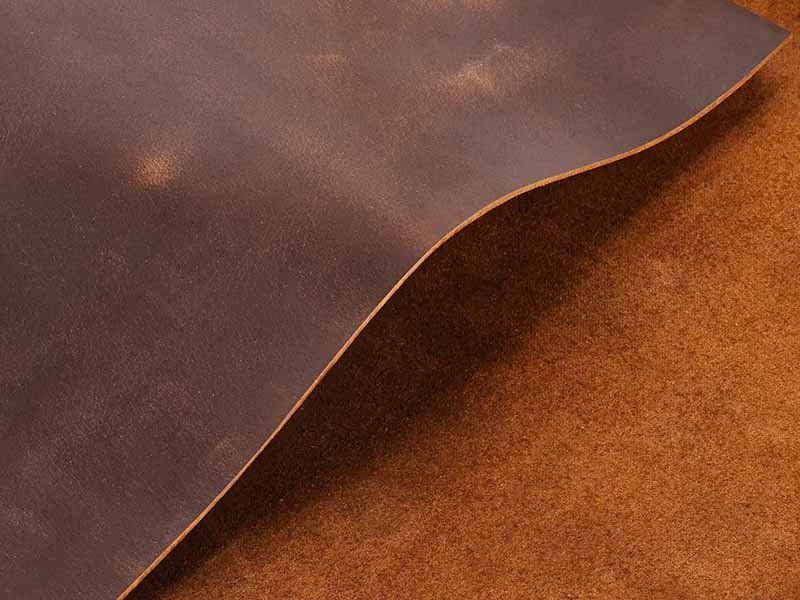
If you’ve ever opened a sample box and thought, “This leather looks great… but will it survive real use?”—you’re already asking the right question. Split leather is where many product lines win or lose: used correctly, it’s a smart way to control cost and still deliver a solid feel; used incorrectly, it becomes the reason a bag peels at the handle, a strap cracks at the bend, or a wallet starts looking tired after a season.
Card Holders as Leather Goods: How Slot Layout, Stretch Control & Edge Wear Matter

When choosing a leather card holder, many customers look beyond just the design. They want something that not only looks stylish but also performs well over time. The design of a card holder directly affects its usability, comfort, and longevity. Factors like slot layout, stretch control, and edge wear play crucial roles in determining whether a card holder remains functional and appealing over time.
Cowhide vs Goat vs Sheepskin for Leather Goods: What’s Stronger and What Feels Better
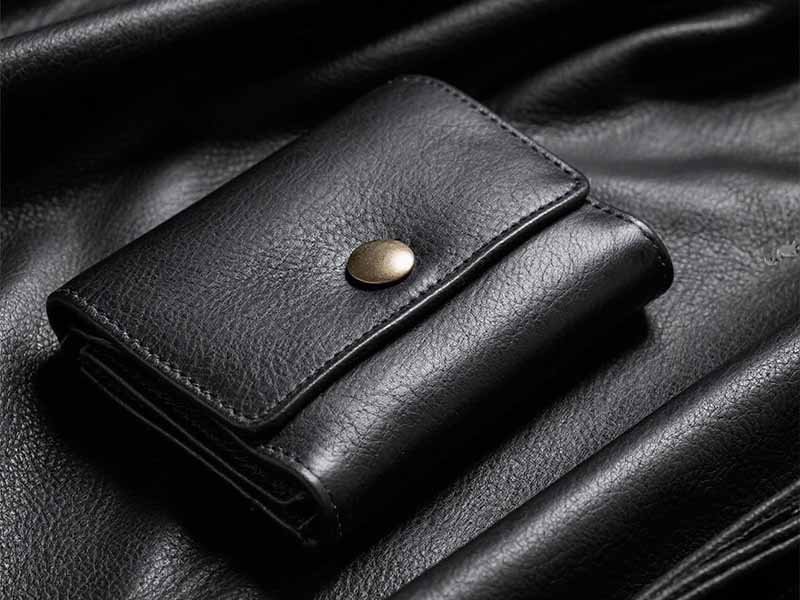
Leather is a timeless material used in everything from bags and wallets to belts and furniture. However, choosing the right type of leather for your goods depends largely on your specific needs, such as durability, texture, and price. Among the many types of leather, cowhide, goat, and sheepskin are the most popular, but each has its own strengths and weaknesses depending on the application.
68 Best Leather Design Ideas: Inspiration for Your Next Great Project
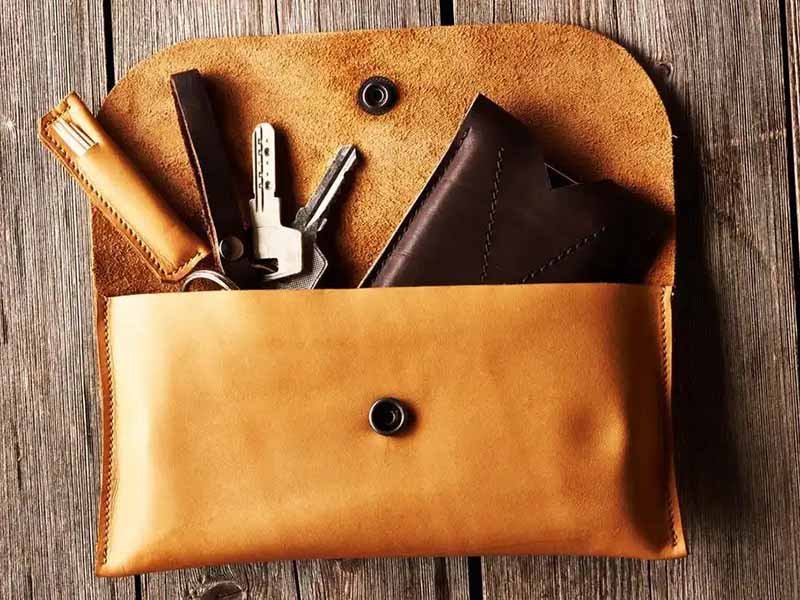
When you run your fingers over real leather, you’re not just touching material — you’re touching history. For centuries, leather has symbolized quality, craftsmanship, and permanence. But in 2026, leather design has evolved far beyond tradition. Designers are merging technology + craftsmanship + sustainability, turning this ancient material into a canvas for innovation.
16 Best Leather Goods Manufacturers in Guangdong, China: Sourcing Guide
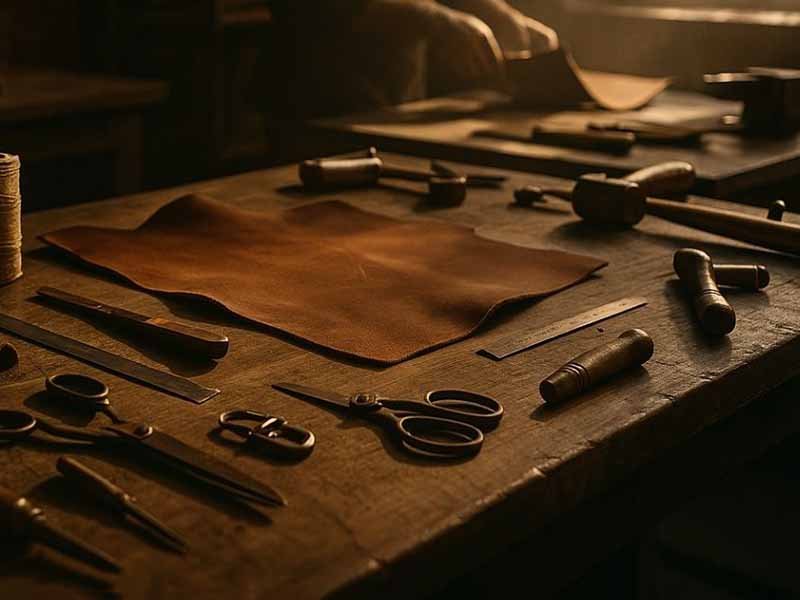
For decades, Guangdong has stood as the beating heart of China’s leather industry, home to thousands of workshops and large-scale factories that craft everything from designer handbags to rugged travel accessories. In particular, Guangzhou’s Huadu (Shiling), Dongguan, and Shenzhen have evolved into the world’s most comprehensive hubs for leather product design, material sourcing, and manufacturing. […]
How to Find a Reliable Chinese Leather Manufacturer: A Practical Sourcing Guide
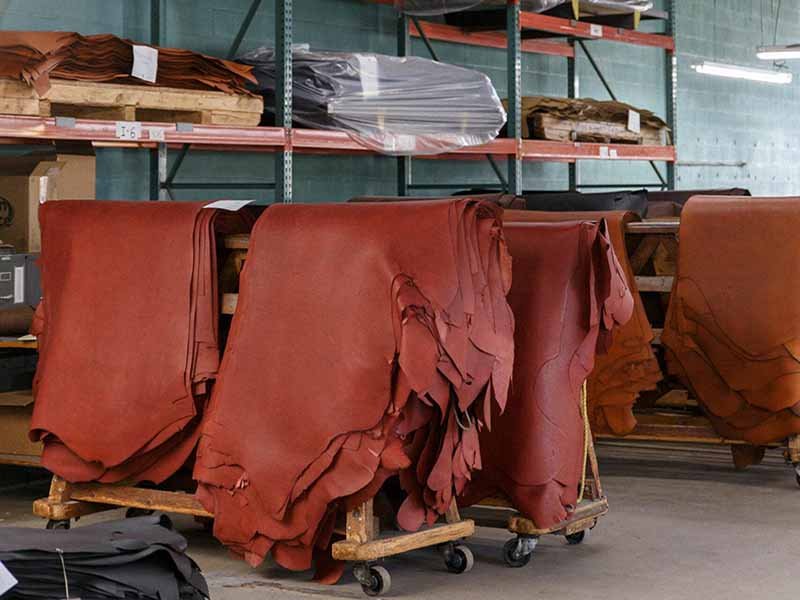
In today’s global market, leather goods are everywhere—from luxury handbags and premium belts to functional tool cases and accessories. But if you’re considering sourcing from China, one of the world’s largest leather producers, the big question is: how do you actually find the right manufacturer?
Top 16 Leather Goods Manufacturers in India: List Guide
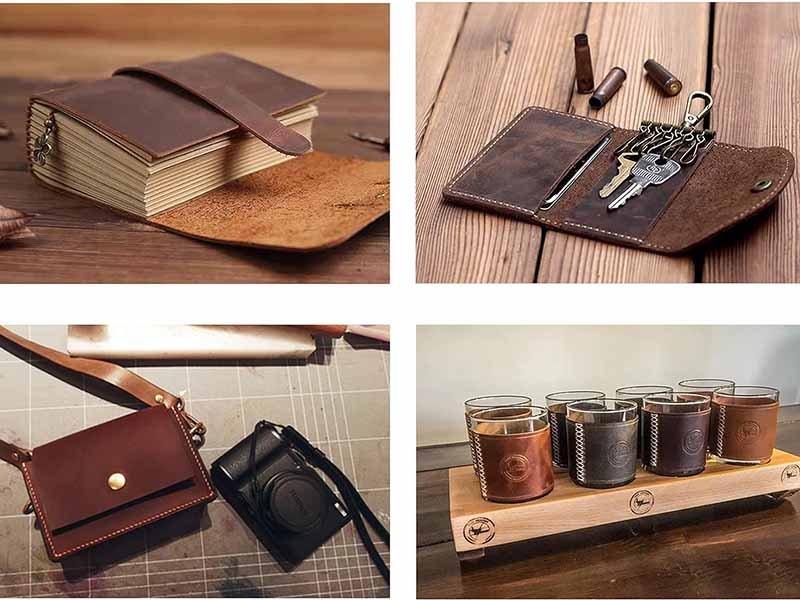
When brands begin to explore leather manufacturing, India inevitably comes onto their radar. With its massive livestock resources, long leather tradition, and government support schemes, India is among the world’s top leather producing nations. But not every factory is equal—and choosing the right partner requires clarity. This guide lists 16 of the most reputable leather goods manufacturers in India, showing their specialties, location clusters, and key strengths. You’ll also see how India compares with China, and how to vet factories effectively.
Genuine Leather vs Bonded Leather: Key Differences Explained
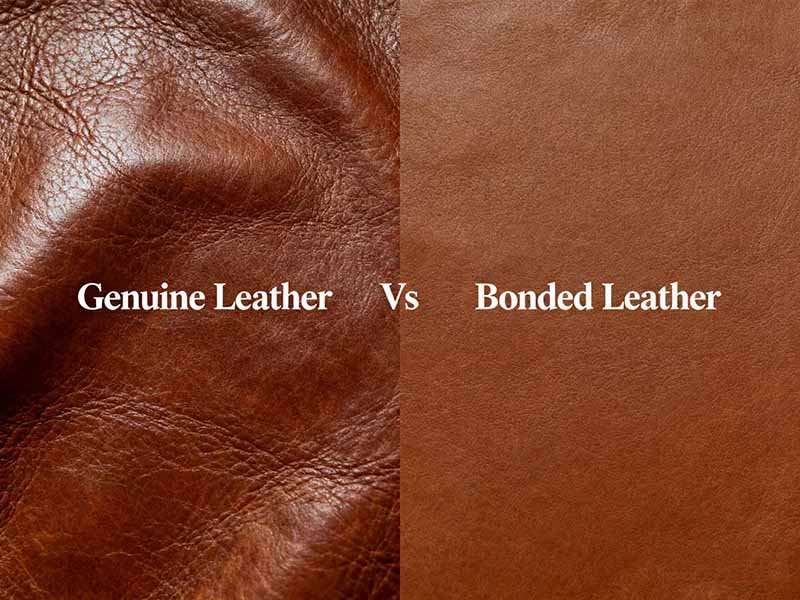
Leather has long been a symbol of luxury, craftsmanship, and timeless elegance. But in today’s market, not all leather is created equal. Walk into any boutique or scroll through online stores, and you’ll see “genuine leather” and “bonded leather” side by side — terms that sound alike but carry vastly different meanings. Choosing between them is not just about price; it’s about investing in quality, heritage, and a product that tells a lasting story.
Debossed vs Embossed Leather: Which Branding Method Is Best?
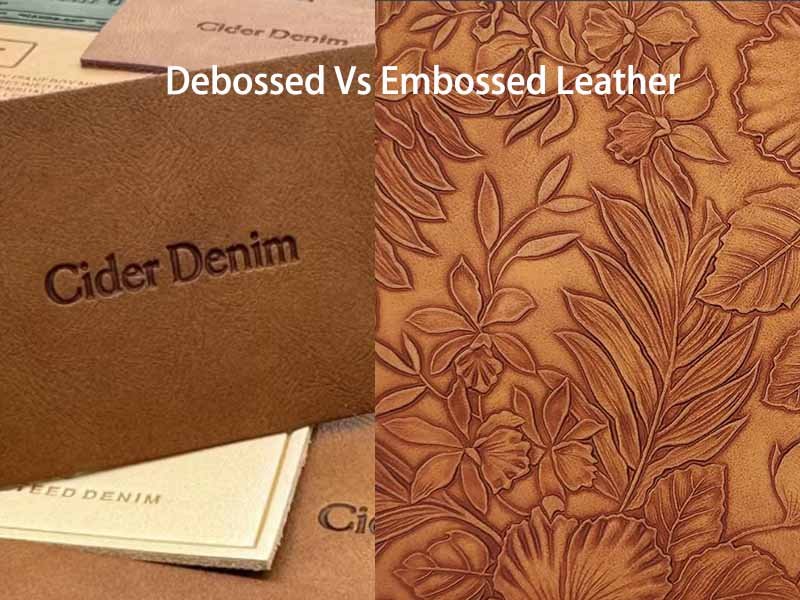
For centuries, artisans have searched for creative ways to leave a mark on leather. From medieval bookbinding to luxury handbags today, techniques like debossing and embossing have shaped how brands communicate identity through texture and detail. But if you’re a brand owner, designer, or manufacturer, one key question often comes up: debossed vs embossed — which is the smarter choice for my product?
10 Best Leather Goods Manufacturers in UK: Quality, Craftsmanship & Sourcing Guide
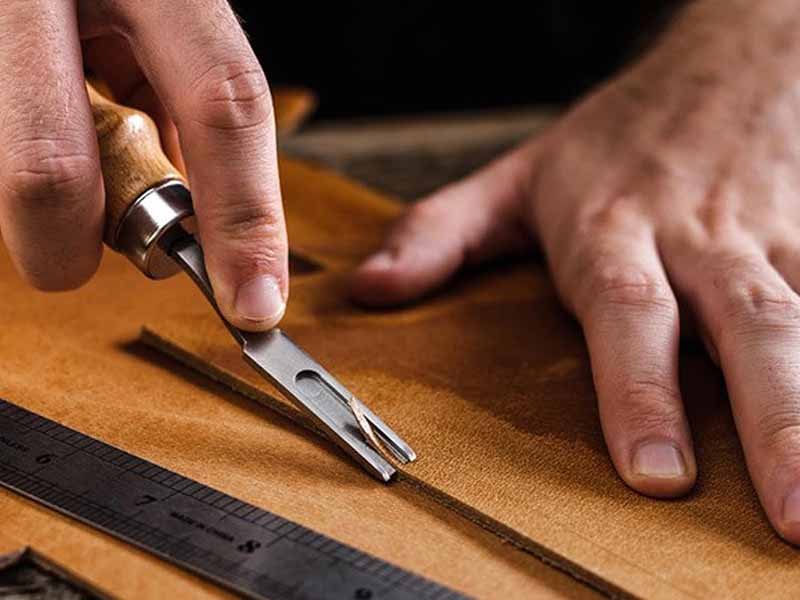
Leather goods are having a moment in the UK. As consumers increasingly value heritage craftsmanship, ethical sourcing, and locally made luxury, brands and buyers are looking to partner with manufacturers who deliver both quality and authenticity. With shifting demand, economic challenges, and changing trade conditions, finding the “right” UK manufacturer means more than “lowest cost”—you want someone who matches your brand values, product specs, lead times, and scale.
Popular Leather Care Products: What You Need to Know
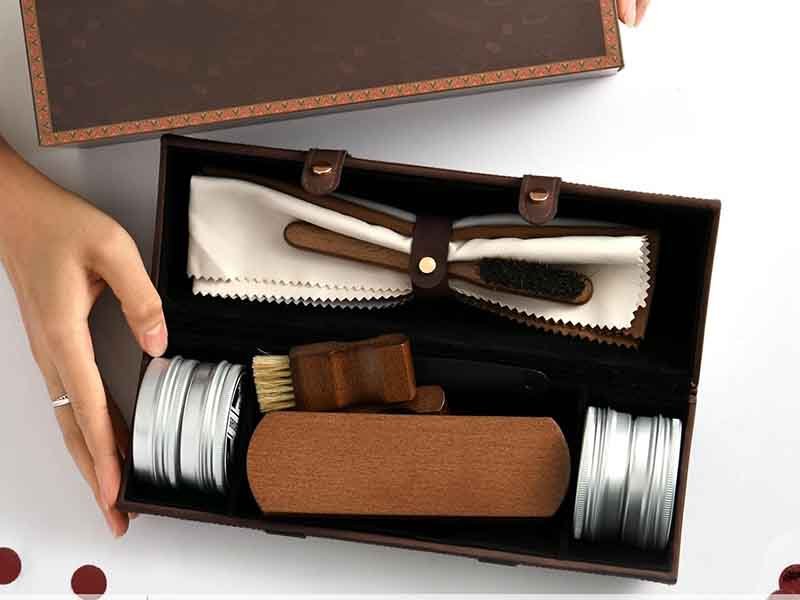
Leather items—wallets, belts, straps, boxes—carry value not just in materials but in appearance, feel, and longevity. If not cared for properly, even premium full-grain leather will crack, stain, or lose its richness. Brands that invest in quality leather often lose credibility if their products don’t age gracefully. That’s why choosing proper leather care products is essential for both everyday users and OEM/brand manufacturers.