 Skip to content
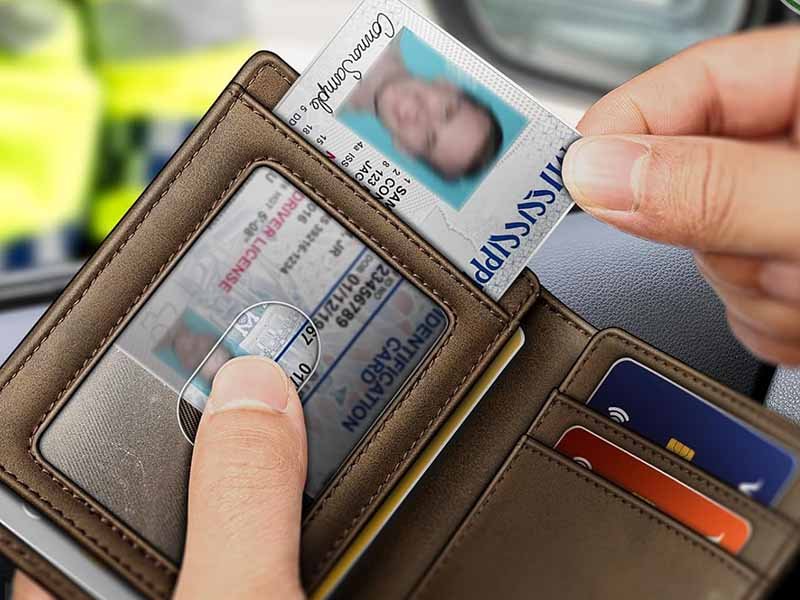
When choosing a leather card holder, many customers look beyond just the design. They want something that not only looks stylish but also performs well over time. The design of a card holder directly affects its usability, comfort, and longevity. Factors like slot layout, stretch control, and edge wear play crucial roles in determining whether a card holder remains functional and appealing over time.
The layout of slots, the material used to control stretching, and how well the edges are finished determine the card holder’s performance and durability. These factors should be carefully considered when designing or choosing a high-quality leather card holder.
Imagine carrying your leather card holder every day. At first, the slots are snug, and the edges are sharp. However, after a few months of use, you notice the slots have stretched, and the edges have begun to wear down. This can lead to frustration and diminish the appeal of the product. Let’s take a closer look at how slot layout, stretch control, and edge wear can be optimized to create a durable and functional leather card holder.
What Makes a Good Card Holder Design?
The design of a leather card holder is more than just about aesthetics; it’s about creating a functional, durable, and comfortable accessory. The slot layout, stretch control, and edge finishes all contribute to a successful design.
Designing a leather card holder requires a balance of form and function. A well-designed card holder should not only look good but also be practical, durable, and comfortable to use. Several key factors come into play when creating a functional card holder:
- Slot Layout: The number of slots and how they are arranged can significantly impact how easy it is to organize and access cards. Efficient layout ensures that users don’t struggle to find the cards they need.
- Stretch Control: Over time, leather can stretch, especially with frequent use. Managing leather stretch ensures that the slots stay snug and that the card holder retains its shape.
- Edge Finishing: The edges of a card holder are often subject to wear. Proper finishing and coating can preserve the quality of the leather and prevent premature damage.
What Defines Card Holder Structure?
The structure of a leather card holder is defined by several design elements:
- Slot Layout: Card holders typically have multiple slots for storing cards. The number and arrangement of slots will determine how easy it is for users to organize and access cards. A well-designed layout balances accessibility and security.
- Material: The type of leather used affects the overall feel and durability of the card holder. Premium materials like full-grain leather provide better resilience and longevity, while genuine leather offers a more affordable option but may not perform as well over time.
- Design Shape: The shape of the card holder, whether folded or unfolded, and how the slots are structured play a major role in the overall design. A card holder should be compact yet functional.
| Material | Durability | Best For |
|---|---|---|
| Full-Grain Leather | Very durable, resists wear | Luxury card holders, long-term use |
| Top-Grain Leather | Slightly less durable | Everyday use, affordable options |
| Genuine Leather | Less durable, stretches easily | Budget-friendly card holders |
Why Layout Matters for Usability?
The slot layout directly impacts how easy it is to access cards. For a card holder to be truly functional, the design must balance quick access with secure storage.
- Multiple Slot Layouts: For example, a card holder with 4 slots is perfect for credit cards, IDs, and business cards. Some card holders even feature hidden compartments for sensitive items like cash or coins.
- Vertical vs. Horizontal Slots: The direction in which the slots are arranged affects how the cards are accessed. Horizontal slots allow for easier access to cards, while vertical slots may offer more secure storage, reducing the chance of cards slipping out.
| Slot Layout | Accessibility | Best For |
|---|---|---|
| Multiple Horizontal Slots | Fast access to cards | Everyday use, quick-access needs |
| Vertical Slots | More secure storage, slower access | Business cards, ID cards |
Which Slot Layout Works Best?
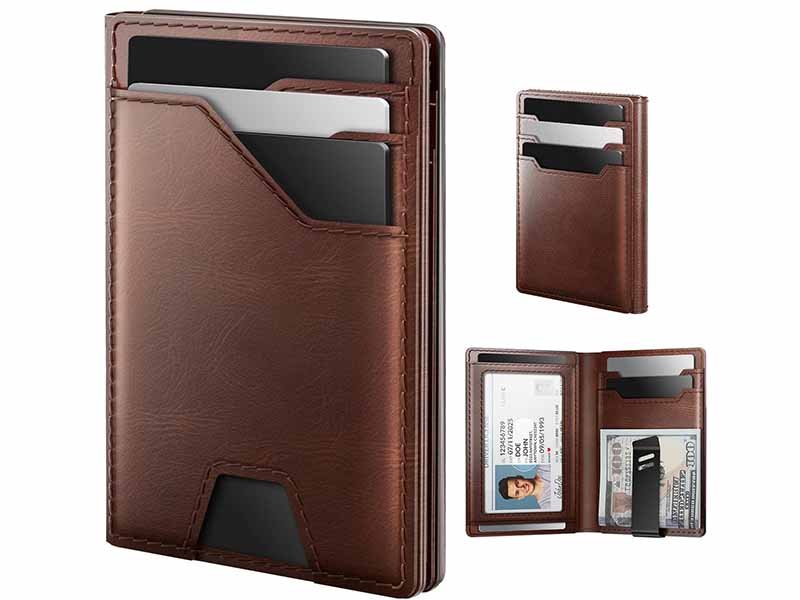
The slot layout plays a huge role in usability and capacity. Card holders can feature various slot types that offer quick access or secure storage. Choosing the right layout depends on the user’s needs.
The layout of the slots in a leather card holder determines both how many cards it can hold and how easily those cards can be accessed. There are a few common designs:
- Horizontal Slots: Provide quick access to cards, making them ideal for frequent use.
- Vertical Slots: Offer more secure storage and are best for users who want to store important cards like IDs and credit cards in a more secure way.
Which Slot Patterns Impact Capacity?
The pattern in which slots are arranged determines how many cards the holder can store. A simple design with 2-4 slots is perfect for everyday carry, while more complex designs offer more storage capacity.
- Minimalist Designs: Typically include 2-4 slots for essential cards. These designs are compact and functional, perfect for quick access to your most-used cards.
- Multi-Function Designs: More slots, up to 8 or more, allow for additional cards and sometimes even cash or receipts. These designs are great for travel wallets or business card holders.
| Slot Design | Capacity | Best For |
|---|---|---|
| Minimalist (2-4 slots) | 2-4 cards, compact design | Slim wallets, light daily use |
| Expanded (5-8 slots) | Holds more cards, multi-purpose | Travel wallets, multi-use design |
Which Layout Balances Access & Security?
Choosing the right slot layout means finding a balance between ease of access and security. If your priority is to carry important cards securely, you may prefer vertical slots or internal compartments. If ease of access is more important, horizontal slots may be ideal.
- Horizontal Slot Layout: Best for those who need quick access to frequently used cards. Horizontal slots are easy to open and close, allowing for instant access when needed.
- Vertical Slot Layout: Great for users who want to keep valuable cards more secure. Vertical slots prevent cards from sliding out easily but might be a little slower to access.
| Slot Layout | Access vs. Security | Best For |
|---|---|---|
| Horizontal Slots | Quick access, less secure | Everyday cards, fast access needs |
| Vertical Slots | Secure storage, slower access | Important cards, sensitive items |
How Do You Control Stretch in Leather Card Holders?
Leather can stretch over time, especially in card holders. Proper control of stretch is necessary to ensure that the slots stay snug and the leather maintains its shape.
Leather is a natural material that expands and contracts over time. Stretching can cause slots to loosen, making it difficult to securely store cards. Managing this stretch is a key part of making high-quality card holders that last over time.
How Does Leather Type Affect Stretch?
The type of leather used directly impacts how well the card holder resists stretch over time. Different leathers have different stretch characteristics:
- Full-Grain Leather: The strongest type of leather, known for its ability to withstand stretch. It will expand gradually but maintain its shape, providing a long-lasting, durable product.
- Top-Grain Leather: Slightly softer than full-grain leather, top-grain leather still offers good resistance to stretching, though it may be slightly more prone to wear over time.
- Genuine Leather: Genuine leather is more prone to stretching and losing its shape, especially with frequent use.
| Leather Type | Stretch Resistance | Best For |
|---|---|---|
| Full-Grain Leather | Low stretch, highly durable | High-quality, long-lasting card holders |
| Top-Grain Leather | Moderate stretch | Everyday use, cost-effective options |
| Genuine Leather | High stretch, less durable | Budget-friendly options |
How Can Reinforcement Reduce Stretch?
To prevent stretch, manufacturers often use reinforcement techniques to stabilize the leather. This includes adding liners, reinforced stitching, and edge coatings.
- Polyester Lining: Adding a polyester or nylon lining helps reinforce the leather, maintaining its structure while reducing the chance of stretch over time.
- Reinforced Stitching: Strong reinforced stitching ensures that the leather doesn’t weaken under stress, maintaining the overall shape of the card holder.
| Reinforcement Method | Effect on Stretch | Best For |
|---|---|---|
| Polyester/Nylon Lining | Prevents excessive stretch | Strengthens leather, maintains shape |
| Reinforced Stitching | Keeps structure intact | Ensures longevity and durability |
What Causes Edge Wear in Card Holders?
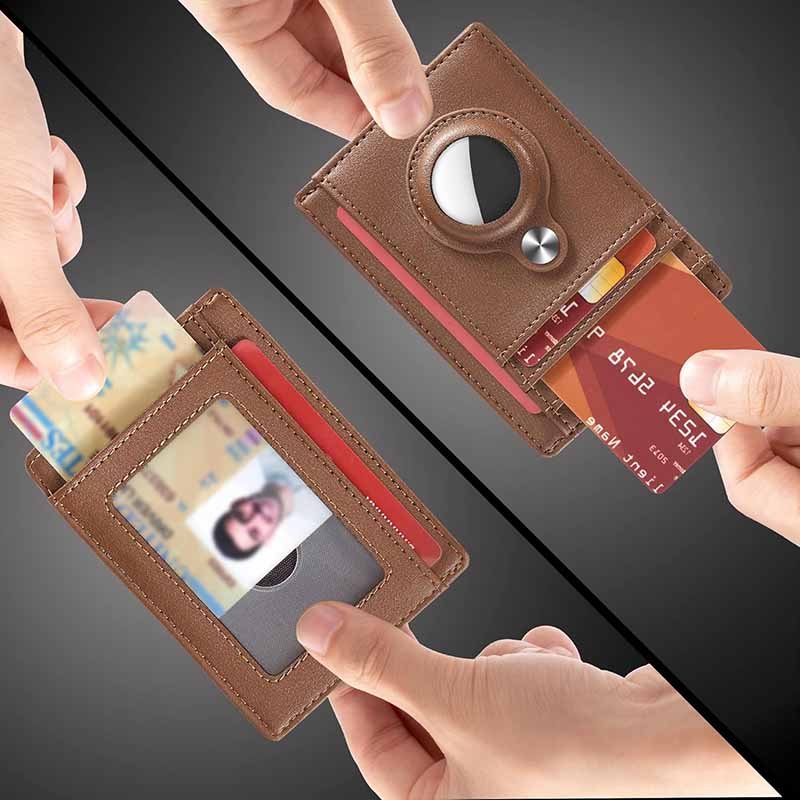
Edge wear is one of the most common issues with leather card holders. Factors such as material quality, usage frequency, and edge finishing all contribute to how quickly the edges wear down. Proper edge finishing can significantly reduce this wear and prolong the card holder’s life.
The edges of a leather card holder are subjected to friction and stress from regular handling. Over time, this leads to fraying, cracking, or discoloration at the edges. By using the right materials and employing the proper finishing techniques, the durability of the edges can be greatly enhanced, ensuring the card holder remains functional and visually appealing.
What Are the Common Causes of Edge Wear?
Edge wear can result from several factors, but it is most commonly caused by:
- Frequent Handling: Constant use and the natural friction of handling the card holder lead to the wearing down of edges.
- Exposure to Moisture: Leather that is exposed to water or humidity can soften and weaken, causing the edges to wear more quickly.
- Storage Conditions: Storing the card holder in places where it is subjected to pressure, such as tight pockets or bags, can cause the edges to compress and become damaged.
- Low-Quality Leather: Lower-quality leather, such as genuine leather, is more susceptible to stretching and wear, especially at the edges.
| Cause of Wear | Effect on Edges | Prevention |
|---|---|---|
| Frequent Handling | Friction leads to fraying | Use of reinforced edges, high-quality leather |
| Exposure to Moisture | Softens leather, causes cracks | Apply moisture-repellent treatments |
| Storage Conditions | Pressure causes compression | Store in a pouch, avoid tight spaces |
| Low-Quality Leather | Accelerates wear and tear | Use premium leather materials |
What Edge Finishes Improve Durability?
The finish applied to the edges of a leather card holder plays a significant role in determining how well the product holds up over time. Proper edge finishing can reinforce the edges, reducing the effects of friction and wear. Here are some common edge finishing techniques:
- Burnishing: This process involves smoothing the edges using heat and friction, often with a burnishing tool. Burnishing helps seal the edges and gives the card holder a polished, professional look. It also prevents the edges from fraying and cracking.
- Edge Coating: Edge coating is applied to the edges to provide an additional layer of protection against wear. It creates a resilient barrier that shields the edges from damage caused by daily use. Some edge coatings also add a smooth, glossy finish to the edges.
- Waxing: Applying beeswax or other natural waxes to the edges helps preserve their shape and prevent damage. Wax provides moisture resistance and helps reduce friction between the card holder and other objects.
| Edge Finish | Effect on Durability | Best For |
|---|---|---|
| Burnishing | Smooth, polished edges | High-end, luxury leather goods |
| Edge Coating | Strong protection, glossy finish | Everyday leather goods, business card holders |
| Waxing | Adds moisture resistance | Rustic, vintage styles, casual bags |
What Use-Patterns Accelerate Edge Wear?
Certain use patterns are more likely to cause faster edge wear. Here are the main factors to consider:
- Frequent Opening and Closing: Frequent use and opening of the card holder can cause the edges to rub against surfaces, especially if the holder is not designed with reinforced edges. The repeated motion of pulling cards in and out can result in abrasion and edge fraying.
- Carrying Heavy Loads: When the card holder is used as a primary wallet, carrying coins, cash, or other heavy objects may add extra pressure to the edges, leading to wear. Overloading the holder causes additional strain on the stitching and edges, weakening the leather over time.
- Exposure to Abrasive Surfaces: Rough surfaces such as concrete, asphalt, or even certain bag linings can wear down the edges more quickly. Leather that constantly rubs against these surfaces will show signs of fraying and discoloration.
How Do You Control Stretch in Leather Card Holders?
Leather, especially over time, can stretch and lose its shape. Managing stretch control is essential to maintain the integrity of the leather card holder, especially in areas like the slots and edges.
As a natural material, leather has the tendency to stretch when used over time. The leather fibers gradually loosen and expand, particularly if the card holder is repeatedly filled and emptied. Stretch control methods such as reinforcement and using high-quality leather can reduce this issue and ensure that the card holder remains snug, functional, and aesthetically pleasing.
How Does Leather Type Affect Stretch?
The type of leather used directly impacts how much it will stretch over time. Here’s a breakdown of how different types of leather react to stretching:
- Full-Grain Leather: The strongest and most durable leather, full-grain leather offers minimal stretch. It’s less likely to lose its shape and can maintain its form even with frequent use. However, premium full-grain leather can be more expensive.
- Top-Grain Leather: While more affordable, top-grain leather is still relatively resistant to stretching. It provides a balance of durability and flexibility, making it a great choice for everyday card holders.
- Genuine Leather: Genuine leather is prone to stretching, especially when not properly treated. This type of leather may lose its form more quickly, which can affect the fit of the slots and edges.
| Leather Type | Stretch Resistance | Best For |
|---|---|---|
| Full-Grain Leather | Low stretch, long-lasting | High-quality, luxury card holders |
| Top-Grain Leather | Moderate stretch | Everyday card holders, affordable luxury |
| Genuine Leather | High stretch | Budget-friendly options, casual use |
How Can Reinforcement Reduce Stretch?
Reinforcing the leather can help maintain its shape and prevent excessive stretch. Here’s how to reduce stretching and preserve the fit of your leather card holder:
- Reinforced Stitching: Strong reinforced stitching ensures that the card holder stays intact. By securing the edges and slots properly, reinforced stitching helps prevent stretching and shifting over time.
- Lining: Adding a fabric lining (such as polyester or cotton) inside the card holder can prevent the leather from stretching too much. This also helps in maintaining the structure of the leather, especially in areas like the slots.
- Edge Coatings: Applying an edge coating helps stabilize the leather and prevents it from expanding too much. This reinforcement helps maintain the snug fit of the card holder over time.
| Reinforcement Method | Effect on Stretch | Best For |
|---|---|---|
| Reinforced Stitching | Keeps leather intact, reduces stretch | Durable card holders, everyday use |
| Lining (Polyester/Cotton) | Prevents stretching in slots | Enhances card holder structure |
| Edge Coating | Stabilizes edges, reduces expansion | Ensures longevity and snug fit |
How to Balance Comfort, Durability & Cost?
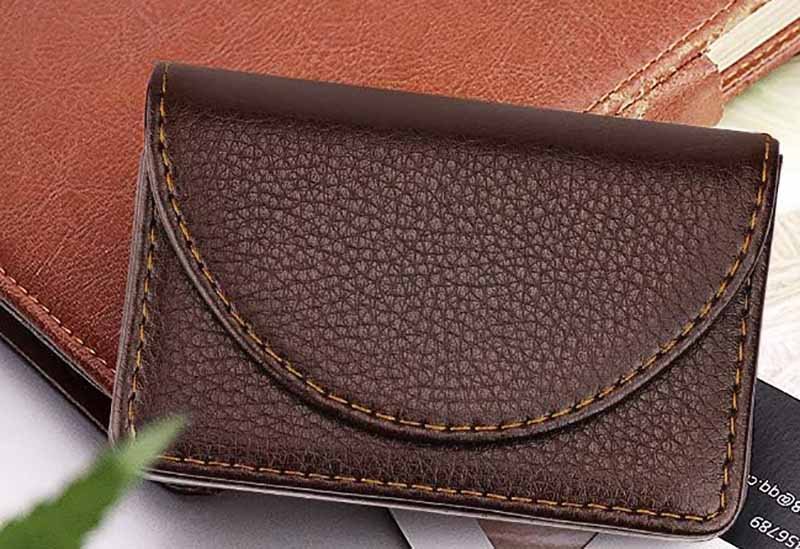
Balancing comfort, durability, and cost in leather card holders is essential for creating a product that meets customer needs without compromising on quality. By understanding the trade-offs between these factors, manufacturers can deliver card holders that combine both practical use and value.
When designing or purchasing a leather card holder, the goal is to find a balance between comfort (easy to carry and use), durability (long-lasting performance), and cost (affordability). This balance ensures that the card holder provides the best possible user experience while remaining cost-effective. Below, we will explore how each of these factors contributes to the final product and what trade-offs may need to be made to create the perfect leather card holder.
How Does Padding Impact Comfort and Cost?
Padding plays a significant role in determining the comfort of a leather card holder. While it helps distribute weight and prevents pressure on the user’s hand or pocket, it also increases the cost. Let’s take a deeper look at how padding affects both comfort and price:
- Thicker Padding: Thicker padding materials like memory foam provide exceptional comfort, especially for holders that will be used frequently or carry heavy loads. However, the added padding increases the production cost because of the materials and labor required.
- Thinner Padding: Using thinner padding, such as polyester foam, allows the card holder to remain lightweight and comfortable at a lower cost. These materials are less expensive but may not provide the same level of support and comfort over time.
| Padding Type | Comfort Level | Cost | Best For |
|---|---|---|---|
| Memory Foam | Excellent comfort, molds to body | Expensive | Luxury card holders, long-term use |
| Polyester Padding | Moderate comfort | Affordable | Everyday card holders, light use |
| Neoprene | Flexible, lightweight comfort | Moderately priced | Casual use, sports card holders |
For lightweight card holders, thinner padding is often sufficient, offering a comfortable experience at a lower cost. For luxury or heavy-duty options, investing in thicker padding provides enhanced comfort but increases the overall price.
How Does Leather Type Affect Durability and Cost?
The type of leather used significantly impacts both durability and cost. Higher-quality leather, such as full-grain leather, tends to last longer and resists wear better, but it comes at a higher price. Lower-quality options, such as genuine leather, may not last as long but are more affordable.
- Full-Grain Leather: This is the highest-quality leather, providing excellent durability, scratch resistance, and natural patina over time. It’s ideal for high-end, luxury card holders. The trade-off is that it increases the production cost.
- Top-Grain Leather: Slightly less durable than full-grain leather, top-grain leather still offers good resistance to wear and tear. It’s a middle-ground option for quality and cost, making it perfect for premium everyday use card holders.
- Genuine Leather: This is the cheapest option and tends to be more prone to wear and stretch over time. It’s ideal for budget-friendly card holders that don’t require long-term durability.
| Leather Type | Durability | Cost | Best For |
|---|---|---|---|
| Full-Grain Leather | Very durable, scratch-resistant | Expensive | Luxury, long-lasting card holders |
| Top-Grain Leather | Durable, moderately resistant | Mid-range | Premium everyday use card holders |
| Genuine Leather | Less durable, more stretchable | Budget-friendly | Casual, affordable options |
Choosing full-grain leather ensures longevity but at a higher cost, while genuine leather offers a more budget-friendly solution, but may need to be replaced sooner.
How Can Slot Layout Affect the Balance Between Comfort and Cost?
The slot layout of a leather card holder affects both its usability and storage capacity. A well-thought-out layout ensures easy access to cards, while also keeping the holder compact and functional. The more slots the card holder has, the larger the size, potentially impacting both comfort and cost.
- Minimalist Layout: Features 2-4 slots and is ideal for users who only carry essential cards. These designs are compact and often cheaper due to fewer materials and less complexity in production. However, they are not ideal for users who need to carry multiple cards or cash.
- Expanded Layout: Designs with 5-8 slots provide more storage capacity for cards, cash, and other small items, but the increased size and materials will raise the cost. These are better suited for people who need extra space but are willing to pay more for a larger card holder.
| Slot Layout | Capacity | Comfort | Cost |
|---|---|---|---|
| Minimalist (2-4 slots) | Compact, holds essentials | Lightweight, easy to carry | Low cost |
| Expanded (5-8 slots) | Holds multiple cards, cash | Larger, but heavier | Higher cost, more materials |
For everyday users who only need to carry a few items, a minimalist layout offers both comfort and cost-efficiency. For those who require more storage, an expanded layout is a better fit, but it increases cost.
How Does Edge Finishing Impact Durability and Cost?
Edge finishing is a critical part of ensuring the durability of a leather card holder. Properly finished edges prevent the leather from fraying, cracking, or wearing down prematurely. However, adding finishing techniques such as burnishing and coating increases the production cost.
- Burnishing: This technique uses friction and heat to smooth the edges and seal the leather. It enhances the aesthetic appeal of the card holder and increases its durability, but it requires skilled labor and additional time, which can raise the cost.
- Edge Coating: Applying an edge coating provides a protective layer around the edges of the card holder, making it more resistant to wear. While this is a great way to increase durability, it does add cost due to the materials and processes involved.
| Edge Finish Type | Effect on Durability | Cost | Best For |
|---|---|---|---|
| Burnishing | Smooths edges, reduces wear | Moderate cost | High-end card holders, luxury bags |
| Edge Coating | Seals edges, increases resistance | Moderate to high cost | Everyday use, multi-functional bags |
Burnishing offers the best durability, but for budget-conscious consumers, edge coating provides adequate protection at a lower cost.
Conclusion
When designing leather card holders, slot layout, stretch control, and edge wear are key factors that contribute to the performance and durability of the product. With the right choices in material, design, and reinforcement, manufacturers can create card holders that offer functionality, aesthetic appeal, and long-lasting comfort.
At Szoneier Leather, we specialize in crafting custom leather goods including high-quality card holders with optimized slot layouts, stretch-resistant materials, and durable edge finishes. Contact us today to design your own leather card holder tailored to your brand or personal collection.


