 Skip to content
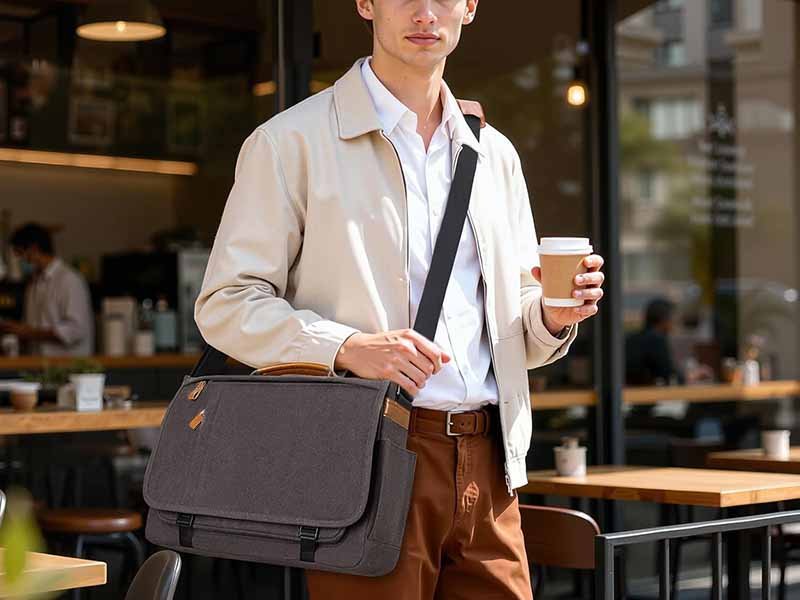
For decades, the briefcase symbolized professionalism. It represented structure, authority, and success. Walk into any corporate office in the 1980s or 1990s, and you would see rows of professionals carrying rigid leather briefcases—each one signaling seriousness and status. Fast forward to today, and the landscape looks very different. Messenger bags, once associated with couriers and students, now dominate urban commutes and creative offices. This shift raises an important question for modern professionals and brands alike: is the briefcase obsolete, or has its role simply evolved?
The truth is more nuanced than fashion trends suggest. The debate between briefcase vs messenger bag is no longer about right or wrong—it’s about context, lifestyle, and professional identity. Changes in work culture, digital devices, commuting habits, and dress codes have reshaped how people carry their work essentials. What used to be a strict choice driven by formality has become a flexible decision shaped by comfort, functionality, and brand perception. The main difference between a briefcase and a messenger bag lies in structure, carrying style, and professional image. Briefcases are structured, formal, and designed for traditional business settings, while messenger bags are softer, worn crossbody, and better suited for modern, mobile work lifestyles. Choosing between them depends on work environment, daily commute, and personal or brand positioning.
Yet, despite claims that briefcases have “gone out of fashion,” they continue to play a critical role in executive, legal, and luxury markets—often redesigned with modern materials and functions. As we explore both bag types in detail, you’ll see that this isn’t a battle between old and new, but a story of adaptation. Understanding that evolution is key for professionals choosing a bag—and for brands developing leather products that truly resonate.
What Is a Briefcase
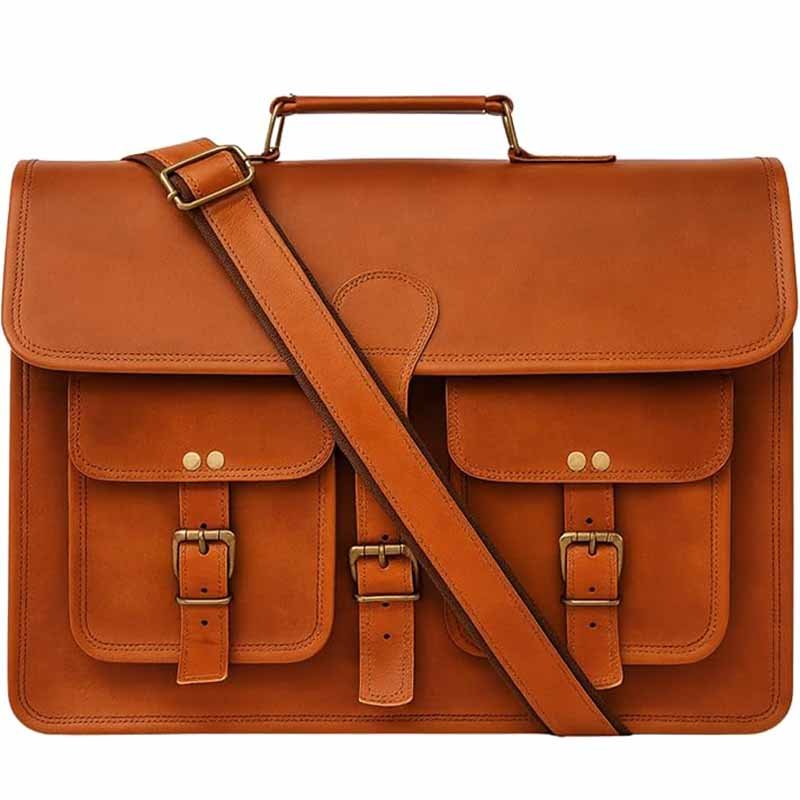
A briefcase is a structured professional bag designed to carry work-related essentials such as documents, laptops, tablets, and business accessories. Traditionally associated with executives, lawyers, bankers, and consultants, the briefcase is defined less by size and more by its formality, organization, and structure. Unlike casual bags, a briefcase is meant to project professionalism, order, and credibility while protecting valuable work items.
At its core, a briefcase represents a tool of business, not just a container. It is engineered to keep documents flat, devices secure, and contents organized—while visually reinforcing the user’s professional identity. This is why, even in today’s casual work culture, the briefcase has not disappeared but instead evolved.
What Is the Old Name for a Briefcase?
Before the term briefcase became common, this type of bag was often called an attache case, legal case, or business case.
- Attache case originated from diplomats (“attachés”) who carried official papers
- Legal case referred to structured bags used by lawyers for documents and files
- Business case emphasized commercial and administrative use
These older names highlight the briefcase’s original purpose: secure document transport and professional authority. Modern briefcases still carry that legacy, even when redesigned with softer shapes or modern features.
Key Design Characteristics of a Briefcase
A briefcase is defined by several core structural features:
- Structured or semi-structured body that maintains shape
- Top handle for hand carrying
- Flat base allowing the bag to stand upright
- Organized interior compartments for papers and devices
- Often a rectangular or symmetrical silhouette
These design elements differentiate briefcases from messenger bags, backpacks, or totes, which prioritize flexibility over form.
What Is a Briefcase Used For Today?
While briefcases were once designed primarily for paper documents, their role has expanded to accommodate modern work tools.
Today, briefcases are commonly used to carry:
- Laptops and tablets
- Business documents and contracts
- Chargers, notebooks, and accessories
- Personal items needed for meetings or travel
Modern briefcases often include padded laptop sleeves, RFID pockets, and detachable shoulder straps—reflecting how work itself has changed.
Traditional vs Modern Briefcases
The classic briefcase was rigid, box-shaped, and hand-carried. Modern briefcases, however, fall into several categories:
- Classic structured briefcases – formal, executive-focused
- Soft or semi-structured briefcases – lighter, business-casual friendly
- Hybrid briefcases – convertible to shoulder or crossbody carry
This evolution explains why briefcases remain relevant: they have adapted to new work habits without losing their professional identity.
Do Professionals Still Use Briefcases?
Yes—professionals still use briefcases, especially in industries where trust, authority, and appearance matter.
Briefcases remain common among:
- Executives and senior managers
- Lawyers and legal professionals
- Finance, banking, and consulting roles
- Luxury and heritage-driven brands
However, usage today is intentional rather than automatic. Professionals choose briefcases when they want to communicate experience, leadership, or formality.
Why Briefcases Are Still Relevant in a Casual Work Era
Despite the rise of messenger bags and backpacks, briefcases persist because they serve a distinct purpose:
- They visually signal organization and seriousness
- They align with formal meetings and client-facing roles
- They elevate brand and personal image
In many cases, a briefcase is not about convenience—it’s about presence.
Briefcase vs Other Work Bags
| Feature | Briefcase | Messenger Bag | Backpack |
|---|---|---|---|
| Structure | High | Low | Medium |
| Formality | High | Medium–Low | Low |
| Organization | High | Medium | Medium |
| Carry Style | Hand / Shoulder | Crossbody | Two-strap |
| Professional Image | Strong | Casual | Practical |
What Is a Messenger Bag
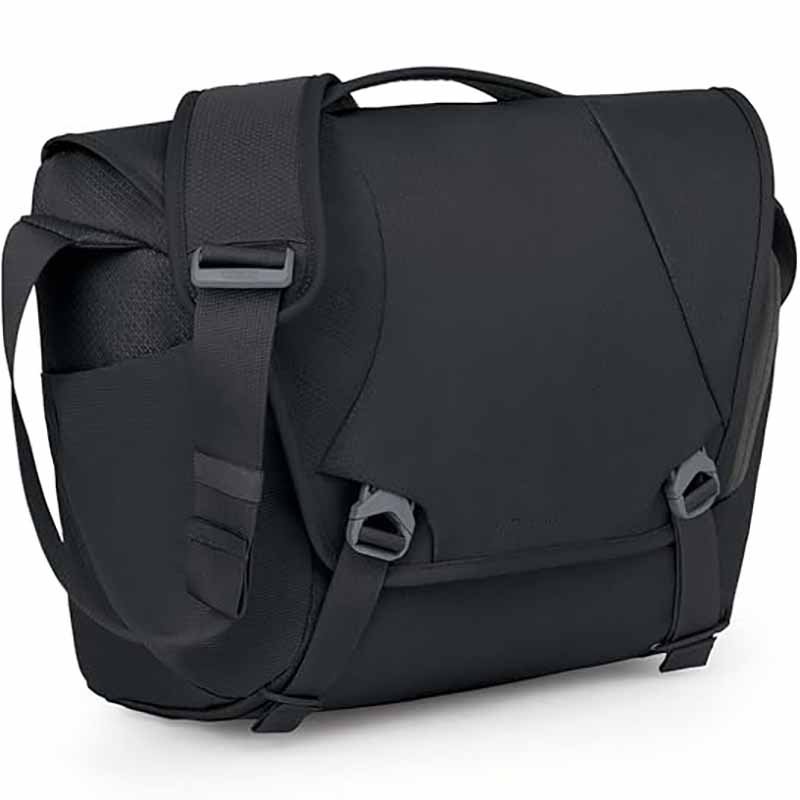
A messenger bag is a soft-structured, shoulder- or crossbody-worn bag designed for hands-free carrying and quick access. Originally created for couriers and postal workers, messenger bags prioritize mobility, comfort, and efficiency. Unlike briefcases, which emphasize structure and formality, messenger bags are built for movement and adaptability, making them especially popular in modern, urban, and tech-driven work environments.
At its core, a messenger bag reflects how people work and commute today. As offices became less formal and digital tools replaced paper-heavy workflows, professionals began favoring bags that could move with them—on foot, on bikes, or across public transportation. The messenger bag emerged as a practical solution and gradually evolved into a mainstream professional accessory.
Origins: Where Did Messenger Bags Come From?
Messenger bags originated from mail carriers, bicycle messengers, and utility workers who needed to deliver items quickly while keeping their hands free. The defining features—wide shoulder strap, flap closure, and body-hugging fit—were engineered for speed and stability, not aesthetics.
Over time, these functional designs caught the attention of designers and brands, who adapted them for everyday and professional use. What began as a utilitarian tool eventually became a symbol of urban mobility and modern work culture.
Key Design Characteristics of a Messenger Bag
Messenger bags are defined by several structural elements:
- Single, adjustable shoulder strap, often worn crossbody
- Soft or semi-structured body that conforms to the wearer’s movement
- Front flap or zip-top opening for quick access
- Wide opening that allows items to be retrieved without setting the bag down
These characteristics make messenger bags inherently different from briefcases, which rely on rigidity and symmetry.
How Is a Messenger Bag Typically Used?
Messenger bags are designed for dynamic, on-the-go use.
They are commonly used to carry:
- Laptops and tablets
- Chargers, headphones, and tech accessories
- Notebooks and slim documents
- Daily personal items
Because the bag rests against the hip or lower back, users can swing it forward to access contents quickly—an advantage for commuting professionals.
Messenger Bags in Modern Professional Life
Today, messenger bags are widely accepted in many professional environments, especially those that value flexibility over formality.
They are commonly seen among:
- Tech and startup professionals
- Designers and creative workers
- Consultants and salespeople who travel frequently
- Urban commuters
In these contexts, messenger bags project approachability, practicality, and modernity, rather than hierarchy or authority.
Messenger Bag vs Other Work Bags
Compared to other work bag types, messenger bags occupy a unique position:
| Feature | Messenger Bag | Briefcase | Backpack |
|---|---|---|---|
| Structure | Low–Medium | High | Medium |
| Carry Style | Crossbody | Hand / Shoulder | Two-strap |
| Accessibility | Very High | Medium | Low |
| Formality | Medium–Low | High | Low |
| Mobility | Excellent | Limited | Excellent |
This balance explains why messenger bags are often chosen when comfort and access matter more than strict professional symbolism.
Materials Commonly Used in Messenger Bags
Messenger bags are made from a wide range of materials depending on positioning:
- Leather – for premium, professional, or hybrid styles
- Canvas – for casual, rugged, or heritage looks
- Nylon / Polyester – for lightweight, commuter-focused designs
Leather messenger bags, in particular, have become popular because they combine the mobility of a messenger bag with the visual refinement of a briefcase.
Are Messenger Bags Considered Professional?
Yes—messenger bags are considered professional in the right context.
In formal corporate or legal settings, they may feel too casual. However, in modern offices, creative industries, and tech-driven environments, messenger bags are widely accepted and often preferred.
Professionalism today is increasingly defined by functionality and personal fit, not rigid dress codes.
Why Messenger Bags Continue to Grow in Popularity
Messenger bags align with several long-term trends:
- Casualization of workwear
- Increase in remote and hybrid work
- Growth of urban commuting
- Shift from paper to digital tools
They are not a fashion phase, but a response to how work and life now intersect.
How Do Briefcases and Messenger Bags Differ
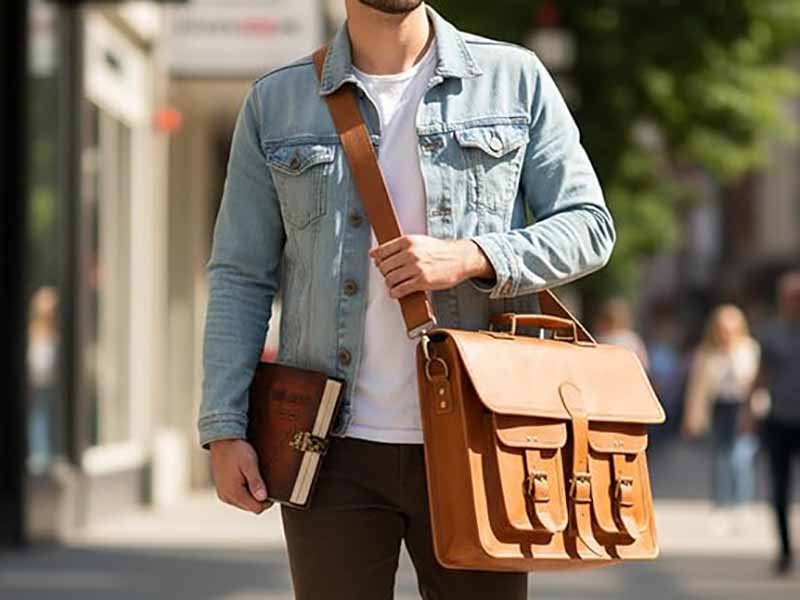
Briefcases and messenger bags differ not only in appearance, but in design philosophy, carrying method, professional signaling, and daily usability. While both are work-oriented bags, they are built to support very different ways of working. Understanding these differences helps professionals choose a bag that fits their job role, commute, and personal or brand image—rather than following trends blindly.
At a high level, briefcases emphasize structure, formality, and organization, while messenger bags prioritize mobility, accessibility, and comfort. These priorities influence every aspect of how the bags are designed and used.
1. Structure and Shape
The most visible difference is structure.
A briefcase is typically structured or semi-structured. Reinforced panels allow it to maintain a rectangular shape even when empty. This structure protects documents and devices, keeps items neatly aligned, and allows the bag to stand upright. The visual result is clean, symmetrical, and formal.
A messenger bag, by contrast, is soft or lightly structured. It adapts to the body and the load inside. This flexibility improves comfort but sacrifices rigidity. Items inside may shift, and the bag often collapses when not fully loaded.
Why it matters: Structure affects both protection and perception. Briefcases communicate order and authority; messenger bags communicate adaptability and ease.
2. Carrying Method and Ergonomics
How the bag is carried fundamentally changes the user experience.
- Briefcases are traditionally hand-carried or worn over one shoulder. This keeps weight close to the body but occupies at least one hand. Over long distances, carrying comfort can become an issue—especially with heavier leather briefcases.
- Messenger bags are worn crossbody, distributing weight across the shoulder and torso. This hands-free design is ideal for walking, biking, or public transport. Users can swing the bag forward to access contents without removing it.
Why it matters: For professionals with long or active commutes, messenger bags reduce fatigue. For short walks between meetings, briefcases feel more controlled and intentional.
3. Organization and Accessibility
The internal layout of each bag reflects how it is meant to be used.
Briefcases focus on structured organization:
- Dedicated document sections
- Fixed laptop compartments
- Pen loops, card slots, file dividers
Everything has a place, which suits paper-heavy or meeting-driven workflows.
Messenger bags favor quick access:
- Open main compartments
- Front pockets under a flap
- Less rigid internal division
This design supports digital tools and frequent item retrieval, but may feel less tidy to users who value strict organization.
4. Professional Image and Formality
Bags communicate subtle but powerful messages.
A briefcase signals:
- Professional authority
- Experience and leadership
- Formal or client-facing roles
It aligns naturally with suits, tailored clothing, and traditional business settings.
A messenger bag signals:
- Practicality and mobility
- Creative or tech-oriented work
- Modern, casual professionalism
It pairs well with business-casual or smart-casual dress codes.
Why it matters: In environments where first impressions count—law, finance, executive roles—a briefcase still carries weight. In collaborative or creative fields, a messenger bag often feels more authentic.
5. Typical Work and Lifestyle Scenarios
| Scenario | Briefcase | Messenger Bag |
|---|---|---|
| Formal meetings | Excellent | Acceptable–Casual |
| Client-facing roles | Strong fit | Context-dependent |
| Long urban commute | Less ideal | Ideal |
| Cycling / walking | Impractical | Excellent |
| Paper-heavy work | Ideal | Less efficient |
| Digital-first work | Adequate | Excellent |
This comparison shows that the “better” bag depends entirely on how and where it’s used.
6. Comfort Over Long-Term Use
Comfort differences become noticeable over months, not days.
Leather briefcases, especially structured ones, are heavier. Over time, shoulder or hand fatigue can occur if carried frequently.
Messenger bags distribute weight more evenly, but if overloaded or poorly designed, they can strain one shoulder. High-quality strap padding and balanced design are critical.
Modern hybrid designs attempt to solve this by combining briefcase structure with optional messenger-style straps.
7. Evolution Toward Hybrid Designs
The growing popularity of hybrid briefcase–messenger bags highlights how these differences are converging. Many professionals want:
- The authority of a briefcase
- The comfort of a messenger bag
Hybrid designs reflect changing work realities and are increasingly popular among brands and OEM buyers.
Which Is Better for Work: Briefcase or Messenger Bag
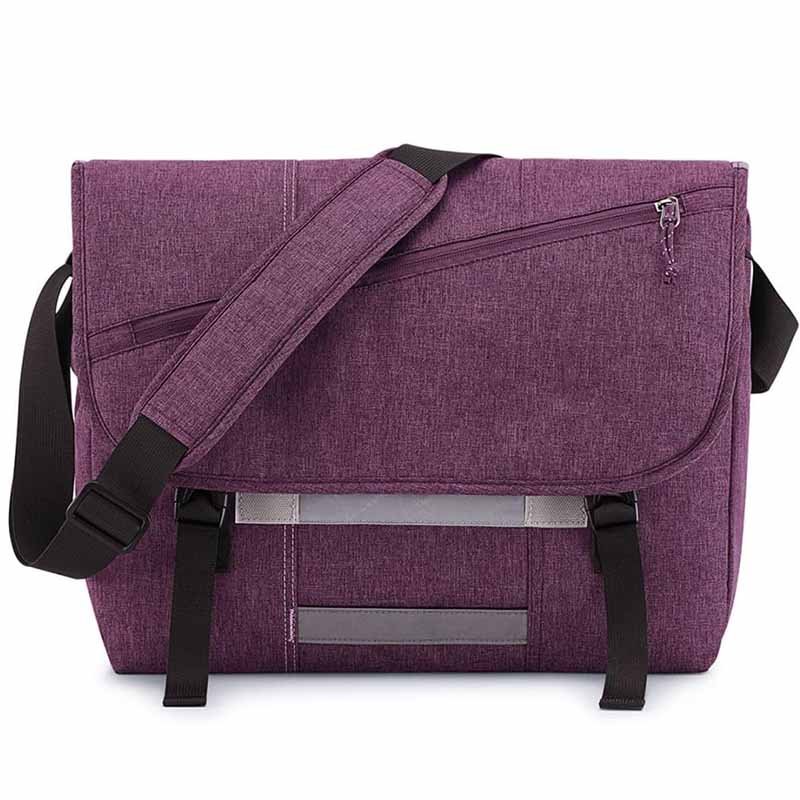
There is no universally better option between a briefcase and a messenger bag for work. The better choice depends on your profession, daily workflow, commute style, and the image you need to project. Briefcases and messenger bags solve different work problems—and choosing the wrong one often creates friction in daily use rather than improving productivity.
In simple terms:
- Briefcases are better for structured, formal, and authority-driven work environments.
- Messenger bags are better for mobile, flexible, and modern work lifestyles.
Understanding why makes the decision much clearer.
Do Professionals Still Use Briefcases for Work?
Yes—professionals still use briefcases, but their role has become more intentional and situational.
Briefcases remain common in:
- Law, finance, banking, and consulting
- Executive and senior management roles
- Client-facing, negotiation-heavy positions
- Industries where trust, hierarchy, and formality matter
In these contexts, a briefcase reinforces credibility, preparedness, and leadership. It aligns naturally with tailored clothing, formal meetings, and document-heavy workflows. Modern briefcases are no longer rigid boxes—they often include laptop padding, lighter construction, and shoulder straps, making them more practical than older designs.
For professionals in these roles, a messenger bag may feel underdressed or too casual.
Why Do Many Professionals Prefer Messenger Bags Today?
Messenger bags gained popularity not because briefcases failed—but because work itself changed.
Messenger bags work better when:
- Offices have casual or business-casual dress codes
- Work is digital-first (laptop, tablet, phone)
- Commuting involves walking, cycling, or public transport
- Mobility and comfort matter more than symbolism
For tech professionals, designers, salespeople, consultants, and remote or hybrid workers, messenger bags support how work actually happens. Hands**-**free carrying, fast access, and lighter weight reduce daily friction—especially over long commutes.
In these environments, a briefcase can feel unnecessarily rigid or impractical.
Briefcase vs Messenger Bag by Work Environment
| Work Environment | Better Choice | Why |
|---|---|---|
| Law / Finance | Briefcase | Signals authority & professionalism |
| Corporate office (formal) | Briefcase | Matches dress code & expectations |
| Tech / Startup | Messenger Bag | Aligns with casual, mobile work |
| Creative / Media | Messenger Bag | Practical and culturally appropriate |
| Sales / Consulting (travel-heavy) | Messenger or Hybrid | Comfort + flexibility |
| Client-facing executive roles | Briefcase | Builds trust and presence |
This table shows that context beats trends.
How Commute Style Affects the Decision
Commute is often the deciding factor professionals underestimate.
- Car-based commute + short walks → Briefcase works well
- Urban commute + long walks or transit → Messenger bag is more comfortable
- Cycling or frequent movement → Messenger bag is clearly superior
Carrying a structured leather briefcase for 30 minutes daily feels very different from carrying it for 3 minutes between meetings.
Image, Perception, and Career Signaling
Work bags communicate subtle messages.
A briefcase suggests:
- Structure
- Seniority
- Reliability
- Traditional professionalism
A messenger bag suggests:
- Flexibility
- Modern thinking
- Approachability
- Practical focus
Neither message is “better,” but the wrong signal in the wrong environment can feel misaligned. In some industries, showing up with a briefcase signals experience; in others, it may feel out of touch.
Hybrid Solutions: Why Many Professionals Choose Both
An increasing number of professionals choose hybrid briefcase–messenger designs or own both types of bags.
Hybrid designs offer:
- Briefcase structure with optional crossbody carry
- Formal appearance with commuting comfort
- Flexibility for different workdays
This trend reflects the reality of modern work: one bag rarely fits every situation.
Decision Framework: Which Is Better for You?
Ask yourself:
- Is my work environment formal or casual?
- Do I carry documents or mostly digital tools?
- How long and active is my daily commute?
- What professional image do I need to project?
Your answers will point clearly toward a briefcase, a messenger bag, or a hybrid.
Do Materials Matter When Choosing a Bag
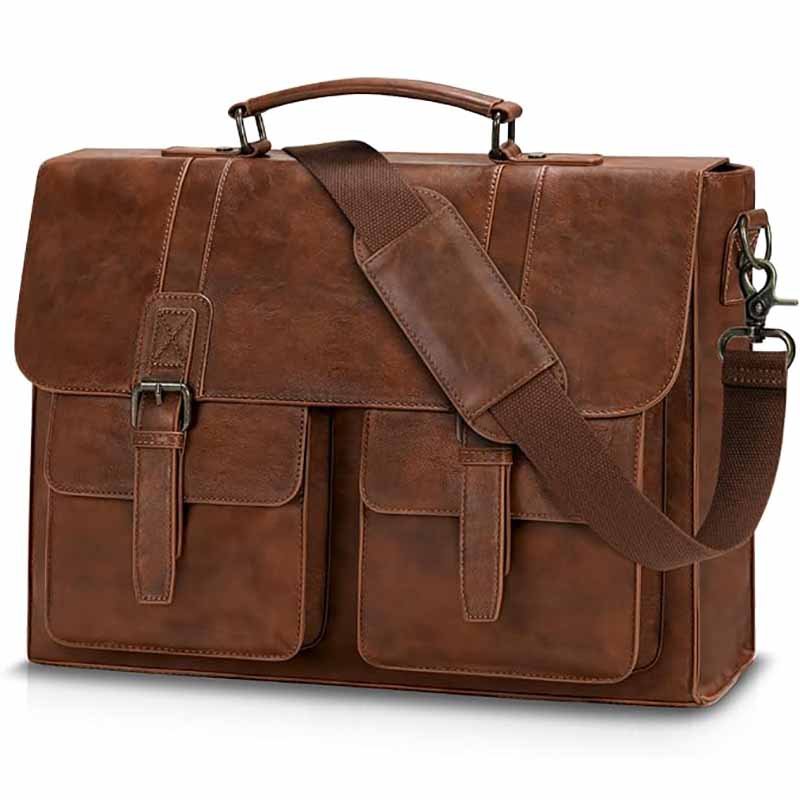
Yes—materials matter a lot when choosing a briefcase or messenger bag. The material affects not only how the bag looks, but also how it feels in daily use, how long it lasts, how it ages, how it handles weather, and how it signals professionalism. In many real-world scenarios, the material choice can matter as much as the bag type.
A structured briefcase made from poor-quality leather may crack or peel within a year, while a well-built canvas messenger bag can perform reliably for years. The best choice is not “leather vs fabric” in a vacuum—it’s which material matches your job, commute, and expectations for durability and image.
What Does Bag Material Actually Affect?
Material influences several practical and emotional factors:
- Professional impression: leather usually signals higher formality and value
- Durability & lifespan: fiber strength and surface treatment determine wear resistance
- Weight & carry comfort: heavier materials increase fatigue over time
- Weather resistance: coatings and leather finishes change how the bag handles rain/humidity
- Maintenance: some materials demand conditioning; others are wipe-clean
- Aging & aesthetics: leather develops patina; fabrics often show scuffs and fading differently
If you want a bag that looks better after years of use, leather is often the winner. If you want low-maintenance commuting practicality, technical fabrics may be smarter.
Which Material Looks More Professional: Leather or Fabric?
In most traditional business environments, leather still looks more professional.
- A leather briefcase tends to look polished, structured, and “executive.”
- A fabric messenger bag often reads as casual, even if well made—unless the design is premium and minimal.
However, modern work culture has shifted. In tech, creative, and startup environments, high-quality fabric bags can still look professional—especially when they’re clean, slim, and well-structured.
Rule of thumb: If you frequently meet clients, attend formal meetings, or work in law/finance—leather gives you a safer professional signal.
How Do Leather Types Change Performance and Quality?
Not all leather behaves the same. Leather type impacts feel, durability, and price.
Common leather types used in work bags:
- Full-grain leather: strongest, ages best, develops natural patina
- Top-grain leather: durable and smoother appearance, slightly more processed
- Genuine leather (label): can vary widely; not a quality guarantee
- PU leather / bonded leather: may peel or crack sooner; lower longevity
Practical takeaway: If long-term durability and premium positioning matter, full-grain or top-grain leather is typically the better choice.
What Fabric Materials Are Common in Work Bags?
Fabric messenger bags and some modern briefcases often use:
- Canvas: rugged look, good abrasion resistance, but can absorb water unless waxed/treated
- Nylon: lightweight, strong, often water-resistant with coatings
- Polyester: cost-stable, good UV resistance, consistent appearance
- Mixed materials: leather trims + fabric body for balance of style and weight
Fabric materials are often better for commuting and mobility, especially when weight and weather resistance are priorities.
Is Leather Always More Durable Than Fabric?
Not always. Durability depends on material grade + construction.
A poorly made leather bag with weak stitching can fail faster than a well-built nylon bag with reinforced webbing. Conversely, high-grade leather with proper construction can last for many years and age beautifully.
Think of durability like this:
- Material quality sets the potential lifespan
- Construction quality determines whether you reach it
How Does Material Affect Comfort and Weight?
This is one of the biggest real-world differences people notice.
- Leather (especially structured briefcases) is heavier
- Fabric messenger bags are usually lighter and easier on long commutes
- Strap padding and load balance matter more for messenger bags
If you carry a laptop daily and walk long distances, weight matters. A bag that feels “fine” in a store can feel exhausting after months of commuting.
Which Materials Handle Rain and Humidity Better?
Weather performance depends on coatings and finishes:
- Nylon/polyester (coated): typically best for rain and wipe-clean use
- Waxed canvas: good water resistance, strong character, needs occasional upkeep
- Leather (finished): can resist light rain, but prolonged moisture can stain without care
If you live in a humid area or commute in unpredictable weather, choose:
- coated nylon/polyester, or
- leather with protective finishing + good edge paint/sealing.
Materials for Briefcases & Messenger Bags
| Material | Best For | Pros | Cons |
|---|---|---|---|
| Full-grain leather | Premium briefcases | Patina, longevity, executive look | Heavier, needs care |
| Top-grain leather | Modern work bags | Polished, durable, consistent | Still heavier than fabric |
| Waxed canvas | Commuter messenger bags | Water-resistant, rugged | May show marks; upkeep |
| Nylon (coated) | Urban mobility | Light, durable, weather-friendly | More casual look |
| Polyester | OEM cost control | Stable cost, colorfast | Slightly less abrasion-resistant |
| PU/Bonded leather | Entry-level | Affordable look | Can peel/crack sooner |
How to Choose the Right Material
Ask yourself:
- Do I need a formal business image? → leather
- Do I commute long distances daily? → lighter fabric or hybrid
- Is weather exposure frequent? → coated fabric or waxed canvas
- Do I want low maintenance? → coated nylon/polyester
- Do I want the bag to age beautifully? → full/top-grain leather
This checklist turns material choice into a simple, real-life decision.
How Do You Choose Between a Briefcase and a Messenger Bag
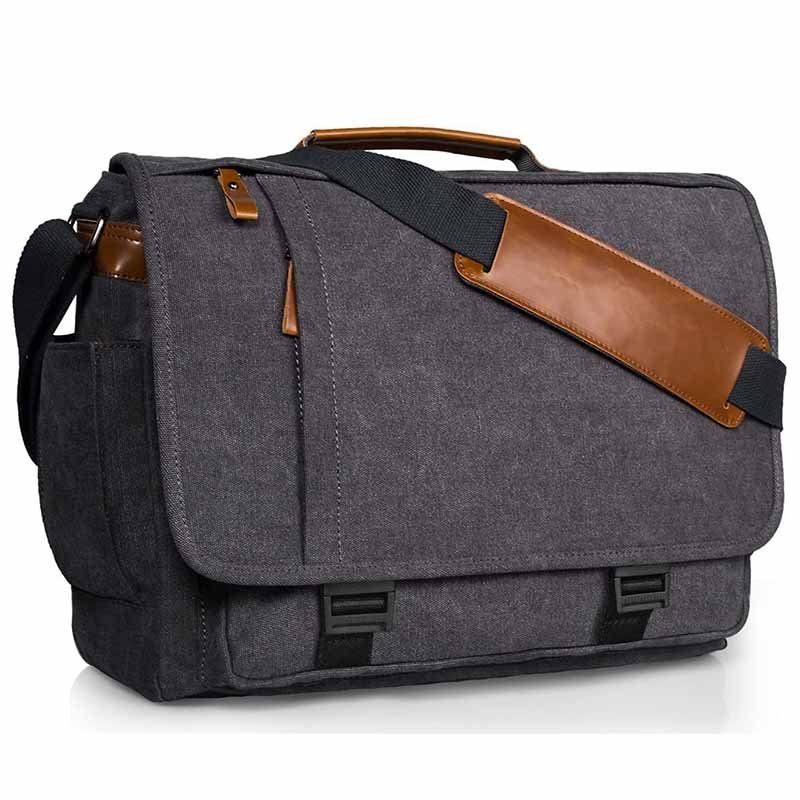
Choosing between a briefcase and a messenger bag is not about fashion trends—it’s about how you work, how you move, and how you want to be perceived. The right choice supports your daily workflow, reduces friction, and aligns with your professional or brand identity. The wrong choice feels inconvenient, uncomfortable, or subtly out of place.
Instead of asking “Which bag is better?”, the better question is: Which bag fits my work reality today—and still makes sense a few years from now?
Step 1: Start With Your Work Environment (Formality Level)
Your workplace culture is the first and most important filter.
- Formal environments (law, finance, banking, consulting, executive roles): A briefcase is usually the safer and more appropriate choice. It signals structure, authority, and professionalism—qualities expected in these settings.
- Business-casual or casual environments (tech, startups, creative, media): A messenger bag often fits better. It aligns with modern work culture and doesn’t feel overly rigid or symbolic.
Key insight: If your bag regularly appears in client meetings, interviews, or negotiations, perception matters as much as function.
Step 2: Analyze Your Daily Commute and Movement
How you get from home to work matters more than many people expect.
- Car-based commute, short walks → Briefcase works well
- Walking, public transport, cycling → Messenger bag is far more practical
- Frequent travel or moving between locations → Messenger or hybrid design
Messenger bags distribute weight across the body and keep hands free. Briefcases feel controlled and polished but become tiring over long distances.
Rule of thumb: The longer and more active your commute, the more a messenger bag makes sense.
Step 3: Look at What You Carry (Not What You Think You Carry)
Bag choice should reflect actual contents, not idealized habits.
- Mostly documents, contracts, folders → Briefcase
- Mostly laptop, tablet, charger, phone → Messenger bag
- A mix of both → Hybrid briefcase–messenger
Briefcases excel at keeping papers flat and organized. Messenger bags excel at digital-first workflows where quick access matters more than rigid order.
Step 4: Consider Comfort Over Long-Term Use
Comfort issues usually appear after weeks or months, not in the store.
- Structured leather briefcases are heavier
- Messenger bags reduce hand fatigue but can strain one shoulder if overloaded
- Strap width, padding, and balance matter more than bag type
If you carry your bag daily, comfort should outweigh aesthetics. Many professionals switch bags not because of style—but because of shoulder or wrist fatigue.
Step 5: Think About the Image You Want to Project
Bags communicate silently.
A briefcase suggests:
- Authority
- Experience
- Structure
- Traditional professionalism
A messenger bag suggests:
- Flexibility
- Practicality
- Modern thinking
- Approachability
Neither image is “better,” but one may fit your role—and your brand—more accurately.
Step 6: Match the Bag to Your Career Stage
Career stage often influences bag choice more than age.
- Early career / creative roles → Messenger bag feels natural
- Mid-career / client-facing roles → Depends on industry
- Senior / leadership roles → Briefcase often reinforces position
Many professionals transition from messenger bags to briefcases as their responsibilities and visibility increase.
Step 7: Consider Hybrid Options (The Modern Compromise)
If you find yourself torn, you’re not alone. That’s why hybrid briefcase–messenger bags are growing fast.
Hybrid designs offer:
- Briefcase structure and professional appearance
- Detachable or hidden shoulder straps
- Flexibility for different workdays
For many professionals and brands, hybrids are the most future-proof option.
Common Mistakes to Avoid
- Choosing based only on looks
- Ignoring commute comfort
- Overestimating how “formal” your job really is
- Buying trendy designs that don’t fit daily use
- Forgetting how the bag will age over time
A bag should make work easier, not harder.
Are Briefcases and Messenger Bags Customizable
Yes—both briefcases and messenger bags are highly customizable, especially when produced by experienced leather goods manufacturers. Customization is not limited to adding a logo; it can involve materials, structure, dimensions, functionality, hardware, branding details, and even packaging. For brands and professional buyers, customization is often the key factor that transforms a generic bag into a market-ready, differentiated product.
In fact, in today’s leather goods market, most premium briefcases and messenger bags are custom-developed rather than off-the-shelf, even if they appear simple on the surface.
What Parts of a Briefcase or Messenger Bag Can Be Customized?
Customization can happen at multiple levels, depending on project goals and budget.
1. Materials and Leather Selection
Material choice is usually the foundation of customization.
Common options include:
- Full-grain leather, top-grain leather, or vegetable-tanned leather
- Different leather textures (smooth, pebbled, pull-up, distressed)
- Leather thickness and temper (soft vs structured)
- Mixed materials (leather + canvas or nylon)
Material selection directly affects appearance, durability, weight, cost, and brand positioning.
2. Structure and Bag Construction
Avoiding generic structure is one of the biggest advantages of customization.
Customizable elements include:
- Rigid, semi-structured, or soft body construction
- Internal layout (document dividers, laptop padding, accessory pockets)
- Carrying methods (top handle only, shoulder strap, crossbody, hybrid)
- Opening style (zip-top, flap, metal frame, magnetic closure)
This allows the bag to match real user behavior, not just visual trends.
3. Size, Capacity, and Proportions
Even small size changes can dramatically improve usability.
Customization may involve:
- Laptop-specific sizing (13”, 14”, 15.6”, 16”)
- Slim profile vs expandable body
- Depth and gusset adjustments
- Weight balance optimization
These decisions are especially important for professional users who carry devices daily.
4. Hardware and Functional Components
Hardware is a subtle but powerful branding tool.
Customizable hardware includes:
- Zippers (brand, size, finish)
- Buckles, hooks, D-rings
- Metal color (antique brass, gunmetal, silver, matte black)
- Lock systems or magnetic fasteners
Hardware choice affects durability, user experience, and perceived quality.
How Can Branding and Logos Be Customized?
Branding is where customization becomes visible.
Common branding methods:
- Debossed or embossed leather logos
- Foil-stamped logos
- Metal logo plates
- Custom lining with brand patterns
- Logo-engraved hardware
Professional customization balances visibility with restraint—especially for premium markets.
Can Briefcases and Messenger Bags Be Customized for Different Markets?
Yes, and this is where experienced manufacturers add the most value.
Examples:
- Corporate gifting → clean design, subtle logo, consistent colors
- Luxury retail → premium leather, minimal branding, refined details
- Startups & tech brands → functional layouts, lighter construction
- Mid-range wholesale → cost-optimized materials with brand accents
Customization allows the same bag concept to serve different price points and customer segments.
What’s the Difference in Customization?
| Model | What It Means | Best For |
|---|---|---|
| OEM | Your design, factory produces | Brands with clear specs |
| ODM | Factory helps design & develop | Brands needing guidance |
Both briefcases and messenger bags work well under OEM or ODM models. ODM is especially useful when brands want professional input on materials, structure, and cost optimization.
What Is the Typical Customization Process?
A professional customization workflow usually includes:
- Requirement discussion (target market, use, price)
- Material and structure recommendation
- Design drawings or samples
- Prototype development and revision
- Mass production and quality control
- Custom packaging and final inspection
This process ensures the final product aligns with both brand vision and real-world usability.
Why Customization Matters More Than Ever
In a crowded leather goods market:
- Generic products struggle to stand out
- Buyers expect functional differentiation
- Brand stories are tied to design details
Customization allows brands to:
- Solve real user pain points
- Control quality and cost
- Build long-term brand identity
For professional buyers, customization reduces compromise.
Conclusion
The debate between briefcase vs messenger bag isn’t about which one is “better.” It’s about which one fits the way you work today.
Briefcases haven’t disappeared—they’ve evolved. Messenger bags aren’t casual—they’re functional responses to modern work.
For brands and buyers, the real opportunity lies in thoughtful design, material selection, and customization.
Work With Szoneier Leather
If you’re developing custom leather briefcases, messenger bags, or hybrid work bags, Szoneier Leather can support you from concept to production.
Share your project ideas, target market, materials, and quantity. Our team will provide professional recommendations, fast sampling, and scalable manufacturing solutions.
Let’s build work bags that truly fit modern professionals.


