 Skip to content
Who Is the Biggest Producer of Leather:A Global Overview
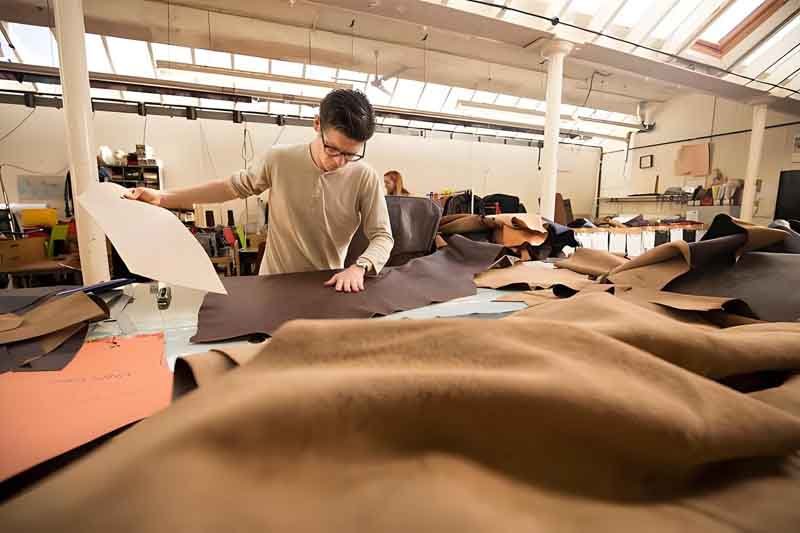
Leather underpins industries from fashion to automotive, yet few know which countries drive this vast supply chain. With over 27 million tonnes of hides processed annually, understanding who produces the most leather reveals critical insights into global trade, sustainability, and sourcing strategies for brands and buyers alike.
China is the world’s largest leather producer, processing approximately 8 million tonnes of rawhide into tanned leather each year, thanks to its massive cluster of tannery parks and integrated supply chains. Brazil and India follow—Brazil supplying over 10 million cattle hides, and India tanning 3.5 million tonnes domestically. Together, these three nations account for over 60% of global leather output, setting the pace for raw-material availability and export volumes.
From the bustling tanneries of Guangzhou to the artisanal workshops of Tuscany, we’ll explore the data, ask critical questions—What truly defines “production”, Where does U.S. leather originate, and Which exotic leather commands the highest prices—and share how brands can leverage these insights to partner with experts like Szoneier Leather for custom, low-MOQ, end-to-end leather manufacturing.
What Is Leather Production and How Is It Measured?
Leather production encompasses tanning raw animal hides—cattle, sheep, goats—into finished leather ready for manufacturing. It’s measured by rawhide volume (tonnes of raw hides processed), tanned leather output (tonnes or square meters), and value (USD billions in export revenue). Key indicators include annual hide slaughter data, tannery processing capacity, and WTO HS chapter 41 export figures. Together, these metrics gauge a country’s leather-industry scale and global market influence.
Leather production is far more than a simple hide-to-good conversion; it’s a complex interplay of raw-material supply, chemical processing, labor skills, and environmental controls. Let’s unpack the main measurement frameworks:
Rawhide Volume vs. Tanned Output
Rawhide Volume:
Governments and agricultural bodies report the number of hides and skins produced through slaughterhouse data—e.g., Brazil slaughters over 40 million cattle annually, generating roughly 10 million cowhides.
Tanned Output:
Tanning transforms rawhides into wet-blue and crust leather. Capacity is measured in annual “wet-blue tonnes” processed—China processes about 5 million t.
Square Meters of Leather
Area Measurement:
Since hides vary in size, many tanneries report output in square meters (m²). A typical Brazilian cowhide yields 15–18 m², so 10 million hides translate to 150–180 million m² of leather.
Industry Benchmarks:
The Leather Working Group aggregates annual certified leather output in m² to track sustainable production growth—recently exceeding 300 million m² worldwide.
Economic Value
Export Revenue:
HS Chapter 41 exports (“Articles of leather”) totaled USD 60 billion in 2023—led by China (USD 18 B), Italy (USD 12 B), and India (USD 8 B).
Value-Added vs. Raw Hides:
Tanning and finishing add 5–10× value over rawhide prices. A rawhide at USD 3/m² becomes leather retailing at USD 30–50/m² in handbags and upholstery.
Capacity Indicators
- Tannery Counts & Throughput:
- China: >2,000 large-scale tanneries with combined throughput of 8 million t.
- India: ~1,200 tanneries (50% in Kanpur) processing 3.5 million t.
- Brazil: 800 tanneries focusing on wet-blue export (2.5 million t).
- Tannery Counts & Throughput:
Quality vs. Quantity
- Measuring volume doesn’t reflect premium leather production (full-grain, vegetable-tanned). For luxury segments, Italian and Spanish tanneries report lower tonnage (200,000–400,000 t) but high average value per m² (USD 50–100/m²).
Which Countries Lead in Rawhide Supply?
Top rawhide suppliers are Brazil (~10 million cattle hides/year), India (~4 million cattle & buffalo hides), and China (~5 million cattle & sheep hides). These nations’ livestock industries fuel local and export tanning. The U.S. also contributes roughly 2 million cattle hides, primarily processed domestically or exported wet-blue. Reliable rawhide availability in these countries underpins their dominance in both volume and value of leather production.
Rawhide supply underpins a country’s leather-production capacity. Volume, hide quality, and processing infrastructure all matter. Below we explore the leading suppliers in depth.
1. Brazil: Global Cattle-Hide Powerhouse
Scale of Production:
Brazil slaughters over 40 million cattle each year, generating approximately 10 million prime cowhides suitable for leather. This volume makes it the world’s largest rawhide supplier.
Beef Industry Integration:
Major meatpackers (JBS, Marfrig) operate vertically—slaughtering, wet-blue tanning, and exporting hides directly to tanneries in China, Europe, and North America.
Export Focus:
Brazil exports around 2.5 million tonnes of wet-blue leather annually, valued at USD 5 billion, shipping primarily to China for finishing and to Mexico for automotive upholstery.
2. India: Massive Tanneries and Domestic Value-Add
Tannery Network:
India hosts over 3,000 tanneries—75 large-scale and 300 medium/small units in Kanpur and Chennai—processing 700,000 tonnes of hides and skins annually.
Hide Sources:
Domestic cattle and water-buffalo hides comprise ~4 million rawhides yearly. Over 90% of these tanneries are SME-run, supplying crust and finished leather to global footwear and accessory brands.
Sustainability Push:
Investments in waterless tanning and closed-loop wastewater systems address environmental concerns, positioning India as a “green” rawhide supplier for eco-brands.
3. China: Importer and Domestic Producer
Dual Role:
China processes about 5 million hides annually—sourced from domestic slaughter (cattle, sheep, goats) and imports (notably U.S. hides). As the largest leather-goods exporter, it needs steady rawhide flow.
Import Trends:
U.S. hides were a major export to China—USD 2.3 billion in 2013—but have declined to about USD 876 million in 2022 as China shifts sourcing closer to its own beef sector.
Domestic Clusters:
Guangdong and Fujian provinces house dense tanning parks, converting rawhides into wet-blue and crust leather for local manufacturing of bags, footwear, and upholstery.
4. United States: Leading Producer with Strategic Imports
Domestic Slaughter:
The U.S. is a top beef producer, yielding roughly 2 million cattle hides annually. However, domestic processing covers only part of this; about 40% of U.S. hides are exported raw or semi-processed.
Key Suppliers:
Canada remains the largest single exporter of hides into the U.S., ensuring steady supply for American tanneries—particularly for specialty grades like steer and heifer hides.
Value Chain:
U.S. tanneries focus on high-end upholstery, equestrian leather, and premium small-goods, leveraging superior hide quality and rigorous environmental controls.
Where Does Most U.S. Leather Come From?
Although the U.S. is a major cattle producer, nearly 50% of hides processed in American tanneries are imported, primarily from Canada, Brazil, and Mexico. Canada supplies high-quality steer and heifer skins, while Brazil and Mexico contribute large volumes of cattle hides. Domestic hides come from U.S. slaughterhouses in states like Texas and Nebraska, but imports ensure consistent quality grades and full-capacity operation of U.S. tanneries.
While it may seem intuitive that U.S. leather is made almost entirely from domestic cattle, the reality reflects a globalized rawhide market. Here’s an in-depth look at the sources, logistics, and rationale behind U.S. leather imports:
1. Domestic Production vs. Import Dependence
Domestic Slaughter Volumes:
The U.S. slaughters over 30 million cattle annually, yielding roughly 2.5 million prime hides suitable for high-end leather. These hides feed domestic tanneries specializing in automotive upholstery, furniture, and luxury goods.
Import Share:
To maintain consistent tannery capacity and meet specific quality requirements, U.S. tanneries import about 1.2 million hides each year—accounting for nearly 50% of their rawhide intake.
2. Key Import Sources
- Canada
- Volume & Quality: Canada is the largest exporter of hides to the U.S., supplying premium steer and heifer skins known for tight grain and balanced thickness.
- Proximity & Logistics: Cross-border transportation overland reduces shipping times and costs, ensuring timely delivery of hides to tanneries in the Midwest and East Coast.
- Brazil
- Scale: As the world’s top cattle-hide producer (~10 million hides), Brazil exports large volumes of wet-blue hides to the U.S. for further crusting and finishing.
- Hide Characteristics: Brazilian hides tend to be larger and thicker, favored for heavy-duty applications like saddlery and work boots.
- Mexico
- Regional Trade: Under USMCA (formerly NAFTA), Mexico enjoys tariff-free access, making it a competitive source for mid-grade cattle hides and some goat/sheep skins.
- Emerging Quality: Mexican tanneries have improved environmental and processing standards to meet U.S. buyers’ specifications, particularly for belt and small-leather-goods leather.
3. Rationale for Imports
- Quality Diversification: Different countries’ breeds, feed, and slaughter practices yield hides with distinct characteristics—giving U.S. tanneries a wider palette to match market demands (from buttery upholstery leathers to rugged workwear).
- Capacity Utilization: Many U.S. tanneries operate large-capacity drums and finishing lines; domestic hide production alone cannot fill these without seasonal shortages.
- Cost Stability: Importing hides hedges against domestic price volatility driven by beef-market fluctuations, droughts, and disease outbreaks.
4. Processing Flow
- Wet-Blue Imports: Brazilian and Mexican hides often arrive as wet-blue (chrome-tanned) to reduce shipping weight and stabilize quality. U.S. tanneries then proceed with crusting, dyeing, and finishing.
- Dry or Green Hides: Premium Canadian hides sometimes ship as green or semi-processed skins—allowing U.S. tanneries to apply bespoke tanning recipes (vegetable or low-chrome) tailored to high-end applications.
5. Impact on Brands and Manufacturers
- Traceability & Sustainability: Brands sourcing “Made in USA” leather must audit both domestic and imported hide origins, ensuring compliance with animal-welfare and environmental standards across borders.
- Lead Times: Import logistics add 7–14 days compared to domestic hides; manufacturers must plan inventory carefully to avoid production delays.
- Cost Considerations: Imported hides typically carry freight and tariff costs (though reduced under USMCA), adding $0.50–$1.50 per square foot to raw-material costs—factored into final product pricing.
How Does China Dominate the Leather Manufacturing Sector?
China leads global leather manufacturing by leveraging vertically integrated clusters that process over 30% of the world’s raw hides into finished leather, supported by more than 2,000 large tanneries in Guangdong and Fujian. Competitive labor costs, government export incentives, and rapid adoption of PU/TPU coating and digital patterning technologies enable China to export USD 32.1 billion in leather articles annually. Robust infrastructure and continual investment in environmental upgrades cement its market dominance.
China’s supremacy in the leather sector is built on a strategic blend of scale, integration, technology, and policy support. Below we explore the multifaceted drivers behind its unparalleled manufacturing strength.
1. Vertically Integrated Manufacturing Clusters
China’s leather industry is concentrated in two major provinces—Guangdong (notably Guangzhou and Dongguan) and Fujian (Quanzhou, Jinjiang). Together, these clusters host:
- Tanneries & Wet-Blue Plants: Over 2,000 large-scale facilities process raw hides into wet-blue leather, accounting for nearly 30% of global hide processing capacity.
- Downstream Factories: Within the same industrial parks, cut-and-sew workshops, PU/TPU coating lines, and packaging units eliminate cross-border logistics, slashing lead times to 20–30 days for bulk orders.
- Supply-Chain Synchronization: Fabric mills, hardware suppliers (zippers, buckles), and trim producers co-located in adjacent zones ensure just-in-time delivery and minimal inventory risk.
This seamless value chain—from rawhide to finished goods—drives cost efficiencies and quality consistency that few countries can match.
2. Competitive Labor and Production Costs
- Labor Pool: China’s skilled workforce performs complex tanning and assembly tasks at an average labor cost of USD 0.50–1.00 per labor-hour per unit—significantly lower than Western markets.
- Multi-Shift Operations: Factories often operate two to three shifts, maximizing machine utilization and meeting peak-season demands for major global brands and e-commerce retailers.
Combined with high-capacity machinery, these labor dynamics yield per-unit production costs for mid-range leather articles that can be 40–60% below those of European producers.
3. Rapid Technological Adoption
- Advanced Coating Lines: In-house PU/TPU lamination plants apply waterproof, abrasion-resistant finishes directly to wet-blue leather, boosting functional value and export appeal.
- Digital Patterning & CAD/CAM: Automated pattern-making reduces material waste by 15–20% and speeds sample iterations—critical for “fast fashion” and private-label clients.
- Automated QA: AI-driven camera systems inspect grain consistency and detect defects at micron-scale precision, maintaining defect rates below 2%.
These innovations maintain China’s cost leadership while keeping pace with evolving performance standards.
4. Government Support and Export Incentives
- Subsidies for Eco-Tanneries: Regional authorities offer grants and low-interest loans to upgrade wastewater treatment and adopt closed-loop tanning, aligning with REACH and OEKO-TEX® standards.
- Export Rebates: Duty rebates on HS Chapter 41 exports (leather articles) effectively reduce landed costs for overseas buyers by 5–8%, making Chinese leather goods more price-competitive on global markets.
Such policies cushion incremental investment costs and accelerate compliance with stringent Western regulations.
5. Export Dominance and Market Reach
- Export Volume & Value: In 2023, China exported USD 32.1 billion in leather articles—footwear, bags, and accessories—ranking second only to the entire European Union bloc.
- Global Clientele: Beyond mass-market retailers, Chinese tanneries serve premium OEM/ODM clients for mid-tier fashion brands, combining cost advantages with customizable quality.
6. Environmental and Ethical Challenges
- Pollution Control Upgrades: Historically criticized for effluent discharges, leading tanneries have invested over USD 2 billion collectively in wastewater treatment, reducing chemical oxygen demand (COD) by 60%.
- Social Compliance: Adoption of BSCI/SMETA audits ensures better labor conditions—essential for retaining contracts with Western retailers.
How Do Brazil and India Compare in Leather Production?
Brazil leads in rawhide supply with over 10 million cattle hides annually and exports USD 1.26 billion in hides and leather (2024). Its tanneries produce around 173,000 t of finished leather per quarter. India processes roughly 3 billion ft² (≈ 270 million m²) of leather yearly—about 13 % of global output—across 2,000+ tanneries, exporting USD 6 billion in leather products annually. Brazil emphasizes wet-blue hides for global tanning, while India focuses on domestic crusting and finished-goods value-add.
Brazil and India rank just behind China in global leather production, yet their strategies and industry structures differ significantly. Below is an in-depth comparison across supply, processing, value addition, and sustainability.
1. Rawhide Supply & Slaughter Volumes
- Brazil:
- Cattle Industry Scale: Brazil slaughters over 40 million cattle annually, generating ~10 million cowhides for leather—making it the world’s top rawhide supplier.
- Wet-Blue Exports: In Q1 2025, Brazilian tanneries shipped 173,100 t of leather—up 25.3 % year-over-year—though export value dipped to USD 298.8 million, reflecting price pressure amid higher volumes.
- India:
- Hide Availability: With 20 % of global cattle & buffalo populations, India produces ~4 million hides annually.
- Tannery Network: Over 2,000 tanneries, concentrated in Tamil Nadu, West Bengal, and Uttar Pradesh, process these hides into crust and finished leather for domestic manufacturing and export.
2. Processing & Tanned Output
| Country | Annual Rawhide Intake | Tanned Leather Output | Primary Product Forms |
|---|---|---|---|
| Brazil | 10 million hides | ~700 thousand t (annualized) | Wet-blue hides for export |
| India | 4 million hides | ~2 billion ft² (≈ 180 million m²) | Crust & finished leather |
Brazilian Tanning Focus:
Brazilian tanneries specialize in wet-blue (chrome-tanned) leather, exporting these semi-processed hides to finishing hubs in China and Europe.
Indian Value-Add:
India moves beyond wet-blue, performing crusting, dyeing, and finishing in-country—supplying finished leather to global footwear brands. India’s 3 billion ft² output comprises roughly 13 % of worldwide leather production.
3. Export Value & Market Orientation
- Brazil:
- Export Revenue: USD 1.26 billion in hides and leather in 2024, a 12.5 % increase from 2023.
- Major Markets: China (finishing), Mexico (automotive leather), and Europe.
- India:
- Finished-Goods Exports: USD 5.5–6 billion annually, driven by footwear (9 % of global output) and accessories.
- Market Reach: U.S., EU, and Middle East, capitalizing on “Made in India” leather goods.
4. Industry Structure & Skills
- Brazil:
- Corporate Dominance: Large conglomerates (JBS, Marfrig) integrate slaughter, tanning, and export operations.
- Technology: Investment in advanced wet-blue drums and effluent-treatment plants to meet environmental norms.
- India:
- SME-Driven: Predominantly small- and medium-sized tanneries, fostering entrepreneurial flexibility but facing scale challenges.
- Labor Force: Employs over 4 million people, with 30 % women and 55 % under age 35—one of the youngest workforces in leather.
5. Sustainability & Regulatory Environment
- Brazil:
- Deforestation Concerns: Leather land use tied to Amazon clearing has prompted stricter supply-chain transparency demands.
- Effluent Controls: CICB reports increased adoption of zero-liquid discharge systems, though enforcement varies by state.
- India:
- Environmental Upgrades: Government incentives for closed-loop wastewater systems and chromium recycling aim to reduce the toxic footprint of Kanpur-based clusters.
- Compliance Pressure: Exporters secure ISO 14001 and Leather Working Group certifications to access Western markets.
6. Future Trajectories
- Brazil:
- Value-Chain Expansion: Plans to retain more value domestically by moving up from wet-blue exports to crusting and finishing.
- Sustainability Goals: Partnerships with brands to certify deforestation-free hides and improve tanneries’ carbon profiles.
- India:
- Scale Consolidation: Anticipated mergers among SME tanneries to achieve economies of scale and improve infrastructure investment.
- Diversification: Growth in goat and sheep leather (specialty markets) and chrome-free tanning to meet eco-sensitive demands.
What Role Does the European Union Play in Premium Leather Output?
The EU—led by Italy, Spain, and Germany—produces premium leather representing 20% of global value. Italy’s vegetable-tanned full-grain hides command USD 12 billion in exports; Spain contributes USD 4 billion in automotive and footwear leathers; Germany’s technical tanneries supply high-performance leathers for sports and machinery. Despite lower volume, EU leather’s average value per m² ($50–$100) far exceeds global averages.
The EU’s dominance in premium leather stems from centuries-old craft traditions, rigorous quality standards, and strategic regional specialization. Below, we explore how Italy, Spain, and Germany each contribute unique strengths to Europe’s premium leather landscape.
1. Italy: The Heart of Luxury Tanning
Economic Leadership:
According to UNIC, Italian tanneries account for 61% of Europe’s leather production volume and 63% of its production value—translating to a turnover of over €3.2 billion in 2022.
Regional Clusters:
- Santa Croce & Pisa (Tuscany): Renowned for vegetable-tanned full-grain bovine hides, prized by top fashion houses for their natural grain and depth of patina.
- Arzignano (Veneto): Europe’s largest chrome-tanning district, specializing in shoe leathers and accessory skins with consistent quality and eco-certified processes.
Craftsmanship & Innovation:
Italian tanneries blend artisanal hand-finishing—edge burnishing, wax pulls, and aniline dyes—with modern wastewater treatment and chrome-recycling systems to meet Leather Working Group (LWG) “Gold” standards.
2. Spain: Design-Driven Leather Apparel
Market Size & Growth:
Spain’s leather-apparel segment generated USD 1.24 billion in revenue in 2022, representing 2.9% of the global leather-apparel market, with a projected 5.5% CAGR through 2030.
Key Centers:
- Andalusia & Catalonia: Home to medium-sized tanneries supplying supple lamb and kid leathers for both local designers and international brands.
- Basque Country: Technical leathers for automotive seating and industrial applications benefit from proximity to Germany’s auto industry.
Quality & Design:
Spanish tanneries emphasize sleek finishes—pull-up leathers, high-gloss patent, and perforated technical finishes—catering to leather jacket, handbag, and footwear designers.
3. Germany: Technical Leather and Automotive Excellence
Processing Capacity:
The German Leather Association reports processing over 1.2 million tonnes of hides in 2023, with a large share directed to automotive interiors for brands like BMW, Mercedes-Benz, and Audi.
Industry Structure:
- North Rhine–Westphalia & Baden-Württemberg: Regions with specialized tanneries focusing on high-durability, flame-retardant, and scratch-resistant leathers for transportation and machinery.
- Research & Standards: Collaboration between tanneries and research institutes ensures compliance with ISO 9001, REACH, and OEKO-TEX® chemical-safety standards.
Value Addition:
Germany’s premium leathers command higher prices per square meter than bulk-produced hides, underpinning Europe’s reputation for technical performance and long-term durability.
4. Synergies and Trade within the EU
Single Market Benefits:
Free movement of goods allows Italian, Spanish, and German tanneries to trade materials and finished leathers with minimal tariffs, optimizing cost and lead time.
Shared Certifications:
Widespread adoption of LWG, ISO 14001, and BSCI audits across EU tanneries strengthens brand trust in global markets.
Innovation Networks:
EU-funded programs like Horizon Europe support R&D in bio-based tanning agents, digital tanning monitoring, and circular-leather recycling pilots.
5. Challenges and Competitive Pressures
Rising Costs:
Stringent environmental regulations increase operational expenses for European tanneries, pressuring margins. Some are offshoring bulk processing to Turkey or North Africa while retaining high-value finishing in the EU.
Luxury vs. Commodity:
To protect premium segments, EU tanneries focus on small-batch, high-margin orders and emphasize “Italian Made” or “German Engineering” credentials to distinguish from lower-cost producers.
Which Factors Drive Leather Production Capacity?
Leather production capacity hinges on five core factors: raw‐material availability (hide volume and quality), technological investment (modern tanning drums, digital patterning, effluent treatment), skilled labor (artisan tanners and machine operators), infrastructure (integrated clusters, logistics networks, energy and water access), and regulatory environment (environmental and social compliance). Strong capital investment in automation and eco‐upgrades, combined with ample, consistent hide supply and robust supply‐chain integration, enables countries like China, Brazil, and Italy to scale leather output reliably.
Leather production isn’t just about having cattle or sheep—building capacity requires a holistic ecosystem. Let’s unpack the critical drivers, examining how they interact and presenting a nuanced view of capacity scaling.
1. Raw‐Material Availability
- Hide Volume & Quality:
- Supply Base: Nations with large livestock industries—Brazil (~10 M hides/year), India (~4 M hides), the U.S. (~2 M)—naturally have higher production ceilings.
- Quality Variation: Premium tanneries demand blemish‐free, uniform hides (e.g., 15–18 m² each) for high‐value products, whereas mass‐market producers tolerate lower grades.
- Procurement Strategies:
- Vertical integration (meatpackers owning tanneries) stabilizes raw‐hide flow. Brazil’s JBS and Marfrig exemplify this, funneling hides directly into their wet‐blue lines.
- Import dependencies (China’s reliance on U.S. and Australian hides) supplement domestic supply but introduce logistics complexity and timing risks.
2. Technological Investment
- Tanning Equipment:
- Drum Capacity: Larger, high‐speed rotating drums cut tanning times from weeks to days, boosting throughput. Drum upgrades can double weekly wet‐blue output.
- Digital Patterning & Automation: CAD/CAM pattern cutting reduces material waste (by 15–20%) and accelerates prototyping, allowing facilities to handle more style variants without expanding footprint.
- Environmental Upgrades:
- Effluent Treatment Plants (ETPs): Zero‐liquid discharge systems are capital‐intensive (USD 1–3 M per plant) but mandated in the EU and China’s stricter provinces, enabling tanneries to operate at full capacity under regulatory scrutiny.
- Chemical Recovery & Recycling: Chromium and dye reclamation systems not only reduce costs but prevent production halts due to environmental non‐compliance.
3. Skilled Labor & Technical Expertise
- Artisanal vs. Industrial Skills:
- Regions like Tuscany or Kanpur rely on master tanners for vegetable‐tanning and hand‐finishing—process‐intensive but lower‐volume. In contrast, Guangdong’s workforce is trained on high‐speed chrome‐tanning and mechanized operations, supporting mass output.
- Training & Retention:
- Ongoing vocational programs and apprenticeship incentives in Italy and Germany sustain expertise. In emerging hubs, automating repetitive tasks reduces dependence on scarce artisan labor.
4. Infrastructure & Supply‐Chain Integration
- Cluster Efficiency:
- Leather clusters—like China’s Fujian or Italy’s Veneto—co‐locate tanneries, cut‐and‐sew workshops, hardware suppliers, and packaging plants within a 50 km radius. This proximity slashes lead times, reduces transport costs, and allows just-in-time material flows.
- Logistics Networks:
- Access to major ports (Shenzhen, Genoa) and reliable trucking lanes ensures hides and finished leather move swiftly between stages, preventing production bottlenecks and inventory pileups.
5. Regulatory & Policy Environment
- Environmental Regulations:
- Stricter water‐usage and chemical‐discharge laws in the EU and coastal China push tanneries to invest in green technology, which can initially constrain capacity but ultimately lead to sustainable scaling.
- Trade Incentives & Tariffs:
- Subsidies for “green” tanneries in China and export‐tax rebates in Brazil enhance cost competitiveness. Conversely, punitive tariffs or lack of trade agreements can reroute capacity flows (e.g., U.S. Section 301 duties on Chinese leather imports).
What Challenges and Sustainability Concerns Affect Leather Producers?
Leather producers face significant environmental and social challenges: tanning consumes up to 250 L of water per kg of leather and uses 360 kg of chemicals, with 80% discharged as effluent. Solid wastes (lime sludge, shavings) burden landfills, and chromium runoff poses toxicity risks. On the social side, tanneries must adhere to BSCI/SMETA audits to ensure safe working conditions, while consumers increasingly demand deforestation-free hides and animal-welfare transparency.
Leather production is a resource-intensive process that combines agricultural, chemical, and manufacturing activities. While tanning adds value to animal hides, it also creates complex challenges across multiple dimensions:
1. Water and Chemical Pollution
- Water Use: Tanning a single kilogram of leather can require up to 250 L of water—and processing one tonne of leather may consume 1–3 m³ (1,000–3,000 L) of water, depending on post-tanning treatments . European tanneries have reduced water usage by 7% (to 121 L/m² of leather) through reuse initiatives.
- Chemical Loads: Only 20% of applied tanning chemicals bind to the hide; the remaining 80% ends up in wastewater, including chromium salts, sulfides, and acids—all of which require advanced effluent treatment to avoid river contamination.
Modern tanneries are investing in zero-liquid discharge systems and chrome recovery plants—capital-intense projects (USD 1–3 million each) that can cut freshwater withdrawals by up to 50% and recycle 85% of chrome. However, these upgrades can constrain smaller facilities and raise production costs.
2. Solid Waste Management
- Sludge & Shavings: Tanning generates lime sludge, hair, and trimmings, amounting to 6.1 kg of solid waste per kg of leather. Without valorization pathways, these wastes often go to landfills, releasing methane and heavy metals over time.
- Circular Strategies: Best-in-class tanneries are exploring waste-to-energy systems and collaboration with rendering plants to convert by-products into protein meal or biodiesel feedstock. Such circularity can offset waste-management costs and improve environmental footprints.
3. Regulatory and Compliance Pressures
- Environmental Standards: In the EU and parts of China, strict REACH and national effluent-discharge limits force tanneries to upgrade or relocate, shrinking capacity in regions unable to bear compliance costs.
- Social Audits: Major buyers require BSCI or SMETA certification, auditing labor conditions, wages, and safety. Non-compliant factories risk losing contracts and face reputational damage.
4. Deforestation and Animal Welfare
- Hide Origins: Cattle leather ties directly to beef production, which contributes to deforestation in Brazil’s Amazon. Brands and tanneries are under pressure to source deforestation-free, certified hides, often at a premium.
- Animal Welfare: Consumers demand transparency on farm practices, driving some producers to adopt grass-fed, regenerative livestock systems tracked via blockchain or QR-code traceability.
5. Emerging Alternatives and Innovations
- Bio-Tanning: Plant-based tannins (from quebracho, mimosa bark) capture 15% of the market and avoid chromium, though costs and color variability remain hurdles.
- Recycling & Upcycling: Pilot programs collect end-of-life leather goods, shred them, and integrate reclaimed fibers into composites or bonded leather—still niche but growing.
- Vegan and Lab-Grown Leathers: While not true leather, these alternatives pressure traditional tanneries to highlight their sustainability credentials or risk losing fashion-forward customers.
What’s the Future Outlook for Global Leather Production?
The global leather market is poised for steady growth—from USD 419 billion in 2021 to USD 708 billion by 2030, a 6.2% CAGR. Premium leather‐goods exports will rise in Asia‐Pacific and Latin America, while EU and U.S. markets favor sustainable, traceable supply chains. Technological advances (digital tanning, bio‐based agents) and circular‐economy initiatives (recycling, upcycling) will reshape production. Simultaneously, emerging hubs like Indonesia, Mexico, and Bangladesh will expand capacity, diversifying global output.
1. Market Growth & Regional Shifts
Steady CAGR:
Acumen Research forecasts the global leather market to grow from USD 419.3 billion in 2021 to USD 708.7 billion by 2030, a 6.2% CAGR driven by rising disposable incomes and fashion trends .
Leather Goods vs. Raw Leather:
The leather‐goods segment alone (HS Chapter 42) is projected to reach USD 405 billion by 2030 at a 6.6% CAGR, outpacing raw‐leather growth thanks to premiumization.
Emerging Hubs:
While China, Brazil, and India will remain volume leaders, countries like Indonesia, Bangladesh, and Mexico are scaling up tanneries to capture new export share, supported by favorable trade agreements and low labor costs.
2. Sustainable & Circular Practices
Bio‐Based Tanning:
The bio‐based leather market (pineapple, cork, mushroom) is expected to grow from USD 670.5 million (2023) to USD 1,055 million by 2030 at 6.7% CAGR. As brands seek chrome‐free processes, bio‐tanning uptake will rise, particularly in Europe and North America.
Plant-Based Alternatives:
The plant‐based leather segment (apple, cactus) is on track to expand at 27.2% CAGR, reaching USD 125 million by 2030. Though small, this niche signals consumer demand for cruelty-free options.
Circularity & Recycling:
Increasing reports of pilot projects reclaiming end-of-life leather into composite materials will push closed-loop models, reducing raw-hide dependence and landfill waste.
3. Technological Innovation
Digital Tanning & AI QC:
CAD/CAM and AI‐driven defect detection will reduce material waste by 15–20% and drive down defect rates to below 1%, enabling tanneries to optimize yield and quality simultaneously.
Automation & Robotics:
By 2027, robotics in splitting, shaving, and finishing are projected to increase per-operator throughput by 40%, freeing skilled artisans to focus on high-value work.
4. Regulatory & Ethical Drivers
Stricter Environmental Norms:
The EU’s PFAS ban and China’s zero-liquid discharge mandates will compel more tanneries to invest in green infrastructure, temporarily limiting capacity among non-compliant facilities but elevating overall sustainability credentials.
Traceability Requirements:
Regulations like the EU’s Deforestation Regulation will force brands and producers to map supply chains to slaughterhouses, incentivizing transparency and higher-margin certified hides.
5. Consumer Trends & E-Commerce
Premiumization in Asia:
Rising middle-class demand in China and India will fuel premium leather-goods sales—expected to grow at 8–10% CAGR—as consumers trade up from mass-market to luxury items.
Direct-to-Consumer Channels:
Leather brands expanding DTC e-commerce seek just-in-time mini-batches and customization, pressuring tanneries to offer low-MOQ, high-flexibility services.
Ready to Source Premium Leather from Global Leaders?
Whether you need full-grain Italian hides, waterproof PU-coated leather, or exotic skins, Szoneier Leather offers over 18 years of integrated R&D, material sourcing, and end-to-end manufacturing. Contact us today for swatch kits, rapid prototyping, and custom production—partnering to bring your leather-goods vision to life with quality, consistency, and sustainability.
What Can I Do For You?
Here, developing your OEM/ODM private label leather goods collection is no longer a challenge,it’s an excellent opportunity to bring your creative vision to life.
Make A Sample First?
If you have your own tech packs, logo design artwork, or just an idea,please provide details about your project requirements, including preferred fabric, color, and customization options,we’re excited to assist you in bringing your leather goods designs to life through our sample production process.