
How to Tell If a Belt Is Full Grain Leather: Expert Guide
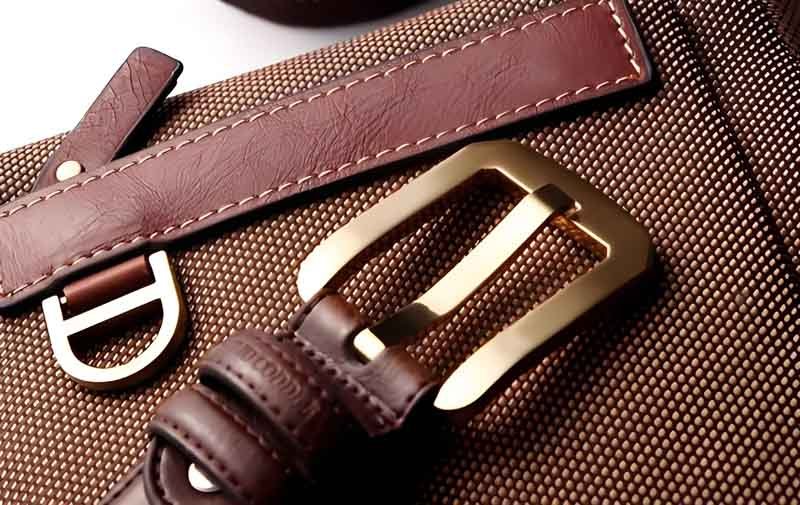
When it comes to leather belts, full grain leather is the gold standard—valued for its durability, natural beauty, and the unique patina it develops over time. Yet in a market flooded with varying leather grades and marketing claims like “100% leather,” distinguishing true full grain from lower‑grade or corrected hides can feel like detective work. Confusing labels, embossed grain patterns, and synthetic finishes all obscure the real qualities that define full grain leather. As a result, many well‑meaning buyers end up with belts that look good initially but crack, peel, or fade prematurely.
Full grain leather belts are crafted from the topmost layer of the hide, preserving the original grain with natural markings and maximum fiber strength—making them more durable and attractive over time.
In this guide, we’ll demystify leather terminology, teach you the visual and tactile cues that reveal genuine full grain, and show you simple at‑home tests to confirm authenticity. We’ll compare full grain to top grain, genuine, and bonded leather; decode label claims versus reality; and explore each material’s lifespan and drawbacks. Along the way, real‑world data and side‑by‑side tables will help you make informed decisions—whether you’re stocking your boutique or ordering custom OEM belts from Szoneier. By the end, you’ll have the expertise to spot a true full grain belt at a glance, understand its care requirements, and appreciate why it’s worth every dollar. Let’s dive in—and discover the story your next belt has to tell.
What Defines Full Grain Leather in Belts?
Full grain leather is the hide’s top layer, retaining the complete grain structure and natural markings. It offers unmatched strength, breathability, and the ability to develop a rich patina—making it the most durable and sought‑after belt material.
To truly grasp what full grain leather means for belts, we must unpack the hide’s layered anatomy and why preserving the grain matters:
Hide Structure: Layers and Leather Grades
- Full Grain Layer: The very surface of the animal hide, containing the dense fiber network that resists moisture and wear. This layer wears slowly, developing a unique patina that tells your personal usage story.
- Top Grain Layer: Slightly sanded to remove imperfections, providing a smoother finish but sacrificing some grain strength and natural character.
- Split Leather Layers: Derived from the lower halves of the hide, buffed or coated to mimic grain; lacks the tight fiber network, making it less durable.
- Corrected and Bonded Leathers: Processed splits with artificial grain embossing or leather fiber composites, offering budget options but limited lifespan.
What Is a Full Grain Leather Belt?
A full grain leather belt is cut directly from the hide’s top layer without removing or buffing the surface. Authentic full grain belts showcase subtle blemishes, scars, and grain variations—proof of their natural origin. Skilled craftsmen then stitch, edge‑finish, and buckle these belts to highlight the leather’s inherent beauty.
Is a Full Grain Leather Belt Worth It?
Investing in full grain pays dividends in longevity and aesthetics. Data from a recent leather durability study shows full grain belts last up to 5× longer than bonded alternatives under daily wear conditions. Beyond durability, the aging process creates depth and luster, transforming each belt into a bespoke accessory.
Natural Breathability and Comfort
Full grain’s intact fiber structure allows moisture to wick away, reducing odor buildup and skin irritation. In contrast, synthetic coatings on lower‑grade belts trap sweat, leading to cracking and stiffening.
Environmental and Craftsmanship Value
Full grain production demands skilled tanning and minimal chemical alteration, aligning with sustainable leather practices when using vegetable‑based tanning methods. This craftsmanship requires longer production cycles but yields superior end products—reflecting both brand integrity and customer satisfaction.
Price vs Value Analysis
| Feature | Full Grain Leather | Top Grain Leather | Bonded/Corrected Leather |
|---|---|---|---|
| Durability | Very High | High | Moderate |
| Patina Development | Excellent | Fair | Poor |
| Price per Belt (USD) | $80–$200 | $50–$120 | $20–$50 |
| Breathability | Excellent | Good | Low |
| Sustainability Potential | High (veg tanning) | Medium | Low |
How Does Full Grain Leather Compare to Top Grain, Genuine, and Bonded Leather?
Full grain leather preserves the entire natural hide surface, offering superior strength, breathability, and aging potential; top grain is lightly sanded for uniformity, genuine is a catch‑all term for lower‑grade hides, and bonded leather fuses leather scraps with synthetic binders—each step down sacrifices durability and character.
When selecting a leather belt, understanding the hierarchy of leather grades is crucial. Below, we dissect each category—full grain, top grain, genuine, and bonded—across key performance, aesthetic, and value dimensions.
1. Grain Integrity and Fiber Strength
- Full Grain: Cut from the hide’s top layer, intact grain fibers deliver maximum tensile strength (often >20 MPa) and natural resistance to moisture and abrasion. These belts can flex repeatedly without cracking—a property especially important for items under constant tension like waist belts.
- Top Grain: Also from the hide’s top, but sanded (“corrected”) to remove scars and blemishes. While still durable, removing part of the grain network reduces tensile strength by 10–15% and limits how deeply the leather can be dyed or how richly it can patinate.
- Genuine Leather: An umbrella term denoting any real leather product that isn’t bonded. Often represents lower‑quality splits or trimmings glued together. Fiber strength is variable—breakdown can occur in under one year of daily wear.
- Bonded Leather: Composed of leather shreds mixed with polyurethane or latex. Tensile resistance plummets (5–10 MPa), and surface coatings wear through quickly, exposing the composite underside.
2. Aesthetic Variation and Aging
- Full Grain: Each belt showcases unique markings—tiny scars, pore patterns, and natural color gradations. Over time, oils and light create a deep, rich patina that enhances visual appeal. This development can elevate a belt’s look decades into its lifespan.
- Top Grain: Grain removal produces a uniform surface, ideal for consistent coloration but lacking the depth and personality of full grain. Patina is minimal; belts tend to appear “flat” as they age.
- Genuine Leather: Appearance varies wildly. Some pieces carry an artificial grain emboss, often with a plastic‑like sheen. They rarely develop meaningful patina; instead, they crack and curl.
- Bonded Leather: Embossed grain patterns can look convincing initially, but the surface quickly flakes. Patina is nonexistent; instead, the belt surface peels in small patches.
3. Breathability and Comfort
- Full Grain: Intact fiber network allows moisture vapor to escape, reducing sweat build‑up and odor. Wearers report less discomfort during long periods of use.
- Top Grain: Some breathability remains but is hindered by pigmented coatings and matte finishes.
- Genuine & Bonded: Coated surfaces and composite structures trap heat and moisture, potentially leading to skin irritation and faster degradation.
4. Environmental and Economic Considerations
- Full Grain: Often sourced from premium hides with vegetable tanning options available—lower chemical impact and higher sustainability credentials. Higher initial cost ($80–$200 per belt) reflects both material and craftsmanship.
- Top Grain: Less expensive ($50–$120) and can also be vegetable‑tanned, but dye and coating processes introduce more chemicals.
- Genuine Leather: Budget price point ($20–$50) appeals to cost‑conscious buyers but often ends up in landfill when durability fails.
- Bonded Leather: Lowest price, but short lifespan and synthetic binders contribute to environmental waste.
5. Use‑Case Fit
- Full Grain: Ideal for lifelong, heirloom‑quality belts that evolve with the wearer—excellent for custom, private‑label products.
- Top Grain: Suits mid‑range fashion belts where consistency is key, but long‑term aging is less critical.
- Genuine/Bonded: Best for very low‑cost, short‑term promotional items or disposable fashion accessories.
Is “100% Leather” the Same as Full Grain Leather?
The term “100% leather” simply indicates that all layers contain leather—but doesn’t specify grade. A belt stamped “100% leather” could be genuine leather split with a coated surface. Only a claim of “full grain leather” guarantees the intact outer hide layer.
Wear‑and‑Tear Data Comparison
| Leather Grade | Abrasion Resistance (Cycles) | Colorfastness (Hours UV) |
|---|---|---|
| Full Grain | 100,000+ | 120+ |
| Top Grain | 60,000–80,000 | 80–100 |
| Genuine Leather | 30,000–50,000 | 40–60 |
| Bonded Leather | 10,000–20,000 | 10–30 |
Which Visual and Tactile Features Reveal Full Grain Leather?
Full grain leather is identifiable by its natural grain patterns, slight imperfections, and rich hand feel. Unlike embossed or coated hides, it displays unique scars, pores, and color variations—providing authentic texture and depth.
Detecting full grain leather requires a keen eye and a practiced touch. Here are the most reliable visual and tactile cues:
Natural Grain Patterns
- Unique Markings: Look for tiny scars and insect bites—natural records of the animal’s life. Each belt will have a distinct pattern that cannot be perfectly replicated by embossing.
- Grain Depth: Genuine full grain exhibits varying heights in the grain, creating light and shadow as you tilt the belt under light. Embossed patterns lack this depth.
Color Variation and Patina Potential
- Initial Tone: Full grain often starts with subtle shade variations across its surface.
- Aging Behavior: Over weeks and months, oils from skin and environment deepen the color—creating a patina that’s both protective and visually appealing.
Surface Imperfections vs. Uniformity
- Small Blemishes: Full grain retains natural imperfections; these add character.
- Embossed Grain: Corrected leathers show repeating patterns and a plastic‑like sheen—flags of lower authenticity.
Hand Feel and Supple Texture
- Firm Yet Flexible: Full grain feels substantial, resisting deep creasing, yet softens with use.
- Smooth Fat‑Press Lines: On genuine hides, pressing your finger into the belt creates subtle lines that slowly return to form—indicative of strong fiber networks.
Edge Quality and Dye Penetration
- Reveal the Cross‑Section: A cross‑section cut shows consistent color depth from surface to core—evidence of thorough tanning.
- Coated Leathers: Often have a darker edge or fabric backing visible at the cut.
Visual Examples (Photographic Table)
| Feature | Full Grain | Embossed/Corrected |
|---|---|---|
| Grain Depth | Varied, natural | Flat, uniform |
| Surface Sheen | Subtle, matte to slight gloss | High gloss or plastic‑like |
| Pore Visibility | Clear, irregular | Absent or uniform dots |
| Edge Color Consistency | Even tone throughout | Darker dyed edge |
How Can You Perform Simple At‑Home Tests to Verify Full Grain Leather?
By conducting simple tests—water absorbency, edge inspection, and bending—you can confirm full grain authenticity: full grain absorbs water slowly, shows consistent color through edges, and exhibits visible grain lines when bent.
No specialized lab equipment needed—just a bit of patience and careful observation. Here’s how to put potential belts through their paces:
Water Absorbency and Darkening Test
- Method: Place a single small drop of water on the belt’s surface.
- Full Grain Reaction: The leather will absorb moisture gradually over 10–15 seconds, darkening temporarily then returning to original shade after drying.
- Corrected/Bonded Reaction: Coated surfaces repel water or bead it off entirely, leaving no darkening.
Edge Inspection and Cross‑Section Examination
- Method: Examine a cut end or a raw edge (e.g., inside of a loop) with a magnifier.
- Full Grain Indicators: Consistent leather color and fiber structure visible through the edge—no fabric backing or abrupt coating layers.
- Non‑Full Grain Indicators: Fabric mesh, foam core, or a thin leather veneer glued onto backing.
Bending and Folding Test
- Method: Gently fold a small section of the belt, creating shallow creases.
- Full Grain Behavior: You’ll see fine grain lines (skin tension patterns) along the fold, indicating intact fiber structure. Leather returns to smooth form with no peeling.
- Lower‑Grade Behavior: Split or coated leathers may crack, show white flaking, or lose surface coating.
Scratch and Fingernail Test
- Method: Lightly scratch the surface with a fingernail.
- Full Grain Result: Scratch briefly appears then blends in as natural patina.
- Corrected Leather Result: Scratch may penetrate coating, revealing contrasting core color or leave permanent markings.
Smell and Flexibility Check
- Method: Inhale near the leather surface and flex the belt in your hands.
- Full Grain Aroma: Rich, earthy scent of natural hide and tanning oils.
- Lower‑Grade Aroma: Chemical, plastic smell indicating heavy surface treatments.
Test Summary Table
| Test | Full Grain Result | Non‑Full Grain Result |
|---|---|---|
| Water Absorbency | Slow darkening & drying | Water beads off |
| Edge Inspection | Uniform color, fibrous edge | Fabric backing or glue layer visible |
| Bending Crease Lines | Fine grain lines, returns to smooth | Cracking, flaking, coating loss |
| Scratch Test | Blends into patina | Coating scratch or reveal core color |
| Smell & Flexibility | Earthy leather aroma, flexible without flaking | Chemical odor, stiffness, coating odor |
Do Price, Labeling, and Brand Reputation Guarantee Full Grain Leather?
High price, “full grain” labeling, and reputable brands increase confidence but aren’t foolproof. Always verify through testing and supplier transparency—100% leather claims don’t equal full grain authenticity.
Consumers often rely on price and branding as proxies for quality—but such cues can be misleading without deeper inspection:
Labeling Pitfalls
- “100% Leather” vs. “Full Grain”: “100% leather” merely indicates the belt contains all‑leather layers; it could be genuine or bonded leather. Only a “full grain” designation confirms use of the hide’s top layer.
- Misleading Terms: “Genuine Leather” sounds premium but ranks third in quality hierarchy; “Aniline” refers to dyeing process, not grain quality.
Price as a Quality Indicator
- Cost Bands: Full grain belts typically range $80–$200+, reflecting material and craftsmanship. However, some brands mark up corrected leathers heavily, making price alone an unreliable predictor.
- Value Analysis: Calculate cost‑per‑year by dividing price by expected lifespan. A $120 full grain belt lasting 5 years equates to $24/year—often more economical than repeatedly replacing cheaper belts that fail in under a year.
Brand Reputation and Transparency
- Supply‑Chain Disclosure: Leading brands like Szoneier detail tanning methods, origin of hides, and environmental certifications—fostering trust.
- Artisan vs. Mass Market: Artisan shops showcase hide identification photos and hide‑cut mapping; mass‑market labels may hide behind generic “made in” claims.
What Are the Disadvantages of Full Grain Leather?
- Higher Upfront Cost: Premium tanning and minimal processing drive prices up.
- Appearance Variability: Natural scars and grain irregularities may unsettle buyers expecting flawless surfaces.
- Maintenance Demand: Requires regular conditioning and protection to preserve patina and prevent drying.
What Is the Lifespan of Full Grain Leather?
Typical Durability: With proper care, full grain belts last 5–10 years or more. Factors include wear frequency, climate, and maintenance routine.
Lifecycle Table:
Usage Intensity Expected Lifespan Maintenance Frequency Daily Wear 5–7 years Monthly conditioner Occasional Formal Use 8–10+ years Quarterly conditioner Rough Outdoor Use 3–5 years Monthly + waterproof spray
Combining Clues for Assurance
- Cross‑reference price, label specificity, and brand transparency with at‑home test results.
- For bulk or OEM orders, request tannery certificates and third‑party leather quality reports to verify full grain claims.
How Should You Maintain and Care for Full Grain Leather Belts?
Proper care—regular cleaning, conditioning, and correct storage—preserves full grain leather’s patina, flexibility, and strength, extending belt lifespan to 5–10 years or more.
Maintaining full grain leather ensures that your belt not only lasts but becomes more beautiful with age. Here’s a comprehensive care regimen:
Regular Cleaning
- Weekly Dust‑Off: Use a soft cloth to remove surface dust and dirt. This prevents particles from embedding into the leather.
- Monthly Wipe‑Down: Dampen a cloth with distilled water and mild saddle soap. Gently clean the belt, then wipe with a dry cloth to remove soap residue.
Conditioning & Hydration
- Product Selection: Choose a neutral or matching‑color leather conditioner or cream, free from harsh solvents.
- Application: Apply a thin, even layer with a soft cloth, massaging into the grain. Allow 15–20 minutes to penetrate, then buff off excess for a smooth finish.
- Frequency: Monthly for daily‑wear belts; quarterly for occasional use.
Protection & Weatherproofing
- Water Repellent Sprays: For belts exposed to rain or sweat, use a silicone‑based or wax‑based protector. Spray lightly, wipe off excess, and allow to dry naturally.
- UV Shield: Keep belts out of prolonged direct sunlight to prevent pigment fading and heat‑driven drying.
Storage Best Practices
- Hang or Roll Loosely: Avoid tight folding, which creates permanent creases. Use belt racks or hangers to maintain shape.
- Controlled Environment: Store in a cool, dry place—humidity spikes cause mold; extreme dryness leads to cracking.
Spot Treatment
- Stain Removal: Blot spills immediately. For oil stains, sprinkle cornstarch overnight then brush off. For ink, dab with isopropyl alcohol on a cotton swab, test in an inconspicuous spot first.
- Scratch Repair: Minor scratches can be blended by massaging conditioner into the area or using a leather balm.
Monitoring Belt Health
- Lifespan Tracking: Note the purchase date and condition at regular intervals. Replace belts when stitching loosens, holes stretch beyond repair, or leather integrity declines.
- Professional Restoration: For heirloom belts, consider expert relacing of holes, edge‑finishing services, or re‑dyeing to restore uniform color.
Care Schedule Table
| Task | Daily Wear Belt | Occasional Belt |
|---|---|---|
| Dust‑Off | Weekly | Bi‑weekly |
| Cleaning | Monthly | Bi‑monthly |
| Conditioning | Monthly | Quarterly |
| Weatherproofing Spray | Quarterly | Semi‑annually |
| Inspection & Repair | Annually | Annually |
Ready to Craft Your Custom Full Grain Leather Belt?
At Szoneier, we leverage 18 years of expertise in leather R&D, processing, and production to deliver bespoke full grain leather belts tailored to your brand’s specifications. From selecting premium hides to edge‑finishing, buckle assembly, and quality inspections, our turnkey OEM/ODM services ensure every belt meets the highest standards of authenticity and craftsmanship.
Contact us today to discuss your custom leather belt project. Let Szoneier transform your vision into a durable, elegant full grain leather belt that tells a story as unique as its wearer.
What Can I Do For You?
Here, developing your OEM/ODM private label leather goods collection is no longer a challenge,it’s an excellent opportunity to bring your creative vision to life.
Make A Sample First?
If you have your own tech packs, logo design artwork, or just an idea,please provide details about your project requirements, including preferred fabric, color, and customization options,we’re excited to assist you in bringing your leather goods designs to life through our sample production process.