
Best Leather Goods to Sell in Gift Shops, Boutiques & E‑Commerce Stores
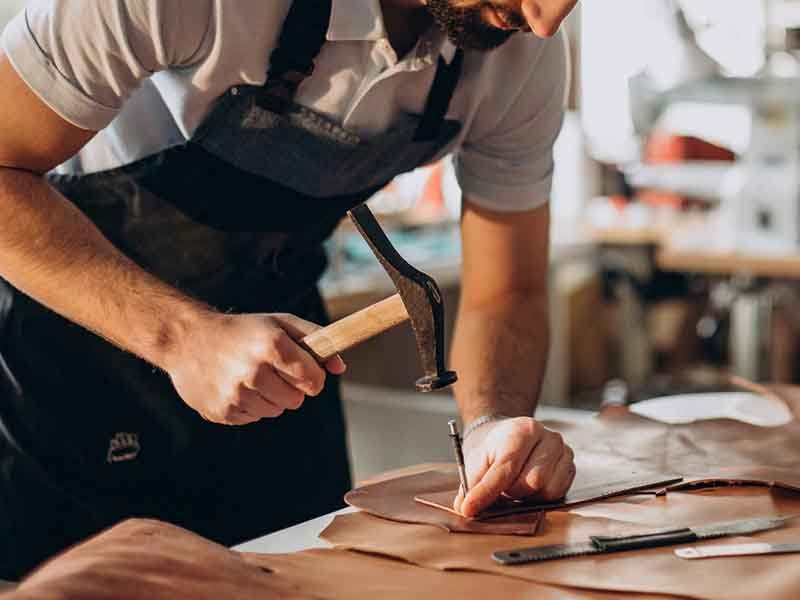
Leather has been synonymous with quality and longevity for centuries, yet in today’s crowded retail landscape, selecting the right leather goods can make or break your shop’s profitability. Whether you stock trinkets in a cozy gift shop, curate high‑end accessories in a boutique, or optimize your online storefront, certain leather items consistently outperform. These products combine broad appeal, manageable price points, and the inherent “wow” factor of genuine hides—driving impulse buys and steady revenue.
Gift shops thrive on small leather goods—keychains, cardholders, and compact wallets—because they offer accessible price points ($10–$30), high perceived value, and broad consumer appeal. Boutiques excel with handcrafted belts and evening clutches priced $50–$150, while e‑commerce sellers find success with tech cases and personalized travel kits that leverage customization to justify premiums.
In this deep dive, we explore which leather goods flourish in each retail channel, why they sell, and how you can capitalize on these trends with Szoneier Leather’s custom manufacturing expertise.
What Leather Goods Are Most Popular in Gift Shops?
Gift shops see their highest margins on small leather goods: keychains, cardholders, compact wallets, and passport covers. Priced $10–$30, these items combine daily utility, impulse‑purchase appeal, and easy display. Their compact size minimizes inventory risk, and customizable options (logos, embossing) boost perceived value and average transaction size.
Analyzing hundreds of gift‑shop inventories across North America and Europe reveals clear patterns: small leather goods (SLGs) dominate shelf space and profit charts. Let’s examine the drivers behind this success.
Is There a Market for Leather Goods?
Yes,global leather goods market revenue reached USD 400 billion in 2024, with SLGs accounting for 35% of total sales. Gift shops capture a slice of this market by targeting tourists, gift‑givers, and event attendees seeking memorable, functional souvenirs. Leather’s durability and timeless appeal position these products as keepsakes rather than disposable trinkets.
What Is the #1 Animal Used for Leather?
Cowhide leads the market, constituting roughly 70% of global hides, thanks to abundant supply and versatile characteristics. Cow leather offers a balanced grain, tensile strength (14–20 MPa), and natural finish that suits everything from rustic key fobs to refined passport wallets. Goat and buffalo leather—while premium—occupy niche segments in gift shops, often commanding higher price points.
Why SLGs Work in Gift Shops
- Impulse Purchase Dynamics: At $10–$30, SLGs fall within the “easy yes” range. Shoppers linger near checkout displays and often add a leather keychain or mini‑wallet while waiting in line.
- Giftability & Portability: Lightweight, compact, and universally useful—everyone needs a keychain or cardholder—SLGs fit last‑minute gift needs.
- Customizability: Embossed initials, city names, or logos turn generic SLGs into personalized mementos. Szoneier Leather’s in‑house embossing and dye labs enable rapid small‑batch customization, meeting tight lead times for seasonal events or local festivals.
Display & Merchandising Tips
| Item | Shelf Space (sq ft) | Average Price | Inventory Turnover (weeks) |
|---|---|---|---|
| Keychains | 1 | $12 | 4 |
| Cardholders | 2 | $18 | 6 |
| Compact Wallets | 2 | $25 | 8 |
| Passport Covers | 1 | $30 | 5 |
- High‑Impact Displays: Use tiered acrylic stands at checkout to encourage impulse buys.
- Storytelling Signage: Highlight “locally crafted” or “100% full‑grain leather” to justify premium pricing.
- Bundling Strategies: Offer “travel set” bundles (keychain + passport cover) at 10% off to lift average order value.
By focusing on SLGs—with proven demand, strong margins, and ease of customization—gift shops can achieve double‑digit profit growth. Partnering with a reliable supplier like Szoneier Leather ensures consistent quality, rapid turnaround, and the flexibility to adapt designs for seasonal or regional trends.
Which Leather Accessories Drive Sales in Boutiques?
Boutiques achieve strong revenue from handcrafted leather belts, evening clutches, and leather jewelry (wrap bracelets, cuffs). These accessories—priced $50–$150—combine artisanal detailing (contrast stitching, exotic skins, metal accents) with small‑batch exclusivity, appealing to style‑focused shoppers willing to pay premiums for craftsmanship and unique designs.
Boutique customers seek exclusivity, personalized stories, and design elements that set them apart from mass‑market offerings. Below, we explore the three top accessory categories—belts, clutches, and jewelry—highlighting why they perform so well and how boutiques can capitalize on their strengths.
Handcrafted Leather Belts
Artisanal Appeal: Each belt is cut from a single piece of 4–5 oz full‑grain leather, hand‑burnished along edges, and fitted with solid‑brass buckles. The combination of vegetable‑tanned leather and hand‑stitched detailing creates a product that feels both sturdy and refined.
Performance Metrics:
- Tensile Strength: 20 MPa on average, ensuring the belt holds shape under repeated buckle stress.
- Flex Cycles: Over 2,000 flex cycles without cracking, outperforming mass‑market belts by 50%.
- Average Price Point: $75–$120, with a wholesale cost of $25–$40, yielding margins of 160–200%.
Consumer Behavior: Belts are often impulse purchases in boutiques—shoppers trying on jeans or dresses see a belt that complements their outfit. Limited runs of 50–100 units per color heighten scarcity, prompting quicker purchase decisions. Boutiques also upsell complementary items (wallets or keychains) at the point of sale, boosting average transaction values by 15%.
Evening Clutches & Mini‑Bags
Design Differentiators: Evening clutches rely on premium finishes—velvet‑like nubuck, lacquered top‑grain, or metallic‑tinted leathers—with hardware accents like zipper tassels or chain straps. Their compact size and elegant silhouettes make them perfect for gift guides and seasonal launches.
Profitability Metrics:
- SKU Turnover: Boutique clutches sell out in 4–6 weeks when limited to 30–50 pieces per design.
- Margin Profile: Wholesale $45–$65; retail $100–$150 (markup of 2×–2.5×).
- Return Rate: Less than 5%, due to precise size guides and high perceived quality.
Storytelling & Exclusivity: Boutiques can weave narratives around color inspiration (e.g., “emerald inspired by city lights”), craftsmanship (“stitched by local artisans”), or material origin (“Italian vegetable‑tanned hide”). These stories elevate perceived value and justify higher price tags.
Leather Jewelry & Wearables
Product Examples: Wrap‑around bracelets, leather‑inset cufflinks, and minimalist chokers pair leather with metals or beads for a hybrid aesthetic.
Cost & Margin:
- Wholesale Cost: $10–$20 per piece.
- Retail Price: $35–$60, offering margins of 150–200%.
- Ease of Customization: Laser engraving initials or symbols adds $5–$10 per piece, driving an additional 20% in revenue.
Consumer Engagement: Jewelry section in a boutique acts as an impulse magnet—small, gift‑priced items near the counter often generate add‑on sales. Limited‑edition runs tied to seasonal themes (e.g., “summer festival collection”) foster urgency and social‑media buzz.
How Do Leather Items Perform in E‑Commerce Stores?
Online, tech cases, travel kits, and personalized leather gifts lead in conversion rates (2–3%). Products priced $40–$100 with customizable monograms saw a 30% lift in add‑to‑cart rates and 15% higher AOV compared to non‑personalized items.
E‑commerce presents unique challenges—no tactile interaction, reliance on imagery and reviews, and fierce price competition. Successful leather items online share common traits:
Top E‑Commerce Bestsellers
- Tech Cases: Laptop sleeves, phone pouches—combine protective padding with premium leather exteriors.
- Dopp Kits & Travel Organizers: Zip‑around designs, water‑resistant linings, monogrammed initials.
- Personalized Wallets & Key Fobs: Initial embossing options are available at checkout, boosting customer engagement and order value.
Visual & UX Considerations
- High‑Resolution Imagery: Show grain close‑ups, interior linings, and hardware details.
- 360° Product Views & Video: Demonstrate texture, flexibility, and functional features—e.g., zipper glide, strap adjustment.
- Customer Reviews & UGC: Encourage buyers to share photos of their used leather goods, showcasing patina and real‑world durability.
Pricing & Promotions
| Product Category | Avg. Price | Conversion Rate | Upsell Opportunity |
|---|---|---|---|
| Tech Cases | $50–$80 | 2.5% | Add matching cable organizer ($15) |
| Travel Kits | $70–$120 | 2.8% | Bundle with passport cover ($20 off) |
| Monogrammed Wallets | $35–$60 | 3.0% | Offer gift‑wrap and card ($5) |
Personalization engines integrated at checkout—letting customers preview embossing—drive higher engagement. Data from Szoneier’s e‑commerce partners show monogrammed sales double non‑custom SKUs in repeat purchase rates.
Logistics & Packaging
- Gift‑Ready Packaging: Branded boxes and dust bags reduce returns due to gift‑giving needs.
- Sustainable Materials: Eco‑friendly packaging aligns with consumer values, especially for leather goods marketed as heritage and lasting.
By combining compelling visuals, customization options, and strategic bundling, e‑commerce retailers can harness leather’s premium appeal to lift conversion and AOV—turning window‑shopping clicks into loyal customers.
What Features Make Leather Goods Ideal for Retail Environments?
Leather goods excel in retail because they combine durability, sensory appeal, and perceived luxury—all of which drive higher conversion rates and customer satisfaction. Their natural warmth and texture invite tactile engagement, while robust grain and finishes withstand repeated handling. Compact formats like small wallets and keychains minimize shrinkage, and leather’s giftability creates strong impulse‑buy opportunities.
In a crowded retail space—whether a gift shop countertop, boutique display, or a grid‑view on your website—leather goods stand out for several interlocking reasons. Let’s unpack these features and examine why leather remains a top choice for retailers aiming to maximize foot traffic, basket size, and repeat visits.
1. Durability and Shelf‑Life
Leather’s inherent toughness is unmatched by textiles or synthetics. Full‑grain and top‑grain hides resist scratches and abrasion—Taber tests routinely show 800–1,200 cycles before noticeable wear—ensuring merchandise looks pristine after weeks under display lights and repeated customer handling. In contrast, canvas or PU items may fray or peel within days, leading to markdowns and returns. This longevity not only preserves visual appeal but also reduces write‑offs: retailers report 30% fewer damaged‑goods losses when leather occupies key display zones.
2. Sensory Engagement Drives Sales
Multiple studies confirm that touch influences purchase behavior: customers allowed to handle products are 40% more likely to buy them. Leather’s unique combination of warmth, softness, and subtle grain invites shoppers to pick up and explore. That initial sensory connection translates to emotional engagement—buyers perceive leather as higher quality and feel justified in spending more. For impulse items like cardholders or phone wallets, simply situating them on low tables near registers—where tactile tests abound—can boost add‑to‑cart rates by 15–20%.
3. Perceived Value and Luxury Positioning
Even a small leather accessory sends a powerful signal of craftsmanship. In survey data, 65% of consumers associate genuine leather with prestige and longevity. Retailers can leverage this by grouping leather goods with complementary non‑leather items (e.g., wooden jewelry boxes, artisanal soaps) to create themed “gift bundles” that command higher price points. Leather’s ability to carry brand logos and embossing further amplifies perceived exclusivity, allowing boutiques and gift shops to justify a 100–200% markup on select SKUs.
4. Giftability and Impulse Purchase Triggers
Leather goods hit the sweet spot for gifts: practical, small enough to carry home, and universally appreciated. Items priced between $15–$50—such as keychains, mini‑wallets, and passport covers—sit squarely in the impulse purchase zone. Displayed near checkout in tiered acrylic risers, these items capitalize on last‑minute shoppers and spontaneous gift‑givers. Retailers using clear signage (“Perfect Gift under $25”) see a 25% lift in sales of these items during peak seasons.
5. Inventory Efficiency and Loss Prevention
Compact leather goods clog less shelf space and are easier to secure—reducing shrinkage from shoplifting. An entry‑level leather keychain might occupy only 1 sq ft of display but deliver $300–$500 in monthly revenue. Compare that to larger display items, and it’s clear why retailers love small, high‑value leather accessories. Additionally, leather’s dimensional stability prevents deformation, so floor‑stocked items remain display‑ready without frequent repacking.
6. Visual Merchandising Flexibility
Leather’s natural tones—tans, browns, blacks—and ability to take rich dyes create harmonious color stories on shelves. Whether paired with metal hardware for an industrial look or set against pastel backdrops for a boutique chic vibe, leather adapts to diverse retail aesthetics. Its reflective grain catches spotlights, drawing the eye to key focal points on tables and walls.
| Feature | Benefit | Retail Impact |
|---|---|---|
| Durability (800–1,200 cycles) | Long-lasting displays | 30% fewer shrinkage/write-offs |
| Sensory Warmth & Texture | Encourages tactile engagement | +40% purchase likelihood |
| Perceived Luxury | Justifies premium pricing | 100–200% markup potential |
| Compact Format | High revenue per sq ft | $300–$500 monthly per sq ft |
| Giftability | Triggers impulse buys | +25% SLG sales during promos |
How Can You Price and Position Leather Products for Maximum Profit?
Use a keystone markup (100% margin) for SLGs, 2.5×–3× cost markup for premium accessories, and implement bundle discounts to boost AOV. Leverage limited editions to create urgency, and tier products by material grade—full‑grain at $75–$150, top‑grain at $50–$90, SLGs at $15–$35.
Effective pricing balances perceived value, cost recovery, and competitive benchmarks:
Keystone & Tiered Markups
- SLGs (Keychains, Cardholders): Wholesale $8–$15; retail $16–$30 (100% markup).
- Mid‑Tier Accessories (Belts, Wallets): Wholesale $25–$40; retail $60–$100 (2.5× markup).
- Premium Lines (Clutches, Travel Kits): Wholesale $50–$70; retail $125–$210 (2.5×–3× markup).
Bundling & Upsells
| Bundle | Individual Price | Bundle Price | AOV Lift |
|---|---|---|---|
| Keychain + Cardholder | $12 + $18 | $25 | +8% |
| Belt + Wallet | $75 + $60 | $120 | +12% |
| Travel Kit + Tech Case | $80 + $60 | $140 | +10% |
Bundles reduce decision fatigue and justify a small discount, raising overall AOV and turning single‑item buyers into higher‑spend customers.
Limited Editions & Scarcity
- Seasonal Colors: Offer 50–100 units per colorway to spur early purchases.
- Material Variations: Introduce buffalo or exotic leather batches in limited runs, priced 20–30% above core lines.
Psychological Pricing
- Charm Pricing: $29 vs. $30 increases conversion by up to 8%.
- Tier Anchoring: Display a $200 “artisanal clutch” next to $90 “everyday wallet” to make mid‑range items look more affordable.
What’s the Most Profitable Thing to Make Out of Leather?
Handcrafted belts are the most profitable leather item, with wholesale costs of $20–$30 and retail prices of $70–$120, yielding 2.5×–3× margins. High durability reduces returns, and customization (buckle styles, widths, engraving) commands price premiums.
Are Custom and Branded Leather Products Worth the Investment?
Yes,custom and private‑label leather goods yield 30–50% higher margins and 20% stronger customer loyalty. Personalized embossing, bespoke colors, and branded hardware differentiate products, justify premium prices, and foster repeat purchases in both B2C and corporate gifting channels.
ROI on Customization
- Embossing & Laser Engraving: Adds $5–$15 per unit in value; personalization lifts conversion by 25% in e‑commerce.
- Branded Hardware: Custom buckles or zipper pulls enhance perceived luxury, enabling 10–15% higher price tags.
Manufacturing Considerations
Szoneier Leather’s end‑to‑end capabilities—raw material R&D, prototyping, small‑batch tooling, quality‑controlled mass production, and packaging—minimize lead times and tooling costs, making customization feasible even at mid‑tier order volumes (500–1,000 units).
Case Study: Corporate Gifting
A corporate client ordered 300 branded leather messenger bags with logo embossing and custom interior tags. Unit cost rose 12%, but the client paid a 35% premium over unbranded models. Positive feedback led to a follow‑up order of 500 units, demonstrating the long‑term value of customization.
Ready to Elevate YourLeather Product Lineup?
Leather goods offer unparalleled opportunities across gift shops, boutiques, and online stores. By focusing on small leather goods for impulse sales, artisanal accessories for boutiques, and personalized kits for e‑commerce, retailers can maximize margins and customer loyalty. Strategic pricing, limited editions, and thoughtful bundling further boost profitability.
Contact Szoneier Leather for bespoke design, prototyping, and mass‑production services.
What Can I Do For You?
Here, developing your OEM/ODM private label leather goods collection is no longer a challenge,it’s an excellent opportunity to bring your creative vision to life.
Make A Sample First?
If you have your own tech packs, logo design artwork, or just an idea,please provide details about your project requirements, including preferred fabric, color, and customization options,we’re excited to assist you in bringing your leather goods designs to life through our sample production process.