 Skip to content
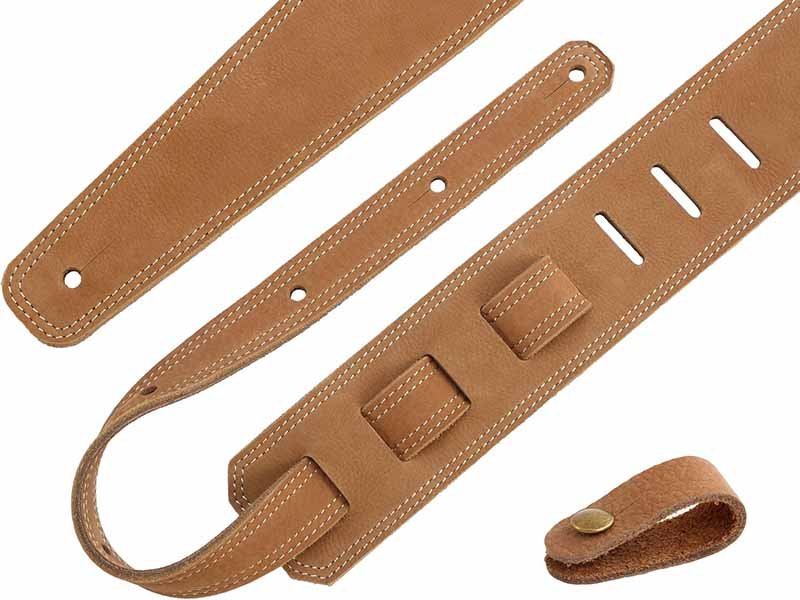
For any serious guitarist, the comfort and fit of their guitar strap play a huge role in their performance. A strap that doesn’t adjust properly or doesn’t offer the right fit can lead to discomfort, distraction, and poor posture. This is where the adjustable range of a leather guitar strap becomes essential. Guitarists need straps that can be customized to their specific body size, playing style, and preference, whether they’re playing standing or sitting.
What makes an adjustable range so important? A strap with a versatile adjustable range ensures that players can easily customize the length to suit their personal comfort. This is crucial for both playing posture and long-term performance, allowing the guitarist to focus on their music rather than constantly adjusting the strap.
In this article, we will dive into what makes the adjustable range a key design feature for leather guitar straps, the factors that influence it, and how to create a strap that meets musicians’ expectations. Let’s explore why having the right adjustable range can significantly improve your guitar-playing experience.
What Does Adjustable Range Mean for Guitar Straps?
Adjustable range in leather guitar straps refers to the ability to modify the length of the strap to suit the player’s body size, playing style, and comfort needs. This feature is critical because it allows players to find the optimal strap length, ensuring their guitar sits comfortably, regardless of posture or performance style.
What is Adjustable Range?
The adjustable range in a guitar strap refers to the span between the shortest and longest possible lengths that the strap can be set to. A strap with a broad adjustable range allows musicians to adjust it to suit their specific body shape, style of play, and instrument size. The flexibility provided by an adjustable strap ensures that the guitar can be positioned for maximum comfort and accessibility.
Typical Measurement of Adjustable Range:
| Length Range | Measurement | Ideal for |
|---|---|---|
| Standard Range | 40-60 inches | Most players of average height |
| Extended Range | 60-70 inches | Taller players or specific styles |
| Compact Range | 35-40 inches | Shorter players or seated positions |
Why Does Adjustable Range Matter for Players?
The adjustable range is crucial because it determines how comfortably the guitar sits on the player’s body. A proper fit can greatly enhance playing posture, reduce strain, and prevent discomfort, especially during extended practice sessions or performances. Here’s why it matters:
- Positioning: The ability to adjust the strap ensures that the guitar is positioned correctly. Players can choose to have the guitar sit higher (ideal for seated play) or lower (ideal for standing performances or a more relaxed feel).
- Comfort: A strap with a wide adjustable range ensures that the weight of the guitar is evenly distributed across the shoulders and back. This helps prevent shoulder and neck pain that can arise from improper strap length.
- Adaptability: Guitarists who switch between different playing styles or instruments benefit from an adjustable strap. For example, a bass guitar may need a different strap length than an acoustic or electric guitar, and having the ability to adjust ensures a perfect fit for any instrument.
- Performance Versatility: For stage performances, the guitar’s position relative to the body affects both playing comfort and appearance. Adjustable straps help performers adapt their guitar position based on the style or dynamics of the song they are playing.
Ultimately, the adjustable range is a key feature for any player who values both comfort and style in their playing experience.
How Do Adjustable Ranges Benefit Different Types of Players?
| Player Type | Benefits of Adjustable Range | Ideal Strap Length |
|---|---|---|
| Professional Musicians | Comfort during long gigs, optimal posture for energetic performances | 45-60 inches, quick adjustments |
| Casual Players | Flexibility for practice or casual play, easy to adjust | 40-55 inches, frequent use |
| Multi-Instrument Musicians | Versatility for different instruments, adaptability for different playing styles | 40-70 inches, adjustable for bass or guitar |
| Seated Players | Keeps guitar in ideal position for seated play | 35-45 inches, higher positioning |
What Impact Does Adjustable Range Have on Guitar Playability?
The adjustable range directly impacts the playability of the guitar by determining how the instrument rests on the body, which in turn affects the ergonomics and ease of playing.
1. Proper Posture and Reduced Strain: When a guitar is too low or too high, players may struggle to maintain a relaxed posture, leading to back, shoulder, or wrist strain. With an adjustable strap, players can find the ideal height that aligns with their playing posture, making it easier to reach the neck and strings comfortably.
- For example, taller players might prefer the guitar to sit lower, while shorter players might want the guitar raised higher to prevent awkward arm positions.
2. Flexibility During Play: An adjustable strap provides flexibility, allowing musicians to quickly change positions during play. This is especially important for dynamic genres like rock or jazz, where the musician may need to move around or change the guitar’s position rapidly for both comfort and showmanship.
3. Instrument Security: The adjustable range of a strap affects how securely the guitar is held. A strap that is too loose can make the guitar shift around during play, while a strap that is too tight can make the player feel restricted. The ability to fine-tune the strap’s length helps ensure the guitar stays in place, providing a sense of security, especially during more active performances.
What Should Players Look for When Choosing the Right Adjustable Range?
When choosing a guitar strap with an adjustable range, players should keep a few key factors in mind:
| Consideration | What to Look for |
|---|---|
| Ease of Adjustment | The adjustment mechanism should be simple and quick to use. |
| Range and Flexibility | Ensure that the adjustable range is wide enough to fit your body size and playing style. |
| Durability of Mechanism | High-quality hardware like durable buckles or sliders to ensure long-lasting performance. |
| Comfort Features | Extra padding or ergonomic design to enhance comfort during extended play. |
Which Adjustable Designs Do Players Prefer?
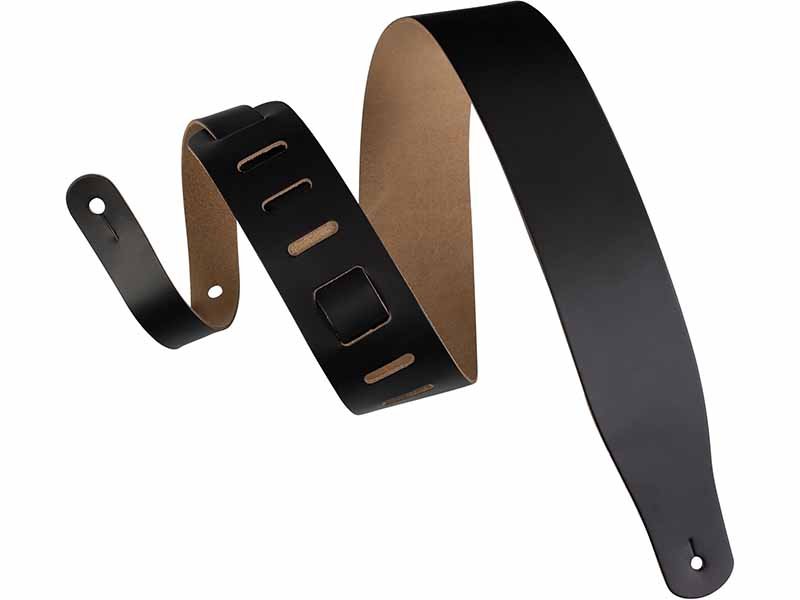
When it comes to adjustable leather guitar straps, the design of the adjustment mechanism is critical. Guitarists prefer systems that are easy to use, secure, and long-lasting. The choice of design affects how quickly and efficiently players can adjust their straps during performances, practice, or studio sessions. There are several common adjustable designs available, and each one offers specific advantages and disadvantages.
Which Strap Styles Offer the Best Adjustability?
The adjustable mechanism is one of the key factors that players consider when choosing a leather guitar strap. Below, we look at the three most popular types of adjustable designs: buckle-based, slide mechanisms, and pin-hole systems. Each design has its own unique benefits, so understanding the options available can help you make the best choice for your needs.
| Adjustment Design | System | Pros | Cons |
|---|---|---|---|
| Buckle-Based Design | Metal or plastic buckle | Secure, long-lasting, easily adjustable | Can be time-consuming for quick adjustments |
| Slide Mechanism | Leather loop or metal slider | Quick, easy to adjust, smooth | May wear out over time with heavy use |
| Pin-Hole System | Adjustable holes with pin | Simple, reliable, cost-effective | Limited adjustability options |
What Makes Buckle-Based Systems Popular Among Players?
Buckle-based adjustable straps are among the most popular choices for players who prioritize durability and stability. The buckle system works by threading the strap through a buckle, where it is tightened or loosened to the desired length.
- How it works: The leather strap is passed through a metal or plastic buckle. The player adjusts the length by pulling the leather strap through the buckle and securing it in place.
- Why it’s popular: Buckle systems provide secure, long-lasting adjustments. The strap stays in place even with frequent movement, which makes it ideal for performers who need a reliable, durable strap that can withstand active play.
- Durability: Buckle-based straps are incredibly sturdy, making them perfect for musicians who are involved in heavy movement or frequent gear adjustments. The metal or plastic hardware holds up well over time, preventing slippage or looseness during performances.
| Features | Buckle System |
|---|---|
| Adjustable Range | Offers long-range adjustability |
| Comfort | Can be stiffer, but can be paired with padding for comfort |
| Suitability | Great for rock musicians or performers who move a lot |
| Durability | Very durable, withstands heavy use |
However, one downside to the buckle-based system is that it can be a bit time-consuming to adjust compared to other systems. While the strap is highly secure once adjusted, musicians may have to spend extra time adjusting the buckle when fine-tuning their setup.
How Do Slide Mechanisms Improve Adjustment Speed and Comfort?
Slide mechanism straps offer a smoother, quicker adjustment experience. This design involves a slider (either leather or metal) that slides along the length of the strap to change its size. It’s typically found in more modern, casual designs, and is favored for its ease of use and fast adjustments.
- How it works: A piece of leather or a metal slider moves along a length of the strap, allowing the player to quickly and easily adjust the strap to the perfect length. Players can modify the length while wearing the strap, offering a convenient and flexible solution.
- Why it’s popular: The slide system is loved for its quick and fluid adjustments. Musicians, especially in casual settings or during practice, often prefer this system because it provides easy on-the-go modifications without taking the strap off.
- Comfort: The ability to easily adjust the strap’s length ensures the most comfortable fit without hassle. The slider offers a smooth experience without the rigidness sometimes associated with buckle systems.
| Features | Slide Mechanism |
|---|---|
| Adjustable Range | Easy to adjust with precise control |
| Comfort | Offers immediate comfort, especially for extended play |
| Suitability | Great for casual players and studio musicians |
| Durability | Durable but may wear over time with repeated adjustments |
However, one potential drawback of the slide mechanism is that it might wear out more quickly than buckle systems, especially with constant adjustments or heavy use. The leather and hardware may begin to show signs of wear, especially if not properly maintained.
Why Do Pin-Hole Systems Offer a Reliable Yet Simple Adjustment?
Pin-hole adjustment systems have been used in leather straps for many years and are valued for their simplicity and reliability. In this design, the strap has a series of holes along the length, and a metal or leather pin is used to lock the strap in place at the desired length.
- How it works: The player chooses the appropriate hole based on their preferred length and secures the strap with the pin. It’s a straightforward design that requires no extra mechanisms.
- Why it’s popular: Pin-hole systems are incredibly reliable and easy to use. The lack of moving parts makes them a favorite among players who want a simple, straightforward design. The adjustment is secure, and once the pin is in place, it’s unlikely to slip.
- Durability: These straps are often very durable since the system doesn’t rely on a sliding or buckling mechanism that could wear out over time. The holes in the strap can be reinforced to ensure the strap lasts for many years.
| Features | Pin-Hole System |
|---|---|
| Adjustable Range | Fixed lengths, typically a limited range |
| Comfort | Simple design; may not be as flexible as other systems |
| Suitability | Great for players who prefer simplicity and reliability |
| Durability | Long-lasting and simple to maintain |
The main disadvantage of pin-hole systems is their limited adjustability. There’s less flexibility compared to buckle or slide systems, as players can only adjust the strap to the nearest hole. However, for players who value simplicity and reliability over continuous adjustments, this can be a great choice.
How Is Adjustable Range Measured and Built?
The adjustable range of a leather guitar strap is crucial for ensuring comfort and proper positioning of the guitar. Understanding how adjustable ranges are measured and built allows players to make more informed decisions about which strap will work best for them. A well-designed adjustable range can enhance the playing experience by ensuring the guitar is positioned properly, reducing strain, and improving comfort during long playing sessions.
How Do You Measure Strap Length Range?
The adjustable range is typically measured by the shortest and longest lengths that the strap can be adjusted to. For most players, this range ensures that the strap fits comfortably and allows for a variety of playing positions. The measurement is usually expressed in inches or centimeters, depending on the manufacturer’s preference.
Standard Adjustable Range:
- Typical length range: Most leather guitar straps offer an adjustable range between 40 inches (101 cm) and 60 inches (152 cm). This range fits the needs of most musicians, allowing for a comfortable fit whether the player is sitting or standing.
- Extended range: Some guitar straps offer an extended range, going as long as 70 inches (178 cm), for players who prefer their guitar to hang lower, especially for bass players or performers in more active genres.
- Shorter range: For players who are shorter or prefer their guitar positioned higher, a strap with a minimum range of 35 inches (89 cm) can be more suitable. These straps are designed to ensure a comfortable, secure fit without excess slack.
| Range Type | Length Range | Ideal For |
|---|---|---|
| Standard Range | 40-60 inches | Most players, average body types |
| Extended Range | 60-70 inches | Taller players, bass guitarists, low-slung play |
| Compact Range | 35-40 inches | Shorter players, seated players, tight fits |
This flexibility allows guitarists to find the right length based on their size, style of play, and the guitar they’re using.
How Do Hardware Options Affect Adjustability?
The hardware used in adjustable leather guitar straps plays a key role in how easily and securely the strap can be adjusted. Whether it’s a buckle, slide, or pin-hole mechanism, the hardware ensures the strap holds at the desired length during play, providing both convenience and stability.
1. Buckle Mechanism:
- How it works: A buckle system works by threading the leather strap through a metal or plastic buckle, where the strap’s length can be adjusted by pulling it tighter or loosening it. Once the strap is at the right length, the buckle locks in place, ensuring the strap stays secure.
- Adjustment: Buckles typically provide a range of 2-3 inches of adjustment with each use, depending on the buckle design. While this offers secure length control, the process may take a bit longer than other adjustment methods.
2. Slide Mechanism:
- How it works: A sliding mechanism uses a metal or leather slider to adjust the strap length. The strap slides through the mechanism, and players can adjust it with ease. This method is known for quick adjustments, especially during live performances.
- Adjustment: Slide mechanisms allow for continuous fine-tuning, offering a more flexible range with smoother transitions. The range can be adjusted by 1 inch increments, allowing for precise fitting.
3. Pin-Hole Mechanism:
- How it works: In pin-hole designs, the strap has several pre-punched holes, and a metal or leather pin locks into these holes to secure the strap at the desired length.
- Adjustment: Pin-hole systems offer less flexibility compared to slide and buckle designs, as the adjustment is limited to the available holes. However, pin-hole systems provide a highly secure, stable fit that doesn’t shift easily.
| Adjustment System | Adjustable Range | Adjustment Speed | Durability |
|---|---|---|---|
| Buckle Mechanism | 2-3 inches per adjustment | Slower, but very secure | Highly durable |
| Slide Mechanism | Continuous, fine adjustments | Quick and smooth | May wear out over time |
| Pin-Hole Mechanism | Fixed, based on holes | Moderate, limited range | Very durable and simple |
Each of these hardware options influences how players adjust their straps, with sliders being the fastest and pin-hole systems offering long-term durability.
How Is the Leather Thickness Related to Adjustable Range?
Leather thickness is another important factor that affects the adjustable range. Thicker leather, while durable, may be stiffer, which can make adjusting the strap more difficult. Conversely, thinner leather offers more flexibility, which can make adjustments smoother, but it may not provide the same level of long-term durability.
- Thicker Leather: Leather straps in the 6-10 oz range (approximately 2.5-4 mm thick) are more rigid, which can make the adjustment mechanism feel stiffer and harder to manipulate. These straps tend to be more durable and offer a stronger hold, but the adjustment process may take more effort, especially if it involves a buckle or pin-hole system.
- Thinner Leather: Leather in the 3-5 oz range (about 1.2-2 mm thick) is more flexible and easier to adjust. The sliding mechanism works more fluidly with thinner leather, and the strap will be more comfortable, especially for players who need to make frequent adjustments during play.
| Leather Thickness | Adjustment Impact | Suitability |
|---|---|---|
| Thicker Leather (6-10 oz) | Stiffens the strap, making it harder to adjust | Great for heavy-duty use, requires more effort to adjust |
| Thinner Leather (3-5 oz) | Easier to adjust, more flexible | Ideal for comfort, easy adjustments, and lighter use |
Choosing the right leather thickness depends on the player’s preference for comfort vs. durability and how often the strap needs to be adjusted.
How Do You Ensure Smooth and Secure Adjustments?
To ensure that the adjustable range functions smoothly and securely, the design must focus on quality hardware, strong stitching, and careful attention to leather durability.
- Quality Hardware: The adjustment mechanism, whether a buckle, slide, or pin-hole system, should be made from durable materials like brass, stainless steel, or reinforced plastic. These materials ensure that the mechanism can withstand constant use without breaking or wearing down.
- Strong Stitching: Leather straps should be double-stitched in key areas, particularly around the adjustment points. This added reinforcement prevents stress on the strap and ensures that the hardware stays secure for years to come.
- Regular Maintenance: To keep the adjustable range functioning properly, players should periodically check the hardware for signs of wear, especially on sliding mechanisms or buckles. Regular cleaning and conditioning of the leather help prevent cracking and keep the strap supple, ensuring smooth adjustments over time.
Do Players Expect Specific Adjustment Features?
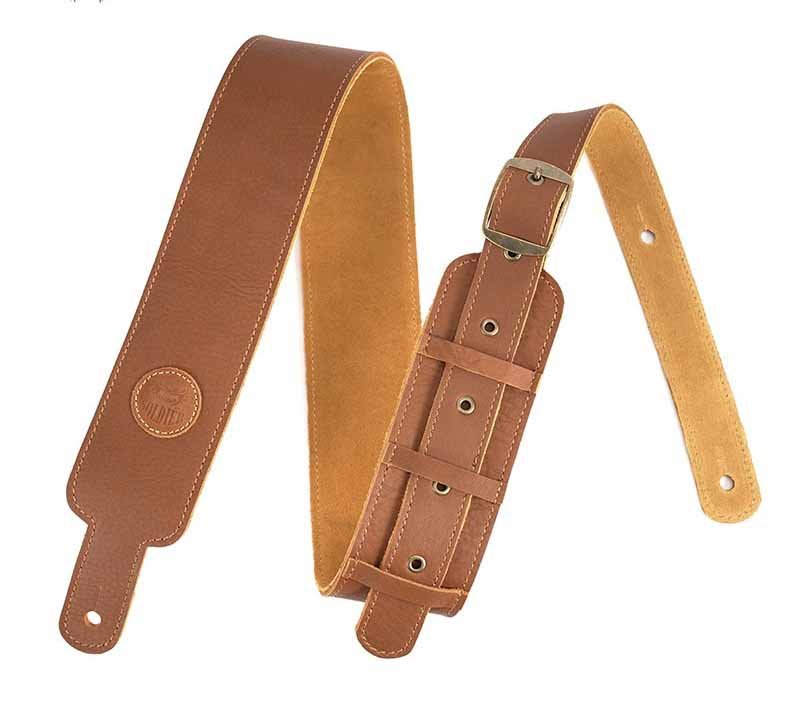
When it comes to adjustable leather guitar straps, players have specific expectations for how they want the adjustment system to function. These features go beyond simple length changes—they focus on ease of use, security, and convenience during play. Players expect a system that not only allows them to customize the fit but also offers practicality during performances or practice sessions.
Do Players Want Quick-Release Adjustment?
Quick-release adjustments are an increasingly popular feature for guitarists who require fast and hassle-free changes to their strap length, especially in live performance or stage settings. Players often need to adjust their straps quickly and efficiently between songs or during breaks, so a system that allows for rapid length changes is highly desirable.
- Why is it important? Quick-release mechanisms allow players to adjust the strap in the middle of a performance or practice without interrupting the flow of their music. This is especially important in fast-paced performances or when transitioning between different instruments.
- How it works: A quick-release adjustment often involves a buckle with a latch, a sliding mechanism, or a snap system that can be operated with one hand. This allows the player to loosen or tighten the strap rapidly, without needing to take off the strap or struggle with complicated hardware.
| Adjustment Feature | Quick-Release Mechanism | Benefits | Best For |
|---|---|---|---|
| How it works | Buckle latch, sliding clip, snap system | Quick and easy adjustments, one-handed operation | Live performances, fast-paced genres |
| Comfort | Provides an efficient fit without the need for excessive effort | Eliminates time-consuming adjustments | On-stage musicians, busy performers |
| Durability | Strong, secure, and remains locked until adjusted again | Ensures the strap stays in place for reliable play | Performers who move a lot |
Players in active or dynamic genres like rock, punk, or metal appreciate the convenience of quick-release mechanisms, as they need to make fast adjustments while keeping the performance moving.
Do Players Care About Range Markings for Adjustment?
While the ability to adjust a guitar strap’s length is essential, range markings are a feature that players often look for to ensure they can return the strap to their preferred setting quickly. This is particularly useful for musicians who use the strap length adjustment frequently during different performances or practices.
- Why range markings matter: For players who perform in various settings or who require a particular length based on the music style, clear markings on the strap can eliminate the need for constant re-adjustment. These markings ensure the player can easily replicate their perfect setup, whether they’re standing, seated, or switching between instruments.
- How it works: Range markings typically consist of engraved numbers, dashes, or colored indicators along the strap or buckle system. Players can simply align the mechanism to the correct marker, ensuring the strap is at their desired length in seconds.
| Adjustment Feature | Range Markings | Benefits | Best For |
|---|---|---|---|
| How it works | Engraved numbers or color bands on the strap or hardware | Easy and quick to find the desired adjustment | Players with specific height or position preferences |
| Comfort | Helps players set the strap to their exact preference each time | No need to readjust or guess length | Ideal for performers, multi-instrument players |
| Durability | Markings won’t fade or wear easily with proper care | Reliable, long-lasting adjustments | Musicians who need consistent strap length |
This feature is especially beneficial for musicians who frequently adjust their strap during performances or need to maintain a consistent playing posture.
Do Players Expect Adjustments During Performances?
For musicians who perform in high-energy settings, being able to adjust the strap quickly and easily during a performance can significantly impact their comfort and freedom of movement. Adjustable straps with a smooth, easy-to-use mechanism are often preferred for their ability to make quick modifications without interruption.
- Why players need it: Guitarists often need to adjust their strap between songs to achieve different playing positions or comfort levels. Having a strap that offers quick, simple adjustments during a performance ensures that players can focus on their music instead of constantly adjusting their gear.
- How it works: Quick-adjust mechanisms like sliders, buckles with latches, and elastic snap clips allow players to make real-time adjustments without removing the strap. These features make the guitar easier to handle, especially when switching between standing and seated positions or when changing guitar types (electric, acoustic, bass, etc.).
| Adjustment Feature | Real-Time Adjustments | Benefits | Best For |
|---|---|---|---|
| How it works | Slide, buckle latch, or snap clip for immediate length changes | Immediate comfort adjustments during play | High-energy performers, multi-instrument musicians |
| Comfort | Provides flexibility without interrupting performance | Reduces discomfort during longer sets | Players who adjust between songs or during breaks |
| Durability | Secure adjustments that stay in place throughout the performance | Reliable even during movement or heavy use | Ideal for active musicians or performers |
This adjustment feature is key for guitarists who play on stage, as it allows them to remain comfortable and adjust their gear quickly without missing a beat.
How Do Customizable Features Impact Player Satisfaction?
Customization in adjustable leather guitar straps isn’t just about adjusting length—it’s about tailoring the strap to the player’s individual preferences. Guitarists want straps that reflect their personal style while offering functionality that meets their needs. Custom features such as padding, engraving, and personalized designs contribute to player satisfaction by improving comfort, performance, and aesthetics.
- Padding: Adding extra cushioning to key areas, like the shoulder, can make a significant difference, especially during long sessions. Customizable padding thickness can provide extra comfort and support for the player.
- Engraving: Many players opt to personalize their guitar straps with custom engravings, whether it’s a logo, name, or unique design. Personalized straps not only enhance the player’s sense of ownership but can also contribute to their overall satisfaction.
| Customization Feature | What Players Expect | Benefits | Best For |
|---|---|---|---|
| Padding | Extra comfort and support for long sessions | Reduces shoulder strain and discomfort | Players who perform for extended periods |
| Personalization | Custom engravings or design options | Adds a personal touch, enhances style | Musicians who want unique, standout straps |
| Material Options | Different textures and finishes | Tailored to comfort and aesthetic preference | Players who prioritize both style and performance |
Customized features help guitarists create a strap that not only fits well but also suits their personal style and comfort needs, ultimately enhancing their overall experience.
What Impacts Comfort and Performance?
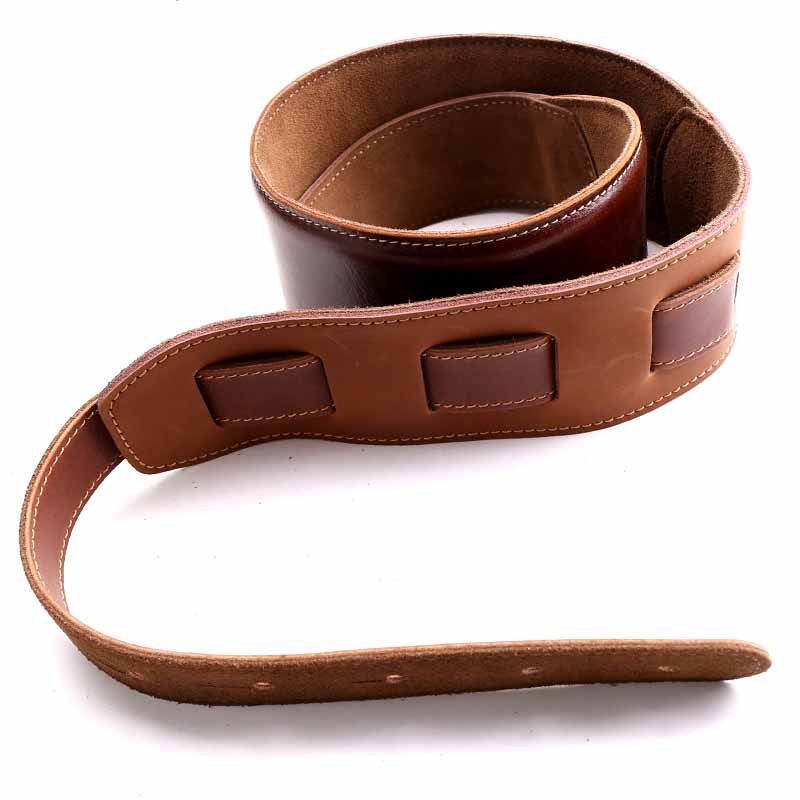
When choosing an adjustable leather guitar strap, comfort and performance go hand in hand. The right strap not only makes sure your guitar is securely held but also prevents fatigue and discomfort, which is essential for long performances or practice sessions. There are multiple factors that impact both comfort and performance, from the adjustable range to material choices and strap design. Below, we explore these key factors in more detail.
What Height or Range is Ideal for Standing vs. Seated Play?
The position at which the guitar hangs can significantly affect a player’s comfort and performance, whether standing or seated. The adjustable range plays a crucial role in achieving the ideal height, allowing musicians to tailor the strap length to their preferred posture.
Standing Position:
- Recommended Length: Players who perform while standing typically prefer the guitar to hang at waist height or slightly lower. This allows for better access to the guitar’s neck while maintaining a relaxed posture. A strap length of 45-55 inches is commonly preferred for standing players.
- Comfort: When standing, the guitar should not be too low, as it can strain the shoulder and back. A too-high strap can make it hard to play comfortably, especially for fast songs. The adjustable range ensures that the strap length is correct to maintain comfort during extended performances.
Seated Position:
- Recommended Length: For seated players, the guitar is often positioned higher to achieve a more ergonomic playing posture, especially for classical or acoustic guitarists. A strap length of 35-45 inches is typically ideal for seated positions.
- Comfort: A higher strap for seated playing prevents the guitar from sliding and allows for a relaxed, stable posture. The adjustable range ensures that the guitar rests at an optimal angle for fingerboard access and comfort.
| Playing Position | Ideal Strap Length | Impact on Comfort |
|---|---|---|
| Standing | 45-55 inches | Prevents back strain and allows for easy access to the neck |
| Seated | 35-45 inches | Provides stability and comfort, ensuring proper hand positioning |
What Design Factors Affect Balance and Fatigue?
Balance and fatigue are directly influenced by the design of the guitar strap, especially how it distributes the weight of the instrument. An unbalanced strap can lead to uneven weight distribution, which increases muscle strain and leads to discomfort during long playing sessions. Here’s how design factors impact comfort:
1. Strap Width:
- Wider Straps: Wider straps (typically 2-3 inches) distribute the guitar’s weight over a larger area of the shoulder and back. This design is especially beneficial for players who use heavier guitars or perform for long hours, reducing the pressure on specific areas of the body.
- Narrow Straps: Narrower straps (around 1.5 inches) can be more stylish and lightweight but may cause discomfort, especially for heavy guitars. The weight is focused on a smaller surface area, leading to increased fatigue in the shoulder.
2. Padding:
- Padded Straps: Adding foam or memory foam padding to the shoulder area of the strap can significantly improve comfort by reducing pressure on the shoulder and neck. Padded straps are especially useful for players with heavy guitars or who perform for long periods.
- Unpadded Straps: While some players prefer the more traditional feel of unpadded leather straps, these can lead to discomfort during extended play. For comfort, it’s best to consider padded straps if you play regularly or with heavy instruments.
3. Leather Type and Flexibility:
- Full-Grain Leather: Full-grain leather offers durability but can be stiffer than other types of leather. For players who prioritize comfort, softer leather types might be more suitable.
- Top-Grain Leather: More flexible and comfortable, top-grain leather adapts more easily to the player’s body shape, making it a popular choice for those seeking a balance between comfort and durability.
| Design Factor | Effect on Comfort | Recommendation |
|---|---|---|
| Strap Width | Wider straps reduce strain and improve balance | Ideal for heavy instruments or long sessions |
| Padding | Padding distributes weight and reduces pressure | Best for extended play or heavier guitars |
| Leather Type | Flexible leather adapts to body shape and enhances comfort | Top-grain for comfort, full-grain for durability |
How Does Leather Type Affect Comfort and Adjustability?
The leather used in the strap plays a significant role in both comfort and the ability to adjust the strap smoothly. Leather types vary in flexibility, durability, and texture, which all contribute to the overall experience of wearing the strap.
Full-Grain Leather:
- Comfort: Full-grain leather is tough, durable, and ages beautifully over time, but it can feel stiff initially. As the leather breaks in, it becomes more pliable and comfortable. However, it may not be as immediately comfortable as softer leather types.
- Adjustability: Full-grain leather is more rigid, which can make it harder to adjust the strap compared to more flexible leather types. It may require more effort to adjust, particularly if the strap is thicker.
Top-Grain Leather:
- Comfort: Top-grain leather is softer and more pliable than full-grain leather, providing a more comfortable fit right from the start. It’s often preferred by players who prioritize comfort and flexibility over time.
- Adjustability: Because of its flexibility, top-grain leather straps are easier to adjust and conform better to the body, providing a snug fit that enhances comfort during play.
Suede Leather:
- Comfort: Suede is often used for padding or lining inside the strap, adding a soft, non-slip surface that helps prevent the strap from shifting during play. This makes it a good option for players who need a secure fit with extra comfort.
- Adjustability: Suede doesn’t significantly affect adjustability but adds a smooth texture that enhances the feel of the strap against the skin.
| Leather Type | Effect on Comfort | Adjustability Impact |
|---|---|---|
| Full-Grain Leather | Durable, ages well, but stiff initially | Requires more effort to adjust initially |
| Top-Grain Leather | Softer, more pliable, immediately comfortable | Easier to adjust, conforms to body shape |
| Suede Leather | Adds non-slip comfort, ideal for lining | Doesn’t affect adjustment significantly |
How Do Adjustable Features Impact Player Performance?
The ability to quickly adjust the length of a guitar strap can improve performance by allowing players to focus more on playing and less on constantly adjusting their gear. Quick adjustment features like sliders or quick-release buckles are essential for players who need to change the guitar’s position during a performance.
1. Quick Adjustments for Different Playing Positions:
- Seated Play: When sitting down, guitarists may need to adjust the strap to raise the guitar higher, ensuring that it is at the right angle for proper finger placement.
- Standing Play: For standing play, players may prefer a longer strap that lets the guitar hang lower to allow for more movement.
2. Smooth Transitions:
- Slide Mechanisms: These provide seamless and continuous adjustments, allowing players to quickly find the right fit for different performance styles.
- Pin-Hole Systems: Although not as flexible, pin-hole systems still allow for reliable, fixed adjustments that won’t shift during play, ideal for musicians who prefer stability.
Conclusion
Adjustable leather guitar straps are not just a convenience—they are an essential component of a guitarist’s gear. The ability to adjust the strap’s length ensures comfort, balance, and durability, all of which are necessary for long, enjoyable playing sessions. If you’re looking for a custom leather guitar strap designed with your comfort and performance in mind, Szoneier Leather offers high-quality straps tailored to your specific needs. Get in touch with us today for a quote and to start customizing your perfect strap!


