
How to Make a Hole in a Leather Belt: An Expert Guide
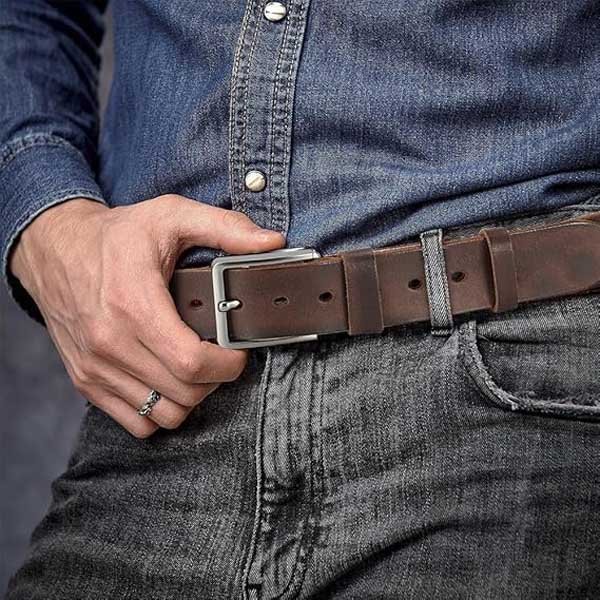
Have you ever found yourself with a leather belt that’s a little too tight or too loose? Instead of rushing to buy a new one, did you know you could easily add a hole yourself? With a few simple tools and some careful measurement, you can adjust the fit of your leather belt quickly and efficiently. Whether you’re trying to make a perfect fit for daily wear or simply adding an extra hole to make an old belt work again, knowing how to make a hole in leather is a valuable skill.
Making a hole in a leather belt is an easy and cost-effective way to adjust its fit. Using the right tools, like a hole punch and a leather awl, ensures a clean and durable hole. The process involves measuring, marking, and carefully punching the hole, taking care not to damage the belt or create uneven holes.
In this expert guide, we’ll walk you through everything you need to know, from choosing the right tools to maintaining the integrity of the leather after making the hole. Let’s get started!
Why Making a Hole in Your Leather Belt Is a Practical Skill
Leather belts are durable, stylish, and practical, but sometimes their fit needs a little adjusting. Whether you’re in need of a tighter belt or just want to add a few extra holes for flexibility, this simple skill can save you money, extend the life of your favorite belt, and make it more comfortable to wear.
What is the Purpose of Adding a Hole to a Leather Belt?
A leather belt often becomes too loose or tight over time due to stretching, weight fluctuations, or simply wear and tear. Adding a hole to adjust the fit can make your belt as good as new, ensuring it comfortably holds your pants in place without buying a new one.
Why Might You Need to Adjust the Fit of a Leather Belt?
There are several reasons you might need to add a hole to your leather belt:
- Weight changes: If you’ve gained or lost weight, a new hole can help adjust the belt’s fit.
- Aging belt: Leather stretches over time. Adding a hole can make the belt tighter and more usable.
- Customization: You might just want a different fit, especially for a new buckle style or fashion preference.
How Can Making a Hole Yourself Save Money and Time Compared to Buying a New Belt?
Instead of heading to the store for a new belt, simply making a hole yourself can extend the life of your existing one. Leather belts, especially quality ones, can be expensive. By making a hole, you can save money and time, and continue enjoying the belt you love.
What Tools Are Needed to Make a Hole in a Leather Belt?
To make a hole in a leather belt, you’ll need the right tools to ensure precision and a clean finish. Using improper tools can cause jagged edges, crooked holes, or damage the leather.
What Are the Best Tools for Making Holes in Leather Belts?
Here are the tools you’ll need:
- Hole Punch: A hole punch is the most reliable tool for making precise holes in leather.
- Leather Awl: This tool helps you mark the exact spot where you want to punch a hole.
- Hammer: You’ll need a hammer to tap the hole punch into the leather, ensuring a clean hole.
- Cutting Mat: To protect your work surface and keep your belt from getting scratched.
- Ruler/Measuring Tape: To ensure the hole is properly aligned and spaced.
Which Hole Punch Tool Should You Choose for Different Belt Thicknesses?
The size of the hole punch is crucial for ensuring the hole fits your buckle and functions properly.
- 1/8-inch hole punch: Ideal for slimmer belts or lightweight leather. This size works well for small, decorative holes.
- 3/16-inch hole punch: This is the most common size for regular leather belts, ideal for most buckle types.
- 1/4-inch hole punch: Used for thicker belts or for larger buckles, ensuring enough space for the buckle prong.
Are There Alternative Tools for Making Holes in Leather?
If you don’t have a hole punch tool, there are alternative methods:
- Nail and Hammer: A nail and hammer can be used to create a hole, but this is less accurate and can damage the leather.
- Screwdriver: A flathead screwdriver can be used as a substitute, but it may leave jagged edges.
Which Hole Punch Size Should You Use for Your Leather Belt?
Choosing the correct hole punch size is key to making sure your belt fits properly without compromising its durability.
What Are the Different Hole Punch Sizes and Their Uses for Belts?
Leather hole punches come in various sizes. The size you choose depends on your belt and buckle.
- 1/8-inch Punch: This punch is for lighter, thinner belts. It’s ideal for belts that don’t need heavy-duty durability but rather flexibility.
- 3/16-inch Punch: A common size, it works well for most standard leather belts, giving the right balance between hole size and durability.
- 1/4-inch Punch: This is used for heavy-duty belts or larger buckles. This punch provides enough room for the prong of thicker, sturdier buckles.
How Do You Choose the Correct Size for Your Leather Belt?
- Belt Thickness: Thicker leather belts (over 8 oz) require larger punches (1/4-inch), while thinner belts work well with a 3/16-inch punch.
- Buckle Size: For standard buckles, a 3/16-inch punch will work well. However, for oversized or heavy-duty buckles, you’ll need a 1/4-inch punch for a proper fit.
How to Measure and Mark the Spot for the Hole
Accurate measurement and marking are critical for making sure the hole is perfectly placed, functional, and evenly spaced.
How Do You Determine the Correct Position for the New Hole?
To adjust the fit of your leather belt, you want to make sure the new hole is placed where it can best serve your comfort and fit preferences. Start by comparing it to your existing holes, and make sure it’s evenly aligned with the rest of the holes.
What Is the Right Method for Spacing Holes Evenly on a Leather Belt?
- 1-inch spacing is typical for belt holes. Measure and mark each hole along the belt, making sure to keep a consistent gap.
- Use a ruler or measuring tape to ensure your marks are straight and evenly spaced.
- For a more accurate placement, measure the distance from the end of the belt to your first hole and continue measuring each subsequent hole.
How Do You Measure for the Perfect Hole Size and Placement?
- Measure the belt’s total length.
- Mark the spot where you need a hole, keeping the measurement equal to your other holes or adjusting based on preference.
- Use a leather awl to create a small, precise indentation at the spot where the hole will go.
Step-by-Step Guide: How to Make a Hole in a Leather Belt
Once you’ve gathered your tools and measured the spot, it’s time to punch that hole. Follow this simple process to ensure a clean and durable hole.
What Are the Steps Involved in Making a Hole in a Leather Belt?
- Mark the Spot: Measure and mark the exact spot where the hole should go.
- Indent the Spot: Use a leather awl to create an indentation, making it easier to punch through the leather.
- Place the Hole Punch: Align the hole punch with the indentation and hold it steady.
- Tap the Punch: Using a hammer, gently tap the hole punch to pierce the leather. Ensure the hole is clean and doesn’t tear.
- Check the Hole: After punching, check the hole size to ensure it’s big enough for the buckle prong but not too large to compromise strength.
How Do You Safely Use a Leather Punch to Create a Clean Hole?
- Place the leather on a cutting mat or solid surface.
- Apply gentle pressure with the hammer to avoid damaging the leather.
- Check alignment before striking the punch.
What Safety Precautions Should You Take When Working with Leather Tools?
- Wear protective gloves to avoid injury from sharp tools.
- Keep your hands clear of the leather when striking the hole punch.
- Use protective eyewear when hammering to avoid injury from debris.
How to Maintain and Care for Your Leather Belt After Making a Hole
Once the hole is in place, it’s important to keep your leather belt well-maintained for long-lasting durability.
What Are the Best Practices for Maintaining the Integrity of the Leather After Making a Hole?
- Condition the leather to prevent it from drying out and cracking after you’ve punched the hole.
- Use a leather conditioner regularly to keep the belt soft and flexible.
How Do You Prevent Damage to Your Leather Belt While Adding Holes?
- Avoid punching too many holes—this can weaken the leather and cause it to break or tear.
- Ensure the holes are spaced evenly to prevent stress on the leather.
Should You Apply Any Leather Conditioner or Polish After Making a Hole?
Yes! After making the hole, apply leather conditioner to keep the leather from drying out. This helps maintain its softness and prevents cracking over time.
Common Mistakes to Avoid When Making Holes in Leather Belts
Making a hole in a leather belt might seem simple, but there are some common mistakes that can result in a poorly placed or damaged hole.
What Are the Common Mistakes People Make When Adding Holes to Leather Belts?
- Misaligned Holes: Not measuring carefully can result in crooked or uneven holes.
- Using Incorrect Tools: Using a nail or makeshift tools may lead to jagged or unclean holes.
How Can You Avoid Damaging the Belt or Making a Poorly Placed Hole?
- Measure twice, punch once: Double-check your measurements to ensure accuracy.
- Use the right size punch: This prevents overly large or small holes that don’t fit the buckle properly.
What Steps Should You Take to Ensure Your Hole Is Properly Aligned and Neat?
- Use a ruler or tape measure to ensure the holes are spaced evenly and aligned with your belt’s edge.
When Should You Seek Professional Help for Belt Hole Making?
While making a hole in your leather belt is an easy DIY fix, there are times when it’s best to leave it to a professional.
Are There Situations Where It’s Better to Get Professional Help Rather Than Do It Yourself?
- If the leather is expensive or delicate (e.g., full-grain leather belts), it’s best to have a professional handle the hole-making to avoid damage.
- If you’re unsure about the right tools or techniques, a professional leatherworker can do the job with precision.
How Can You Determine if Your Leather Belt Is Worth Customizing with Additional Holes?
If it’s a high-quality, valuable leather belt, or if you’ve worn it for many years, customizing it with additional holes might not be worth the risk unless done properly.
Why Is It Important to Know When to Seek a Professional Leatherworker?
A professional leatherworker will ensure that the hole is made with care, preserving the integrity of the belt and preventing any damage that could ruin the overall appearance or functionality.
With this guide, you now know how to make a hole in your leather belt, what tools to use, and how to ensure your belt fits comfortably. If you’re looking for customized leather belts or need high-quality leather goods, Szoneier Leather is here to help. Contact us today for personalized leather products designed to fit your style and needs.
What Can I Do For You?
Here, developing your OEM/ODM private label leather goods collection is no longer a challenge,it’s an excellent opportunity to bring your creative vision to life.
Make A Sample First?
If you have your own tech packs, logo design artwork, or just an idea,please provide details about your project requirements, including preferred fabric, color, and customization options,we’re excited to assist you in bringing your leather goods designs to life through our sample production process.