A material can look sustainable in a presentation and still become a poor commercial choice once it reaches the cutting table. The surface may contain agricultural waste, while the backing and coating remain largely synthetic. A beautiful responsible leather may come from a well-managed tannery, yet the finished bag may still fail early because its handles, edge paint, reinforcement, or hardware were not properly engineered. For fashion brands, sustainability is therefore not a label attached to a swatch. It is a sequence of decisions that must survive sampling, production, retail handling, customer use, repeat ordering, and regulatory review.
Eco-friendly leather goods combine verified material sourcing, controlled chemistry, durable construction, efficient manufacturing, responsible packaging, and accurate environmental claims. Fashion brands should compare genuine, recycled, synthetic, and plant-based materials by composition, traceability, performance, expected lifespan, testing requirements, and supply continuity instead of assuming that terms such as vegan, natural, recycled, or bio-based automatically prove that a product is environmentally responsible.
The difference becomes clear when a promising material reaches the first prototype. One sheet may photograph beautifully but crack around a wallet fold. Another may perform well yet arrive without reliable composition records. A third may support a strong environmental claim but require a minimum material purchase far beyond the planned launch volume. The following sections examine how experienced product teams separate attractive sustainability language from materials and manufacturing decisions that can support a credible, durable, and commercially practical leather goods collection.
What Makes Leather Goods Eco-Friendly?
Eco-friendly leather goods are created through a whole-product approach that considers material origin, chemical processing, durability, cutting efficiency, construction, repairability, packaging, and evidence. No outer material can make an entire product sustainable by itself. The lining, reinforcement, adhesive, edge paint, thread, hardware, labels, packaging, service life, and manufacturing defect rate all influence the product’s overall environmental performance.
Material Is Only One Part
Many fashion teams begin a sustainable collection by asking which material is the most environmentally friendly. That question is understandable, but it does not reflect how a finished leather product is actually made. A handbag may contain an outer shell, textile backing, reinforcement board, foam, lining, zipper tape, thread, adhesive, edge paint, metal hardware, labels, magnets, and several layers of packaging. Improving one visible component while ignoring the rest can create a stronger marketing story without producing an equally strong environmental result.
A plant-derived outer material, for example, may still use polyurethane coating, polyester backing, and synthetic adhesive. A genuine leather bag may use leather from an audited tannery but contain excessive bonded reinforcement that makes repair difficult. A recycled leather cover may contain recovered fibers, yet its strength may depend heavily on binders and surface coating. These materials can still be appropriate, but their benefits need to be described precisely and evaluated in relation to the complete product.
Fashion brands can reduce confusion by dividing environmental evaluation into five practical levels: raw material origin, processing and chemical control, product construction, manufacturing efficiency, and useful product life. This method prevents a single claim from dominating the assessment. It also helps sourcing, design, compliance, and marketing teams work from the same product facts rather than using different definitions of sustainability.
| Assessment Area | Questions Fashion Brands Should Ask | Practical Evidence |
|---|---|---|
| Raw material | Where does it come from, and what percentage is recycled, renewable, or animal-derived? | Composition declaration, supplier record, tannery or material documentation |
| Processing | Which tanning, coating, dyeing, or bonding methods are used? | Process description, audit record, chemical test report |
| Construction | Can the product be repaired, reinforced, or disassembled? | Approved sample, bill of materials, construction specification |
| Manufacturing | How are defects, cutting waste, and rejected units controlled? | Cutting plan, QC records, corrective-action process |
| Product life | How long should the item perform under normal use? | Flex, abrasion, seam, load, and colorfastness testing |
| Packaging | Is protection appropriate without unnecessary material? | Packaging specification, carton dimensions, material certification |
Durability Must Match Real Use
Durability contributes to sustainability because a product that fails early wastes every resource already invested in it. That includes raw material, processing, labor, hardware, packaging, shipping, photography, storage, retail handling, and customer acquisition. However, durability should be defined according to actual use rather than described with vague claims such as “built to last” or “premium quality.”
A lightweight evening bag may carry a phone, keys, and a small cosmetic item. A work tote may regularly hold a laptop, charger, bottle, documents, and personal accessories weighing several kilograms. These two products should not use the same strap attachment, base reinforcement, lining, zipper, or hardware specification. Making every component extremely heavy is not the solution either, because unnecessary reinforcement increases product weight, material use, shipping cost, and discomfort.
The most effective approach is to identify where the product is likely to fail first. Common weak points include strap anchors, handle bases, folded wallet spines, high-contact corners, zipper ends, magnetic closures, edge-painted bends, and hardware attachment tabs. Reinforcing these zones while simplifying non-load-bearing areas creates a better balance between material efficiency and product life.
Repairability also deserves attention. Replaceable shoulder straps, accessible screws, standardized rings, removable organizers, and repairable edge construction can extend product use. A fashion product does not need to resemble industrial equipment, but its construction should allow normal wear to be managed without forcing the customer to replace the entire item.
Production Waste Changes the Outcome
Production waste is not limited to leftover leather or synthetic sheets. It also includes incorrectly cut panels, rejected logos, damaged coatings, failed edge paint, misaligned zippers, incorrectly positioned hardware, and completed products that cannot be sold. A rejected finished handbag contains much more embedded material and labor than a rejected raw panel, so preventing downstream defects is one of the most practical ways to reduce waste.
Genuine leather normally has a lower usable cutting yield than a uniform roll material because scars, holes, loose grain, uneven thickness, shade differences, and irregular hide edges must be considered. Very large uninterrupted panels may reduce yield, while narrow curved parts can leave awkward spaces between patterns. Good pattern engineering balances appearance, performance, and efficient placement rather than treating cutting yield as a problem to solve after the design has been approved.
Suitable offcuts can be used for card holders, zipper tabs, key straps, logo patches, luggage tags, small pockets, or decorative parts. This only works when those products are planned as part of the collection. Creating random accessories solely to consume waste may generate products that do not match market demand. Material utilization should therefore begin with the product architecture, expected sales mix, and panel sizes.
Accurate sampling also reduces waste. When dimensions, folding methods, edge construction, hardware positions, and logo settings are resolved before bulk cutting, the factory is less likely to repeat one development mistake across hundreds of units. Environmental performance is closely connected to product-development discipline.
Packaging and Shipping Matter
Packaging should protect the product through factory handling, export transport, warehousing, fulfillment, and final delivery without adding unnecessary layers. Removing all protective material can appear environmentally progressive, but damaged products, scratched hardware, crushed shapes, customer returns, and unsellable stock can create a greater overall loss than carefully selected protective packaging.
A structured handbag may require tissue support, hardware wrapping, a dust bag, moisture protection, and an appropriately sized carton. A soft pouch may only require a recyclable paper sleeve or a lightweight protective bag. Wallets can often use compact paper packaging rather than oversized rigid boxes, while belts should be packed with a curve that avoids permanent bending and buckle damage.
Carton efficiency also matters. An oversized individual box increases shipping volume even when the product itself is lightweight. Brands should review product orientation, nesting method, carton dimensions, units per carton, gross weight, and protection requirements during sample development rather than waiting until production is complete.
Packaging claims should be as accurate as material claims. A paper box may be recyclable, but lamination, magnets, foam inserts, metallic film, and mixed adhesives can complicate recovery. The better solution is often a restrained packaging system that protects the item, communicates the brand clearly, and uses materials that can be identified and separated without difficulty.
Which Leather Materials Are More Sustainable?
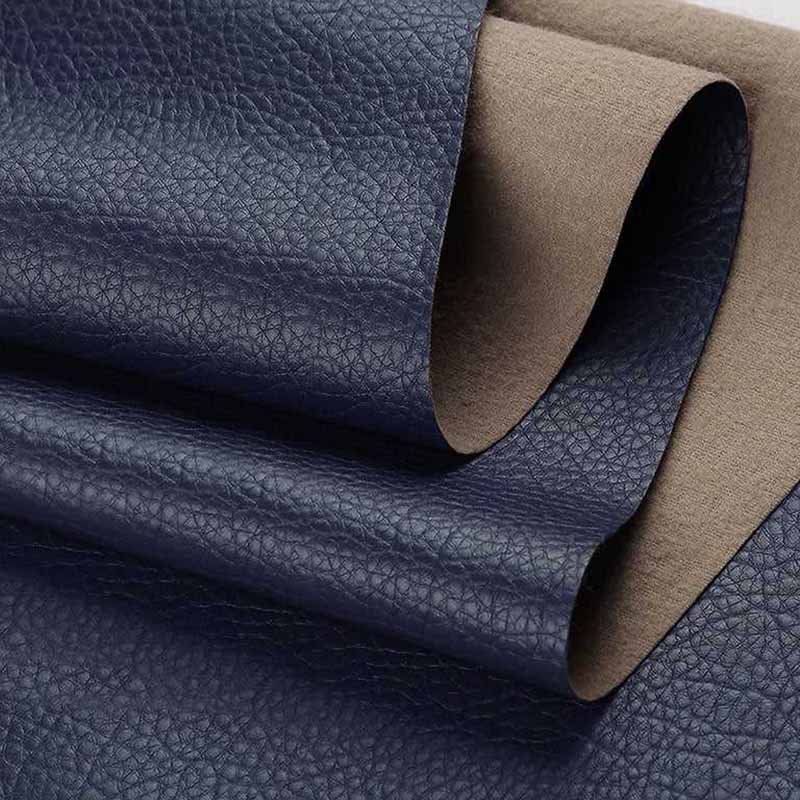
More sustainable material options may include responsibly sourced genuine leather, recycled leather composites, water-based or solvent-reduced polyurethane, microfiber leather, cork, and selected plant-based alternatives. The best choice depends on verified composition, product performance, expected lifespan, chemical requirements, cutting yield, repairability, supply continuity, and whether the proposed environmental claim can be supported with current documentation.
Responsible Genuine Leather
Genuine leather can support a more responsible product strategy when its origin, processing, tannery management, chemical controls, and product life are properly evaluated. The word “genuine” alone does not establish quality or sustainability. Brands need to define the animal type, leather cut, grade, tannage, thickness, finish, color tolerance, tannery source, restricted-substance requirements, and expected traceability level.
Leather Working Group audits are commonly used to review leather-processing facilities across environmental management, water and energy use, chemical handling, waste management, and traceability-related areas. An audited tannery can provide useful supplier evidence, but the fashion brand should still confirm that the proposed leather actually comes from the named facility and falls within the relevant production scope.
Vegetable-tanned leather is often presented as the automatic alternative to chrome-tanned leather, yet real product decisions require more context. Vegetable tanning can produce firm structure, natural color development, and an attractive patina, but it may react differently to water, flexing, surface staining, and color consistency. Chrome-free and metal-free systems can support specific brand policies, although those terms should be connected to a defined test method and supplier declaration.
Product durability remains central. A well-selected top-grain leather may serve a handbag for many years, but premium leather cannot compensate for weak strap anchors, unsuitable thread, poor edge preparation, or low-grade hardware. Responsible sourcing and sound construction need to work together.
Recycled Leather Composites
Recycled leather is commonly made by combining leather fibers or shredded leather offcuts with binders, backing layers, and a surface finish. It can create uniform sheets with predictable thickness and efficient cutting, making it useful for notebook covers, packaging cases, card holders, structured panels, decorative trims, and selected small leather goods.
The main difficulty is that “recycled leather” does not describe one standard material. Two suppliers may use the same term for products with very different leather-fiber percentages, binders, backing fabrics, coatings, flex resistance, edge strength, and moisture performance. Brands should request a composition breakdown by weight and confirm whether the recovered content is pre-consumer manufacturing waste, post-consumer material, or another source.
Certification may support recycled-content claims, but the certificate scope and chain of custody should match the material being purchased. A supplier holding a recycled-content certificate does not automatically mean that every offered product, color, or shipment qualifies. Transaction documents may be required to connect a specific delivery to the certified supply chain.
Performance testing remains necessary. Recycled leather can be strong in flat or lightly formed applications but may show cracking, delamination, weak edges, or reduced fold resistance in demanding constructions. A product team should test the material after sewing, folding, edge finishing, humidity exposure, and repeated use rather than approving it from an unworked sheet.
Plant-Based Alternatives
Plant-based leather alternatives may use apple-processing residue, grape waste, cactus, pineapple leaf fiber, cork, mushroom mycelium, bacterial cellulose, or other biological and agricultural feedstocks. These materials can provide a distinctive story, reduce reliance on animal hides, and make use of renewable or waste-derived inputs. Their actual composition and performance, however, vary widely.
Some plant-based materials are coated textiles containing a percentage of plant-derived matter. Others are fibrous sheets, natural laminates, or biologically grown structures. A product name can create the impression that the entire sheet comes from one plant, even though the finished construction also includes polyurethane, polyester, cotton, resins, protective coatings, or adhesives.
Brands should examine the material layer by layer. The review should identify the surface coating, main body, textile backing, binder, protective topcoat, and percentage of plant-derived content by weight. This makes it possible to create accurate language such as “contains material derived from apple-processing waste” rather than implying that the entire product is made only from apples.
Plant-based alternatives are often best introduced through controlled applications. A fashion brand can begin with card holders, flaps, front panels, small pouches, trim, or a limited capsule before expanding the material to large bags or load-bearing parts. This approach creates time to assess edge finishing, stitching, flexing, stretch, color transfer, abrasion, supplier capacity, and repeat-order stability.
Synthetic Options
Synthetic leather remains widely used because it provides consistent color, grain, width, thickness, cutting yield, and bulk-production predictability. Conventional PU, water-based PU, solvent-reduced PU, solvent-free systems, microfiber leather, and PVC should not be treated as one material family with identical environmental and performance characteristics.
Microfiber leather normally uses a more engineered backing structure than basic non-woven PU. It can provide stronger tear resistance, improved flexing, and better dimensional stability, although it usually costs more. Water-based and solvent-reduced coating systems may address specific chemical or process priorities, but suppliers should provide technical information describing the construction rather than relying on environmental terminology alone.
PVC can provide durability, water resistance, and cost advantages in some applications, but it may conflict with brand material policies or market requirements. PU can provide a softer hand and a broader fashion appearance, yet unsuitable PU constructions may be vulnerable to hydrolysis, peeling, or surface breakdown under heat and humidity.
| Material | Common Thickness Range | Main Advantage | Main Risk to Check | Suitable Applications |
|---|---|---|---|---|
| Full-grain leather | 1.2–2.2 mm | Natural character and long wear | Shade, scars, cutting yield | Premium bags, belts, straps |
| Top-grain leather | 0.9–1.6 mm | Balanced appearance and durability | Finish adhesion and color matching | Handbags, wallets, accessories |
| Recycled leather | 0.6–1.8 mm | Uniform sheets and waste utilization | Fold cracking and edge integrity | Covers, panels, card holders |
| Standard PU | 0.6–1.5 mm | Cost and color consistency | Hydrolysis and peeling | Fashion bags, pouches, wallets |
| Microfiber leather | 0.7–1.6 mm | Strong backing and stable quality | Higher material cost | Bags, straps, premium alternatives |
| Plant-based composite | 0.7–1.5 mm | Renewable or waste-derived content | Composition, coating, scalability | Capsule bags, panels, small goods |
| Cork textile | 0.5–1.2 mm | Lightweight and distinctive grain | Abrasion at sharp folds | Wallets, pouches, notebook covers |
These thickness ranges are common development references rather than universal specifications. Backing construction, reinforcement, stitch placement, seam design, product size, and expected load can change the appropriate selection.
Which Leather Goods Suit Fashion Brands?

Handbags, totes, crossbody bags, wallets, card holders, belts, straps, travel accessories, and coordinated small leather goods can all support more responsible collections. The most suitable product is one whose structure matches the selected material’s strength, flexibility, thickness, edge behavior, finish, and supply consistency. Brands should test realistic applications before applying one material across an entire range.
Bags and Handbags
Tote bags, shoulder bags, crossbody bags, bucket bags, and structured handbags provide enough surface area for material texture and craftsmanship to become part of the product identity. They also allow brands to combine materials according to function. A responsible genuine leather may be used at handles and stress points, while recycled textile, cork, or plant-based alternatives are used on larger body panels.
The product architecture should follow the material rather than forcing the material into a predetermined shape. Firm vegetable-tanned leather can suit boxy totes, briefcases, and structured top-handle bags. Softer leather or flexible microfiber may work better for relaxed shoulder bags. A plant-based composite may perform well on front and side panels but require stronger internal support around strap anchors, magnetic closures, or zipper ends.
Weight should be evaluated during sampling. Thick leather, dense board, heavy lining, and oversized metal hardware can make a bag feel substantial in a showroom, yet become uncomfortable in daily use. Reducing unnecessary weight can improve carrying comfort, shipping efficiency, and customer satisfaction without weakening critical areas.
Shipping method also influences structure. A foldable tote can reduce carton volume, but the fold must not create permanent coating marks. A rigid handbag may require more packaging, but that protection can be justified when it prevents crushed corners and unsellable inventory.
Small Leather Goods
Wallets, card holders, passport covers, key cases, coin purses, luggage tags, notebook covers, and compact pouches use less material than handbags and can provide a practical entry point for testing a new leather alternative. They also allow brands to use suitable offcuts from larger product programs, provided the pieces meet strength, appearance, and consistency requirements.
Small products demand precise thickness control because several layers often meet within a very limited area. A difference of 0.3 or 0.5 millimeters may appear minor on a large tote panel, but it can make a folded wallet bulky, distort a card slot, or prevent an edge from closing cleanly. Material behavior after skiving, folding, painting, and stitching should therefore be tested in the final construction.
Common development starting points include outer materials around 0.8–1.2 millimeters for many wallets and approximately 0.8–1.1 millimeters for card holders. Folded genuine leather edges may be skived thinner, while recycled or plant-based composites may require raw-edge, painted-edge, bound-edge, or laminated construction because they do not always skive like natural leather.
A standard bank card is approximately 85.60 by 53.98 millimeters. Card-slot patterns need additional clearance for material thickness, stitch position, and customer usability. Approving only the outer dimensions without testing actual cards can produce a visually correct wallet that functions poorly.
Belts and Straps
Belts, handles, shoulder straps, wristlets, and harness-style accessories experience repeated tension, bending, rubbing, and hardware contact. These components should not be developed from a visually attractive material without examining internal strength, stretch, edge performance, and attachment construction.
A belt may use full-thickness leather, bonded leather layers, leather over reinforcement, or an alternative material laminated onto webbing. Each method affects thickness, stretch, edge appearance, flexibility, and long-term performance. A synthetic or plant-based surface material can sometimes perform well when supported by a stable internal layer, while the same material may stretch excessively if used alone.
Adjustable shoulder straps commonly range from approximately 15–25 millimeters for small bags and 25–40 millimeters for larger casual, work, or travel products. The correct width depends on expected load, customer comfort, product scale, and visual direction. A narrow strap may be structurally strong but create uncomfortable pressure when carrying a heavier bag.
Replaceable straps can extend product life and create additional merchandising opportunities. A brand can offer different colors, lengths, or materials while retaining the same bag body. Standardized clips, D-rings, buckles, and attachment widths also simplify repair, replenishment, and future collection development.
Coordinated Collections
A coordinated collection can improve cutting efficiency, reduce repeated development work, and create a stronger visual identity. One approved material and hardware system may support a tote, crossbody bag, wallet, card holder, pouch, luggage tag, and key strap. Tested components, edge paint, lining, logo settings, thread, and packaging can be reused instead of being redeveloped for every item.
Collection planning should begin with the largest panels. Medium and small components can then be arranged around them during cutting-plan development. Suitable smaller sections may become wallet panels, card slots, zipper tabs, key straps, logo patches, or luggage tags. This is more effective than developing isolated products and attempting to use leftover material later.
| Collection Direction | Main Product | Supporting Products | Shared Development Logic |
|---|---|---|---|
| Work Essentials | Laptop tote | Card holder, cable pouch, badge holder | Reinforced handles, common lining and hardware |
| Travel Series | Weekender | Passport cover, luggage tag, toiletry pouch | Shared color, zipper family, and packaging |
| Daily Carry | Crossbody bag | Wallet, phone pouch, key strap | Lightweight material and replaceable strap |
| Gift Program | Structured handbag | Card case, key holder, presentation pouch | Coordinated logo, finish, and gift packaging |
| Low-Waste Capsule | Tote bag | Pouch, tag, notebook cover | Planned use of suitable smaller cutting areas |
A successful family should still be driven by customer demand. Material efficiency is valuable, but it should not create unnecessary SKUs. The strongest programs connect material use, product purpose, target price, and sales channel within one coherent collection.
How Do Materials Affect Product Performance?
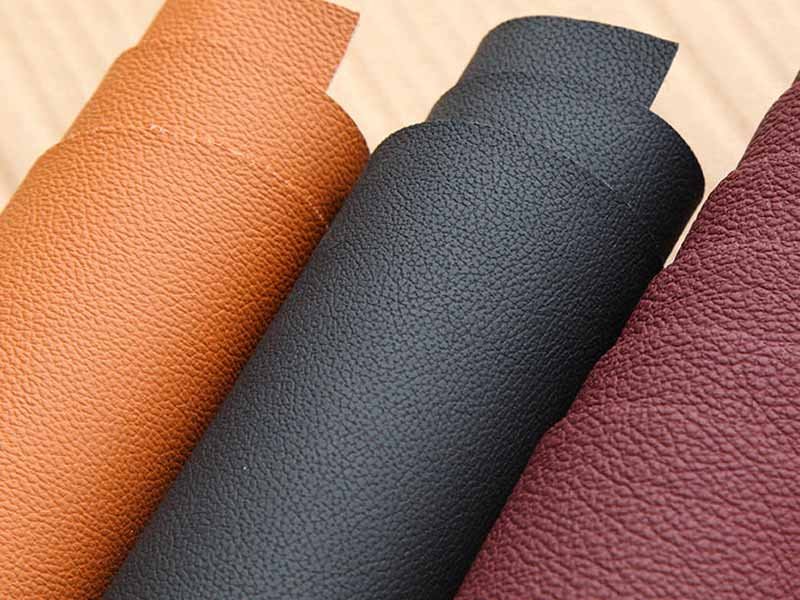
Material thickness, temper, backing, coating, grain, stretch, and finish determine how leather goods cut, fold, sew, hold their shape, and age during use. Fashion brands should approve materials through finished prototypes and targeted tests rather than relying only on flat swatches. Performance requirements need to reflect actual load, climate, customer contact, storage conditions, and expected service life.
Thickness and Temper
Thickness influences bulk, strength, edge construction, folding, sewing difficulty, and product weight. Temper describes whether the material feels soft, medium, or firm. Two materials with the same measured thickness can create completely different products because their fiber structure, backing, density, and flexibility are not the same.
A 1.2-millimeter soft leather may drape well but require reinforcement to support a structured bag. A 1.2-millimeter firm leather may hold shape with very little board. A 1.0-millimeter microfiber material may have stronger tear resistance than a thicker basic PU because its backing is more engineered. Buyers should therefore avoid approving materials by thickness alone.
Thickness is usually more practical when specified as a tolerance range. Natural leather varies across each hide, while roll materials may vary slightly between production batches. A range such as 1.0–1.2 millimeters gives the factory a measurable standard while acknowledging normal material variation.
Temper should be approved against a physical reference or sealed swatch. Descriptions such as soft, buttery, firm, flexible, or structured are interpreted differently across design teams and suppliers. A retained physical sample provides a much stronger repeat-order reference than verbal descriptions or photographs.
Reinforcement should be targeted. Handles, bases, closures, and hardware zones normally need more support than large body panels. Applying heavy board throughout the entire product can increase weight, reduce flexibility, and make future repair more difficult.
Surface and Coating
Surface finish affects appearance, scratch resistance, color consistency, water response, rubbing behavior, aging, and cleaning requirements. Aniline leather shows more natural grain and variation, while pigmented leather offers greater color uniformity and surface protection. Waxed and oiled leathers can develop a distinctive patina but may mark, transfer, or change appearance more readily.
Synthetic and plant-based composites rely heavily on the quality of the coating system. A material may look excellent during the first sample review but fail after repeated folding, exposure to hand oils, temperature changes, humidity, or friction against clothing. Possible failures include topcoat whitening, peeling, grain flattening, stickiness, cracking around stitch holes, and separation from the textile backing.
Edge paint should be treated as a separate material system. A stable outer material can still produce poor results if the edge paint is too hard, too thick, insufficiently cured, or applied over an incorrectly prepared edge. Several controlled thin coats often perform better than one heavy coat, although the exact process depends on the leather type, filler, primer, drying time, and desired appearance.
Light-colored products require additional care. White, cream, beige, pastel, and metallic surfaces can reveal adhesive marks, edge-paint contamination, hardware transfer, and rubbing discoloration more easily than dark materials. Testing should include realistic contact with clothing and packaging materials.
Strength and Aging
Product testing should focus on the ways the item is most likely to fail. A wallet needs repeated folding resistance. A commuter tote needs handle attachment and seam strength. A pale shoulder bag requires rubbing colorfastness. A coated material sold into a hot, humid market may need hydrolysis aging. The appropriate test plan depends on product use rather than a universal checklist.
| Test | What It Evaluates | Typical Product Relevance |
|---|---|---|
| Tensile strength | Resistance to pulling force | Straps, handles, belts |
| Tear strength | Resistance to tear propagation | Thin panels and stitched zones |
| Flex resistance | Cracking during repeated bending | Wallet folds, straps, flap hinges |
| Abrasion resistance | Surface wear from repeated rubbing | Corners, bag bodies, belts |
| Dry and wet colorfastness | Dye or coating transfer | Shoulder bags and clothing-contact areas |
| Hydrolysis resistance | Coating stability in heat and humidity | PU and coated alternatives |
| Seam strength | Interaction between material and stitching | Handle bases and structural seams |
| Hardware corrosion | Plating resistance | Bags used in humid or coastal markets |
| Zipper cycling | Repeated opening and closing | Daily-use bags and wallets |
| Product load test | Strength of the assembled item | Totes, backpacks, travel bags |
Test thresholds should match product position and intended use. A decorative mini bag and a work tote designed to carry several kilograms should not use identical acceptance criteria. The brand, manufacturer, and laboratory should agree on methods and pass requirements before testing begins.
Accelerated aging is particularly useful for coated materials. Some PU constructions can experience hydrolysis, causing the coating to become sticky, brittle, or peel under heat and moisture. Material age, storage environment, resin chemistry, and backing construction all influence the result.
Material Consistency
Repeat production depends on controlling color, grain, gloss, thickness, backing, hand feel, stretch, and surface finish. Natural leather has unavoidable variation, so the brand should define an acceptable range rather than expecting every hide to appear identical. Synthetic materials are usually more uniform, but different coating runs, backings, pigments, and production dates can still create visible changes.
A bulk-material approval process should include a production-batch swatch rather than relying only on the original development sample. The team should compare color under controlled lighting, measure thickness, review grain and gloss, confirm the backing, check odor, perform simple flex and rubbing tests, and record the supplier and batch number.
For genuine leather, hides should be grouped by shade and surface character before cutting. Highly visible matching panels may need to come from similar shade groups. A front panel, flap, and gusset that differ noticeably in color or grain can make a finished bag appear inconsistent even when every piece individually falls within general leather variation.
Brands should retain approved development swatches, bulk-production swatches, edge-paint samples, thread references, and hardware finishes. These retained standards are especially important when a product is reordered six or twelve months later. Descriptions and digital images cannot fully reproduce hand feel, gloss, texture, or material density.
How Are Sustainability Claims Verified?
Sustainability claims are verified through documents that match the actual supplier, facility, material, production batch, and finished product. Useful evidence can include tannery audits, recycled-content certificates, transaction records, composition declarations, invoices, laboratory reports, and traceability records. A certificate logo or supplier presentation should never be applied more broadly than the scope that can be proven.
Certificates and Scope
A certificate should be reviewed beyond its logo. The most important details are the legal certificate holder, manufacturing address, standard name, product or process scope, issue date, expiration date, and any limitations. A valid certificate can be useful evidence, but it only supports the activities and materials included within its stated scope.
Leather Working Group audits apply to leather-processing facilities. They do not automatically certify a finished handbag factory or every product made with leather. GRS and RCS documentation can support recycled-content claims when the certified material and chain-of-custody records can be connected to the shipment. FSC certification may support paper boxes, tags, inserts, or packaging, but it does not certify the leather product.
OEKO-TEX certification may apply to specific linings, textiles, or components depending on the certificate. A supplier holding one certificate should not imply that every material it sells carries the same status. The offered construction, factory, product category, and certificate validity must be checked.
The review should take place before the brand prints hangtags, website claims, packaging, or retailer presentations. Discovering that the selected material falls outside the certificate scope after marketing materials have been approved can cause delays, reprinting costs, or reputational problems.
Composition and Traceability
Composition is especially important for recycled and plant-based materials because a market-facing product name may describe only one ingredient. A useful composition declaration identifies the percentage of leather fiber, plant-derived matter, recycled content, polymer binder, textile backing, and surface coating. It should also state whether percentages are calculated by weight and whether the information applies to the complete sheet or only one layer.
Traceability should be described with equal precision. “Traceable to supplier,” “traceable to tannery,” “traceable to slaughterhouse,” and “traceable to farm” represent different levels of visibility. A brand should not use the broadest version when its evidence only reaches the immediate material seller.
A practical product traceability record can connect the raw material or tannery, material supplier, purchase order, delivery batch, factory receiving record, cutting lot, production order, finished-goods inspection, carton number, and final shipment. This system supports environmental communication as well as quality management.
When a surface problem appears in one color or batch, the production team can identify affected SKUs and shipments more quickly. Traceability is therefore not only a sustainability exercise. It is also a tool for corrective action, repeat-order control, and retailer confidence.
Chemical and Performance Reports
A laboratory report answers a specific question about a specific submitted sample. It does not automatically apply to future colors, materials, coatings, batches, or finished products. The report should identify the laboratory, report number, test date, sample description, material color, method, result, detection limit where relevant, and pass or fail criteria.
For products entering the European market, REACH-related reviews may cover restricted substances in leather, PU, PVC, textiles, dyes, coatings, edge paint, adhesive, and metal hardware. Leather articles with prolonged skin contact require particular attention to chromium VI. Depending on product category and market, testing may also address azo dyes, formaldehyde, phthalates, lead, cadmium, nickel release, organotin compounds, and other restricted substances.
Performance reports cover a different purpose. Abrasion, flexing, tear, tensile, seam, hydrolysis, colorfastness, corrosion, and load testing can support durability and quality decisions, but these reports should not be presented as environmental certifications.
The buyer should confirm whether a report applies to the raw outer material, one component, one color, or the complete finished product. A compliant outer material does not prove that the lining, zipper pull, edge paint, adhesive, and hardware meet the same requirements.
Accurate Environmental Claims
Environmental claims should be specific, limited, measurable, and understandable. Broad expressions such as completely sustainable, zero impact, entirely green, or fully biodegradable are difficult to support and may create regulatory and reputational risk. More precise statements allow customers to understand exactly what has changed.
A claim such as “the lining contains 70% certified recycled polyester” is more accurate than calling the entire mixed-material bag recycled. “Leather sourced from an LWG-rated tannery” is more precise than describing the finished bag as LWG-certified when the certification applies to a processing facility. “Contains plant-derived material from apple-processing residue” is safer than implying that every layer of the sheet is made from apples.
Each product claim should be connected to an internal evidence file containing the final wording, product component, percentage, supplier document, certificate number, validity period, relevant market, affected SKU, and responsible approver. This process allows the marketing team to communicate environmental improvements without making the claim broader than the evidence.
Accurate language does not weaken a sustainability story. It makes the story more credible to retailers, consumers, platforms, compliance teams, journalists, and AI systems that compare claims across multiple sources.
How Do Brands Choose a Manufacturer?
Fashion brands should choose a manufacturer that can connect material sourcing, technical development, controlled sampling, bulk production, quality inspection, documentation, packaging, and repeat delivery. Attractive showroom samples are not enough. A suitable manufacturing partner should demonstrate how environmental claims and product standards are carried from the approved material through production, inspection, shipment, and future reorders.
Material Knowledge
A capable leather goods manufacturer should understand how natural leather, recycled composites, PU, microfiber, cork, and plant-based alternatives behave during cutting, skiving, folding, laminating, sewing, edge finishing, reinforcement, and bulk production. Material selection should begin with the product requirement rather than the supplier’s available stock.
The development team should ask about product category, intended use, expected load, target market, desired hand feel, required structure, color, finish, sustainability claim, testing standards, estimated quantity, target price, and repeat-order plans. These details determine whether the proposed material is commercially appropriate.
A soft plant-based composite may work well for a small pouch yet require reinforcement around a crossbody strap. A recycled leather sheet may be efficient for notebook covers but unsuitable for a sharply folded wallet spine. A thick genuine leather may look luxurious but make a large travel bag too heavy. A basic PU may meet the visual target but perform poorly under high humidity.
The manufacturer should explain these trade-offs before sampling. Material swatches should be accompanied by available composition data, supplier identity, minimum purchase, lead time, stock status, color-development requirements, documentation, and recommended performance tests.
Sampling Capability
Sampling is where design, environmental claims, product performance, cost, and manufacturing reality come together. A useful sample does more than reproduce a drawing. It resolves dimensions, material thickness, pattern shape, reinforcement, hardware, lining, thread, logo method, edge treatment, packaging, and production feasibility.
The first prototype should be treated as a technical review. It may reveal that the material is too soft, the edge is too bulky, the coating reacts badly to heat embossing, the handle requires additional reinforcement, or the packaging creates permanent surface marks. Identifying these issues during development is far less costly than discovering them during bulk production.
A controlled process records every modification using measurements, marked photographs, material codes, hardware references, and revision dates. Once the final sample is approved, the factory should retain or seal a reference sample and connect it to a production specification.
Szoneier operates as a Shenzhen-based OEM and ODM custom bags and soft goods manufacturer with more than 18 years of industry experience. Its manufacturing profile includes an in-house sampling system, a sample workshop of more than 300 square meters, eight sampling technicians, 12 sample sewing stations, and support for pattern development, material comparison, logo testing, structural revisions, and final sample confirmation.
Quality Control
Quality control should begin with incoming materials and continue through cutting, logo application, sewing, edge finishing, assembly, final inspection, packing, and shipment release. Final inspection alone cannot correct a material or construction problem that has already been repeated across the full production quantity.
Incoming inspection can review material color, grain, thickness, quantity, backing, hardware finish, zipper function, lining, reinforcement, labels, and packaging. In-process inspection can check cutting direction, shade matching, logo position, stitch density, seam allowance, edge-paint application, hardware placement, and load-bearing reinforcement.
Final inspection should cover dimensions, symmetry, surface condition, function, cleanliness, hardware, straps, closures, edge quality, packaging, labeling, quantity, and carton information. AQL 2.5 for major defects and AQL 4.0 for minor defects are commonly used reference levels for consumer-goods inspections, although the exact sampling plan and acceptance limits should be agreed before production.
Szoneier’s documented quality structure includes a 12-person QC team supporting incoming, in-process, final, and outgoing inspection. Higher-risk, first-order, premium, or retailer-controlled projects can require stricter checks, additional checkpoints, buyer inspection, or third-party inspection. The quality plan should always reflect the product rather than applying one generic checklist to every leather good.
Documentation and Delivery
A reliable manufacturer should maintain a connected project file covering material approval, sample development, testing, bulk production, quality inspection, packaging, and shipment. This allows the brand to trace decisions and retrieve evidence without rebuilding the project from separate emails and supplier messages.
The file may include the product specification, approved sample record, material codes, composition declarations, supplier certificates, laboratory reports, color standards, hardware specifications, edge-paint references, packaging instructions, inspection criteria, production schedule, final inspection report, carton list, and export documents.
Repeat-order capability should also be evaluated. A material that is available for one launch but cannot be reproduced six months later may not suit a core product line. The manufacturer should identify whether the selected material is a stock item, made to order, seasonal, dependent on a large supplier minimum, or vulnerable to color and coating variation.
Szoneier combines in-house development with controlled production resources and a network of more than 10 long-term satellite partner factories for category specialization and capacity support. Sampling, material standards, quality requirements, packaging, communication, and delivery responsibility remain coordinated through the central project team.
Start Your Custom Project
There is no single leather material that is automatically the best environmental choice for every fashion brand. A premium responsible leather may be appropriate for a repairable long-life handbag. A recycled composite may suit structured covers and small accessories. A plant-based option may create value for a carefully tested capsule, while microfiber or water-based PU may provide the consistency needed for a broader color program.
The strongest product decision connects five elements: a clearly defined environmental priority, evidence that supports the planned claim, performance suited to the actual use case, material availability for repeat production, and a manufacturing process capable of keeping the bulk order consistent with the approved sample.
Szoneier supports custom handbags, wallets, card holders, belts, pouches, travel accessories, leather trims, and coordinated fashion collections using genuine leather, PU, microfiber leather, recycled materials, plant-based alternatives, and mixed-material constructions. Material availability, certificate scope, testing requirements, and production specifications are reviewed according to the individual project rather than treated as universal promises.
To request a project assessment and quotation, send your reference images, technical drawings, physical sample details, preferred material, dimensions, estimated quantity, target market, logo artwork, packaging requirements, testing standards, and sustainability goals.