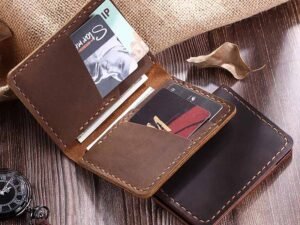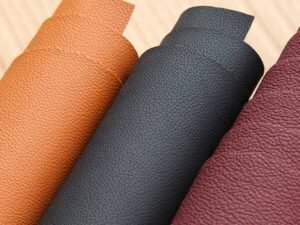
A leather product can look excellent in a presentation sample and still become a commercial problem during bulk production. Color may drift between leather batches, handles may stretch under realistic loads, edge paint may crack around tight corners, hardware may scratch the surface during shipping, or the finished product may feel noticeably different from the approved sample. These failures are rarely caused by a single sewing mistake. They usually begin with unclear specifications, unsuitable materials, weak development controls, or a manufacturer that cannot manage the entire production chain.
To choose a leather goods manufacturer, first define your product, target customer, quality position, order size, and delivery requirements. Then verify the manufacturer’s relevant experience, material sourcing, pattern development, sampling, craftsmanship, quality controls, capacity, compliance, communication, and export delivery. The right partner should document approved standards, identify risks before production, and reproduce the final sample consistently across repeat orders.
Two suppliers may quote nearly identical prices for the same leather handbag. One may promise that everything is easy and production can begin immediately. The other may ask about leather thickness, handle load, lining weight, edge construction, hardware finish, packaging pressure, and expected retail conditions. The second conversation may take longer, but those detailed questions often reveal which supplier understands how a promising concept can fail after 1,000 units have already been made.
What Should Your Brand Define First?
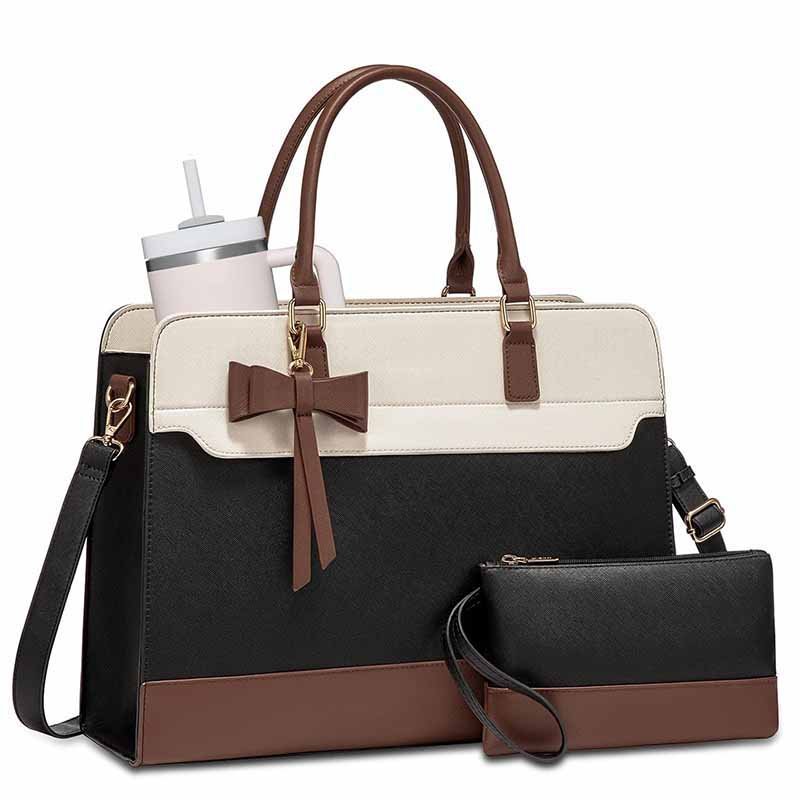
Before contacting manufacturers, define the product category, intended user, sales channel, target retail position, expected quantity, quality requirements, delivery market, and approval process. A clear brief helps factories recommend suitable leather, hardware, construction, packaging, and production methods. It also makes quotations easier to compare and reduces misunderstandings during sampling, testing, bulk production, and final inspection.
Product Scope
“Leather goods” is too broad to support an accurate quotation or technical evaluation. A slim card holder, structured handbag, soft tote, laptop briefcase, travel organizer, belt, watch roll, and rigid presentation case all place different demands on materials, machines, pattern development, reinforcement, edge treatment, hardware setting, lining installation, and final shaping. A supplier that performs well with simple wallets may not have the equipment or technical experience required for structured travel bags.
Describe the product by function rather than appearance alone. A leather laptop bag must carry weight without deforming, protect electronic devices, remain comfortable when loaded, and open without scratching the contents. A fashion handbag may prioritize silhouette, natural grain, edge quality, hardware feel, product weight, and visual proportion. A wallet requires controlled skiving because several folded leather layers can quickly make the finished item too thick for comfortable use.
Your initial brief should explain what the product carries, how frequently it will be used, how it opens, where the user holds or wears it, which areas receive stress, and whether the item must stand upright. These details determine reinforcement placement, leather thickness, seam construction, closure type, lining specification, and acceptable weight. When function is unclear, the factory must make assumptions, and those assumptions may not match your customer’s expectations.
Customer and Channel
A product should be designed for the customer and selling environment in which it will be used. A leather accessory sold through an online store faces different requirements from one supplied to department stores, corporate gift programs, boutique retailers, travel stores, or luxury hospitality groups. The same material and packaging decisions may perform well in one channel while creating cost or presentation problems in another.
For e-commerce, the product must photograph clearly, arrive without compression marks, and create a strong first impression when the parcel is opened. Protective packaging must prevent metal hardware from rubbing against leather during international transportation. Retail programs often require consistent barcode placement, carton assortment, shelf presentation, labeling, and color matching across several deliveries. Corporate gift orders usually place greater emphasis on logo accuracy, presentation packaging, fixed event deadlines, and uniformity across large quantities.
Define which product qualities matter most to the end user. These may include soft hand feel, structured shape, low product weight, natural grain, scratch resistance, interior organization, durable closures, or refined packaging. Every choice involves a trade-off. Thicker leather may feel substantial but increase product and freight weight. Soft leather may feel premium but require additional backing to hold the intended silhouette.
Quantity and Timing
Quantity affects leather purchasing, hardware minimums, cutting efficiency, color development, packaging prices, testing costs, labor allocation, and production scheduling. Manufacturers need your realistic first-order quantity, not only an optimistic annual forecast. Separate quantities by style, color, and size because a 1,000-unit order in one color is much more efficient than 1,000 units divided among ten colors.
Each additional color may require a separate leather lot, lining shade, thread color, edge paint, zipper, hardware finish, production record, and inspection process. Even when the total order quantity remains unchanged, splitting the order across several variations can increase material minimums and reduce cutting efficiency. For this reason, buyers should confirm whether the manufacturer’s quoted MOQ applies to the total order, each style, each color, or each custom material.
Delivery planning should separate sampling, revisions, material purchasing, pre-production approval, cutting, assembly, finishing, inspection, packaging, and international transport. Custom-dyed leather, plated hardware, printed lining, presentation boxes, molds, or laboratory testing can add several weeks before assembly starts. A realistic schedule is more valuable than an attractive delivery promise that ignores the time required for material preparation.
| Project Factor | Information to Confirm | Practical Effect |
|---|---|---|
| First order | Units per style, color, and size | Determines actual production minimum and setup needs |
| Reorder plan | Expected quantity and frequency | Helps reserve leather and repeat components |
| Leather color | Standard stock shade or custom dye | Influences minimum quantity and lead time |
| Hardware | Existing component or custom finish | May require tooling, plating, or supplier minimums |
| Packaging | Polybag, dust bag, gift box, or retail pack | Changes unit cost, carton volume, and product protection |
| Delivery | Required arrival date and country | Determines production release and freight method |
Technical Information
A complete tech pack gives the manufacturer a measurable production target. It should include dimensioned drawings, a bill of materials, leather specifications, lining, reinforcement, hardware, stitching, logo placement, packaging, and finished-product tolerances. Clear information allows several suppliers to quote the same construction rather than each supplier estimating a different material or manufacturing method.
Many brands begin without a complete technical file. In that situation, provide a reference sample, marked photographs, sketches, overall dimensions, intended customer, target quantity, preferred leather, target price position, logo artwork, and packaging expectations. A competent development team can turn these inputs into a structured specification, but every decision made during development must eventually be recorded.
Avoid descriptions such as “premium leather,” “high-quality zipper,” or “strong hardware” because these terms cannot be inspected objectively. State the leather type, approximate thickness, surface finish, hardware color, zipper size, lining composition, logo process, and expected function. Hidden materials such as reinforcement, foam, board, adhesives, and backing should also be documented because changing these components can affect shape, durability, weight, and sample-to-bulk consistency.
Which Factory Capabilities Matter?
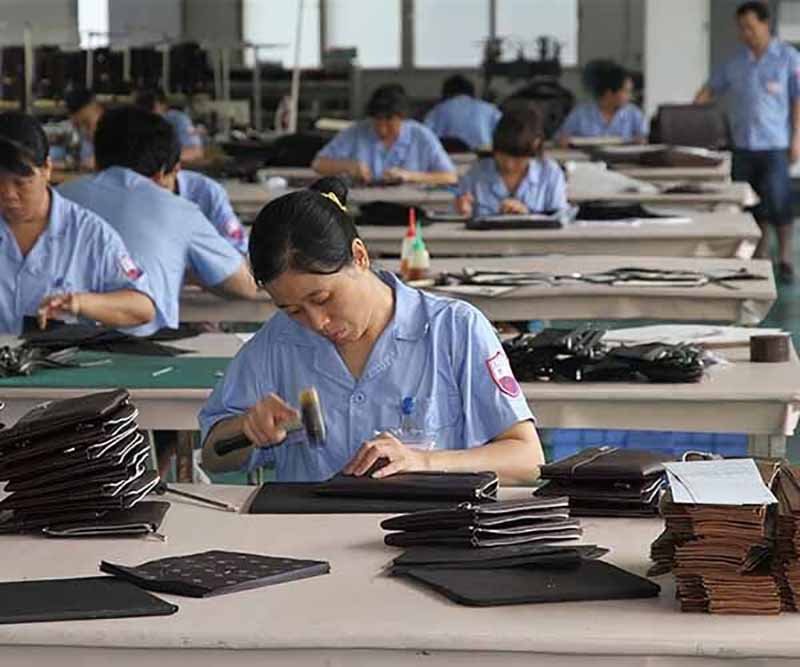
The right factory should control product development, material sourcing, pattern making, sampling, production, quality inspection, packaging, and delivery. A polished sample alone does not prove manufacturing capability. Buyers need evidence that the supplier can reproduce the approved standard throughout bulk production, manage subcontracted processes transparently, solve problems quickly, and support future reorders without uncontrolled changes.
Factory or Trader
A factory is not automatically reliable, and a trading company is not automatically unsuitable. The important issue is who controls the sample, materials, production, inspection, subcontractors, packaging, and corrective actions. Some specialist leather processes are commonly completed by outside partners, including hardware plating, embossing molds, special printing, packaging, or selected finishing work. Outsourcing becomes risky only when it is hidden or poorly managed.
Ask where the sample will be made, where bulk production will take place, and whether the same team will handle both stages. Confirm who creates and stores patterns, approves leather, purchases hardware, performs in-line inspection, authorizes rework, and remains responsible for delivery. When a supplier cannot answer these questions clearly, it may not have enough control over the manufacturing process.
A live video review or factory visit should show the sample room, pattern area, cutting section, workstations, material storage, quality-control area, packaging department, and examples of comparable products. An edited promotional video can provide a useful introduction, but it cannot confirm current production conditions, actual equipment, or how your specific project will be managed.
The greatest risk is not subcontracting itself. The greatest risk is when a senior sample maker creates an excellent prototype, but bulk production is quietly transferred to another workshop that uses different workers, tools, materials, or finishing standards.
OEM and ODM
OEM and ODM services address different project needs. An OEM manufacturer should accurately follow an established tech pack, reference sample, bill of materials, branding specification, and packaging standard. An ODM-capable manufacturer should also help transform an idea, photograph, early sketch, customer profile, target cost, or product problem into a sample-ready and production-ready design.
A capable OEM supplier should identify conflicting or missing information rather than making silent decisions. If the drawing requires a soft leather while the silhouette must remain rigid, the factory should explain the conflict. If the specified seam creates excessive thickness around a corner, the factory should propose a different skiving, folding, or edge-finishing method before the first sample is completed.
Good ODM support does not mean changing the product without permission. It means explaining technical risks and presenting alternatives with clear trade-offs. A wider handle attachment may improve load performance but change the appearance. A lighter hardware option may improve comfort but feel less substantial. A different reinforcement may support the shape while adding cost and production steps.
Ask potential manufacturers to describe previous development cases. Useful answers explain what the customer originally requested, which technical problem appeared, what was changed, how the sample was evaluated, and whether the adjusted construction remained stable during bulk production.
Relevant Experience
A manufacturer may produce excellent belts but have limited experience with structured handbags, briefcases, or small leather goods requiring tight tolerances. Another factory may make soft totes well but struggle with framed cases, molded constructions, edge-painted wallets, or products combining leather with technical fabrics. Product photographs alone cannot establish whether the supplier has the relevant skills.
Request samples that share meaningful features with your project, including similar leather thickness, silhouette, reinforcement, edge construction, hardware, lining, logo process, price position, and order quantity. A leather tote made from soft chrome-tanned leather does not provide strong evidence that the factory can produce a rigid vegetable-tanned briefcase with multiple gussets and custom metal fittings.
Ask whether the examples were development samples or completed bulk orders. Request close-up images of corners, handles, edge paint, stitching, zipper ends, hardware installation, lining fit, and high-layer-count seams. When commercially practical, inspect a physical sample rather than relying only on carefully selected photographs.
Relevant experience helps reduce development time because the factory may already understand where the product is likely to fail. However, previous success should never replace testing and approval for the current order, because materials, workers, suppliers, and production conditions can change.
Capacity and Control
Annual output figures sound impressive but provide limited value unless they are connected to your product, order size, construction complexity, and delivery deadline. Buyers should ask how many units of a comparable product the factory can complete after production stabilizes, how many skilled workers will be assigned, and which operation is likely to become the production bottleneck.
A simple leather pouch with limited hardware can move through production much faster than a structured handbag containing several compartments, reinforced handles, edge-painted panels, custom hardware, and fitted lining. The supplier should break the schedule into material arrival, cutting, component preparation, logo application, assembly, edge finishing, hardware installation, cleaning, shaping, inspection, and packaging.
Szoneier’s documented manufacturing system includes more than 18 years of experience, factory-based sampling, material coordination, production management, quality inspection, packaging, export delivery, video factory reviews, and factory visits for qualified projects. The company also uses controlled specialist production partners while keeping sample standards, material requirements, inspection, communication, and delivery responsibility under centralized management.
| Evidence to Request | What It Should Prove | Weak Substitute |
|---|---|---|
| Comparable physical samples | Experience with similar structures and finishing | Unrelated catalog photographs |
| Live factory review | Actual control of sampling, production, and QC | Edited promotional footage |
| Sample revision records | Structured development and version control | Verbal promises |
| Labeled material board | Repeatable leather, hardware, and lining sources | Unidentified loose swatches |
| Inspection documents | Defined quality stages and acceptance rules | General “high quality” claims |
| Production schedule | Ability to meet the project deadline | Annual capacity figures alone |
| Shipment documentation | Experience with relevant export markets | Vague international sales claims |
How Do You Judge Materials and Craftsmanship?
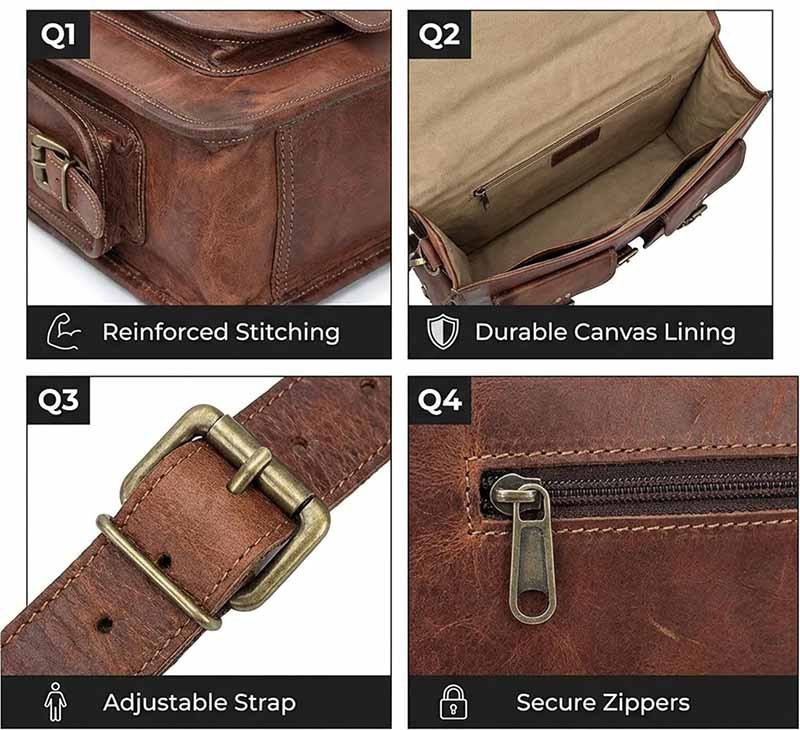
Judge leather by product suitability, consistency, traceability, and performance rather than impressive commercial terminology. Judge craftsmanship through measurable details such as skiving, stitching, reinforcement, folding, edge finishing, shaping, hardware installation, and lining fit. The best material is not always the most expensive; it is the one that reliably delivers the intended appearance, durability, weight, cost, and customer experience.
Leather Selection
“Genuine leather” is too broad to function as a technical specification. Leather differs by animal source, hide area, grade, tanning method, surface correction, finish, thickness, temper, color process, coating, and acceptable natural marks. Two leathers sold under similar names can behave very differently when cut, folded, glued, stitched, edge painted, exposed to moisture, or used repeatedly.
Full-grain and top-grain leathers may retain more natural character, while corrected leather can offer a more uniform surface. Vegetable-tanned leather can develop a distinctive patina and structured feel, but it may show water marks and natural color variation more readily. Chrome-tanned leather offers a wide range of softness, colors, textures, and surface finishes. PU and microfiber alternatives may provide greater consistency, lower weight, or different price points when natural leather is not essential.
Material selection must follow the product. Wallets require controlled thickness and precise skiving so stacked card slots do not become bulky. Structured handbags need sufficient body or a carefully designed reinforcement system. Soft totes need suitable drape, comfortable handles, and enough seam strength to carry realistic loads.
Approve physical swatches under daylight and indoor lighting. Fold, flex, rub, and compare them, and check how the material responds to stitching, embossing, edge painting, and adhesive application before approving it for sampling.
Construction Details
Leather craftsmanship is often judged through small details that become highly visible during use. Skiving must reduce thickness without cutting too deeply or weakening stress areas. Folded edges should remain smooth, symmetrical, and free from visible ridges. Stitch lines should follow curves and panel edges without drifting, especially around handles, zipper openings, pockets, and compact corners.
Stitch length should match the product scale and leather thickness. Very short stitches can weaken some leathers by creating closely spaced perforations, while excessively long stitches can appear cheap or provide insufficient seam control. Edge paint may require several preparation and application stages, including sanding between coats, rather than one thick layer that looks smooth initially but later cracks.
Pay particular attention to handle bases, strap attachments, zipper ends, folded corners, pocket openings, bottom seams, side-panel connections, and areas where several layers meet. These locations combine material thickness, stress, and visual sensitivity, making them common sources of bulk-production defects.
The product should also be tested under realistic use. A handle that appears secure when the bag is empty may stretch or distort after repeated loading. The manufacturer should explain how reinforcement, stitch patterns, rivets, tabs, or internal backing support high-stress areas.
| Construction Point | Common Working Range | What Buyers Should Inspect |
|---|---|---|
| Small leather goods material | Approximately 0.8–1.4 mm | Fold build-up, pocket fit, and skiving |
| Handbag body leather | Approximately 1.2–2.0 mm | Shape, weight, and seam thickness |
| Stitch length | Often approximately 2.5–4.0 mm | Consistency, curves, and corner control |
| Edge-paint applications | Commonly 2–4 controlled coats | Smoothness, coverage, and adhesion |
| Logo position tolerance | Frequently around ±1–2 mm | Alignment with center lines and panels |
| General bag dimension tolerance | Often around ±3–5 mm | Size, balance, and symmetry |
| Compact wallet tolerance | Often around ±1–2 mm | Fold accuracy and slot alignment |
These ranges are practical discussion points rather than universal requirements. Soft products may need wider dimensional tolerances, while premium compact leather goods may require tighter control. Every measurement standard should be agreed according to the design, construction method, leather behavior, and expected retail position.
Hardware and Lining
Leather receives most of the buyer’s attention, but the finished product is a system of outer material, thread, lining, reinforcement, adhesive, zippers, hardware, edge finish, and packaging. A strong leather cannot compensate for rough zipper movement, weak thread, poor plating, thin handle backing, unsuitable adhesive, or unstable edge paint.
Hardware should be checked for plating consistency, color, sharp edges, scratch resistance, movement, opening force, corrosion risk, and attachment strength. Custom hardware requires additional control over molds, logo depth, dimensional tolerance, finish samples, tooling ownership, minimum quantity, and future availability. The heaviest hardware is not always best because unnecessary metal weight can make a small product uncomfortable or distort soft leather.
Lining should be evaluated for abrasion resistance, seam strength, colorfastness, cleaning, and compatibility with the outer material. Light linings improve interior visibility but may show dirt more easily. Dark linings may hide marks but should be tested for color transfer.
Reinforcement materials influence shape retention, load performance, flexibility, and total weight. Every hidden component should be included in the bill of materials because undocumented backing, foam, board, or adhesive can be replaced during production without the buyer immediately noticing.
Consistency and Testing
Natural leather varies, and a professional quality standard should manage that variation rather than pretending it does not exist. Brands should create boundary samples showing acceptable and unacceptable grain, natural marks, color differences, gloss, texture, and surface character. Written descriptions alone are often too subjective for workers and inspectors to interpret consistently.
A production material board should include approved leather, lining, thread, zipper, hardware, reinforcement, edge paint, logo treatment, and packaging components. Each item should carry a material code or supplier reference so that the same standard can be followed during production and future reorders.
Testing should match the actual product risks. Depending on the intended use and market, relevant checks may include dry and wet rub colorfastness, flex resistance, surface abrasion, coating adhesion, edge-paint adhesion, seam strength, handle load, zipper cycling, hardware corrosion, and chemical compliance.
A laboratory report is useful only when the tested sample matches the production material. Buyers should review the sample description, test date, laboratory, method, result, color, finish, and connection to the bulk leather or hardware lot. Before approving unusual leather, also confirm whether the supplier can reproduce the color and finish for future orders.
How Should You Evaluate Sampling?
Sampling should verify design, dimensions, materials, construction, function, branding, packaging, cost feasibility, and production stability. Treat it as a controlled development stage rather than a miniature order. The approved sample must be supported by updated specifications, material references, tolerances, and workmanship standards so that bulk production does not depend on memory, informal messages, or one skilled sample maker.
First Sample
A professional sampling process begins with a technical review rather than immediate cutting. The manufacturer should identify missing information, evaluate material availability, and discuss leather, structure, hardware, reinforcement, edge treatment, logo, packaging, target cost, and production risks. This early review can prevent the team from spending time on a sample that cannot meet the intended function or commercial position.
The first physical sample turns assumptions into visible decisions. A bag opening may be too narrow for daily use. A magnetic closure may pull the front panel out of shape. A soft leather may collapse when the product needs a structured silhouette. A strap may feel comfortable when the bag is empty but become uncomfortable after realistic loading.
A useful sequence includes document review, material confirmation, pattern making, trial cutting, sample assembly, internal inspection, photo or video review, shipment, written feedback, revision, and final approval. Buyers should not judge the manufacturer only by whether the first sample is perfect. More revealing is how clearly the supplier explains problems, proposes alternatives, records revisions, and protects the design’s production feasibility.
Temporary materials used for early samples should always be identified. Stock hardware or substitute leather may be acceptable during initial development, but the buyer must know which components will change before bulk production.
Revision Control
Sample comments must be measurable and specific. Phrases such as “make the bag more premium,” “improve the shape,” or “move the logo slightly” can be interpreted differently by the buyer, salesperson, pattern maker, sample technician, and production supervisor. That interpretation gap often becomes a source of repeated revisions and avoidable production mistakes.
Use annotated photographs, dimensions, and reference samples. Instead of asking for a longer handle, state that the drop should change from 220 mm to 245 mm. Instead of requesting a firmer body, identify the approved leather swatch, backing material, or stiffness reference. Instead of saying the logo looks too high, specify the new distance from the top edge and center line.
Each revision should update the measurement chart, pattern version, bill of materials, leather code, hardware details, logo position, workmanship notes, packaging instructions, and test requirements. Samples should be clearly marked as Version 1, Version 2, final approval sample, or pre-production sample.
Important decisions should not remain scattered across messaging applications and email threads. Before production, all approved changes should be consolidated into one current technical package that every department can follow.
Approval Standards
Review samples in a fixed sequence so attractive appearance does not distract from technical problems. Begin with overall proportions and function, then check finished dimensions, leather, color, stitching, edge treatment, reinforcement, hardware, lining, branding, product weight, packaging, and production feasibility.
Test the product as an end user would. Load the bag with the expected contents. Insert the laptop, documents, bottle, cosmetics, tools, or other objects it is designed to carry. Open and close every zipper and closure repeatedly. Wear shoulder products long enough to notice balance, strap movement, pressure points, and hardware contact.
A final sample should not be approved only because it looks good on a table. It should also be comfortable, functional, durable enough for the intended market, and practical for repeat production. The approved sample, material board, workmanship notes, defect guide, and packaging sample should together form the production reference.
| Approval Stage | Main Decision | Release Condition |
|---|---|---|
| Development sample | Structure and design direction | Major design conflicts are identified |
| Revised sample | Corrections and material choices | Measurements and materials are updated |
| Final approval sample | Overall appearance and function | Formal written approval is completed |
| Pre-production sample | Bulk materials and production method | Product is released for mass production |
| Early in-line units | Initial bulk consistency | Process continues after correction |
| Shipment sample | Final order representation | Packing and shipment are approved |
Sample to Bulk
An excellent sample does not guarantee an excellent bulk order. Samples are often made by senior technicians who have more time to adjust each detail. Bulk production involves multiple workers, repeated operations, material variation, line balancing, and delivery pressure. The approved result must therefore be translated into production instructions rather than simply placed on a table for workers to copy.
Before production begins, the factory should hold a pre-production review covering the final sample, technical file, leather and component board, cutting rules, construction sequence, inspection points, packaging, and known risks. A pre-production sample made with intended bulk materials is particularly valuable when the project uses custom-dyed leather, plated hardware, printed lining, unusual reinforcement, or special packaging.
In-line inspection should begin with the first completed units. Finding a stitching, edge-paint, dimension, or hardware problem after 50 units is far less costly than discovering it after 1,500 units have been packed.
Lead time should be divided into material purchasing, pre-production approval, cutting, assembly, finishing, inspection, packaging, and transport. This approach gives buyers a more accurate view of progress and prevents disagreements over whether custom materials or international shipping were included in the quoted production period.
What Quality and Compliance Controls Matter?
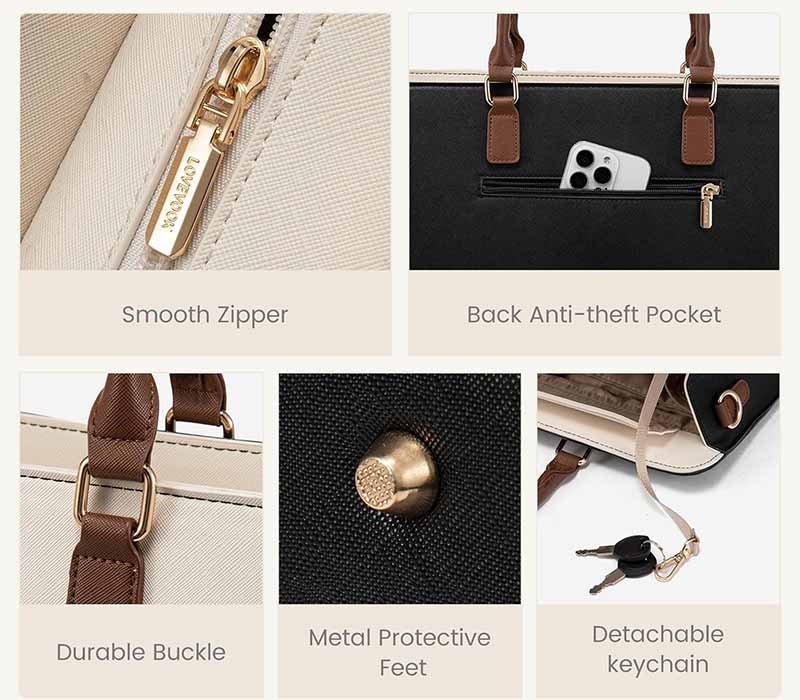
Effective quality control begins with incoming materials and continues through cutting, component preparation, assembly, finishing, final inspection, packaging, and shipment. Standards should define measurable tolerances, appearance limits, and defect categories before production begins. Compliance requirements must be selected according to the material, product use, destination country, customer policy, and sales channel rather than relying on unrelated certificates.
QC Stages
Incoming inspection should confirm that leather, lining, hardware, zippers, thread, reinforcement, adhesives, edge paint, logo components, and packaging match approved references. Leather should be checked for color, thickness, grain, finish, visible defects, quantity, and consistency across the lot. Hardware should be checked for plating, scratches, function, dimensions, and sharp edges before it enters assembly.
Cutting control is especially important because leather is not perfectly uniform. Operators must avoid unacceptable defects, manage grain direction, pair matching components, and group similar shades. Poor shade grouping can make a finished handbag appear as though its front, side, and handle came from different products.
In-line inspection should focus on operations that become difficult to repair later, including skiving, reinforcement placement, logo application, stitch alignment, edge preparation, zipper installation, hardware setting, lining assembly, handle attachment, and shaping.
Final inspection should verify dimensions, appearance, functionality, workmanship, cleanliness, branding, packaging, assortment, and quantity. Outgoing checks should confirm carton labels, packing lists, gross weight, shipping marks, carton condition, and shipment documents. A dedicated QC team is valuable, but the quality of its inspection methods and records matters more than the number of inspectors alone.
Defect Standards
Quality standards become practical when defects are classified clearly. Critical defects may involve sharp hardware, prohibited substances, incorrect branding, product safety, or a function that makes the item unusable. Major defects may include broken stitching, failed closures, severe scratches, unacceptable color differences, loose handles, incorrect dimensions, visible glue, peeling edge paint, or significant product deformation.
Minor defects may include small marks or limited variations that do not materially affect function, normal appearance, or customer use. Because natural leather contains grain differences, veins, scars, and other characteristics, brands should create physical boundary samples rather than relying only on phrases such as “minor natural marks are acceptable.”
Measurements also require consistent methods. The technical file should state where each measurement begins and ends, whether the product is measured flat, filled, open, or closed, and how soft materials should be positioned. A numerical tolerance has little value when the buyer and inspector use different measurement methods.
The defect standard should reflect the product. A compact wallet may need tighter dimensional and slot controls than a soft tote. A laptop briefcase requires stronger attention to handle load and compartment dimensions, while a corporate gift order may need extremely consistent logo placement because many units are presented together.
Compliance
Compliance requirements depend on the destination market, product category, leather treatment, hardware, coatings, adhesives, packaging, age group, retailer, and brand policy. There is no single certificate that proves every custom leather product is compliant in every country or channel.
Before sampling, ask which restricted-substance requirements, material declarations, labeling rules, packaging obligations, retailer protocols, social audits, and functional tests apply to the project. Early confirmation is important because compliance can influence leather finishes, dyes, adhesives, metal plating, printing, lining, packaging, cost, and lead time.
Do not accept a large collection of test reports without verifying relevance. Review the tested material name, sample description, color, finish, report date, laboratory, test method, result, and connection to the intended production lot. A test report for one leather color may not support another color produced with a different pigment or coating.
Whenever practical, testing should use production-representative materials. Buyers should also define who pays for testing, who selects the laboratory, when the test must be completed, and what happens if the material fails. These decisions are easier to manage before bulk production has started.
Packaging and Inspection
Leather goods can leave the production line in excellent condition and still arrive damaged. Common risks include hardware rubbing against the leather, compression marks, dye transfer, trapped moisture, crushed shapes, edge-paint contact, and movement inside the carton. Packaging should therefore be developed and approved as part of the product rather than treated as a last-minute shipping decision.
Protective methods may include tissue paper, hardware wrapping, handle support, shape fillers, dust bags, moisture-control materials, individual boxes, protective sleeves, and carton dividers. The correct method depends on the leather finish, product structure, hardware, travel distance, shipping method, and retail presentation requirements.
Carton loading must balance protection and freight efficiency. Packing too tightly can deform the product, while packing too loosely allows movement and increases shipping volume. Confirm carton dimensions, units per carton, gross weight, internal protection, stacking direction, and pallet requirements before shipment.
Third-party inspection provides an additional independent check for first orders, high-value programs, large quantities, or new suppliers. It should supplement rather than replace factory QC because final random inspection cannot efficiently correct problems that were created during cutting or assembly.
How Do You Select the Right Partner?
Choose the manufacturer that offers the most controlled, transparent, and repeatable result rather than simply the lowest unit price. Compare relevant experience, material sourcing, sampling, craftsmanship, quality systems, communication, capacity, pricing, delivery, and long-term support. A strong partner documents decisions, identifies risks early, explains cost drivers, and remains accountable from initial development through repeat production.
Quote and MOQ
A useful quotation should explain what is included rather than presenting only one unit price. Two suppliers can quote the same product while using different leather grades, hardware, reinforcement, lining, edge-finishing processes, inspection standards, packaging, and trade terms. Without a clear cost basis, buyers cannot make a fair comparison.
Request details covering leather specification, lining, reinforcement, hardware, zipper grade, thread, adhesive, edge finish, logo application, pattern charges, molds, tooling, sample fees, packaging, testing, inspection, payment terms, trade terms, and price validity. Clarify which costs are one-time development expenses and which repeat with every order.
MOQ should be discussed by component as well as by finished product. A factory may accept a moderate order quantity, while custom-dyed leather, plated hardware, printed lining, zippers, boxes, or metal molds have separate supplier minimums. The quoted minimum may also apply by style or color rather than across the complete order.
Szoneier states that MOQ begins from 200 pieces for selected custom projects, while exact requirements depend on material availability, color count, structure, logo process, accessories, packaging, molds, and testing. Complex leather goods should therefore be assessed individually rather than promoted under a universal minimum.
Communication
Communication is an operational capability because information must move accurately between the buyer, sales team, product developer, pattern maker, material purchaser, production supervisor, quality inspector, packaging department, and logistics coordinator. A friendly response is helpful, but accuracy and traceability matter more than conversational speed.
Strong communication includes clear technical questions, written confirmations, realistic dates, revision summaries, production updates, and early warnings. The manufacturer should distinguish confirmed facts from estimates and assumptions. When a material, hardware finish, or delivery target is uncertain, that uncertainty should be stated before it creates a production problem.
Be cautious when a supplier agrees to every request immediately. Experienced manufacturers understand that leather behavior, construction, cost, quantity, and timing create real constraints. They may explain that a requested leather cannot hold the desired shape, a custom color requires a larger quantity, or a very short delivery schedule could increase quality risk.
Useful progress reports should describe actual milestones such as material arrival, cutting completion, early in-line inspection, assembly progress, final inspection, packing, and shipment booking. Repeated messages that “everything is going well” provide little control unless they are supported by evidence.
Red Flags
Several warning signs appear repeatedly in unsuccessful sourcing projects. These include copied product photographs, inconsistent company names, vague material descriptions, refusal to show the production location, changing payment details, pressure to skip sampling, unusually low prices, unrealistic delivery promises, unrelated certificates, unclear subcontracting, and resistance to third-party inspection.
A price far below comparable quotations usually has a reason. The supplier may be using a lower leather grade, thinner material, simplified construction, cheaper hardware, reduced reinforcement, limited inspection, or packaging that does not meet the same requirements. Ask the manufacturer to explain the cost difference rather than assuming it has discovered an exceptional efficiency.
Another warning sign is excessive certainty. Leather production involves natural material variation and manufacturing risk. A supplier that promises perfect color matching, zero defects, and no possible delays may be avoiding an honest technical discussion.
Reliable manufacturers do not claim risk is absent. They explain how leather is approved, how variations are controlled, which processes are inspected, how defects are classified, how production problems are escalated, and what corrective action will be taken when something does not meet the approved standard.
Long-Term Fit
A first order shows whether a manufacturer can complete one project. A long-term partnership shows whether the same standards can be maintained through reorders, additional colors, higher quantities, new employees, changed material availability, busy seasons, packaging upgrades, and expansion into related products.
Evaluate suppliers through a weighted scorecard covering relevant experience, material capability, sampling, craftsmanship, quality control, commercial fit, capacity, delivery, and communication. The score should support professional judgment rather than replace it. A major weakness in compliance, material authenticity, intellectual-property protection, or production transparency may be a disqualifying risk even if the total score appears acceptable.
After every order, review defects, material yield, production efficiency, packaging performance, customer feedback, delivery, and any differences between the approved sample and bulk products. These findings should be added to updated specifications so the next order becomes more predictable.
Szoneier supports custom leather goods projects from concept, reference sample, sketch, or tech pack through material coordination, sampling, bulk production, inspection, packaging, and export delivery. Brands can submit product photographs, dimensions, preferred leather, logo files, quantities, packaging requirements, destination country, and target schedule to receive a project assessment.
For detailed inquiries or custom leather product evaluations, please contact Szoneier. The most effective inquiries should include sufficient information for the team to assess material selection, structural risks, sample development, estimated minimum order quantities, pricing factors, quality requirements, production lead times, packaging, and international shipping.