
A leather handbag is often judged in the first five seconds. Before a customer studies the leather grain or checks the stitching, they may already touch the zipper pull, hear the clasp close, feel the weight of a buckle, or notice whether the gold finish looks rich or cheap. Hardware is small, but it carries a lot of pressure. It supports the strap, protects the leather, controls the opening, shapes the bag’s style, and influences whether the product feels worth its selling price.
A good leather handbag hardware selection should match the bag’s structure, leather thickness, carrying load, target price, and brand style. Key parts include zippers, buckles, clasps, locks, D-rings, O-rings, rivets, bag feet, chains, logo plates, and magnetic closures. Material, plating, weight, edge smoothness, corrosion resistance, and testing all affect final quality.
For brands and custom wholesale clients, hardware is not a detail to decide at the last minute. A beautiful leather tote can fail if the handle rivets loosen. A premium crossbody bag can receive poor reviews if the clasp feels weak. A structured handbag can lose value if the lock fades after a few months of use. The right hardware choice helps a handbag look better, work better, last longer, and sell with stronger confidence. That is why hardware selection should be discussed together with leather, pattern, sample, packaging, and final market positioning from the beginning.
What Is Leather Handbag Hardware?
Leather handbag hardware means the functional and decorative metal parts used on a bag, including zippers, buckles, clasps, locks, magnetic snaps, D-rings, O-rings, rivets, chain straps, strap adjusters, eyelets, bag feet, logo plates, and studs. These parts control opening, closing, carrying, adjustment, reinforcement, protection, and brand identity.
What Parts Count As Hardware?
Leather handbag hardware includes every metal component that helps the bag function, carry weight, stay closed, adjust length, protect leather, or express brand style. Some parts are obvious, such as zipper pulls, locks, buckles, chains, and logo plates. Others are smaller but more important for long-term use, such as rivets, eyelets, D-rings, O-rings, strap hooks, sliders, bottom feet, and magnetic snaps.
For custom handbags, hardware should be chosen according to use, not only appearance. A leather crossbody bag needs strong strap hooks and rings because the bag moves with the body all day. A tote bag needs durable rivets or reinforced handle attachments because customers may carry laptops, cosmetics, wallets, bottles, and daily items. A flap bag needs a smooth lock or magnetic snap because users open it often.
Common handbag hardware parts:
| Hardware Part | Main Function | Common Position | Quality Risk |
|---|---|---|---|
| Zipper | Opens and closes compartments | Main opening, pockets, inner sections | Jamming, weak teeth, rough pull |
| Buckle | Adjusts or secures straps | Shoulder strap, flap strap | Bending, fading, sharp edges |
| Clasp / Hook | Connects detachable straps | Strap ends, side rings | Weak spring, accidental opening |
| D-ring / O-ring | Connects strap and bag body | Side tabs, handle base | Ring opening, deformation |
| Magnetic snap | Quick closure | Flap, tote opening, front pocket | Weak magnet, leather tearing |
| Turn lock | Secure decorative closure | Flap bags, satchels | Loose rotation, plating wear |
| Rivet | Reinforces stress points | Handles, straps, corners | Loosening, scratching lining |
| Bag feet | Protects bottom leather | Bottom panel | Uneven height, poor plating |
| Chain | Carrying and decoration | Shoulder bags, evening bags | Heavy weight, plating loss |
| Logo plate | Brand identity | Front panel, tag, puller | Scratching, color mismatch |
SzoneierLeather can help customers select hardware at the early design stage, so the leather thickness, strap width, reinforcement method, and hardware size match properly before sampling.
Why Does Hardware Matter?
Hardware matters because it is one of the most touched and stressed parts of a leather handbag. Customers may use the zipper 10–30 times per day, place pressure on hooks and rings every time they carry the bag, and touch buckles or locks whenever they adjust or open the product. If hardware fails, the whole bag feels unreliable even if the leather is good.
Hardware affects real customer experience in several ways:
- A smooth zipper makes the bag easier to use every day.
- A strong clasp makes detachable straps feel safe.
- A clean magnetic snap makes opening and closing faster.
- A well-plated buckle improves visual quality.
- A strong D-ring helps prevent strap failure.
- Rivets protect stress points from tearing.
- Bag feet reduce leather abrasion on the bottom.
- Custom metal parts help make the handbag recognizable.
For brand customers, hardware also affects reviews and return rates. A zipper that sticks, a gold finish that fades, or a loose strap hook can lead to complaints. These problems may seem small during sample review, but they become expensive after bulk production.
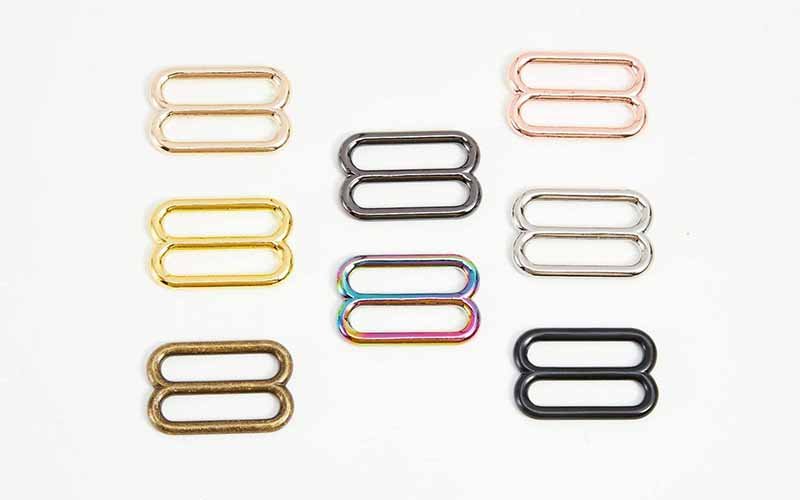
Hardware also decides style. Bright gold often feels classic and dressy. Light gold feels softer and more modern. Nickel or silver feels clean and practical. Gunmetal feels urban. Antique brass works well with vintage leather. Matte black matches minimalist, outdoor, or street-style products.
The best hardware choice is the one that fits the bag’s use and sales positioning. A lightweight soft tote does not need oversized locks. A premium structured handbag should not use hardware that feels thin or hollow.
How Does Hardware Affect Value?
Hardware can raise or lower the perceived value of a leather handbag very quickly. Customers often connect hardware weight, finish, smoothness, color, and sound with quality. A firm clasp, smooth zipper, and clean plating make the bag feel more expensive. Thin metal, uneven color, or rough edges make even good leather feel lower grade.
Hardware affects value through three layers:
| Value Layer | What Customers Notice | Product Result |
|---|---|---|
| Functional value | Smooth zipper, secure lock, strong strap connection | Better daily use |
| Visual value | Metal color, shine, proportion, logo detail | Better product appearance |
| Commercial value | Premium touch, custom hardware, cleaner finish | Stronger pricing ability |
For example, a mid-range leather handbag can look more polished with a custom zipper pull, thicker D-rings, matching rivets, and clean light-gold plating. A luxury-style flap bag may need a custom turn lock, thicker chain, and stricter plating color control. A minimalist tote may only need hidden magnetic snaps and high-quality rivets, because too much hardware would hurt the clean design.
Hardware cost should be judged by where it creates value. Some upgrades are worth paying for:
- Main zipper, because customers use it daily.
- Strap hooks and rings, because they carry weight.
- Front lock, because it is highly visible.
- Logo plate or zipper pull, because it supports brand identity.
- Rivets at handle joints, because they reduce failure risk.
Other hardware may be kept simple if it does not affect function or visible quality. This is where an experienced factory helps. SzoneierLeather can help customers decide where to upgrade and where to control cost based on the product’s target market.
What Can Brands Customize?
Brands can customize many hardware details, from standard color selection to fully custom metal molds. The right customization level depends on order quantity, budget, handbag style, target market, and production timeline. Small changes can improve brand identity without creating unnecessary cost, while advanced custom hardware can make a handbag line more distinctive.
Common hardware customization options include:
- Gold, light gold, silver, nickel, gunmetal, antique brass, rose gold, matte black finishes
- Polished, brushed, matte, antique, or satin surface effects
- Custom zipper pull shape
- Engraved logo on zipper pull
- Custom logo plate
- Custom turn lock
- Custom buckle
- Custom chain style
- Custom ring thickness
- Custom rivet cap
- Custom bag feet
- Nickel-free hardware options
- Anti-tarnish plating options
- Custom hardware color matching
- Branded snap hook or clasp
- Logo-engraved magnetic snap cover
Customization level comparison:
| Custom Level | What It Includes | Best For | Cost Impact |
|---|---|---|---|
| Basic selection | Standard hardware styles and colors | Small orders, first collections | Lower |
| Semi-custom | Logo zipper pull, logo plate, custom finish | Growing brands, private label bags | Medium |
| Full custom | Custom molds for lock, buckle, clasp, plate | Premium handbag lines | Higher |
| Functional custom | Stronger hook, thicker ring, special zipper | Bags carrying heavier loads | Medium to high |
| Compliance custom | Nickel-free, better plating, special testing | EU/US retail channels | Medium |
A good custom hardware plan should stay consistent across the handbag. The zipper pull, rings, buckle, rivets, logo plate, and chain should not look like they came from different products. Color difference between metal parts can make the bag look less controlled.
SzoneierLeather has strong raw material supply chain support, product R&D, design, sampling, manufacturing, packaging design, and inspection capability. This helps customers plan hardware together with leather type, lining, sewing, logo method, packaging, and final cost target.
Which Hardware Types Should You Choose?
Choose leather handbag hardware according to structure, leather weight, carrying load, closure method, user habit, and product price level. Zippers are best for security, buckles for adjustment, clasps for detachable straps, rings for connection, rivets for reinforcement, and bag feet for bottom protection. Each part should match the bag’s real use.
Which Zippers Work Best?
Zippers are among the most important hardware parts because they directly affect daily use. A handbag zipper should move smoothly, stay aligned, hold tension, and match the bag’s style. If the zipper feels rough during sample testing, customers will notice the problem immediately after purchase.
Common zipper choices for leather handbags include nylon coil zippers, metal zippers, waterproof zippers, invisible zippers, and custom puller zippers. Nylon coil zippers are flexible and smooth, making them suitable for soft leather handbags, inner pockets, cosmetic sections, and curved openings. Metal zippers feel heavier and more premium, making them suitable for structured handbags, wallets, travel bags, and high-end leather goods.
Zipper selection table:
| Zipper Type | Best Use | Advantage | Watch Point |
|---|---|---|---|
| Nylon coil zipper | Soft handbags, inner pockets | Smooth and flexible | Less premium than metal teeth |
| Metal zipper | Structured bags, wallets, premium styles | Strong visual value | Can feel heavy or rough if low grade |
| Waterproof zipper | Travel or outdoor leather goods | Better protection | More technical appearance |
| Invisible zipper | Inner pockets, refined designs | Clean look | Not ideal for heavy openings |
| Custom puller zipper | Private label handbags | Better brand identity | Needs mold or logo setup |
Zipper size should match bag scale. A large leather tote may need a stronger zipper than a small clutch. A delicate mini bag may look unbalanced with heavy metal teeth. For main openings, the zipper should be tested under real use: loaded bag, curved opening, repeated pulling, and corner movement.
Important zipper checks during sampling:
- Does the zipper pull smoothly with one hand?
- Does it catch on leather or lining?
- Are both ends reinforced?
- Is the puller comfortable to hold?
- Does the metal color match other hardware?
- Does the zipper tape color match leather or lining?
- Does the zipper look too light or too heavy for the bag?
SzoneierLeather can help customers select zipper type, zipper size, tape color, teeth color, puller shape, and logo puller options according to the handbag style and target cost.
What Buckles Fit Handbags?
Buckles are used on adjustable straps, flap straps, decorative belt details, shoulder straps, crossbody straps, and some handle structures. The right buckle should match strap width, leather thickness, adjustment needs, metal finish, and the bag’s overall shape.
Common handbag buckle types include pin buckles, slide buckles, roller buckles, center bar buckles, decorative buckles, and adjustable strap sliders. For leather handbags, pin buckles are common for classic or belt-style looks. Slide buckles are useful for adjustable crossbody straps. Roller buckles can reduce friction on thicker leather straps. Decorative buckles can support a fashion-focused design, even when they do not carry much load.
Buckle selection guide:
| Buckle Type | Best Use | Product Style | Quality Check |
|---|---|---|---|
| Pin buckle | Adjustable leather straps | Classic, structured, vintage | Pin strength and hole alignment |
| Slide buckle | Crossbody strap adjustment | Casual, modern, practical | Smooth sliding and grip |
| Roller buckle | Thicker straps | Heritage, workwear, travel | Roller movement and edge smoothness |
| Center bar buckle | Strap control | Simple and clean | Metal thickness |
| Decorative buckle | Flap or front detail | Fashion handbags | Finish and proportion |
| Custom logo buckle | Premium products | Signature handbag lines | Mold accuracy and plating |
A buckle that is too thin may bend. A buckle that is too thick may make the strap feel stiff. A sharp buckle edge can scratch leather over time. For full-grain leather straps, smooth edges and proper metal thickness are important because the leather itself has stronger body and needs hardware that feels equally solid.
Sample testing should include strap adjustment. The buckle should move smoothly but stay secure. Hole spacing should suit real wearing positions. If the strap is too wide or too thick for the buckle, the product may feel awkward in daily use.
Which Clasps Feel Secure?
Clasps connect detachable straps, chain straps, wristlets, pouch attachments, and some convertible handbag parts. Since clasps carry weight, they must feel secure, open smoothly, and close fully. A weak clasp is one of the fastest ways to damage customer trust.
Common clasp types include swivel hooks, lobster clasps, trigger hooks, dog hooks, spring hooks, and custom logo hooks. Swivel hooks are widely used for crossbody straps because they rotate and reduce strap twisting. Lobster clasps work well for smaller handbags, chains, and lighter straps. Trigger hooks are often stronger and better for larger bags or thicker straps.
Clasp selection table:
| Clasp Type | Best Use | Strength Level | Key Benefit |
|---|---|---|---|
| Swivel hook | Crossbody straps | Medium to high | Reduces strap twisting |
| Lobster clasp | Small bags and chains | Low to medium | Compact and elegant |
| Trigger hook | Larger straps | High | Strong grip and secure closure |
| Dog hook | Vintage or utility bags | Medium to high | Distinctive look |
| Spring hook | Casual straps | Medium | Easy operation |
| Custom logo clasp | Premium line | Depends on design | Stronger brand identity |
What to check before approval:
- Spring force should not feel loose.
- Opening should be wide enough for the ring.
- Clasp should close fully without a gap.
- Rotation should be smooth if it is a swivel hook.
- Plating should not scratch after repeated movement.
- Clasp size should match strap width and ring thickness.
- The clasp should not make too much noise when walking.
For heavier leather handbags, clasp strength is more important than decoration. A beautiful clasp that cannot carry weight is a risk. SzoneierLeather can help match clasp style with strap construction, ring size, and expected carrying load.
Are D-Rings And O-Rings Needed?
D-rings and O-rings are connection hardware between the strap and bag body. They are small, but they carry repeated pulling force. Crossbody bags, shoulder bags, camera bags, satchels, backpacks, and detachable strap handbags all need reliable rings.
D-rings have a flat side, making them stable against leather tabs. O-rings have a round shape, giving softer movement and a more decorative look. Square rings and rectangular rings are often used for modern structured designs or wider straps.
Ring selection guide:
| Ring Type | Best Use | Style Feel | Load Advice |
|---|---|---|---|
| D-ring | Strap tabs and side connections | Practical and stable | Good for load-bearing use |
| O-ring | Decorative straps, soft bags | Rounded and flexible | Use thicker rings for carrying load |
| Square ring | Modern handbags | Clean and structured | Good for boxy designs |
| Rectangular ring | Wide straps and adjusters | Neat and stable | Fits wide leather straps |
| Welded ring | Heavy-use bags | Strong and reliable | Better for load-bearing points |
| Non-welded ring | Light or decorative use | Lower cost | Not ideal for heavy bags |
For carrying positions, welded rings are safer because the joint is closed. Non-welded rings may open under pressure if used incorrectly. Ring thickness should also match the leather. Thin rings on thick full-grain leather look weak. Oversized rings on soft lambskin may look too heavy and pull the structure out of shape.
Important matching factors:
- Strap width
- Leather thickness
- Expected carrying weight
- Ring welding quality
- Metal finish consistency
- Side tab reinforcement
- Bag shape when loaded
- Visual balance with other hardware
A good ring should look natural on the bag and perform safely during use.
Do Rivets And Feet Help?
Rivets and bag feet are small, practical hardware parts that can improve durability and product value when used correctly. Rivets reinforce stress points such as handle bases, strap ends, corners, tabs, and pocket openings. Bag feet protect the bottom leather from direct contact with tables, floors, shelves, counters, and car seats.
Rivets are especially useful when leather pieces are pulled repeatedly. They can support stitching and reduce tearing risk. However, rivets must be installed with proper pressure and backing. Poor rivet installation can create loose caps, sharp backs, lining scratches, or pressure marks on leather.
Bag feet are useful for structured handbags, totes, laptop bags, satchels, and premium leather boxes. They help reduce abrasion and moisture contact on the bottom panel. For soft slouchy bags, bag feet may not work as well because the bottom may not stay flat.
Rivet and bag feet comparison:
| Hardware Part | Main Value | Best Use | Risk If Poorly Made |
|---|---|---|---|
| Single-cap rivet | Basic reinforcement | Hidden or semi-visible areas | Rough back may affect lining |
| Double-cap rivet | Clean look both sides | Visible leather goods | Loose cap if pressure is wrong |
| Screw rivet | Strong and replaceable | Straps, belts, accessories | May loosen without locking |
| Decorative stud | Style and light reinforcement | Fashion bags | Plating wear |
| Bag feet | Bottom protection | Structured handbags and totes | Uneven standing or color fading |
When to use rivets:
- Handle roots carry weight.
- Crossbody strap tabs need reinforcement.
- Leather is thick and stitching alone may not be enough.
- Decorative metal detail fits the design.
- Product needs a stronger utility look.
When to use bag feet:
- Bag has a flat or structured bottom.
- Leather is premium and needs protection.
- Product is used for work, travel, or daily carry.
- Bottom panel may touch surfaces often.
- Higher perceived value is needed.
SzoneierLeather can review whether rivets and feet are needed based on the bag structure, leather type, target price, and final use. Sometimes adding them improves durability. Other times, removing them keeps the design cleaner and reduces cost.
What Materials Are Best?
The best handbag hardware material depends on product positioning, carrying load, finish requirement, target price, and expected use life. Brass offers a strong premium feel and good durability. Zinc alloy is practical for many fashion handbags and custom shapes. Stainless steel performs well in corrosion resistance. Iron is lower cost but needs better plating protection.
Is Brass Worth The Cost?
Brass is often used when a leather handbag needs a more solid, premium, and long-lasting hardware feel. It has good strength, good corrosion resistance compared with many low-cost metals, and a warm metal tone that works well with full-grain leather, vegetable-tanned leather, vintage bags, premium satchels, belts, straps, and small leather goods.
For brand customers, brass is worth considering when the handbag is positioned above basic fashion level. It feels heavier in the hand, develops a natural character over time, and supports high-quality plating or polishing. Brass buckles, rings, locks, and rivets can make a bag feel more substantial, especially when the leather itself is thick and premium.
Brass is not always necessary. For lightweight fashion handbags, seasonal styles, promotional collections, or lower-price private label bags, brass may increase cost without giving enough market return. It also has more weight than some alternatives, so it may not fit every mini bag or soft shoulder bag.
Brass hardware is useful for:
- Full-grain leather handbags
- Vegetable-tanned leather bags
- Premium satchels
- Heritage-style bags
- Leather straps and belts
- High-end wallets and accessories
- Bags that need long-term use value
- Products using antique brass or polished brass finish
| Brass Hardware Point | Benefit | Watch Point |
|---|---|---|
| Hand feel | Solid and premium | Heavier than zinc alloy |
| Durability | Good long-term use | Higher cost |
| Finish | Works well with polished or antique look | Needs finish control |
| Style | Matches premium leather | May be too heavy for light fashion bags |
| Brand value | Supports higher selling price | Best used where customers can feel it |
SzoneierLeather can help customers decide whether brass should be used on all hardware or only on key parts, such as buckles, locks, and strap rings. This keeps value high while controlling cost.
Is Zinc Alloy Practical?
Zinc alloy is one of the most practical materials for handbag hardware because it supports many shapes, finishes, and custom designs at a more controlled cost. It is widely used for decorative buckles, logo plates, zipper pulls, turn locks, clasps, charms, bag feet, and fashion handbag hardware.
The biggest advantage of zinc alloy is shaping flexibility. It can be die-cast into custom forms, which makes it useful for logo hardware, special locks, decorative buckles, and brand-specific designs. For fashion handbags, where appearance and cost balance are both important, zinc alloy is often a smart choice.
However, zinc alloy quality depends heavily on material grade, mold quality, plating quality, and thickness. Poor zinc alloy hardware may feel light, fade quickly, or break under stress. For load-bearing parts such as strap hooks, rings, or buckles, the factory should review strength carefully before approval.
Zinc alloy works well for:
- Fashion handbags
- Logo plates
- Zipper pullers
- Decorative buckles
- Turn locks
- Magnetic snap covers
- Custom brand hardware
- Medium-price private label bags
| Zinc Alloy Hardware Point | Benefit | Watch Point |
|---|---|---|
| Cost | More affordable than brass | Quality varies by supplier |
| Shape | Easy for custom molds | Mold quality affects look |
| Finish | Supports many plating colors | Needs good plating control |
| Weight | Moderate | Can feel less premium if too light |
| Use | Great for decorative and semi-functional parts | Heavy load parts need testing |
For many custom handbag projects, zinc alloy gives the best balance between cost and visual value. SzoneierLeather can use its supply chain capability to help customers choose better-grade zinc alloy hardware and avoid low-quality parts that may hurt the final product.
Is Stainless Steel Better?
Stainless steel is strong, stable, and resistant to rust, making it suitable for hardware exposed to moisture, frequent handling, or higher corrosion risk. It is often used for functional hardware, minimalist metal parts, premium straps, and products where long-term durability matters.
Stainless steel has a clean, modern look. It works well with silver-tone hardware, brushed finishes, matte finishes, and minimalist leather goods. It may be less flexible than zinc alloy for complex decorative shapes, but it performs well for durability and corrosion resistance.
Stainless steel is especially useful for:
- Minimalist leather handbags
- Travel leather goods
- Hardware exposed to sweat or moisture
- Strap hooks
- Rings
- Buckles
- Some zipper pulls
- Products requiring better rust resistance
The main limitation is style and production flexibility. If a brand needs a highly detailed logo plate or custom decorative lock, zinc alloy may be easier to mold. If the product needs a clean and durable functional part, stainless steel can be a strong option.
| Stainless Steel Point | Benefit | Watch Point |
|---|---|---|
| Rust resistance | Strong performance | Finish options may be more limited |
| Strength | Good for functional parts | Can be harder to shape into detailed forms |
| Look | Clean, modern, refined | Less warm than brass |
| Maintenance | Stable in daily use | Higher cost than low-grade iron |
| Best fit | Minimalist, travel, durable goods | Not always ideal for ornate hardware |
For leather handbags sold in humid regions or used daily, stainless steel can reduce long-term finish problems. SzoneierLeather can help customers compare stainless steel with brass and zinc alloy based on bag style, budget, and use environment.
Which Material Fits Your Budget?
The best hardware material is not always the most expensive one. It should match the handbag’s selling price, leather type, target customer, and expected use. A premium full-grain leather handbag may justify brass or stainless steel hardware. A mid-range fashion handbag may perform well with good zinc alloy hardware. A lower-cost seasonal bag may use standard hardware with careful plating control.
Budget should be planned by hardware position. Main stress points deserve stronger materials and better testing. Decorative parts can be controlled more carefully to avoid unnecessary cost.
Material selection by product level:
| Product Level | Suggested Hardware Material | Best Strategy |
|---|---|---|
| Entry-level leather bag | Zinc alloy, standard zipper, basic rivets | Keep function stable and cost controlled |
| Mid-range handbag | Better zinc alloy, upgraded zipper, logo puller | Improve visible details |
| Premium handbag | Brass or high-grade zinc alloy, custom finish | Upgrade locks, rings, and front hardware |
| Luxury-style handbag | Brass, stainless steel, custom molds | Build signature metal identity |
| Travel leather goods | Stainless steel, strong zipper, reinforced hooks | Focus on durability |
| Vintage leather line | Brass or antique-plated zinc alloy | Match leather aging style |
Smart cost allocation:
- Upgrade main zipper first.
- Upgrade strap hooks and rings for carrying safety.
- Upgrade front lock or logo plate for visible value.
- Use standard rivets if they are not highly visible.
- Avoid custom molds unless the order quantity and brand value justify it.
- Keep all metal colors consistent across the bag.
For brand customers, the best question is not “Which metal is cheapest?” but “Which metal makes the product feel right at my selling price?” SzoneierLeather can help compare options during sampling, so customers can choose hardware that fits both product value and budget.
How Do Finishes Affect Quality?
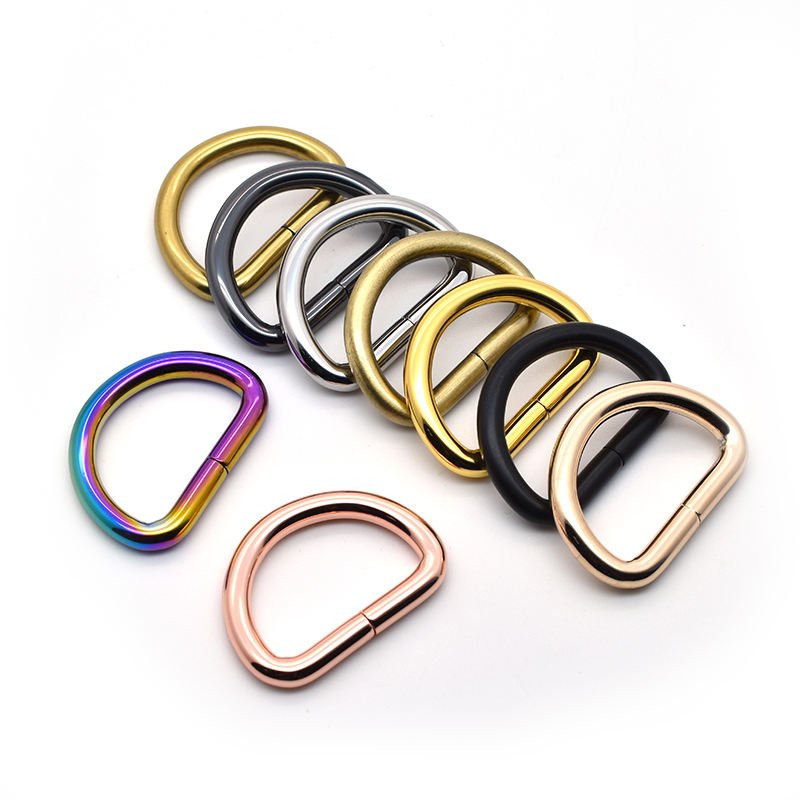
Hardware finish affects color, shine, corrosion resistance, scratch resistance, skin-contact safety, and long-term appearance. Common finishes include gold, light gold, silver, nickel, gunmetal, antique brass, rose gold, matte black, brushed, polished, and satin effects. A good finish should match the leather, stay consistent across parts, and resist fading during normal use.
What Is Electroplating?
Electroplating is a process that deposits a thin layer of metal finish onto hardware to create color, shine, and surface protection. It is widely used for handbag buckles, rings, clasps, zipper pulls, locks, rivets, chain straps, and logo plates.
The plating result depends on base material, surface preparation, plating thickness, finishing process, and quality control. Hardware with poor surface preparation may show uneven color, black spots, peeling, or rough texture. Hardware with poor plating may fade quickly after contact with hands, perfume, sweat, rain, or friction.
Common plating finishes include:
| Finish | Look | Common Use |
|---|---|---|
| Shiny gold | Bright and classic | Dressy handbags, premium fashion |
| Light gold | Softer gold tone | Modern handbags |
| Silver / nickel | Clean and versatile | Daily handbags, minimalist products |
| Gunmetal | Dark gray metallic | Urban, casual, men’s leather goods |
| Antique brass | Vintage warm tone | Heritage leather bags |
| Rose gold | Feminine and soft | Fashion accessories |
| Matte black | Minimal and modern | Street, outdoor, technical styles |
| Brushed finish | Soft texture | Premium modern designs |
For leather handbags, plating consistency is very important. If the zipper pull is light gold, the rings are yellow gold, and the rivets are slightly orange, the bag can look poorly controlled. Hardware should be matched as a set before bulk production.
SzoneierLeather can help customers review finish samples, compare metal colors, and confirm whether all hardware parts match the approved standard.
Which Finish Looks Premium?
A premium finish is not always the brightest finish. It is the one that matches the leather, structure, and brand style. Premium hardware usually has even color, smooth surface, comfortable weight, clean edges, and consistent shine across all parts.
Different finishes create different product feelings:
| Finish | Product Feeling | Best Leather Match |
|---|---|---|
| Polished gold | Classic, dressy, luxury-inspired | Black, burgundy, cream, dark green leather |
| Light gold | Refined, modern, soft | Beige, taupe, white, pastel leather |
| Brushed nickel | Clean, understated, premium | Black, gray, navy, smooth leather |
| Gunmetal | Urban, strong, less flashy | Black, charcoal, pebbled leather |
| Antique brass | Vintage, warm, heritage | Brown, tan, distressed leather |
| Matte black | Minimal, modern, casual | Black, olive, textured leather |
| Rose gold | Soft, feminine, fashion-forward | Blush, ivory, light neutral leather |
Premium appearance also depends on proportion. A small delicate bag may look better with slim refined hardware. A structured satchel can carry heavier locks and buckles. A large tote needs hardware that looks strong enough to support the scale.
What makes a finish look premium:
- No visible bubbles or pits
- Even color across all parts
- Smooth edges around openings
- No sharp casting marks
- Good polish before plating
- No obvious mold line
- Consistent shine level
- Good resistance to light rubbing
- Metal tone matches the leather color
For SzoneierLeather customers, finish samples can be reviewed before bulk hardware ordering. This is important for collections with multiple bag styles using the same hardware color.
How Do You Avoid Fading?
Hardware fading usually comes from weak plating, poor surface treatment, thin coating, rough friction, sweat, perfume, humidity, or repeated contact with hands and clothing. Handbag hardware is touched often, so finish durability should be checked before mass production.
High-risk fading areas include:
- Zipper pullers
- Clasps
- Chain straps
- Buckles
- Turn locks
- Magnetic snap covers
- Logo plates
- Bag feet
- Rivet caps near handles
Ways to reduce fading risk:
- Choose better plating quality for visible and touched parts.
- Avoid very low-grade hardware for premium bags.
- Use anti-tarnish treatment when needed.
- Test hardware with rubbing before approval.
- Keep hardware away from harsh chemical exposure.
- Choose finishes suitable for the target use environment.
- Use stainless steel for higher corrosion resistance when suitable.
- Use antique finishes where natural aging is acceptable.
Hardware testing examples:
| Test Type | Purpose | Useful For |
|---|---|---|
| Dry rub test | Checks finish resistance to friction | Zipper pulls, logo plates, locks |
| Wet rub test | Checks color stability under moisture | Handles, chains, buckles |
| Salt spray test | Checks corrosion resistance | Hardware for humid markets |
| Opening cycle test | Checks clasp or lock durability | Clasps, turn locks, snaps |
| Pull test | Checks load-bearing strength | Rings, hooks, strap hardware |
| Scratch check | Reviews surface hardness | Front plates, buckles, bag feet |
For bulk orders, the approved sample hardware should be kept as the reference standard. If the hardware batch changes, color and finish should be checked again. This prevents a common problem: the sample looks perfect, but bulk hardware arrives with a different gold tone.
SzoneierLeather can support hardware checking during sample development and pre-production review, helping customers reduce finish-related complaints.
Are Nickel-Free Options Needed?
Nickel-free hardware may be needed for markets with strict skin-contact requirements or brands that want to reduce allergy concerns. While handbag hardware does not always touch skin as directly as jewelry, straps, chains, buckles, zipper pulls, and clasps can still contact hands, wrists, arms, or clothing.
Nickel-free options are more important for:
- EU market products
- Premium leather goods
- Children’s accessories
- Products with chain straps
- Wristlets and small bags
- Hardware frequently touched by hand
- Brands with stricter material standards
- Customers marketing safer or cleaner materials
Nickel-free hardware may cost more than standard options, and availability depends on hardware type and finish. It should be discussed early because it may affect sourcing, testing, MOQ, and lead time.
Nickel-free planning table:
| Product Area | Nickel-Free Need | Reason |
|---|---|---|
| Chain strap | Higher | Frequent skin and clothing contact |
| Wristlet clasp | Higher | Touches wrist and hand often |
| Zipper pull | Medium | Frequent hand contact |
| Buckle | Medium | May touch clothing and skin |
| D-ring / O-ring | Lower to medium | Mostly connected to strap |
| Rivet | Lower | Usually limited direct contact |
| Logo plate | Medium | Visible and touched occasionally |
If a customer sells into the EU or works with retailers that require chemical compliance, hardware standards should be confirmed before sampling. SzoneierLeather can help customers communicate hardware requirements early, so the final bag supports both market access and product quality.
How Do You Match Hardware With Leather?
Leather handbag hardware should match leather type, leather thickness, bag structure, color palette, carrying load, and target price. Full-grain leather usually needs stronger, heavier hardware. Soft leather needs lighter and smoother hardware. Structured bags need stable locks and bottom protection. Fashion handbags need finish consistency, color harmony, and comfortable daily operation.
Which Hardware Fits Full-Grain Leather?
Full-grain leather has stronger body, richer texture, and higher perceived value than many corrected or synthetic materials. Because of that, the hardware should not feel thin, hollow, or weak. If the leather is thick and premium but the buckle feels light, the whole handbag may feel unbalanced.
Full-grain leather works well with:
- Solid brass buckles
- High-grade zinc alloy locks
- Stainless steel rings
- Strong metal zippers
- Welded D-rings
- Double-cap rivets
- Screw rivets
- Antique brass hardware
- Brushed nickel hardware
- Custom logo plates
- Heavy-duty snap hooks
- Structured bag feet
For full-grain leather handbags, hardware should carry both weight and character. Vegetable-tanned leather often looks excellent with antique brass, brushed nickel, or warm gold hardware. Black full-grain leather can work with polished gold, silver, gunmetal, or matte black, depending on the product style. Brown leather often pairs well with antique brass, dark brass, or brushed nickel.
| Full-Grain Leather Style | Suitable Hardware | Product Feeling |
|---|---|---|
| Vegetable-tanned leather | Antique brass, solid brass, brushed nickel | Heritage, durable, handcrafted |
| Black full-grain leather | Gold, nickel, gunmetal, matte black | Classic, modern, or premium |
| Brown full-grain leather | Antique brass, dark brass, silver | Vintage, warm, practical |
| Smooth full-grain leather | Polished gold, light gold, nickel | Clean and refined |
| Pebbled full-grain leather | Gunmetal, nickel, light gold | Daily, durable, textured |
Full-grain leather also needs better reinforcement planning. If the bag has thick handles, wide straps, or a structured flap, the hardware must be installed with proper backing and stitching support. A strong rivet or ring is useful only when the leather tab and internal reinforcement can support it.
SzoneierLeather can help customers match leather thickness, hardware size, and reinforcement structure during sample development. This avoids common problems such as loose rivets, distorted strap tabs, or locks pulling against the leather over time.
What Works For Soft Leather?
Soft leather has a relaxed, flexible feel. It can create elegant slouchy handbags, soft totes, hobo bags, dumpling bags, pouch bags, and lightweight shoulder bags. Because soft leather moves more easily, hardware should be chosen carefully. Heavy hardware can pull the leather out of shape, create wrinkles, or make the bag uncomfortable to carry.
Soft leather usually works better with:
- Lightweight zippers
- Smooth nylon coil zippers
- Slim D-rings
- Smaller O-rings
- Light gold or nickel hardware
- Hidden magnetic snaps
- Soft chain straps
- Slim buckles
- Smaller rivets
- Internal reinforcement plates
Soft leather requires balance. The hardware should be strong enough to function, but not so heavy that it drags the bag downward. A soft lambskin shoulder bag with oversized buckles may look awkward and feel heavy. A soft pebbled leather hobo bag may work better with subtle rings, hidden magnetic closures, and a comfortable zipper pull.
| Soft Leather Type | Hardware Direction | Reason |
|---|---|---|
| Lambskin | Light, smooth, rounded hardware | Avoids pressure marks and heavy pulling |
| Soft cowhide | Medium-weight hardware | Gives balance without stiffness |
| Pebbled leather | Light gold, nickel, gunmetal | Matches casual daily use |
| Suede | Antique brass, matte finishes | Reduces overly shiny contrast |
| Soft nappa leather | Slim polished hardware | Keeps refined appearance |
For soft leather handbags, hardware placement is as important as hardware choice. Strap rings should be attached to reinforced tabs. Magnetic snaps should have backing support so they do not tear the leather after repeated opening. Zipper ends should be clean because soft leather can wrinkle if the zipper is too stiff.
SzoneierLeather can test soft leather with different hardware weights during sampling. This helps customers see whether the bag keeps its shape, whether the strap pulls correctly, and whether the closure feels natural when the bag is full.
How Should Colors Match?
Hardware color should support the leather color, not fight against it. A good metal color makes the handbag look intentional. A poor match makes the product look like different parts were selected from different suppliers.
Common hardware color choices include shiny gold, light gold, silver, nickel, gunmetal, antique brass, rose gold, matte black, and brushed finishes. The right choice depends on brand style, leather color, product season, customer age group, and retail price level.
Color matching guide:
| Leather Color | Recommended Hardware | Product Feeling |
|---|---|---|
| Black | Gold, silver, gunmetal, matte black | Classic, modern, urban |
| Brown | Antique brass, dark brass, nickel | Warm, vintage, durable |
| Tan | Brass, light gold, antique brass | Natural, casual, premium |
| White / Ivory | Light gold, silver, rose gold | Clean, soft, elegant |
| Beige / Taupe | Light gold, brushed nickel | Modern and understated |
| Burgundy | Gold, antique brass, gunmetal | Rich and mature |
| Navy | Gold, silver, gunmetal | Refined and versatile |
| Green | Antique brass, gold, gunmetal | Heritage or fashion |
| Pastel leather | Light gold, rose gold, silver | Soft and feminine |
| Red leather | Gold, silver, gunmetal | Bold and fashion-forward |
Metal color should also match across the whole bag. A handbag may use zipper teeth, zipper pullers, rings, rivets, buckles, logo plate, chain, and bag feet. If each part has a slightly different gold tone, the product may look inconsistent.
Before bulk production, customers should confirm a hardware color card or approved hardware sample set. This is especially important for gold finishes because yellow gold, light gold, champagne gold, and rose gold can vary a lot.
Practical color control points:
- Match zipper puller with rings and buckles.
- Check rivets under natural and indoor light.
- Compare logo plate with chain and clasp.
- Confirm zipper teeth color with zipper puller color.
- Avoid mixing warm gold and cold gold unless intended.
- Keep one approved hardware sample as the standard.
- Recheck hardware color when ordering repeat batches.
SzoneierLeather can help customers build a complete hardware matching set before mass production, which is useful for handbag collections with multiple SKUs.
Does Bag Structure Change Hardware?
Bag structure has a direct effect on hardware selection. A structured satchel, a soft hobo bag, a mini shoulder bag, and a large tote may all use leather, but they need very different hardware.
Structured bags can carry heavier locks, bag feet, strong handles, and thicker rings because the body has enough support. Soft bags need lighter hardware and better internal reinforcement. Mini bags need smaller hardware to avoid looking oversized. Large totes need stronger handle attachments and durable closures.
Structure-based hardware selection:
| Bag Structure | Hardware Focus | Best Hardware Choices |
|---|---|---|
| Structured handbag | Shape, closure, bottom protection | Turn lock, bag feet, metal zipper, strong rivets |
| Soft hobo bag | Flexibility and comfort | Light rings, magnetic snap, soft zipper |
| Tote bag | Handle strength and opening | Rivets, magnetic snap, zipper top, bag feet |
| Crossbody bag | Strap safety and adjustability | Swivel hooks, D-rings, slide buckle |
| Mini bag | Proportion and light weight | Small clasp, slim zipper, mini logo plate |
| Satchel | Classic closure and carrying strength | Buckles, locks, strong handle hardware |
| Wallet-on-chain | Chain quality and clasp strength | Chain, small hooks, magnetic snap |
| Laptop leather bag | Load-bearing hardware | Strong zipper, reinforced rings, heavy rivets |
Bag load also matters. A handbag that carries only lipstick and cards can use lighter hardware. A work tote that carries a laptop, charger, notebook, water bottle, and wallet needs stronger handle hardware, better rivets, thicker rings, and more durable zippers.
During sample testing, the bag should be loaded with real items. This can show whether the hardware pulls unevenly, whether the strap twists, whether the magnetic closure holds, and whether the bag feet sit flat. SzoneierLeather can help customers test these details before final approval.
How Can SzoneierLeather Help?
SzoneierLeather helps brands and custom wholesale customers choose, develop, test, and apply leather handbag hardware based on product use, leather type, price level, and brand style. With more than 18 years of leather goods R&D and manufacturing experience, the company supports material sourcing, product design, sampling, production, packaging, inspection, OEM, ODM, and private label customization.
What Custom Hardware Can Be Made?
SzoneierLeather can support many levels of custom hardware development, from standard hardware selection to customized logo hardware and full hardware mold development. The right level depends on the customer’s order quantity, budget, timeline, product positioning, and branding needs.
Custom hardware can include:
- Logo zipper pullers
- Custom buckles
- Custom D-rings and O-rings
- Custom snap hooks
- Custom turn locks
- Magnetic snap covers
- Logo metal plates
- Engraved rivets
- Custom bag feet
- Custom chain straps
- Custom sliders
- Custom strap adjusters
- Custom metal charms
- Nickel-free hardware
- Special plating colors
- Matte, brushed, polished, or antique finishes
Customization path:
| Custom Type | What It Means | Best For |
|---|---|---|
| Standard hardware | Select existing styles and colors | Small orders, quick sampling |
| Logo engraving | Add logo to puller, plate, buckle, charm | Private label handbags |
| Custom plating | Special gold, matte black, antique finish | Collection consistency |
| Custom mold | Create unique hardware shape | Premium brand identity |
| Functional upgrade | Stronger hooks, thicker rings, better zipper | Heavy-use bags |
| Compliance hardware | Nickel-free or special material request | EU/US-focused products |
For many brands, logo pullers and custom logo plates are a good starting point. They improve product identity without the high cost of developing every hardware part from scratch. For premium handbag collections, custom locks, buckles, or chains can become signature design elements.
SzoneierLeather’s raw material supply chain and production development ability help customers compare available options and custom solutions before confirming the final sample.
How Are Samples Tested?
Hardware should be tested on the actual leather bag, not only viewed separately on a table. A clasp that looks good alone may feel too small when attached to a wide strap. A buckle may look premium but scratch the leather edge. A magnetic snap may feel strong by hand but become weak when installed under thick leather.
SzoneierLeather can check hardware during sample development by reviewing appearance, function, strength, finish, size matching, and user experience.
Common sample checks include:
- Zipper smoothness
- Puller comfort
- Buckle movement
- Strap adjustment
- Clasp spring strength
- Ring thickness
- Rivet tightness
- Lock opening and closing
- Magnetic snap strength
- Chain weight
- Bag feet balance
- Finish color consistency
- Hardware scratching risk
- Leather pressure marks
- Logo position and clarity
Sample testing table:
| Test Area | What To Check | Why It Matters |
|---|---|---|
| Zipper test | Pull 20–50 times during review | Checks smooth movement |
| Clasp test | Open, close, pull, rotate | Confirms security |
| Strap load test | Add weight and carry | Reviews real-use strength |
| Buckle test | Adjust strap repeatedly | Checks edge and pin quality |
| Rivet check | Pull handle or strap joint | Prevents loosening |
| Plating check | Rub and inspect color | Reduces fading risk |
| Magnet check | Open and close repeatedly | Confirms closure strength |
| Bottom check | Place bag on flat surface | Reviews feet balance |
For load-bearing hardware, testing should be more serious. Strap hooks, rings, buckles, and rivets must carry repeated pulling force. For premium hardware, finish testing is important because visible fading can quickly damage customer trust.
A strong sample approval process should answer four questions:
- Does the hardware look right?
- Does it work smoothly?
- Does it support the bag’s weight?
- Will it still look acceptable after daily use?
Only when these questions are answered should the design move to bulk production.
Do You Support OEM And ODM?
SzoneierLeather supports OEM and ODM custom leather goods manufacturing for brand customers and custom wholesale clients. The company works across raw material sourcing, product design, sample development, manufacturing, packaging design, quality inspection, and final delivery support.
OEM is suitable when the customer already has product drawings, technical files, existing samples, material specifications, or a clear brand design. SzoneierLeather can follow the required structure, leather, hardware, logo, lining, packaging, and quality standard.
ODM is suitable when the customer has a concept, market direction, reference style, or early product idea but needs factory support to develop a manufacturable product. SzoneierLeather can help with structure planning, leather selection, hardware recommendation, sample making, and cost optimization.
OEM and ODM support includes:
| Service Area | OEM Support | ODM Support |
|---|---|---|
| Product idea | Follow provided design | Help develop structure |
| Leather selection | Source required material | Recommend suitable leather |
| Hardware | Follow spec or match sample | Suggest type, material, finish |
| Pattern | Based on technical file | Develop from concept or reference |
| Sample | Make approval sample | Create and refine sample |
| Logo | Apply customer logo | Suggest logo method |
| Packaging | Follow customer requirement | Design packaging direction |
| QC | Match approved standard | Build inspection standard |
SzoneierLeather can support many leather product categories, including:
- Leather handbags
- Leather wallets
- Leather belts
- Leather straps
- Leather accessories
- Leather boxes
- Leather cases
- Leather gift products
- Private label leather goods
- Custom wholesale leather products
For handbag hardware selection, OEM/ODM support means the customer does not need to choose parts blindly. The factory can connect hardware choices with leather thickness, pattern construction, sample testing, cost target, and final product positioning.
How Do Brands Get A Quote?
A good hardware and handbag quote needs clear information. If the customer only sends one product image, the factory can give a rough idea, but accurate pricing requires details about leather, hardware, size, structure, quantity, logo, packaging, and target market.
To get an accurate quote from SzoneierLeather, customers should prepare:
- Product image or design drawing
- Bag dimensions
- Leather type or leather reference
- Hardware color and style
- Zipper type
- Buckle, ring, clasp, lock requirements
- Logo method
- Lining material
- Strap type
- Quantity
- Packaging requirement
- Target price range
- Delivery country
- Testing or compliance needs
- Timeline
Quote preparation table:
| Information | Why It Is Needed |
|---|---|
| Bag style | Determines pattern, hardware, and labor |
| Dimensions | Affects material use and structure |
| Leather type | Controls cost, thickness, and sewing method |
| Hardware style | Affects material, finish, MOQ, and cost |
| Quantity | Changes unit price and production planning |
| Logo method | Impacts tooling, embossing, engraving, or printing |
| Packaging | Affects presentation and shipping volume |
| Market country | Helps review compliance and labeling |
| Target price | Helps factory recommend suitable options |
| Timeline | Helps plan sampling and production |
If the customer is not sure which hardware to use, SzoneierLeather can provide suggestions based on bag style and market positioning. For example, the factory may recommend zinc alloy hardware for a fashion collection, brass details for a premium leather line, stainless steel for durable travel goods, or nickel-free options for stricter markets.
The most useful quote is not only a price. It should help the customer understand how hardware choices affect cost, appearance, durability, and product value.
Start Your Custom Leather Handbag Project With SzoneierLeather
Leather handbag hardware may look like a small detail, but it controls many parts of the final product: how the bag opens, how it carries weight, how it feels in the hand, how it ages, and how customers judge its value. A smooth zipper, a strong clasp, a clean buckle, a well-matched ring, and a durable plated finish can make the whole handbag feel more reliable and more premium.
For brands and custom wholesale customers, the best hardware decision is not always the most expensive one. It is the one that matches the leather, structure, price level, target market, and daily use. A soft leather bag may need lighter hardware. A full-grain leather satchel may need solid buckles and welded rings. A premium handbag line may need custom logo pullers and consistent plating. A work tote may need reinforced rivets, strong zippers, and durable strap hardware.
SzoneierLeather can help customers develop custom leather goods with more than 18 years of R&D and manufacturing experience. The company supports raw material sourcing, product development, design, sampling, manufacturing, packaging design, packaging inspection, and quality control for bags, wallets, belts, straps, accessories, leather boxes, and other leather products.
To start a custom project, send SzoneierLeather your product design, bag size, leather preference, hardware color, logo requirement, target quantity, packaging idea, and delivery country. The team can help review your concept, recommend suitable hardware, develop samples, check quality details, and prepare a clear quotation for your custom leather handbag production.
A better handbag starts with better details. Hardware is one of those details customers may not name, but they always feel.