
Custom Clutch Bag Manufacturer in China
OEM & Private Label Clutch Bags · Low MOQ 20 pcs · 5–7 Day Sampling
Szoneier Leather is a professional clutch bag manufacturer based in Shenzhen, China. With more than 18 years of leather goods manufacturing experience, we help fashion brands, retailers, and e-commerce companies develop high-quality clutch bags with flexible production quantities and stable manufacturing timelines.
- 18+ Years Leather Goods Manufacturing
- Low MOQ 20 pcs
- Sample in 5–7 Days
- 列表项
Common Mistakes When Developing Clutch Bags
Although clutch bags are relatively small compared with other handbags, their development still requires careful attention to materials, structure, and hardware selection. Because the bag size is compact, even small design mistakes can affect the final product’s durability and usability.
Through more than 18 years of leather goods manufacturing experience, the development team at Szoneier Leather has collaborated with many fashion brands and retailers to develop custom clutch bags. During these projects, we have observed several common issues that often occur when clutch bag designs move from concept to production.
Understanding these challenges early can help brands avoid unnecessary sampling revisions and reduce product development time.
Choosing Materials Only Based on Appearance
One of the most common mistakes occurs when materials are selected primarily for visual appearance rather than structural performance.
For example, very soft leather may look attractive during the design stage but may not provide enough structure for certain clutch bag styles such as envelope clutches or frame clutches.
If the leather is too thin or flexible, the bag may lose its shape after regular use.
During product development, the team at Szoneier Leather evaluates material thickness and structure carefully. For example, a clutch bag made from soft leather may require additional reinforcement layers or a thicker lining material to maintain its shape.
Ignoring Internal Structure
Some clutch bag designs focus heavily on the external appearance while overlooking the internal structure.
Without proper internal reinforcement, clutch bags may become deformed or lose their shape after repeated use.
Common internal reinforcement materials include:
- EVA support layers
- reinforced lining fabrics
- structural interlining
At Szoneier Leather, our pattern makers evaluate the bag structure during the sampling stage and recommend internal support materials when necessary.
Overlooking Hardware Quality
Clutch bags often include decorative hardware such as chains, metal frames, magnetic closures, or logo plates. If these components are not carefully selected, the product may experience issues such as plating discoloration or loose fittings.
For example:
- low-quality chains may fade or scratch easily
- weak magnetic snaps may fail to close properly
- poorly plated hardware may lose its color after use
To reduce these risks, Szoneier Leather works with established hardware suppliers in Guangdong, and hardware components are tested during the sampling stage before production begins.
Unrealistic Expectations for Sample Development
Another common issue occurs when brands expect the first sample to be perfect without revisions.
In practice, most clutch bag projects require one or two sample revisions to refine details such as:
- zipper placement
- pocket size
- strap length
- hardware position
Sampling revisions are a normal part of the development process because they allow both the brand and the manufacturer to improve the design before mass production.
Because Szoneier Leather maintains an in-house sample development workshop, most clutch bag samples can be produced within 5–7 days, allowing design adjustments to be tested quickly.
Not Considering Production Feasibility
Some clutch bag designs are developed purely from a design perspective without considering manufacturing feasibility.
For example, overly complex constructions or extremely small stitching tolerances may make mass production difficult.
When brands collaborate with Szoneier Leather, our product development team reviews the design during the early consultation stage to identify potential production challenges. This helps ensure the final design can be manufactured efficiently while maintaining consistent quality.
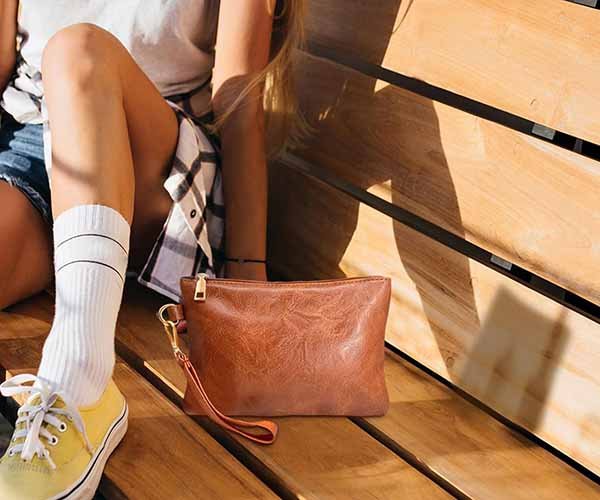
Underestimating Cost Drivers
Another common mistake is not fully understanding which factors influence clutch bag production costs.
Several elements affect the final cost, including:
- leather type and thickness
- hardware components
- stitching complexity
- order quantity
During the project consultation stage, the team at Szoneier Leather typically reviews these cost drivers with clients so that the design can be adjusted to match the intended price range.
Limited Communication During Development
Clear communication between the brand and the manufacturer is essential during clutch bag development. When design details or material specifications are unclear, misunderstandings may occur during sampling or production.
At Szoneier Leather, we maintain regular communication with clients throughout the development process using email, WhatsApp, or video meetings. This helps ensure design adjustments are understood and implemented correctly.
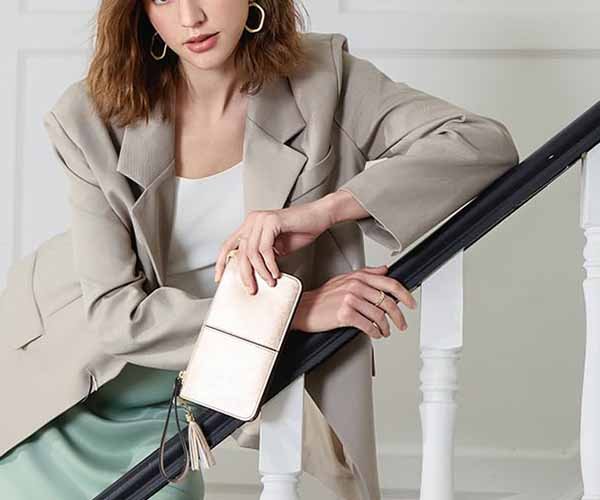
About Szoneier Leather
A Professional Leather Goods Manufacturer Based in Shenzhen, China
Szoneier Leather is a leather goods manufacturing company that focuses on developing and producing custom leather products for global brands, retailers, and e-commerce businesses.
With more than 18 years of experience in leather goods manufacturing, Szoneier Leather has built a production system that combines product development, sample production, and manufacturing coordination. Our team works with clients throughout the entire product development process, helping transform design concepts into finished products ready for retail markets.
Unlike trading companies that only coordinate production between factories and clients, Szoneier Leather maintains a structured development process supported by designers, pattern makers, and a dedicated sampling workshop.
Because of this integrated development structure, our team can evaluate product designs from both aesthetic and manufacturing perspectives.
Product Development Team
Successful leather accessories require careful design and technical development before production begins.
At Szoneier Leather, our product development team includes:
- product designers
- pattern makers
- sample technicians
This team works closely with clients during the development process to refine product structure, materials, and hardware components.
For example, during clutch bag development our team may recommend adjustments such as:
- reinforcing structural panels
- optimizing pocket placement
- selecting more suitable leather thickness
These improvements help ensure the final product performs well during daily use.
Sampling Workshop
Sampling is one of the most important stages of product development because it converts a design concept into a physical prototype.
Szoneier Leather operates a sample development workshop capable of producing prototypes for many types of leather accessories.
Typical products developed in our sample workshop include:
- leather clutch bags
- leather handbags
- leather wallets
- leather cosmetic bags
- leather travel bags
Typical Sample Timeline
| Sample Type | Development Time |
|---|---|
| Standard leather products | 5–7 days |
| Products with custom hardware | 7–15 days |
This rapid sample development capability allows brands to refine product designs quickly.
Manufacturing Network
Rather than operating a single isolated factory, Szoneier Leather collaborates with a network of specialized production partners located within the Guangdong manufacturing region.
This network includes:
- leather processing factories
- bag production workshops
- metal hardware manufacturers
- zipper suppliers
- packaging factories
Because these suppliers operate within the same regional supply chain, materials and components can be sourced efficiently during production.
Typical monthly production capacity across this manufacturing network is approximately:
8,000 – 15,000 leather bags and accessories
Material Supply Chain
Szoneier Leather works with established material suppliers that produce a wide variety of materials used in fashion accessories.
These materials include:
- genuine leather
- PU leather
- microfiber leather
- canvas
- polyester
- nylon
- neoprene
- PVC / TPU / EVA materials
Because of this diversified material supply network, Szoneier Leather can develop many different types of leather products, from premium leather accessories to lightweight fashion items.
International Client Experience
Over the years, Szoneier Leather has worked with companies located in several international markets.
Our clients include:
- fashion brands
- retail chains
- boutique designers
- e-commerce companies
These companies are primarily located in:
- United States
- Canada
- Europe
- Australia
- Southeast Asia
Our team assists clients with export documentation, packaging preparation, and international logistics coordination to ensure products are delivered safely.
Communication & Project Support
Clear communication is essential during product development and manufacturing.
Szoneier Leather supports several communication channels including:
- video meetings
Our sales and development teams communicate fluently in English and work closely with clients throughout the project timeline.
From early design consultation to production and shipment, our goal is to ensure that every project proceeds smoothly.
Types of Clutch Bags We Manufacture
Custom Clutch Bag Styles Produced by Szoneier Leather
Clutch bags are one of the most versatile accessories in the fashion industry. They are widely used in evening events, daily accessories collections, and fashion retail markets. Although clutch bags are typically smaller than handbags or tote bags, they require careful design and precise construction to ensure durability, functionality, and aesthetic appeal.
Below are several of the most common clutch bag styles developed by our factory.
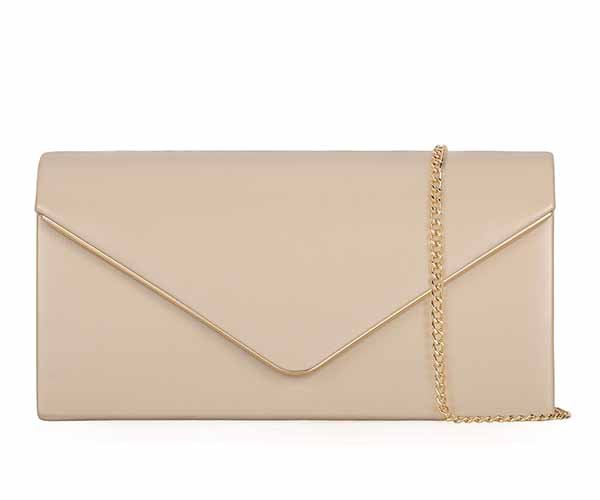
Envelope Clutch Bags
Envelope clutch bags are one of the most recognizable clutch bag designs. Their triangular flap closure resembles the shape of an envelope, creating a minimalist and elegant appearance.
Typical features include:
- slim rectangular structure
- front flap closure
- magnetic snap or hidden closure
These bags are often used in fashion collections and evening accessories.
Typical Dimensions
| Measurement | Range |
|---|---|
| Width | 24–30 cm |
| Height | 14–18 cm |
| Depth | 2–4 cm |
Szoneier Leather commonly produces envelope clutches using top grain leather or microfiber leather depending on the product positioning.
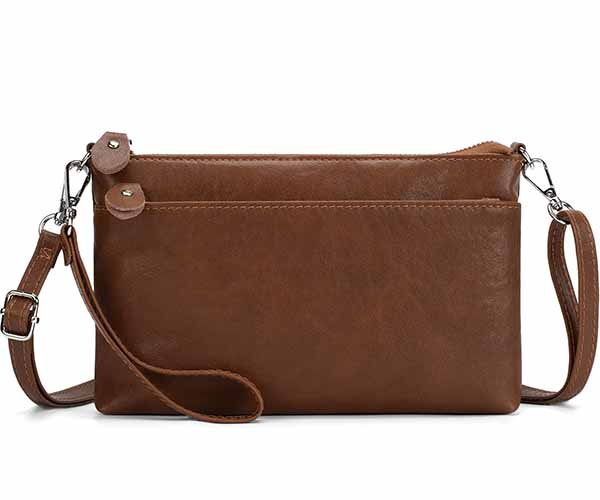
Wristlet Clutch Bags
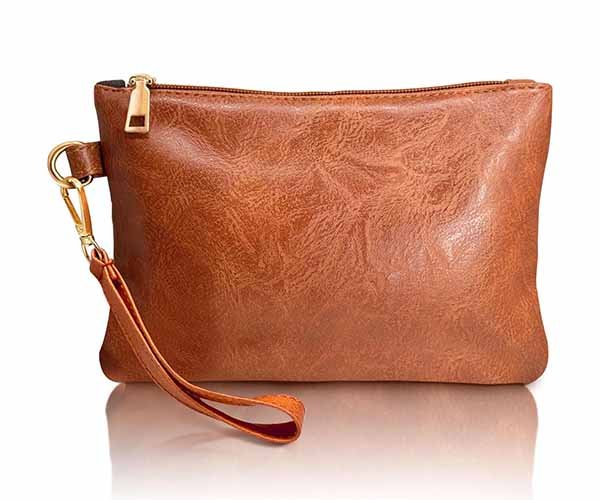
Wristlet clutch bags include a detachable wrist strap that allows the bag to be carried comfortably without being held constantly in hand.
Typical features include:
- compact design
- zipper closure
- detachable wrist strap
These bags are commonly used for:
- casual fashion accessories
- daily essentials
- travel accessories
Because wristlet clutches are often used frequently, Szoneier Leather reinforces the zipper seams to ensure durability.
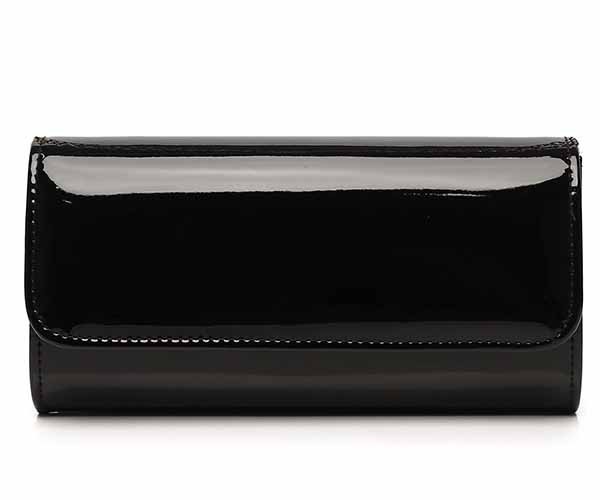
Evening Clutch Bags
Evening clutch bags are designed for formal events such as weddings, parties, and fashion events. These bags usually emphasize decorative elements and elegant materials.
Typical features include:
- structured frame closure
- metallic finishes
- decorative hardware
Common materials include:
- patent leather
- suede leather
- microfiber leather
Evening clutch bags often include metal chains so they can also be worn as shoulder bags.
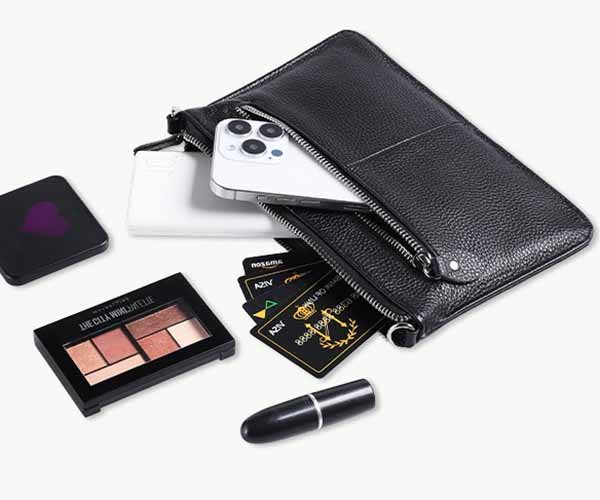
Zipper Clutch Bags
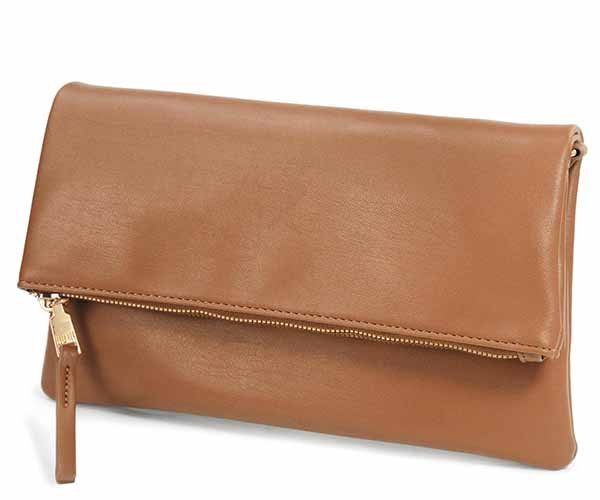
Zipper clutch bags are one of the most practical designs because they provide secure storage for personal items.
Typical features include:
- full-length zipper closure
- internal pockets
- reinforced edges
These bags are commonly used for:
- travel accessories
- everyday carry
- document storage
Szoneier Leather often uses #5 nylon or metal zippers for clutch bags to balance durability and smooth operation.
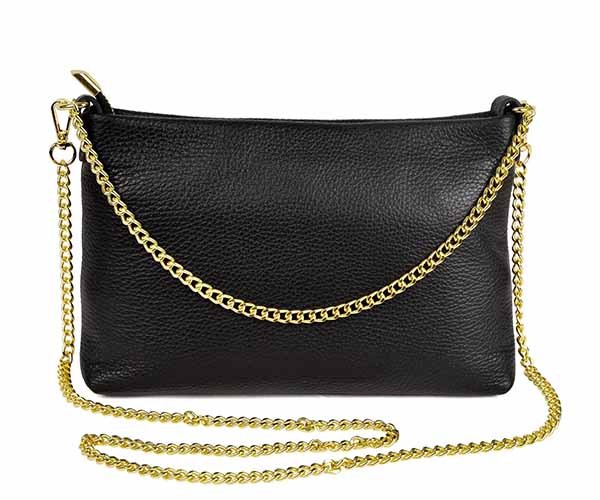
Chain Strap Clutch Bags
Chain strap clutches combine the elegance of a clutch bag with the convenience of a shoulder bag.
Typical features include:
- detachable metal chain strap
- structured body
- magnetic flap closure
These bags are widely used in fashion collections where versatility is important.
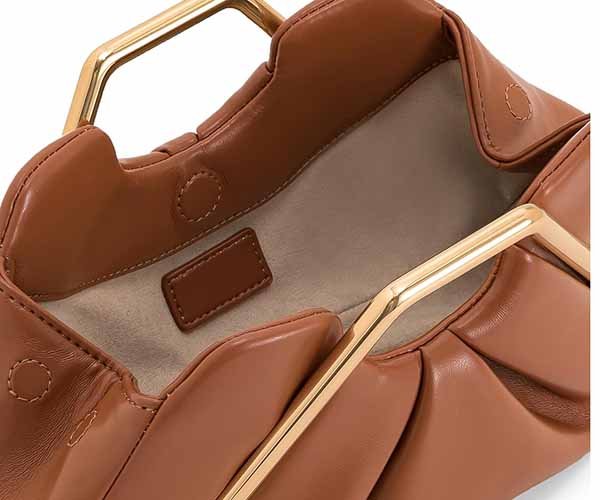
Frame Clutch Bags
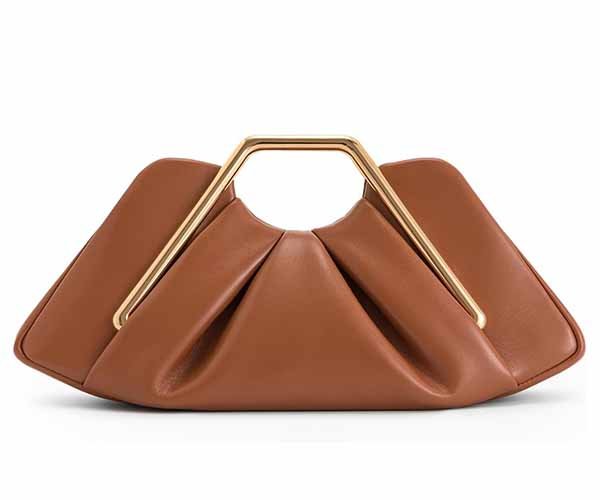
Frame clutch bags use a rigid metal frame closure that opens at the top of the bag.
Typical features include:
- metal kiss-lock closure
- structured shape
- decorative metal frame
These bags are often used for vintage-style fashion collections.
Because frame clutches require precise alignment between leather panels and metal frames, Szoneier Leather carefully tests frame installation during the sampling stage.
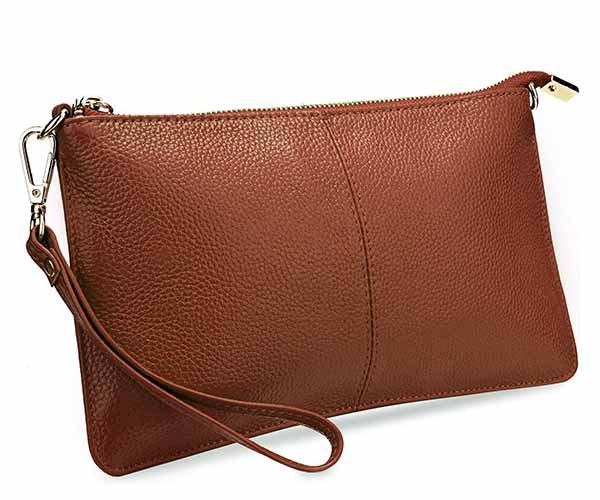
Minimalist Fashion Clutches
Minimalist clutch bags focus on clean design and simple structures.
Typical features include:
- smooth leather surfaces
- hidden closures
- subtle logo placement
These bags are commonly produced for contemporary fashion brands that emphasize minimalist design aesthetics.
Szoneier Leather frequently manufactures minimalist clutches using full grain leather or microfiber leather to achieve a refined appearance.
Oversized Clutch Bags
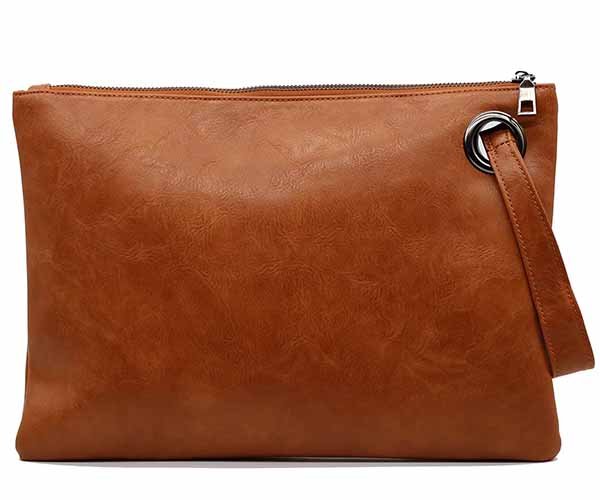
Oversized clutch bags are larger clutch designs intended to hold documents, tablets, or small laptops.
Typical features include:
- large storage capacity
- reinforced structure
- zipper or flap closure
These bags are often used as fashion accessories for business or travel.
Custom Clutch Bag Development at Szoneier Leather
Because clutch bags can vary significantly in design, our development team works closely with clients during the early stages of product design.
At Szoneier Leather, customization options may include:
- leather material selection
- bag dimensions
- internal pocket layout
- hardware finishes
- logo placement
With our 18+ years of leather bag manufacturing experience, we help brands transform design concepts into finished clutch bag products ready for retail markets.
Clutch Bag Product Details
Structural Elements of a High-Quality Clutch Bag
Content
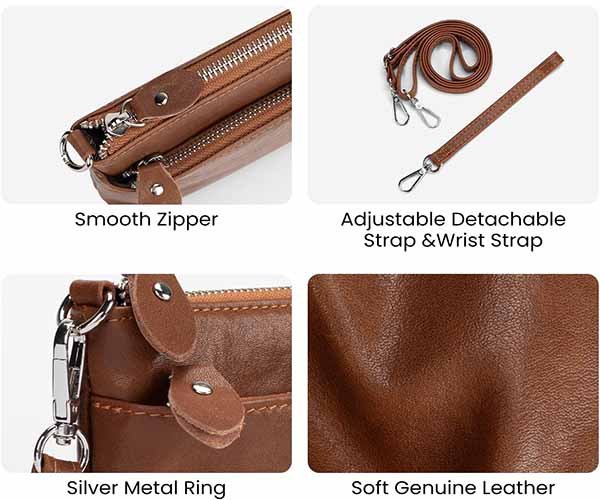
High-quality clutch bags require careful structural design to ensure durability and appearance.
Typical clutch bag components include:
- outer leather panel
- lining material
- zipper or magnetic closure
- internal pockets
- edge finishing
Structural Diagram Table
| Component | Function |
|---|---|
| Outer leather | Main structure |
| Lining | Protects interior |
| Closure system | Secure storage |
| Edge paint | Durable finishing |
Image
Clutch bag structure diagram
Materials Used for Clutch Bags
Leather & Material Options for Custom Clutch Bag Manufacturing
Material selection is one of the most important factors in clutch bag manufacturing. The material used not only determines the appearance of the bag but also influences durability, weight, structure, and production cost.
At Szoneier Leather, we work with long-term leather processing partners and material suppliers located in Guangdong, China. Through these partnerships, our development team has access to a wide range of materials suitable for clutch bag production, including both genuine leather and synthetic materials.
Because clutch bags are usually smaller fashion accessories, the material must provide a balance between softness, structure, and visual appeal. During the product development stage, the team at Szoneier Leather helps clients select the most appropriate material based on design style, intended use, and target retail price.
Genuine Leather Materials
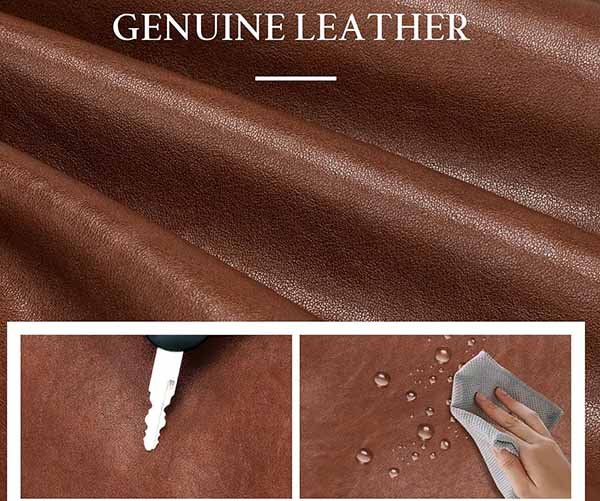
Genuine leather is widely used for premium clutch bags because of its natural texture, durability, and luxurious appearance.
Szoneier Leather commonly works with several types of genuine leather materials.
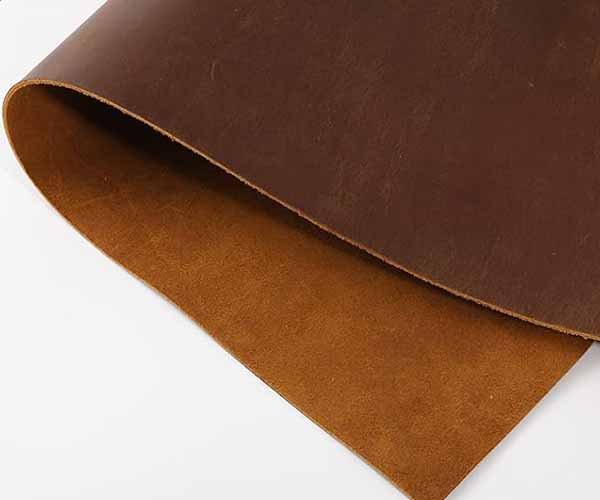
Full Grain Leather
Full grain leather retains the natural grain layer of the hide and is considered one of the highest quality materials used in leather accessories.
Characteristics
- natural leather texture
- strong fiber structure
- long product lifespan
- develops patina over time
Typical Thickness Used for Clutch Bags
| Leather Type | Thickness | Typical Use |
|---|---|---|
| Full Grain Leather | 1.4–1.8 mm | premium clutch bags |
| Top Grain Leather | 1.2–1.6 mm | fashion clutch bags |
| Suede Leather | 1.2–1.4 mm | evening clutches |
Because full grain leather is durable and visually distinctive, Szoneier Leather often uses it for high-end clutch bag collections.
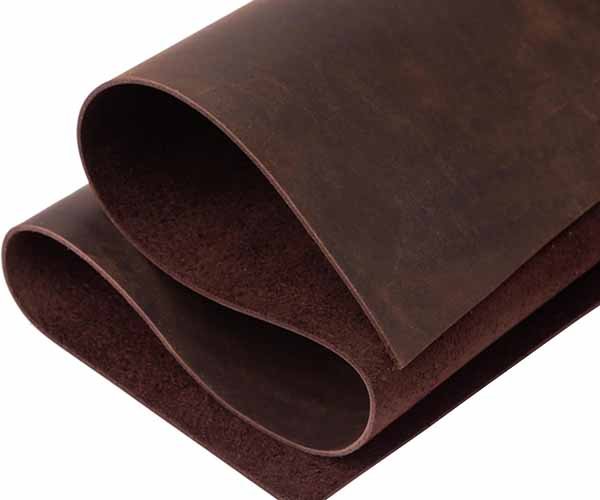
Top Grain Leather
Top grain leather is slightly sanded during processing to create a smooth and consistent surface.
This material is widely used for fashion accessories because it offers a balance between durability and refined appearance.
Characteristics
- smooth surface texture
- consistent color finishing
- good durability
Top grain leather is commonly used in fashion clutch bags, envelope clutches, and wristlet clutches produced by Szoneier Leather.
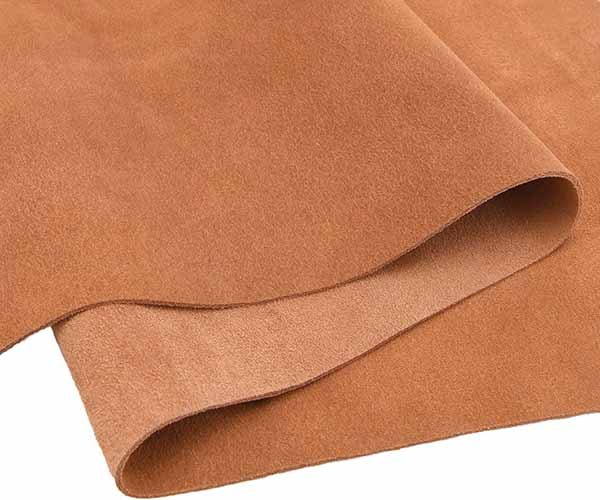
Suede Leather
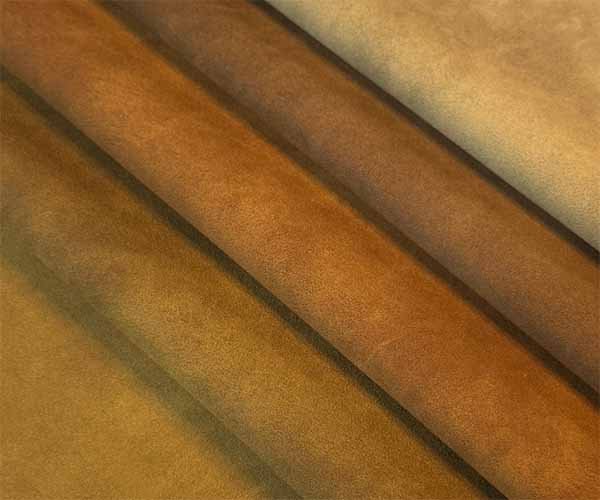
Suede leather is produced from the inner layer of the hide and has a soft, brushed surface.
Characteristics
- soft texture
- flexible structure
- elegant matte appearance
Suede leather is often used for evening clutch bags or fashion accessories that emphasize a soft tactile feel.
Vegan Leather Materials
Many fashion brands today prefer vegan leather materials for their accessories collections. For these projects, Szoneier Leather works with suppliers producing high-quality synthetic leather alternatives.
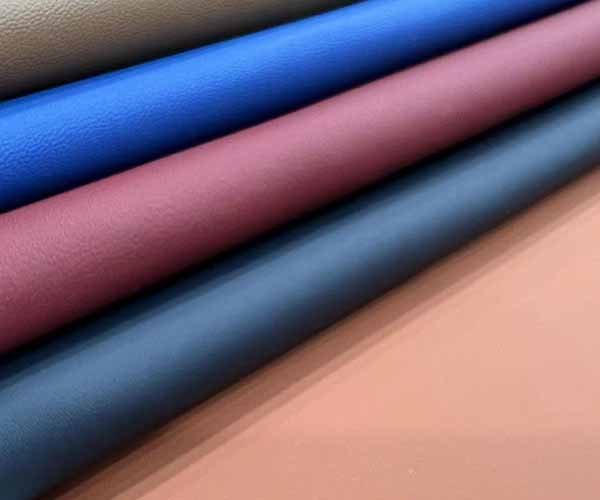
Microfiber Leather
Microfiber leather is one of the most advanced synthetic materials used in fashion accessories.
Characteristics
- strong abrasion resistance
- soft leather-like texture
- uniform surface appearance
Compared with traditional PU leather, microfiber leather has better durability and is often recommended for vegan fashion clutch bags.
PU Leather
PU leather is widely used in fashion accessories because it offers consistent appearance and lower material cost.
Characteristics
- wide range of colors and textures
- consistent material quality
- cost-effective production
PU leather is commonly used for mid-range clutch bag collections and promotional accessories.
Fabric Materials for Clutch Bags
Some clutch bag designs combine leather with fabric materials to create lightweight fashion accessories.
Because Szoneier Leather works with fabric suppliers producing materials such as polyester, nylon, canvas, and neoprene, we can develop hybrid clutch bag designs that combine leather panels with textile materials.
Common Fabric Materials
- canvas
- polyester
- nylon
- neoprene
These materials are often used in casual fashion clutches or promotional product collections.
Material Thickness Guide for Clutch Bags
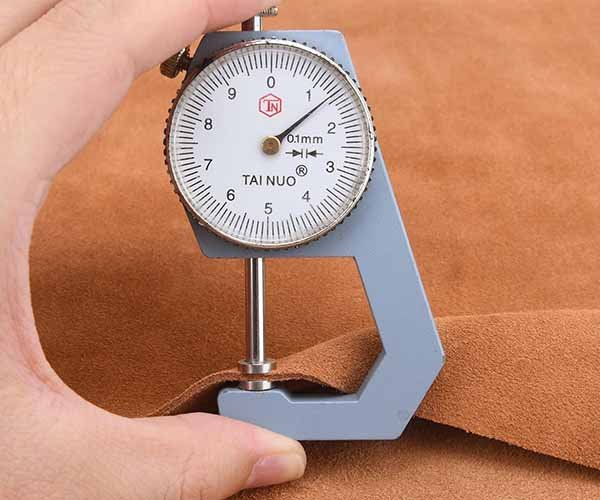
Selecting the correct material thickness is important for maintaining the shape and durability of clutch bags.
| Clutch Bag Type | Typical Material Thickness |
|---|---|
| Slim Envelope Clutch | 1.2–1.4 mm |
| Wristlet Clutch | 1.3–1.5 mm |
| Structured Clutch | 1.5–1.8 mm |
| Frame Clutch | 1.4–1.7 mm |
During the sampling stage, the product development team at Szoneier Leather evaluates material thickness carefully to ensure the bag maintains its intended structure while remaining lightweight.
Material Finishing Options
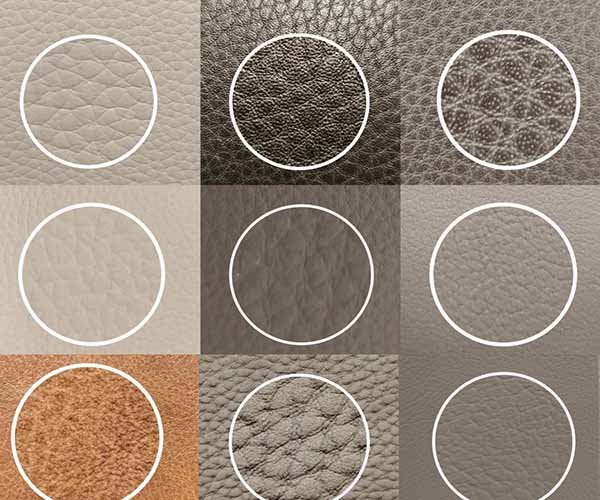
Leather and synthetic materials can also be finished in different ways to create distinctive visual effects.
Common finishing options include:
- smooth leather finish
- matte leather finish
- glossy patent leather
- embossed textures
- textured grain patterns
These finishing techniques allow fashion brands to create unique clutch bag designs for different markets.
Clutch Bag Construction & Craftsmanship
Structural Details in High-Quality Clutch Bag Manufacturing
Although clutch bags appear simple in design, manufacturing a durable and well-structured clutch bag requires careful craftsmanship and precise production techniques.
Key Structural Components
A clutch bag typically consists of several structural elements working together.
| Component | Function |
|---|---|
| Outer Leather Panel | Main structure of the bag |
| Lining Material | Protects the interior |
| Closure System | Zipper or magnetic snap |
| Internal Pocket | Small item storage |
| Edge Finishing | Reinforces leather edges |
Each component must be carefully aligned during production to ensure the finished product maintains its intended shape.
Stitching Techniques
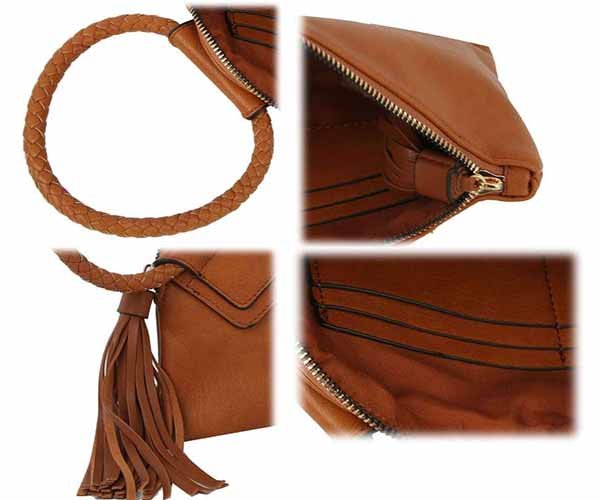
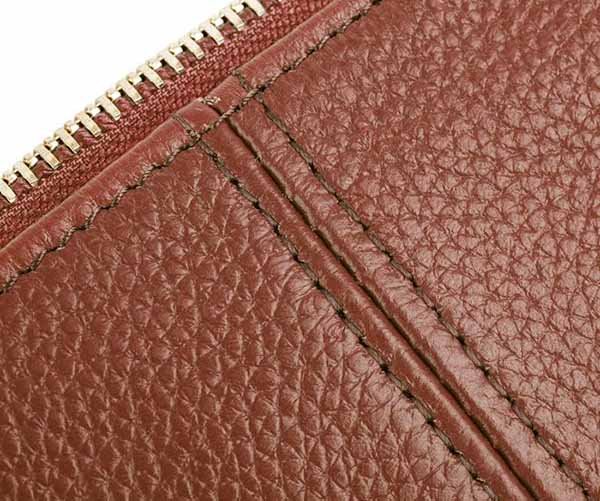
Stitching is one of the most critical aspects of clutch bag construction.
Common stitching techniques include:
- single needle stitching
- double reinforcement stitching
- edge stitching
At Szoneier Leather, stitching consistency is monitored throughout the production process to maintain clean seam lines and strong construction.
Edge Finishing
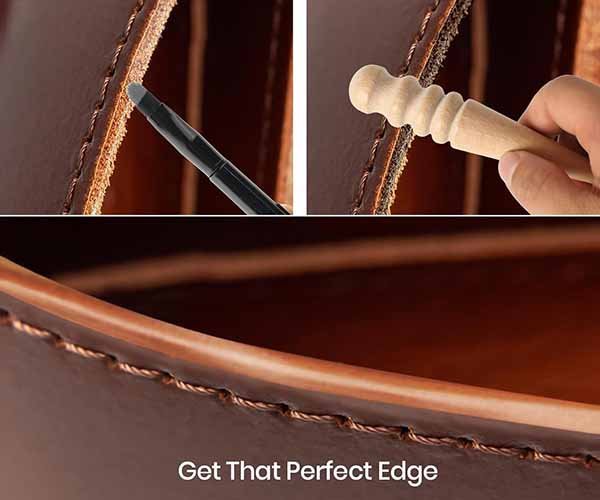
Edge finishing is particularly important for leather clutch bags because exposed leather edges can deteriorate if not properly sealed.
The most common finishing method is edge painting, which involves applying multiple layers of edge paint to seal and protect the leather edges.
Typical edge finishing process:
1 edge trimming 2 sanding 3 edge paint application 4 polishing
This process improves both durability and appearance.
Structural Reinforcement
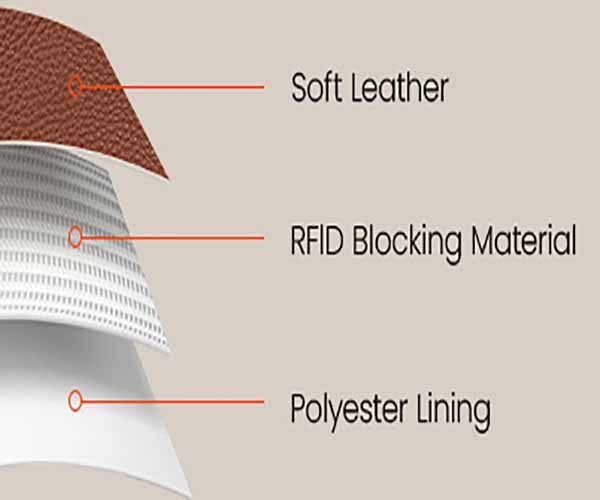
Some clutch bags require internal reinforcement to maintain their shape.
Typical reinforcement materials include:
- thin EVA sheets
- reinforced leather layers
- structural lining fabrics
These materials help maintain the bag’s structure without significantly increasing weight.
Hardware & Accessories for Clutch Bags
Hardware Components Used in Clutch Bag Manufacturing
Hardware components are essential elements of clutch bag design. In addition to functionality, they also contribute to the overall aesthetic of the product.
Szoneier Leather works with several established hardware suppliers located in Guangdong, allowing us to source high-quality components suitable for fashion accessories.
Common Hardware Used in Clutch Bags
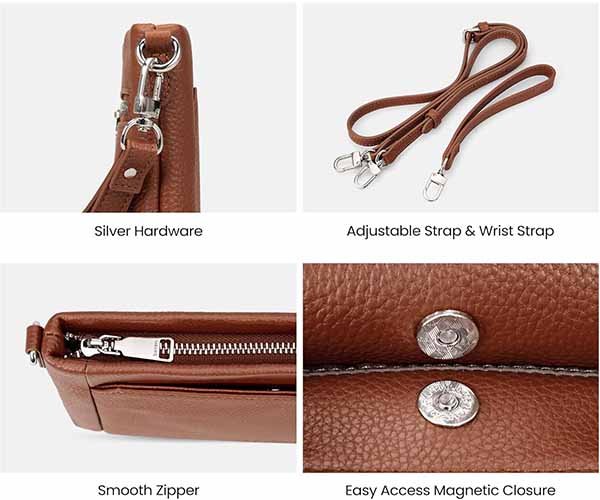
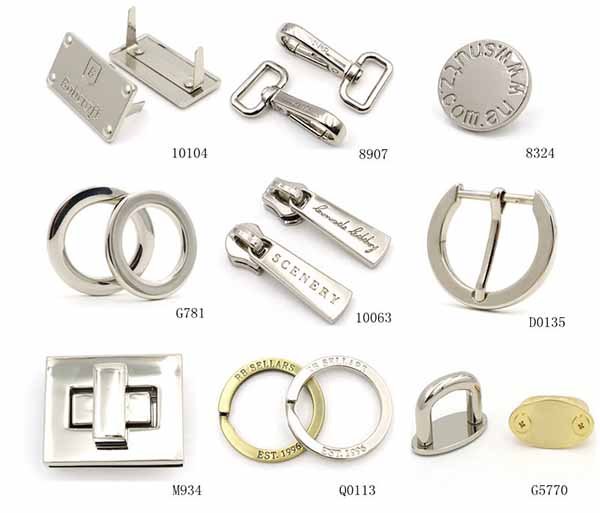
Typical clutch bag hardware includes:
- metal zippers
- magnetic snap closures
- decorative chains
- metal logo plates
- zipper pullers
These components are selected based on the bag design and brand positioning.
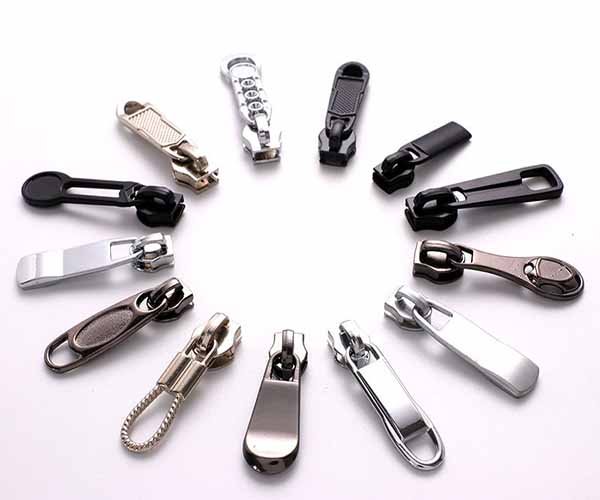
Zipper Systems
Zippers are one of the most commonly used closure systems for clutch bags.
Several zipper types are available depending on the product design.
| Zipper Type | Typical Use |
|---|---|
| Nylon Coil Zipper | Lightweight clutch bags |
| Metal Zipper | Premium leather clutches |
| Waterproof Zipper | Travel accessories |
The most common zipper size used in clutch bags is #5, which provides a balance between durability and smooth operation.
Metal Hardware Materials
Hardware components used in clutch bags are typically made from durable metals.
Common materials include:
| Material | Characteristics |
|---|---|
| Zinc Alloy | Widely used, cost-effective |
| Stainless Steel | Corrosion resistant |
| Brass | Premium finish |
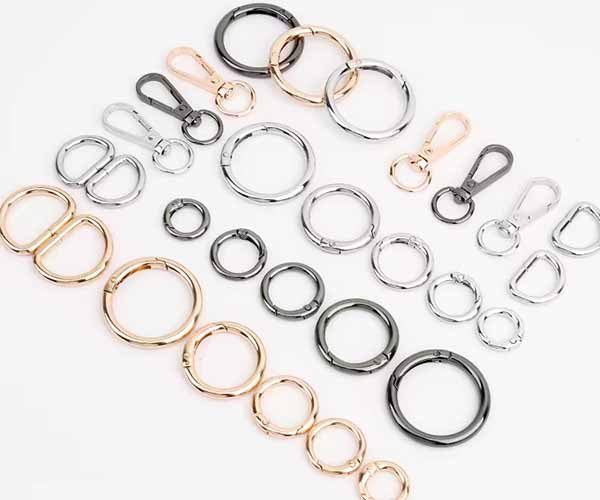
These components can be finished in several plating colors such as gold, silver, gunmetal, or matte black.
Hardware Quality Inspection
Before production begins, hardware components are inspected to ensure they meet quality standards.
Inspection includes checks for:
- plating consistency
- surface defects
- mechanical strength
Because clutch bags often use decorative hardware as design elements, maintaining hardware quality is essential for the final appearance of the product.
Logo & Branding Methods for Custom Clutch Bags
Branding Options for Private Label Clutch Bag Production
Brand identity plays an important role in fashion accessories. For clutch bags, logo placement and branding techniques directly influence how customers recognize and remember the brand.
At Szoneier Leather, we support several branding methods depending on the bag material, product positioning, and design style. During the sampling stage, our development team helps clients select the most suitable logo technique based on leather type, logo size, and desired visual effect.
Different branding techniques create different impressions, from subtle leather embossing to highly visible metal logos.
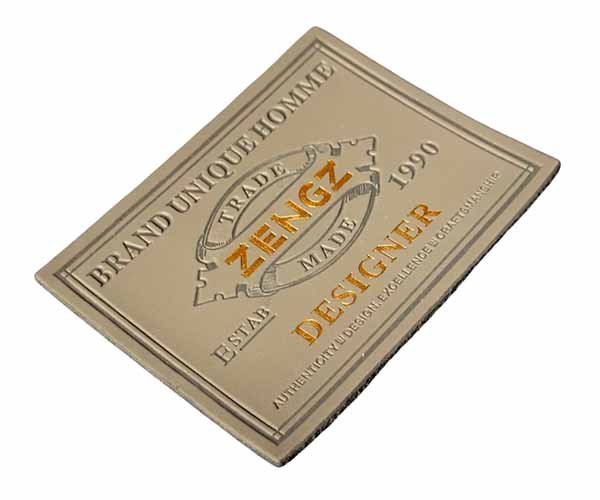
Embossed & Debossed Leather Logos
Embossing and debossing are among the most commonly used branding techniques for leather clutch bags.
These methods use a heated metal mold to press the logo into the leather surface.
Embossed Logo
The logo appears slightly raised above the leather surface.
Debossed Logo
The logo is pressed into the leather surface.
Advantages
- clean and elegant appearance
- long-lasting branding
- no color fading over time
Typical Applications
- luxury clutch bags
- minimalist leather accessories
- designer fashion collections
Custom molds are typically produced during the sampling stage for this branding method.

Foil Stamping
Foil stamping is widely used for fashion clutch bags that require a metallic logo effect.
This process uses heat and pressure to transfer metallic foil onto the leather surface.
Common Foil Colors
- gold foil
- silver foil
- rose gold
- black foil
Foil stamping works best on smooth leather surfaces such as top grain leather or PU leather.
Metal Logo Plates
Metal logo plates are frequently used on structured clutch bags and evening bags.
These plates are usually made from zinc alloy or stainless steel and are attached to the bag using rivets or screws.
Typical Finishes
| Finish | Style |
|---|---|
| Gold | Luxury fashion |
| Silver | Modern style |
| Gunmetal | Contemporary design |
| Matte Black | Minimalist look |
Metal logos create a strong visual presence and are often used for premium accessories collections.

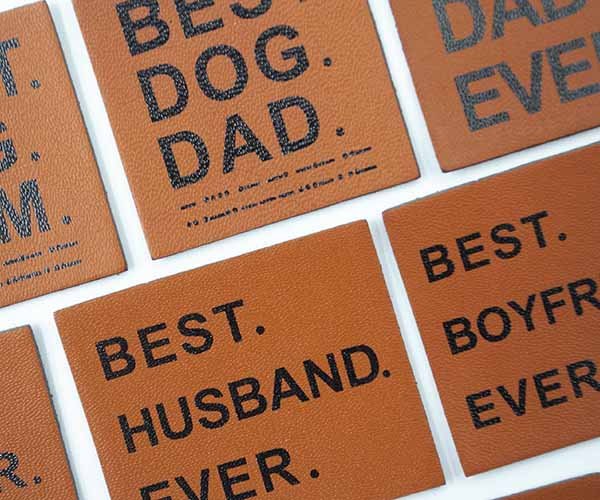
Printed Logos
Printed logos are sometimes used when clutch bags are made from synthetic leather or fabric materials.
Printing methods may include:
- screen printing
- UV printing
- heat transfer printing
These techniques allow brands to apply colorful graphics or detailed designs.
Logo Placement Options
Common logo positions on clutch bags include:
- front panel logo
- metal logo plate on flap
- embossed logo inside the bag
- logo engraved on zipper pullers
The development team at Szoneier Leather often reviews logo placement during the sampling stage to ensure the branding integrates well with the bag design.
MOQ, Sampling & Production Lead Time
Clutch Bag Manufacturing Timeline at Szoneier Leather
Understanding production timelines and order quantities is essential when developing fashion accessories.
Many clutch bag factories require large production quantities, which may create inventory risk for brands launching new products.
At Szoneier Leather, we maintain a flexible manufacturing system that supports smaller production runs while maintaining stable quality standards.
Minimum Order Quantity
The standard minimum order quantity for clutch bag production is:
20 pieces per style
This low MOQ allows brands to test new designs or introduce limited collections before scaling production.
Small production quantities are especially useful for:
- fashion startups
- boutique brands
- online stores
- seasonal collections
Sample Development Timeline
Sampling is the stage where the design concept becomes a physical product prototype.
At Szoneier Leather, our sample development workshop produces prototypes for various leather accessories including clutch bags.
Typical Sample Timeline
| Sample Type | Development Time |
|---|---|
| Standard clutch bag sample | 5–7 days |
| Sample with custom hardware | 7–15 days |
During this stage, our product team evaluates:
- material selection
- bag structure
- stitching quality
- hardware compatibility
If revisions are needed, an updated sample can be produced.
Production Lead Time
Once the sample is approved and production begins, manufacturing typically requires:
25–30 days
Production stages include:
1 leather cutting 2 stitching and assembly 3 hardware installation 4 finishing and cleaning 5 quality inspection 6 packaging
Because Szoneier Leather works with stable suppliers and experienced production teams, production timelines remain consistent across most projects.
Shipping & Trade Terms
Finished products can be shipped using several international logistics options.
Shipping Methods
- international express courier
- air freight
- sea freight
Trade Terms Supported
| Trade Term | Description |
|---|---|
| EXW | Ex Works |
| FOB | Free On Board |
| DAP | Delivered At Place |
| DDP | Delivered Duty Paid |
Our team assists clients with export documentation and shipping coordination.
Clutch Bag Design & Development
Product Development Process at Szoneier Leather
Developing a new clutch bag involves multiple stages that connect design ideas with manufacturing requirements.
At Szoneier Leather, our development process is structured to help clients move efficiently from concept to finished product.
Step 1
Design Consultation
The development process begins with a discussion of the product concept.
Clients may provide:
- sketches
- reference photos
- design specifications
- target dimensions
Our development team reviews the information and evaluates manufacturing feasibility.
Step 2
Material & Hardware Selection
After the design concept is confirmed, appropriate materials and hardware components are selected.
This may include:
- leather type
- lining fabric
- zipper systems
- metal hardware finishes
Material selection affects both product durability and final production cost.
Step 3
Pattern Making
Pattern makers convert the bag design into precise templates used to cut leather panels.
This stage determines:
- bag dimensions
- panel shapes
- seam placement
Accurate patterns ensure consistency during production.
Step 4
Sample Production
Once materials and patterns are prepared, the first prototype sample is produced.
During sample production, the team evaluates:
- bag structure stability
- stitching alignment
- pocket placement
- hardware installation
If improvements are needed, adjustments are made before final approval.
Step 5
Mass Production
After the sample is approved, production begins.
Typical production steps include:
- leather cutting
- stitching and assembly
- hardware installation
- edge finishing
- cleaning and polishing
Step 6
Quality Inspection
Before shipment, finished clutch bags undergo final inspection.
Inspection includes checks for:
- stitching quality
- hardware function
- leather surface defects
- zipper performance
Only products that pass inspection proceed to packaging and shipment.
Quality Control System for Clutch Bag Manufacturing
Multi-Stage Quality Inspection at Szoneier Leather
Consistent quality is essential in fashion accessories, especially for leather clutch bags where small details such as stitching, hardware installation, and edge finishing are clearly visible.
At Szoneier Leather, quality inspection is performed throughout the entire manufacturing process rather than only after production is completed. This approach helps reduce defects and ensures each batch of clutch bags meets the approved sample standard.
Our quality control process includes three main inspection stages.
Raw Material Inspection
Before production begins, all materials are checked to ensure they meet project specifications.
Typical inspection items include:
- leather thickness consistency
- color matching between leather panels
- surface defects such as scratches or scars
- lining material quality
- hardware plating consistency
Materials that do not meet the required standards are rejected before entering production.
Example Material Inspection Checklist
| Inspection Item | Purpose |
|---|---|
| Leather Thickness | Maintain structural stability |
| Leather Color | Consistent product appearance |
| Hardware Plating | Prevent fading or corrosion |
| Zipper Operation | Ensure smooth opening |
Because Szoneier Leather works with long-term material suppliers, most leather materials arrive already pre-selected for quality.
In-Process Production Inspection
During clutch bag manufacturing, production supervisors check products at several key stages.
This allows potential problems to be identified before the product reaches the final stage.
Key Inspection Stages
| Production Stage | Inspection Focus |
|---|---|
| Leather Cutting | Panel accuracy |
| Stitching | Seam alignment |
| Hardware Installation | Position and strength |
| Edge Finishing | Smoothness and durability |
Technicians inspect semi-finished products to ensure stitching lines remain straight and structural components are correctly assembled.
Final Product Inspection
Before packaging, finished clutch bags undergo a final inspection.
Typical inspection checks include:
- stitching quality
- zipper functionality
- hardware alignment
- leather surface condition
- overall product appearance
At Szoneier Leather, finished products are inspected before shipment to ensure the batch meets the approved sample quality.
This final inspection stage helps prevent defective products from reaching retail markets.
Clutch Bag Manufacturing Case Studies
Real Projects Developed by Szoneier Leather
Over the past 18 years, Szoneier Leather has worked with fashion brands, retailers, and e-commerce companies to develop a wide variety of leather accessories.
The following examples illustrate how our team collaborates with clients during product development and production.
Minimalist Leather Clutch for a U.S. Fashion Brand
A U.S. fashion brand contacted Szoneier Leather to develop a minimalist leather clutch designed for everyday use.
The client requested a clean design with a debossed logo and high-quality zipper system.
During sample evaluation, our development team identified that the original leather thickness would not provide enough structure for the bag.
To improve durability, we recommended:
- slightly thicker top grain leather
- reinforced zipper seam construction
Product Specifications
| Feature | Specification |
|---|---|
| Material | Top Grain Leather |
| Bag Type | Zipper Clutch |
| Logo | Debossed Leather |
| Hardware | Nickel Plated |
Project Timeline
| Stage | Time |
|---|---|
| Sample Development | 6 days |
| Production Quantity | 120 pcs |
| Production Time | 27 days |
The product later became one of the brand’s best-selling accessories.
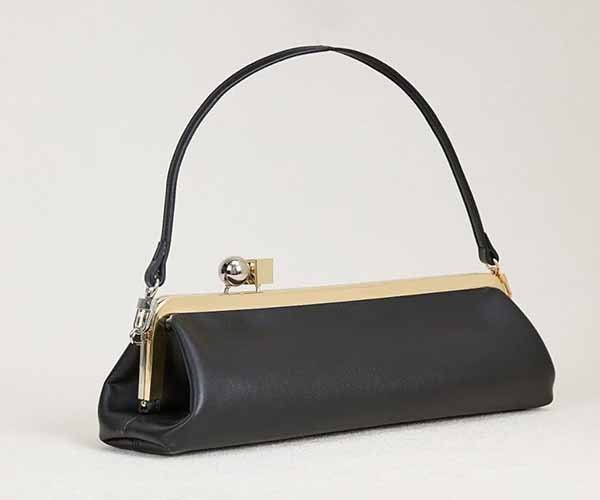
Vegan Leather Evening Clutch for a European Startup
A European fashion startup planned to launch a small accessories collection featuring vegan leather products.
The brand required a structured evening clutch with metallic logo branding.
Szoneier Leather recommended microfiber leather, which offers better durability and texture compared with standard PU leather.
Product Specifications
| Feature | Specification |
|---|---|
| Material | Microfiber Leather |
| Bag Type | Evening Clutch |
| Logo | Foil Stamping |
| Closure | Magnetic Snap |
Development Timeline
| Stage | Time |
|---|---|
| Pattern Development | 2 days |
| Sample Production | 5 days |
| Sample Revision | 4 days |
The brand later expanded the product line with additional color variations.
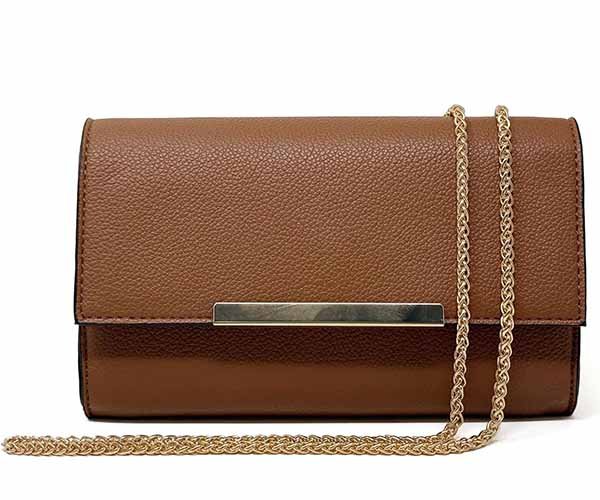
Chain Strap Clutch for an Australian Retailer
An Australian retailer requested a fashion clutch bag designed for evening wear.
The product included a decorative metal chain strap and a metal logo plate.
During development, Szoneier Leather adjusted the internal structure to ensure the clutch maintained its shape while remaining lightweight.
Product Specifications
| Feature | Specification |
|---|---|
| Material | Full Grain Leather |
| Bag Type | Chain Clutch |
| Hardware | Gold Plated |
| Closure | Magnetic Flap |
Production Details
| Item | Details |
|---|---|
| Initial Order | 150 pcs |
| Production Time | 30 days |
| Shipping | Sea Freight |
Make A Sample First
If you have your own tech packs, logo design artwork, or just an idea,please provide details about your project requirements, including preferred fabric, color, and customization options,we’re excited to assist you in bringing your leather goods designs to life through our sample production process.
Frequently Asked Questions About Clutch Bag Manufacturing
Common Questions Brands Ask Before Starting a Clutch Bag Project
When developing a new clutch bag product, many brands have practical questions about materials, production timelines, and customization options. Over the years, the team at Szoneier Leather has received many similar questions from clients preparing to launch new accessories collections.
Below are several of the most common questions about clutch bag manufacturing.
What is the minimum order quantity for clutch bags?
Many clutch bag manufacturers require several hundred pieces per style before accepting production orders. This can create inventory pressure for brands testing new products.
At Szoneier Leather, the standard minimum order quantity for clutch bag production is 20 pieces per style, which allows brands to launch new products with lower inventory risk.
This production model is particularly helpful for:
- fashion startups
- boutique brands
- e-commerce sellers
- seasonal product launches
How long does it take to produce a clutch bag sample?
Sample development allows both the brand and the manufacturer to evaluate the product design before mass production begins.
At Szoneier Leather, most standard clutch bag samples can be completed within 5–7 days after design details and materials are confirmed.
If the product includes custom hardware molds or special structural requirements, the sample development time may extend to 7–15 days.
What materials can be used for clutch bags?
Clutch bags can be produced using both genuine leather and synthetic materials.
Common materials used at Szoneier Leather include:
- full grain leather
- top grain leather
- suede leather
- microfiber leather
- PU leather
Some fashion brands also combine leather with fabric materials such as canvas or nylon to create hybrid designs.
How long does clutch bag production take?
Production timelines depend on order quantity and product complexity. However, most clutch bag orders produced by Szoneier Leather follow a consistent timeline.
The typical production lead time is 25–30 days after the sample has been approved and the production order has been confirmed.
Can Szoneier Leather produce private label clutch bags?
Yes. Szoneier Leather provides OEM and private label manufacturing services for fashion brands, retailers, and e-commerce companies.
Branding options include:
- embossed leather logos
- foil stamped logos
- metal logo plates
- printed logos
Our team helps evaluate which branding technique is most suitable for each product design.
What shipping options are available?
After production and inspection are completed, clutch bags can be shipped using several international logistics options.
Szoneier Leather supports:
- express courier shipping
- air freight
- sea freight
Shipping arrangements can be organized under several trade terms including EXW, FOB, DAP, and DDP depending on the client’s preference.
What payment methods are accepted?
To support international clients, Szoneier Leather accepts several payment methods including:
- PayPal
- credit card
- T/T bank transfer
- Alibaba Trade Assurance
- Alipay
- Western Union
Payment terms typically include a production deposit followed by the remaining balance before shipment.
Start Your Custom Clutch Bag Project
Work With an Experienced Clutch Bag Manufacturer
Developing a successful clutch bag product requires coordination between design, materials, and manufacturing processes.
Whether you already have a detailed design or only a product idea, Szoneier development team can help evaluate the design and provide manufacturing guidance.
If you are looking for a reliable clutch bag manufacturer in China, our team is ready to discuss your project.
Send us your design ideas, reference images, or product specifications, and we will help evaluate the manufacturing plan.
If you have any questions or need a quote, please leave us a message. Our experts will respond within 12 hours to assist you in selecting the ideal fashion products tailored to your needs.
Exclusive Offer for You
As a first-time buyer, you’ll receive a Free bags Color Card to help you select the right material and shade. Once confirmed, we’ll also provide a Free Sample made by our factory—no extra cost.
For our regular partners, we send New Color Charts multiple times a year—completely free—to support your latest collections.