
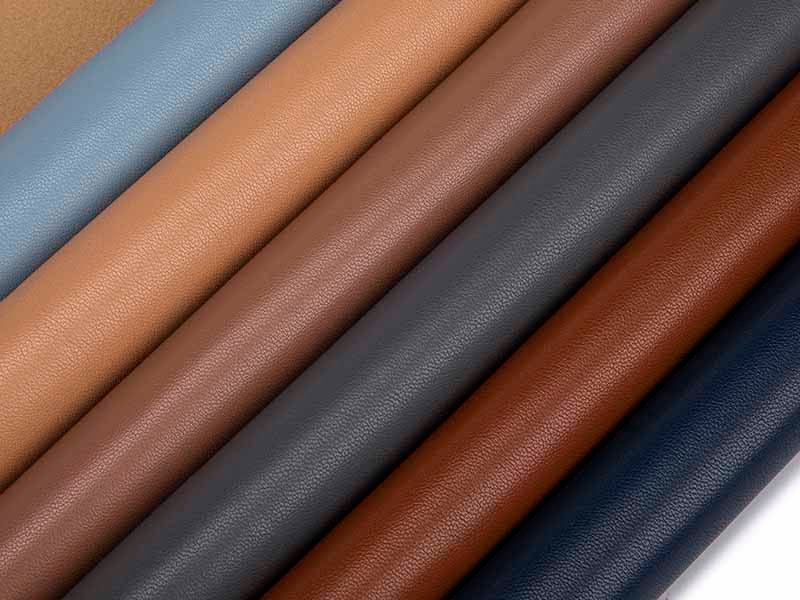
Finding a leather factory in China is not difficult. Finding one that can truly support your product, protect your margins, and keep your quality stable is much harder. Many leather suppliers can send nice photos, offer a low quote, and promise fast lead times. But leather goods are not simple products. A leather bag, wallet, belt, strap, or box depends on raw material selection, cutting skill, edge finishing, stitching control, reinforcement, hardware matching, lining structure, and packaging discipline. If even one of these areas is weak, the final product may look acceptable in a photo but disappoint in real use.
A reliable Chinese leather manufacturer is usually identified by five practical strengths: stable leather sourcing, real product development ability, accurate sampling, consistent production control, and clear communication from quotation to shipment. The right factory does more than make products. It helps turn a design idea into a product that can be sampled, improved, produced in bulk, and reordered with confidence.
This matters even more in leather than in many other categories. A fabric bag with a minor flaw may still pass. A leather product is judged more closely. Customers notice the hand feel, smell, edge paint, stitch line, hardware finish, lining quality, logo clarity, and how the product ages after use. For brand owners and professional importers, choosing the wrong factory can mean uneven leather grain, color mismatch between batches, cracked edge paint, loose stitching, or hardware complaints that show up after the goods reach the market.
This is exactly why factory selection should begin before the first sample, not after a problem appears. If you want to build a serious leather product line, the first question is not who can make it cheapest. The first question is who can make it well, repeatedly, and at the quality level your market expects. That is where the real difference begins.
Why Choose a Chinese Leather Manufacturer?
A Chinese leather manufacturer is often a strong choice because China combines leather supply networks, hardware sourcing, sample development teams, sewing capacity, packaging support, and export experience in one manufacturing system. For brands and wholesale customers, this can reduce development time, improve communication around custom work, and make it easier to manage both trial orders and repeat production.
Why Do Brands Work With a Chinese Leather Manufacturer?
Brands do not choose China only because of price. Serious customers choose China because the manufacturing system can support many parts of the project at the same time. A good leather product factory in China is rarely working alone. It usually sits inside a connected network of tanneries, split-leather processors, hardware suppliers, lining suppliers, logo vendors, packaging factories, and freight support. That network matters because leather goods are detail-heavy products.
A leather wallet or belt may look simple, but the factory still has to manage all of this well:
| Production Area | What the Customer Really Gets |
|---|---|
| Leather sourcing | More stable material options and faster matching |
| Hardware sourcing | Better choice of buckles, zippers, snaps, and logo parts |
| Sample development | Faster revision and more practical product improvement |
| Skilled production | Better edge paint, stitching, folding, and assembly quality |
| Packaging support | Easier private label and retail-ready presentation |
| Export handling | Fewer mistakes in labeling, packing, and shipment flow |
This is one reason many professional customers prefer an established Chinese manufacturer over a small workshop or a pure trading source. When the product becomes more complex, the value of an integrated system becomes clearer.
For example, a leather box project may require rigid board structure, wrapped leather panels, clean turned edges, logo foil stamping, velvet lining, magnet closure, and gift packaging. A leather belt project may require strap cutting precision, buckle matching, hole spacing control, edge coating, embossing consistency, and size accuracy. A leather handbag may require pattern engineering, reinforcement inside the handles, zipper alignment, gusset balance, lining construction, and metal accessory coordination. The factory must manage all of these steps, not just stitch leather pieces together.
That is also why companies like SzoneierLeather are positioned well for professional customers. The company is not only making finished products. It has deeper ability in raw material supply chain control, raw material development, finished product development, design, sampling, production, packaging design, and packaging inspection. For customers who already understand products and want a serious factory partner, those capabilities matter far more than a low quote alone.
Which Regions Have a Chinese Leather Manufacturer?
Location matters more than many customers think. In China, leather manufacturing is not evenly distributed. Different regions have built different strengths over time, and those strengths affect material access, labor experience, production style, and supplier type.
The most important leather manufacturing regions usually include:
| Region | Common Strength |
|---|---|
| Guangdong | Higher-value leather goods, OEM export production, handbags, small leather goods |
| Zhejiang | Belts, accessories, mixed leather and fashion production |
| Fujian | Fashion accessories, bags, cross-category production |
| Hebei | Belts, wallets, cost-driven leather accessories |
Among them, Guangdong is often the most attractive for customers looking for custom OEM and private label leather products with stronger development support. Shenzhen and Guangzhou are especially valuable because the ecosystem around them supports both manufacturing and export service. Customers can usually find better access to leather suppliers, hardware sources, sample-making talent, and packaging support in this region.
A simple sourcing view looks like this:
| If Your Priority Is… | Region Often Worth Checking First |
|---|---|
| Better OEM support and export responsiveness | Guangdong |
| Belts and accessories with larger commercial volume | Zhejiang or Hebei |
| Fashion-driven mixed product sourcing | Guangdong or Fujian |
| More premium small leather goods development | Guangdong |
This does not mean a factory outside Guangdong cannot be excellent. It means regional specialization gives you useful clues. If your project involves leather bags, wallets, straps, belts, accessories, and leather boxes under one brand system, a region with broader leather manufacturing depth is usually a better fit than one focused only on one narrow category.
For customers, the practical lesson is simple: do not treat all Chinese factories as interchangeable. Ask whether the region matches the product. A supplier in the wrong production cluster may still quote your product, but that does not mean it is the best place to build it.
Are Chinese Leather Manufacturer Services Good for OEM?
Yes, when the factory is a real OEM manufacturer and not just a reseller. This distinction is important. OEM means the factory can develop and manufacture products according to your design direction, material needs, logo requirements, and packaging standards. That requires technical capability, not just sales ability.
A reliable OEM leather manufacturer should normally be able to support these steps:
| OEM Stage | What a Strong Factory Should Do |
|---|---|
| Design review | Check whether the design is practical for production |
| Material matching | Recommend leather type, thickness, lining, and hardware |
| Sample making | Build a first prototype and improve details |
| Cost control | Suggest structure changes that protect margin |
| Production setup | Keep approved sample as the production standard |
| Bulk manufacturing | Maintain consistency across the order |
| Packing and shipping | Follow labeling and carton rules correctly |
Customers often assume OEM only means “put my logo on the product.” In leather goods, it is much more than that. A strong OEM leather factory should also help with:
- leather selection by target market
- construction adjustments for durability
- edge finish recommendations
- logo method choice
- hardware quality matching
- color and texture consistency planning
- packaging suggestions for retail or wholesale channels
For example, if a customer wants a custom leather wallet, the factory should not only ask for size and logo. It should also ask questions like:
- What leather feel do you want: soft, structured, matte, glossy, full-grain, corrected grain?
- Is the wallet positioned for entry-level retail or premium brand sale?
- Do you prefer edge-painted construction or turned-edge construction?
- Will the card slots be tight at first or easier to use immediately?
- Does the packaging need to support gifting or e-commerce shipment?
That kind of conversation is a good sign. It shows the factory is thinking about the finished product, not just the order quantity.
This is why customers with professional product knowledge often prefer specialized factories like SzoneierLeather. The company’s strength in material development, finished product development, product design, sample making, production, packaging design, and packaging inspection gives it a stronger OEM base than a supplier that only offers surface-level customization. For customers building their own brand, this is often the difference between a supplier and a real manufacturing partner.
What Should Customers Understand Before Talking to Leather Factories?
Many problems in leather sourcing begin with weak first communication. A customer asks for a quote too early, with too little information, and then gets a price that is either unrealistic or too vague to be useful. Leather products need more clarity at the start because material and construction choices affect cost much more than in many basic sewn products.
Before contacting factories, customers should prepare at least these points:
| Item to Prepare | Why It Matters |
|---|---|
| Product type | A belt, wallet, handbag, strap, or leather box each needs different production methods |
| Leather direction | Full-grain, top-grain, split leather, PU, bonded leather, suede, etc. |
| Approximate dimensions | Affects material usage, pattern cutting, and packing size |
| Logo method | Embossing, debossing, foil stamping, metal plate, woven label, print |
| Hardware expectation | Changes cost, durability, and appearance |
| Quantity target | Influences MOQ and unit-price structure |
| Packaging need | Affects total cost and presentation level |
| Target market | Helps the factory judge needed finish level |
Even if the customer does not know every technical detail yet, having a clear product direction makes the factory conversation much more useful.
Here is a practical example. Compare these two inquiry styles:
Weak inquiry:
“Please quote leather wallet.”
Better inquiry:
“We want to develop a bifold leather wallet for our brand. Approximate size is 11.5 x 9.5 cm closed. We prefer full-grain or top-grain leather with a clean matte finish. Six card slots, two hidden pockets, one bill compartment, no zipper. Logo will be blind embossing outside and foil logo on the gift box. Initial quantity may be 300 pieces. Please advise MOQ, sample time, and suggested leather thickness.”
The second message gives the factory enough information to think seriously. It also helps the customer identify whether the supplier understands the category. A capable factory will respond with useful questions and suggestions. A weak one may still only send a broad price range.
This first-stage clarity is especially important with leather because customer expectations are usually higher. End users notice hand feel, structure, finish, and aging performance immediately. If the project is positioned for premium retail, a mistake in leather selection can damage the whole product line.
What Makes Leather Products Harder to Source Than Many Other Items?
Leather products are significantly more complex to source than many textile or plastic goods. While fabric bags, simple accessories, or molded products often rely on standardized materials, leather products depend heavily on natural raw materials and skilled craftsmanship. Every stage—from hide selection to finishing—affects the final product’s durability, appearance, and customer perception.
For brands and professional wholesale customers, this complexity means that selecting the wrong manufacturer can lead to inconsistent product quality, color variation between batches, or structural weaknesses that only become visible after the products reach the market.
Several factors make leather products more difficult to source than most other manufactured goods.
Natural Leather Is Not a Uniform Material
Unlike synthetic materials such as polyester or nylon, leather comes from natural animal hides. Each hide has unique characteristics, including grain patterns, thickness variations, scars, and pores. These natural variations require careful selection and grading during production.
Factories must sort leather before cutting to ensure consistent appearance across a production batch.
| Leather Variation | Impact on Product |
|---|---|
| Grain pattern differences | Affects visual consistency |
| Thickness variation | Influences durability and flexibility |
| Natural scars or marks | May reduce usable cutting area |
| Color absorption differences | Can create shade variation |
Because leather cannot be manufactured in perfectly identical sheets like synthetic fabrics, skilled technicians must evaluate and match leather pieces carefully during cutting. This process requires experience and careful quality control.
Leather Grading and Tanning Methods Affect Quality
Leather is available in multiple grades and finishing methods. Two leather materials that look similar at first glance may perform very differently over time.
For example, a premium leather bag may use full-grain leather, while a lower-cost version may use corrected grain or split leather with a surface coating.
| Leather Grade | Characteristics | Longevity |
|---|---|---|
| Full-grain leather | Natural surface, strongest fibers | Long-lasting |
| Top-grain leather | Slightly sanded surface | Durable |
| Split leather | Lower layer of hide | Moderate durability |
| Bonded leather | Reconstituted fibers | Limited lifespan |
Tanning methods also influence the leather’s characteristics.
| Tanning Method | Features |
|---|---|
| Vegetable tanning | Natural appearance, firm texture |
| Chrome tanning | Softer feel, more flexible |
Manufacturers must understand how these materials behave in different product types. For example, a leather belt requires thicker, stronger leather than a small wallet.
Leather Craftsmanship Requires Skilled Labor
Leather goods production is highly dependent on manual craftsmanship. Even with modern machinery, many steps still require experienced technicians.
Key leather manufacturing processes include:
| Craft Process | Why It Matters |
|---|---|
| Leather cutting | Determines shape accuracy |
| Skiving (thinning edges) | Allows smooth folding |
| Edge painting | Protects and finishes edges |
| Stitching | Provides structural strength |
| Hardware installation | Ensures durability and alignment |
Inconsistent craftsmanship can create visible defects such as uneven edges, crooked stitching, or poorly aligned hardware.
For example, poorly executed edge painting can cause cracking after repeated use. Similarly, inaccurate stitching tension may weaken structural seams.
Factories with experienced leather craftsmen typically achieve more consistent product quality across production batches.
Leather Color Matching Is More Difficult
Color consistency is another challenge when sourcing leather products. Leather absorbs dyes differently depending on hide characteristics and finishing processes. Even small variations in tanning batches can produce noticeable color differences.
For products such as handbags or belts sold in sets, color consistency is essential.
| Production Factor | Potential Issue |
|---|---|
| Different tanning batches | Slight color shade variation |
| Leather grain variation | Uneven dye absorption |
| Surface finishing | Color tone changes |
Reliable manufacturers usually control color consistency by sourcing leather from the same production batch and performing color comparisons during cutting.
Hardware and Leather Must Work Together
Leather products often combine multiple materials, including metal hardware, lining fabrics, zippers, and reinforcements. If these components are not selected carefully, the final product may suffer from functional problems.
Examples include:
| Component | Risk if Poorly Matched |
|---|---|
| Metal buckles | Rust or surface scratches |
| Zippers | Poor durability |
| Lining fabric | Tearing after repeated use |
| Adhesives | Delamination over time |
Factories experienced in leather product manufacturing usually maintain long-term relationships with hardware suppliers to ensure that accessories match the quality level of the leather material.
Packaging and Presentation Expectations Are Higher
Leather goods are often sold as premium products. Customers purchasing leather items expect attractive packaging and careful presentation.
Packaging may include:
| Packaging Element | Purpose |
|---|---|
| Dust bags | Protect leather surfaces |
| Branded gift boxes | Enhance product value |
| Protective wrapping | Prevent scratches during transport |
Because leather goods are often positioned as high-end items, poor packaging can reduce perceived product value even if the product itself is well made.
Production Consistency Is Harder to Maintain
Maintaining consistent quality across multiple production batches is another challenge. Leather supply, labor skill, and material finishing can all influence production outcomes.
Reliable leather manufacturers address this challenge by maintaining strict production standards and detailed documentation for each order.
Typical quality management practices include:
| Quality Control Method | Benefit |
|---|---|
| Standardized leather grading | Consistent material selection |
| Production reference samples | Maintain craftsmanship consistency |
| Batch inspection records | Track production variations |
Factories with structured production systems can replicate product quality more reliably across multiple orders.
Why Experienced Manufacturers Matter in Leather Production
Because leather sourcing involves natural materials, skilled craftsmanship, and careful coordination of multiple production steps, experience plays a critical role in achieving stable results.
Manufacturers with long industry experience usually develop stronger supplier networks, refined production techniques, and more disciplined quality control systems.
For example, SzoneierLeather, with over 18 years of leather manufacturing experience, integrates raw material sourcing, product development, sampling, manufacturing, and packaging into a unified production system. This approach allows the company to maintain stable quality while supporting custom leather products for brand customers and wholesale clients.
When sourcing leather goods, choosing a manufacturer with strong material knowledge and production experience can significantly reduce the risk of quality problems and ensure that products meet the expectations of demanding markets.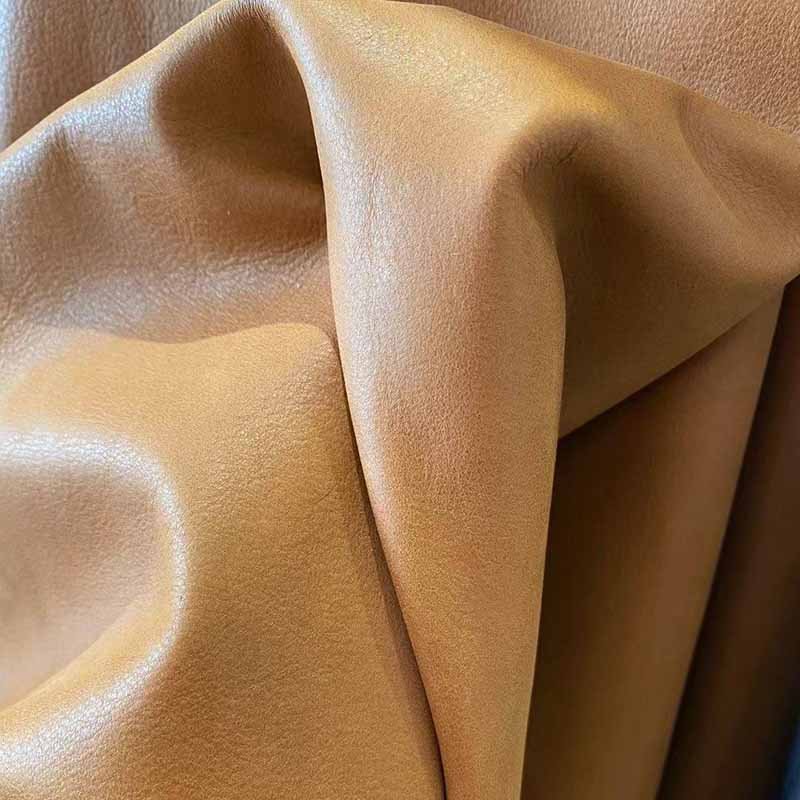
What Types of Chinese Leather Manufacturer Exist?
Not every company that sells leather products online is a real manufacturer. In China’s leather goods industry, suppliers usually fall into several different categories. Each type of company operates differently in terms of product development ability, pricing structure, production control, and communication efficiency.
For brands and professional wholesale customers, understanding these supplier types is essential. Choosing the wrong supplier structure can lead to unstable pricing, slower product development, or inconsistent product quality.
A reliable Chinese leather manufacturer normally operates within a structured production system that includes material sourcing, sample development, production lines, and quality inspection teams.
What Is an OEM Chinese Leather Manufacturer?
An OEM Chinese leather manufacturer produces products according to the customer’s design and brand requirements. The client provides the product concept, technical specifications, materials, and branding details, and the factory turns these into finished products.
OEM production is the most common cooperation model for brands developing custom leather products such as bags, wallets, belts, straps, accessories, and leather boxes.
The typical OEM development process looks like this:
| Production Step | What the Manufacturer Does | What the Client Does |
|---|---|---|
| Design evaluation | Review product structure and materials | Provide drawings or reference samples |
| Material recommendation | Suggest suitable leather and hardware | Confirm materials |
| Sample development | Produce prototype | Approve or revise sample |
| Cost analysis | Calculate production cost | Confirm price and quantity |
| Bulk production | Manufacture goods | Monitor schedule |
| Quality inspection | Inspect products before shipment | Review inspection reports |
A professional OEM leather manufacturer usually provides additional support beyond simple production. This support may include:
- leather thickness recommendations
- hardware selection guidance
- logo application methods
- structural improvements for durability
For example, when developing a leather wallet, the factory may recommend adjusting leather thickness to improve folding durability. When producing leather belts, the manufacturer may suggest reinforced stitching or stronger buckles to support heavy use.
Companies like SzoneierLeather specialize in OEM leather manufacturing. Their production system integrates raw material sourcing, product design, sample development, manufacturing, and packaging design, allowing brands to develop complete product lines under one supplier.
What Is an ODM Chinese Leather Manufacturer?
ODM stands for “original design manufacturer.” In this model, the supplier creates product designs independently and offers them to customers for customization or branding.
ODM suppliers typically maintain their own product catalog containing ready-made leather items.
Common ODM products include:
- leather handbags
- leather wallets
- leather belts
- leather accessories
The ODM workflow usually follows these steps:
| Stage | Description |
|---|---|
| Product selection | Customer selects a design from catalog |
| Customization | Color, logo, or hardware modifications |
| Sample confirmation | Prototype produced for approval |
| Production | Order manufactured with custom branding |
ODM manufacturing can reduce development time because the design phase has already been completed. However, ODM products may offer less product uniqueness compared with OEM development.
Brands focused on strong product differentiation usually prefer OEM production because it allows full control over product design and materials.
Are Trading Companies Chinese Leather Manufacturer?
Many leather product suppliers operate as trading companies rather than direct factories. These companies source products from multiple factories and act as intermediaries between manufacturers and overseas clients.
Trading companies can still provide value in certain situations, especially when buyers need assistance coordinating multiple suppliers. However, the operational structure differs from working directly with a manufacturer.
| Supplier Type | Advantages | Limitations |
|---|---|---|
| Direct manufacturer | Full production control, lower cost | Requires clear communication |
| Trading company | Easier sourcing across multiple factories | Less direct quality control |
When working with leather products, many professional clients prefer dealing directly with manufacturers because leather craftsmanship requires careful control of materials and production methods.
A direct manufacturer can adjust details quickly during sample development. For example, if a leather bag requires structural reinforcement or different leather thickness, a factory can modify the sample immediately. A trading company must usually communicate these adjustments through another factory, which can slow down development.
Customers can often identify supplier type by asking about production details. Factories usually answer questions about sewing lines, leather cutting equipment, or production capacity clearly. Trading companies may provide more general answers or require additional time to confirm technical details.
How Do You Check a Chinese Leather Manufacturer?
Once potential suppliers have been identified, the next step is verifying whether the factory truly has the capability to support your product. Leather manufacturing requires precise craftsmanship and consistent quality control, so evaluating production systems carefully is important.
How Do You Review a Chinese Leather Manufacturer Experience?
A manufacturer’s experience can be evaluated by examining the range of leather products it has produced and the industries it serves.
Experienced leather factories often specialize in multiple product categories such as:
| Product Category | Manufacturing Skills Required |
|---|---|
| Leather bags | Pattern development and structural reinforcement |
| Leather wallets | Precision cutting and stitching |
| Leather belts | Strap cutting and buckle installation |
| Leather straps | Hardware integration |
| Leather boxes | Rigid structure construction |
Factories that have worked with international brands usually understand packaging requirements, labeling standards, and quality expectations required by retail markets.
Years of operation also matter. Factories with longer experience often have stronger supply networks and production knowledge.
For example, SzoneierLeather has accumulated more than 18 years of leather manufacturing experience, supporting brands with both custom development and stable production capacity.
Which Certifications Should a Chinese Leather Manufacturer Have?
Certifications help verify whether a factory meets certain production and quality standards. While certifications alone do not guarantee product quality, they provide useful information about the company’s operational practices.
Common certifications in leather manufacturing include:
| Certification | Purpose |
|---|---|
| ISO 9001 | Quality management system |
| BSCI | Social responsibility compliance |
| REACH | Chemical safety compliance |
| SGS testing | Independent product testing |
Leather manufacturers may also perform internal inspections to ensure that materials and products meet required specifications.
These inspections typically include checks for:
- leather thickness
- color consistency
- stitching quality
- hardware durability
Factories with structured quality systems usually maintain written inspection standards and product specifications for each order.
How Do You Visit a Chinese Leather Manufacturer Factory?
Factory visits remain one of the most reliable ways to evaluate manufacturing capability. A physical visit allows buyers to observe the production environment, equipment, and working conditions directly.
During a factory visit, customers should review several areas:
| Factory Area | What to Check |
|---|---|
| Sample room | Product development capability |
| Leather storage | Material organization |
| Cutting workshop | Precision cutting equipment |
| Sewing production lines | Worker experience |
| Quality inspection stations | Inspection procedures |
| Packaging department | Export preparation |
If visiting in person is not possible, many factories now offer video tours of their facilities. These virtual inspections can still provide valuable insight into the factory’s organization and production capacity.
Reliable leather manufacturers are usually open to showing their facilities because they take pride in their production systems.
How Do You Judge a Chinese Leather Manufacturer Quality?
Judging the quality level of a Chinese leather manufacturer requires more than simply looking at product photos. Leather products are judged by material authenticity, craftsmanship, structural durability, and finishing consistency. A reliable manufacturer should demonstrate stable leather sourcing, precise cutting techniques, disciplined stitching, and controlled finishing processes.
For brands and professional wholesale customers, evaluating leather quality early can prevent costly problems during bulk production. Once leather goods reach the market, issues such as cracking edges, loose stitches, color inconsistency, or hardware corrosion can quickly damage brand reputation.
What Leather Materials Does a Chinese Leather Manufacturer Use?
The type of leather used is one of the most important indicators of a manufacturer’s quality level. Leather can vary widely in durability, appearance, and cost depending on the grade and tanning method.
Below is a simplified comparison of common leather types used in leather goods manufacturing.
| Leather Type | Characteristics | Typical Products |
|---|---|---|
| Full-grain leather | Highest quality, natural grain visible | Premium bags, belts, wallets |
| Top-grain leather | Slightly corrected surface | Handbags, wallets |
| Split leather | Lower layer of hide, coated surface | Budget leather products |
| Bonded leather | Recycled leather fibers | Decorative accessories |
| PU leather | Synthetic material | Entry-level fashion products |
Reliable leather manufacturers should clearly explain the leather types they offer and how these materials affect product durability and price.
When evaluating a supplier, customers should ask questions such as:
- What leather thickness is recommended for this product?
- Is the leather vegetable-tanned or chrome-tanned?
- Can the factory match leather color across production batches?
Factories experienced in leather goods usually maintain long-term relationships with tanneries and leather suppliers. This helps ensure that raw materials remain consistent between production orders.
Companies like SzoneierLeather operate with strong raw material supply chains, allowing them to source stable leather materials for different product categories such as bags, wallets, belts, straps, accessories, and leather boxes.
How Does a Chinese Leather Manufacturer Control Quality?
Leather goods manufacturing involves many production stages where quality must be monitored carefully. Reliable factories establish quality checkpoints throughout the entire process rather than inspecting products only at the final stage.
A typical leather production quality system includes the following steps:
| Production Stage | Quality Focus |
|---|---|
| Raw material inspection | Leather thickness, color consistency |
| Cutting inspection | Pattern accuracy and material utilization |
| Sewing inspection | Stitch density and alignment |
| Edge finishing inspection | Smoothness of edge paint |
| Final inspection | Overall appearance and function |
Many professional leather factories follow structured inspection procedures during production. For example, inspectors may check every production batch to ensure that stitching remains consistent and that hardware is installed correctly.
Customers sourcing leather goods should also pay attention to durability testing. Leather products may undergo tests such as:
| Test Type | Purpose |
|---|---|
| Tensile testing | Evaluate seam strength |
| Abrasion testing | Assess surface durability |
| Colorfastness testing | Check dye stability |
| Hardware corrosion testing | Ensure metal parts resist rust |
Factories that maintain detailed quality records and inspection standards usually demonstrate stronger production discipline.
Which Craft Details Show a Chinese Leather Manufacturer Level?
The craftsmanship of leather goods reveals the true capability of a manufacturer. Even when high-quality leather is used, poor craftsmanship can reduce the value of the final product.
Professional buyers often examine several key details when evaluating leather goods:
| Craft Detail | What to Check |
|---|---|
| Stitching | Straight lines and consistent spacing |
| Edge finishing | Smooth, even edge paint |
| Leather cutting | Clean edges without fraying |
| Hardware installation | Secure and aligned metal parts |
| Interior lining | Smooth stitching and strong attachment |
Edge finishing is particularly important for leather goods such as wallets and belts. Uneven edge paint can crack or peel after repeated use, which affects the product’s durability and appearance.
Similarly, stitching consistency plays a major role in the structural strength of leather products. Factories with skilled technicians maintain uniform stitch spacing and strong thread tension to ensure long-term durability.
Factories like SzoneierLeather place strong emphasis on craftsmanship because leather goods are often premium products. Skilled workers and strict production standards help ensure that each product maintains consistent quality across production batches.
How Do You Work With a Chinese Leather Manufacturer?
Once a reliable leather manufacturer has been identified, establishing a structured cooperation process helps ensure smooth production. Clear communication about product specifications, sampling procedures, and production schedules is essential for successful collaboration.
How Do You Request Samples From a Chinese Leather Manufacturer?
Sampling is the most important step before placing a bulk order. A well-developed sample allows the customer to verify leather quality, craftsmanship, and product functionality.
The sample development process usually includes the following stages:
| Step | Description |
|---|---|
| Design discussion | Customer provides product concept |
| Material selection | Factory proposes suitable leather |
| Sample production | Prototype manufactured |
| Sample review | Customer evaluates quality |
| Revision | Adjustments made if needed |
For most leather goods, sample development requires 5–10 days depending on product complexity.
Sample fees are commonly charged to cover material and labor costs. However, many manufacturers refund the sample fee once the customer places a bulk production order.
Sampling also provides insight into the factory’s communication style. Suppliers that respond quickly and provide detailed explanations usually demonstrate stronger development capability.
What MOQ Does a Chinese Leather Manufacturer Require?
Minimum order quantity (MOQ) varies depending on the type of leather product and the complexity of production.
Below are common MOQ ranges for leather goods manufacturing:
| Product Type | Typical MOQ |
|---|---|
| Leather wallets | 100–300 pieces |
| Leather belts | 200–500 pieces |
| Leather bags | 300–500 pieces |
| Leather accessories | 200–400 pieces |
Manufacturers with flexible production systems may accept smaller orders for new customers. This flexibility is particularly helpful for brands testing new product designs.
SzoneierLeather supports low MOQ customization, enabling customers to launch new leather products with reduced financial risk.
How Does a Chinese Leather Manufacturer Start Production?
After the sample is approved and order details are confirmed, the factory begins preparing for bulk production. This stage involves material sourcing, production scheduling, and quality planning.
A typical leather goods production timeline includes:
| Production Stage | Average Time |
|---|---|
| Leather sourcing | 7–10 days |
| Cutting preparation | 2–3 days |
| Sewing and assembly | 10–15 days |
| Quality inspection | 2–3 days |
| Packaging and shipment | 3–5 days |
The total production lead time usually ranges between 25 and 35 days, depending on order quantity and product complexity.
Reliable manufacturers provide regular updates during production so that customers can monitor progress and address potential issues early.
Start Your Leather Product Project With SzoneierLeather
Choosing the right manufacturing partner is one of the most important decisions when developing leather products. A reliable factory not only produces goods but also supports product development, material selection, and quality control.
SzoneierLeather has more than 18 years of experience in leather product development and manufacturing. The company specializes in producing custom leather goods including:
- leather bags
- leather wallets
- leather belts
- leather straps
- leather accessories
- leather boxes
With strong raw material supply chains, experienced development teams, and disciplined production systems, SzoneierLeather supports both brand customers and custom wholesale clients looking for reliable leather manufacturing partners.
If you are planning to launch a leather product line or expand your brand’s leather collection, working with a professional manufacturing partner can help ensure product quality and production stability.
Contact SzoneierLeather today to discuss your custom leather product project and receive a professional quotation.